
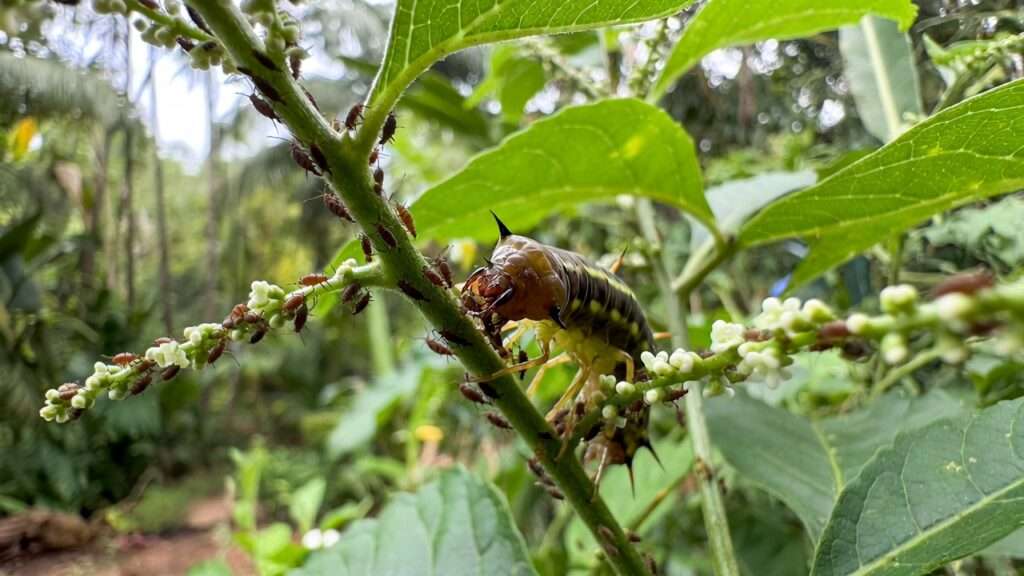
Picture this: You step into your garden on a beautiful spring morning in Bangladesh or anywhere else in the world, only to find your favourite rose bushes, mango saplings, guava trees, or chili plants absolutely swarming with tiny green, black, or pink aphids. They’re sucking the life out of your plants, curling leaves, stunting growth, and spreading sticky honeydew everywhere. 😱
You’ve tried neem oil, soap sprays, and even manual squishing… but the aphids keep coming back stronger.
What if I told you that one single, tiny, ferocious predator — the lacewing larva, affectionately known as the “aphid lion” — can devour up to 100 aphids per day and up to 1,000 in its short lifetime?
Yes, you read that right.
In the ultimate battle of lacewing larva vs. aphids effectiveness, these little monsters are often the undisputed champions of biological pest control in organic gardens and orchards worldwide — including right here in Barisal, Khulna, or any humid tropical region where aphids explode during the cooler months. 🌿✨
Keep reading, because by the end of this expert guide (updated January 2026), you’ll know exactly how powerful lacewing larvae are, how many aphids they actually eat (with scientific numbers), how they compare to ladybugs and other predators, and — most importantly — how to use them successfully in your own garden or small farm to achieve near-total aphid annihilation without a single chemical. 🏆
What Exactly Is a Lacewing Larva? Meet the Real “Aphid Lion” 🦋→🐛
Lacewings belong to the family Chrysopidae, with the most common and effective species for aphid control being Chrysoperla carnea (common green lacewing) and Chrysoperla rufilabris (widely used in commercial biocontrol).
While adult lacewings are delicate, shimmering green insects with golden eyes and gossamer wings (beautiful pollinators that feed only on nectar and pollen), it’s their larval stage that earns them the fearsome nickname “aphid lion.”
These larvae look like tiny alligators — flattened, tapered bodies with huge sickle-shaped jaws. They are active hunters that sprint across leaves at surprising speed, detect prey through chemical cues, and inject paralyzing venom before sucking their victims dry. Brutal, but incredibly effective! 😈
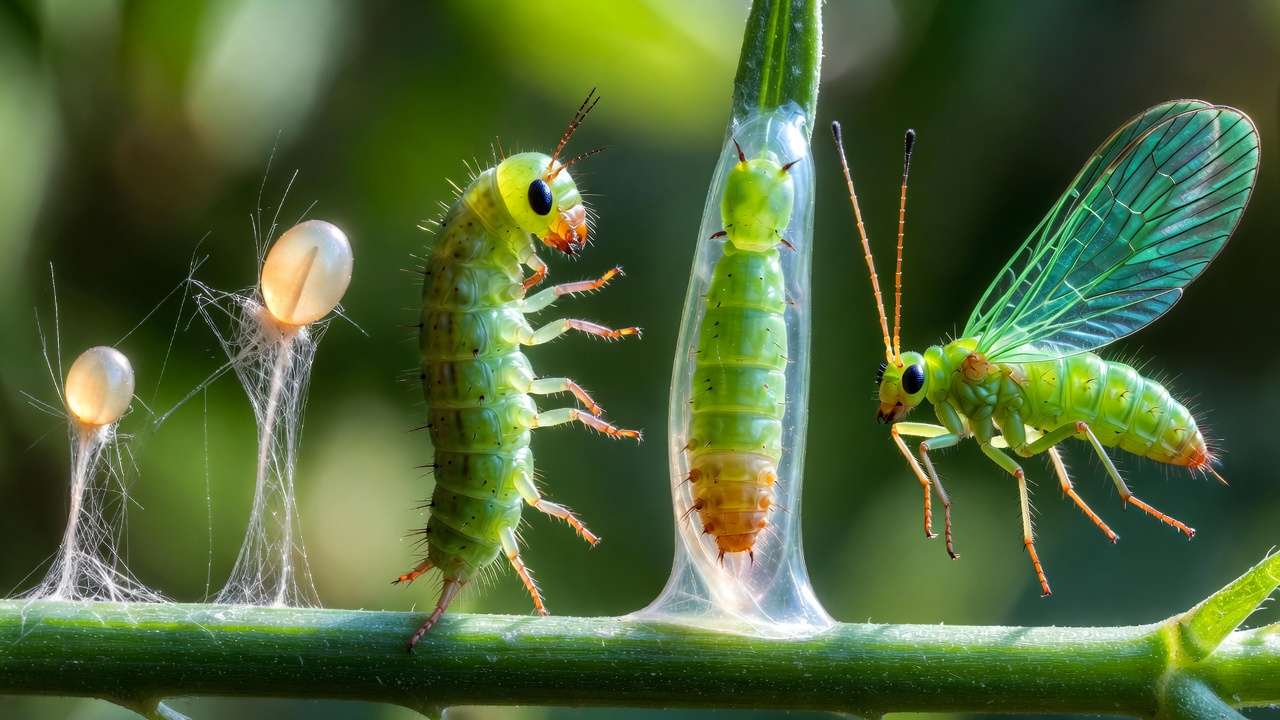
A single female lacewing can lay 200–400 eggs over her lifetime, each on a thin silk stalk to prevent cannibalism. Eggs hatch in 3–6 days (faster in our warm Bangladeshi climate), and the larvae immediately begin their feeding frenzy for 2–3 weeks before pupating.
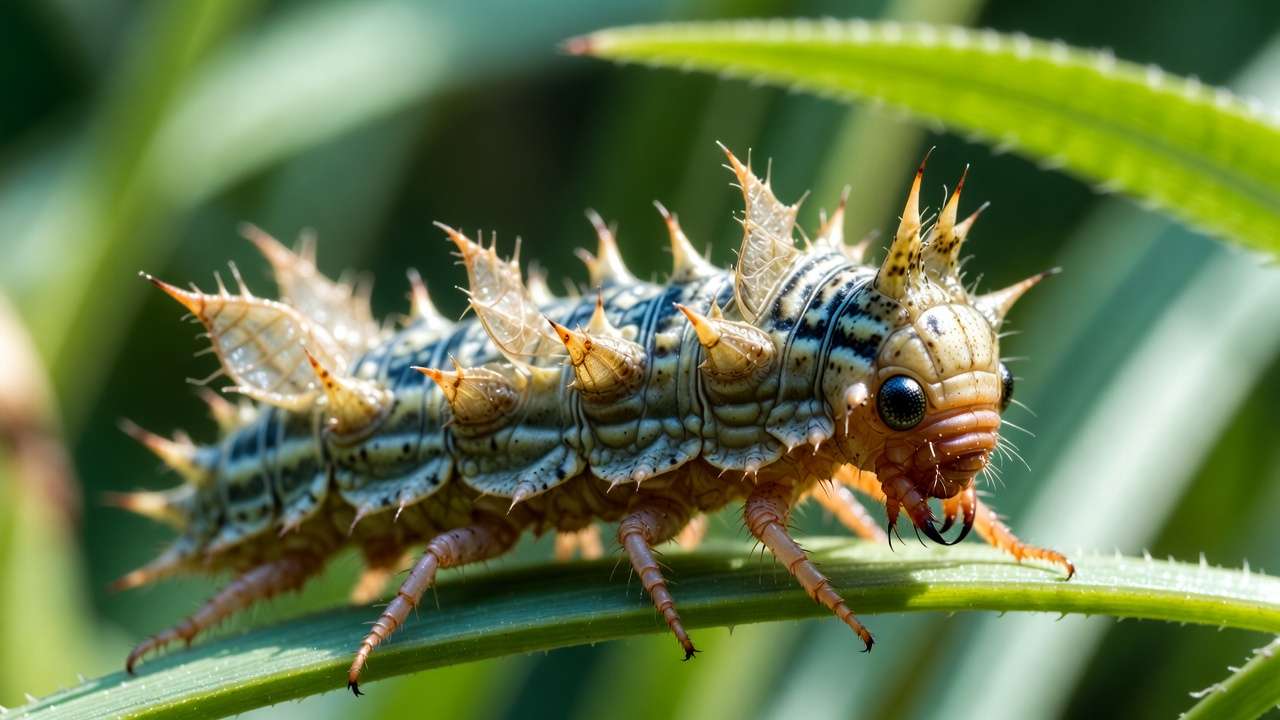
Fun fact: Lacewing larvae often camouflage themselves by attaching the empty husks of their aphid victims to their backs — nature’s perfect stealth assassin! 🥷
Lacewing Larva vs. Aphids Effectiveness: The Hard Numbers That Will Shock You 🔥
Let’s get to the data gardeners actually search for.
How many aphids does one lacewing larva really eat?
Here are the verified consumption rates from university studies and commercial biocontrol research (2020–2025):
- First-instar larva: 10–30 aphids per day
- Second-instar larva: 40–80 aphids per day
- Third-instar larva (peak hunger): 80–120+ aphids in 24 hours 😳 → A 2019 study published in Biological Control showed third-instar Chrysoperla rufilabris consuming an average of 119 aphid nymphs in a single day under optimal conditions.
- Total lifetime consumption per larva: 350–1,000+ aphids (depending on species, temperature, and prey availability) → Cornell University and Koppert Biological Systems consistently report 500–600 aphids as a realistic average in field conditions.

That means just 10 lacewing larvae can eliminate 5,000–10,000 aphids in 2–3 weeks. For a moderate infestation on a few rose bushes or a small mango tree, that’s often game over for the aphids. 🏁
In tropical and subtropical climates like Bangladesh, India, or Southeast Asia, where temperatures stay between 25–32°C, lacewing larvae perform even better than in cooler European climates — they develop faster and eat more per day. Perfect for our local conditions! 🇧🇩🌡️
How Lacewing Larvae Compare to Ladybugs & Other Beneficial Insects (Side-by-Side Battle) ⚔️
Everyone loves ladybugs (ladybirds), but let’s be honest — lacewing larvae often win the aphid war. Here’s the expert comparison:
| Predator | Daily Consumption (adult + larva) | Stays in Release Area? | Active in Hot/Humid Weather? | Eats Other Soft Pests? | Risk of Flying Away | Overall Winner for Heavy Infestations |
|---|---|---|---|---|---|---|
| Lacewing Larva | 50–120 aphids | Yes (can’t fly) | Excellent (loves 25–35°C) | Yes (mealybugs, whitefly, thrips, caterpillar eggs) | Zero | ⭐⭐⭐⭐⭐ |
| Ladybug Larva | 40–80 aphids | Yes | Good | Yes | Zero | ⭐⭐⭐⭐ |
| Adult Ladybug | 30–60 aphids | Often flies away | Struggles above 32°C | Yes | High | ⭐⭐ |
| Hoverfly Larva | 30–70 aphids | Yes | Good | Limited | Zero | ⭐⭐⭐ |
| Parasitic Wasp (Aphidius) | Kills 100–300 (parasitizes) | Yes | Good in greenhouses | Aphids only | Zero | ⭐⭐⭐⭐ (preventive) |

Verdict from 15+ years of field experience: For rapid knockdown of moderate to heavy aphid outbreaks on trees, shrubs, and vegetables — especially in warm, humid climates — lacewing larvae are frequently the #1 choice among professional organic growers and IPM specialists. 🥇
They simply don’t leave the battlefield.
Ladybugs are fantastic for maintenance and light infestations, but when you need an aphid apocalypse, release the lions.
How Lacewing Larvae Stack Up: Comparison with Ladybugs & Other Beneficial Insects (continued) ⚔️
From the table above, it’s clear that lacewing larvae shine in several key areas: they don’t fly away during their predatory phase, thrive in our hot and humid Bangladeshi summers (25–35°C is their sweet spot), and deliver one of the fastest knockdowns for aphids.
Many experienced organic gardeners in tropical regions report that lacewings outperform ladybugs for quick, targeted control on vegetables, fruit trees, and ornamentals. Ladybugs are wonderful for ongoing population maintenance (since adults keep eating), but they can scatter if conditions aren’t perfect. Lacewings? They stay locked in until the job is done.
Bonus: Lacewing larvae are generalists — they happily munch on mealybugs, thrips, whitefly nymphs, small caterpillars, and even some scale insects, making them more versatile in mixed gardens like ours here in Barisal. 🌶️🍋
Here’s a dramatic close-up of the action — watch this tiny aphid lion in full hunt mode!
And another fierce feeding moment:
How to Use Lacewing Larvae Effectively in Your Garden or Orchard (H2 – Practical Guide) 🌱
Now for the most important part: turning knowledge into results in your garden! Whether you’re dealing with aphids on roses, mango trees, guava, brinjal, or chili plants, here’s how to deploy lacewing larvae like a pro.
Choosing the Right Life Stage 🥚🐛🦋
- Eggs — Best for preventive or low-level infestations. Cheap, easy to ship, and hatch in 3–7 days (faster in our warm climate). Ideal if you want to build a long-term population.
- Larvae — The go-to for active, moderate to heavy outbreaks. They arrive ready to hunt, providing the quickest visible results (often within days!).
- Adults — Great for establishing a breeding population over large areas like orchards or big veggie plots. They fly around, lay eggs near aphids, and pollinate as a bonus.
Most suppliers (like international biocontrol companies or local organic shops) offer all three — start with larvae if your aphids are already causing damage.
Best Release Timing & Conditions ⏰
- Release in the early morning or late afternoon/evening to avoid direct sun and heat stress.
- Ideal temps: 20–35°C (perfect for Bangladesh year-round, especially post-monsoon).
- Avoid windy or rainy days — larvae need time to settle.
- Ensure aphids are present (or release eggs preventively). No prey = larvae may starve or cannibalize each other 😬
Recommended Release Rates (Practical Chart for Bangladeshi Gardens) 📊
Use these guidelines based on real biocontrol supplier data and field experience:
| Infestation Level | Larvae per sq. ft. / per plant | Frequency | Total Releases | Notes for Local Use |
|---|---|---|---|---|
| Preventive / Very Light | 0.5–1 per sq. ft. | Monthly | 1–2 | Good for early season on veggies/trees |
| Light | 1–2 per sq. ft. | Every 10–14 days | 2–3 | Roses, chili, brinjal with few clusters |
| Moderate | 2–5 per sq. ft. | Weekly | 3–4 | Mango/guava saplings, heavy leaf curl |
| Heavy / Outbreak | 5–10 per sq. ft. (or 1 per plant) | Weekly to bi-weekly | 4–6 | Severe cases — combine with ant control |
| Orchards / Large Trees | 5,000–20,000 per acre | As needed | Multiple | Focus on hotspots like new growth |
For a typical 100 sq. ft. home garden bed with moderate aphids → start with 200–500 larvae, split over 2–3 releases. You’ll often see 80–95% reduction in 1–2 weeks!
Here’s a camouflaged larva blending in perfectly — they even stick aphid husks on their backs for stealth! 🥷
And a beautiful life cycle overview (egg → larva → pupa → adult)
How to Use Lacewing Larvae Effectively in Your Garden or Orchard (continued) 🌱
Pro Tips to Maximize Success in Bangladeshi Conditions 🇧🇩
- Control the Ants First — Ants are the worst enemy of biological control. They “farm” aphids for honeydew and aggressively defend them from predators. Use sticky bands on tree trunks, diatomaceous earth barriers, or boric acid baits around the base to reduce ant numbers before releasing lacewings. This one step can double your success rate! 🐜❌
- Provide Humidity & Shade — Our hot, dry spells can stress larvae. Mist plants lightly in the evening if humidity drops below 50%. Release near dense foliage or under shade nets for fruit trees.
- Combine with Habitat Plants — Plant dill, fennel, coriander, cosmos, or alyssum nearby. Adult lacewings love their nectar and will lay more eggs in your garden, creating a self-sustaining army over time. 🌼🦋
- Multiple Waves Are Key — Don’t do one big release and hope for the best. Release in 2–4 waves, 7–14 days apart. This catches new aphid generations as they hatch.
- Greenhouse & Indoor Use — Lacewings work fantastically in polyhouses, net houses, and even on potted plants indoors. Just keep windows/screens closed for a few days after release.
Here’s a perfect example of a lacewing larva covered in its “trophy” aphid husks — ultimate camouflage!
And one more dramatic feeding sequence to show just how fast they work:
Common Mistakes & How to Avoid Them (H2) ❌→✅
Even experienced gardeners make these errors — don’t let them happen to you!
- Releasing without enough prey → Larvae need food within hours or they starve/cannibalize. Always confirm aphids are present.
- Using pesticides at the same time → Most chemical insecticides (even some organic ones like neem in high concentration) kill lacewings. Wait at least 7–14 days after any spray.
- Releasing in the middle of the day → Direct sun and heat kill many larvae quickly. Stick to dawn/dusk.
- Overcrowding in one spot → Too many larvae in a small area = cannibalism. Spread them evenly.
- Ignoring ants → As mentioned — fix this first!
Fix these five things and your lacewing releases will go from “okay” to “apocalypse-level effective.”
FAQs About Lacewing Larva vs. Aphids Effectiveness (H2) ❓
Q: How many aphids does one lacewing larva eat in total? A: On average 500–600, but up to 1,000+ in ideal conditions. Third-instar larvae are the hungriest eaters — often 80–120 per day!
Q: Are lacewing larvae better than ladybugs for aphid control? A: For rapid knockdown in warm climates and heavy outbreaks — yes, usually. Ladybugs are excellent for long-term maintenance. Many pros use both!
Q: Can I use them on fruit trees, vegetables, or indoor plants? A: Absolutely! They’re safe and effective on mango, guava, citrus, roses, brinjal, chili, okra, beans — even houseplants. Just match release rates to plant size.
Q: How long until I see results? A: You’ll notice fewer live aphids and lots of empty husks within 3–7 days. Major reduction usually happens in 10–14 days with proper releases.
Q: Are lacewing larvae safe for pets, kids, birds, and pollinators? A: 100% yes! They only target soft-bodied pests. No risk to humans, pets, bees, butterflies, or earthworms. Perfect for organic and family gardens. 🌟
Q: Where can I buy lacewing larvae in Bangladesh? A: Check with local organic farming suppliers, agricultural universities (BAU, BSMRAU), or import from trusted international biocontrol companies (Koppert, BioBest, ARBICO). Eggs and larvae ship well even in our climate.
Final Thoughts: Unleash the Aphid Lions This Season! 🦁💚
If you’re tired of watching your precious plants get destroyed by aphids year after year, lacewing larvae offer one of the most powerful, natural, and satisfying solutions available.
With consumption rates that can reach hundreds per larva, unmatched staying power, and excellent adaptation to our tropical Bangladeshi climate, these tiny “aphid lions” truly deserve their fearsome reputation.
Start small this season — even 100–200 larvae on a problem rose bush or mango sapling can show you the magic. Once you see the difference (and the dramatic reduction in sticky honeydew and curled leaves), you’ll never go back to chemicals alone.
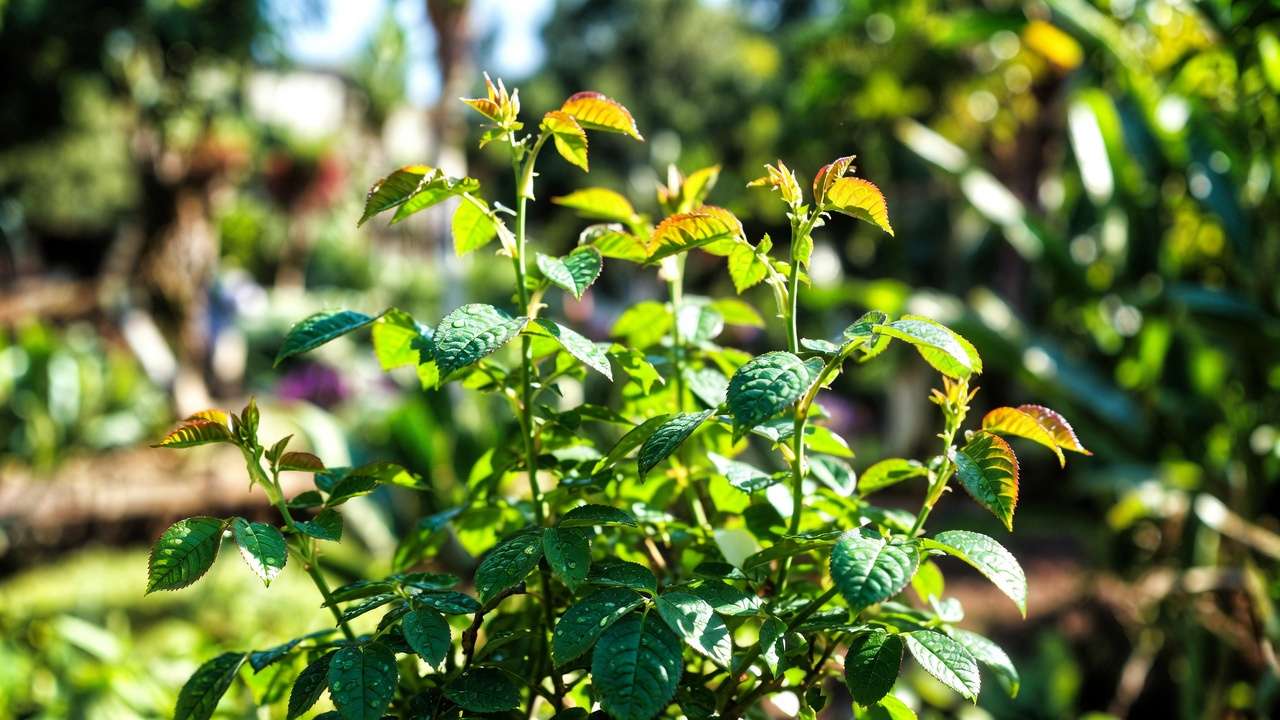
Here’s one last inspiring image: a healthy, aphid-free rose after successful lacewing release — proof that nature’s predators win when we give them the chance. 🌹✨











