
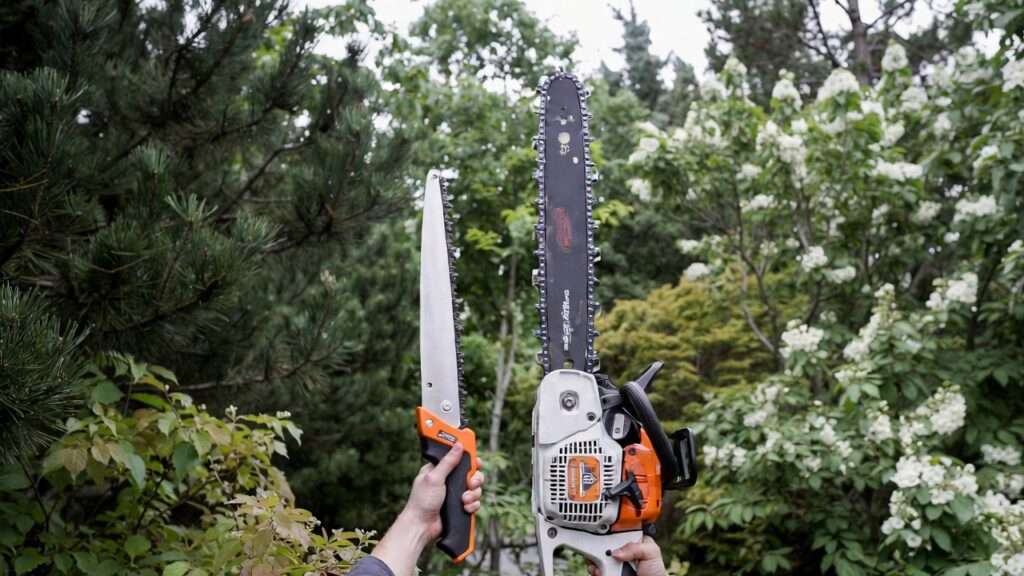
Have you ever stared at a overgrown branch in your garden, debating whether to grab your reliable hand pruning saw or rev up the chainsaw — only to worry about damaging your tree, wasting time, or risking injury? You’re not alone! Many homeowners, fruit tree enthusiasts, and weekend gardeners face this exact choice when maintaining shrubs, ornamentals, or mature trees. The wrong tool can lead to torn bark, slow-healing wounds that invite pests and diseases, or unnecessary physical strain.
In this comprehensive guide, we’ll dive deep into the hand pruning saw vs. chainsaw debate, based on arborist best practices, real-world experiences from professionals, and the latest insights into tool performance (as of 2026). We’ll help you choose the right option for clean, healthy cuts that promote vigorous growth, better fruit production 🍎, improved airflow, and overall plant vitality. Whether you’re dealing with delicate rose bushes, apple trees, or larger limbs on oaks, this skyscraper-level article goes beyond basic comparisons to deliver actionable advice that solves your pruning dilemmas. Let’s get your trees thriving! 🌳🔧
Why Proper Pruning Matters for Tree and Plant Health 🌱❤️
Pruning isn’t just about aesthetics — it’s essential for long-term tree and plant health. Correct cuts encourage strong structure, reduce disease risk, and boost productivity.
Clean, precise cuts heal faster because they preserve the branch collar — that swollen ring of specialized tissue where the branch meets the trunk or parent limb. This collar contains defense cells that compartmentalize wounds and block decay organisms like fungi or pests.
Rough, torn cuts from improper tools create entry points for pathogens, leading to dieback, structural weakness, or even tree failure over time. Using the right tool minimizes tearing, follows natural healing processes, and supports better airflow to prevent issues like powdery mildew or fungal infections.
For fruit trees, proper pruning directs energy to fruiting wood 🍏; for ornamentals, it enhances shape and flowering. Done wrong, you risk over-pruning stress or encouraging water sprouts (vigorous vertical shoots that sap energy). The tool choice directly impacts these outcomes — hand tools often excel in precision, while power tools shine in efficiency for bigger jobs.
Understanding the Tools: Hand Pruning Saw Basics 🌿🪚
A hand pruning saw (also known as a pruning saw or Japanese-style pull saw) is a manual tool engineered specifically for arboricultural work. Unlike general woodworking saws, these feature aggressive, impulse-hardened teeth optimized for cutting green or live wood on the pull stroke.
Key Features:
- Curved or straight blades (curved for faster pull cuts through dense wood).
- Triple-ground or razor-sharp teeth (often 7–10 TPI for smooth, fast action).
- Blade lengths: 7–13 inches (10–12 inches ideal for most home pruning).
- Folding designs for portability and safety; ergonomic handles with non-slip grips.
- Top brands: Silky (Gomboy, Zubat, Sugowaza series), ARS, Bahco, Fiskars, Corona, Stihl PR series.
Pros:
- Exceptional precision for flush cuts just outside the branch collar — crucial for tree health.
- No noise, vibrations, emissions, or kickback — perfect for residential areas.
- Lightweight (often under 1 lb) and easy to maneuver on ladders or in tight canopies.
- Safer for beginners and one-handed use (with caution).
- Ideal for branches 1–6 inches in diameter; excels on fruit trees, ornamentals, and shrubs to avoid bruising or tearing bark.
Cons:
- Requires more physical effort on thick, dense hardwoods (e.g., oak, maple).
- Slower for very large volumes of cutting.
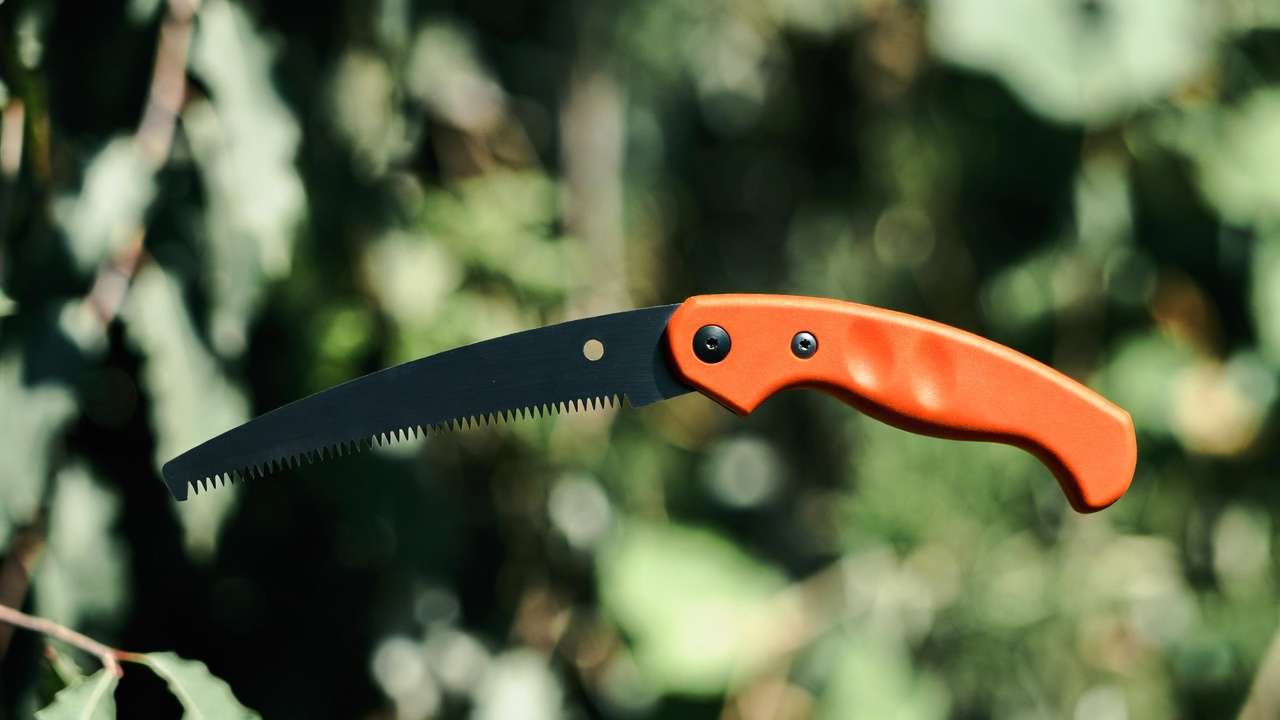
Professional arborists often prefer high-quality hand saws like Silky models for most pruning because they deliver cleaner wounds that heal rapidly, reducing infection risks.
Understanding the Tools: Chainsaw Basics ⛓️⚡
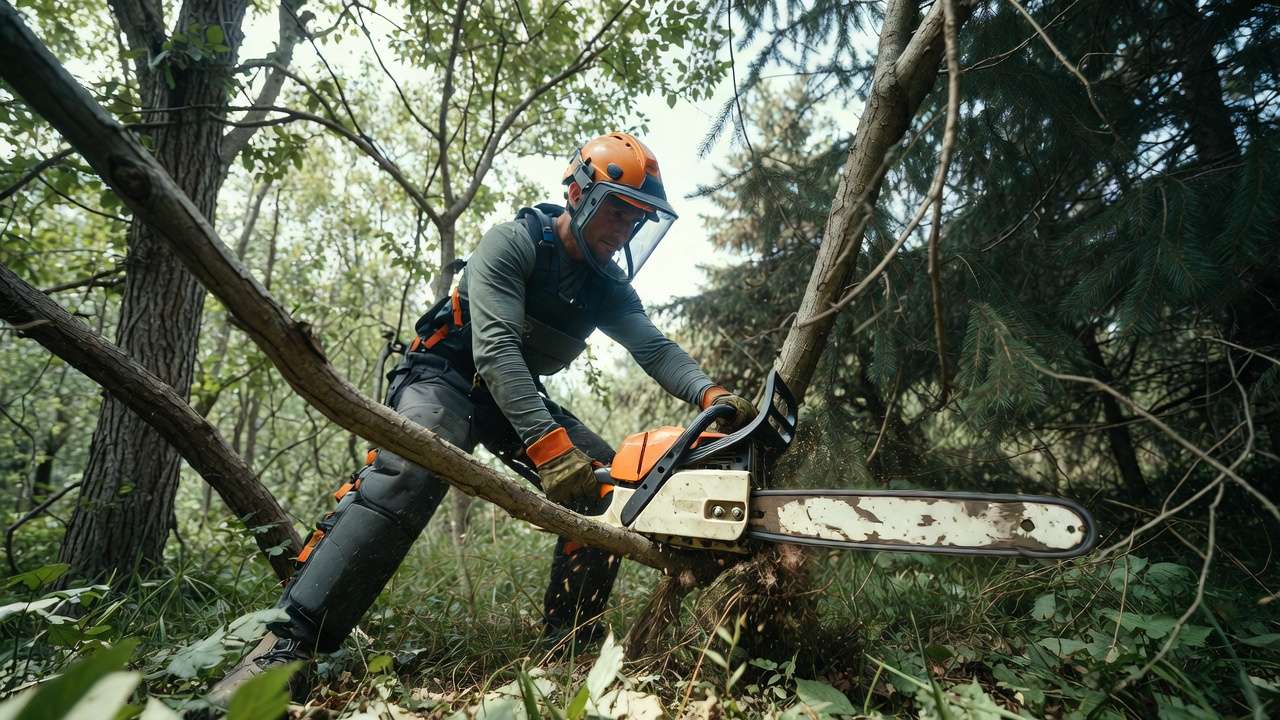
Chainsaws for pruning include full-size gas models, corded electrics, and especially compact battery-powered versions (mini or pruning chainsaws with 6–12 inch bars).
Key Features for Pruning:
- Power sources: Battery (most popular for home use — e.g., 20V–56V), gas, or corded.
- Low-kickback chains and narrow bars for control.
- Pruning-specific: One-handed mini pruners (e.g., top-handle designs) or compact models.
- Popular 2026 options: DeWalt DCCS623 (20V brushless), Echo eForce, Greenworks 24V pruner, Stihl GTA 26, Milwaukee M18 Hatchet, Worx 20V.
Pros:
- Lightning-fast cuts — slices through thick branches (6+ inches) effortlessly.
- Reduces fatigue on heavy jobs like storm cleanup or limbing multiple large limbs.
- Battery models offer quiet, emission-free operation with quick startup.
Cons:
- Heavier, with potential kickback, chain binding, or vibration.
- Less precise for fine, close-to-trunk cuts — can tear bark or leave rough surfaces if dull or mishandled.
- Requires maintenance (chain sharpening, bar oil, battery charging) and PPE (gloves, eye/ear protection, chaps).
- Higher injury risk — always two-handed operation recommended.
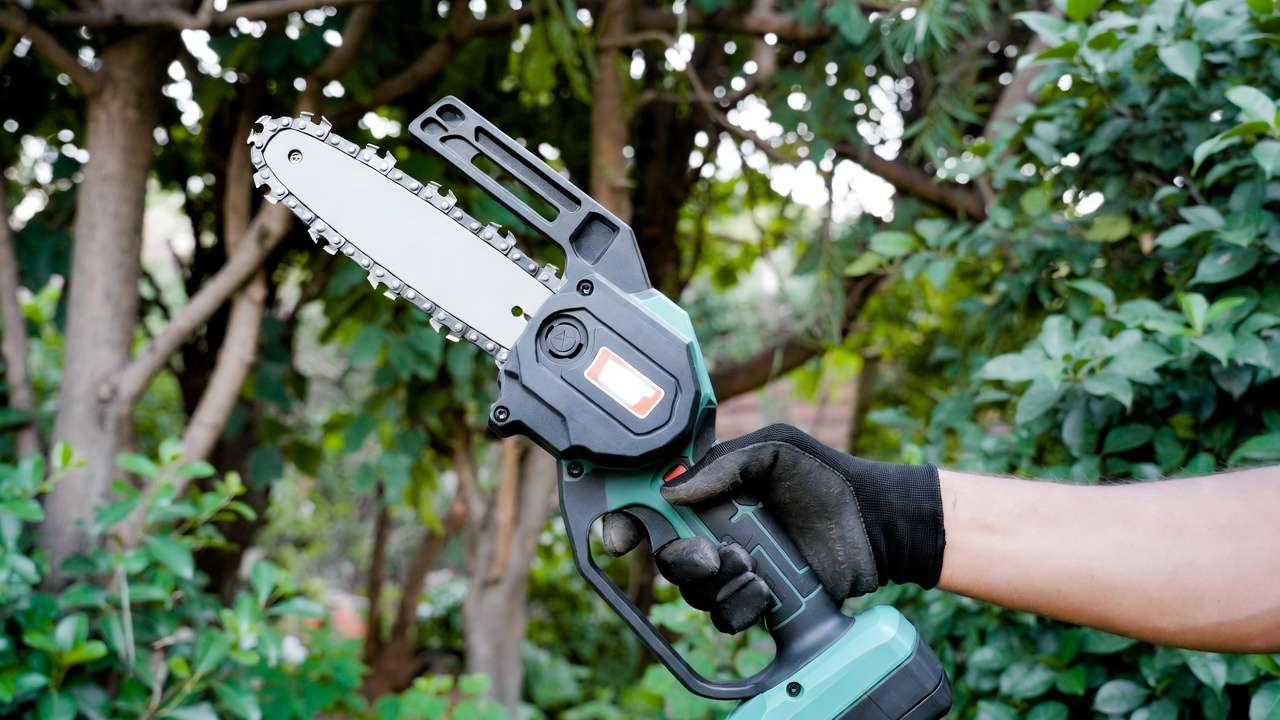
Mini battery chainsaws bridge the gap for homeowners, combining speed with better portability than full-size models.
Head-to-Head Comparison: Hand Pruning Saw vs. Chainsaw 📊🔍
Precision and Cut Quality Hand pruning saws dominate here. Their pull-stroke design and sharp teeth create smooth, clean cuts that preserve the branch collar and minimize tearing. Chainsaws are fast but risk bark ripping or uneven wounds unless the chain is razor-sharp and the operator skilled. Arborists note cleaner hand-saw cuts promote faster callus formation and lower disease entry.
Branch Size and Tree Type
- Small to medium branches (<4–5 inches): Hand saw preferred for control and minimal damage — especially on fruit trees, roses, or thin-barked species.
- Larger branches (>5–6 inches): Chainsaw wins for efficiency and reduced effort.
- Hardwoods vs. softwoods: Chainsaw eases dense woods; hand saw suffices for most live pruning.
- Ornamentals/fruit trees: Hand tools avoid bruising fruit spurs or delicate bark.
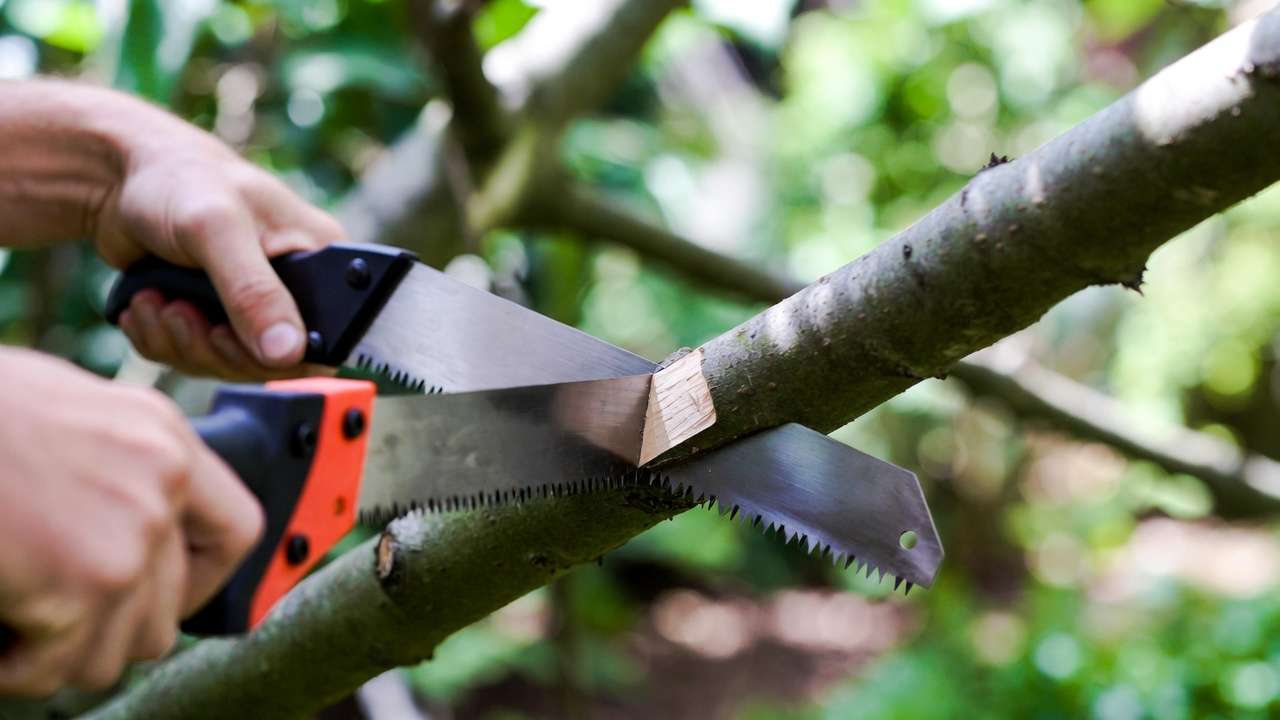
Safety Considerations ⚠️ Hand saw: Minimal risk — no power means no kickback or chain breakage. Chainsaw: Higher hazards — kickback, flying debris, noise. Use PPE, keep hands clear, and never operate one-handed unless professionally trained (top-handle models for climbers only).
Ease of Use and Portability Hand saw: Ultra-portable, no setup, quiet for neighborhoods — slips into a pocket or holster. Chainsaw: Bulkier; needs fuel/charge, but battery minis are lightweight and quick to start.
Cost and Maintenance
- Hand saw: $20–$150; sharpen occasionally, low upkeep.
- Chainsaw: $100–$500+; chains sharpen/replace, oil, batteries/fuel add ongoing costs.
Environmental and Health Impact Hand saw: Zero emissions, no hearing risk. Chainsaw: Battery models eco-friendlier than gas; still louder with potential vibration fatigue.
When to Choose a Hand Pruning Saw (and Recommended Models) 🏆🪚
Opt for a hand pruning saw for most routine home tasks: shaping shrubs, maintaining fruit trees, pruning ornamentals, or precise branch removal.
It’s the go-to for preserving tree health — pros use them for nearly everything under 4–5 inches.
Top 2026 Recommendations:
- Silky Gomboy or Zubat series 🌟 — Legendary sharpness and speed; pro favorite for clean, fast cuts.
- Fiskars Power Tooth Folding Saw — Affordable, ergonomic, great entry-level performance.
- Corona Razor Tooth or ARS CAM series — Excellent balance and durability.
- Stihl PR16/PR series — Sturdy, high-carbon steel for tough jobs.
When to Choose a Chainsaw (and Recommended Models) 🏆⛓️
Reach for a chainsaw (especially mini battery versions) for larger limbs, frequent heavy pruning, storm damage, or time-sensitive work on bigger properties.
Top 2026 Picks for Pruning:
- DeWalt DCCS623 20V — Brushless, ergonomic, excellent power and runtime.
- Echo eForce or Greenworks 24V/56V pruners — Compact, reliable for homeowners.
- Stihl GTA 26 or Milwaukee M18 Hatchet — Precise one-hand capable (with caution), extension pole compatible.
Hybrid Approaches and Complementary Tools 🛠️🌳
Many experts combine both for best results:
- Use hand saw for finishing precise cuts near the collar.
- Mini chainsaw for initial heavy removal.
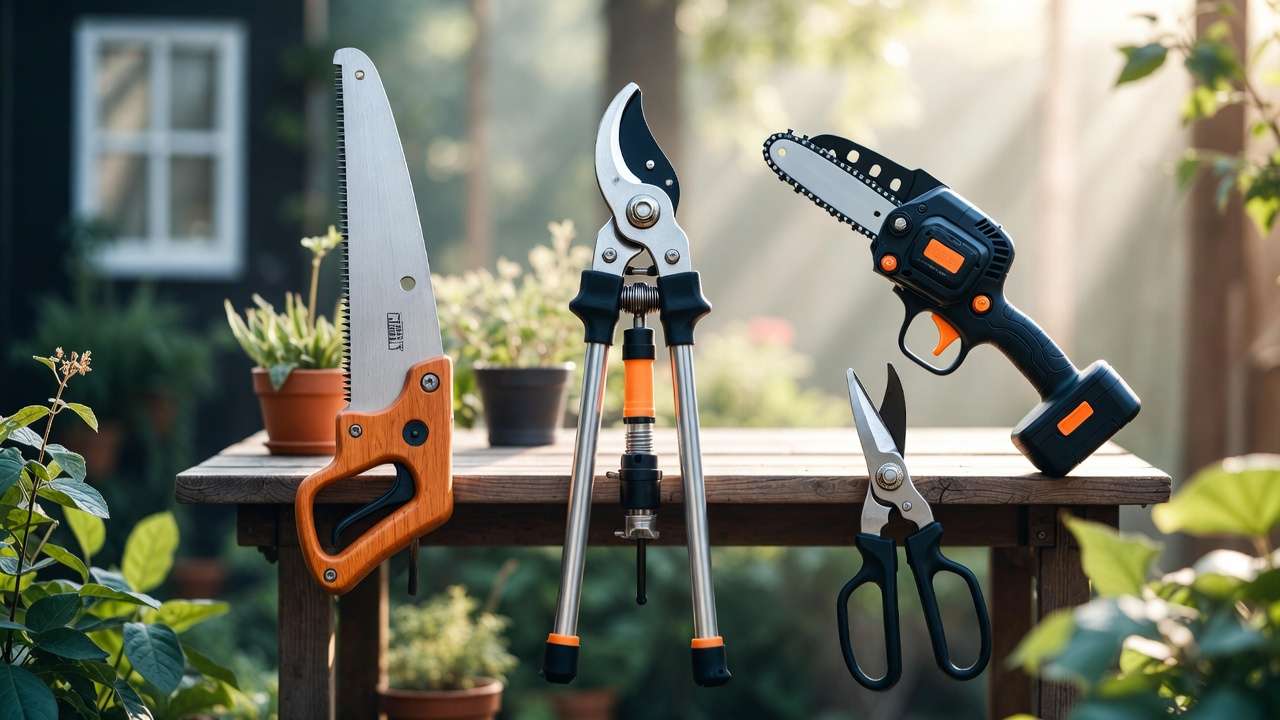
- Add pole saws/pruners for high branches, bypass loppers for 1–2 inch twigs, and shears for finer work.
This toolkit covers 90% of home pruning needs efficiently.
Step-by-Step Pruning Guide with Your Chosen Tool 📝
- Assess: Identify dead, diseased, crossing, or rubbing branches. Prune in dormant season (late winter) for most trees.
- For large limbs: Use 3-cut method — Undercut 6–12 inches out (prevents tearing), top cut further out to remove weight, final cut just outside branch collar (45° angle if needed).
- Make cuts clean: Pull stroke for hand saw; steady, no forcing for chainsaw.
- Disinfect tools between trees (alcohol wipe) to prevent spreading disease.
- Never top trees — it creates weak regrowth.
Safety Tips and Best Practices 🔒
- Always wear gloves, safety glasses, sturdy shoes, and hearing protection (for chainsaws).
- Avoid pruning near power lines — call professionals!
- Sharpen blades/chains regularly — dull tools cause more damage.
- Work from stable positions; never overreach on ladders.
Expert Insights from Arborists and Gardeners 🌟
Arborists emphasize: Hand saws are preferred for most pruning to preserve tree health — chainsaws reserved for heavy-duty or when efficiency trumps precision. Battery minis have revolutionized home use, offering chainsaw speed with hand-tool control. Clean cuts heal 2–3x faster, reducing long-term issues.
FAQs: Hand Pruning Saw vs. Chainsaw ❓
Q: Can a chainsaw replace a hand pruning saw entirely? A: No — chainsaws lack finesse for small/medium branches and risk bark damage.
Q: What’s better for fruit tree pruning? A: Hand pruning saw for precise, clean cuts that protect fruiting wood and promote healing.
Q: Are mini battery chainsaws worth it? A: Absolutely for occasional users — they blend speed, portability, and safety.
Q: How do I maintain my tools? A: Clean sap/residue after use, oil chains, sharpen blades/chains, store dry.
Conclusion: Make the Smart Choice for Your Garden 🌿✨
For the majority of home tree pruning and plant care tasks, a high-quality hand pruning saw strikes the perfect balance of precision, safety, plant health, and ease. Reserve the chainsaw (especially compact battery models) for bigger branches or demanding jobs where speed matters most. Invest in sharp, durable tools — your trees will reward you with lush growth, abundant blooms, and resilience for years to come!
Ready to prune smarter? Start with a trusted hand saw and expand as your needs grow. Happy gardening! 🌳💚











