
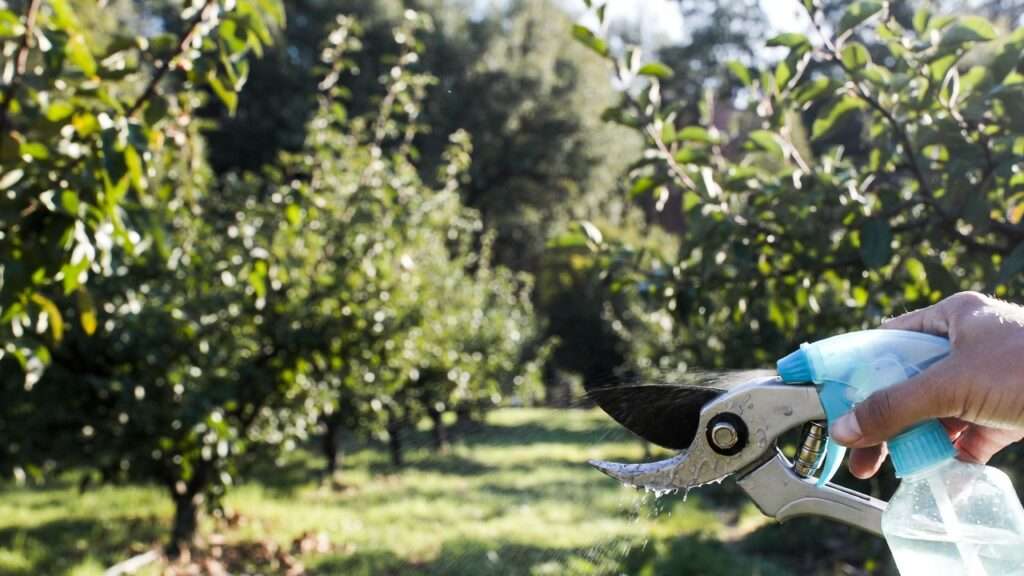
Picture this: You’ve spent years nurturing your backyard orchard—beautiful apple trees bursting with blossoms in spring, peach branches heavy with fuzzy fruit in summer—only to watch a mysterious blight turn vibrant leaves black and wilted overnight. 😔 The culprit? Often, it’s not bad luck—it’s contaminated pruning tools silently spreading deadly pathogens like fire blight from one tree to the next.
Disinfecting tools for fruit tree care is one of the simplest yet most powerful ways to protect your investment and ensure bountiful harvests year after year. Whether you’re pruning dormant branches in winter, thinning fruit in summer, or grafting new varieties, a quick disinfection step can stop bacterial and fungal diseases in their tracks. In this in-depth guide, we’ll explore why disinfection matters so much for fruit trees (especially pome fruits like apples and pears, and stone fruits like peaches and plums), the best proven methods backed by university extension research, step-by-step techniques, and pro tips to make it effortless and effective. By the end, you’ll have the knowledge to keep your trees healthier, reduce losses, and enjoy more homegrown fruit. 🍎 Let’s dive in!
Why Disinfecting Tools is Critical for Fruit Tree Health 🚨
Fruit trees are particularly vulnerable to diseases transmitted through mechanical means—your pruning shears, loppers, or saws can act as vectors for pathogens. When you cut into infected tissue, bacteria or fungal spores cling to the blade in sap, ooze, or debris. The next cut transfers them directly into fresh wounds on healthy trees, where they quickly establish infections.
Key pathogens include:
- Erwinia amylovora (fire blight bacterium) – notorious in apples, pears, and related rosaceous plants.
- Agrobacterium tumefaciens (crown gall) – causes tumor-like growths that weaken and kill trees.
- Various fungi causing cankers, rots, and spots (e.g., Cytospora, bacterial spot).
University extensions like Penn State, Washington State, Iowa State, and others emphasize that tool transmission is a primary spread method, especially during active growth seasons. One overlooked cut can doom a young tree or spread across your entire home orchard. Proper sanitation isn’t optional—it’s essential insurance against losing valuable trees you’ve nurtured for years. 🌱
Common Diseases Spread by Contaminated Tools 🦠
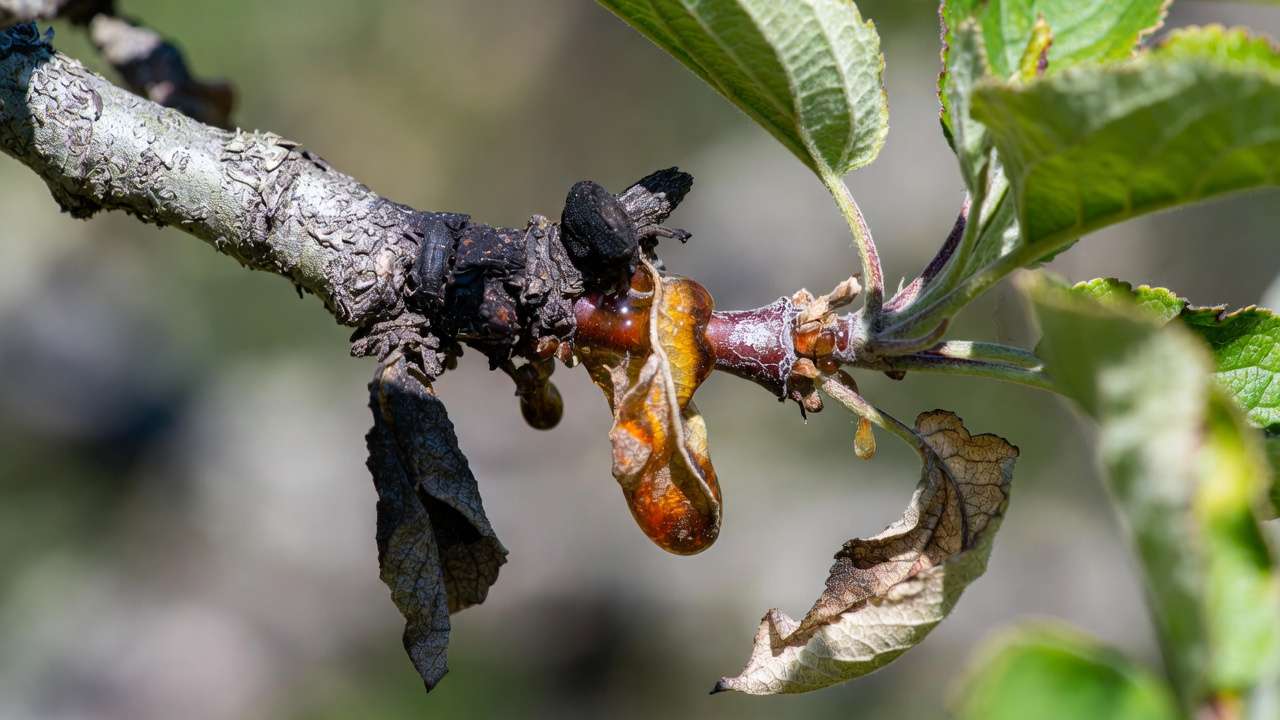
Fire blight stands out as the most devastating tool-transmitted disease in fruit trees. Symptoms include blackened shoots resembling scorched fire (hence the name), shepherd’s crook bending on twigs, and sticky bacterial ooze from cankers. It spreads rapidly in warm, humid conditions during bloom or shoot growth.
Other risks:
- Crown gall – bumpy, woody tumors at graft unions or roots; often introduced via dirty tools during planting or pruning.
- Bacterial canker and spot on stone fruits (peaches, plums, cherries).
- Fungal issues like cytospora canker or black rot.
Early signs: Wilting leaves that stay attached, darkened vascular tissue under bark, or oozing cankers. Prevention through tool disinfection is far easier (and cheaper) than trying to cure advanced infections—many have no true cure once established. Monitoring and quick action save entire orchards!
When Should You Disinfect Your Tools? ⏰
Timing is everything in fruit tree care. Disinfect between every tree if working on the same species (e.g., multiple apples), and always after any diseased material.
Key moments:
- Between individual trees, especially in the same family (Rosaceae).
- After pruning visibly infected branches—even mid-tree if strikes appear severe.
- Before grafting or budding (high-risk for transmission).
- When moving between orchard sections or different properties.
- At season start/end: Deep clean before spring pruning and after fall cleanup.
- Rule of thumb: If there’s any chance of disease (past history, wet weather, susceptible varieties), disinfect! Better safe than sorry. ❄️→🌸
In low-risk scenarios (dormant pruning below 45°F, no visible disease), some extensions note reduced need, but consistent habits prevent surprises.
Step-by-Step: How to Clean and Disinfect Tools Properly 🛠️
Effective disinfection starts with removal of organic matter—pathogens hide in sap and dirt.
- Initial Cleaning – Wipe or brush off visible debris, sap, and soil. Use warm soapy water and a stiff brush for thorough removal. This step alone boosts disinfectant efficacy dramatically.
- Apply Disinfectant – Choose your method (detailed below) and ensure full blade coverage. Contact time matters!
- Rinse (if required) – For corrosive options like bleach, rinse with clean water to prevent rust.
- Dry & Maintain – Air-dry completely, then oil hinges and blades with mineral oil or tool lubricant to prevent corrosion and keep them sharp.
Pro tip: Keep tools sharp—dull blades tear tissue, creating entry points for diseases. Sharpen seasonally! 🔪
Best Disinfectants for Fruit Tree Tools: Pros, Cons & Recommendations 📊
University research (e.g., Iowa State, UMN Extension, WSU) tests show varying efficacy, especially against tough fire blight bacteria.
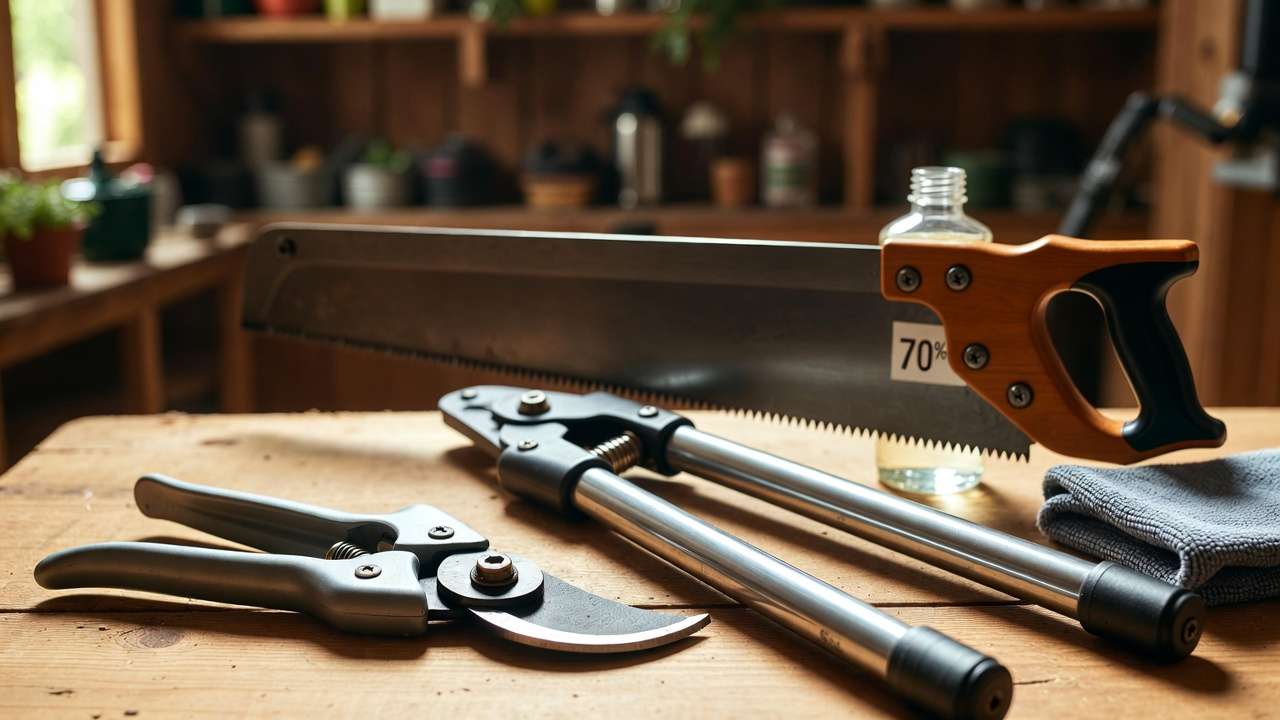
1. 70% Isopropyl Alcohol (Rubbing Alcohol) – Top Choice for Most Home Growers 🍶
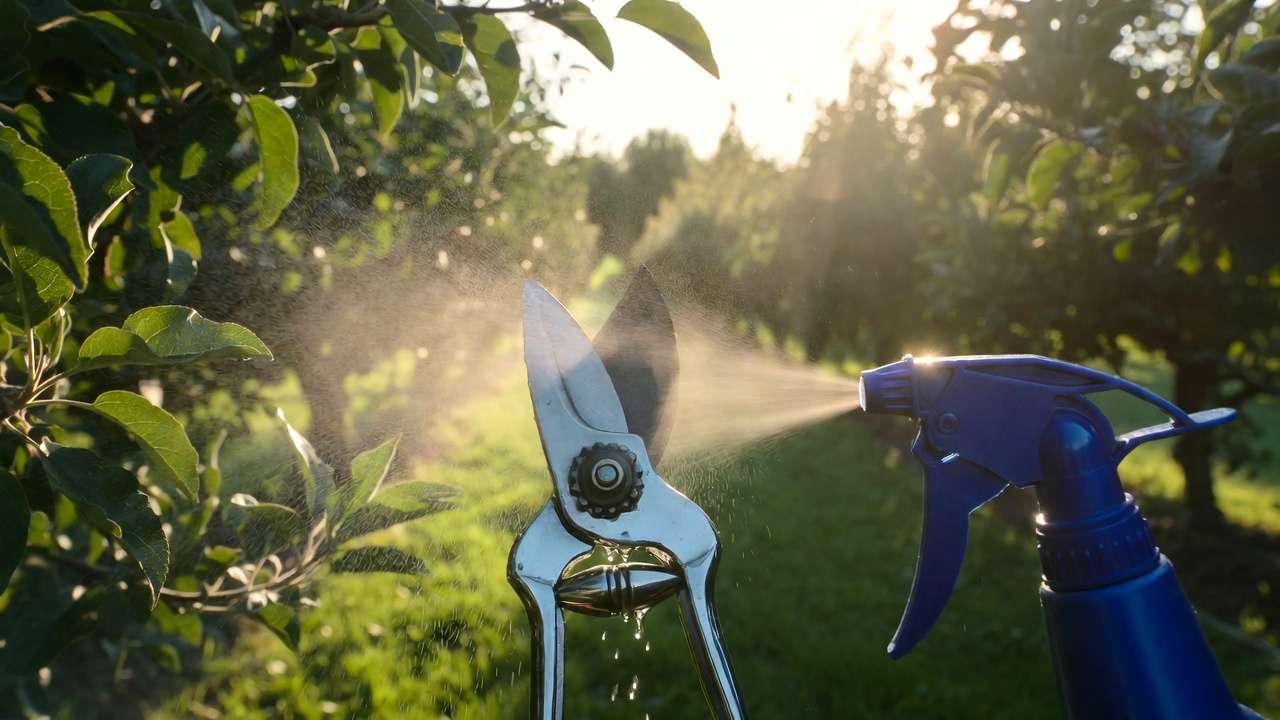
- How to use: Wipe blades, dip for 30+ seconds, or spray generously. No rinse needed; evaporates quickly.
- Pros: Fast, convenient, low corrosion, inexpensive (~$3-5/bottle), widely available. Ideal for quick between-tree use.
- Cons: Some studies (e.g., older UC research) suggest it may be less reliable against fire blight in heavy ooze cases—though many extensions still recommend it for practicality.
- Tips: Use in a labeled spray bottle + rag for portability. If buying 99% alcohol, dilute to ~70% for best results (70% penetrates cells better than higher concentrations).
2. 10% Bleach Solution (Household Chlorine Bleach) – Strong for Tough Pathogens 🧼
- Recipe: 1 part bleach + 9 parts water (fresh every 2 hours—loses potency fast).
- How to use: Soak 10–30 minutes (or dip/spray with sufficient contact), then rinse thoroughly.
- Pros: Highly effective against bacteria/fungi, very cheap.
- Cons: Corrosive (rusts metal tools over time), damages clothes, strong fumes—wear gloves/ventilate.
- When to prefer: Known fire blight outbreaks or high-risk pruning.
3. Commercial Household Disinfectants (Lysol, Clorox Wipes, etc.) 🧽
- How to use: Wipe or spray per label; some need 2–5 minutes contact.
- Pros: Convenient, less corrosive than bleach, stable shelf life.
- Cons: Variable efficacy on plant pathogens (not always tested specifically); more expensive for heavy use.
- Note: UMN and others highlight Lysol All-Purpose Cleaner as effective and non-corrosive.
4. Other Options: Hydrogen Peroxide, Heat, Vinegar (with caveats) 🔥
- Hydrogen peroxide (3%): Good alternative, less corrosive, but slower.
- Boiling water/heat: Effective but impractical for frequent use.
- Vinegar: Weak against bacteria like fire blight—not recommended as primary.
Quick Comparison Table (based on extension sources):
| Disinfectant | Efficacy vs Fire Blight | Contact Time | Corrosion Risk | Convenience | Cost |
|---|---|---|---|---|---|
| 70% Alcohol | Good–Excellent | 30 sec+ | Low | High | Low |
| 10% Bleach | Excellent | 10–30 min | High | Medium | Very Low |
| Lysol/Commercial | Good | 1–5 min | Low | High | Medium |
| Hydrogen Peroxide | Moderate | 5–10 min | Low | Medium | Low |
For most home fruit tree care, 70% alcohol strikes the best balance of effectiveness, speed, and tool longevity. ✨
Pro Tips & Hacks for Efficient Disinfection ✨
Disinfecting doesn’t have to slow you down or feel like a chore. Here are battle-tested shortcuts used by experienced home orchardists and small-scale growers:
- The two-tool rotation system 🔄 Keep two identical sets of pruning tools (shears, loppers, saw). While you’re cutting with set A, set B soaks in your disinfectant bucket or spray rests on a clean surface. Swap every few trees or after any suspect branch. This method keeps workflow fast even when handling dozens of trees.
- Portable field kit 🎒 Carry a small spray bottle filled with 70% isopropyl alcohol, a microfiber rag or disposable wipes, nitrile gloves, and a tiny brush. Clip the bottle to your belt or tool apron. Quick spritz → wipe → continue. Many growers report this takes under 15 seconds per tree.
- Bucket dip for heavy pruning days 🪣 For large jobs, fill a 5-gallon bucket with your chosen solution (alcohol or bleach mix) and a tight-fitting lid. Dip blades fully between trees. Cover when not in use to reduce evaporation and contamination.
- Combine with sharpening & maintenance ⚙️ At season’s end, fully disassemble tools (where possible), clean, disinfect, sharpen, oil moving parts with food-grade mineral oil or camellia oil, and store in a dry place. Sharp tools make cleaner cuts → fewer disease entry points.
- Eco-conscious & safety tweaks ♻️ Use reusable rags washed in hot water + bleach between seasons. Always wear gloves when handling bleach. Work in a well-ventilated area. If using alcohol, keep away from open flames (obvious but frequently forgotten during winter pruning!).
- Label everything 🏷️ Mark spray bottles clearly (“70% Alcohol – Pruning Only”) to avoid mix-ups with other garden chemicals.
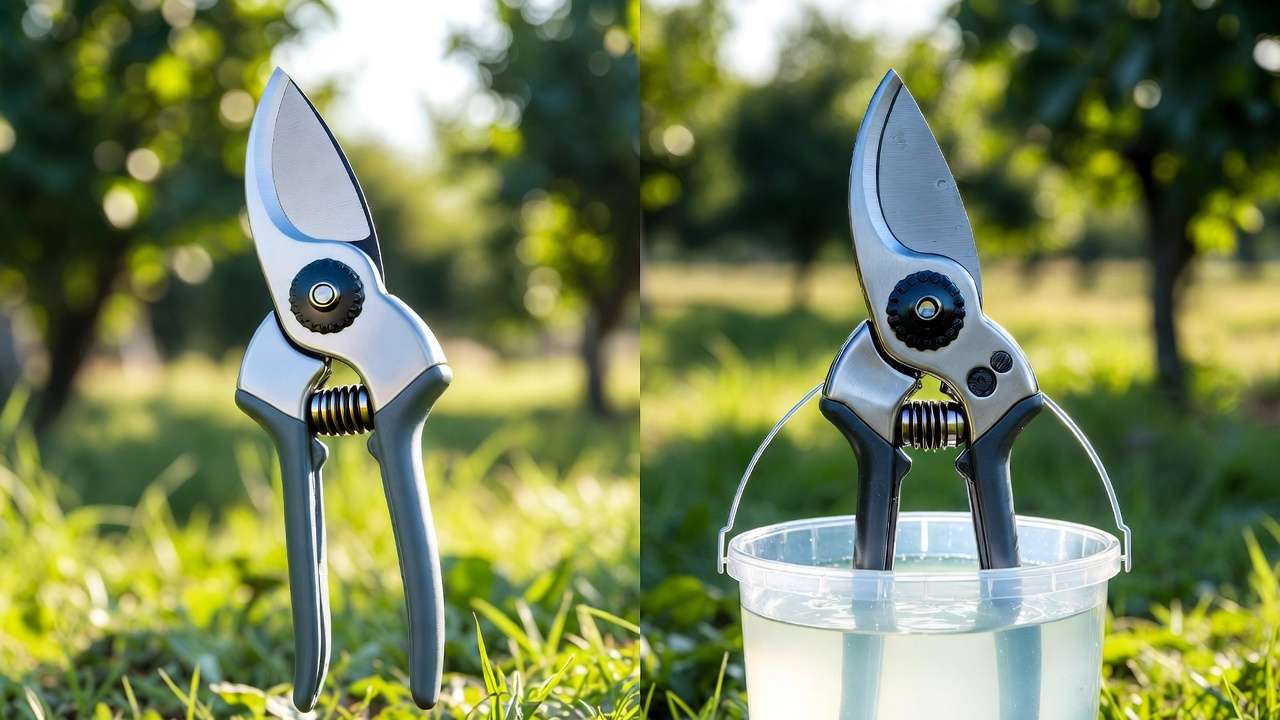
These small system tweaks turn a potentially tedious task into a seamless part of your routine.
Common Mistakes to Avoid (and Why They Fail) ❌
Even seasoned gardeners slip up—here are the most frequent errors and how they sabotage your efforts:
- Skipping disinfection between “healthy-looking” trees Many early-stage infections show no obvious symptoms. Fire blight bacteria can live in asymptomatic tissue and spread silently.
- Using disinfectant without first removing sap and debris Organic matter dramatically reduces contact and efficacy. Always brush/wipe first.
- Insufficient contact time A quick dip or wipe may not kill tough bacteria. Follow recommended times (e.g., at least 30 seconds for alcohol, 10+ minutes for bleach soak).
- Reusing the same weak solution all day Bleach loses strength quickly in organic matter and sunlight. Alcohol evaporates. Mix fresh batches.
- Applying disinfectant directly to tree wounds Modern consensus from most university extensions: Do not paint or spray cuts with alcohol, bleach, or pruning seal. It can damage cambium and slow healing. Clean tools prevent infection—don’t treat the tree itself unless a specific product is labeled for wound dressing.
- Relying on plain water or vinegar alone Water spreads pathogens; household vinegar is too weak against fire blight and many fungi.
- Storing dirty tools at season’s end Overwintering pathogens on blades can infect next spring’s first cuts.
Avoiding these pitfalls is often the difference between a thriving orchard and repeated disappointment.
Advanced Strategies for Serious Fruit Tree Growers 🌱
If you manage more than a handful of trees or grow disease-prone varieties (e.g., ‘Gala’ apples, ‘Elberta’ peaches), consider these elevated practices:
- Disease-specific protocols For fire blight hotspots: Use 10% bleach or Lysol after every cut on known-infected trees, then switch to alcohol for clean ones. Remove and burn (where legal) all strikes immediately.
- Integrate with Integrated Pest Management (IPM)
- Prune only in dry weather when possible (reduces bacterial spread).
- Remove and destroy pruned material—don’t leave it under trees.
- Choose resistant cultivars when replanting (e.g., ‘Honeycrisp’ or ‘Enterprise’ for fire blight tolerance).
- Monitor degree-day models or extension alerts for infection risk periods.
- Tool selection for longevity Invest in high-quality, corrosion-resistant models (Felco, ARS, Bahco) with replaceable parts. Stainless steel or coated blades resist bleach damage better than cheap carbon steel.
- Grafting special care Disinfect scion wood dip (brief alcohol wipe), tools between every graft, and grafting knife after each cut. Many grafters keep a separate “grafting-only” knife stored sterile.
- Record-keeping habit Note dates of pruning sessions, varieties worked on, and any disease sightings. Helps track patterns and prove due diligence if sharing cuttings with others.
These strategies move you from basic prevention to proactive orchard stewardship.
FAQs: Your Top Questions Answered ❓
Q: Is 70% isopropyl alcohol really enough to stop fire blight? A: Yes, in most practical home settings. While some older lab studies showed slightly lower kill rates compared to bleach, field experience and recent extension recommendations (e.g., Penn State, WSU, UMN 2023–2025 updates) list 70% alcohol as effective and far more convenient. Use bleach when you know you’re dealing with active ooze.
Q: How often should I replace my pruning tools? A: Quality tools last 10–20+ years with proper care. Replace when blades can no longer hold a sharp edge after honing or when springs/pivots become sloppy.
Q: Can I use vinegar, boiling water, or a torch instead? A: Vinegar—no, too weak. Boiling water—yes but impractical for frequent use. Flame sterilization (quick pass over propane torch)—effective for small tools but risks temper damage if overdone.
Q: What if I forget to disinfect mid-session? A: Stop immediately, disinfect thoroughly, then resume. Remove and destroy any recently cut branches from suspect trees if possible. Monitor closely for symptoms next season.
Q: Best way to store tools after disinfecting? A: Clean, dry, lightly oiled, hung or stored in a dry shed/garage. Avoid leather sheaths (trap moisture). Consider silica packets in storage boxes for humidity control.
Conclusion: Protect Your Investment & Enjoy Bountiful Harvests 🍑
Disinfecting tools for fruit tree care is one of those small habits that delivers outsized rewards. A 30-second wipe or dip between trees can be the difference between losing a prized apple or peach tree to fire blight and watching it thrive for decades.
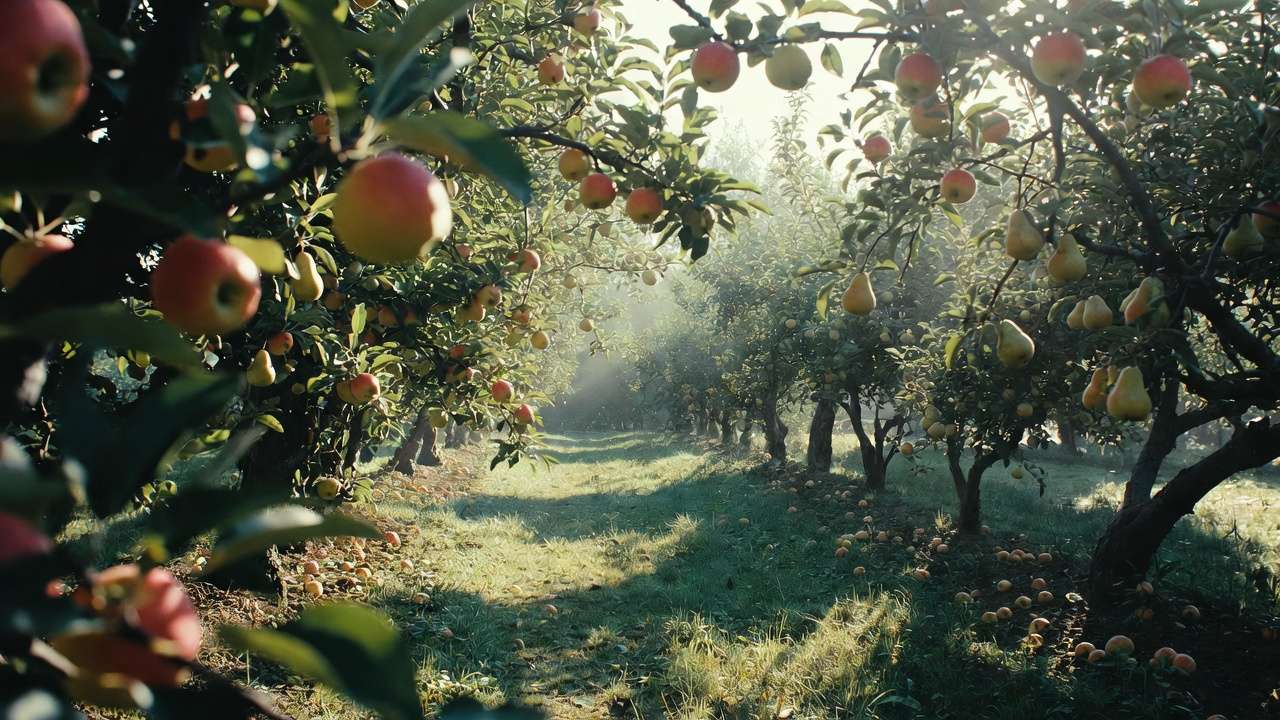
Start simple: Pick one reliable method (most home growers do best with 70% isopropyl alcohol in a spray bottle), build the habit this season, and watch how much healthier and more productive your orchard becomes. Your trees—and future harvests—will thank you. 🌳🍏
Happy pruning, and here’s to disease-free branches and baskets overflowing with homegrown fruit! 🌟











