
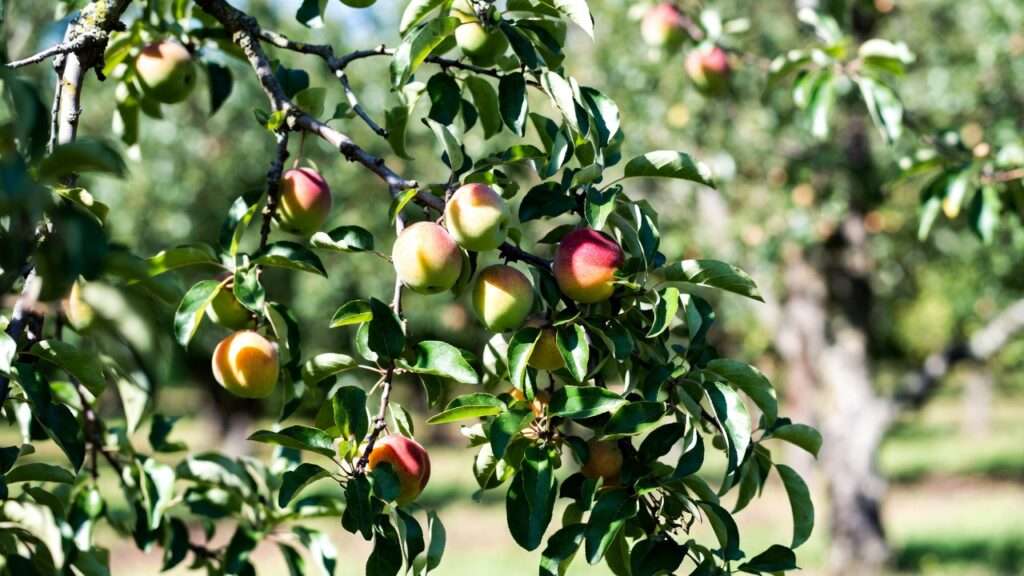
Imagine this: Your fruit tree is loaded with hundreds of tiny fruitlets after a glorious spring bloom. It looks promising—like a bumper crop is on the way! 😍 But fast-forward to harvest, and you’re left with small, underwhelming fruits, cracked branches from the weight, or even a tree that skips producing next year. Sound familiar? 😩
This is a common frustration for home gardeners and backyard orchard enthusiasts. The good news? There’s a simple, powerful technique that transforms your harvest: fruit thinning at the optimal time to thin fruit on branches. By strategically removing excess young fruits, you redirect the tree’s energy to fewer, better-quality fruits. The result? Larger, juicier, more flavorful produce, healthier trees, and more consistent yields year after year. 🌟
In this comprehensive guide, we’ll dive deep into why thinning is essential, the optimal timing (including the famous “June drop”), step-by-step methods tailored to popular fruits like apples, pears, peaches, and more, plus pro tips to avoid mistakes. Whether you’re tending dwarf trees in a small yard or managing a mini-orchard, mastering this practice will elevate your gardening game. Let’s get your branches ready for bigger, healthier harvests! 🍑
Why Thin Fruit on Branches? The Surprising Benefits 🌟
Thinning might feel counterintuitive—who wants to toss perfectly good baby fruits? But horticultural experts from university extensions (like Oregon State, UC Davis, and RHS) agree: it’s one of the most impactful practices for home fruit growers. Here’s why:
- Larger, Higher-Quality Fruit 🍏: When a tree supports too many fruits, they compete for water, nutrients, and sunlight. Thinning allows the remaining ones to grow bigger, sweeter, and more colorful. Studies show thinned apples can be 20-50% larger with better flavor and texture.
- Prevents Limb Breakage and Tree Damage ⚠️: Heavy crops, especially on young, dwarf, or semi-dwarf varieties, can snap branches under weight—particularly during summer storms or as fruit swells. Proper thinning reduces this risk dramatically.
- Reduces Alternate (Biennial) Bearing 📅: Many trees, like apples and pears, swing between heavy and light years. Thinning early promotes consistent flower bud formation for next season, breaking the cycle of feast-or-famine harvests.
- Improves Disease and Pest Management 🛡️: Crowded fruits create humid microclimates that invite fungal issues (e.g., brown rot in stone fruits) and pests. Better airflow and light penetration after thinning help keep trees healthier.
- Boosts Overall Tree Health and Longevity 🌿: Less stress means stronger roots, better vigor, and trees that produce reliably for decades.
Real-world example: Gardeners who skip thinning often end up with tiny “golf-ball” peaches, while those who thin post-June drop harvest walnut-sized, juicy ones. The difference is night and day! 🌞
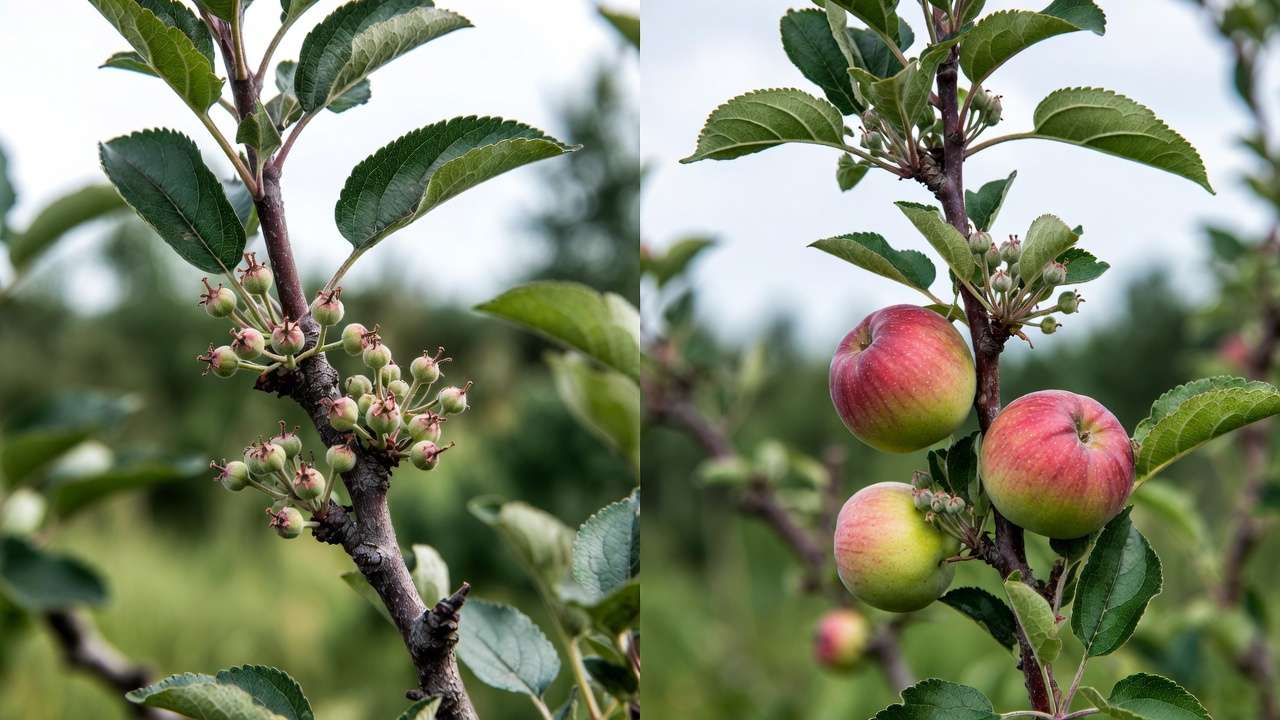
Understanding the Optimal Time to Thin Fruit on Branches ⏰
Timing is everything in fruit thinning—the earlier you act (within reason), the bigger the benefits for size and next year’s bloom. The optimal time to thin fruit on branches is typically late spring to early summer, after natural fruit set but before fruits grow too large.
Key factor: The “June drop” 🌸 — a natural shedding where trees abort excess immature fruits (usually May-June in temperate climates). This self-regulation helps, but often leaves too many survivors if pollination was excellent.
- General Rule: Thin when fruitlets reach marble- to hazelnut-size (½–1 inch / 1–2.5 cm diameter), roughly 3–6 weeks after full bloom. This maximizes resource allocation to keepers.
- Why Early Wins: Thinning before fruits demand heavy resources boosts final size and return bloom. Delaying past mid-summer reduces benefits significantly.
Regional adjustments matter—warmer zones (e.g., southern regions) see earlier windows; cooler climates shift later. Always observe your tree: Watch for petal fall, then monitor fruitlet growth.
Timing by Fruit Type – Specific Guidelines for Common Trees
Different fruits have unique needs based on growth habits and natural drop patterns:
Apples & Pears (Pome Fruits) 🍏🍐
- Optimal window: 4–6 weeks after full bloom (often mid-May to June), post-petal fall and after initial June drop.
- Fruit size cue: About ¾ inch (2 cm) diameter.
- Early thinning maximizes size and prevents biennial bearing—especially crucial for spur-type varieties.
- Note: Asian pears often need heavier thinning due to heavy setting.
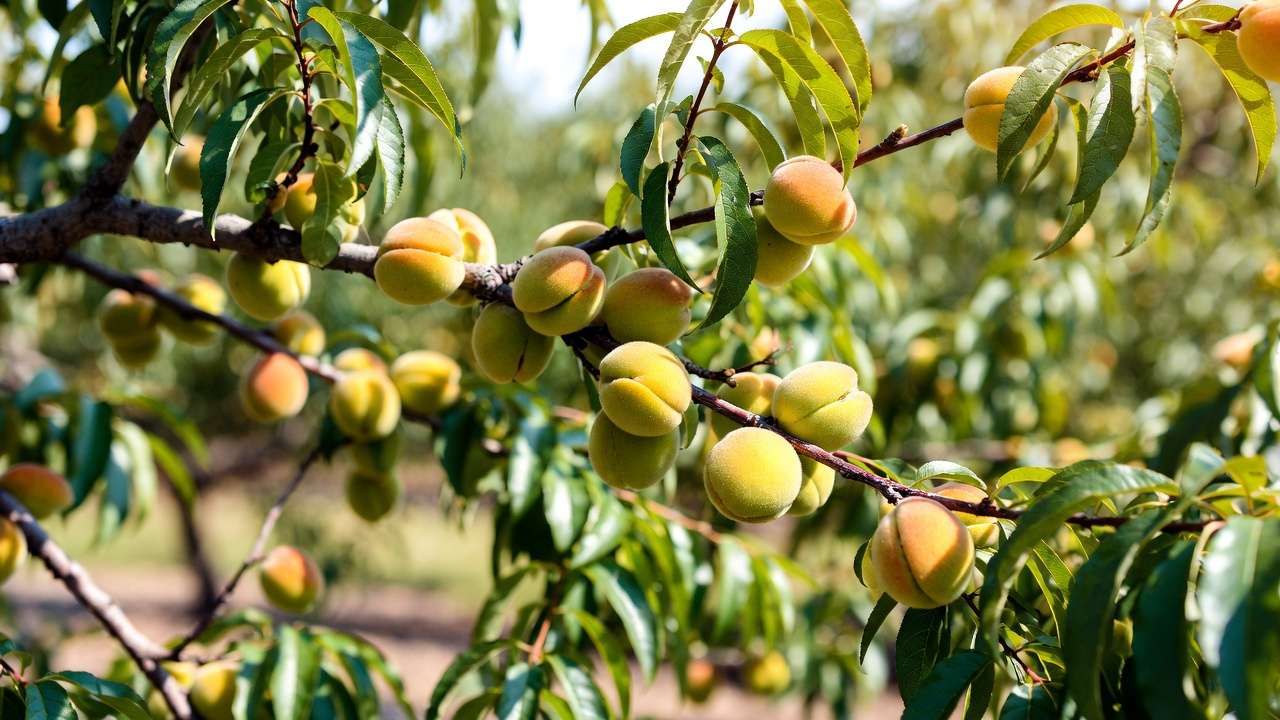
Peaches, Nectarines, Apricots & Plums (Stone Fruits) 🍑
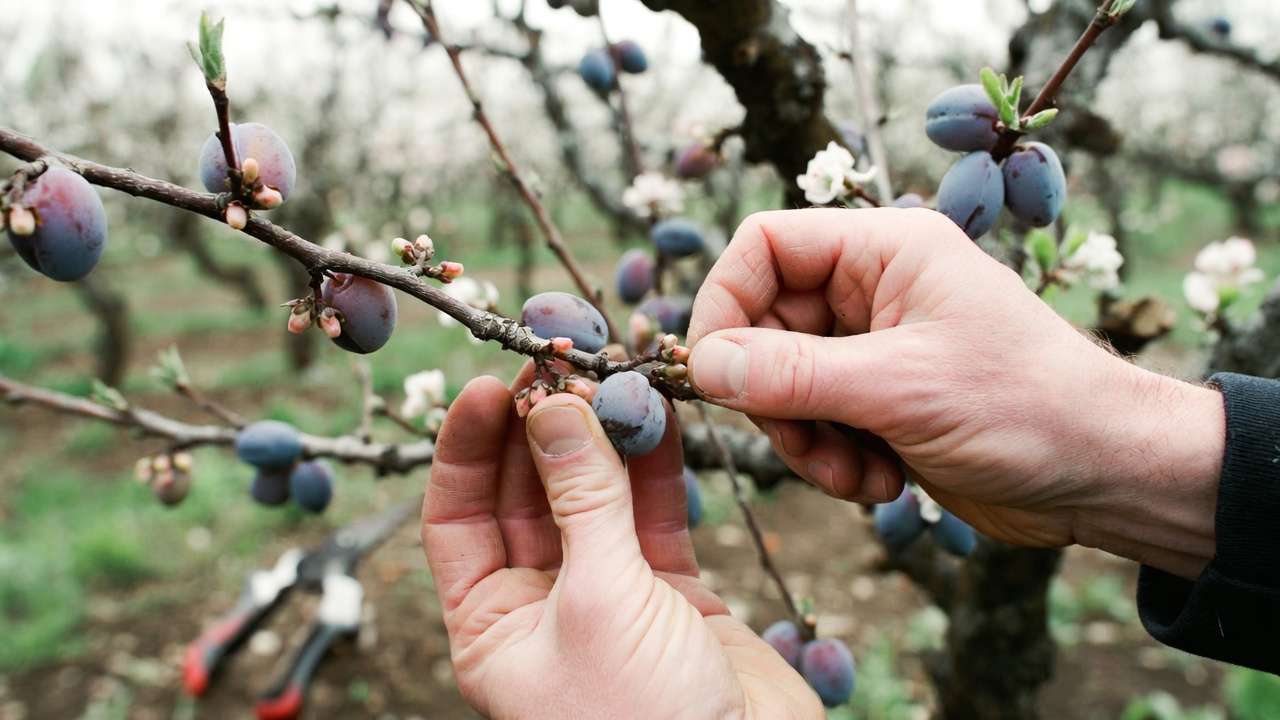
- Optimal window: Early to mid-spring (April–May in many zones), when fruitlets are ¾–1 inch (hazelnut to walnut size). Thin in stages if needed—first to 4 inches apart, then final spacing.
- Account for June drop: Many stone fruits drop naturally early June; thin after to avoid over-removal.
- Why critical: Stone fruits set heavily and rarely self-thin enough—unthinned peaches stay small and risk split pits or branch breakage.
Other Fruits
- Persimmons, Asian pears: Similar to apples—thin if overloaded.
- Citrus (in warmer climates): Light thinning if needed; they self-regulate more.
- Cherries, figs, nuts: Usually no thinning required.
Pro tip: In variable climates, start checking 30 days after bloom and thin progressively. 🌍
Step-by-Step Guide: How to Thin Fruit Effectively ✂️
Ready to thin? Hand thinning is best for home growers—precise and safe. No fancy tools needed!
Tools & Preparation Before You Start
- Clean hands or soft gloves (to avoid bruising).
- Small pruning shears or scissors for stubborn clusters (apples/pears).
- Pole pruner or padded stick for tall branches (avoid beating limbs—damages keepers!).
- Bucket for fallen fruitlets (compost them).
- Work on cool mornings/evenings to reduce stress.
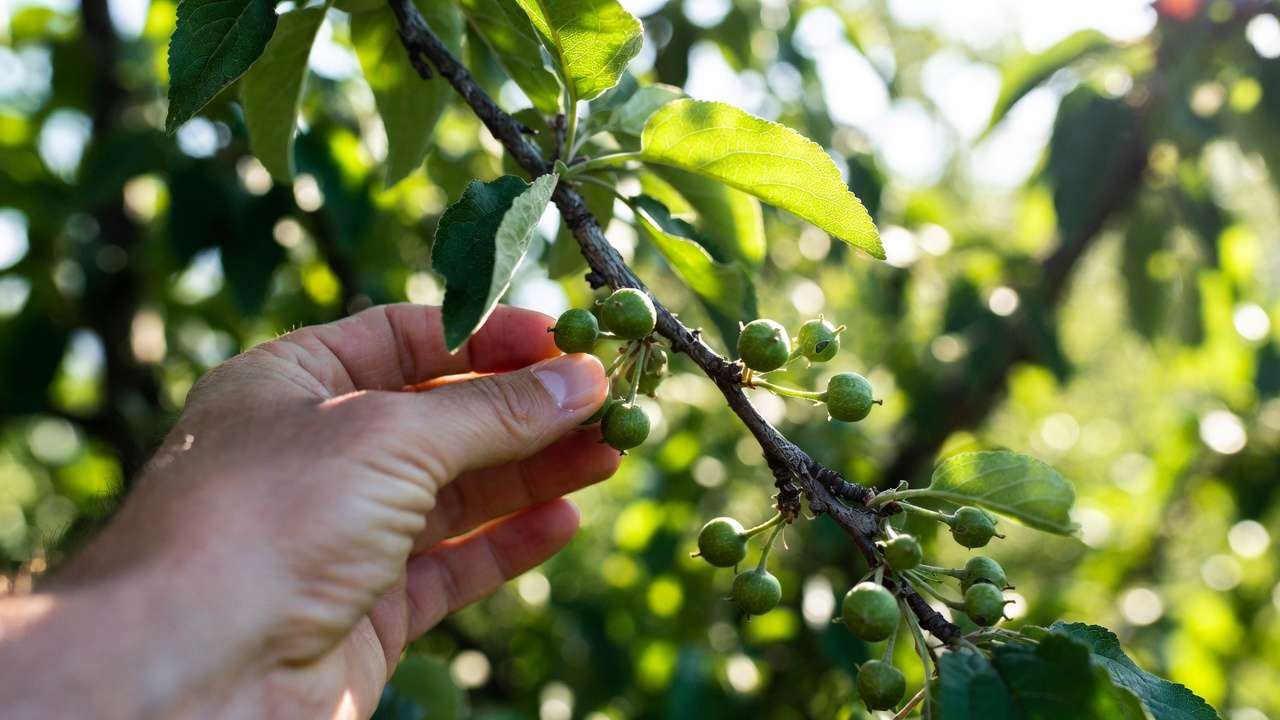
Hand Thinning vs. Pole Thinning – Which Method to Choose?
- Hand: Most accurate—ideal for small/medium trees. Twist or snip gently.
- Pole: Faster for high branches—use padded end to tap lightly (peaches only, early morning when turgid). Not for apples/pears (removes best fruit first).
Detailed Thinning Techniques by Fruit Type Apples & Pears
- Focus on clusters: Remove all but the largest “king” fruit (center, healthiest).
- Space: 6–10 inches (15–25 cm) apart along branches; one per spur.
- Criteria: Keep biggest, healthiest; remove damaged, small, inward-facing, or diseased.
- Step back: Ensure even load—no overloaded branches.
Stone Fruits (Peaches, Nectarines, etc.)
- Space: 4–8 inches (10–20 cm) apart along branches (peaches wider).
- Select: Largest, well-positioned fruits; remove doubles or crowded ones.
- Stages: Initial thin at hazelnut size, final at walnut size if heavy set.
Visual cues: Aim for fruits that “don’t touch” when mature. Remove any with insect damage or scars first. 🌱
Common Mistakes to Avoid When Thinning Fruit 🍂
Even experienced gardeners can slip up on thinning—here are the most frequent pitfalls and how to sidestep them for better results:
Thinning Too Late ⏳ The biggest mistake! Waiting until fruits are golf-ball sized or larger means you’ve already lost most of the size and quality benefits. The tree has invested too much energy into excess fruits, so removing them later helps very little for current-season size and almost nothing for next year’s bloom. Fix: Mark your calendar 4–6 weeks after bloom and inspect weekly once fruitlets appear.
Over-Thinning or Under-Thinning ⚖️
- Over-thinning leaves too few fruits → small total harvest and wasted potential.
- Under-thinning keeps the problems of crowding, small fruit, and branch strain. Fix: Follow spacing guidelines religiously (6–10 inches for apples/pears, 4–8 inches for stone fruits). Step back frequently to assess load distribution across the whole tree.
Ignoring Natural Drop, Tree Age, or Vigor 🌱 Young trees or low-vigor ones can’t support heavy crops—thin more aggressively. High-vigor trees (lots of new growth) can handle slightly more fruit. Skipping the natural June drop assessment can lead to removing keepers by mistake. Fix: Observe drop patterns first, then thin. For young trees (under 4–5 years), aim for lighter crops to build structure.
Rough Handling or Poor Hygiene 🧤 Yanking fruit can bruise or damage remaining fruitlets, inviting rot or pests. Leaving dropped fruitlets on the ground creates pest habitat. Fix: Twist gently or snip cleanly. Clean up debris and compost it away from the tree base.
Forgetting to Protect Yourself and the Tree 🪜 Reaching high branches without support risks injury or limb damage. Fix: Use stable ladders, pole tools when appropriate, and work in pairs if needed.
Avoiding these errors turns thinning from a chore into one of the most rewarding parts of fruit growing! 😊
Pro Tips & Expert Insights for Better Results 🚀
Here are advanced strategies drawn from university extension services, commercial orchard practices, and seasoned home growers:
Combine Thinning with Strategic Pruning ✂️🌿
- Dormant-season pruning sets the stage by opening the canopy.
- Summer thinning complements it by fine-tuning load. Expert tip: After hand thinning, do a light summer prune to remove water sprouts or crowded shoots—improves light and air flow even more.
Monitor Tree Vigor and Adjust Annually 📊 Look at shoot growth: 12–18 inches of new growth per year is ideal for most fruit trees. Too little? Reduce crop load next year. Too much? You can leave slightly more fruit. Use this yearly feedback loop to perfect your personal thinning “recipe” for each tree.
Organic & Low-Impact Alternatives ♻️ Most home thinning is done by hand—no chemicals needed. For very heavy setters (some apples/pears), some growers use natural stressors like moderate drought right after bloom to encourage more natural drop—but this is risky and not recommended for beginners.
Support Heavy Limbs When Necessary 🪵 Even with good thinning, a few branches may still get heavy (especially in wet summers). Use padded stakes, slings, or Y-shaped props under key limbs until harvest. Remove supports after picking to avoid bark girdling.
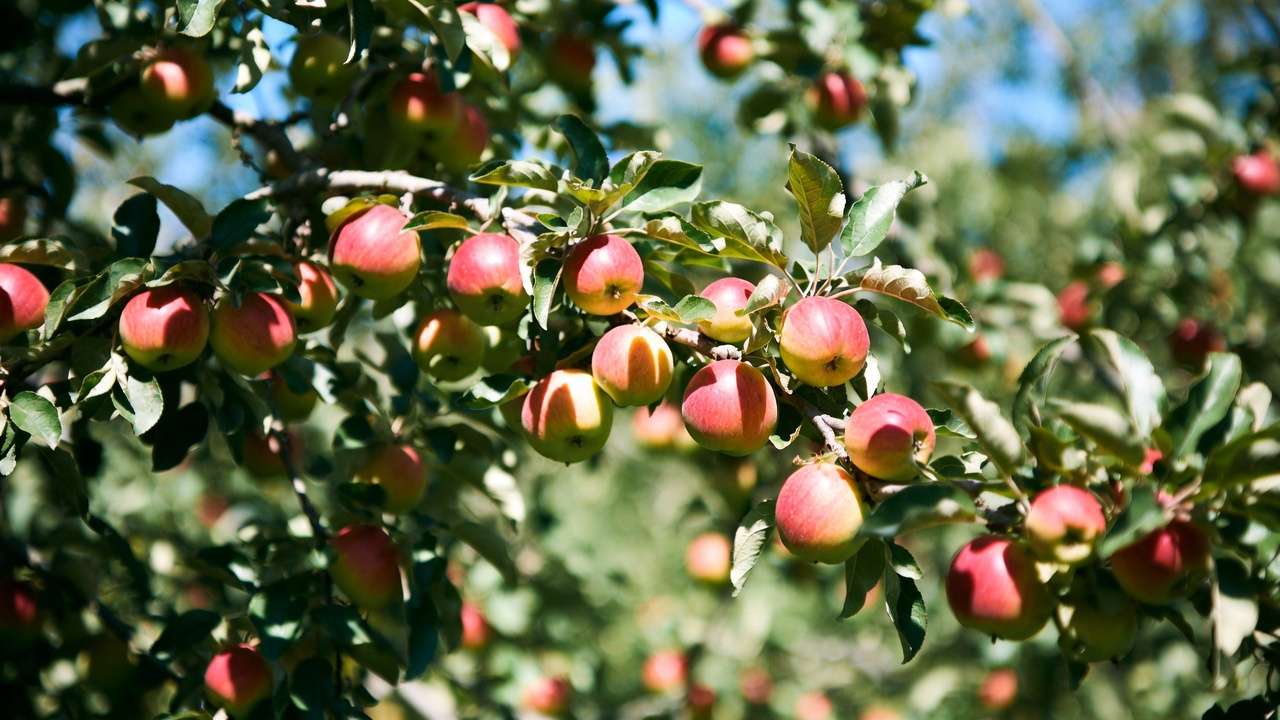
Quick-Reference Timing & Spacing Chart (imagine this as a beautiful infographic!)
| Fruit Type | Optimal Thinning Window | Fruitlet Size Cue | Final Spacing | Special Notes |
|---|---|---|---|---|
| Apples | 4–6 weeks post-bloom (May–June) | ¾ inch (marble) | 6–10 inches | Keep “king” bloom fruit |
| Pears | Same as apples | ¾ inch | 6–8 inches | Asian pears often need heavier thinning |
| Peaches/Nectarines | Early–mid spring (April–May) | ¾–1 inch (hazelnut–walnut) | 6–8 inches | Thin in 2 stages if very heavy |
| Plums | Late spring | ¾ inch | 4–6 inches | European plums self-thin more |
| Apricots | Early spring | ½–¾ inch | 4–6 inches | Very prone to over-setting |
Print this out or save it on your phone—it’s a game-changer! 📱
Frequently Asked Questions (FAQs) ❓
What if I miss the optimal time to thin fruit on branches? You still get some benefit (better airflow, less breakage), but size and next-year bloom improvement will be minimal. Thin anyway if the crop is dangerously heavy—better late than never!
Do all fruit trees need thinning? No—cherries, most figs, many citrus varieties, and some nut trees self-regulate well. Focus on apples, pears, peaches, nectarines, apricots, and plums.
Can I thin citrus or cherries at home? Citrus: Usually not necessary unless branches are breaking. Thin lightly if needed. Cherries: Almost never—thinning reduces cracking risk in rain but is rarely worth the effort for home growers.
How do I know if my tree is overbearing? Clusters of 5+ tiny fruits per spur, branches bending low even before fruit swells, or excessive tiny fruit drop followed by still-heavy load.
Is chemical thinning safe for home gardens? Commercial orchards sometimes use growth regulators (e.g., NAA, ethephon), but they’re not recommended for backyard use due to timing precision, potential fruit russeting, and residue concerns. Hand thinning is safer and more reliable.
Will thinning reduce my total harvest weight? Usually no—or only slightly. Thinned trees produce fewer but much larger fruits, so total weight is often similar or higher due to less drop and better quality.
What should I do with the thinned fruitlets? Compost them (away from the tree to avoid disease), feed to chickens if you have them, or leave a few for wildlife (but not too many to attract pests).
Conclusion: Take Action for Your Best Harvest Yet! 🌟
Mastering the optimal time to thin fruit on branches is one of the single biggest upgrades you can make to your home orchard. By acting in that sweet late-spring to early-summer window—after petal fall and ideally post-initial natural drop—you set the stage for bigger, tastier, more reliable fruit, stronger branches, and healthier trees that reward you year after year. 🍎🍑
This season, grab a bucket, put on some gloves, and spend an afternoon with your trees. Observe, select, remove gently, and watch the magic happen. Your future self (and your family at the dinner table) will thank you!











