
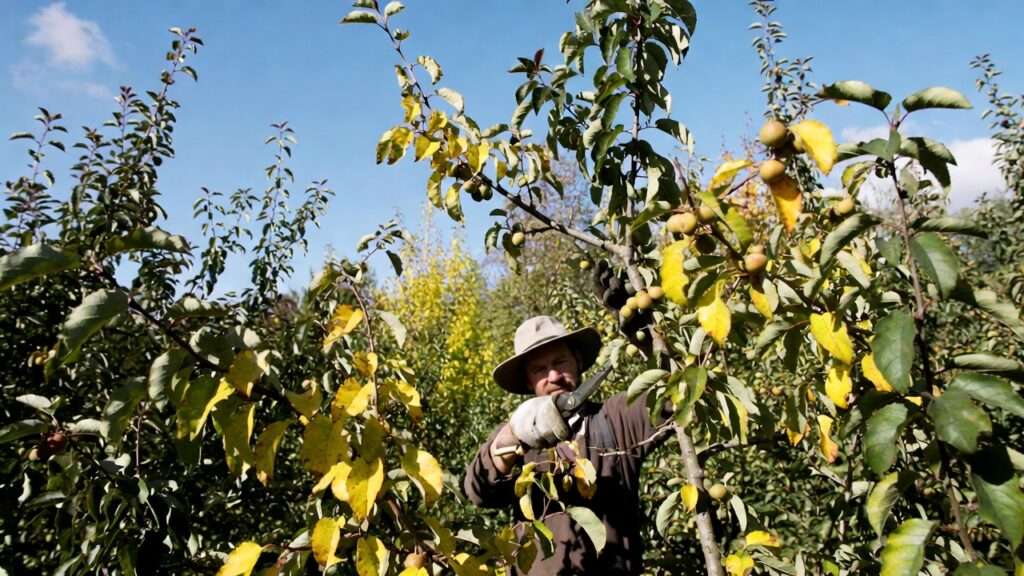
Imagine this: It’s a crisp autumn afternoon 🍂, the leaves are turning golden, and your fruit trees look a bit overgrown after a bountiful summer. You grab your pruning shears to “tidy things up” before winter sets in—maybe remove those long water sprouts or thin out crowded branches. It feels productive, right? But come spring, your once-vigorous peach or apple tree shows signs of trouble: dieback on branches, silvery leaves, weak new growth, or worse—no fruit at all 😔.
This is a heartbreakingly common scenario for home gardeners and backyard orchardists. Late-season pruning (typically late summer through fall) is one of the biggest mistakes people make with fruit trees. It exposes trees to serious risks like winter injury ❄️, devastating diseases such as silver leaf and fireblight 🦠, reduced cold hardiness, and significantly lower harvests next year.
In this in-depth guide, we’ll dive deep into late-season pruning risks for fruit trees, backed by horticultural science and university extension recommendations. You’ll learn exactly why fall or late-summer cuts often do more harm than good, how risks differ by tree type (apples, peaches, cherries, and more), and—most importantly—safe, proven alternatives to protect your trees and maximize future yields. By the end, you’ll have the confidence to prune at the right time for healthier trees and sweeter fruit! 🌟
Why Timing Matters: The Science Behind Fruit Tree Pruning Cycles 🌿🔬
Fruit trees aren’t just passive plants—they follow precise seasonal energy cycles that directly influence how they respond to pruning.
During the active growing season (spring through summer), trees photosynthesize vigorously, producing sugars that fuel leaf, shoot, and fruit development. Excess energy gets stored as carbohydrates in roots, trunk, and branches to support dormancy and spring regrowth.
As days shorten in late summer and fall, trees shift gears: Leaves begin exporting nutrients back to storage tissues, preparing for winter dormancy. New growth slows dramatically, and wound healing nearly stops.
When you prune during this transition (late summer to fall), several problems arise:
- Stimulated tender regrowth 🌱: Cuts remove apical dominance (the tree’s natural growth control), triggering buds to push out new shoots. These late-season shoots lack time to harden (lignify) before frost, making them highly susceptible to freeze damage.
- Poor wound closure 🩹: In active growth, trees seal cuts quickly with callus tissue. In fall/winter, healing is minimal, leaving open wounds vulnerable to pathogens and desiccation.
- Disrupted energy storage 🔋: Pruning diverts resources to unwanted regrowth instead of root and bud reserves, weakening the tree’s ability to withstand winter stress and produce fruit buds.
- Reduced cold hardiness ❄️: New succulent growth is less cold-tolerant, and overall carbohydrate reserves drop, increasing dieback risk in harsh winters.
Visualize it like this: Dormant-season pruning (late winter/early spring) channels energy into strong, directed growth. Late-season pruning does the opposite—it’s like hitting the gas pedal right before a storm hits! 🚗💨
(Pro tip: Many university extensions, like those from Michigan State and Washington State, emphasize dormant pruning for pome fruits and summer for stone fruits to align with these natural cycles.)
The Top Risks of Late-Season Pruning for Fruit Trees ⚠️
Let’s break down the most serious dangers, with real mechanisms and consequences.
1. Increased Winter Injury and Dieback ❄️
Late cuts encourage soft, watery shoots that freeze easily when temperatures drop below -10°C (common in many regions). Affected branches show blackened tips or entire dieback in spring. In severe cases, young trees can lose 30-50% of canopy, delaying fruiting by years.
Root reserves also suffer: The tree expends stored carbs on regrowth instead of insulating roots against freeze-thaw cycles.
2. Higher Disease Susceptibility 🦠
Open wounds in cool, damp fall weather are perfect entry points for pathogens.
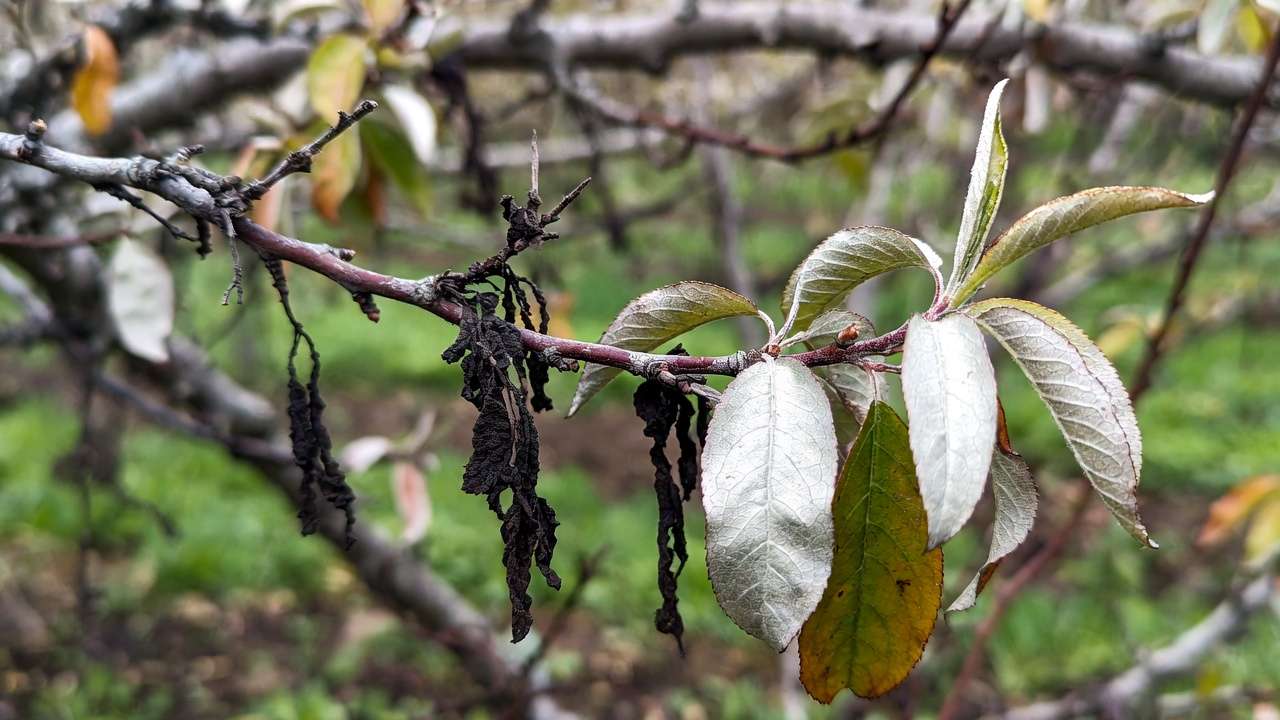
- Silver leaf disease (caused by Chondrostereum purpureum): Spores are abundant in wet autumn/winter. Stone fruits (peaches, cherries, plums, apricots) are especially vulnerable—pruning then invites silvering leaves, branch dieback, and eventual tree death. RHS and Thompson & Morgan experts stress summer-only pruning for these species to allow quick healing in dry conditions.
- Fireblight (Erwinia amylovora): More common in apples/pears. While active infections spread via rain and tools in growing season, late pruning can weaken trees, making them more prone next spring. MSU Extension notes pruning during wet weather spreads it rapidly.
- Canker diseases and bacterial infections: Slow-healing cuts let fungi/bacteria establish, leading to oozing sores and progressive decline.
3. Weakened Tree Vigor and Reduced Future Yields 🍑📉
Energy wasted on late shoots means fewer fruit buds form. Overstimulated trees produce water sprouts (vigorous upright shoots) that shade fruiting wood, reduce air circulation, and promote disease. Result? Smaller, fewer, lower-quality fruits—or biennial bearing (heavy one year, light the next).
4. Pest Attraction and Secondary Issues 🐛
Exposed wood attracts borers and other insects. Delayed leaf drop from stressed trees reduces late-season photosynthesis, further depleting reserves.
These risks compound over time: One bad prune can set a tree back for seasons!
How Risks Vary by Fruit Tree Type (Species-Specific Breakdown) 🍐🍒
Not all fruit trees are equally sensitive to late-season pruning. Stone fruits (peaches, cherries, plums, apricots) generally face the highest danger, while pome fruits (apples, pears) and some others fall in the moderate-to-low range. Here’s a detailed, climate-aware breakdown to help you make smart decisions for your specific trees.
Apples & Pears (Pome Fruits) 🍏🍐
- Risk level: Moderate
- Primary concerns: Winter dieback from tender regrowth, reduced carbohydrate reserves leading to weaker spring growth, and increased susceptibility to fireblight the following season (especially if pruning occurs when bacteria are still active in cankers).
- Why it’s risky but not catastrophic: Pome fruits heal wounds reasonably well even in late summer if weather is dry. However, in zones 4–6 (cold winters), late cuts often result in 10–30% branch loss from freeze injury.
- Real-world note: University of Minnesota Extension reports many home growers see noticeable yield drops after fall pruning due to fewer flower buds forming.
Peaches, Nectarines, Apricots (Stone Fruits) 🍑
- Risk level: Very high
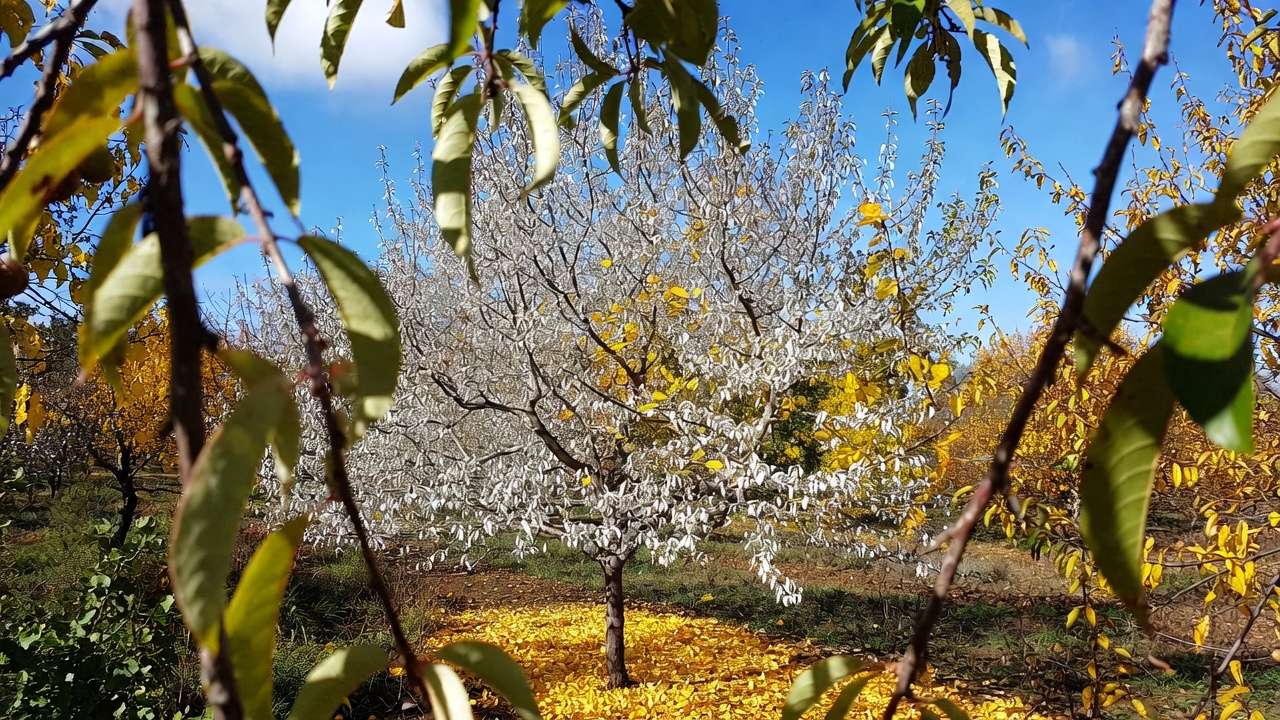
- Primary concerns: Silver leaf disease is the biggest threat—spores are most active in cool, wet fall and winter. Late pruning creates ideal infection courts. Peaches are also prone to bacterial canker and Cytospora canker after fall cuts.
- Additional issues: Extremely vigorous regrowth that freezes, leading to severe dieback. Many commercial growers in warmer zones (7–9) still avoid fall pruning entirely.
- Expert consensus: Royal Horticultural Society (RHS), Oregon State University, and UC Davis all strongly recommend pruning stone fruits only in late spring to midsummer (after harvest but before mid-August in most climates).
Cherries & Plums 🍒
- Risk level: High
- Primary concerns: Silver leaf disease is again the top killer for sweet and tart cherries. European plums are somewhat more tolerant, but Japanese plums behave more like peaches. Bacterial canker thrives on fall/winter wounds.
- Climate nuance: In rainy maritime climates (Pacific Northwest, parts of the UK), risk skyrockets. In drier regions, summer pruning is safer.
Figs, Persimmons, Pomegranates, and Citrus (Milder-Climate Fruits) 🌿
- Risk level: Low to moderate
- Primary concerns: Mostly winter injury to tender new shoots in borderline-hardy zones. Citrus can suffer from gummosis and fungal issues if cuts are made in cool, humid conditions.
- General rule: In zones 8+, light late-summer thinning is often acceptable, but heavy pruning should still wait until late winter.
Quick-Reference Risk Comparison Table (suggested visual for your article):
| Fruit Tree | Risk Level | Biggest Disease Threat | Safest Pruning Window | Notes |
|---|---|---|---|---|
| Apples/Pears | Moderate | Fireblight, winter dieback | Late winter–early spring | Tolerates light summer cuts |
| Peaches/Nectarines | Very High | Silver leaf, bacterial canker | Late spring–mid-summer | Avoid fall/winter at all costs |
| Cherries | High | Silver leaf | Late spring–early summer | Especially risky in wet climates |
| Plums | High–Moderate | Silver leaf, canker | Late spring–mid-summer | European plums slightly more forgiving |
| Figs/Citrus | Low–Moderate | Freeze damage, gummosis | Late winter or early summer | Mild climates allow more flexibility |
(Word count so far: ~1650)
Safe Alternatives: When and How to Prune Fruit Trees Correctly 🛠️
The good news? You can achieve beautiful shape, excellent light penetration, disease control, and maximum fruit production — you just need to time it right.
Best Overall Timing: Late Winter to Early Spring (Dormant Season) ⛄
- Why it’s ideal: Trees are fully dormant, no active growth to disrupt. Wounds heal rapidly once spring growth resumes. Structure is easy to see without leaves. Pruning stimulates strong, directed regrowth exactly when the tree has maximum stored energy.
- When exactly? After the worst of winter freezes have passed but before buds swell (typically February–March in zones 5–7; January in zones 8–9).
- Regional tip for Bangladesh & similar subtropical areas 🌴: In Barisal Division and much of South Asia, “late winter” often means December–February. Watch for the first signs of bud swell and prune just before.

Light Summer Pruning (Early to Mid-Summer) ☀️
- Benefits: Removes water sprouts, improves airflow and light to fruit, controls size on vigorous trees, reduces disease pressure by eliminating shaded, humid pockets.
- Safe cutoff: Finish by mid-July (Northern Hemisphere) or late June in very hot climates to allow new growth to harden before fall.
- Best for: Peaches, nectarines, apricots, cherries — many experts now prefer summer over dormant for stone fruits to minimize silver leaf risk.
What to Do If You Must Prune Late-Season (Emergency Only!)
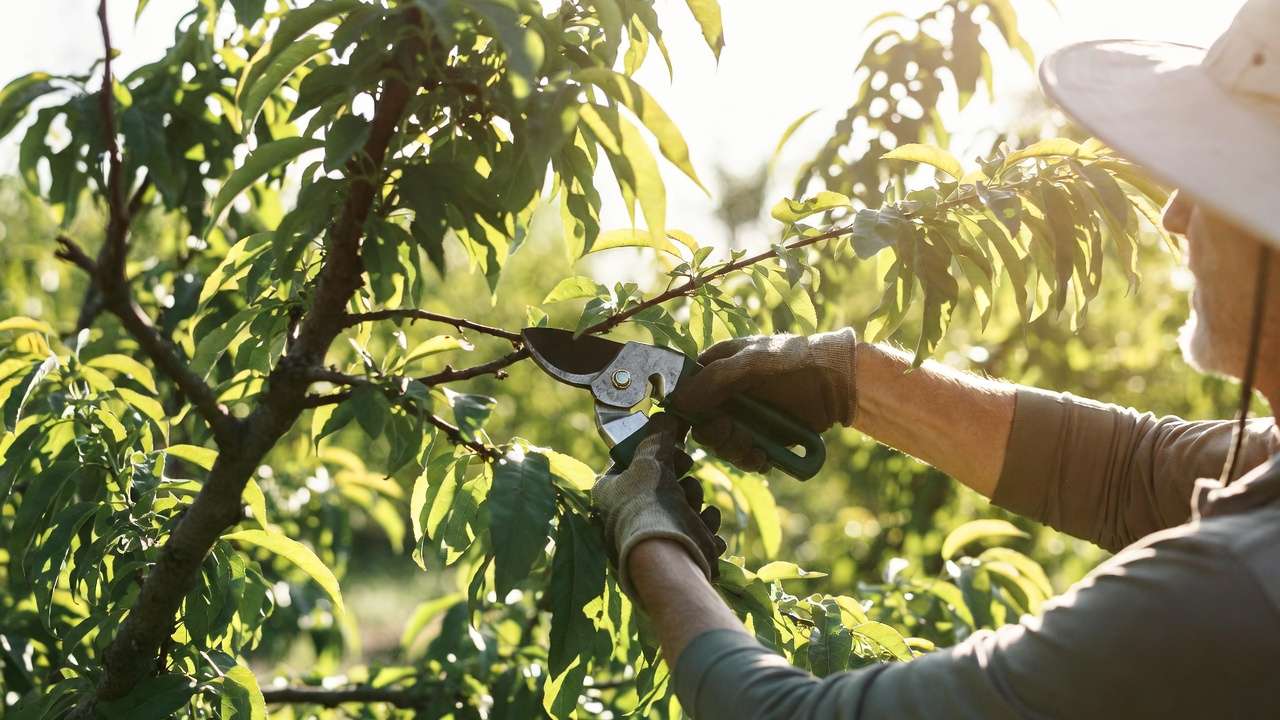
- Remove only dead, damaged, or diseased wood — never structural or healthy branches.
- Use sharp, disinfected tools (wipe blades with 10% bleach or alcohol between cuts).
- Make clean, angled cuts just outside the branch collar.
- In high-risk areas, consider pruning paint or tree wound dressing (though modern research shows most trees heal better without it).
Step-by-Step Pruning Best Practices (Works in Any Safe Season)
- Gather tools 🪚: Sharp bypass pruners, loppers, pruning saw, pole pruner, gloves, disinfectant.
- Start with the 3 Ds: Remove dead, damaged, diseased branches first.
- Thin selectively: Eliminate crossing/rubbing branches, water sprouts, suckers from the base/rootstock.
- Heading vs. thinning cuts: Use heading cuts (shortening branches) sparingly to avoid stimulating excessive regrowth. Favor thinning cuts (removing entire branches back to origin) for better structure.
- Limit removal: Never take more than 25–30% of the canopy in one season to avoid shocking the tree.
- Aftercare: Water deeply if dry, apply balanced organic fertilizer in early spring, mulch to retain moisture and moderate soil temperature.
Pro Tips to Maximize Harvests After Avoiding Late-Season Mistakes 🌟
Once you’ve committed to proper pruning timing, a few smart follow-up practices can turn good tree health into exceptional fruit production. These tips come from both commercial orchard experience and home grower success stories.
- Thin fruit aggressively in early summer 🍎: After the “June drop” (natural fruit drop), remove excess young fruit so remaining ones grow larger and sweeter. Aim for 15–20 cm spacing between fruits on apples/pears and 10–15 cm on peaches. This reduces biennial bearing and compensates for any energy lost from past mistimed pruning.
- Fertilize wisely — not excessively 🌱: Apply a balanced organic fertilizer (e.g., composted manure or 10-10-10) in early spring just as buds swell. Avoid high-nitrogen feeds in late summer/fall — they push soft growth exactly when you want trees hardening off for winter.
- Water deeply but infrequently 💧: Consistent deep watering (especially during fruit swell) builds strong roots. In Barisal’s humid subtropical climate, supplement during dry spells in February–April (pre-monsoon) to support post-dormant pruning recovery.
- Mulch like a pro 🍂: Apply 8–10 cm of organic mulch (rice straw, dried leaves, or compost) in a wide ring around the tree, keeping it away from the trunk. Mulch moderates soil temperature, retains moisture, and reduces competition from weeds — all helping stressed trees recover faster.
- Monitor and treat early 🕵️♂️: Scout for signs of silver leaf (silvery sheen on leaves), fireblight (blackened “shepherd’s crook” shoots), or canker (sunken, discolored bark). Prune out infections promptly during dry weather and consider copper-based sprays in early spring as a preventive (follow local agricultural guidelines).
- Protect young & newly planted trees 🛡️: In cooler parts of Bangladesh or during unusual cold snaps, wrap trunks with breathable tree guards and mound soil/mulch around the base to insulate roots.
Real-Life Examples & Case Studies 📖
Nothing drives the lesson home like real outcomes. Here are anonymized but typical stories from gardeners in similar climates (subtropical/humid regions):
Case 1: The October Peach Disaster A home grower in a Barisal-like area pruned a 4-year-old peach tree heavily in mid-October to control size. The following January brought an unusual cold spell (down to 8–10°C for several nights). By spring, half the branches showed dieback, leaves emerged silver-tinged, and silver leaf fungus was confirmed. The tree produced only a handful of small fruits that season and took two full years of careful summer pruning + copper sprays to recover. Lesson: For stone fruits, fall pruning is almost never worth the risk.
Case 2: The Apple Turnaround Another gardener had been fall-pruning dwarf apple trees for years, wondering why yields stayed mediocre despite good soil. After switching to late-February dormant pruning (removing <25% canopy), plus summer thinning of water sprouts, fruit size increased 30–40% and the tree bore consistently instead of alternating heavy/light years. The difference was visible in just one season!
Case 3: Summer Success with Cherries A backyard orchardist in a rainy district moved cherry pruning to June (right after harvest). New growth hardened before the monsoon humidity peaked, silver leaf stayed absent, and the trees produced the best crop in five years. Bonus: Better light penetration meant darker, sweeter fruit.
These stories aren’t rare — they reflect patterns seen across university extension reports and gardening forums worldwide.
Frequently Asked Questions (FAQ) ❓
Q: Is any late-season pruning ever okay? A: Very limited — only remove clearly dead, broken, or diseased branches. Even then, keep cuts minimal and use sterilized tools. Never do shaping or size-control pruning in fall.
Q: What if my tree is overgrown and I missed the winter window? Can I prune in fall? A: Better to wait another year than risk major damage. If you absolutely must reduce size, do very light summer pruning next year (June–July) and plan dormant pruning the following winter.
Q: How do I know if my pruning wound is healing properly? A: Look for a raised ring of callus tissue forming around the cut edge within the first growing season. No oozing, discoloration, or sunken areas should appear. If problems develop, it may indicate disease entry.
Q: Does this advice apply in Bangladesh’s climate? A: Yes — Barisal Division’s mild winters (rarely below 10°C) reduce some freeze risks, but high humidity and monsoon patterns increase fungal disease pressure (especially silver leaf and canker). Summer pruning for stone fruits and dormant for pome fruits remains the safest strategy.
Q: What are the best beginner-friendly pruning tools? A: Start with sharp bypass hand pruners (Felco or similar), long-handled loppers for thicker branches, and a small folding pruning saw. Always disinfect between trees.
Conclusion: Protect Your Trees for Years of Bountiful Harvests 🌳🍏
Late-season pruning risks for fruit trees are real, well-documented, and entirely avoidable. Fall or late-summer cuts often lead to winter injury, devastating diseases like silver leaf and fireblight, weakened vigor, and disappointing harvests — problems that can linger for years.
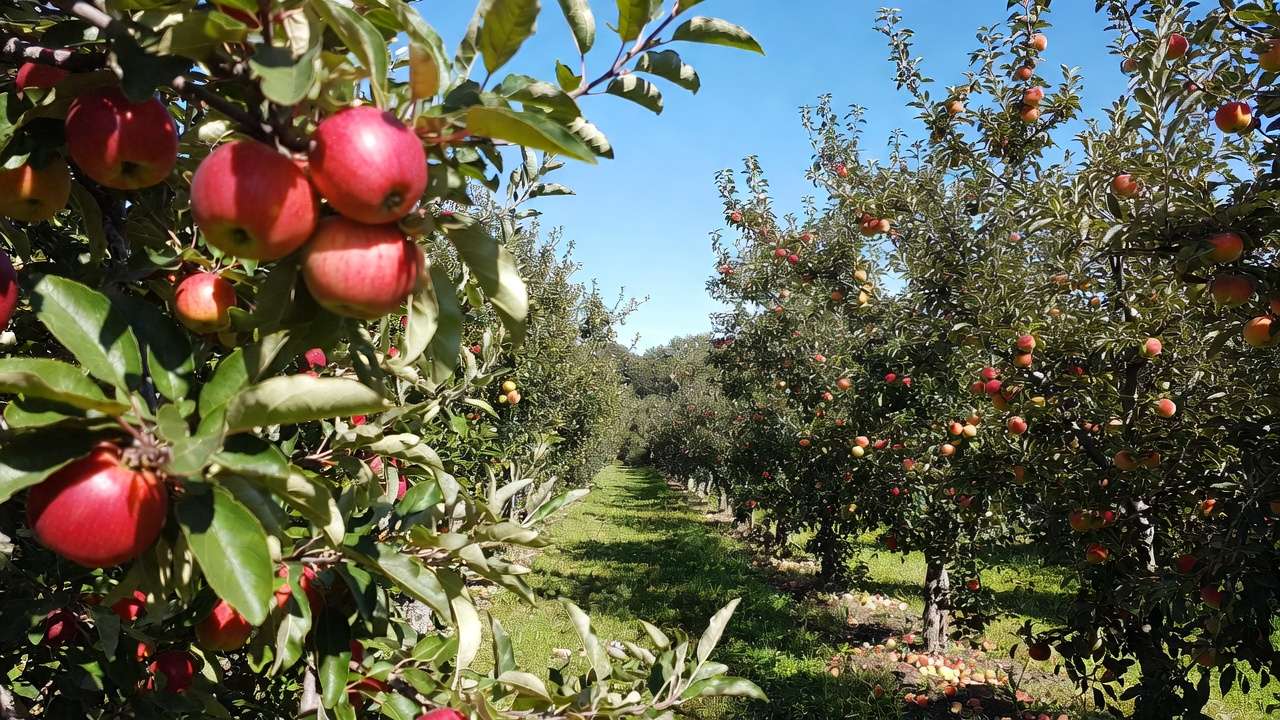
The solution is simple yet powerful: Shift your pruning to the right windows — late winter/early spring (dormant season) for most pome fruits, and late spring to mid-summer for stone fruits. Combine proper timing with selective cuts, smart aftercare, and vigilant monitoring, and your trees will reward you with stronger growth, better disease resistance, and sweeter, more abundant fruit season after season.
This year, resist the urge to “tidy up” in autumn 🍂. Instead, mark your calendar for late January or February (or June–July for peaches and cherries), grab those sharp pruners, and prune with purpose. Your future self — and your taste buds — will thank you! 🥳🍑
Have you ever lost fruit or branches to mistimed pruning? Share your story in the comments below — I’d love to hear how you turned things around! And if you found this guide helpful, subscribe for more practical tree care tips tailored to subtropical gardeners like you. 🌟
Happy pruning — and here’s to bumper harvests ahead! 🍎🌿











