
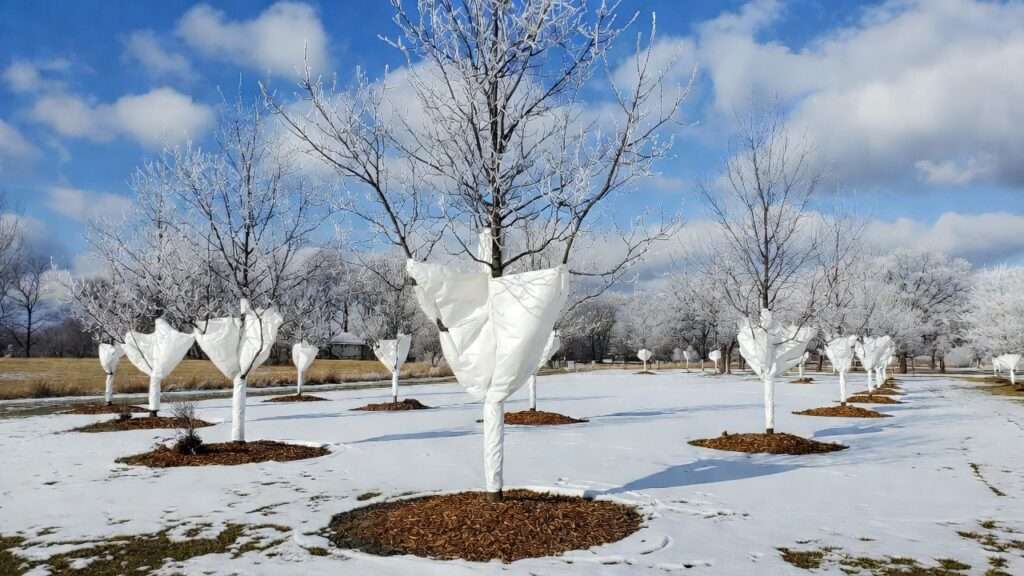
Imagine stepping outside on a crisp winter morning, only to discover your beloved young maple or cherished fruit tree sporting cracked bark, wilted buds, or heaving roots — a sight that can break any gardener’s heart and hit the wallet hard. 😔 Winter frost doesn’t just nip at leaves; it inflicts serious damage like sunscald, desiccation, frost cracks, and root death, especially on vulnerable trees. Protecting trees from winter frost is crucial for homeowners and landscapers who want their landscapes to thrive come spring, avoiding costly replacements or weakened health.
As a tree care expert drawing from university extension research (like UMN, MSU, and others), I’ve seen how proactive steps — deep watering, proper mulching, trunk wrapping, and more — make all the difference. This comprehensive guide goes beyond basics to deliver skyscraper-level advice: science-backed explanations, step-by-step instructions, species-specific insights, mistake warnings, and recovery strategies. By following these essential tips, you’ll shield your trees from frost damage, sunscald, winter burn, and related threats, ensuring a vibrant landscape ahead. 🌸 Let’s dive in!
Understanding Winter Frost Damage to Trees ❄️🔍
Winter frost and freeze events harm trees in multiple ways. Frost typically forms on surfaces when temperatures dip to 32–36°F, while a true freeze penetrates deeper tissues below 32°F. Two main types affect trees:
- Advective freezes involve cold air masses with wind, drying out evergreens.
- Radiative freezes occur on clear, calm nights when heat escapes into space, often hitting low-lying areas hardest.
Cold impacts different parts:
- Roots are surprisingly vulnerable — many die below 0–10°F in soil, as roots harden slower than branches.
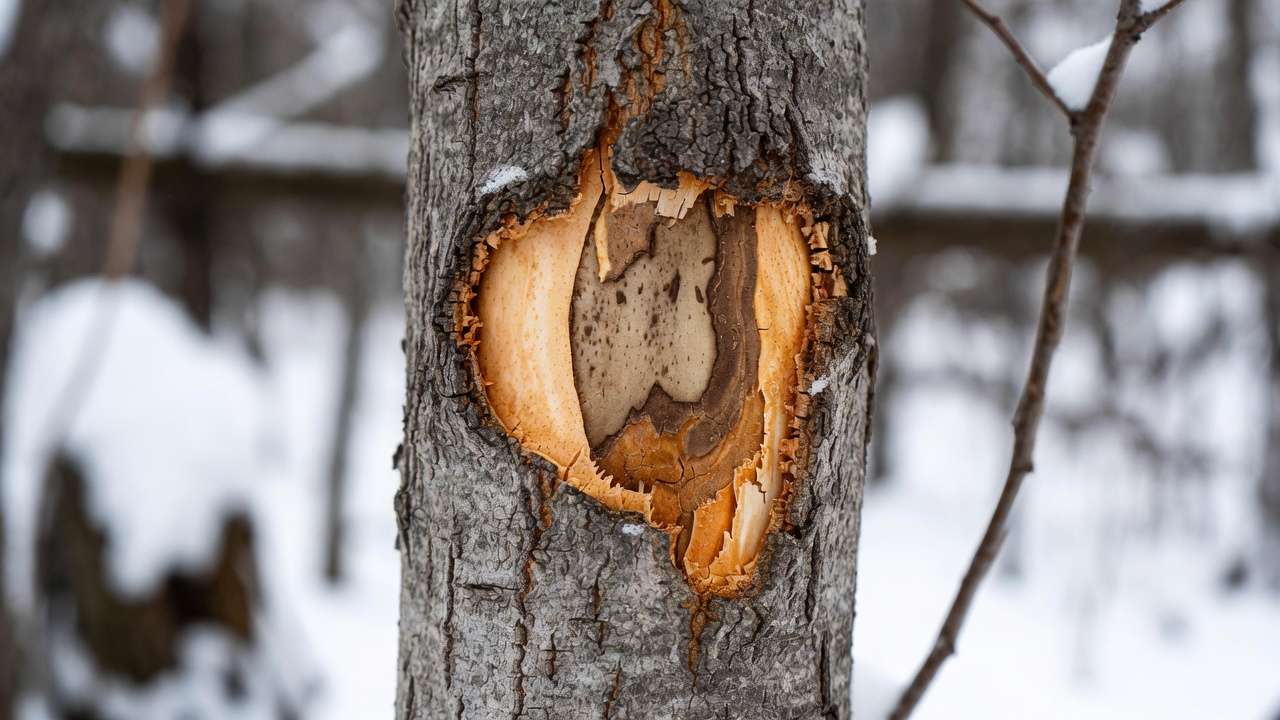
- Bark suffers sunscald (or southwest winter injury) from daytime sun heating thin bark, followed by rapid nighttime cooling causing cracks on the south/southwest side.
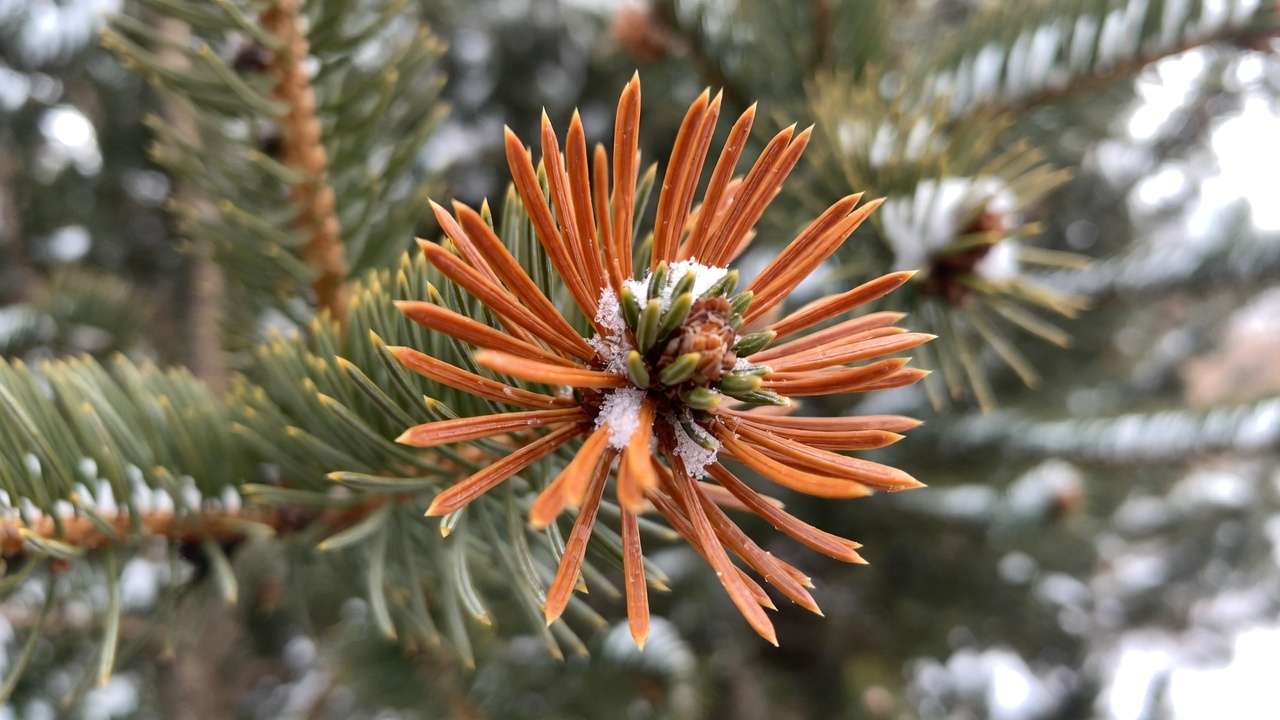
- Buds and branches face dieback or death from desiccation (winter burn), especially in evergreens losing water via wind without replacing it from frozen soil.
- Evergreens experience needle browning from moisture loss, while deciduous trees may show frost cracks or heaving (soil expansion/thawing pushing roots up).
Early signs include cracked bark, sunken dead areas, blackened buds, wilted tips, or heaving soil around bases. Catching these early prevents secondary issues like pests or disease entering wounds.
Which Trees Are Most at Risk? Know Your Vulnerable Species 🌲⚠️
Not all trees handle winter the same. High-risk groups include:
- Newly planted or young trees (first 2–5 years): Thin bark, shallow roots, less established.
- Thin-barked species: Maples (especially Japanese maple), apples, cherries, crabapples, birches, beech, elms, lindens, oaks, walnuts, willows, horse chestnuts, goldenrain trees, London plane trees.
- Fruit trees and ornamentals: Apples, peaches, pears, magnolias, Japanese maples — buds and blossoms are extra sensitive.
- Evergreens in exposed, windy spots: Broadleaf types like rhododendrons, hollies suffer desiccation; conifers like arborvitae brown from wind burn.
- Marginal hardiness plants: Tropicals/subtropicals (citrus, jacaranda, oleander) or zone-pushers in colder areas.
Lower-risk: Mature natives adapted to your USDA hardiness zone, thick-barked species like oaks or pines.
Quick vulnerability checklist:
- Age: Under 5 years? High risk.
- Bark: Thin/smooth? Prone to sunscald.
- Location: Exposed south/west side, windy hill? Increased danger.
- Zone match: Check USDA Plant Hardiness Zone Map for your area.
Assess your landscape now — prioritize protection for at-risk trees! 🛡️
Preparation Before Winter Hits: Build Resilience in Fall 🍂🛡️
Prevention starts in autumn:
- Late-season deep watering: If fall is dry, soak soil heavily (to 12–18 inches) before ground freezes. Moist soil retains heat, reducing frost penetration.
- Avoid late fertilizing or heavy pruning: These stimulate tender growth that won’t harden off, increasing dieback risk.
- Health inspection: Check for pests, diseases, or structural issues; prune only deadwood to minimize stress.
- Site tweaks: Plant sensitive trees near reflective walls for passive heat or in sheltered spots.
These steps build cold hardiness naturally. 🌱
Core Protection Strategies: Step-by-Step Essential Tips 🌟
1. Mulching Mastery – The #1 Root Protector 🌱
Mulch insulates soil, moderates temperature swings, retains moisture, and prevents heaving.
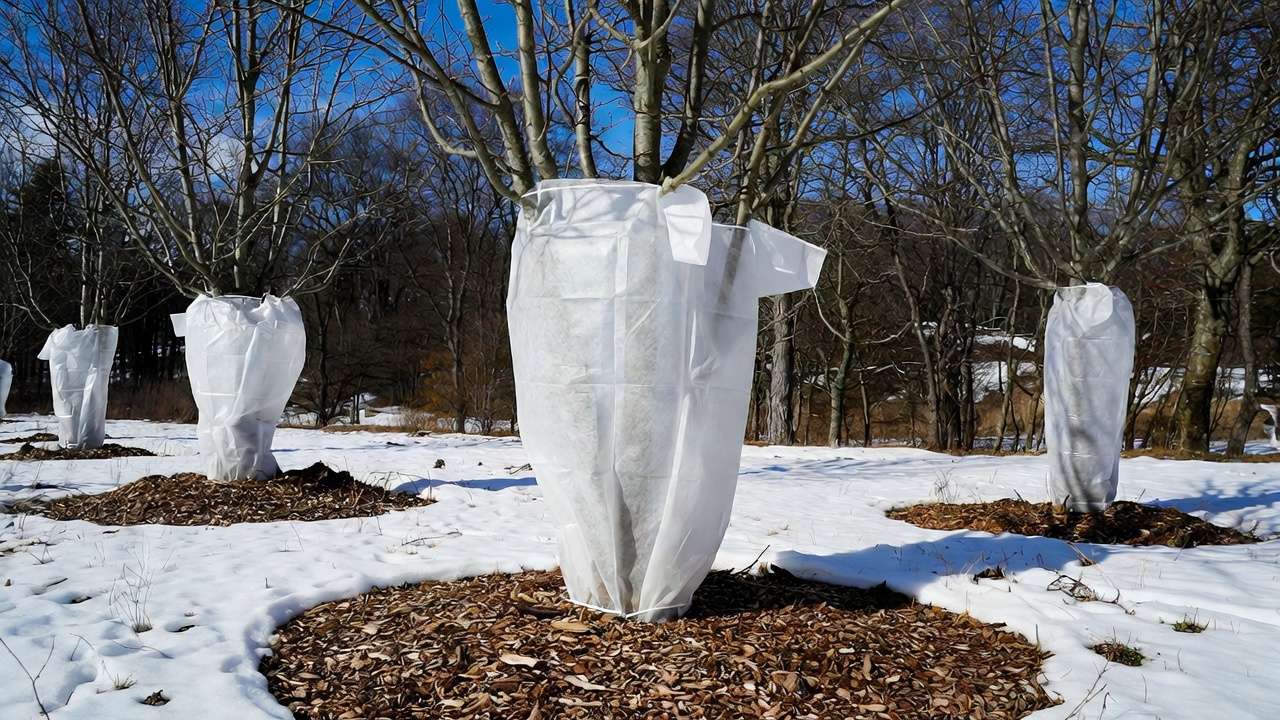
- How-to: Apply 3–6 inches of organic mulch (wood chips, shredded bark, pine needles) in a wide ring to the drip line.
- Key rule: Keep mulch 4–6 inches from the trunk — no “volcano” piles that trap moisture and invite rot/pests!
- Timing & materials: Late fall after leaves drop; refresh annually. Avoid fresh grass clippings or plastic sheeting.
This simple step can cut root damage dramatically. ❄️➡️🌿
2. Strategic Watering Before and During Winter 💧
Evergreens and new trees need moisture to combat desiccation.
- Pre-freeze soak: Deep water in fall.
- Winter watering: If no precipitation/snow, water monthly (early day to avoid ice on leaves). Aim for 1 inch per session on evergreens.
- Expert note: Moist soil holds 4x more heat than dry — huge frost buffer!
Don’t let winter drought sneak up. 💦
3. Trunk Wrapping & Sunscald Prevention ☀️❄️
Sunscald cracks thin bark from temperature swings.
- Targets: Young/thin-barked trees for 2–5 years until bark thickens.
- Materials: Breathable white tree wrap, plastic guards, or white latex paint (diluted 1:1) to reflect sun.
- How-to: Apply in fall (November-ish), spiral loosely upward; remove in spring after last frost to avoid moisture/insect traps.
- Alternatives: For larger trees, white paint on southwest side.
This reflects heat and prevents deadly cracks. 🛡️
4. Covering & Wind Protection for Sensitive Trees 🛡️
For evergreens or small ornamentals in exposed sites:
- Use breathable burlap screens, frost blankets, or anti-desiccant sprays.
- When: During extreme winds or sudden freezes.
- Pro tip: For dwarf fruit trees, temporary covers during advisories.
Secure covers to trap ground heat without overheating on sunny days.
5. Wildlife & Physical Damage Barriers 🦌
Deer/rabbits chew bark, worsening frost vulnerability.
- Install fencing, stakes, or tubes.
- Support branches under snow/ice with frames.
Combine with wraps for double duty!

Advanced & Situational Protection Methods (For Extra Cold Climates or Special Trees) 🚀
- Anti-desiccant sprays: For evergreens — apply in fall/winter to lock in moisture.
- Frost irrigation: Sprinklers release latent heat (more for orchards, but adaptable).
- Site selection: Plant near south-facing walls for reflected warmth.
These elevate protection in harsh zones.
Common Mistakes That Actually Harm Your Trees (Avoid These!) 🚫
Even well-meaning gardeners can unintentionally cause more harm than good when trying to protect trees from winter frost. Here are the most common pitfalls, backed by university extension experts (like UMN Extension and MSU Extension), and how to steer clear:
- Volcano mulching — Piling mulch high against the trunk in a cone shape. This traps moisture, invites rot, pests, and diseases, and can girdle the tree with adventitious roots. Always keep mulch 4–6 inches away from the trunk and spread it wide in a flat donut shape. 🌱❌
- Overwatering or watering too late — Excessive fall watering leads to root rot, especially in poorly drained soils. Water deeply only if the fall is unusually dry, then stop once the ground freezes to avoid ice damage.
- Using non-breathable materials for wrapping — Plastic sheeting or dark wraps trap heat and moisture, causing bark decay, mold, or insect issues. Stick to breathable white tree wrap, kraft paper, or diluted white latex paint that reflects sun without overheating.
- Leaving wraps on year-round — Wraps left past spring harbor insects, restrict growth, and promote fungal problems. Remove them after the last frost (typically April–May, depending on your zone) to let bark acclimate.
- Late-season heavy pruning or fertilizing — These stimulate tender new growth that can’t harden off before winter, leading to dieback from even mild freezes. Prune only deadwood in fall; fertilize in spring.
- Ignoring sunscald on young trees — Skipping protection for thin-barked species allows deadly cracks on the south/southwest side. Always prioritize young maples, fruit trees, and similar.
- Over-covering or using plastic blankets — Plastic doesn’t breathe and can cook plants on sunny days or cause rot. Use breathable frost cloths, burlap, or anti-desiccant sprays instead.
Avoiding these errors keeps your protection efforts effective and safe — your trees will thank you! 😊
What to Do After a Frost Event: Damage Assessment & Recovery 🌱🔧
Sometimes, despite best efforts, a severe freeze sneaks through. Don’t panic — many trees recover remarkably well with patience and proper care.
- Assess damage patiently — Wait until spring (after last frost risk passes) to evaluate fully. Scratch the bark with your thumbnail or a knife: green cambium underneath means live tissue; brown/dry means dead. Buds may look blackened but still push new growth.
- Don’t prune immediately — Pruning too soon removes protective dead tissue and risks further dieback if more cold hits. Wait for new growth to emerge (often late spring) to see what’s truly dead vs. dormant. Then prune back to live wood, making clean cuts just above healthy branches.
- Support recovery — Water deeply during thaws if soil is dry (evergreens especially need this to combat winter burn). Refresh mulch but keep it away from the trunk. Avoid fertilizing stressed trees until full recovery — focus on gentle care.
- When to call a pro — For severe cracks, girdling damage, or large branch loss, consult a certified arborist. They can bridge cracks or brace limbs to prevent long-term issues like decay or splitting.
- Replant wisely if needed — If a young tree is lost, choose hardier varieties suited to your USDA zone next time. Site them in sheltered spots for better frost resistance.
With time and TLC, most frost-damaged trees bounce back stronger — often outgrowing minor setbacks by summer! 🌿
Seasonal Checklist & Quick-Reference Guide 📋
Use this timeline to stay on top of winter tree protection year after year:
Fall (September–November, before ground freezes):
- Deep water if dry (to 12–18 inches).
- Inspect for pests/disease; prune only deadwood.
- Apply 3–6″ organic mulch ring (away from trunk).
- Wrap thin-barked young trees with breathable material.
- Install wildlife barriers (deer fencing, trunk guards).
Mid-Winter (December–February):
- Check for heaving roots after thaws; gently firm soil.
- Water evergreens/new trees monthly during dry spells (if no snow cover).
- Monitor for wildlife damage; refresh barriers as needed.
- Avoid walking on frozen soil to prevent compaction.
Early Spring (March–May, after last frost):
- Remove wraps and excess mulch gradually.
- Prune dead/damaged branches once new growth shows.
- Water as soil thaws; fertilize healthy trees.
- Refresh mulch for summer moisture retention.
Printable tip: Save or screenshot this checklist — hang it in your garden shed for quick reference each season! 🗓️
Frequently Asked Questions (FAQs) ❓
Does wrapping really prevent all frost damage? No — it primarily protects against sunscald and cracking from temperature swings on thin bark. It doesn’t stop deep freezes or root damage, so combine with mulching and watering.
Can mature trees get frost damage too? Yes, especially evergreens (desiccation) or thin-barked species (sunscald). Mature natives are usually tougher, but exposed or stressed ones can suffer.
What’s the best mulch type for winter protection? Organic options like wood chips, shredded bark, or pine needles. They insulate, retain moisture, and break down to enrich soil. Avoid rocks (poor insulation) or fresh clippings (rot risk).
How do I protect potted trees outdoors? Group pots together for wind protection, wrap with burlap, or bury pots in soil/mulch. Move tender ones to sheltered spots or unheated garages if temps drop below zone hardiness.
How do I find my last frost date? Use tools like the Old Farmer’s Almanac or USDA Plant Hardiness Zone Map + local extension resources. Search “[your city] average last frost date” for precision.
Conclusion: Secure Your Trees for a Vibrant Spring Ahead 🌳🌷
Protecting trees from winter frost boils down to proactive basics: deep fall watering, proper mulching, trunk wrapping for vulnerable species, wind barriers, and wildlife defense. These steps insulate roots, prevent sunscald, reduce desiccation, and build resilience against freezes, heaving, and burn.
By avoiding common mistakes and acting early, you’ll minimize damage, save on replacements, and enjoy healthier, more beautiful trees that boost your landscape’s value and curb appeal. Healthy trees aren’t just survivors — they’re thrivers that reward you with lush foliage, flowers, fruit, and shade for years to come.
Ready to winter-proof your yard? Start with a quick inspection this weekend! Share your own tree protection successes or questions in the comments below — I’d love to hear from fellow plant lovers. Subscribe for more seasonal guides, and here’s to a frost-free (or at least well-protected) winter and a spectacular spring bloom! 🌸❄️











