
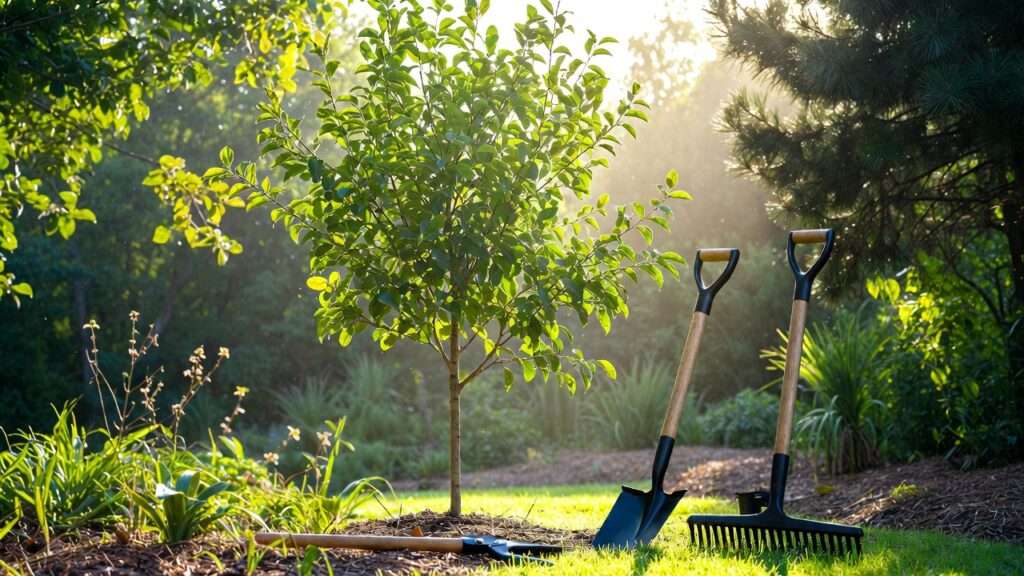
Have you ever gazed lovingly at your thriving indoor citrus tree, lush fiddle-leaf fig, or potted olive and thought, “This beauty deserves fresh air and real sunlight”? 😍 But then the fear kicks in—what if moving it outdoors causes leaf scorch, massive wilting, or worse, kills your precious plant? You’re not alone! Many plant lovers face this exact dilemma when transitioning indoor-grown trees outdoors. Sudden changes in light, temperature, wind, and humidity can shock tender foliage, leading to irreversible sunburn (also called leaf scorch) or transplant stress.
The good news? With the right approach—called hardening off—you can safely acclimate your tree and help it thrive in its new outdoor home. 🌿 This comprehensive guide, based on proven horticultural practices from university extensions, arborist recommendations, and years of real-world tree care experience, walks you through every step. Whether you’re dealing with a Meyer lemon 🍋, avocado 🥑, ficus, olive, or tropical fruit tree, you’ll learn how to prevent common disasters and enjoy healthier, more vigorous growth outdoors. Let’s turn your indoor success story into an outdoor masterpiece!
Why Transitioning Indoor-Grown Trees Outdoors Matters 🌍
Indoor environments are cozy and controlled: low light (often 500–2,000 lux from windows or grow lights), stable temperatures, high humidity, and zero wind. Outdoors? Full sun blasts 100,000+ lux, temperatures fluctuate wildly, winds dry leaves quickly, and humidity drops. Without preparation, your tree’s delicate leaves can’t cope—their thin cuticles burn, stomata close improperly, and the plant goes into survival mode.
Benefits of a successful transition include:
- Stronger branches from natural wind resistance
- Vibrant leaf colors and better photosynthesis
- Increased flowering and fruit production (hello, homegrown lemons! 🍋)
- Natural pest control from beneficial insects and birds
- Overall resilience to outdoor stresses
Done wrong, though? You risk permanent leaf damage, defoliation, stunted growth, or even plant death. That’s why hardening off is non-negotiable—it’s the bridge that builds tougher, sun-ready foliage. Experts from places like Penn State Extension and the Royal Horticultural Society emphasize this gradual process for tender plants.
Understanding Your Tree’s Needs Before Transitioning 🔍
Assess Your Tree’s Species and Hardiness Zone
Not all indoor trees handle outdoor life the same way. Check your USDA Hardiness Zone (search for your location on the official USDA map) and match it to your tree:
- Citrus (e.g., lemon, lime, orange): Zones 9–11; protect below 32–40°F (0–4°C).
- Avocado: Zones 9–11; sensitive to cold and wind.
- Fig (Ficus carica): Zones 7–10; more cold-hardy but young trees need protection.
- Olive: Zones 8–10; tolerates drought but hates wet feet.
- Ficus (e.g., fiddle-leaf fig): Zones 10+; very tropical, bring indoors below 50°F (10°C).
- Other tropicals (mango, banana): Zones 10–11; strictly warm-climate.
If you’re in a cooler zone, plan for seasonal moves—outdoors in summer, indoors in winter.
Evaluate Current Indoor Conditions vs. Outdoor Reality
Your tree has adapted to pampered life. Outdoors means:
- Intense UV and direct sun → potential sunburn
- Lower humidity → faster transpiration
- Wind → physical stress and drying
- Temperature swings → shock if nights dip low
Inspect roots: Is the tree root-bound? Repot if needed before moving. Check soil pH and drainage—most prefer well-draining, slightly acidic mixes.
When Is the Best Time to Start Transitioning? ⏰
Timing is everything! Start in spring after your last frost date, when nighttime lows stay consistently above 50–60°F (10–15°C) for most tender trees. For citrus and avocados, wait until nights are reliably above 40–50°F (4–10°C) to avoid cold shock.
- Monitor your 10-day weather forecast 🌤️—avoid heatwaves, cold snaps, or strong winds.
- In warmer climates (e.g., southern zones), year-round outdoor is possible with protection.
- Pro tip: Begin hardening off 1–2 weeks before your ideal planting time.
The Core Process: Hardening Off Step-by-Step (Main Skyscraper Section) 🛡️
What Is Hardening Off and Why It’s Non-Negotiable
Hardening off gradually exposes your tree to outdoor stresses, triggering physiological changes:
- Thicker leaf cuticles to resist UV
- Adjusted stomata for better water regulation
- Stronger cell walls against wind and temperature swings
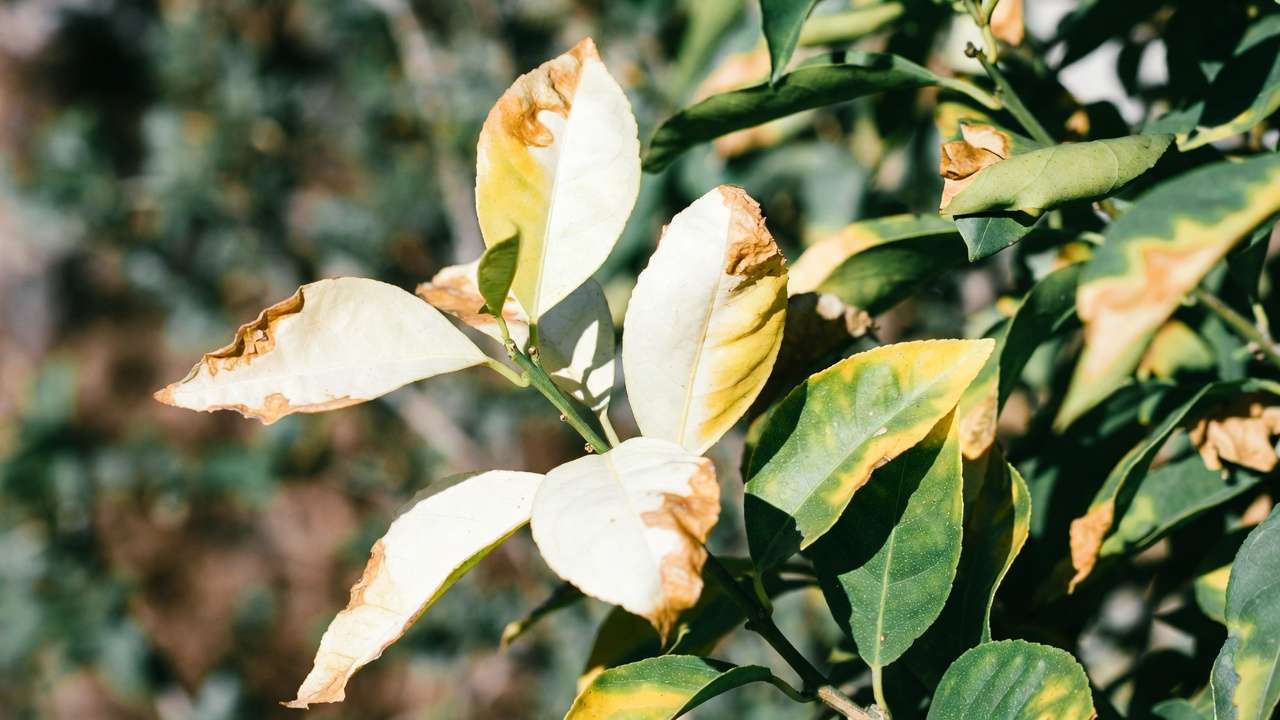
Skip it, and even a short burst of direct sun can cause sunburn—bleached white/yellow patches, crispy brown edges, or scorched tips. Science shows leaves grown in low light lack protective compounds; hardening builds them naturally.
The Essential 7-14 Day Hardening-Off Schedule 📅
This timeline works for most tropical/subtropical trees like citrus, avocado, and ficus. Extend to 3 weeks for very sensitive or young specimens.
- Days 1–3: Place in a shaded, protected spot (porch, under a tree canopy, or north side of house) for 2–4 hours/day. Bring indoors at night. ☁️ Use cloudy days if possible for gentler start.
- Days 4–7: Increase to 4–6 hours, introduce dappled morning sun (easiest on leaves). Keep out longer on overcast days.
- Days 8–10: Partial sun (morning + late afternoon), full days outdoors if temps are mild. Watch for wilting—bring in if needed.
- Days 11+: Full sun exposure. Monitor closely; provide temporary shade during peak heat.
Variations:
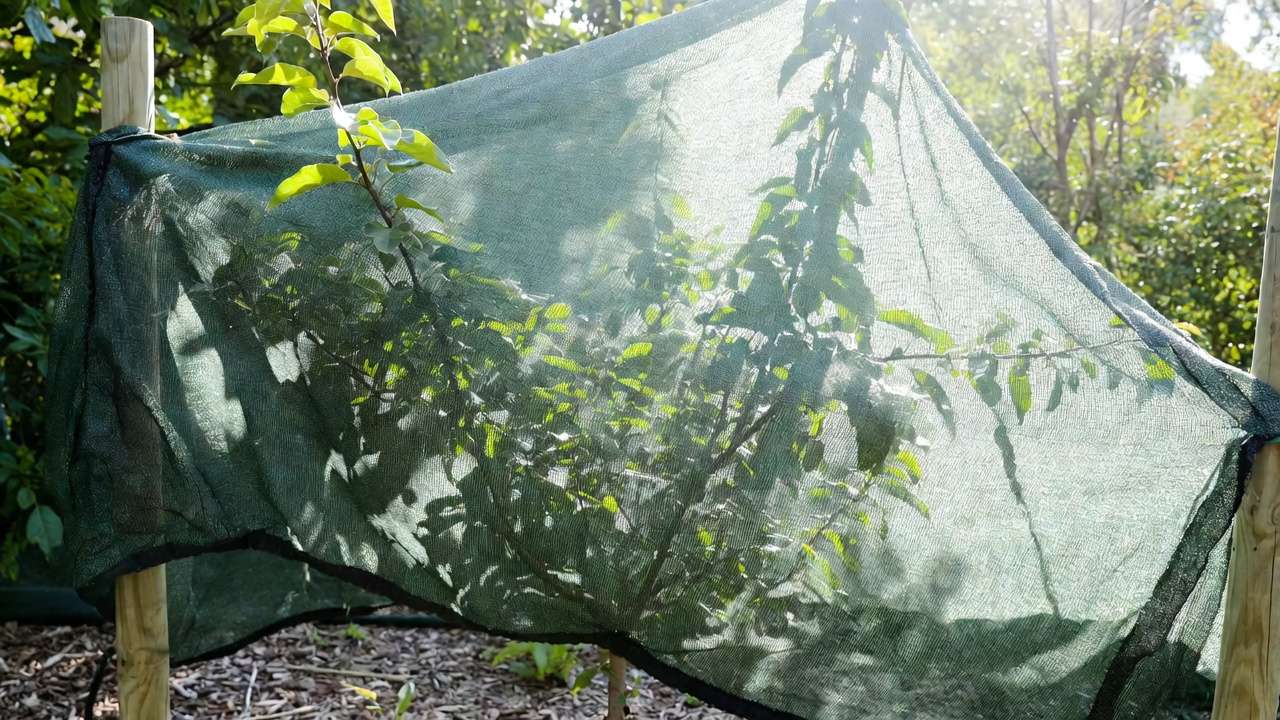
- Sensitive citrus/avocado: Start with 50–70% shade cloth 🌤️ for first week.
- Use a cold frame or sheltered spot to ease temperature changes.
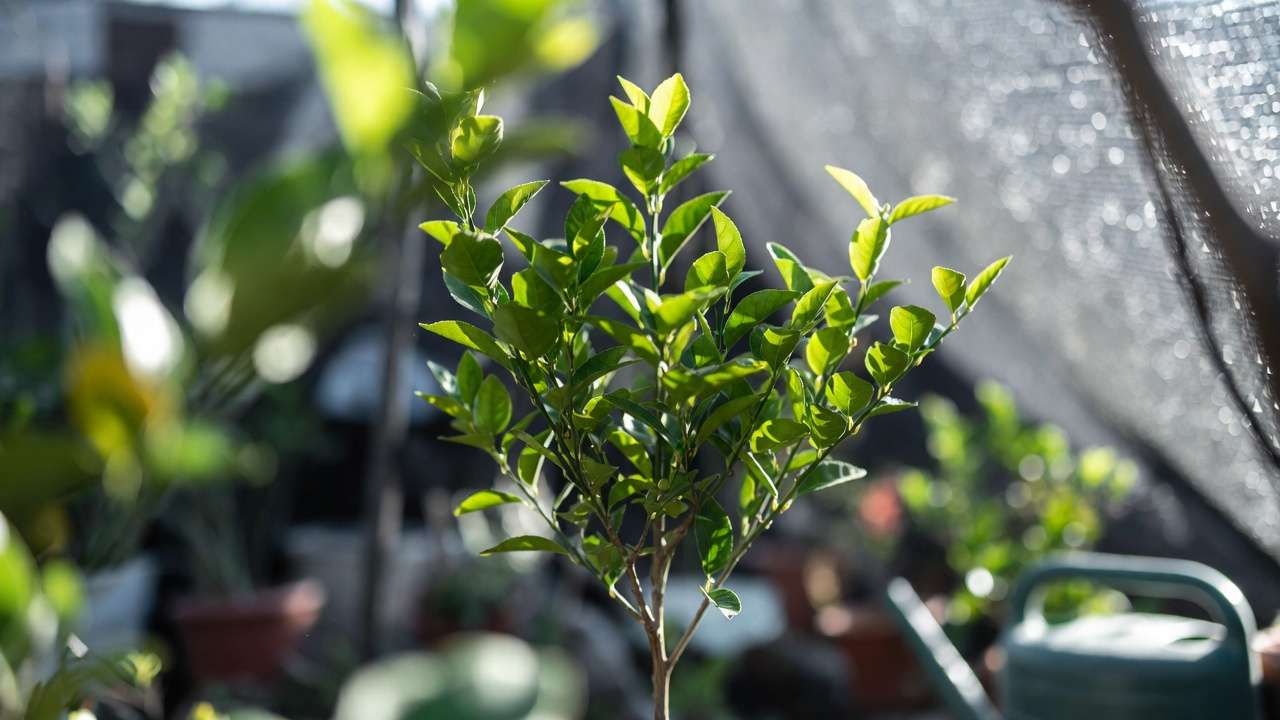
Daily Checklist During Hardening Off
- Water more frequently—outdoor air dries soil faster.
- Protect from wind with barriers or strategic placement.
- Signs of stress: Wilting, curling leaves, brown tips → reduce exposure, increase water/humidity.
- Rotate pot for even acclimation.
Protecting Against Sunburn and Shock
Signs of sunburn: White/bleached patches, yellowing between veins, crispy edges, brown tips. It often appears on sun-facing sides first.
Prevention:
- Shade cloth (30–50% initially)
- Temporary screens or plant under taller companions
- Morning sun only at first (less intense UV)
If damage occurs: Damaged areas won’t recover, but new growth can emerge. Remove severely scorched leaves if they yellow fully; support with consistent care. Plants often bounce back with time.
Choosing the Perfect Permanent Outdoor Location 🌳
Once your tree has successfully completed hardening off, it’s time to select (or prepare) its forever spot outdoors. Location mistakes can undo all your hard work, so prioritize these factors:
- Sunlight requirements by species:
- Full sun lovers (citrus, olive, fig, most fruit trees): 6–8+ hours of direct sunlight daily.
- Partial shade tolerant (some ficus varieties, younger plants): 4–6 hours, with afternoon protection in very hot climates.
- Soil preparation:
- Well-draining is critical—most indoor-grown trees suffer in heavy clay or waterlogged soil.
- Amend with compost, perlite, or sand if needed. Aim for slightly acidic to neutral pH (6.0–7.0 for most).
- Test soil drainage: Dig a 12-inch hole, fill with water—if it takes >4 hours to drain, improve drainage or consider raised beds/containers.
- Wind protection:
- Young or tender trees can suffer windburn (dried, scorched leaves from constant drying).
- Plant near natural windbreaks (fence, taller shrubs, building) or install temporary burlap screens during the first season.
- Microclimates:
- South-facing walls trap heat (great for citrus in marginal zones).
- Avoid low-lying frost pockets where cold air settles.
- Pot vs. in-ground planting:
- Container advantages: Easier to move indoors for winter, better control over soil, good for patios/balconies.
- In-ground advantages: More root space → larger, healthier tree long-term; natural moisture regulation.
- Hybrid tip: Start in a large pot sunk into the ground—easy to lift later if needed.
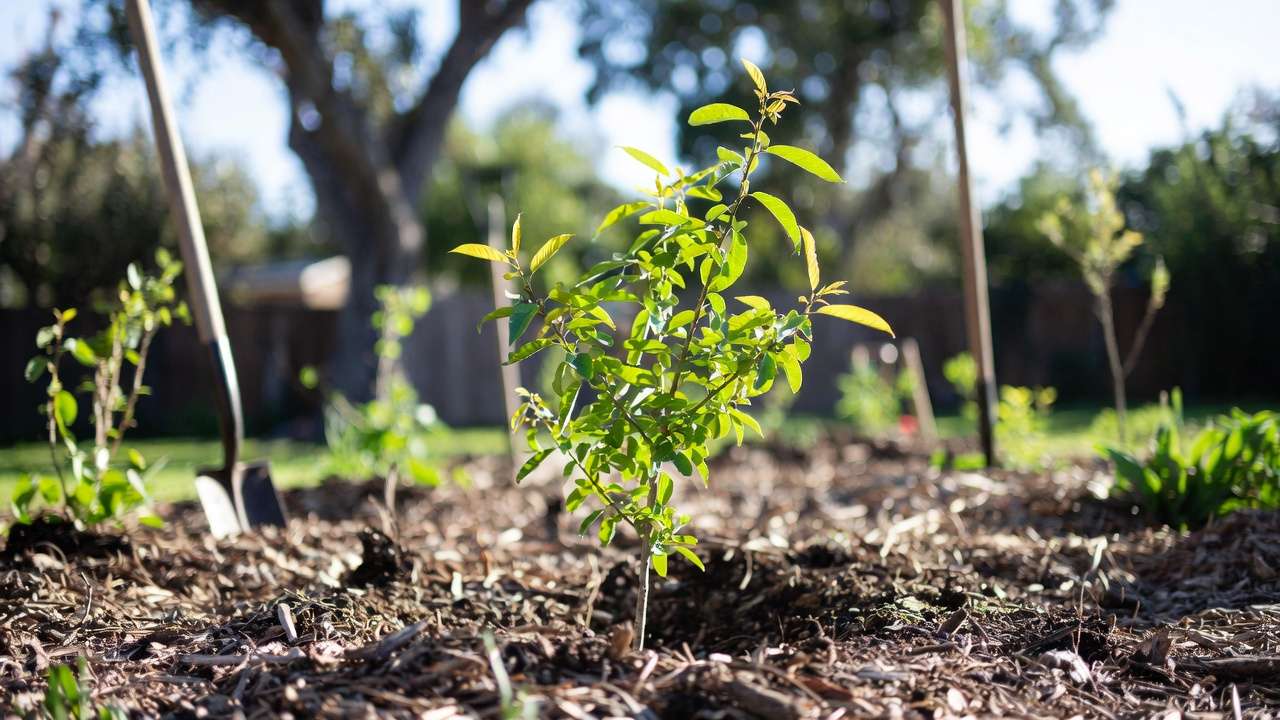
Pro recommendation: Mulch generously (2–4 inches of organic mulch like wood chips or bark) around the base after planting. This retains moisture, moderates soil temperature, and suppresses weeds. Keep mulch 2–3 inches away from the trunk to prevent rot.
Post-Transition Care for Long-Term Success 🌱
Watering, Fertilizing, and Pruning Adjustments
Outdoors, your tree will drink more due to increased evaporation and growth.
- Watering:
- Check soil moisture 4–6 inches deep—water deeply when the top few inches dry out.
- Early morning watering is best to reduce fungal risk.
- Use drip irrigation or soaker hoses for even moisture without wetting foliage.
- Fertilizing:
- Switch to a balanced or fruit-tree-specific formula (e.g., 10-10-10 or citrus-specific with micronutrients like iron, zinc, manganese).
- Apply in spring and early summer; reduce or stop in fall/winter.
- Foliar sprays can help correct deficiencies quickly (yellowing leaves often signal iron or magnesium lack).
- Pruning:
- Remove any damaged/sunburned leaves post-transition.
- Shape for strong structure—remove crossing branches, suckers, or weak growth.
- Best time: Late winter/early spring before new flush (for most species).
Pest and Disease Monitoring
Outdoors exposes your tree to new challenges:
- Common newcomers:
- Aphids, scale insects, spider mites (especially on citrus/ficus)
- Fungal issues (sooty mold, root rot from overwatering)
- Citrus leaf miner, fruit flies (in warmer zones)
- Prevention & early action:
- Inspect weekly—undersides of leaves first.
- Use neem oil, insecticidal soap, or horticultural oil as organic controls.
- Encourage beneficial insects (ladybugs, lacewings) with companion plants like marigolds or dill.
- Improve air circulation—avoid overcrowding.
Seasonal Re-Transitions (If Bringing Back Indoors)
In zones where winters dip below your tree’s tolerance:
- Reverse the hardening process in late summer/early fall.
- Gradually reduce sun exposure over 1–2 weeks.
- Acclimate to lower indoor light/humidity.
- Inspect thoroughly for hitchhiking pests before bringing inside—quarantine if needed.
Common Mistakes to Avoid (With Real Examples) ❌
- Full sun on Day 1 → Classic disaster. A reader once moved their 5-year-old indoor Meyer lemon straight to a sunny patio—within 48 hours, 70% of leaves were scorched white. Lesson: Always harden off gradually!
- Ignoring nighttime temperature drops → Even one chilly night below 45°F (7°C) can shock citrus, causing leaf drop. Always check forecasts.
- Overwatering during adjustment → Outdoor wind + sun dries soil faster, but panicked overwatering leads to root rot. Stick to the finger test.
- Skipping shade protection in hot climates → In places with intense summer sun (like parts of the southern U.S. or tropical regions), even hardened trees can burn without initial shade cloth.
- Forgetting to stake young trees → Wind rocks loose roots—use a sturdy stake for the first 1–2 seasons.
Expert Tips and Pro Insights 🌟
- Simulate wind indoors: A small oscillating fan for a few weeks before hardening helps build stronger stems.
- Use reflective mulch (white plastic or aluminum foil) under young citrus/avocados to bounce extra light and reduce sunburn risk.
- Companion planting bonus: Plant basil, nasturtiums, or garlic near citrus to deter pests naturally.
- Real-life success story: One gardener in a Zone 8b area transitioned a potted fig tree outdoors permanently after 3 weeks of careful hardening. It fruited heavily the next summer—proof that patience pays off! 🍇
FAQs ❓
Can all indoor-grown trees go outdoors permanently? No—only if your climate matches their hardiness zone year-round. Tropicals like fiddle-leaf figs usually need to come back indoors in winter in most regions.
What if my tree gets sunburned—can it recover? Yes, in most cases! Damaged leaves won’t heal, but the tree will push new, tougher growth if you reduce stress, provide consistent water, and protect from further intense sun.
How long does hardening off take for tropical fruit trees? 7–14 days for most; extend to 21 days for very young plants, avocados, or mangoes. Always err on the longer side.
Is it safe in cooler climates like Zone 7 or 8? Possible for hardier species (figs, some olives) with winter protection (frost cloth, microclimate). Tender citrus/avocados usually need to be potted for seasonal moves.
Do I need to repot before moving outdoors? Only if root-bound or soil is poor. Otherwise, transition first, then repot in the new location after establishment.
Conclusion: Enjoy Your Thriving Outdoor Tree! 🎉
You’ve nurtured your tree indoors—now you have the tools to give it the outdoor life it deserves. By hardening off gradually, choosing the right spot, and providing attentive aftercare, you’ll avoid sunburn and shock while unlocking vigorous growth, beautiful foliage, and (fingers crossed) delicious fruit.
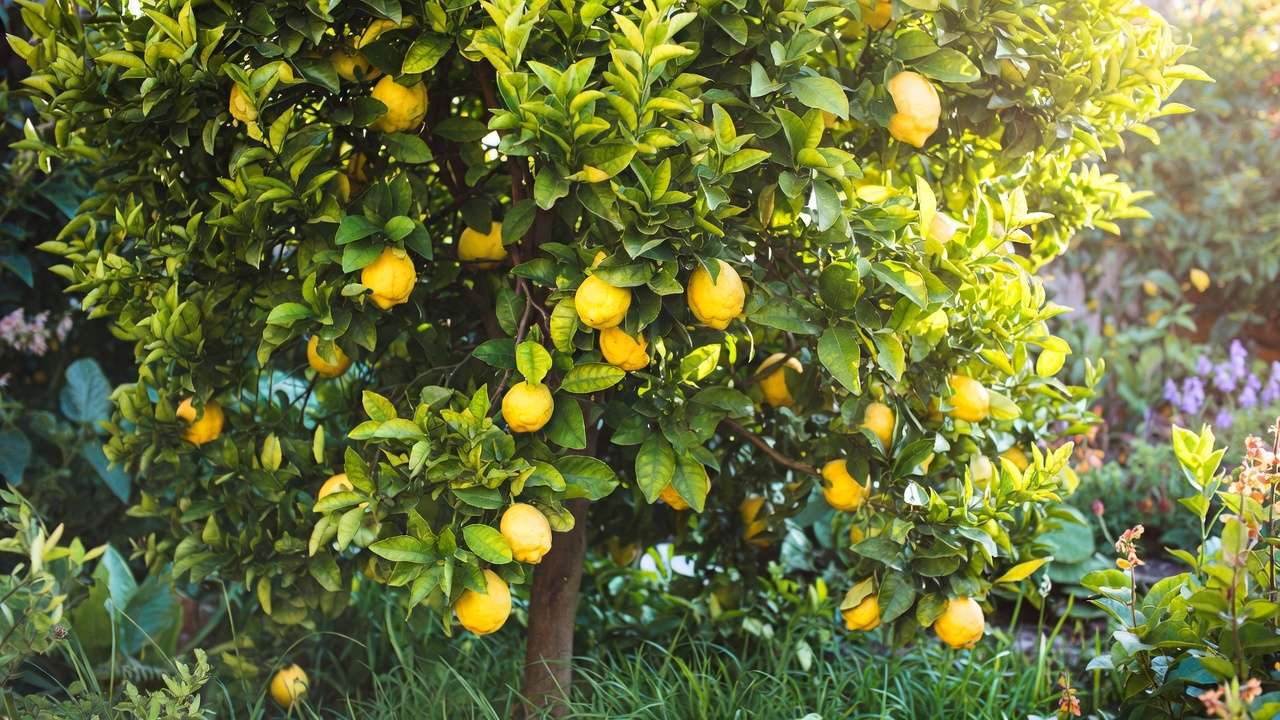
Start small, observe daily, and celebrate every new leaf. Your tree will thank you with stronger branches and brighter color. 🌿
Have you transitioned an indoor tree outdoors? Share your experience (successes and lessons!) in the comments—I’d love to hear your story and answer any follow-up questions. Happy gardening! 🍋🌱











