
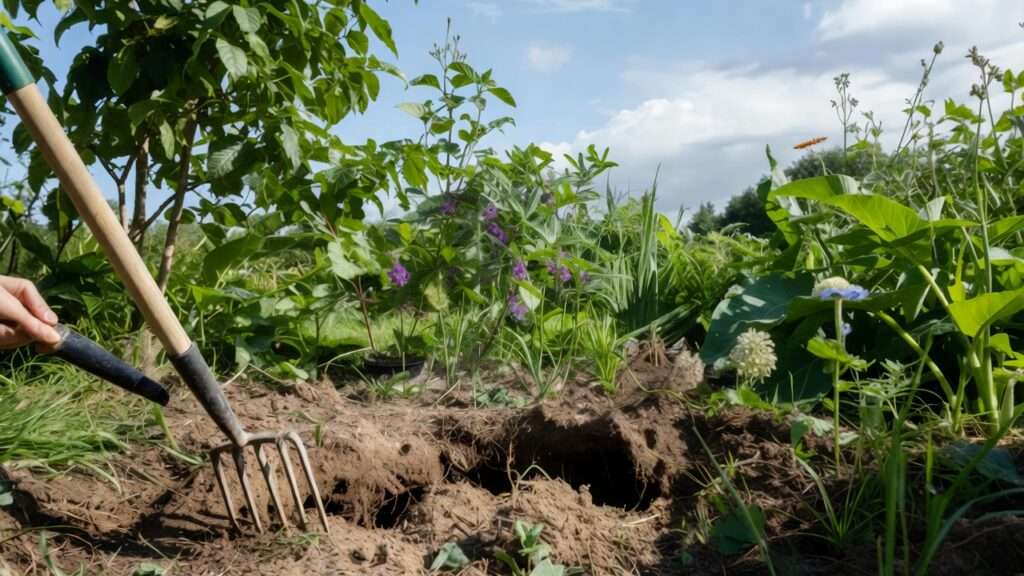
Imagine stepping into your garden or gazing at your backyard tree, only to see yellowing leaves drooping sadly, stunted new growth, or patches where nothing seems to thrive—no matter how much you water or fertilize. 😩 The problem isn’t always pests, disease, or lack of sunlight. Often, it’s hiding underground: compacted soil suffocating the roots by limiting oxygen, water, and nutrient flow. Roots need to “breathe” just like we do—poor aeration leads to hypoxia (oxygen deprivation), restricted root expansion, buildup of toxic compounds, and weakened plants that struggle against drought, pests, and stress.
In this comprehensive guide, we’ll dive deep into root care and aeration techniques to diagnose compaction, safely revive your soil, and unlock vibrant, resilient growth for everything from flower beds and vegetable gardens to mature shade trees. Whether you’re a home gardener dealing with urban clay soil or a tree enthusiast noticing dieback in your favorite oak, these proven methods—backed by arborist research and real-world results—can transform struggling plants into thriving ones. 🌳💚
By the end, you’ll have step-by-step instructions, science-backed insights, prevention tips, and expert-level strategies that go far beyond basic advice. Let’s breathe new life into your landscape!
Why Soil Compaction Kills Roots: The Science Behind Poor Aeration 🔬
Healthy soil is like a sponge—full of pore spaces (ideally 40-60% porosity) that hold air, water, and allow roots to explore for nutrients. When soil compacts—often from foot traffic, heavy machinery, construction fill, or even persistent rain on clay-heavy soils—those pores collapse. Bulk density rises (typically above 1.6 g/cm³ in problem areas), drastically reducing air-filled porosity.
Roots rely on aerobic respiration for energy to uptake water and minerals. Without sufficient oxygen, they switch to inefficient anaerobic processes, producing less energy and accumulating toxins like ethanol or CO₂. Studies from the International Society of Arboriculture (ISA) and university research show that compacted soils can reduce root growth by 50-90%, limit fine feeder root development, and make plants more vulnerable to drought (since shallow roots can’t access deeper moisture) and flooding (poor drainage worsens hypoxia).
Common culprits include:
- Urban environments with lawns, driveways, or patios over root zones.
- Clay soils that naturally compact easily.
- Newly planted trees where backfill was tamped too firmly.
- High-traffic garden beds or lawns.
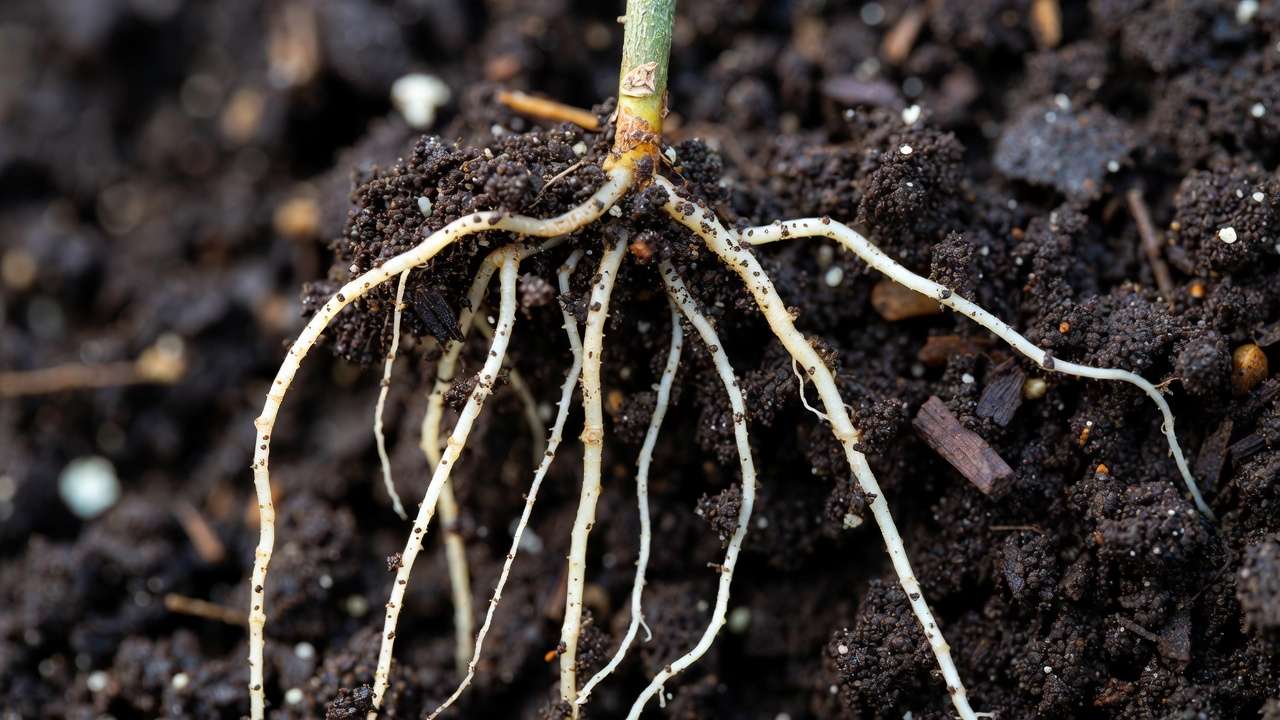
The result? Plants show stress symptoms like branch dieback, smaller leaves, early fall color, increased pest susceptibility, and even tree decline or death if unaddressed.
Diagnosing Compacted Soil and Root Stress Early 🕵️♂️
Catching compaction before major damage is key—early intervention often revives plants without expensive pros.
Simple At-Home Tests:
- Probe Test — Take a sturdy screwdriver or soil probe. In healthy soil, it should slide in easily to 6-12 inches with moderate pressure. If it feels like pushing into concrete, compaction is likely.
- Shovel Inspection — Dig a small test hole in the root zone (carefully avoiding major roots). Compacted soil looks dense, grayish, dull, and blocky with few visible pores or earthworm channels.
- Water Infiltration Check — Pour a bucket of water over the area. In aerated soil, it soaks in within minutes; in compacted soil, it pools or runs off slowly.
- Root Symptoms — Gently expose shallow roots (use a trowel). Look for circling, flattened, or black-tipped roots, lack of fine white feeder roots, or roots growing only near the surface.
Visual plant signs include:
- Stunted growth or sparse foliage.
- Yellowing leaves (chlorosis) from poor nutrient uptake.
- Dieback starting at branch tips.
- Water puddling or runoff even after light rain.
- Bare patches where even weeds struggle.
If tests confirm severe issues (especially around mature trees), consult a certified arborist—they may use tools like an air spade for precise diagnosis without root harm.
Essential Root Care Principles Before Aeration 🌿
Aeration alone isn’t magic—pair it with smart root zone management for lasting results.
- Protect the Critical Root Zone — This extends to the drip line (outer edge of the canopy). Avoid digging, driving, or storing heavy items here.
- Mulching Mastery — Apply 2-4 inches of organic mulch (wood chips, shredded bark, or leaves) in a wide ring, keeping it 2-3 inches away from the trunk to prevent rot. Mulch moderates soil temperature, retains moisture, suppresses weeds, and slowly improves structure as it decomposes. 🍂
- Smart Watering — Deep, infrequent watering (1-2 inches weekly during dry spells) encourages deep roots. Avoid shallow daily sprinkles that promote surface compaction.
- Prevent Future Compaction — Limit foot traffic with paths or stepping stones, use lightweight equipment, and never work wet soil (it shatters aggregates).
Top Root Care and Aeration Techniques: Step-by-Step Guide 🛠️
Here are the most effective methods, from beginner DIY to pro-level interventions.
1. Simple DIY Methods for Home Gardeners (Beginner-Friendly) 🌼
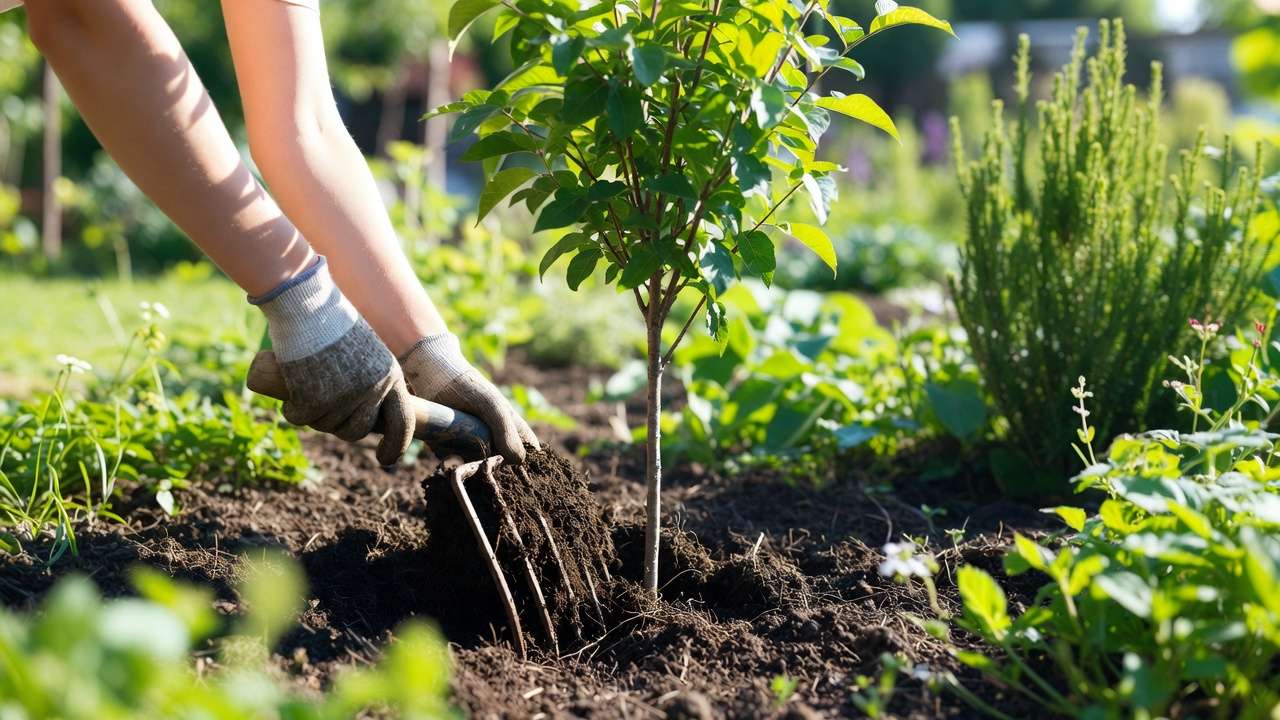
- Spike or Hand Aeration Tools: Garden fork, broadfork, or manual aerator. Steps:
- Choose spring or fall when soil is moist but not soggy.
- Insert tines 4-6 inches deep every 4-6 inches in a grid pattern around plants/trees.
- Rock the tool to widen holes slightly. Benefits: Quick oxygen boost for lawns or small beds. Drawback: Can compact sides further in heavy clay—best for light compaction.
- Core (Plug) Aeration Tools: Rent a core aerator machine. Steps: Similar timing; pull plugs 2-3 inches apart, leave them to break down. Ideal for lawns over tree roots—removes soil cylinders for better air/water entry.
- Liquid Aeration Use humic acid or microbial-based products sprayed on soil. Pros: No mechanical damage; gentle for established roots. Cons: Slower results; best as a supplement.
2. Advanced Techniques for Trees and Severe Compaction (Pro-Level) 🌳
- Vertical Mulching Drill or air-till 6-18 inch deep holes in a grid or radial pattern within the drip line, then backfill with compost or porous material. Benefits: Aerates deeply, adds nutrients, improves drainage without harming roots.
- Radial Trenching Dig narrow, spoke-like trenches radiating from the trunk (avoid cutting major roots), fill with compost/mulch. Creates channels for oxygen and water while encouraging outward root growth.
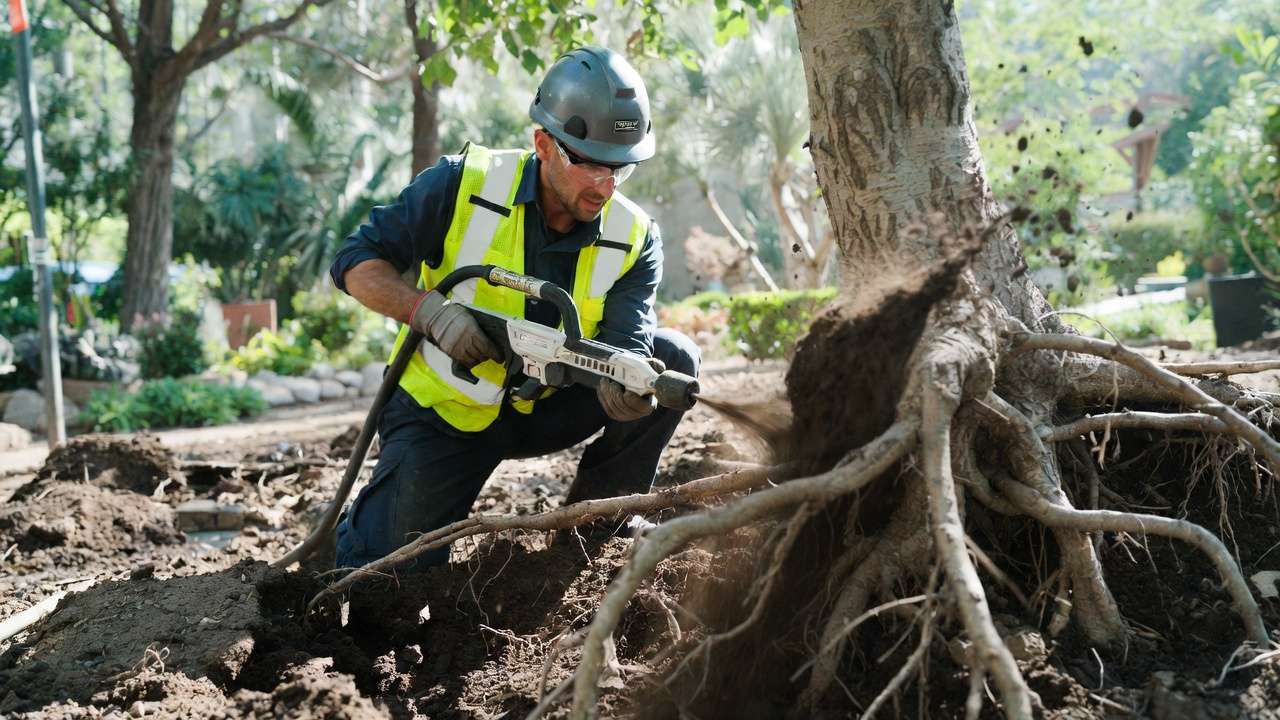
- Air Spading / Air Excavation The gold standard for trees—uses high-pressure compressed air to loosen soil gently. Steps (professional): Expose root flare, blast air to fracture compaction, remove excess soil if needed, then amend with organics. Benefits: Root-safe, allows inspection for rot/girdling, dramatically improves aeration and health in urban settings. Many arborists report visible recovery in 1-2 seasons.
- Perforated Pipe or Aeration Wells Install vertical perforated pipes filled with gravel for ongoing air/water delivery—great for chronically wet or compacted sites.
3. Natural and Preventive Aeration Boosters 🌍
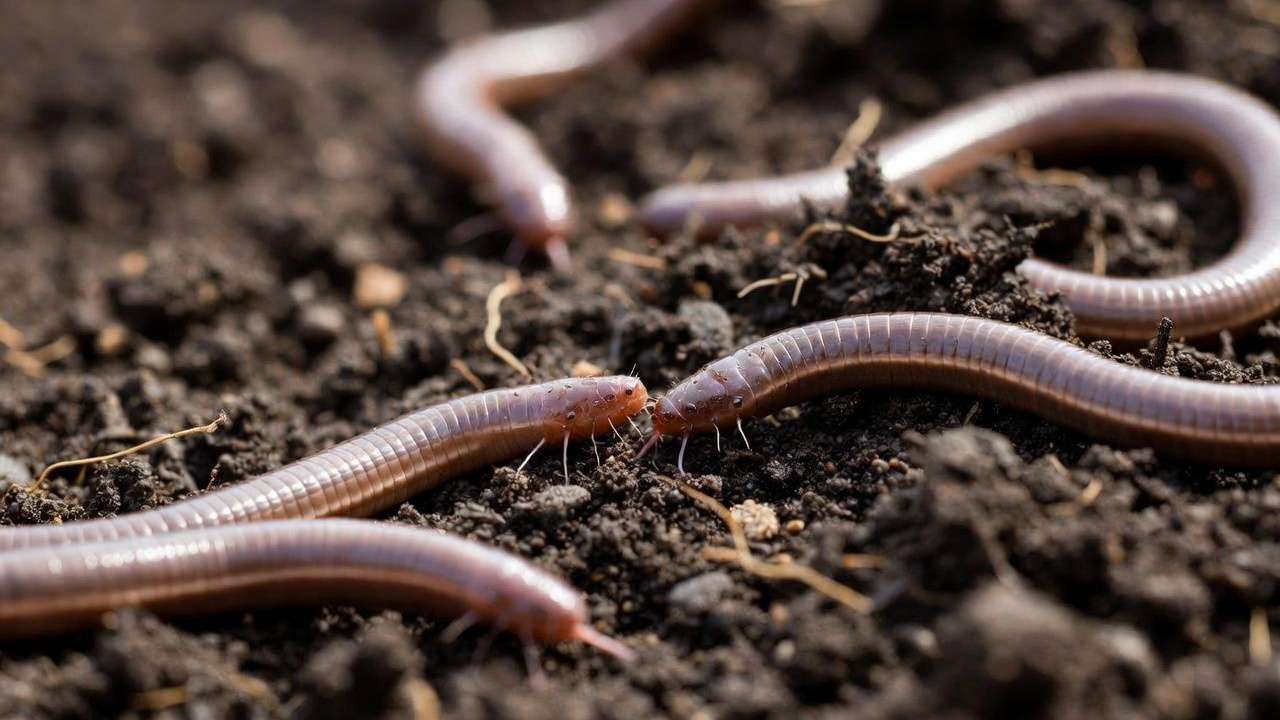
- Earthworm Encouragement — Earthworms create permanent channels as they burrow, dramatically improving soil structure and aeration. Boost their populations by adding aged compost or worm castings, keeping soil moist (but not waterlogged), and avoiding synthetic pesticides that harm them. A single earthworm can produce up to 10 tons of castings per hectare annually—nature’s free aerators! 🪱
- Biochar & Gypsum Applications — Biochar (charred organic material) acts like a permanent sponge, increasing pore space and holding onto water and nutrients for years. Apply 5–10 lbs per 100 sq ft, worked lightly into the top 6 inches. For heavy clay soils, gypsum helps flocculate clay particles without changing pH, improving structure and drainage over time.
- Cover Crops & Green Manures — Plant deep-rooted species like daikon radish, crimson clover, or annual ryegrass in off-seasons. Their roots naturally penetrate and fracture compacted layers; when they decompose, they leave channels and add organic matter. This is especially powerful in vegetable gardens and orchard understories.
After Aeration: Reviving and Maintaining Healthy Roots 🌟
Aeration is only the first step—proper follow-up turns temporary relief into permanent improvement.
- Immediate Post-Aeration Care
- Top-dress holes or trenches with high-quality compost or a 50/50 compost-sand mix to prevent re-compaction and feed microbes.
- Apply a generous layer of mulch (refresh existing mulch if needed).
- Water deeply to settle amendments and deliver oxygen-rich moisture to newly exposed roots.
- Monitoring Recovery Timeline
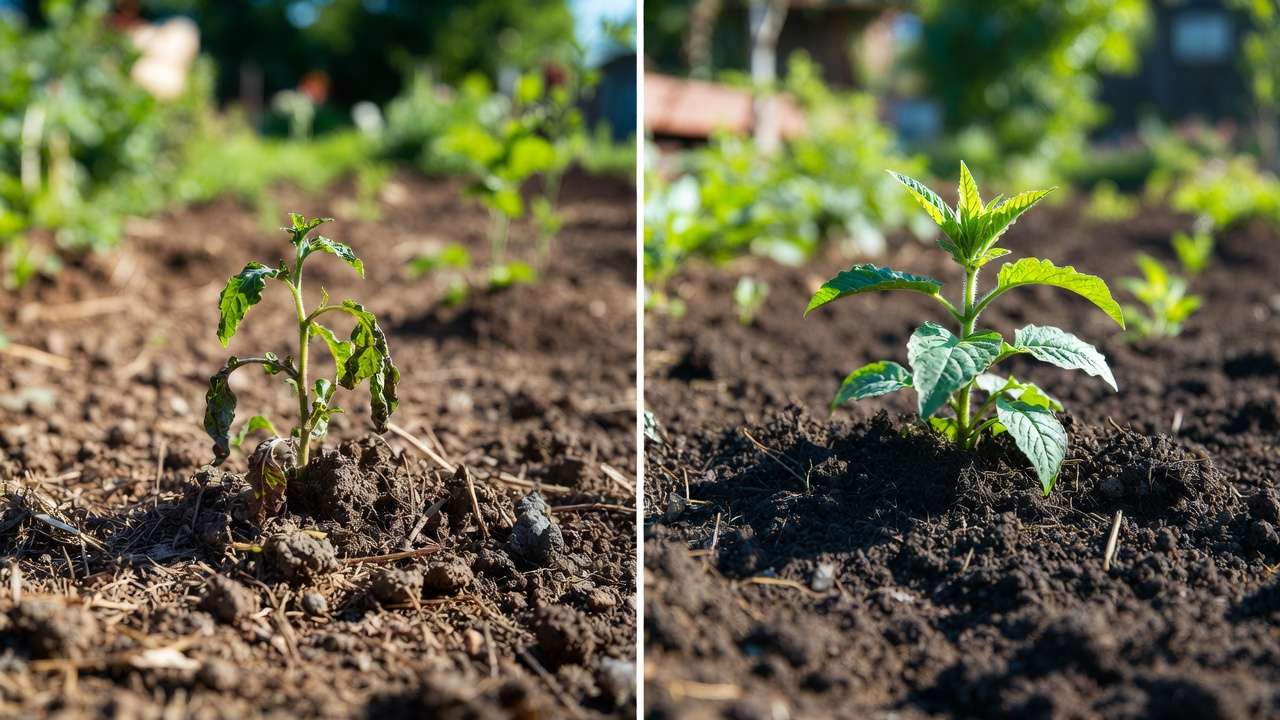
- Weeks 1–4: Improved water infiltration; soil feels softer.
- Weeks 4–12: New white feeder roots appear, leaf color brightens, shoot growth accelerates.
- Season 1–2: Noticeable canopy density increase, better drought tolerance, reduced pest pressure. Track progress with photos and a simple journal—many gardeners are amazed at the transformation!
- Long-Term Maintenance Schedule
- Aerate lawns/small beds annually or biennially in spring/fall.
- For trees, re-assess every 2–5 years depending on traffic and soil type.
- Annual mulch refresh + compost top-dressing.
- Deep watering during establishment years and dry spells.
- Fertilize lightly post-aeration (slow-release organic preferred) to avoid burning tender new roots.
Common Mistakes to Avoid in Root Care and Aeration 🚫
Even well-intentioned gardeners can set back progress—here are the top pitfalls:
- Timing Errors — Aerating during summer heat/drought stresses plants; winter freezes can damage exposed roots. Stick to spring (after soil thaws) or early fall.
- Root Damage from Tools — Using heavy machinery or digging too aggressively near the trunk can sever major structural roots. Always work outward from the root flare.
- Over-Aeration — Too many/frequent holes in clay can compact sidewalls further. Follow spacing guidelines.
- Volcano Mulching — Piling mulch against the trunk invites rot and pests. Keep the base clear in a “donut” shape.
- Planting Too Deep — Buried root flares suffocate trees long-term. Always plant so the root flare is at or slightly above grade.
- Ignoring Drainage — Aeration won’t fix chronically soggy soil—address underlying grade issues or install French drains if needed.
Real-Life Examples and Case Studies 📖
- Urban Red Maple Revival A 25-year-old red maple in a suburban lawn showed severe dieback and yellow leaves. Soil probe barely penetrated 3 inches. An arborist used air spading to loosen compaction in the critical root zone, removed excess fill, applied compost and mulch, and installed a perforated aeration pipe. Within 18 months, new branch growth exceeded 2 feet, leaf size doubled, and fall color returned vibrantly.
- Backyard Vegetable Garden Transformation Raised beds over native clay soil compacted from years of foot traffic produced stunted tomatoes and poor carrot roots. Owner core-aerated between rows, top-dressed with compost, planted daikon radish as a winter cover crop, and mulched heavily. The following season yielded record harvests—carrots grew straight and deep, tomatoes resisted blossom-end rot.
- Expert Insight Certified arborists frequently note that air spading in flood-prone or construction-impacted sites often saves trees that would otherwise be removed. One study from Rutgers University found air-spaded urban trees had 30–50% greater fine root density two years post-treatment compared to untreated controls.
FAQs: Your Root Care and Aeration Questions Answered ❓
How often should I aerate around trees? Most trees benefit from aeration every 3–5 years in moderate-traffic areas; lawns may need it annually.
Can I aerate in winter? Avoid frozen soil—it shatters aggregates and damages roots. Wait until soil thaws in spring.
Is aeration safe for mature trees? Yes—when done correctly (especially with air spading), it’s one of the safest revival methods. Avoid mechanical spiking near large structural roots.
What’s the difference between spiking and core aeration? Spiking pokes holes (can compact sides further); core aeration removes plugs, providing superior air/water entry and less sidewall compaction.
How do I know if my soil is too compacted without digging? Use the screwdriver test—if it requires excessive force beyond the first few inches, compaction is present. Poor drainage and surface hardness are also strong clues.
Will aeration help waterlogged soil? Indirectly—better aeration improves microbial activity and structure, but you must also correct the source (grade, drainage tiles) for best results.
Conclusion: Breathe New Life into Your Garden Today! 🎉
Compacted soil doesn’t have to mean struggling plants or declining trees. With the right root care and aeration techniques—from simple hand spiking and mulching to advanced air spading and natural boosters—you can restore oxygen flow, encourage deep healthy roots, and enjoy more resilient, beautiful landscapes.
Start small this weekend: grab a soil probe or screwdriver, test a few spots, and begin with mulch and gentle hand aeration. Your plants will respond with greener leaves, stronger growth, and better resistance to whatever weather comes next. 🌿











