
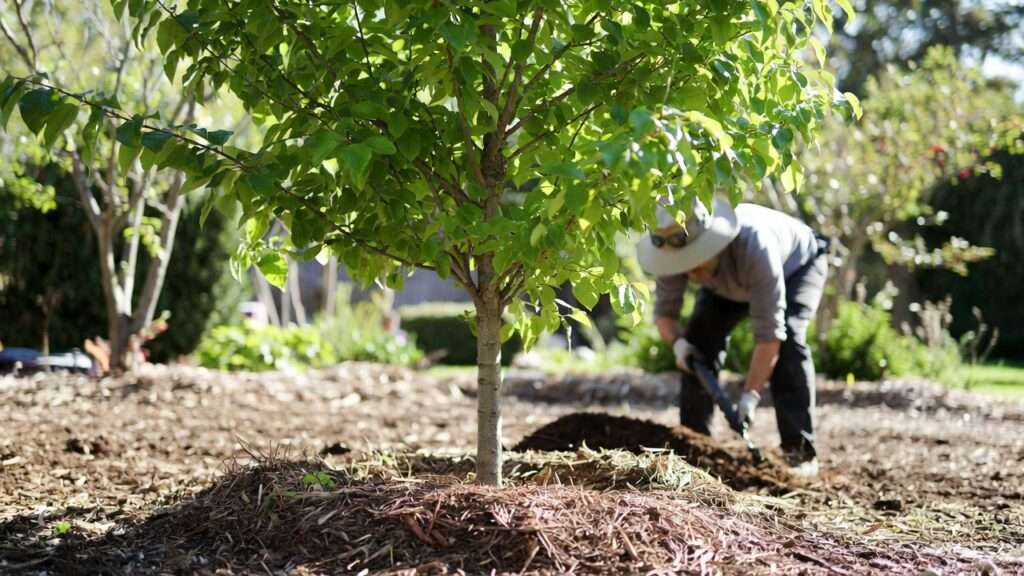
Imagine this: Your beloved backyard shade tree, the one that has provided cool relief on hot summer days and beautiful fall colors for years, suddenly starts looking tired. Leaves are smaller and yellowing prematurely, branches show dieback from the tips, and new growth is almost nonexistent—even though you’ve watered faithfully and the weather seems fine 😔.
The problem isn’t always pests, disease, or drought. Often, it’s a hidden issue right under the surface: soil compaction around trees. This “silent killer” squeezes out vital air and water from the soil, suffocating roots and slowly starving the tree of what it needs to thrive. In urban yards, lawns, and landscapes—where foot traffic, mowing, parked cars, or past construction are common—soil compaction is one of the leading causes of tree decline and premature death.
The good news? You can turn things around! Addressing soil compaction around trees is not only possible but often highly effective when done correctly. In this comprehensive guide, we’ll cover everything from understanding why compaction happens and spotting the early warning signs to proven, step-by-step remediation techniques and long-term prevention strategies. Whether you’re a homeowner worried about a favorite oak or maple, or a gardener maintaining a small orchard, these expert-backed methods can help revive your tree’s health and restore its vigor 🌱.
Let’s dig in (carefully!) and give your tree the breathing room it deserves.
What Is Soil Compaction and Why Does It Harm Trees?
Soil compaction occurs when external forces press soil particles tightly together, dramatically reducing the pore spaces that normally hold air and water. Healthy soil is about 50% solids (minerals and organic matter) and 50% pore space (air + water). Compacted soil can drop that pore space to 20-30% or less, creating a dense, concrete-like environment underground.
How Soil Compaction Occurs
Common culprits include:
- Heavy foot traffic from people or pets walking the same paths under the canopy 🚶♂️
- Vehicles parking or driving over roots (even occasional lawn mowing equipment adds up) 🚗
- Construction activities, grading, or storing materials near trees during home renovations
- Repeated rain or irrigation on bare, unprotected soil, which packs fine particles
- Clay-heavy soils are especially prone—once compacted, they become rock-hard when dry and sticky when wet
In many cases, compaction builds gradually over years, making it hard to notice until tree stress becomes obvious.
The Devastating Effects on Tree Roots and Overall Health
Tree roots—especially the fine feeder roots in the top 6-12 inches—need oxygen for respiration, water for nutrient transport, and loose space to expand. Compaction disrupts all three:
- Restricted oxygen leads to root suffocation (roots “drown” in low-oxygen conditions)
- Poor water infiltration causes runoff instead of soaking in—trees suffer drought stress even after rain 💧
- Limited nutrient uptake results in deficiencies, stunted growth, and weakened defenses
- Increased susceptibility to pests (like borers), diseases (root rots thrive in poor drainage), and storm damage (weaker anchorage) 🌪️
- Over time: canopy thinning, branch dieback, early fall color, and eventual tree death if unaddressed
Urban and suburban trees are hit hardest—studies from university extensions show compaction as a primary factor in decline of species like maples, oaks, and pines in developed areas.
Common Signs and Symptoms Your Tree Has Compacted Soil
Don’t wait for major decline—catch it early! Here’s a homeowner-friendly checklist of red flags ✅:
- Slow or minimal new growth each season
- Smaller-than-normal leaves, yellowing (chlorosis), or early leaf drop
- Branch dieback starting at tips inward
- Mushrooms or fungi near the base (indicating poor drainage and decay) 🍄
- Water pooling on the surface or fast runoff instead of absorption
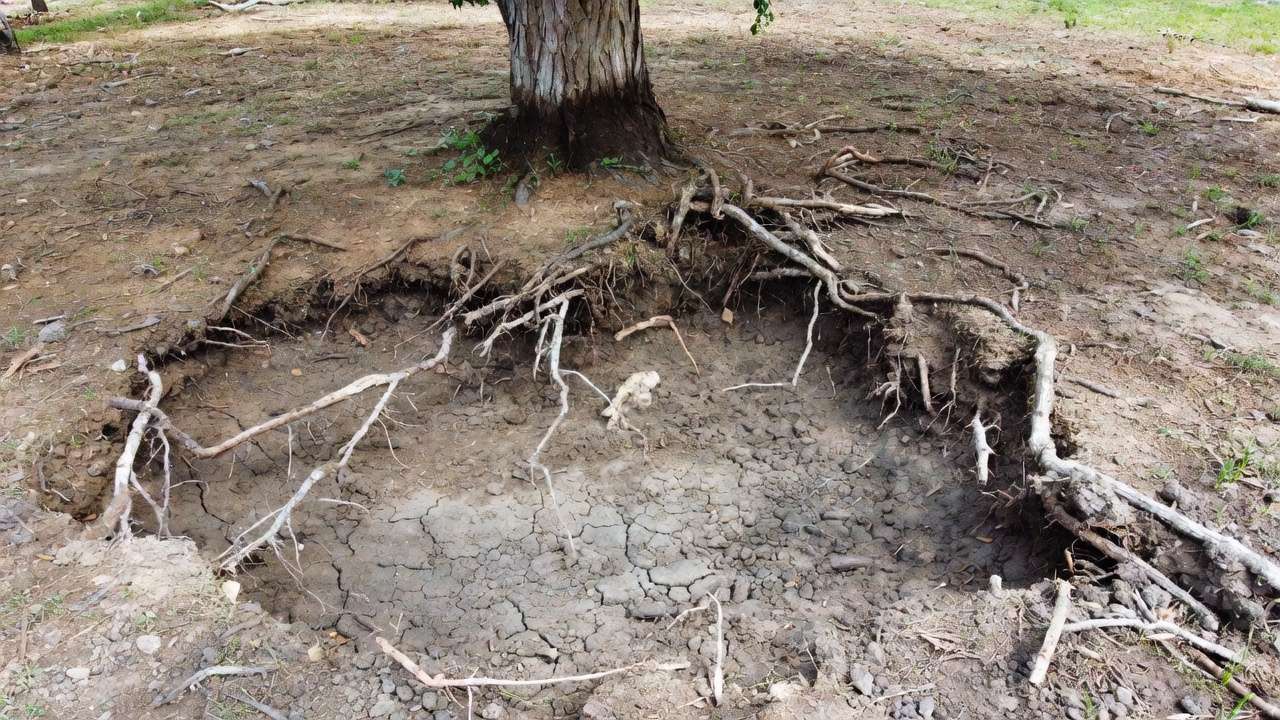
- Soil surface feels rock-hard, cracked, or bare (little grass/weeds grow)
- Exposed surface roots that look flattened or struggling
- Tree seems stressed during normal weather—no response to watering or fertilizer
Quick DIY test: When soil is moist (not soggy), push a sturdy screwdriver or soil probe into the ground near the drip line (outer edge of canopy). If it requires excessive force or barely penetrates 4-6 inches, compaction is likely present 🔧. Compare spots away from the tree—if easier there, the issue is localized to the root zone.
Step-by-Step Guide to Addressing Soil Compaction Around Trees
Ready to take action? Follow these proven steps, starting with the least invasive and progressing as needed 🌟. Always work when soil is dry to avoid further damage.
Step 1: Stop the Damage – Immediate Prevention Tactics
Prevention is easier than cure! Immediately protect the root zone:
- Install temporary fencing, signs, or low barriers to keep people/vehicles away 🚧
- Redirect footpaths with mulch or stepping stones
- Avoid parking or storing anything under the canopy
- During events or work, use plywood sheets over critical areas to distribute weight
Step 2: Assess the Severity (DIY vs. Pro)
Observe symptoms + perform the screwdriver test. For mild cases (recent onset, minor stress), DIY methods work well. Severe decline, large trees, or post-construction damage? Consult an ISA-certified arborist—they use tools like penetrometers or air spades for accurate diagnosis.
Step 3: Simple, Low-Impact Fixes for Mild Compaction
Start here for most homeowners:
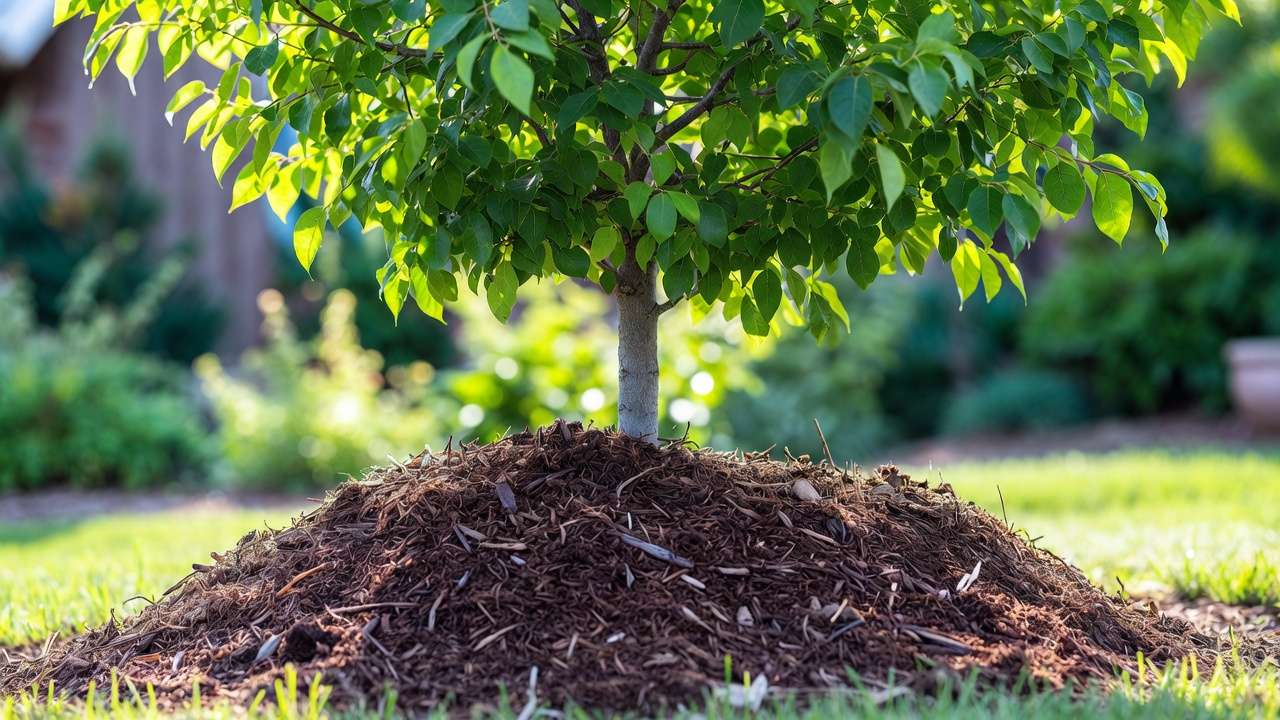
- Apply mulch: Spread 3-6 inches of organic mulch (wood chips, shredded bark) in a wide ring from trunk to drip line. Keep it 2-3 inches away from the trunk (no “volcano” piles!) to prevent rot 🪵
- Top-dress with compost: Gently rake 1-2 inches of high-quality compost over the root zone (avoid digging deeply) to boost organic matter and improve structure
- Encourage earthworms: Add worm castings or create worm-friendly conditions—they naturally aerate as they tunnel 🪱
These methods gradually rebuild soil porosity as microbes and worms work their magic.
Step 4: Advanced Remediation Techniques for Moderate to Severe Cases
When basic fixes aren’t enough:
- Core aeration: Use a lawn aerator (spike or plug type) carefully in the outer root zone—avoid damaging large roots
- Vertical mulching: Drill or air-blast 6-18 inch deep holes in a grid or radial pattern, then backfill with compost, gravel, or sand to create channels for air/water
- Radial trenching: Excavate narrow “spoke” trenches (4-6 inches wide, 12 inches deep) from trunk outward to drip line, backfill with porous amendments—limits root damage to <1/3 of system
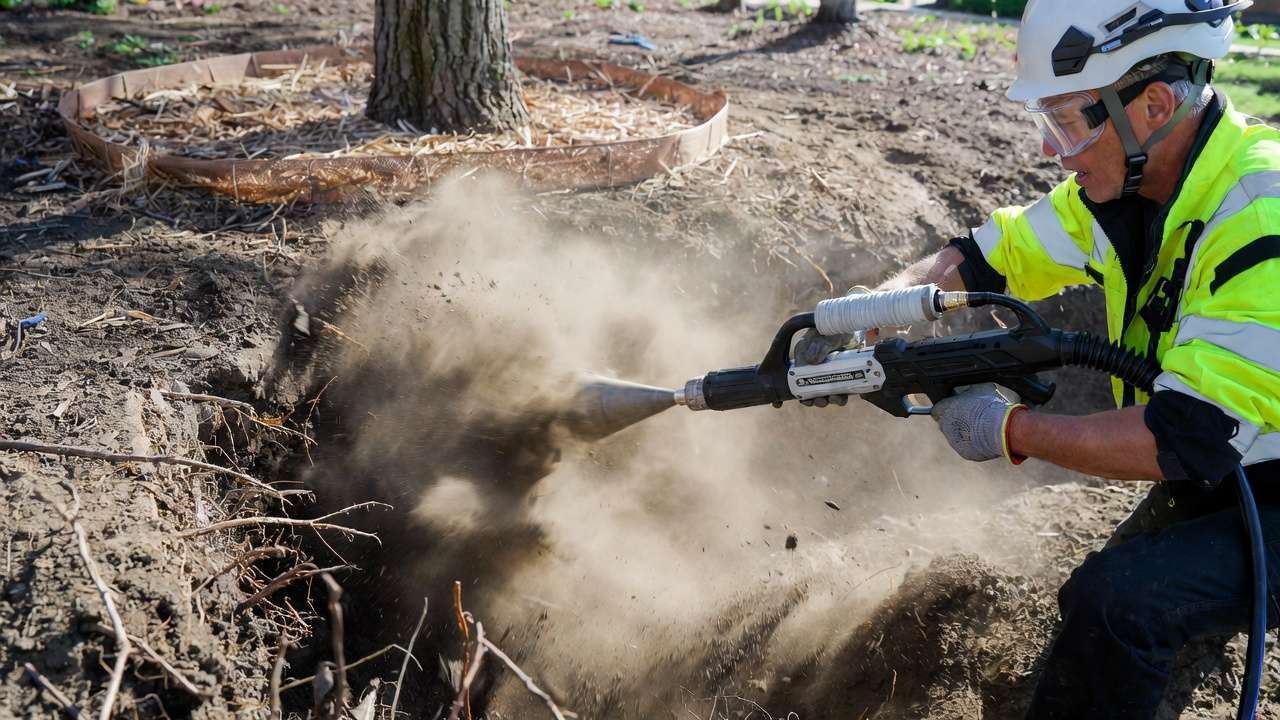
- Air spading (gold standard): Professional tool blasts high-pressure air to fracture soil without cutting roots—removes compaction, exposes issues, and allows precise amendment 💨
Pros/cons: Air spading is minimally invasive and highly effective (studies show improved aeration/root growth), but requires pros and equipment.
Step 5: Support Recovery – Watering, Fertilization & Monitoring
Post-remediation care is crucial:
- Water deeply but infrequently (slow drip for 30-60 min) to encourage deep roots 💧
- Apply slow-release organic fertilizer in spring/fall
- Monitor for 1-3 seasons: Look for new growth, greener leaves, and better vigor
Many trees show noticeable improvement within 1-2 growing seasons!
Prevention: How to Keep Soil Compaction from Returning
The best long-term strategy is to stop compaction before it starts again. Once you’ve invested time and effort into remediation, protect your progress with these smart, landscape-friendly habits:
- Design permeable surfaces – Replace compacted lawn paths or driveways under tree canopies with mulch trails, stepping stones, gravel, or permeable pavers that allow water and air to pass through.
- Maintain wide mulch rings – Refresh organic mulch annually (3–4 inches deep, refreshed as it decomposes) to create a permanent protective cushion. This also suppresses weeds and retains moisture 🌿.
- Choose compaction-tolerant species for future plantings – Species like honey locust, bur oak, or certain pines handle moderate compaction better than silver maples or lindens.
- Limit heavy equipment forever – Mark root protection zones during any future landscaping, construction, or utility work. Use “tree save” fencing and communicate clearly with contractors.
- Add organic matter regularly – Top-dress lightly with compost every 1–2 years to feed soil biology and maintain loose structure over time.
- Encourage natural aerators – Promote earthworm populations and beneficial fungi by avoiding broad-spectrum pesticides and synthetic fertilizers that harm soil life 🪱🍄.
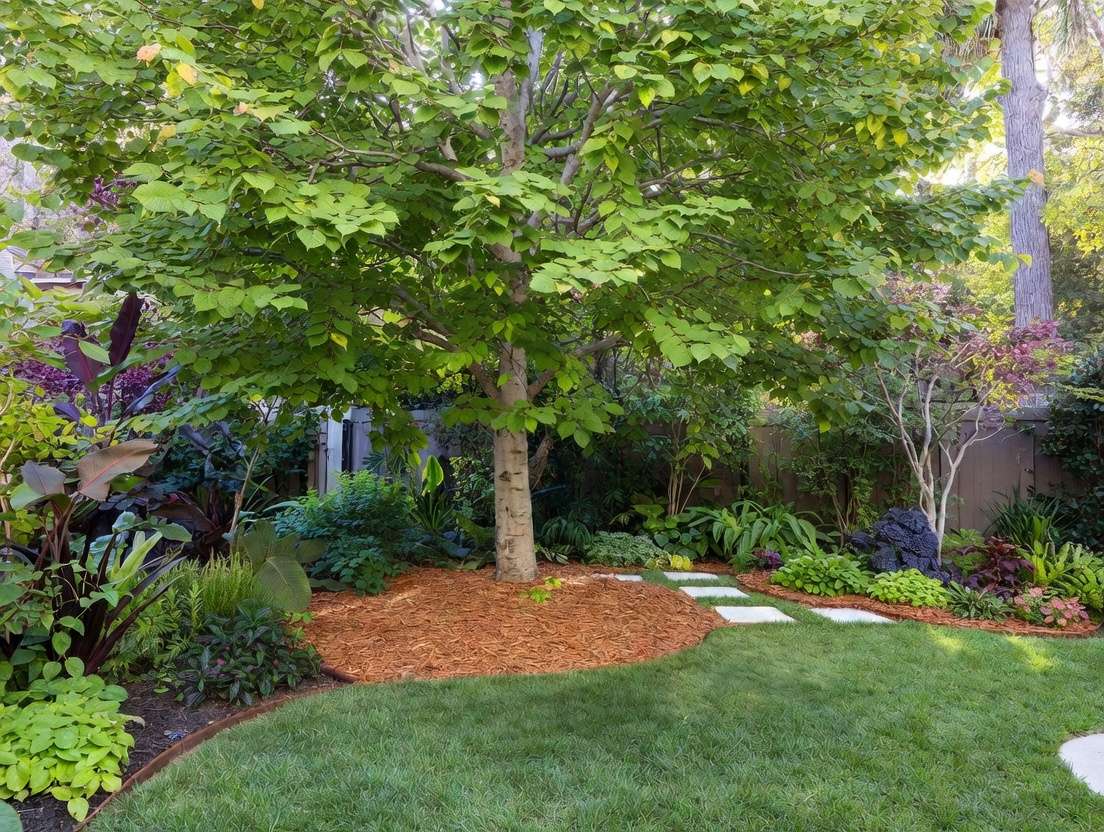
Implementing even 2–3 of these habits dramatically reduces the risk of re-compaction in most residential settings.
Real-World Examples and Case Studies
Seeing is believing! Here are a few documented success stories that mirror what many homeowners experience:
- Urban backyard maple revival (Midwest USA) A 40-year-old red maple showed severe dieback after 15 years of lawn mowing and kids playing underneath. Homeowners applied a 5-inch wood-chip mulch ring, stopped all traffic under the canopy, and used vertical mulching in year two. By year three, new leader growth appeared and leaf size returned to normal. (Common outcome reported by extension services.)
- Post-construction recovery – large oak After a home addition compacted soil around a 60-foot live oak, the tree lost 30% of its canopy in two seasons. An arborist performed air spading across 70% of the root zone, followed by compost backfill and deep-root fertilization. Four years later, the tree regained full density and passed a risk assessment. (Similar to cases documented by the National Park Service in historic landscapes.)
- Small-yard sweetgum success (mild compaction) A young sweetgum in a suburban lawn showed yellowing and slow growth. The owner simply installed a wide mulch bed, added worm castings twice a year, and redirected the lawnmower path. Within 18 months, growth rate doubled and fall color returned vibrantly 🍁.
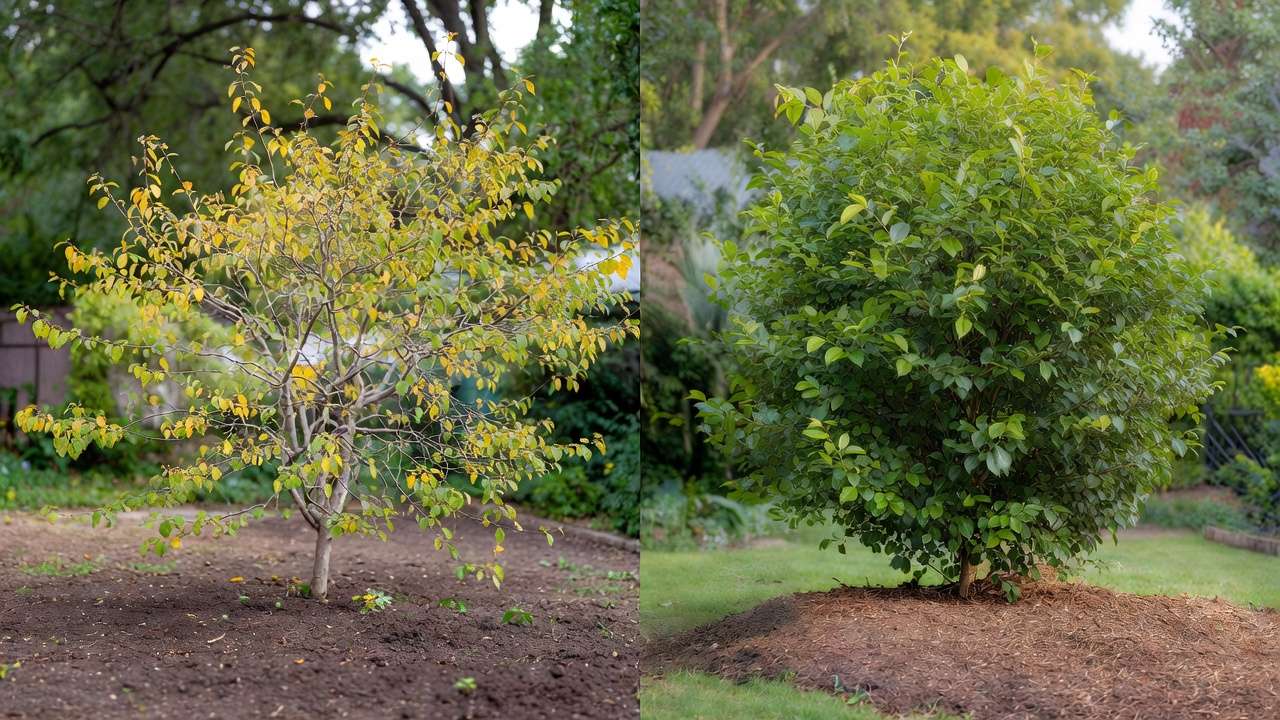
These examples show that recovery is realistic—especially when action is taken before irreversible root death occurs.
Common Mistakes to Avoid When Fixing Compaction ❌
Even well-meaning efforts can backfire. Steer clear of these pitfalls:
- Overwatering compacted soil – Adds to poor drainage and root rot risk.
- Adding sand to clay soils – Creates a concrete-like mixture instead of improving drainage (a classic mistake!).
- Digging or tilling deeply near the trunk – Severing major structural roots can destabilize or kill the tree.
- Volcano mulching – Piling mulch against the trunk invites rot, insects, and girdling roots. Always keep mulch several inches away from bark.
- Expecting instant results – Trees recover slowly (1–3 seasons); impatience leads to over-intervention.
- Using chemical “soil conditioners” without understanding – Many products offer minimal long-term benefit compared to organic mulch and biology-focused methods.
When to Call a Professional Arborist
DIY works beautifully for mild to moderate cases, but bring in an ISA-certified arborist when:
- The tree is large (>30 ft tall) or shows >25% canopy dieback
- You suspect root damage from recent construction or trenching
- Soil is severely compacted (screwdriver test fails completely)
- You see mushrooms, oozing cankers, or leaning (structural risk)
- You want air spading or radial trenching performed safely
Certified arborists carry liability insurance, use specialized tools, and follow ANSI A-300 standards—giving you peace of mind and the best chance of success.
Conclusion
Addressing soil compaction around trees is one of the most impactful things you can do for the long-term health and beauty of your landscape. This often-overlooked issue quietly robs trees of oxygen, water, and nutrients—but with the right steps, most trees can rebound impressively.
Start small: stop further damage today, spread a generous mulch ring, and perform the simple screwdriver test. If needed, progress to vertical mulching or professional air spading. Support recovery with thoughtful watering and patience, and make prevention a permanent part of your yard care routine.
Your tree isn’t just another plant—it’s a living investment in shade, wildlife habitat, property value, carbon storage, and beauty 🌍💚. Give it the gift of healthy, breathable soil, and it will reward you with decades of vitality.
Have you noticed signs of compaction in your yard? Tried any of these methods? Share your tree’s story in the comments—I’d love to hear how it’s doing! And if you found this guide helpful, subscribe for more science-based tree care tips delivered straight to your inbox 🌱.
FAQs
What causes soil compaction around trees? Heavy foot or vehicle traffic, construction, mowing, and rain on bare soil are the main culprits—especially in clay soils.
How do I know if my tree has compacted soil? Look for slow growth, small/yellow leaves, dieback, pooling water, hard soil surface, and difficulty pushing a screwdriver into the ground near the drip line.
Can I fix severe compaction myself? Mild to moderate cases respond well to mulch, compost, and careful aeration. Severe cases usually require professional air spading or radial trenching for best results.
Is air spading safe for tree roots? Yes—when performed by a trained arborist, air spading removes compacted soil with minimal root damage (far less than mechanical digging) and is considered one of the safest and most effective methods.
How long does it take for a tree to recover from compaction? Improvement often starts within the first growing season (new leaves, better color), with significant recovery in 1–3 years depending on tree size, species, and severity.
What’s the best mulch for preventing soil compaction? Coarse organic mulches like wood chips or shredded bark (3–6 inches deep) are ideal—they cushion soil, retain moisture, feed biology, and break down slowly.
Thanks for reading!











