
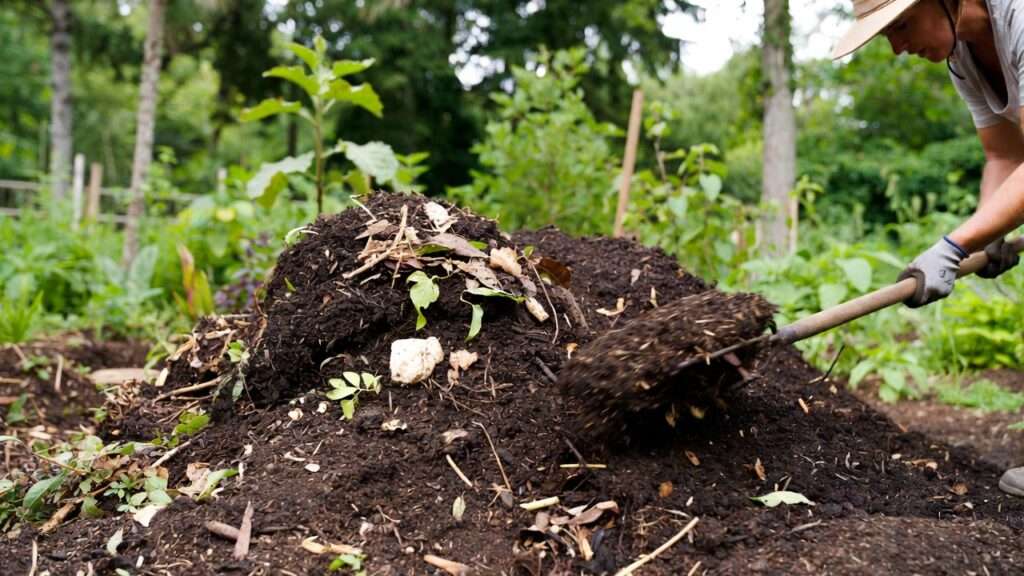
Nothing ruins the satisfaction of nurturing your garden quite like a foul whiff from your compost pile drifting through the air—especially when you’re composting to create rich, nutrient-dense soil for healthier plants and trees! 😷🌳 If your backyard compost has started smelling like rotten eggs, ammonia, or garbage, you’re not alone. Many gardeners face reducing compost odor problems as a common hurdle that can discourage sustainable practices altogether.
The good news? Bad compost smells are almost always a sign of imbalance rather than failure. Healthy composting should produce an earthy, pleasant aroma—like fresh forest soil after rain. When odors arise, it usually means anaerobic (low-oxygen) conditions have taken over, allowing unwanted bacteria to produce smelly gases like hydrogen sulfide or ammonia.
In this comprehensive guide, I’ll draw from established composting science (including principles from Cornell University’s composting resources and hands-on experience in home gardening) to explain the root causes and deliver 7 proven fixes that work quickly and effectively. Whether you’re maintaining a backyard pile for tree mulch, vegetable beds, or flower gardens, these steps will restore fresh-smelling, productive compost that boosts soil health and plant vitality. Let’s turn that stink into success! 🚀
Why Does Compost Smell Bad? Understanding the Root Causes 🔍🦠
Composting is fundamentally an aerobic decomposition process powered by oxygen-loving microbes that break down organic matter into humus-rich compost. These beneficial bacteria and fungi thrive in balanced conditions, producing a mild, earthy scent.
When things go wrong, the pile shifts to anaerobic decomposition—oxygen-starved conditions where different microbes dominate. They release pungent compounds:
- Rotten eggs or sulfur smell → Hydrogen sulfide from excess moisture + poor aeration 🌧️😖
- Ammonia or urine-like odor → Excess nitrogen (too many “greens”) breaking down without enough carbon to balance it 🟢
- Putrid garbage or sewage → Trapped food scraps rotting in anaerobic pockets, often from large chunks or meat/dairy inclusions 🗑️
Key triggers include:
- Poor aeration: Compacted piles limit oxygen flow.
- Imbalanced C:N ratio: Ideal is around 30:1 (carbon to nitrogen); too low (excess greens) causes ammonia, too high slows everything.
- Excess moisture: Over 60% creates soggy, airless zones (think wrung-out sponge ideal: 40-60%).
- Large particles or improper additions: Big items create anaerobic pockets; avoid meat, dairy, oils, and pet waste in basic piles.
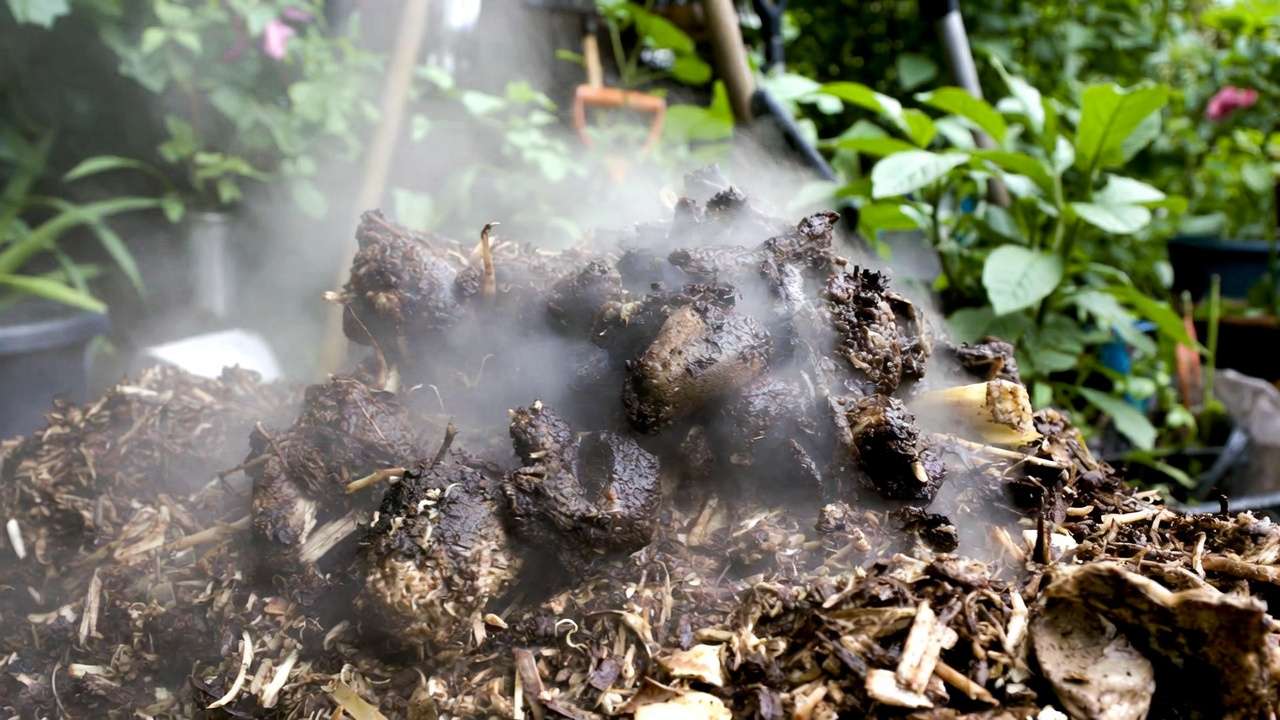
Quick self-diagnosis checklist:
- Squeeze a handful → Water drips excessively? Too wet 💦
- Smells sharp/ammonia? Too much green material ⚖️
- Rotten eggs after rain? Poor drainage/aeration 🔄
- Flies or maggots? Exposed food scraps 🪰
Identifying the cause is step one toward reducing compost odor problems fast.
The Golden Rules of Odor-Free Composting (Prevention First!) 📜🌟
Prevention beats cure every time. Master these fundamentals for consistently fresh compost that enriches your garden soil:
- Ideal carbon-to-nitrogen (C:N) ratio: Aim for 25-30:1 overall. “Browns” (dry leaves, cardboard, straw, wood chips) provide carbon; “greens” (kitchen scraps, grass clippings, coffee grounds) supply nitrogen. Rule of thumb: 2-3 parts browns to 1 part greens by volume.
- Moisture level: Like a wrung-out sponge—moist but not dripping (40-60%). Too dry stalls decomposition; too wet invites anaerobes.
- Particle size: Chop or shred materials small (under 2 inches) for faster, even breakdown ✂️.
- Aeration: Turn weekly (or more in hot piles) to introduce oxygen. Build piles with sticks/branches at the base for passive airflow.
- What to avoid: Meat, dairy, oils, diseased plants, weeds with seeds, pet waste—these attract pests and create intense odors.
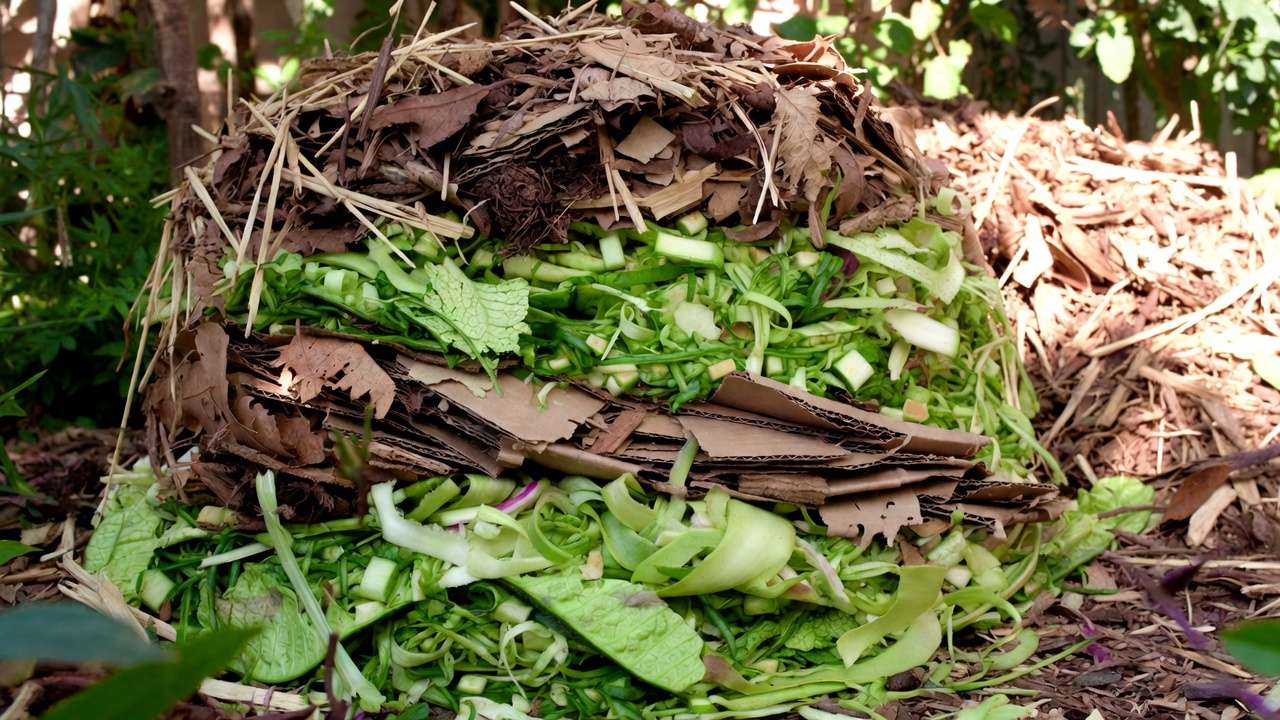
- Pro layering technique: Start with browns at the base, alternate greens/browns, and top with a brown layer to trap smells.
Follow these, and odors stay minimal—your plants get premium, nutrient-rich amendment without the drama!
7 Proven Fixes for Reducing Compost Odor Problems (Core Section) 🛠️🔥
Here are the battle-tested solutions, ranked by speed and impact. Most gardeners see improvement in days!
Fix 1: Turn and Aerate Your Pile Regularly (The #1 Fastest Fix) 🔄
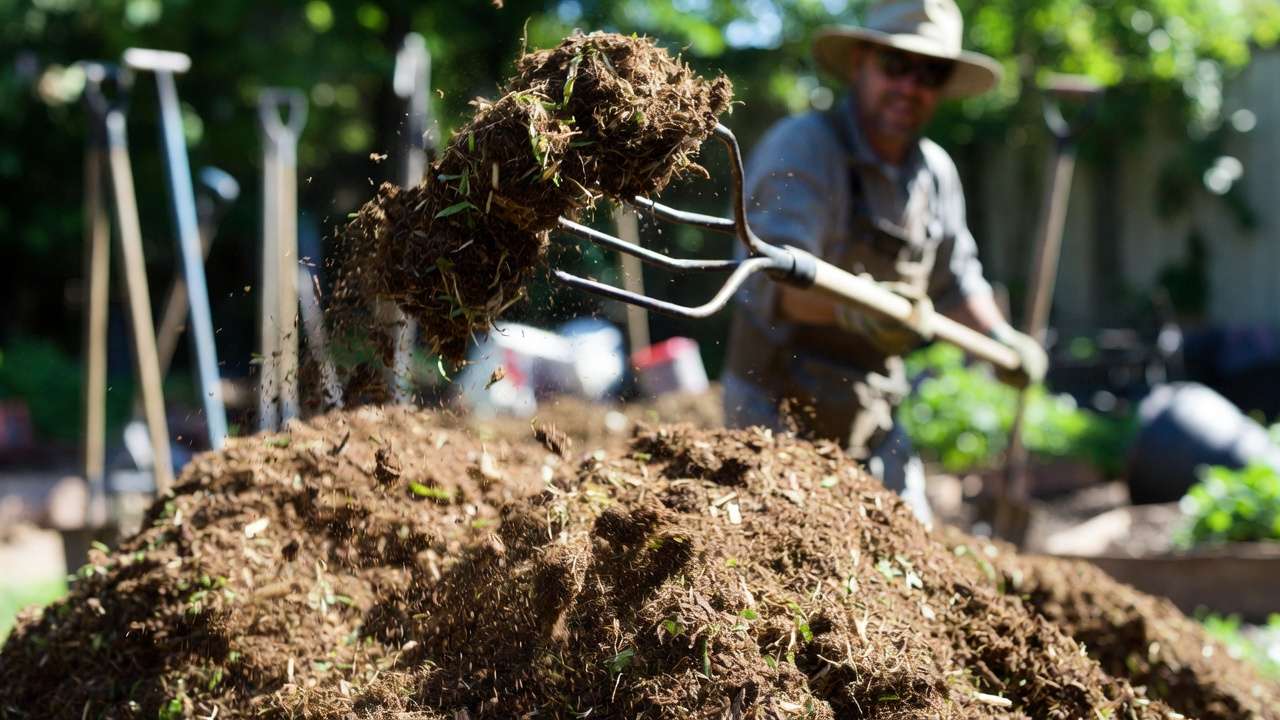
Turning introduces oxygen, kills anaerobic pockets, and mixes materials evenly. In hot, active piles, turn every 3-7 days; slower ones every 1-2 weeks.
- Use a pitchfork or garden fork to fluff from the outside in.
- For tumblers: Spin daily when adding scraps.
- Pro tip: Rebuild on a pallet base or insert vertical pipes with holes for passive aeration in static piles. Expect a temporary odor spike as anaerobes die off—then sweet relief!
Fix 2: Balance Greens and Browns (Restore the Perfect Ratio) ⚖️
Ammonia smells scream excess nitrogen. Add browns immediately:
- Dry leaves, shredded cardboard/newspaper, straw, sawdust (untreated).
- Aim to double browns if greens dominate. Troubleshooting table:
| Smell | Likely Cause | Quick Add |
|---|---|---|
| Ammonia | Too many greens | 2-3x browns volume |
| Rotten eggs | Wet + low oxygen | Browns + turn |
| Putrid | Food scraps exposed | Bury deep + cover |
Mix thoroughly after adding.
Fix 3: Reduce Excess Moisture and Improve Drainage 💦
Soggy piles = anaerobic heaven.
- Mix in absorbent browns (sawdust, shredded paper, dry leaves).
- Cover with tarp during heavy rain.
- Site tip: Choose well-drained, slightly sloped spot; elevate on pallets. Squeeze test: Few drops = perfect; stream = add dry stuff!
Fix 4: Chop Materials Smaller for Faster Breakdown ✂️
Large chunks create smelly anaerobic zones inside.
- Use kitchen shears, lawn mower over leaves, or chipper for branches.
- Smaller pieces increase surface area for microbes—decomposition speeds up 2-3x!
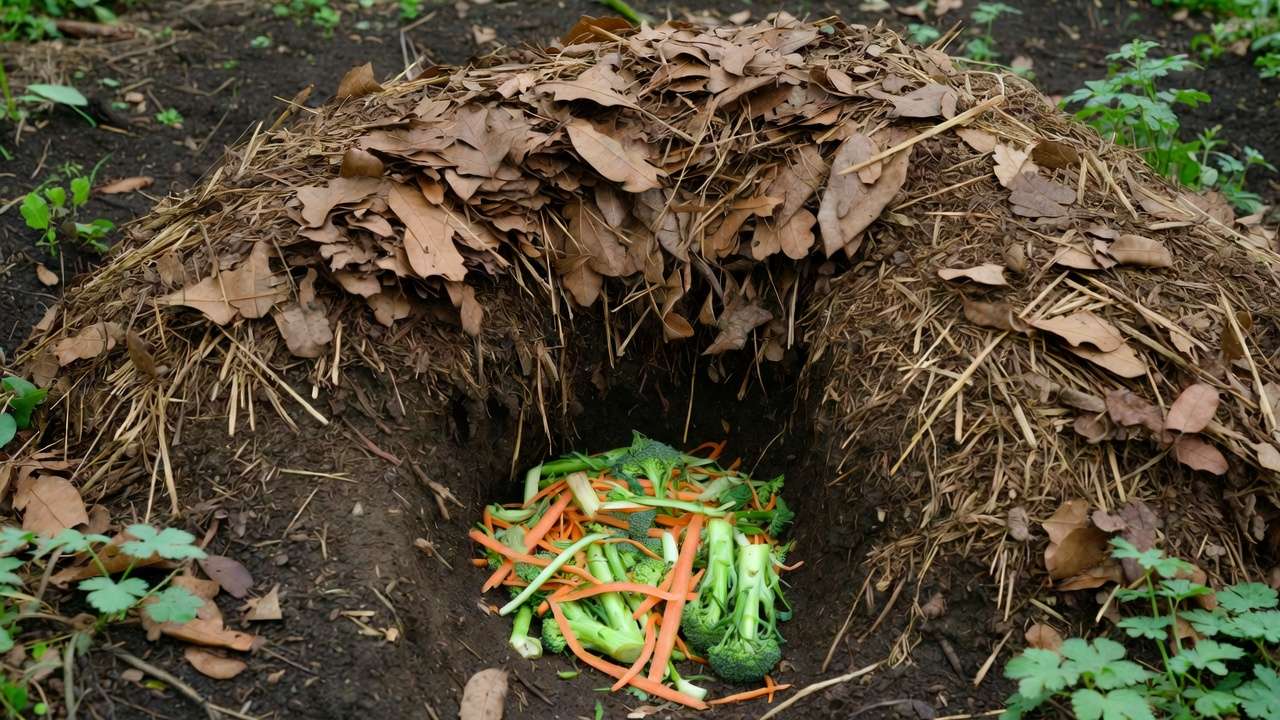
Fix 5: Bury Food Scraps Deep + Cover Fresh Additions 🥕
Surface scraps attract flies and rot openly.
- Dig a trench in the pile center, bury kitchen waste, cover with 6-8 inches browns (“lasagna” style).
- Always top additions with brown layer to trap odors and deter pests.
Fix 6: Add Odor-Absorbing Amendments (Natural Boosters) 🌿
- Biochar or garden soil: Absorbs gases, inoculates beneficial microbes.
- Finished compost sprinkle: Adds aerobic starters.
- Lime (sparingly) for ammonia—raises pH cautiously to avoid killing microbes.
- Bokashi bran pre-treatment for tricky scraps (ferments anaerobically first, then add to pile odor-free).
Fix 7: Upgrade Your Setup for Long-Term Odor Control 🏗️
- Switch to enclosed tumbler or bin for better containment/aeration.
- Aerated static piles with pipes.
- Worm bins (vermicomposting) indoors/outdoors—worms love balanced scraps, produce little smell.
- Location: Sunny spot speeds drying/aeration; away from house/windows.
Bonus Tips for Super-Fresh Compost All Year Round 🌈🍂
Once you’ve applied the 7 fixes, keep your compost smelling wonderful (and performing at peak efficiency) with these seasonal and advanced strategies:
- Winter adjustments ❄️: In cooler months (common in many regions including parts of Bangladesh), decomposition slows. Add extra browns to absorb any winter moisture, turn less frequently (every 2–3 weeks), and insulate the pile with straw bales or old blankets to maintain microbial activity. A sunny south-facing spot helps tremendously.
- Summer heat management ☀️: High temperatures speed decomposition but can dry piles quickly. Water lightly if needed (remember the wrung-out sponge test), and turn more often to prevent hot anaerobic zones. Shade cloth over the pile prevents overheating in extreme heat.
- Indoor kitchen collection hacks 🏠: Use a countertop pail with a charcoal filter or baking soda sprinkle to neutralize odors before you add scraps to the outdoor pile. Empty daily or every other day in hot weather to avoid smells building up indoors.
- Speeding decomposition safely ⚡: Sprinkle a handful of finished compost or garden soil every few turns to introduce more beneficial microbes. Avoid commercial accelerators unless they’re certified organic—many contain unnecessary chemicals.
- The healthy compost smell & look test 👃👀:
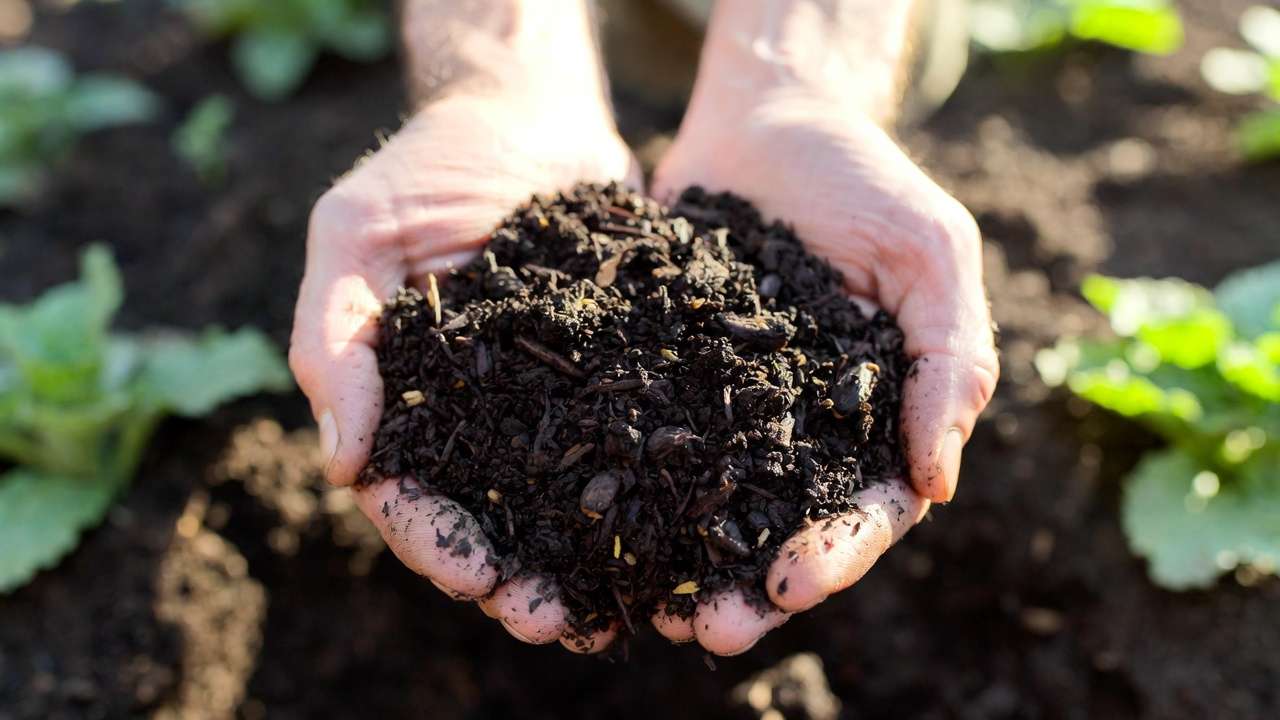
- Smell → Rich, earthy, like forest floor (slight mushroomy note is fine).
- Look → Dark brown to black, crumbly texture, no recognizable food bits left.
- Feel → Cool to warm (hot is active; cold is mature or stalled). If it passes these, it’s ready to enrich your plant beds and tree root zones!
Common Mistakes Gardeners Make (And How to Avoid Them) ❌🚫
Even experienced gardeners slip up sometimes. Here are the top 5 odor-causing mistakes I see most often, plus quick prevention tips:
- “Set it and forget it” mentality → Piles left untouched compact and go anaerobic. Fix: Schedule turning days on your calendar—treat it like watering your plants.
- Adding too many fresh greens at once → Kitchen scrap overload creates ammonia spikes. Fix: Alternate every addition with browns, or store scraps in a freezer bag until you have enough browns ready.
- Composting meat, dairy, or oily foods in a basic pile → Attracts pests and creates intense putrid odors. Fix: Stick to plant-based scraps only, or use a dedicated bokashi system for those items.
- Building the pile too small → Small piles (<1 cubic meter) lose heat and oxygen quickly. Fix: Aim for at least 1m × 1m × 1m for efficient hot composting; use multiple smaller bins if space is limited.
- Ignoring pile location → Placing near the house, in constant shade, or low-lying wet areas. Fix: Choose a well-drained, sunny-to-partly-sunny spot at least 10–15 feet from living areas for airflow and odor dispersion.
Avoiding these pitfalls keeps your composting journey enjoyable and effective.
FAQs: Your Top Questions Answered ❓
Q: Why does my compost still smell like ammonia even after turning it? A: Persistent ammonia usually means the carbon (browns) is still insufficient. Add 2–3 times the volume of dry leaves, cardboard, or straw, mix thoroughly, and turn again. It should fade within 3–7 days.
Q: Can I compost in a small urban or balcony garden without bad smells? A: Absolutely! Use a sealed tumbler, bokashi bucket, or worm bin (vermicomposting). Bury scraps deep, keep the C:N balance tight, and add odor-absorbing materials like dry coconut coir or biochar.
Q: How long does it take for the odor to go away after applying these fixes? A: Most people notice major improvement within 24–72 hours after turning + balancing. Full fresh-earthy smell usually returns in 1–2 weeks as aerobic microbes re-establish dominance.
Q: Is smelly compost harmful to my plants or trees if I use it anyway? A: Partially finished, smelly (anaerobic) compost can temporarily harm young roots due to high ammonia or organic acids. Always let it mature fully and pass the smell/look test before applying around plants or mixing into tree planting holes.
Q: What are the best natural odor neutralizers for compost? A: Dry leaves/straw (absorbs moisture & odors), biochar (traps gases), finished compost or garden soil (adds good microbes), and a light sprinkle of dolomite lime for ammonia smells (use sparingly—overdoing it raises pH too high).
Q: Should I cover my compost pile completely? A: A breathable cover (burlap, old carpet, or loose tarp) is ideal—it retains moisture while allowing air exchange. Avoid plastic sheeting unless just for heavy rain protection.
Q: My pile has fruit flies—what did I do wrong? A: Exposed sweet scraps. Bury future additions deeper and cover with a thick brown layer. A vinegar trap nearby can help catch adults while you fix the pile.
Conclusion: Enjoy Fresh-Smelling, Garden-Boosting Compost! 🎉🌳
Reducing compost odor problems doesn’t have to be frustrating or complicated. By understanding the science of aerobic vs. anaerobic decomposition and applying these 7 proven fixes—starting with regular turning and proper balancing—you can transform a stinky pile into sweet-smelling, nutrient-rich gold for your garden in days to weeks.
Your plants, trees, and soil will reward you with stronger growth, better water retention, and fewer chemical fertilizers needed. Plus, you’ll reduce household waste and feel great about your eco-friendly contribution.
Start today: Head out to your pile, give it a good turn, assess the balance, and apply the most urgent fix from the list above. Your nose (and your neighbors) will thank you!
Have you battled compost odors before? Which fix worked best for you? Drop a comment below—I love hearing real-life gardening stories and helping troubleshoot specific setups. Happy composting! 🌿🪴











