
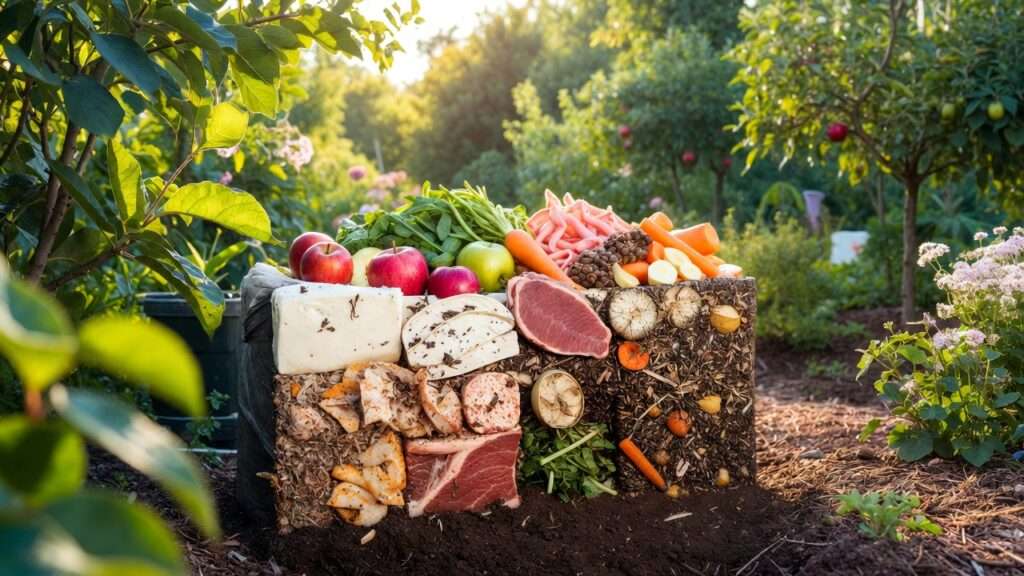
Imagine this: You’ve just finished a delicious homemade pizza topped with extra cheese, and a few slices of pepperoni are left over. Your first instinct? Toss them into the compost bin to feed your thriving vegetable garden or that young mango tree you’ve been nurturing. But then doubt creeps in — will those scraps turn your beautiful compost pile into a stinky, pest-infested mess? Worse yet, could they harm the very plants and trees you’re trying to help? 🍕🚫
If you’ve ever asked yourself, can you compost dairy and meat?, you’re not alone. This is one of the most common questions among home gardeners, eco-conscious households, and plant enthusiasts who want to create nutrient-rich soil amendments without risking their garden’s health. The short answer: In a standard backyard compost pile, it’s usually not recommended — but there are safe, effective ways to handle these tricky items if you’re determined to divert every scrap from the landfill. In this in-depth guide, we’ll break down the science, the risks, proven methods that actually work, and how to keep your composting efforts supporting healthier plants, stronger roots, and more vibrant trees. Let’s turn kitchen waste worries into garden gold! ✨
Why Dairy and Meat Are Usually “No-Go” Items in Home Composting 🚫🥛🍖
Most gardening experts and official guidelines advise against adding meat, dairy products (cheese, milk, yogurt, butter), bones, fish, and oily cooked foods to traditional backyard compost systems. Here’s why this advice exists — and it’s rooted in real biology and practical experience.
Meat and dairy are rich in proteins, fats, and sometimes pathogens. When they break down, they do so anaerobically (without enough oxygen), leading to slow, smelly decomposition rather than the fast, earthy process we love in good compost. This creates several serious issues for plant lovers:
The Main Risks That Harm Your Compost — and Your Plants ⚠️
- Pests and Wildlife Attraction 🐀🪰: Rats, raccoons, flies, opossums, and even neighborhood dogs are drawn to the strong odors of rotting meat and dairy. Once they raid your pile, they can scatter scraps across your garden beds, dig up seedlings, or damage tree roots while searching for more food. I’ve seen entire raised beds turned upside down overnight because of a few forgotten burger scraps!
- Foul, Persistent Odors 🤢: Ammonia, hydrogen sulfide, and other volatile compounds make your backyard unpleasant — and might even drive away beneficial insects and pollinators that your plants depend on.
- Pathogen Survival 🦠: Raw or undercooked meat and dairy can harbor bacteria like Salmonella, E. coli, and Listeria. Standard home compost piles rarely sustain the consistent high temperatures (130–160°F or 55–71°C for several consecutive days) needed to kill these pathogens reliably. If they survive, they could theoretically transfer to edible crops or affect soil health.
- Imbalanced Decomposition 🐌: Fats coat other materials, slowing microbial activity and creating slimy, anaerobic zones. Instead of fluffy, dark humus, you end up with a gooey mess that takes months (or years) longer to mature — delaying the nutrient boost your trees and plants crave.
- Potential Harm to Plants 🌿: Diseased or imbalanced compost can introduce issues to roots, stunt growth, or — in rare cases — contaminate vegetables if pathogens persist.
- These warnings come straight from trusted sources like the U.S. EPA, which explicitly recommends avoiding meat, dairy, greasy foods, and bones in home composting to prevent slowdowns and pest problems. University extensions (Michigan State, Ohio State, Iowa State) echo this: meat and dairy decompose slowly, attract rodents, and pose food safety risks in typical backyard setups.
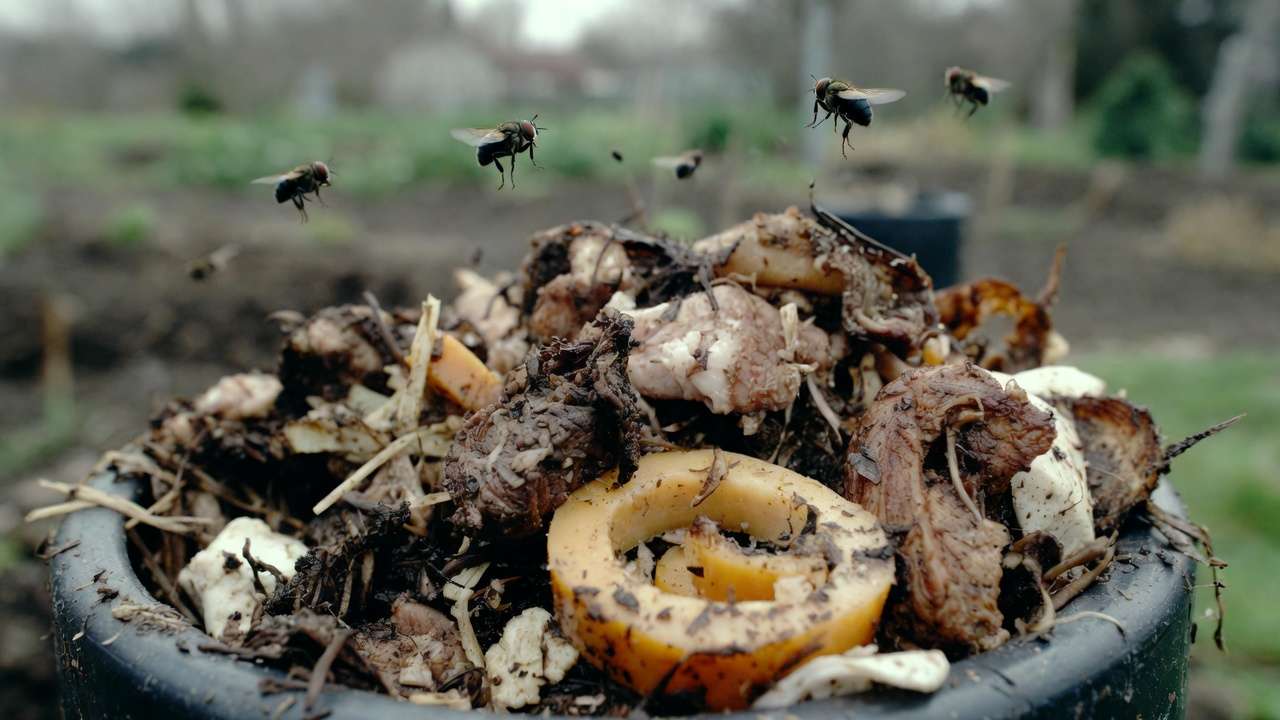
For plant lovers especially, the biggest concern isn’t just failure — it’s that a ruined pile means less high-quality compost to improve soil structure, retain moisture, feed mycorrhizal fungi (crucial for tree health), and boost nutrient availability for everything from tomatoes to fruit orchards.
When (and How) Can You Actually Compost Dairy and Meat Safely? ✅
Here’s the good news: the “never” rule isn’t absolute. With the right techniques, you can safely process meat and dairy into usable soil amendment — without destroying your garden or risking plant health. Let’s explore the realistic options.
Hot Composting — The Traditional (But Tricky) Method 🔥
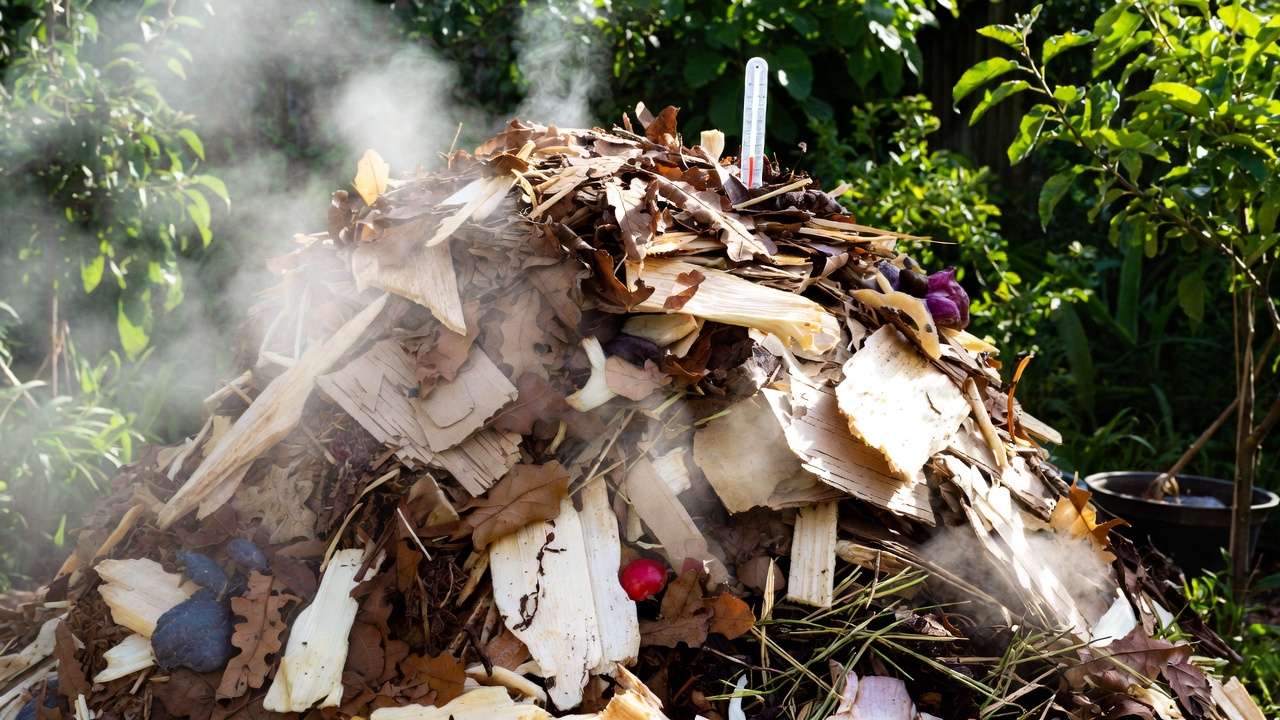
In theory, a properly managed hot compost pile can handle small amounts of meat and dairy because sustained high heat kills pathogens and speeds breakdown.
Requirements for success:
- Pile size: At least 3×3×3 feet (1 cubic meter) to generate and retain heat
- Carbon-to-nitrogen ratio: 25–30:1 (layer tiny meat/dairy bits deeply with lots of browns like dry leaves, cardboard, straw)
- Frequent turning: Every 3–7 days to aerate and redistribute heat
- Temperature monitoring: Use a long compost thermometer; aim for 130–160°F (55–71°C) for at least 3 days (ideally longer for animal products)
- Bury scraps: Place them in the center, surrounded by 8–12 inches of carbon-rich material
Pros for plant lovers: Produces nutrient-dense, pathogen-reduced compost quickly (2–6 months) that supercharges soil for trees and veggies.
Cons: High failure rate in small or cold-climate setups. Most home gardeners struggle to maintain consistent heat, especially with irregular additions. If it goes anaerobic even briefly, odors and pests return.
Bokashi Fermentation — The Game-Changer for Meat & Dairy 🍱
This is the method I recommend most enthusiastically to plant-focused readers who want to compost everything without headaches.
Bokashi is an anaerobic pre-composting process using a special bran inoculated with effective microorganisms (lactic acid bacteria, yeasts, phototrophic bacteria). It “pickles” scraps rather than rotting them.
Step-by-step for beginners:
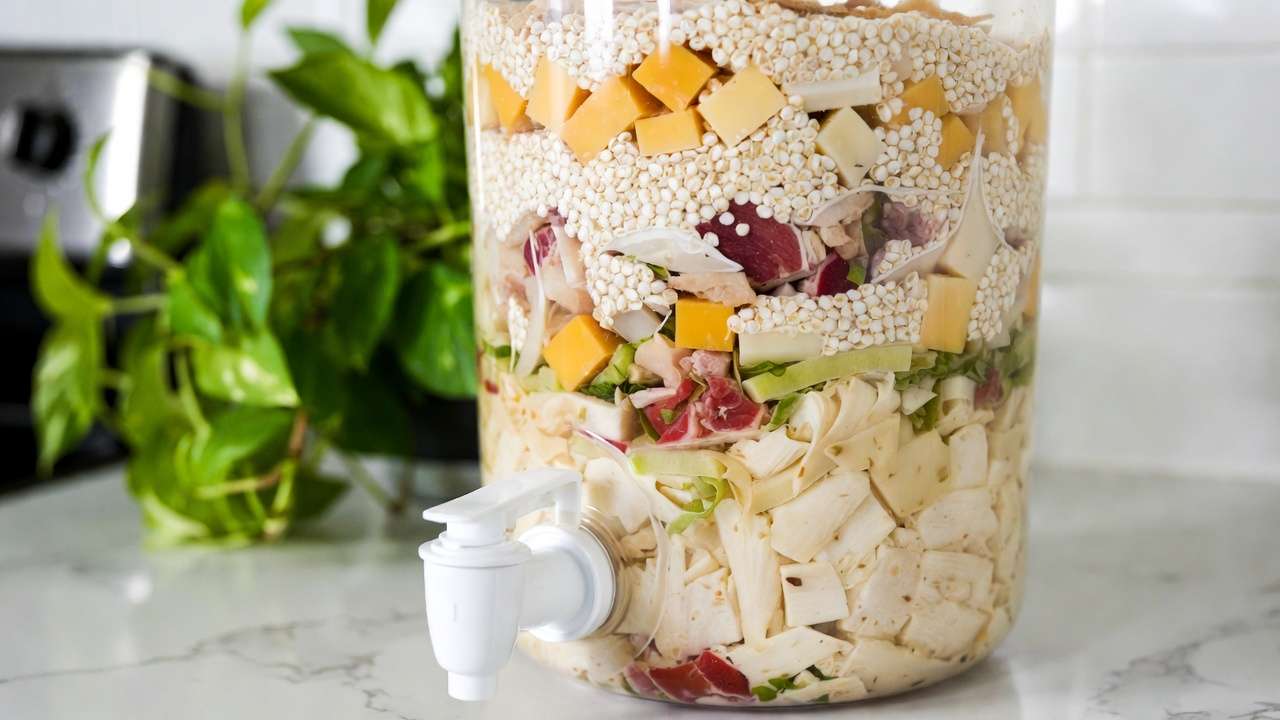
- Get a sealed Bokashi bucket (with spigot for draining liquid) and Bokashi bran.
- Chop scraps (meat, dairy, fish, bones, cooked food — all fair game!).
- Layer scraps in the bucket, sprinkle generously with bran (about 1–2 tablespoons per inch of food).
- Press down firmly to remove air, seal lid tightly.
- Drain “Bokashi tea” every few days (dilute 1:100–1:200 with water → excellent liquid fertilizer for plants!).
- After 2–4 weeks, the contents smell pleasantly pickled (like yogurt or sauerkraut — not rotten).
- Bury the pre-compost in soil or add to a traditional pile/ trench to finish aerobic composting (2–6 weeks more).
Benefits:
- No bad odors indoors or out
- Kills most pathogens via low pH and microbial competition
- Handles all kitchen waste, maximizing diversion
- Produces nutrient-rich end product perfect for amending garden beds, potting mixes, or mulching around trees
Why it’s ideal for plant care: The Bokashi tea is a mild, microbe-boosting fertilizer that encourages root growth and soil life — many gardeners report noticeably healthier plants after switching.
Other Advanced/Sealed Systems Worth Considering (continued)
- Electric countertop composters — Newer models (like certain high-heat dehydrators or grinders) are marketed as being able to handle small amounts of meat and dairy. They reduce volume through heat and mechanical breakdown, then you add the output to your outdoor pile or garden soil. Keep in mind: These machines vary widely in performance, and not all are truly pathogen-safe for animal products. Always check independent reviews and manufacturer claims before investing.
- In-ground trench or pit composting — Dig a narrow trench 12–18 inches deep in an unused part of your garden (far from active plant roots and tree drip lines). Bury small quantities of meat or dairy scraps, cover with soil, and let nature do the rest over months. This method minimizes odors and pest access because everything is underground and dispersed. It works best in warm climates and for gardeners who have space away from prized beds.
- Municipal or commercial composting services — If your area offers curbside organics collection that accepts meat and dairy (many do in 2025+), this is often the easiest zero-risk option. Industrial facilities use controlled high-heat systems that reliably destroy pathogens. Check your local waste authority — cities in many countries now accept these “problem” items.
For most plant lovers balancing convenience and garden success, Bokashi stands out as the most reliable, beginner-friendly way to handle dairy and meat without compromising your outdoor compost quality.
What Happens to Your Plants and Trees When You Compost Wrong? 🌳⚠️
Let’s be honest — the stakes are higher than just a smelly pile. Poor composting decisions can directly impact the health of the plants and trees you care about.
When meat or dairy causes anaerobic conditions:
- Beneficial aerobic microbes die off → harmful anaerobic ones take over
- Nutrient cycling slows dramatically → your compost becomes less effective at delivering nitrogen, phosphorus, and micronutrients to roots
- Slimy layers can create water-repellent zones in soil → leading to poor drainage and root rot risk, especially for young trees or moisture-sensitive perennials
- Persistent pathogens (though rare in home settings) could theoretically affect edible crops if compost is used fresh
Real-world example: Gardeners who’ve accidentally added meat scraps often report sudden pest explosions (ants, flies, rodents) that chew through seedlings or girdle young tree trunks while foraging. One client I advised lost half their spring lettuce bed to raccoon damage after a forgotten roast chicken carcass attracted nightly visitors.
On the flip side, correctly managed compost (whether from safe greens-only piles or finished Bokashi) delivers transformative benefits:
- Improved soil structure and water-holding capacity → trees withstand drought better
- Boosted microbial diversity (including mycorrhizal fungi) → stronger nutrient uptake for fruiting plants and ornamentals
- Natural disease suppression → fewer fungal issues on roses, tomatoes, or citrus
- Higher organic matter → healthier root zones for long-term tree stability
Quick comparison table for clarity:
| Material Type | Typical Speed | Odor Risk | Pest Risk | Pathogen Risk | Benefit to Plants/Trees |
|---|---|---|---|---|---|
| Veggie scraps, coffee grounds | Fast | Low | Low | Very Low | Excellent |
| Meat & dairy (standard pile) | Very Slow | High | Very High | Moderate-High | Poor / Risky |
| Meat & dairy (hot compost) | Medium-Fast | Medium | Medium | Low-Moderate | Good if successful |
| Meat & dairy (Bokashi) | Medium | Very Low | Very Low | Low | Excellent |
Practical Tips to Build Super-Rich Compost — Without Meat & Dairy Headaches 🌿
If you decide to play it safe (the route most experienced gardeners take), focus on high-value, low-risk nitrogen sources that create fantastic compost for plant and tree care:
- Top safe nitrogen-rich “greens”: Vegetable peels, fruit scraps, coffee grounds, tea bags, fresh grass clippings, crushed eggshells, legume trimmings (pea vines, bean leaves), rabbit/chicken/horse manure (well-aged and herbivore-only)
- Carbon “browns” balance: Dry leaves, shredded cardboard, straw, sawdust (untreated), small twigs, paper bags
Expert Ratio & Layering Secrets for Fast, Odor-Free Results
- Maintain a 25–30:1 carbon-to-nitrogen ratio (roughly 2–3 parts browns to 1 part greens by volume)
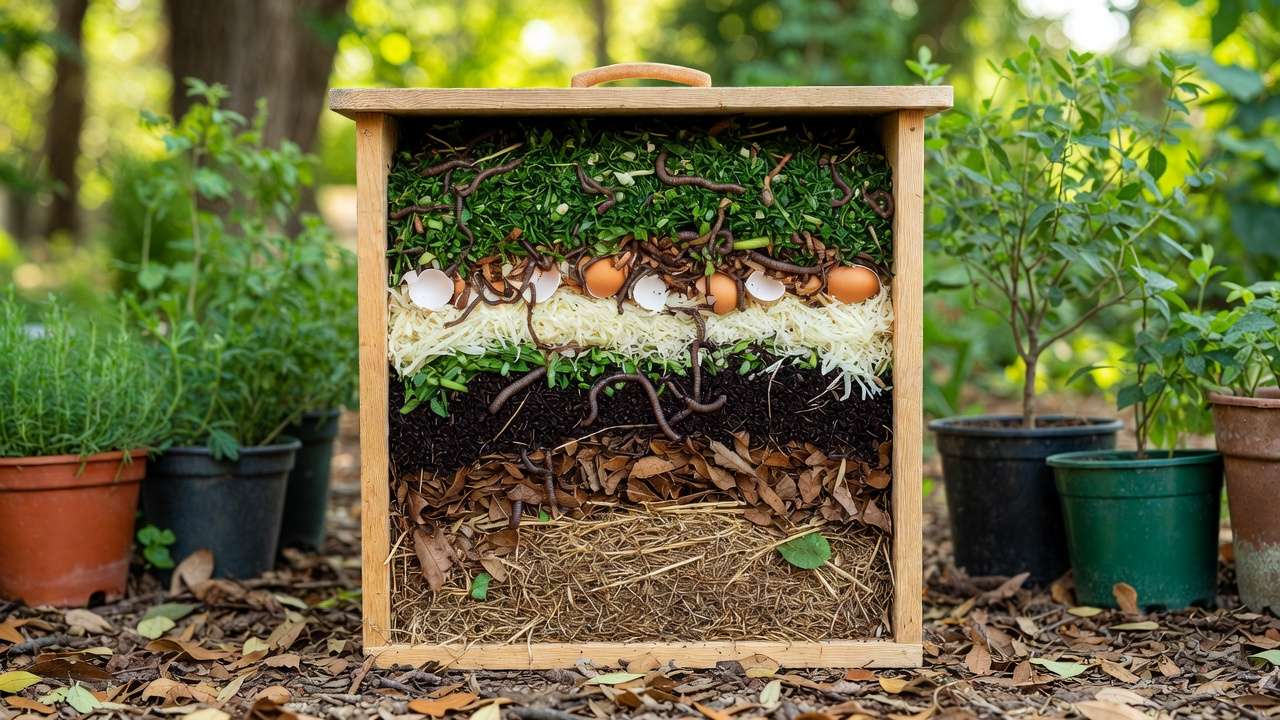
- Use the “lasagna” method: Alternate thin layers (greens → browns → greens → browns), always ending with browns on top
- Keep moisture like a wrung-out sponge (~50–60%)
- Turn every 1–2 weeks in warm weather; less often in cooler months
- Chop larger items to speed breakdown
- Site your bin in partial shade to prevent drying out
Pro tip for tree lovers: Apply 2–4 inches of finished compost as mulch around fruit trees and ornamentals each spring. It suppresses weeds, retains soil moisture during dry seasons, and feeds the critical feeder roots near the surface.
Bonus plant-specific benefits:
- Acid-loving trees (blueberries, azaleas, magnolias) love compost rich in pine needles or oak leaves mixed in
- Heavy feeders (tomatoes, peppers, roses) thrive on coffee-ground-enriched batches
- Young saplings establish faster with a compost-amended planting hole
Common Myths vs. Facts About Composting Animal Products 🔍
- Myth: “Any meat or dairy will ruin your compost pile forever.” Fact: Small, well-managed additions in hot piles or Bokashi break down completely with no long-term harm.
- Myth: “All pathogens survive any home composting.” Fact: Sustained 140°F+ for several days kills most common foodborne pathogens (per EPA and university studies).
- Myth: “Dairy is basically the same as vegetable scraps.” Fact: High fat content makes dairy much slower and smellier to decompose than low-fat greens.
- Myth: “Bokashi is just fancy anaerobic rotting.” Fact: It’s a controlled fermentation that prevents putrefaction and produces a safer, more valuable pre-compost.
Frequently Asked Questions (FAQs) ❓
Can I compost cheese rinds, butter, or yogurt? Not in a standard backyard pile — high fat content causes major slowdowns and odors. Bokashi handles them beautifully.
Is it safe to use compost that contained meat/dairy on my vegetable garden? Only if processed via verified hot composting (thermometer-verified temps) or finished Bokashi buried for 4–6 weeks. Otherwise, use it only on ornamental beds or trees.
What if my compost pile already has some meat in it by mistake? Bury it deeper, cover heavily with browns, turn frequently, and monitor temperature. If odors or pests appear, remove affected material and restart that section.
Can I use Bokashi tea directly on plants? Yes — dilute heavily (1:100 to 1:200 with water) and use as a soil drench or foliar feed. It’s packed with beneficial microbes and mild nutrients.
How do I stop pests if I accidentally added dairy? Stop adding food scraps temporarily, turn the pile to aerate, bury any smelly parts deep, and add extra carbon. Consider a rodent-proof bin upgrade.
What’s the best beginner Bokashi setup for plant lovers? A 5-gallon bucket with tight lid + spigot (many sold as “Bokashi starter kits”), plus bran. Start with one bucket indoors — it’s odor-free and produces liquid gold for your houseplants and garden!
Conclusion 🌱✨
So, can you compost dairy and meat? Yes — but for the vast majority of home gardeners and plant enthusiasts, the safest, simplest path is to exclude them from traditional backyard piles and instead use Bokashi fermentation, municipal collection, or strict hot composting only if you’re experienced and equipped.
By avoiding these high-risk items in your main pile, you protect your compost quality, keep pests away from your precious plants and trees, and ensure every batch of finished humus delivers maximum benefit: richer soil, stronger roots, better drought resistance, and more vibrant growth season after season.
Start small: Try a Bokashi bucket this month, keep feeding your outdoor bin safe scraps, and watch how quickly your garden thanks you. Your trees, veggies, and flowers will reward you with healthier foliage, bigger blooms, and tastier harvests.
Have you tried Bokashi yet? Or do you have a horror story about meat in the compost? Drop a comment below — I’d love to hear your experiences and answer any follow-up questions! Happy composting, and here’s to thriving plants all year long! 🌳💚











