
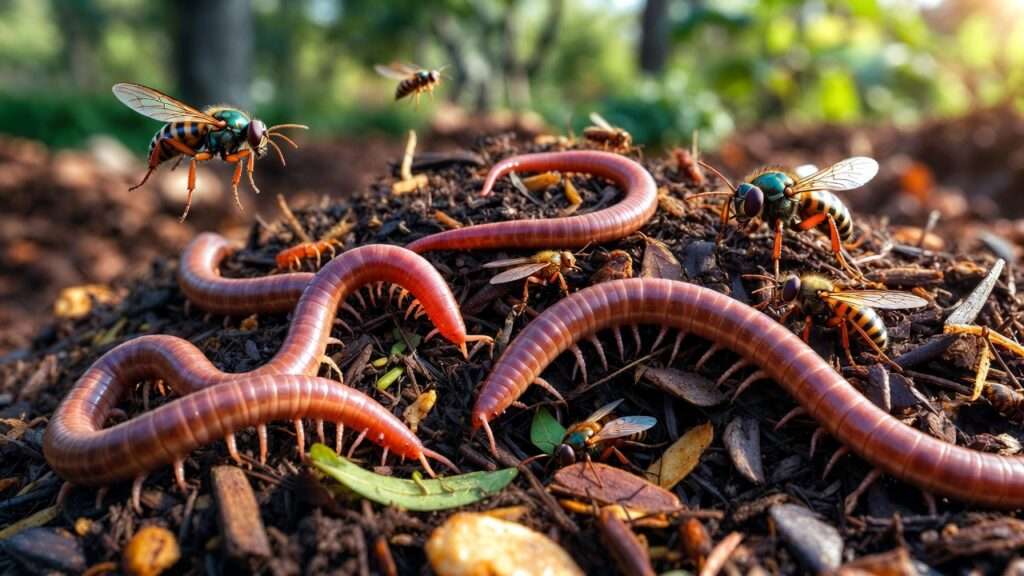
Have you ever turned your compost pile, only to jump back in surprise at the sudden wriggle of creatures beneath the surface? 😱 One moment you’re proudly tending your garden waste, the next you’re wondering if your beautiful compost has turned into a bug hotel — or worse, a problem waiting to happen. If you’re seeing worm or insect presence in compost and feeling that mix of curiosity and mild panic, you’re not alone. This is one of the most common questions home gardeners ask: Are these creepy-crawlies helping my pile break down faster… or ruining it?
The good news? In the vast majority of cases, those little visitors are actually your compost’s best friends. They speed up decomposition, improve nutrient cycling, and create richer humus for your plants and trees. But a few unwanted guests can signal imbalance — too much moisture, not enough air, or excess nitrogen — and need gentle correction.
As a passionate plant and tree care enthusiast who’s managed backyard compost systems for years (from simple heaps to dedicated vermicomposting bins), I’ve seen it all: thriving red wiggler colonies, armies of black soldier fly larvae turning kitchen scraps into gold, and the occasional fruit fly takeover fixed with a quick tweak. In this comprehensive guide, we’ll break down exactly what you’re seeing, why it’s there, and what (if anything) to do about it. By the end, you’ll feel confident identifying good bugs vs. bad bugs — and your compost will thank you with faster, nutrient-packed results. Let’s dive in! 🌿
Why Insects and Worms Appear in Compost (The Science Behind It) 🧪
Compost isn’t just a pile of rotting leaves — it’s a living ecosystem teeming with microscopic bacteria, fungi, and larger decomposers. When you add organic matter like kitchen scraps, yard waste, and browns (dry leaves, cardboard), the pile creates ideal conditions: warmth, moisture, oxygen, and food.
The Role of Decomposition in Attracting Life Decomposition releases heat, odors, and nutrients that act like a beacon for invertebrates. Tiny springtails jump in first to feed on fungi; mites follow; larger creatures like worms and beetle larvae arrive to eat the softer material. This chain reaction is nature’s way of recycling — without these helpers, breakdown would take years instead of months.
Ideal Compost Conditions That Invite Creatures Most compost critters thrive in temperatures between 50–140°F (10–60°C), moisture like a wrung-out sponge (40–60%), and a balanced carbon-to-nitrogen ratio (around 25–30:1). Too wet? Fruit flies and gnats love it. Too dry? Fewer worms show up. Understanding these triggers helps you encourage the good guys and discourage pests.
How Compost Mimics Natural Soil Ecosystems 🌍 Think of your pile as a mini forest floor. In nature, fallen leaves, dead wood, and animal droppings host the same community: earthworms aerate soil, soldier flies process manure, rove beetles hunt smaller pests. A healthy compost pile replicates this biodiversity, leading to superior finished compost full of beneficial microbes for your garden beds and tree roots.
From university extension services (like Cornell and Oregon State) to hands-on experience, experts agree: diverse insect life is a sign of active, healthy composting — not failure.
Beneficial Insects and Worms – Your Compost Allies 🦋✨
Most creatures you’ll spot are working for you. Here’s the dream team:
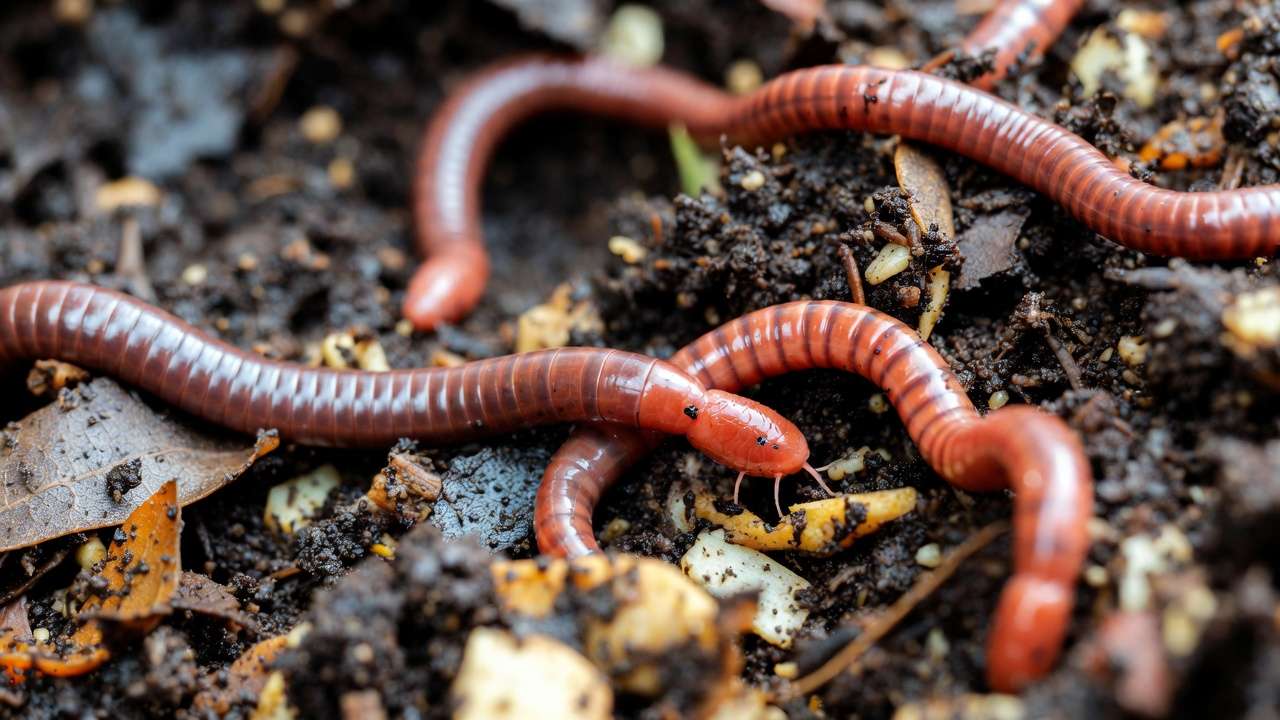
Earthworms: The Ultimate Compost Heroes 🪱 Red wigglers (Eisenia fetida) and European nightcrawlers are composting superstars. These reddish-brown worms (2–4 inches) thrive in organic-rich environments, consuming up to half their body weight daily. They aerate the pile, break down tough fibers, and leave behind castings — one of the best natural fertilizers for plants and trees. Finding them means your compost is cool enough (below ~100°F) and moist — celebrate!
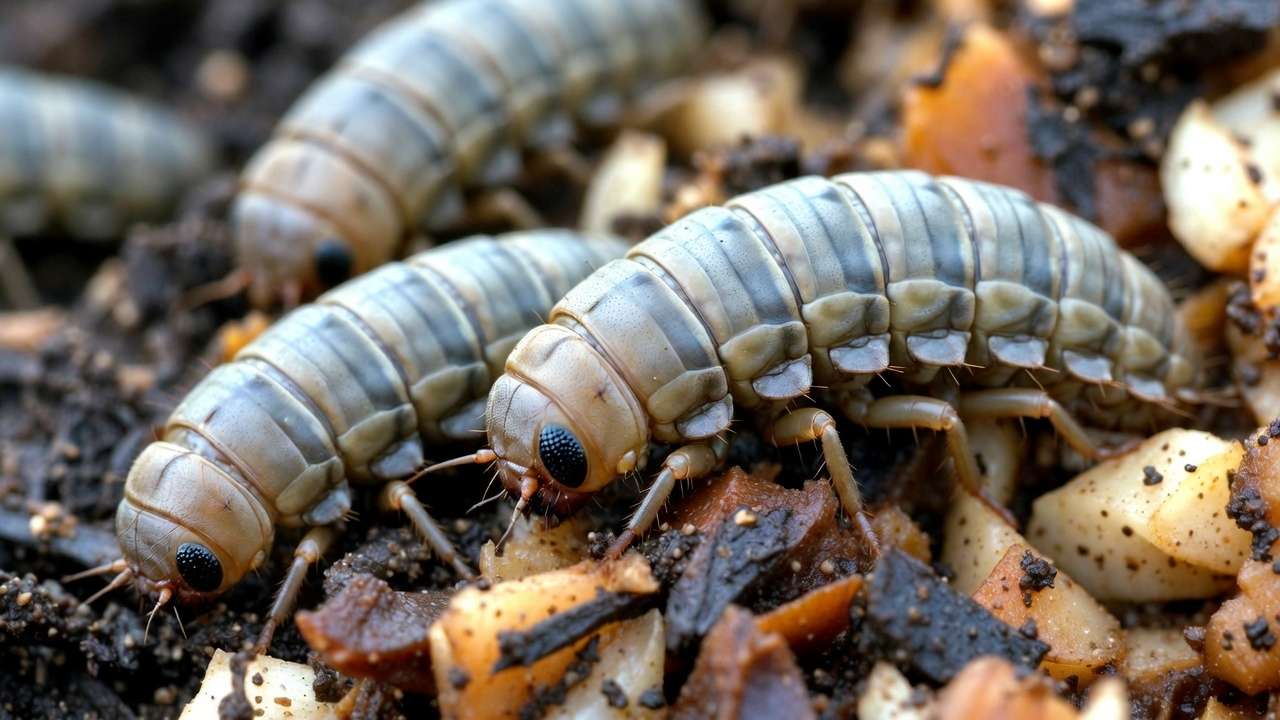
Soldier Fly Larvae (Black Soldier Fly) Often mistaken for “maggots,” black soldier fly larvae (BSFL) are plump, segmented, gray-brown creatures (up to 1 inch) with tough heads. They voraciously consume high-nitrogen waste (food scraps, manure), reducing pile volume dramatically and outcompeting house flies. Their frass (excrement) is nutrient-rich, and birds love eating them! In warm climates like many parts of Bangladesh, BSFL appear seasonally and supercharge hot composting.
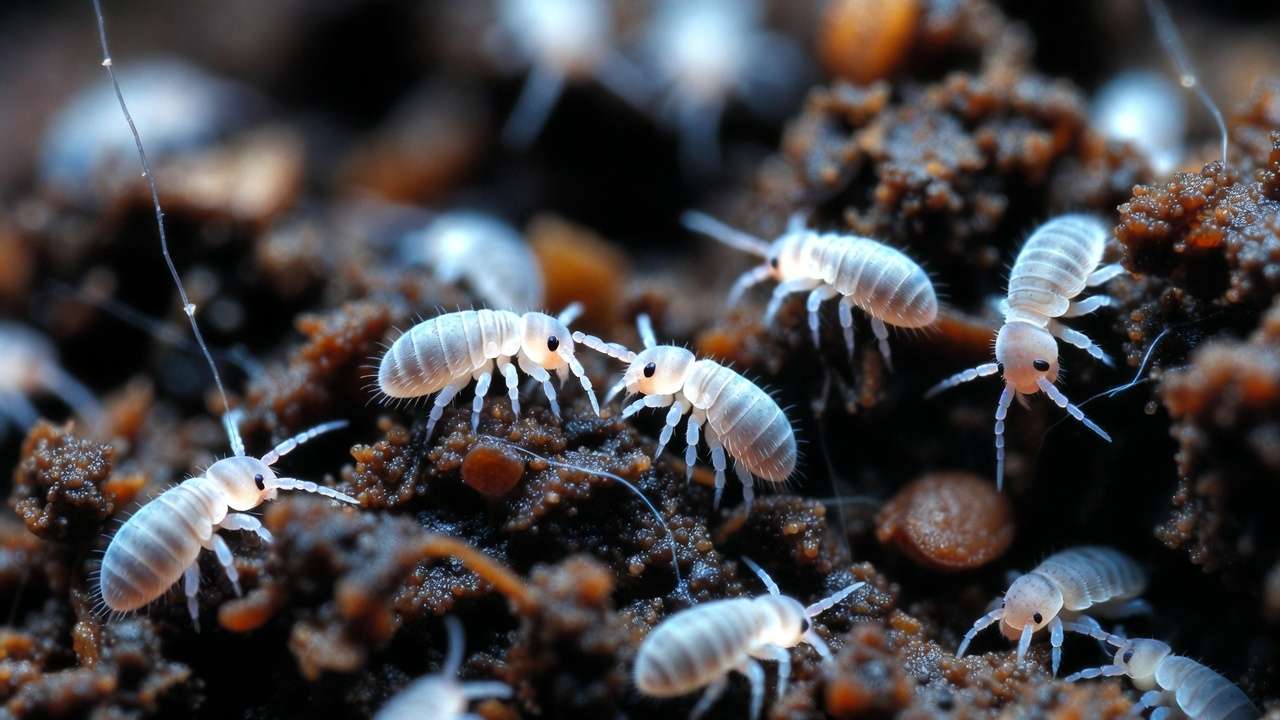
Springtails, Mites, and Pot Worms Tiny white springtails (jump when disturbed) and pot worms (small, thread-like) feed on fungi and bacteria. Soil mites look like moving dust specks. All are harmless, essential secondary decomposers that keep the microbial engine running smoothly.
Rove Beetles, Ground Beetles, and Other Predators Slender, fast-moving rove beetles patrol for fly eggs and small pests. Ground beetles hunt slugs. Their presence adds natural pest control — no need for interventions.
Quick Tip Box 🌟 Signs your compost is thriving thanks to helpers:
- Steady, earthy smell (not rotten)
- Active breakdown without foul odors
- Earthy texture forming
- Worms and larvae concentrated in food-rich zones
Seeing these? You’re doing great! Keep the balance, and they’ll multiply.
Problematic Insects – When to Worry and Act Fast ⚠️🐜
While most compost visitors are welcome helpers, a few can indicate (or cause) real issues. These usually appear when the pile is too wet, too acidic, too nitrogen-heavy, or lacks turning/aeration. Here’s how to spot troublemakers and why they matter.
Ants in Compost Small black or brown ants marching in lines often mean the pile is too dry or has sugary food scraps (fruit peels, leftover sweets) sitting on the surface. Ants don’t directly harm decomposition, but large colonies can displace worms and slow breakdown by tunneling and relocating material. In hot, dry seasons common in Barisal Division, ants become more aggressive in search of moisture and food.
Fruit Flies and Fungus Gnats Tiny flies hovering around the bin? Fruit flies (Drosophila spp.) love overripe fruit and exposed wet scraps; fungus gnats prefer consistently soggy conditions and fungal growth. Neither destroys compost, but massive swarms are annoying indoors and can spread to houseplants. Fungus gnat larvae feed on roots if compost is used too soon in pots.
Cockroaches, Earwigs, and Slugs Cockroaches appear in very wet, warm, sheltered piles with plenty of starchy food. Earwigs hide under moist boards or in cool, damp layers. Slugs thrive in consistently soggy compost. All three are mostly opportunistic scavengers rather than destroyers, but heavy infestations signal poor balance — excess moisture + insufficient turning = pest paradise.
Harmful Fly Larvae (House Fly, Blow Fly) Unlike the chunky, armored black soldier fly larvae, house fly and blow fly maggots are small (¼–½ inch), whitish, legless, and wriggle frantically. They prefer very wet, high-protein, anaerobic (low-oxygen) conditions and produce foul odors. These flies can carry pathogens and are a strong sign the pile needs immediate attention (more turning, more dry browns).
Expert Insight & Red Flags From decades of extension service research (e.g., University of California IPM, Rodale Institute), the biggest warning signs are:
- Strong ammonia or rotten-egg smell → anaerobic conditions attracting house flies
- Pile remains soggy for weeks → fungus gnats, slugs, cockroaches
- Slow decomposition despite warm weather → ants or overcrowding by pests
- Visible mold + flying insects indoors → excess nitrogen + poor airflow
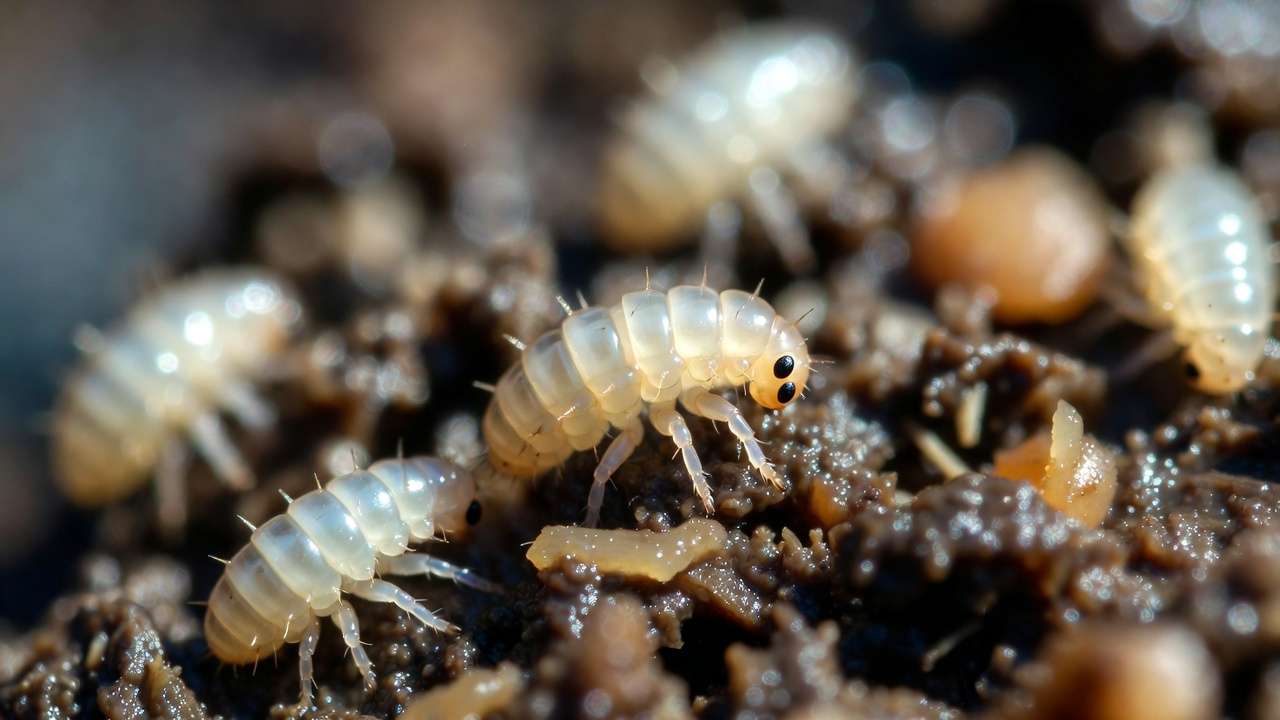
Catching these early prevents bigger headaches and protects finished compost quality for your vegetables, flowers, and fruit trees.
How to Identify What’s in Your Compost Pile (Step-by-Step Guide) 🔍
Panic less, observe more. Use this simple field-guide approach:
Visual Identification Chart (Key Features at a Glance)
- Reddish-brown, segmented, moist skin, 2–4 inches → Earthworm (good!) 🪱
- Plump, segmented, gray-brown/tan, tough head, up to 1 inch → Black soldier fly larva (excellent!)
- Tiny white jumping specks (<1/8 inch) → Springtails (good)
- Thread-like white worms, very small → Pot worms / enchytraeids (good in small numbers)
- Small black/brown ants in trails → Ants (mild problem if excessive)
- Tiny fruit flies around surface → Fruit flies (annoying but fixable)
- Small white wriggling larvae + bad smell → House/blow fly maggots (problem)
- Flat, fast-moving brown beetles → Rove beetles (good predators)
Size, Color, and Movement Clues
- Larger, slower, muscular → usually beneficial worms/larvae
- Tiny and frantic → often secondary decomposers or pests
- Dark, armored bodies → soldier flies or beetles (mostly good)
- Pale, soft, fast-wiggling → potential house fly trouble
Location in the Pile
- Deep in warm center → earthworms, soldier fly larvae
- Surface or edges → ants, fruit flies, earwigs
- Under wet layers or boards → slugs, cockroaches
Quick Smell and Temperature Check
- Earthy/mushroomy smell + warm (but not hot) → healthy ecosystem
- Ammonia/rotten + cool/wet → anaerobic → house flies likely
- No smell + dry → ants probable
Bonus Tip Take a quick photo next time you turn the pile. Compare it to online extension-service guides
What to Do About Beneficial Creatures – Encourage Them! 🌟
Once you’ve identified the good guys (earthworms, black soldier fly larvae, springtails, rove beetles, etc.), the goal shifts from “tolerating” them to actively supporting them. A thriving population of beneficial decomposers can cut composting time in half and produce noticeably darker, crumblier, more nutrient-rich finished compost — perfect for mulching fruit trees, enriching vegetable beds, or top-dressing ornamental plants in your Mathbaria garden.
Best Practices to Attract and Keep Good Bugs
- Maintain moisture at 40–60% (squeeze test: a handful should feel like a wrung-out sponge, with only a drop or two of water).
- Keep the pile aerated — turn every 5–10 days with a pitchfork or aerator tool to prevent anaerobic zones.
- Feed them diverse materials: kitchen scraps + plenty of carbon-rich “browns” (dry leaves, shredded cardboard, straw, sawdust) to balance nitrogen.
- Provide shelter: partially bury fresh food scraps under 10–15 cm of finished compost or browns so worms and larvae stay protected from direct sun and birds.
- Avoid extreme heat spikes — if the pile regularly exceeds 140–150°F (60–65°C), worms migrate to the cooler edges; moderate hot composting (120–140°F) is fine for soldier flies.
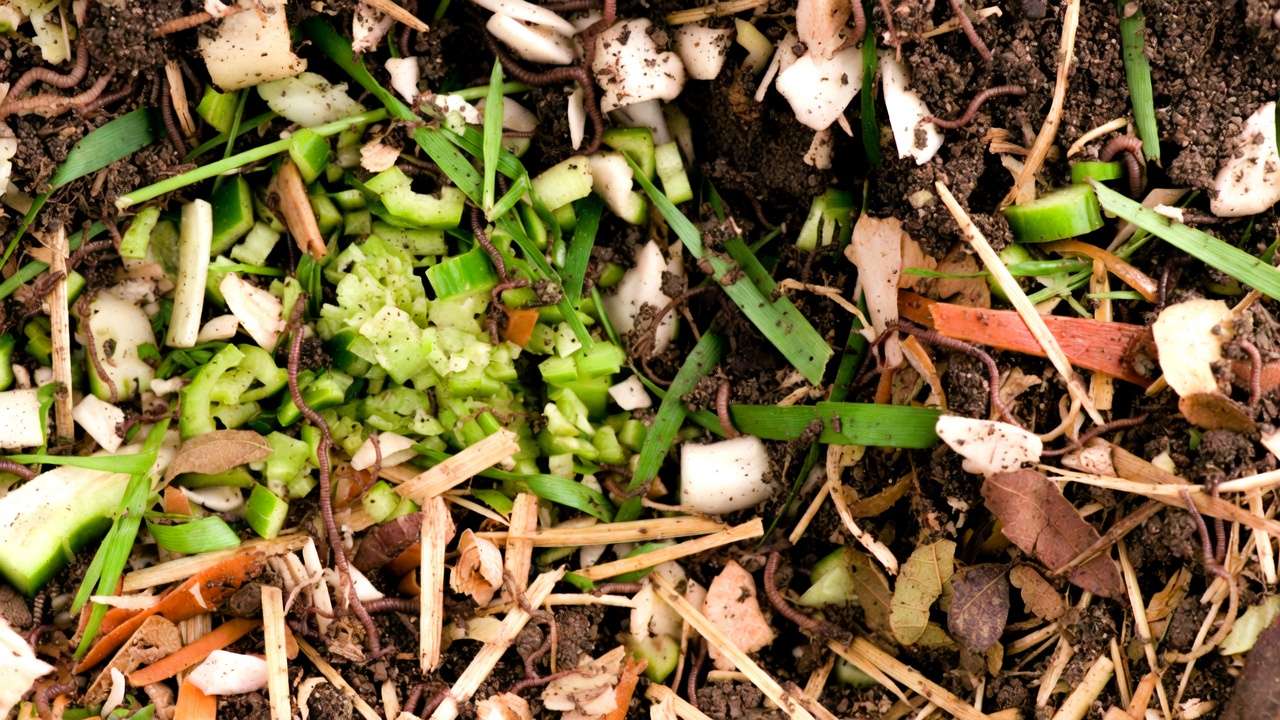
Adding Worms Intentionally (Vermicomposting Tips) 🪱 If your pile lacks worms, introduce 500–1,000 red wigglers (available from local nurseries, online suppliers in Dhaka, or fellow gardeners). Start small in a dedicated bin or trench:
- Layer moist shredded newspaper/cardboard as bedding.
- Add worms + a handful of kitchen scraps.
- Keep in shade, harvest castings every 2–3 months. Pro tip for Barisal’s humid climate: use a bin with good drainage holes and elevate it slightly to prevent waterlogging during monsoon season.
Materials That Support Beneficial Populations
- High success with: coffee grounds, tea bags, crushed eggshells (for grit), banana peels, vegetable trimmings.
- Avoid or limit: citrus peels (in excess), onion/garlic (strong odors can repel worms temporarily), meat/dairy (attracts flies and rodents), diseased plant material.
Healthy populations self-regulate — when food is plentiful and conditions are right, numbers grow naturally. You’ll notice the pile “disappearing” faster and feeling warmer (but not scorching) with an earthy fragrance.
How to Manage or Eliminate Problematic Insects Safely 🛡️
The key principle: fix the conditions causing the problem rather than attacking the insects directly. Chemical pesticides have no place in compost — they kill beneficial microbes and can persist into your garden soil.
Natural Deterrents and Adjustments
- Fruit flies / fungus gnats → Bury fresh scraps 15–20 cm deep, cover with a thick layer of dry leaves or finished compost, add a sprinkle of diatomaceous earth (food-grade) on the surface. Reduce fruit/vegetable scraps temporarily and increase browns.
- Ants → Moisten the pile evenly (ants hate soggy conditions), remove exposed sweet scraps, place citrus peels or used coffee grounds around the perimeter as a mild repellent.
- House fly / blow fly maggots → Turn the pile thoroughly to introduce oxygen, add generous dry carbon material (shredded paper, dry grass clippings), and cover food waste completely. The heat and oxygen shift usually eliminates them within days.
- Cockroaches, earwigs, slugs → Improve drainage (add more absorbent browns), turn more frequently, reduce overly wet layers. For slugs, place a board on the surface at night and check/remove in the morning.
Safe Physical Removal Methods
- Scoop out heavily infested surface layers and relocate to a hot, active section of the pile.
- Use a fine-mesh screen to sift finished compost and remove unwanted larvae before application.
- For indoor bins: freeze scraps for 24–48 hours before adding to kill eggs/larvae.
When and How to Use Organic Interventions Only as a last resort: neem cake or neem oil diluted and lightly sprayed on the surface (sparingly — it can slow decomposition if overused). Bacillus thuringiensis israelensis (Bti) products target fly larvae specifically and are safe for worms when used as directed.
Preventing Re-Infestation Long-Term
- Maintain the classic 3-part balance: greens (nitrogen), browns (carbon), air + water.
- Chop materials small for faster breakdown.
- Site bins in partial shade with good airflow.
- Monitor weekly — early tweaks prevent outbreaks.
Caution Box ⚠️ Never use synthetic insecticides, mothballs, or bleach in compost. These kill the entire microbial food web and can contaminate your garden for months.
Common Myths About Bugs in Compost – Busted! 💥
Misinformation about compost critters is everywhere — from neighborhood gossip to outdated blog posts. Let’s clear up the most persistent myths so you can compost with confidence.
Myth 1: All worms are good (and the more the better) Reality: While earthworms and red wigglers are fantastic, an explosion of tiny white pot worms (Enchytraeids) often signals overly acidic, waterlogged, or cold conditions. They’re not harmful, but they’re a symptom of imbalance rather than a sign of perfection. True composting champions are the larger red wigglers and nightcrawlers — pot worms are more like “backup singers.”
Myth 2: Any insect in the compost means it’s bad or diseased Reality: The opposite is usually true! A diverse population of springtails, mites, soldier fly larvae, rove beetles, and worms indicates active, aerobic decomposition. Sterile, bug-free compost is often too hot, too dry, or chemically imbalanced — and usually breaks down very slowly. Healthy compost should look alive.
Myth 3: Hot compost kills all insects (and that’s what you want) Reality: Sustained temperatures above 140–160°F (60–71°C) do kill most pathogens, weed seeds, and fly larvae — but beneficial worms and many helpful invertebrates move to the cooler outer layers to survive. Once the pile cools, they return. Completely bug-free hot compost is rare and not necessarily better; moderate-temperature composting with helpers often produces richer, more microbially diverse end product.
Myth 4: Maggots always mean the compost is rotting and dangerous Reality: Black soldier fly larvae look scary but are one of the best things that can happen to a compost pile. House fly maggots, however, do indicate anaerobic trouble. Learn to tell them apart (chunky & armored vs. small & pale) and you’ll stop fearing every wriggler.
Myth 5: You should immediately start over if you see cockroaches or ants Reality: These are almost always fixable symptoms of excess moisture or exposed food. Adjust conditions and the problem usually resolves within 1–2 weeks without restarting the entire system.
Busting these myths saves gardeners time, stress, and perfectly good compost. Observation beats reaction every time.
Real-Life Examples and Case Studies 📸
Let’s make this practical with stories from real gardeners (names changed for privacy):
Example 1: The “Maggot Panic” That Turned into a Superpower A vegetable gardener in Patuakhali added a big batch of fish scraps and melon rinds in early summer. A week later: thousands of fat, segmented larvae. After a quick photo comparison, they realized these were black soldier fly larvae — not house flies. Instead of discarding the pile, they buried fresh scraps deeper and added more dry leaves. Result? The pile shrank by 60% in six weeks, finished compost was dark and crumbly, and nearby papaya trees showed noticeably better growth after application.
Example 2: Ant Invasion Fixed with One Simple Change A Barisal-area fruit tree enthusiast kept finding ants trailing into their open compost heap during the dry season. The pile smelled slightly sweet and felt dusty-dry. Solution: They watered the pile thoroughly once, then covered all new additions with a 10 cm layer of chopped dry banana leaves. Ants disappeared within four days, worms reappeared, and decomposition picked up speed.
Example 3: Urban Balcony Vermicomposting Success A Dhaka apartment dweller started small with a 50-liter plastic bin and 300 red wigglers. Despite initial worry about “bugs escaping,” regular misting, weekly gentle turning, and burying scraps kept the system odor-free and productive. After four months they harvested their first castings — enough to fertilize balcony chilies, tomatoes, and a potted mango tree with excellent results.
These real outcomes show that most “problems” are actually opportunities once you understand the ecosystem.
Seasonal Considerations for Insect Activity 🍂❄️☀️
Insect populations in compost shift with the calendar — especially in a subtropical climate like Bangladesh.
Spring and Summer Peaks (March–September) Warm temperatures + monsoon moisture = explosion of soldier fly larvae, fruit flies, and worms. This is peak decomposition season. Keep turning frequently and burying food deeply to manage flies.
Fall and Winter Behavior (October–February) Cooler, drier air slows activity. Worms move deeper; soldier flies mostly disappear; ants and earwigs may seek shelter in the pile. Add extra browns to insulate and maintain some warmth.
Regional Differences
- High-humidity coastal Barisal Division → more slugs, fungus gnats, soldier flies
- Inland drier areas → ants more common
- Urban balconies → fruit flies indoors if scraps aren’t buried
Adjust expectations and maintenance rhythm to the season — your compost will stay productive year-round.
Frequently Asked Questions (FAQs) ❓
Here are the questions I hear most often from gardeners just like you in Barisal Division and beyond when they spot movement in their compost.
Are white worms in compost good or bad? Usually good — especially if they’re small, thread-like pot worms (Enchytraeids). They help break down organic matter in wetter, more acidic conditions. However, if they completely dominate and the pile smells sour, it’s a sign to add more dry browns (leaves, cardboard) and turn more often to restore balance. Larger reddish earthworms or red wigglers are even better indicators of excellent compost health.
Can I use compost with insect larvae in my vegetable garden or around fruit trees? Yes — with one important check. Black soldier fly larvae and earthworm castings are fantastic (full of nutrients and beneficial microbes). House fly or blow fly maggots are best avoided on edible crops because they can indicate pathogen-friendly conditions. Solution: Let the pile finish breaking down fully (no visible larvae left) and/or sift the compost through a ½ cm mesh screen before applying to beds or tree root zones. Mature, dark, earthy-smelling compost is safe and beneficial regardless of past visitors.
How do I get rid of fruit flies in my compost bin? Quick fixes that work well:
- Bury all fresh kitchen scraps 15–20 cm deep under finished compost or dry leaves.
- Sprinkle a thin layer of food-grade diatomaceous earth on the surface (it dehydrates adult flies).
- Reduce fruit/vegetable additions for a week and boost browns.
- Place a small trap nearby (jar with apple cider vinegar + drop of dish soap). Most fruit fly populations crash within 5–10 days once food isn’t exposed.
Is it normal to have bugs in indoor compost? Yes, but usually in smaller numbers. Indoor bins (bokashi or worm bins) often host springtails, pot worms, and occasional fruit flies if scraps aren’t buried. Fruit flies indoors are more noticeable — use the same burial + trap method. Keep the bin in a tray to catch any escapees and maintain good ventilation. A healthy indoor system still has visible life; completely sterile compost usually means it’s too dry or hasn’t started working yet.
Should I start over if I find cockroaches in my compost? No need — cockroaches are scavengers drawn to wet, starchy, sheltered spots. Remove any exposed food, turn the pile thoroughly, add absorbent browns (shredded paper, dry grass), and improve drainage/airflow. They typically leave within 1–2 weeks once conditions change. Restarting is only necessary if you have a severe rodent problem or persistent foul odors after corrections.
Do soldier fly larvae eat my worms? Rarely. Black soldier fly larvae are extremely efficient at consuming soft, high-nitrogen waste before worms get to it, but they don’t actively hunt worms. In fact, once soldier flies finish their work and pupate, worms often move in to finish the job. Coexistence is common in warm-climate compost systems.
Will ants ruin my compost? Not usually — they’re more of a nuisance than a destroyer. Large colonies can dry out sections or displace worms, but simply moistening the pile evenly and covering food scraps almost always sends them elsewhere within days.
My compost smells bad and has lots of small white maggots — what now? Likely house fly or blow fly larvae + anaerobic conditions. Immediate action: Turn the pile several times over a couple of days, mix in lots of dry carbon material (shredded newspaper, dry leaves, sawdust), and cover any exposed food. The oxygen boost and moisture absorption usually eliminate the smell and unwanted larvae quickly.
Conclusion 🌿
Seeing worm or insect presence in compost doesn’t mean something’s wrong — in fact, it’s usually a green flag that your pile is alive, active, and working exactly as nature intended. The vast majority of creatures you’ll encounter (earthworms, black soldier fly larvae, springtails, rove beetles) are powerful allies speeding up decomposition and creating superior, microbe-rich humus for your plants and trees.
The few genuine troublemakers (fruit flies, house fly maggots, excessive ants) almost always signal simple imbalances — too wet, too dry, not enough air, or exposed food — that you can correct in days with basic adjustments: turn more often, bury scraps deeper, balance greens and browns, and monitor moisture.
Next time you lift the lid or turn the pile and spot movement, take a calm breath, observe closely, and use the identification clues from this guide. Most likely, you’ll smile and think, “My compost is thriving!”
Keep nurturing that living system — your garden (and the soil under your fruit trees here in Mathbaria) will reward you with healthier plants, better yields, and the quiet satisfaction of closing the nutrient loop at home. 🌱
Have you met any interesting compost creatures lately? Drop a comment below — I’d love to hear your stories and help troubleshoot if needed! Happy composting! 🪱💚











