
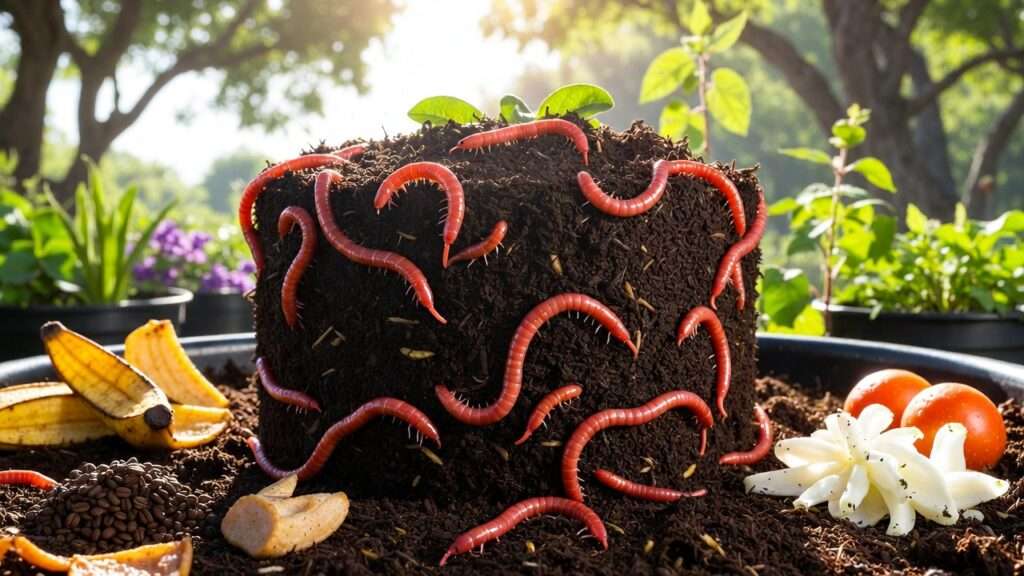
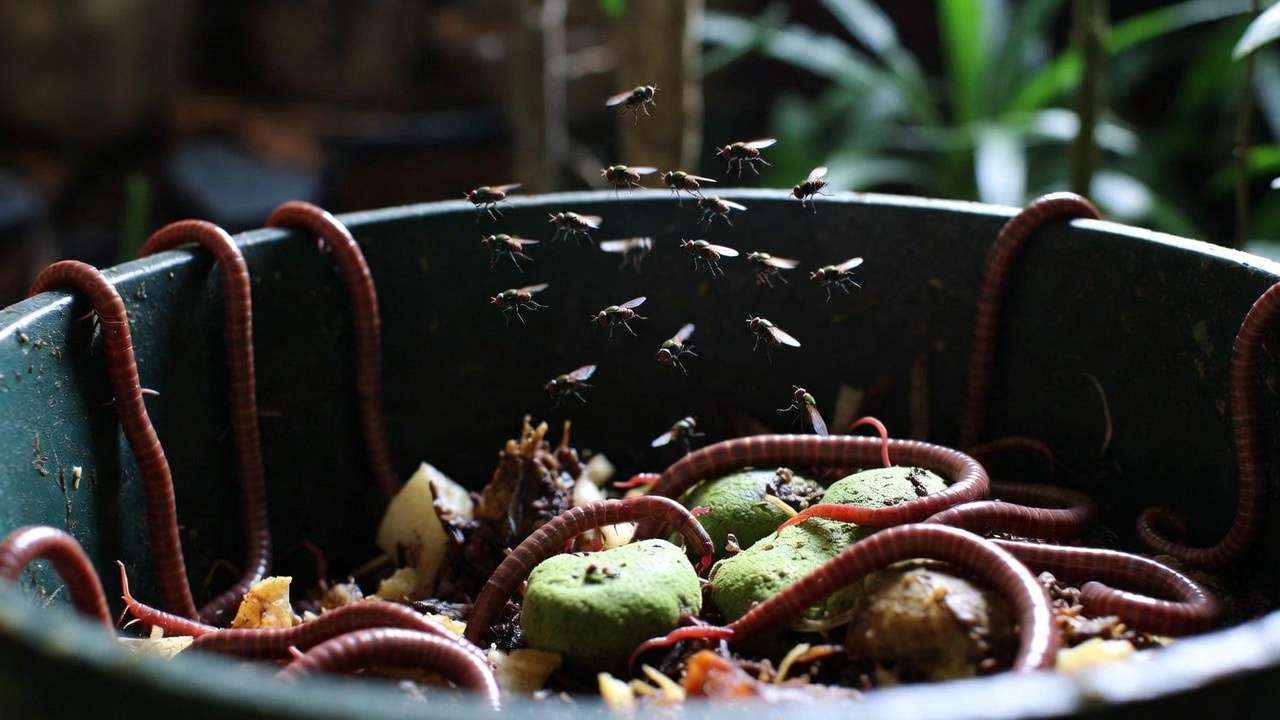
Imagine this: You’ve carefully set up your worm bin, added a thriving population of red wigglers, and you’re excited to harvest that dark, crumbly “black gold” to nourish your fruit trees, vegetable garden, and houseplants. But one day you open the lid to a foul, ammonia-like stench, swarms of fruit flies, or worse—worms trying to escape or lying lifeless on the surface. 😩
The culprit? Often, it’s something as simple as the wrong kitchen scraps tossed in without thinking. Many well-meaning gardeners unknowingly add foods that disrupt the delicate balance in a worm bin, leading to poor vermicompost quality, worm stress, or even colony collapse.
If you’ve ever searched for which foods to avoid in worm bins, you’re not alone—this is one of the most common pain points for beginners and seasoned vermicomposters alike. Getting it right matters hugely because high-quality vermicompost is one of the best natural fertilizers you can make at home. It boosts soil structure, enhances nutrient availability, improves water retention, and promotes healthier roots and more vibrant growth in plants and trees—far superior to many commercial options.
In this comprehensive guide, we’ll cover exactly which foods to avoid in worm bins, explain the science-backed reasons why they’re problematic, share safe feeding alternatives, troubleshoot common issues, and show how proper worm bin management translates to thriving gardens. Whether you’re composting indoors in a small apartment bin or scaling up for a backyard orchard, these expert insights will help you produce premium castings that make every plant happier. Let’s dive in! 🪴✨
Understanding Vermicomposting Basics: A Quick Refresher for Healthy Worms 🪱
Before we get to the “don’t feed” list, let’s make sure we’re on the same page about what makes red wigglers (Eisenia fetida)—the superstar composting worms—happy and productive.
Red wigglers are surface-dwelling decomposers that thrive in moist, aerated bedding with a near-neutral pH (ideally 6.0–7.5). They breathe through their skin, so excess moisture, fats, or irritants can suffocate them quickly. A healthy bin maintains the classic “greens vs. browns” balance: roughly 1 part nitrogen-rich food scraps (greens) to 2–3 parts carbon-rich bedding like shredded paper, cardboard, or coconut coir (browns). This prevents anaerobic conditions that cause bad smells and harmful bacteria.
Why do food choices matter so much? Worms process organic matter through their gizzard (with help from grit like eggshells) and gut microbes, producing castings loaded with plant-available nutrients (nitrogen, phosphorus, potassium), beneficial microbes, and growth-promoting hormones. Mess up the diet, and you risk imbalanced pH, mold outbreaks, pest attraction, or toxic byproducts—ruining the vermicompost your plants and trees depend on.
Pro tip from extension services (like USDA and university programs): Start small, monitor weekly, and always bury fresh food under 2–3 inches of bedding to minimize odors and flies. 🛡️
The Definitive List: Which Foods to Avoid in Worm Bins (And Why) 🚫🍎
This is the heart of your question—which foods to avoid in worm bins—and we’ve compiled the most exhaustive, reason-backed list possible, drawing from university extension resources, experienced worm farmers, and real-world troubleshooting.
Highly Problematic Foods – Avoid Completely ⚠️
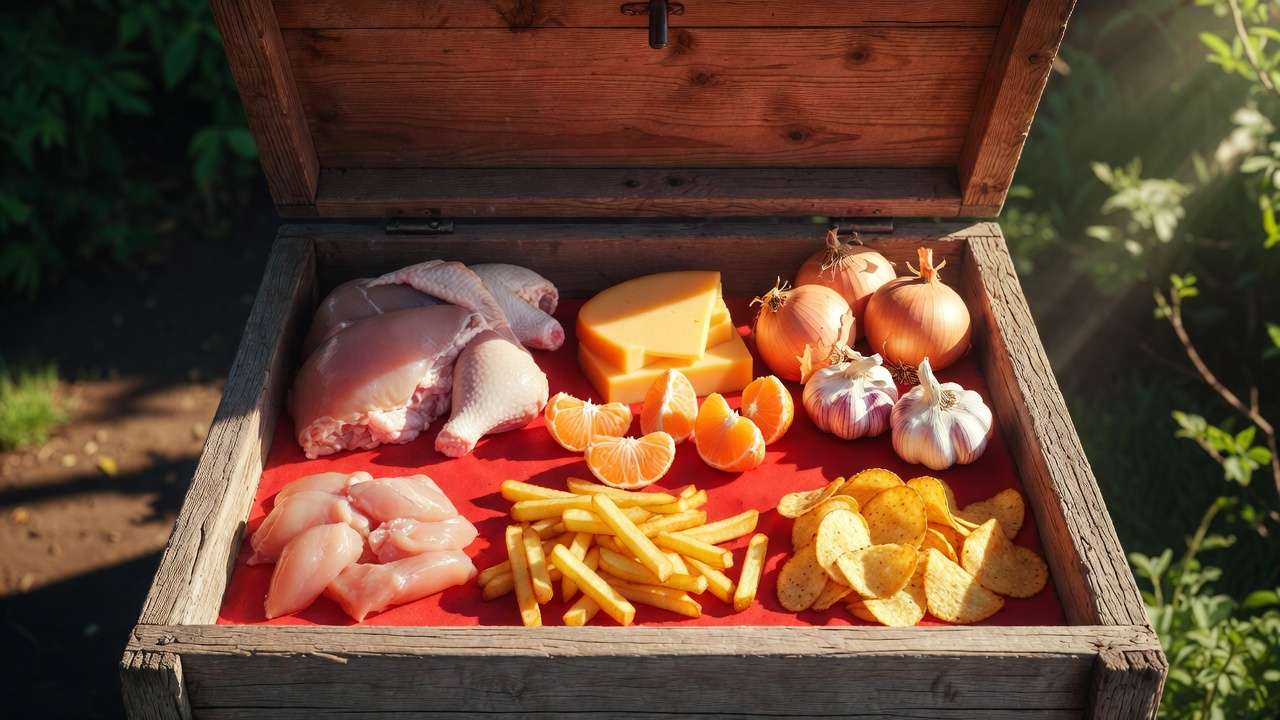
- Meat, fish, poultry, bones, and animal products These decompose anaerobically, producing rancid odors, attracting rodents, flies, and maggots, and potentially introducing harmful pathogens. Worms don’t efficiently break them down, and the bin can become a health hazard.
- Dairy products (cheese, milk, yogurt, butter) High fat content leads to anaerobic rot, slimy conditions, and foul smells. Fats coat worm skin, interfering with respiration.
- Oils, greasy/fried foods, and lard Similar to dairy—oils create a barrier on bedding and worms, block oxygen, and turn rancid fast. Avoid anything cooked in oil.
- Salty or heavily processed foods (chips, pretzels, pickles, soy sauce-soaked scraps) Excess salt dehydrates worms and disrupts their osmoregulation. Processed items often contain preservatives that harm beneficial microbes.
Acidic Foods – Limit Severely or Skip Entirely 🍋
- Citrus fruits and peels (oranges, lemons, limes, grapefruit) High acidity (plus limonene compounds) can drop bin pH dangerously low, irritating or harming worms. Many experts recommend avoiding citrus completely, especially in small bins.
- Pineapple Contains bromelain enzymes that can break down worm tissues if added in quantity.
- Tomatoes and tomato-based scraps (in large amounts) Acidic and can ferment quickly, leading to pH swings and mold.
Spicy & Pungent Foods – Use Extreme Caution 🌶️
- Onions, garlic, leeks, and chives Sulfur compounds and strong odors irritate worm skin and can repel them. Some worm keepers add tiny amounts successfully after pre-composting, but most advise limiting or avoiding to prevent slowdowns.
- Hot peppers and spicy scraps Capsaicin burns worm skin (they lack protective mucus like earthworms). Worms often avoid these entirely.
Starchy & Fermentable Foods – Small Amounts Only 🍞
- Bread, pasta, rice, potatoes, oatmeal These mold rapidly in moist conditions, attract mites/mites, and ferment into alcohol/acids if overfed. Chop finely and mix with browns if using sparingly.
Other Sneaky Offenders to Skip
- Diseased or pesticide-treated plant material Chemicals (especially systemic pesticides on fruit peels) can kill worms.
- Pet feces, human waste, or cat litter Pathogen risks and potential toxins.
- Glossy magazines, metallic paper, or non-organic materials Inks and coatings release toxins.
Quick-reference table idea (visualize this in the final layout):
| Foods to Avoid | Main Reason | Risk Level | Plant Impact if Bin Fails |
|---|---|---|---|
| Meat/Dairy/Oils | Rancid odors, pests, pathogens | High | Poor castings = weak roots |
| Citrus/Pineapple | Acidity, toxic compounds | High | Unhealthy worms = low output |
| Onions/Garlic/Spicy | Irritation, odor repulsion | Medium | Slower decomposition |
| Starchy scraps (excess) | Mold, fermentation | Medium | Nutrient imbalance |
Always err on caution—better safe than restarting a bin! 🛑
What TO Feed Your Worms – The Best Foods for Nutrient-Rich Castings 🥕🍌
To balance the warnings, here’s what red wigglers love—and how these choices create superior vermicompost for your plants.
Top favorites include:
- Vegetable scraps: Carrots, lettuce, zucchini, broccoli stems (high nitrogen for lush growth)
- Fruit peels: Banana (potassium boost for fruit trees), melon rinds, apple cores (minus seeds if concerned)
- Coffee grounds & paper filters (mild acidity, nitrogen; great microbial food)
- Crushed eggshells (calcium for worm digestion + prevents blossom-end rot in tomatoes)
- Squash, pumpkin, cucumber (soft, watery, loved by worms)
Feeding guideline: Chop scraps small, bury them, and feed only what worms can finish in 3–7 days (about ½ lb food per 1 lb worms weekly). Rotate types for balanced nutrition.
Example weekly chart:
- Monday: Banana peels + coffee grounds 🍌☕
- Wednesday: Veggie trimmings 🥕
- Friday: Small fruit mix + eggshells 🍎🥚
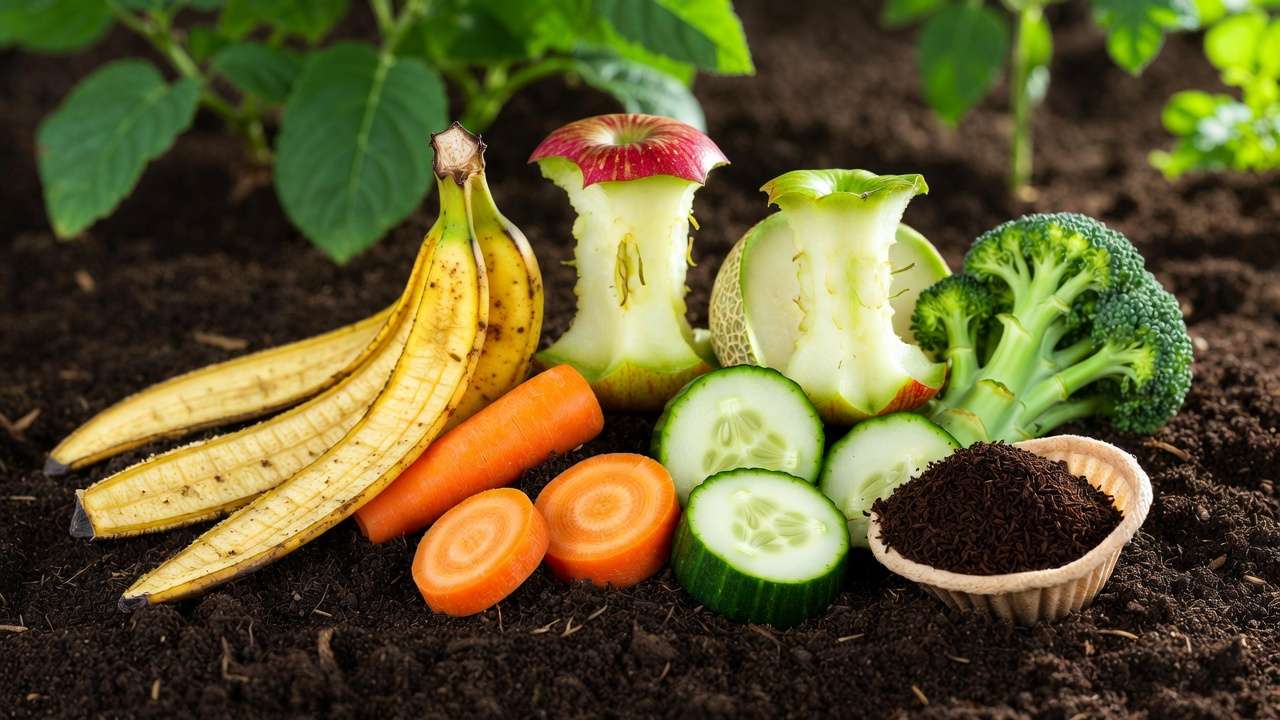
These foods produce castings rich in humic acids, microbes, and slow-release nutrients—perfect for tree root zones and garden beds. 🌳
Common Beginner Mistakes When Feeding Worm Bins (And How to Fix Them) 😩➡️😊
Even experts slip up sometimes. Here are the top feeding-related errors:
- Overfeeding → Leads to uneaten food rotting, odors, and flies. Fix: Start with half portions, wait until 70–80% consumed before adding more.
- Too much acid/greens at once → pH crash. Fix: Balance with extra browns and monitor with pH strips.
- Adding forbidden foods accidentally → (e.g., onion scraps in veggie mix). Fix: Sort kitchen waste separately; freeze scraps to slow decomposition if needed.
- Not burying food → Attracts pests. Fix: Always dig a trench and cover with bedding.
Quick rescue: If you spot trouble, remove offending food, add dry bedding, and aerate gently. Your worms will bounce back fast! 🪱💪
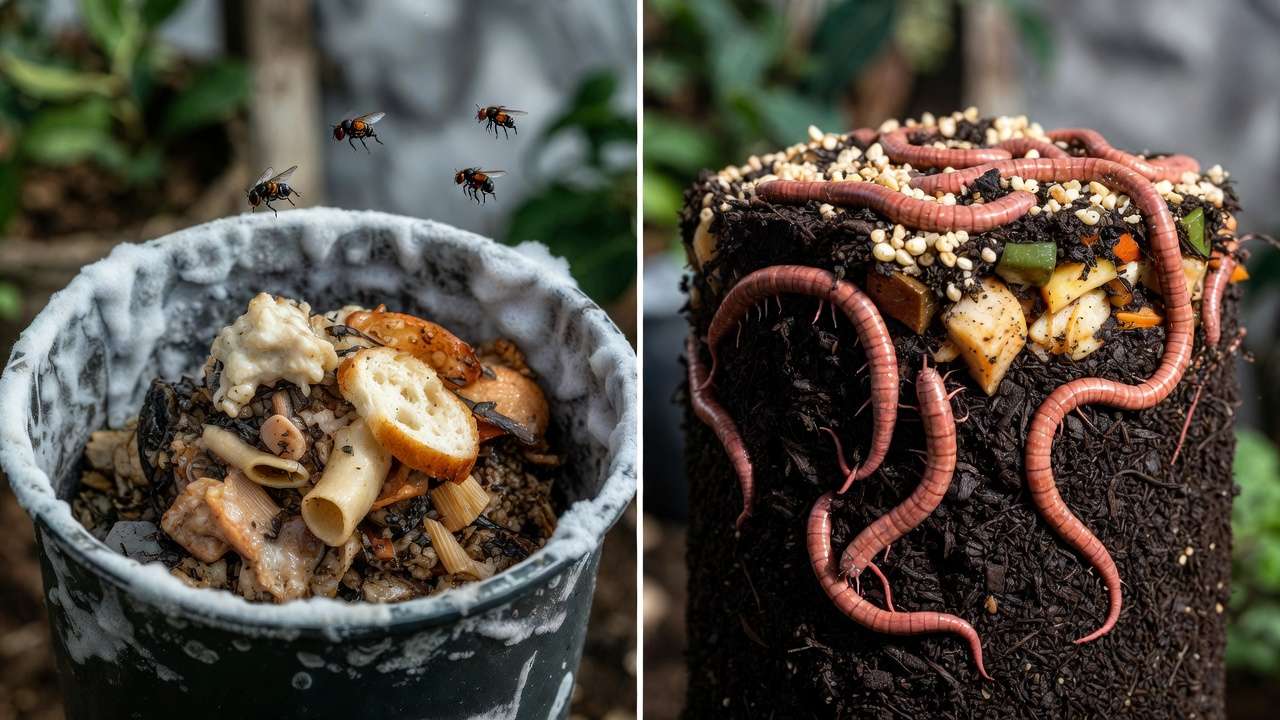
Troubleshooting Worm Bin Problems Caused by Bad Foods
Foul odors? Likely anaerobic rot from meat/dairy/oils or overfeeding. Remove source, add dry carbon, fluff bin.
Worms escaping/dying? Check for acidity (citrus/onion overload) or extremes in moisture/temp. Adjust and relocate if needed.
Pests (fruit flies, mites)? Cut feeding, cover scraps, use apple-half traps. 🪰
Mold outbreaks? Too many starchy items—reduce and increase airflow.
These fixes keep your bin humming and your future castings top-notch.
How Healthy Vermicompost Transforms Your Plants and Trees 🌳✨
The real magic of avoiding problematic foods isn’t just keeping worms alive—it’s unlocking the full potential of vermicompost to supercharge your garden and orchard. When your bin runs smoothly on a safe, balanced diet, the castings you harvest are truly exceptional.
Vermicompost (also called worm castings or vermicast) stands apart from regular compost or manure because:
- Higher nutrient availability — Earthworms’ digestive process makes nitrogen, phosphorus, potassium, calcium, and micronutrients far more plant-accessible than in traditional compost. Studies from Cornell University and other extension programs show vermicompost often contains 5–11 times more soluble nutrients.
- Rich microbial life — Beneficial bacteria, fungi, actinomycetes, and protozoa create a living soil food web that suppresses pathogens and improves nutrient cycling.
- Plant growth hormones & enzymes — Castings naturally contain auxins, gibberellins, and cytokinins that promote stronger root development, faster germination, and more vigorous vegetative growth.
- Improved soil structure — The fine, crumbly texture enhances aeration, water retention, and drainage—critical for tree roots that dislike compacted or waterlogged soil.
- pH buffering & disease resistance — Vermicompost tends to stabilize soil pH and contains compounds that help plants resist fungal diseases (e.g., damping-off, root rot) and some pests.
Real-world benefits for your plants and trees include:
- Fruit trees (mango, citrus, guava, jackfruit—common in Bangladesh and similar climates): Better fruit set, larger size, improved flavor, and resistance to blossom-end rot thanks to steady calcium supply.
- Vegetable gardens: Darker green foliage, higher yields (tomatoes, brinjal, okra, leafy greens), and longer harvest periods.
- Ornamentals and houseplants: More blooms, thicker stems, and recovery from transplant stress.
- Overall soil health: Reduced need for chemical fertilizers, better drought tolerance, and long-term carbon sequestration.
One gardener I know (shared in vermiculture forums) reported doubling tomato yields and seeing noticeably sweeter fruit after switching to a strict “no citrus, no meat/dairy” feeding regimen and top-dressing with 1–2 inches of fresh castings around the root zone each season. That kind of transformation is what we’re aiming for when we’re careful about which foods to avoid in worm bins. 🪱➡️🌿
Expert Tips & Advanced Strategies for Pro-Level Worm Bins 🧑🌾
Once you’ve mastered the basics, these techniques take your vermicomposting to the next level—especially useful if you’re producing castings for a larger garden or small homestead.
Pre-Treating Tricky Foods (When You Really Want to Use Them)
Some borderline items can be made safer:
- Freeze citrus peels or pineapple scraps for 24–48 hours → breaks cell walls and reduces acidity/enzyme activity.
- Boil or microwave onions/garlic briefly → neutralizes sulfur compounds.
- Pre-compost starchy scraps in a separate hot pile for 2–3 weeks → turns them into safer material before adding to worms.
Use these sparingly and only if your bin is large and well-established.
Monitoring pH and Moisture Like a Pro
- Invest in inexpensive soil pH test strips or a digital probe (target 6.2–7.0).
- Squeeze-test moisture: Bedding should feel like a wrung-out sponge—no dripping.
- If pH drops (from too much fruit/acidic scraps), sprinkle crushed eggshells or agricultural lime sparingly and add extra shredded cardboard.
Scaling Up for Larger Gardens/Orchards
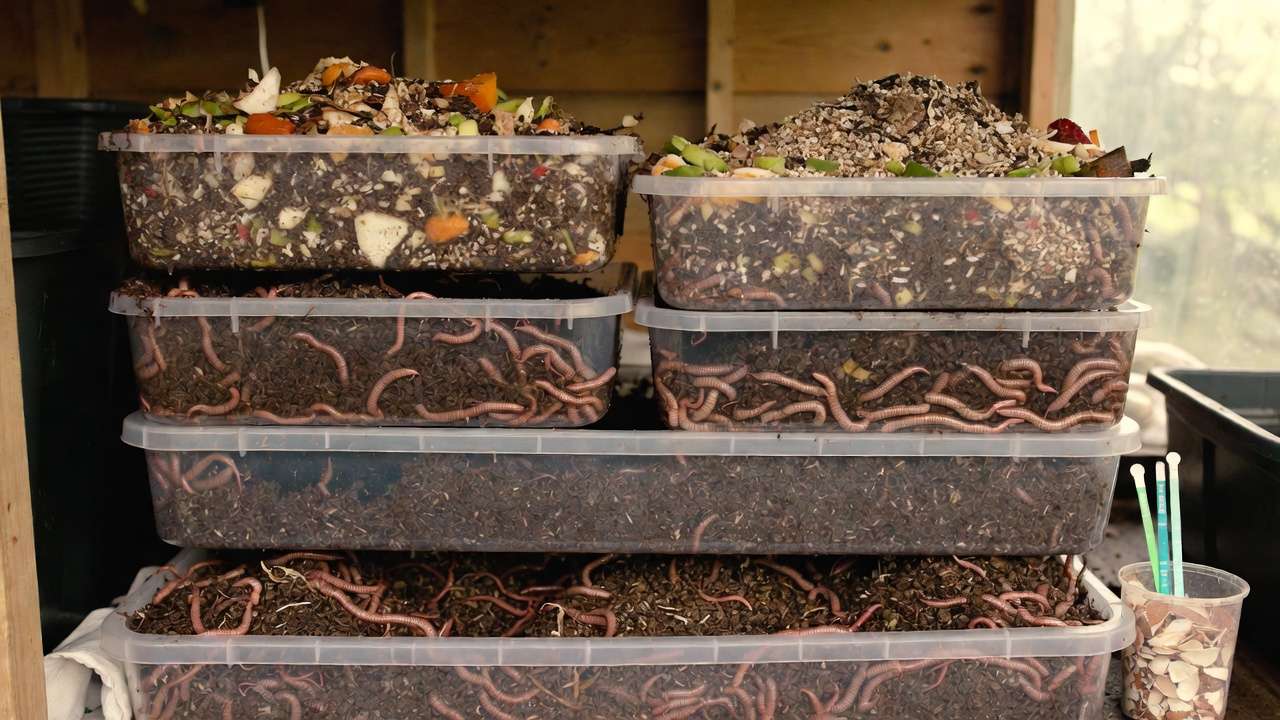
- Move to flow-through or continuous-flow bins (e.g., stacked trays or a DIY wooden frame system) for higher volume.
- Dedicate separate bins: one for “safe everyday scraps” and another experimental bin for testing borderline foods.
- Harvest castings every 3–6 months by separating worms (light/ migration method or screen sifting).
Seasonal Feeding Adjustments
In hot, humid climates (like much of Bangladesh):
- Feed more frequently but in smaller amounts to prevent overheating and anaerobic pockets.
- Increase browns (dry leaves, coconut husk) during monsoon to absorb excess moisture.
- In cooler/dry months, add slightly more moist greens and mist bedding if it dries out.
These tweaks keep worms active year-round and maintain consistent casting production. 🌞🌧️
Frequently Asked Questions (FAQs) About Foods to Avoid in Worm Bins ❓
Can worms eat banana peels? Yes—banana peels are one of their favorites! High in potassium, they break down quickly and produce excellent castings for fruiting plants and trees. 🍌
Is coffee bad for worms? Coffee grounds are great in moderation (up to 10–20% of food volume). They’re mildly acidic but worms love them, and the grounds encourage microbial activity.
What if I accidentally added meat or cheese? Remove as much as possible immediately, add lots of dry bedding, aerate the bin, and monitor for odors/flies. Most colonies recover if the mistake was small and caught quickly.
How much citrus is too much? Best answer: none in small bins. In very large, mature systems, a tiny amount (less than 5% of total food) once a month might be tolerated—but why risk it when so many safer options exist?
Do worms eat eggshells? Yes, but crush them finely first. Eggshells provide essential grit for worm digestion and add calcium to your castings—perfect for preventing blossom-end rot in tomatoes and peppers.
Why are my worms avoiding certain vegetables? They may avoid very pungent (onions), acidic, or tough items. Chop smaller, bury deeper, or pre-compost those scraps.
Can I feed worms bread or rice? Small amounts, mixed well with browns, are okay. Large quantities mold and ferment quickly—limit to occasional treats.
How do I stop fruit flies? Bury all food deeply, reduce feeding amount, cover surface with dry bedding, and use a vinegar trap nearby. Prevention is much easier than cure!
Are tea bags safe? Yes—paper or muslin tea bags (remove staples) are excellent. Plastic-based “silky” bags should be avoided.
How long until my bin recovers after a bad food mistake? Usually 1–3 weeks with prompt correction, extra browns, and reduced feeding. Worms are resilient!
Conclusion: Start Avoiding These Foods Today for Happier Worms & Healthier Plants 🪱❤️🌿
Mastering which foods to avoid in worm bins is one of the fastest ways to go from struggling compost to consistent, high-quality vermicompost that genuinely transforms your garden. Skip the meat, dairy, oils, citrus overload, and pungent offenders. Feed generously with veggie scraps, fruit peels, coffee grounds, and eggshells. Keep the bedding balanced, bury food properly, and monitor conditions.
Your reward? Nutrient-dense, microbially alive castings that build stronger roots, boost yields, improve fruit quality, and reduce the need for synthetic fertilizers—perfect for fruit trees, vegetables, ornamentals, and everything in between.
Go check your bin right now: What’s in there that shouldn’t be? Remove it, adjust, and watch your worms (and plants) thrive.
Have your own worm-bin success story or question? Drop it in the comments—I love hearing from fellow plant lovers! Happy composting, and here’s to greener gardens and healthier trees. 🌱🪴✨











