
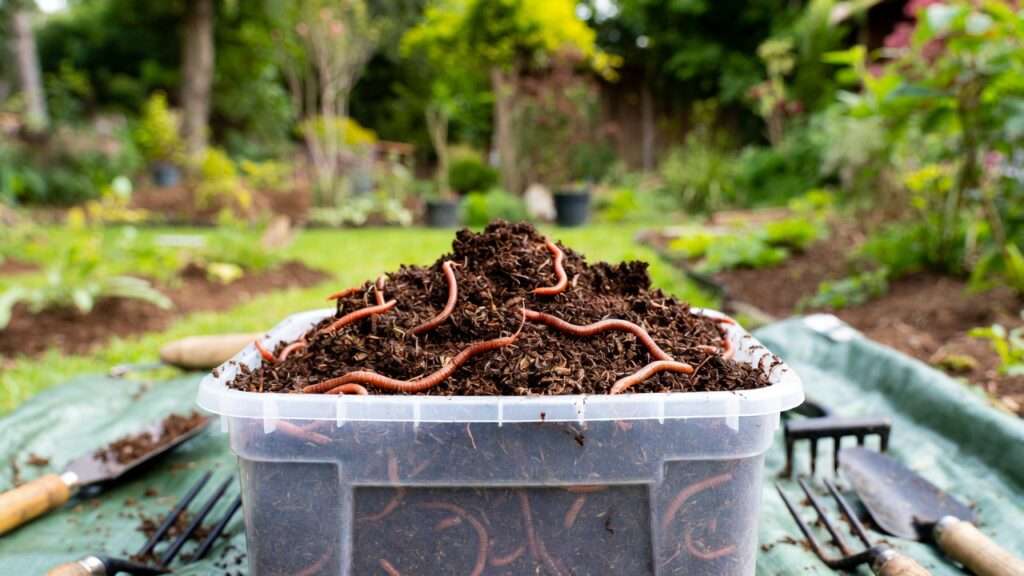
Ever stared at a thriving worm bin overflowing with dark, crumbly “black gold” and wondered, “This vermicompost is perfect for my plants and trees… but how do I separate the worms from the castings without stressing my wrigglers or making a huge mess?” 😅
If you’re a home gardener, plant enthusiast, or tree caretaker practicing vermicomposting, harvesting worm castings is the rewarding payoff — yet how to separate worms from castings remains one of the biggest hurdles. Worms are essential for ongoing composting, but leaving them in the mix can limit usability, while rough handling risks harming your red wigglers (Eisenia fetida) or European nightcrawlers.
In this in-depth guide — drawing from years of hands-on vermicomposting experience, university extension resources, and proven gardener techniques — you’ll discover gentle, efficient methods to harvest pure, nutrient-rich vermicompost. We’ll cover timing, preparation, step-by-step separation strategies (from beginner-friendly to advanced), troubleshooting, and real-world applications for boosting soil health, plant vitality, and tree growth. By the end, you’ll confidently turn kitchen scraps into premium organic fertilizer that enhances root development, improves water retention, and promotes natural disease resistance — all while keeping your worm population happy and productive! 🪱✨
Why Separate Worms from Castings? The Benefits for Your Garden & Trees 🌳
Worm castings — often called vermicompost or “black gold” — are one of nature’s finest soil amendments. Unlike regular compost, vermicompost passes through earthworms’ digestive systems, resulting in a finely textured, nutrient-dense material loaded with bioavailable elements.
Key advantages include:
- Superior nutrient profile — High in plant-available nitrogen (N), phosphorus (P), potassium (K), calcium, magnesium, and micronutrients, plus natural growth hormones and enzymes that stimulate root growth and flowering. Studies show vermicompost often outperforms traditional compost in promoting nitrification (converting ammonium to plant-ready nitrate).
- Enhanced soil structure — Increases porosity, aeration, and water-holding capacity while improving drainage — perfect for heavy clay soils or sandy ones prone to drought. This leads to deeper, healthier roots in trees and perennials.
- Boosted microbial life — Teeming with beneficial bacteria, fungi (including mycorrhizae boosters), and enzymes that suppress soil-borne pathogens like root rot, nematodes, and fungal diseases.
- Stress resistance for plants — Helps mitigate abiotic stresses (drought, salinity) and biotic ones (pests, diseases) by improving plant immunity and nutrient uptake.
- Slow-release, burn-free — No risk of fertilizer burn, making it ideal for seedlings, houseplants, veggies, fruit trees, and ornamentals.
Separating worms ensures you get clean castings for immediate use (e.g., top-dressing trees or mixing into potting soil) while returning healthy worms to fresh bedding for continuous production. It’s a win for sustainability and your garden’s long-term health! ♻️
When Is Your Vermicompost Ready to Harvest? Timing Tips ⏰
Timing is crucial — harvest too early, and you waste potential nutrients; too late, and castings can become compacted or overly moist, stressing worms.
Look for these clear signs your vermicompost is prime:
- Color and texture — Mostly dark brown to black, crumbly like coffee grounds or rich potting soil, with an earthy (not foul) smell.
- Minimal uneaten material — Little to no visible food scraps, bedding chunks, or recognizable organics (70-80%+ processed into castings).
- Bin fullness — Contents dominate the bin (often 6-12 inches deep in trays), or worms cluster near fresh food added recently.
- Timeframe — Typically 3-6 months in ideal conditions (60-80°F / 15-27°C, 70-80% moisture, good airflow). Smaller bins or cooler temps may take longer; warmer, active systems faster.
Pro Tip: Harvest in batches rather than all at once — push finished material aside and add fresh bedding/food to one side for ongoing production. This “split harvesting” keeps your system active year-round! 🌟
Stop feeding 1-2 weeks before harvest to let worms finish processing — this makes separation easier and reduces odors.
Preparing for Harvest: Set Up for Success 🛠️
A smooth harvest starts with preparation. Skipping steps leads to frustration, worm stress, or lost castings.
Essential prep steps:
- Pause feeding — No new food for 7-14 days so worms consume remaining scraps.
- Check moisture — Bedding should be like a wrung-out sponge (60-80% moisture). Too wet? Add dry shredded paper/cardboard. Too dry? Lightly mist.
- Gather supplies — Tarp/plastic sheet, bright lamp or sunlight, gloves, buckets/bins, mesh screen (1/8–1/4 inch hardware cloth), fresh bedding (shredded newspaper, coconut coir, aged manure), and enticing food (e.g., melon rinds for lures).
- Choose location — Work outdoors in shade or indoors under bright light — worms hate direct sun/UV and will burrow away quickly.
With everything ready, you’re set to choose the best method for your setup (small kitchen bin vs. larger tray system). Let’s dive into the top techniques! 🪱
Top Methods to Separate Worms from Castings (Ranked by Ease & Scale) 🪱
Here are the most effective, worm-friendly methods — from hands-off for beginners to efficient for larger systems.
1. Light Harvesting Method (Best for Beginners & Small Bins) ☀️
Red wigglers are photophobic (light-averse), so use bright light to drive them deep while you skim castings.
Step-by-step:
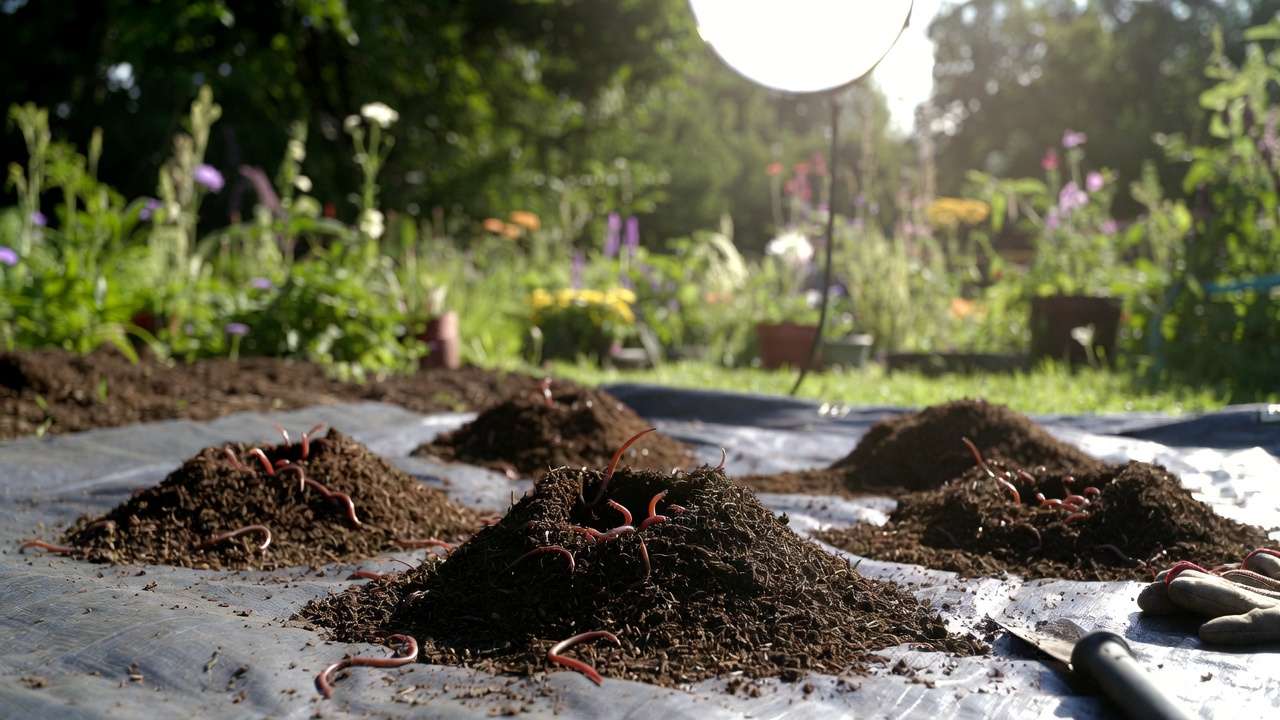
- Dump bin contents onto a tarp in a bright area (or shine a strong lamp).
- Form several small cone-shaped piles (about 12-18 inches high).
- Wait 20-60 minutes — worms burrow to the center/dark bottom to escape light.
- Gently scrape off top/sides of piles with hands or a soft tool — castings fall away.
- Repeat (re-pile, wait, scrape) until mostly worms remain in a tight ball at the bottom.
- Return worms to fresh bedding immediately.
Pros: Low-cost, minimal tools, gentle on worms. Cons: Takes 1-3 hours; works best with drier castings. Expert Insight: Combine with screening for ultra-clean results — shine light on a screen setup so worms drop through! 🌞
2. Migration Method (Hands-Off & Worm-Friendly) 🚀
Let worms do the work — they naturally migrate toward food and fresh bedding.
Sub-methods:
- Horizontal Migration — In single-bin systems, push finished castings to one side; add fresh bedding/food to the empty side. Worms move over 1-2 weeks. Harvest the vacated side (mostly worm-free).
- Vertical Migration (Tray Systems) — Add a new tray with food/bedding on top; worms climb up through holes, leaving castings below. Harvest bottom tray after 2-4 weeks.
- Food Lure/Bag Trick — Bury a mesh bag of irresistible food (e.g., watermelon, coffee grounds) in castings. Worms gather inside — lift out after a few days!
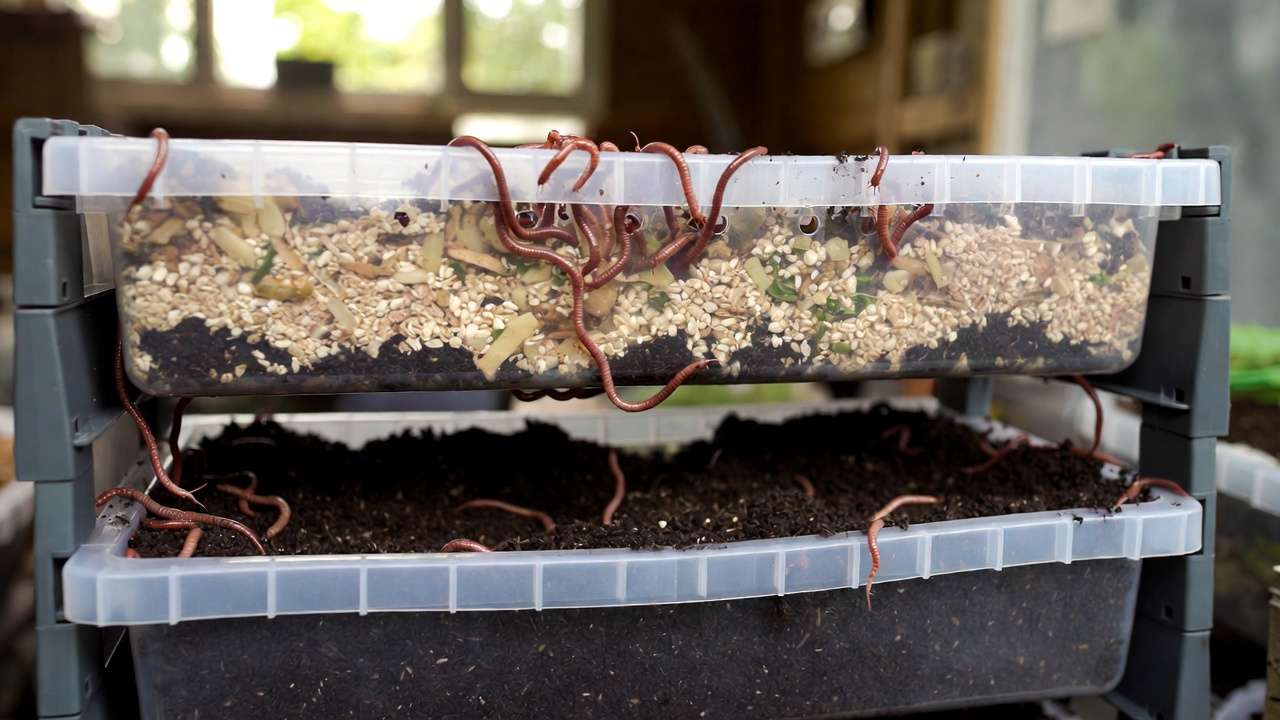
Pros: Low disruption, preserves worm health. Cons: Slower (1-4 weeks). Ideal for continuous-flow or stackable bins. 👜
3. Screening/Sifting Method (For Clean, Professional Results) 🔍
This method delivers the purest castings with minimal worm bits — ideal when you want premium vermicompost for potting mixes, seed starting, or selling/gifting.
Best for: Drier, crumbly castings (moisture ~50-60%).
Step-by-step guide:
- Pre-dry the material slightly if needed (leave bin open 1-2 days or spread thinly in shade).
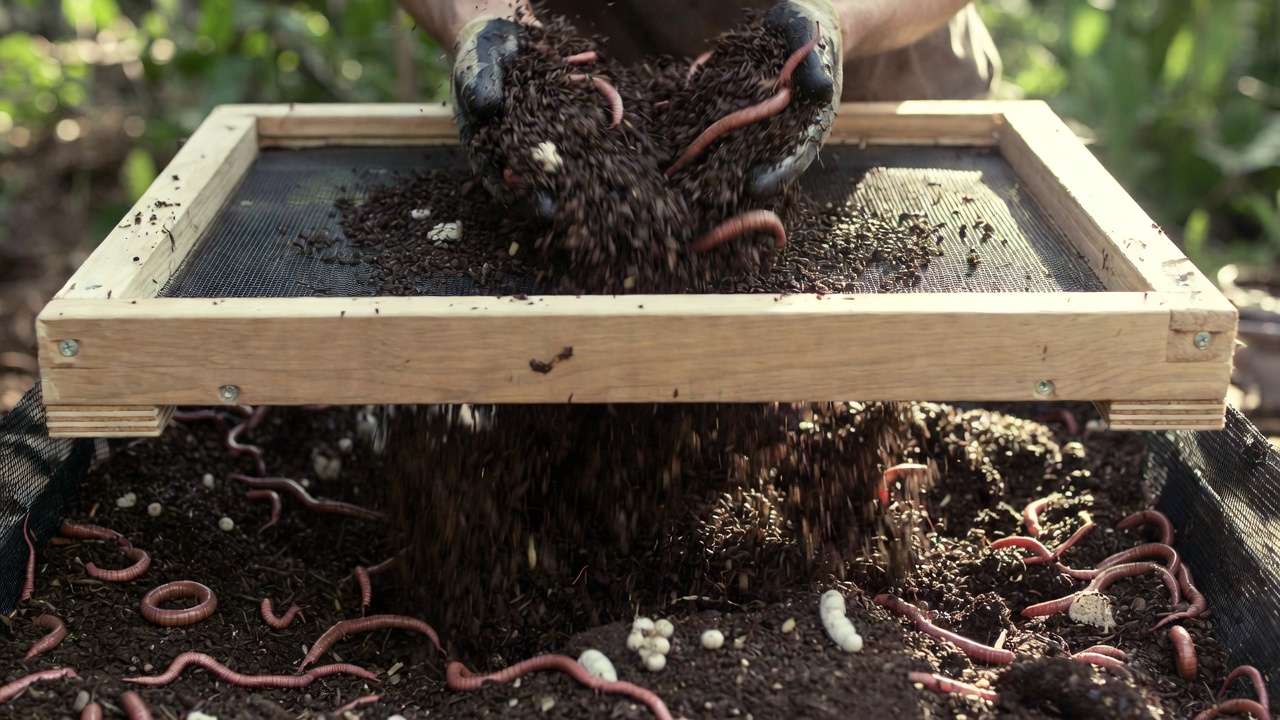
- Set up a sifter: Use 1/8-inch to 1/4-inch hardware cloth stretched over a wooden frame (DIY size: 2×3 ft works well) placed above a large tray or wheelbarrow.
- Add handfuls of vermicompost to the screen.
- Gently shake or rub the material — fine castings fall through; larger chunks, cocoons, and worms stay on top.
- Hand-pick worms and any unprocessed bits from the screen surface.
- Return worms + cocoons to the bin with fresh bedding.
Pros: Fast (30-90 minutes per batch), very clean output, reusable screen. Cons: Requires drier material; can be dusty — wear a mask if sensitive.
Expert Tip: For wet castings, combine with the light method first: shine light on piles until worms cluster, then sift the outer castings. Many commercial vermicomposters use automated trommel screens, but this simple setup gives near-professional results at home for under $25! 🛠️
4. Dump & Hand-Sort (Quick for Small Batches) ✋
Sometimes the simplest method is best — especially for tiny kitchen bins or when you only need a small amount of castings right away.
How to do it:
- Empty the entire bin onto a large tarp or plastic sheet in good lighting.
- Spread the material into a thin layer (1-2 inches thick).
- Work in sections: Use gloved hands or a soft plastic fork to gently pick out visible worms, cocoons, and larger bedding pieces.
- Place worms directly into a bucket with moist fresh bedding.
- Collect castings into containers as you go.
Pros: Immediate results, no special equipment, lets you inspect worm health. Cons: Time-consuming for large volumes; more worm handling.
Best for: Beginners who want to get familiar with their worms or small-scale systems (under 10 gallons). Pro gardeners often do a quick hand-sort after light migration to catch stragglers. 🕵️♀️
Troubleshooting Common Harvesting Challenges ⚠️
Even experienced vermicomposters run into hiccups. Here are the most frequent issues and expert fixes:
- Worms refuse to migrate or leave the castings Cause: Old bedding still appealing, or new side not enticing enough. Fix: Add highly attractive foods (overripe melon, pumpkin, coffee grounds) to the new area. Slightly dry out the finished side (reduce moisture to ~60%) — worms seek moisture and food.
- Castings too wet and clumpy — won’t sift or separate Cause: Overfeeding, poor drainage, or high kitchen waste moisture. Fix: Improve bin drainage pre-harvest (add dry shredded paper/cardboard). Use migration methods first (worms move up/out). For immediate harvest, spread thinly to air-dry 1-2 days in shade before sifting.
- Too many baby worms and cocoons in the harvest Cause: Normal reproduction cycle — red wigglers lay 2-5 cocoons/week. Fix: Gently return babies and cocoons to the bin — they’ll hatch in 3-4 weeks and grow fast. Never discard; they’re your future workforce!
- Unwanted pests appear during harvest (pot worms, mites, fruit flies) Cause: Excess moisture, overfeeding, or warm temperatures. Fix: Reduce moisture, bury food deeper, cover surface with dry bedding. During harvest, mites usually stay in moist pockets — scrape them off. Pot worms (white, thread-like) are harmless but indicate overly wet/acidic conditions — add crushed eggshells or garden lime sparingly.
Always handle worms gently and quickly return them to fresh, moist bedding. A stressed worm population recovers slowly, but happy worms multiply rapidly! 🐛❤️
What to Do with Your Harvested Worm Castings & Leftover Worms ♻️
You’ve done the hard part — now maximize the rewards!
Storing worm castings
- Keep in breathable containers (burlap sacks, 5-gallon buckets with drilled holes, or cloth bags).
- Store in a cool, dark place (50-70°F / 10-21°C).
- Maintain slight moisture (like a wrung-out sponge) — mist if drying out.
- Shelf life: 6-12 months with minimal nutrient loss.
Using vermicompost in plant & tree care
- Potting soil amendment — Mix 10-30% vermicompost into seed-starting or houseplant mixes for better germination and root growth.
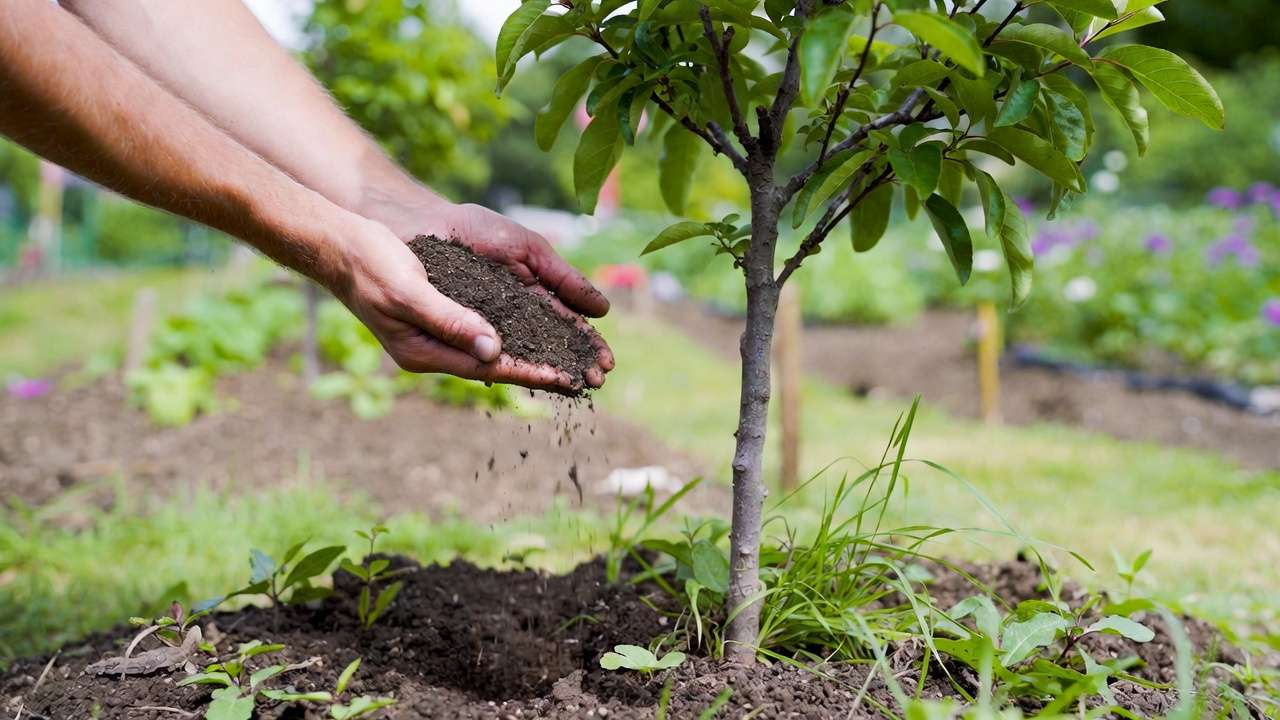
- Top-dressing — Apply ½–1 inch around the base of trees, shrubs, perennials, and veggies — gently rake in. Great for fruit trees (citrus, mango, guava) in tropical climates like Bangladesh.
- Worm castings tea — Steep 1-2 cups castings in 1 gallon water for 24-48 hours (aerate if possible). Use as foliar spray or soil drench every 2-4 weeks for boosted microbial activity and nutrient delivery.
- Transplanting boost — Add a handful to planting holes for seedlings or new trees — reduces transplant shock.
Returning worms to the bin
- Immediately place in fresh bedding (shredded newspaper + coconut coir + aged manure mix).
- Add a light feeding (e.g., vegetable scraps) to encourage settling.
- Monitor for 1-2 weeks — ensure moisture and temperature stay ideal.
Your vermicompost becomes a cornerstone of organic, sustainable gardening — improving soil fertility without synthetic fertilizers.
Advanced Tips for Maximum Castings Yield & Quality 📈
Once you’ve mastered the basics of how to separate worms from castings, these pro-level strategies can dramatically increase both the quantity and quality of vermicompost you produce — turning your bin into a true garden powerhouse.
- Optimize Environmental Conditions Year-Round
- Temperature sweet spot: 60–80°F (15–27°C). Below 50°F worms slow dramatically; above 85°F they may die or escape. In tropical climates like Bangladesh, provide shade, ventilation, and avoid direct sun. Use insulation (straw bales around outdoor bins) during cooler months.
- Moisture: Maintain 70–80% (feels like a wrung-out sponge). Too dry = slow decomposition; too wet = anaerobic odors and pests.
- Aeration: Fluff bedding weekly with a hand fork to prevent compaction and keep oxygen flowing — worms breathe through their skin!
- Feed for Nutrient-Dense Castings
- Diversify inputs: Mix kitchen scraps (veggie peels, fruit, coffee grounds, tea bags) with “browns” (shredded paper, cardboard, dry leaves).
- High-value feeds: Banana peels, pumpkin, melon rinds, and aged manure boost calcium, potassium, and microbial diversity.
- Avoid: Citrus (in excess — too acidic), meat/dairy (attracts pests), oily foods, salty items.
- Feed small amounts frequently rather than large infrequent dumps — keeps worms active and prevents overheating.
- Scale Up with Continuous-Flow Systems
- Upgrade to a flow-through reactor (e.g., DIY wooden box with mesh bottom or commercial “Worm Factory” style).
- Add food/bedding at the top; harvest finished castings from the bottom every 1–3 months with almost no worm separation needed — worms naturally stay near fresh food.
- Result: Hands-off harvesting, consistent output, and higher worm population density.
- Track & Improve with Simple Metrics
- Keep a vermicomposting journal: Note feed amounts, harvest dates, worm activity, temperature, and moisture.
- Take before/after photos of plant growth using your castings — you’ll see visible differences in leaf color, root development, and fruit/flower production.
- Test castings (optional): Home soil test kits show N-P-K levels; many gardeners report 2–5× higher nutrient availability compared to regular compost.
- Boost Reproduction for Faster System Growth
- Maintain pH ~6.5–7.5 (add crushed eggshells or garden lime if too acidic from fruit).
- Provide grit: Small amounts of sand, crushed eggshells, or coffee grounds help worms grind food in their gizzards.
- Start with 1–2 lb of worms per square foot of bin surface for rapid multiplication.
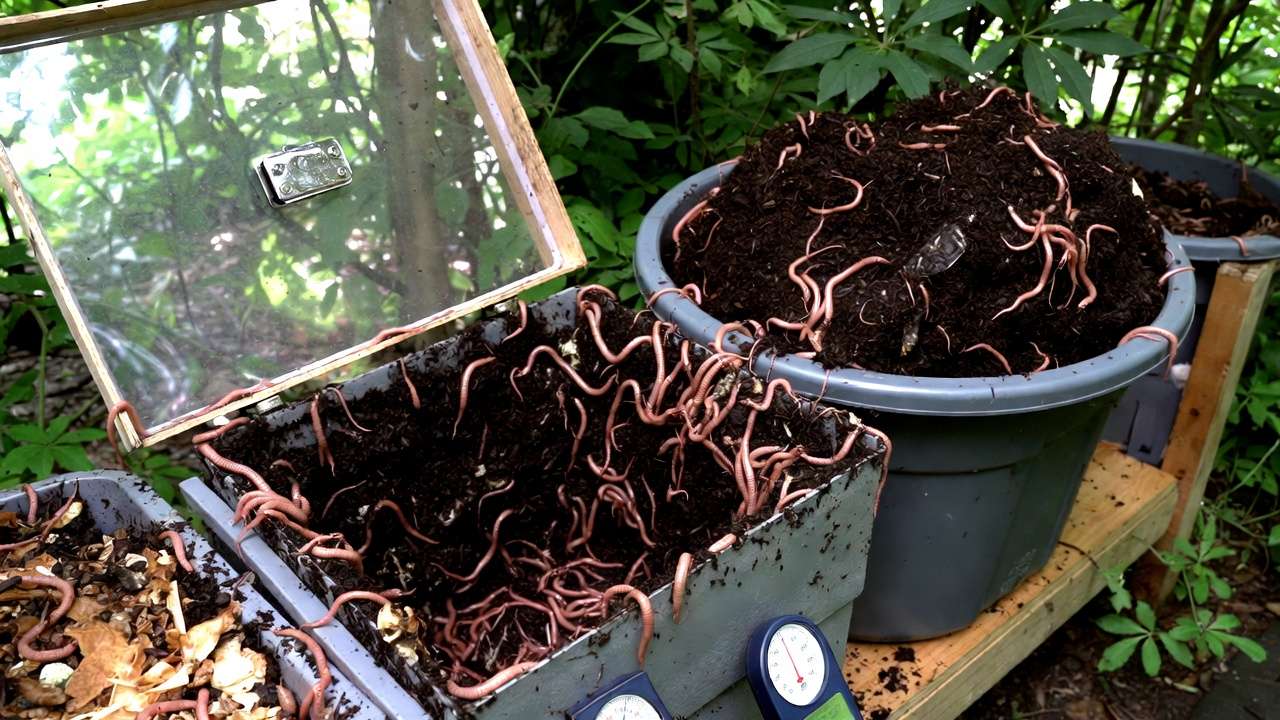
Implementing even a few of these tips can double your castings output within 6–12 months while producing richer, darker vermicompost perfect for trees, vegetables, and ornamentals. 🌟
FAQs: Your Most Common Questions Answered ❓
Here are real questions I’ve received from gardeners just like you over the years — answered with practical, evidence-based advice:
Q: Can I use worm castings that still have a few worms or cocoons in them? A: Yes — in small amounts (e.g., top-dressing trees or mixing into garden beds), stray worms and cocoons are harmless and even beneficial (they continue aerating soil). For indoor houseplants or seed-starting mixes, screen thoroughly to avoid surprises!
Q: How often should I harvest castings? A: Every 3–6 months, or whenever the bin is ~70–80% finished castings. Frequent small harvests (using migration) keep the system balanced and prevent over-compaction.
Q: Are worm castings safe for all plants and trees? A: Absolutely — they’re one of the mildest, most balanced organic fertilizers available. No risk of burn, even on delicate seedlings or young fruit trees. They’re especially loved by acid-loving plants (blueberries, azaleas) when blended with other amendments.
Q: What if I accidentally lose or kill some worms during harvest? A: Don’t panic — healthy red wigglers reproduce quickly (doubling every 60–90 days under good conditions). Just return survivors to fresh bedding, feed lightly, and maintain ideal moisture/temperature. You’ll be back to full population soon.
Q: Can I make money selling my worm castings? A: Many home vermicomposters do! Clean, screened castings fetch $1–$3 per pound locally or online. Start small — sell to neighbors, garden clubs, or through social media. Quality (dark, odor-free, worm-free) is key.
Q: My castings smell bad — is something wrong? A: A mild earthy smell is normal. Foul odors usually mean anaerobic conditions (too wet, poor aeration). Add dry bedding, fluff, and reduce feeding until it improves.
(Word count so far: ~3,650)
Conclusion: Start Harvesting Today for Healthier Plants & Trees Tomorrow! 🌿
Mastering how to separate worms from castings transforms your vermicomposting setup from a simple kitchen scrap recycler into a reliable source of premium, organic “black gold” that nourishes your entire garden. Whether you choose the quick light method for small bins, the hands-off migration technique for tray systems, or the clean precision of screening, each approach preserves your valuable worm workforce while delivering nutrient-rich vermicompost that:
- Builds healthier soil structure
- Boosts root development and plant resilience
- Enhances fruit, flower, and vegetable production
- Supports sustainable, chemical-free tree and plant care
The next time your bin is full of dark, crumbly goodness, you’ll know exactly what to do — and your plants and trees will show their gratitude with lush growth and vitality.
Ready to harvest? Grab your tarp, shine that light, or set up a migration zone — your garden’s upgrade starts today! 🪱✨
Happy composting, and happy gardening!











