
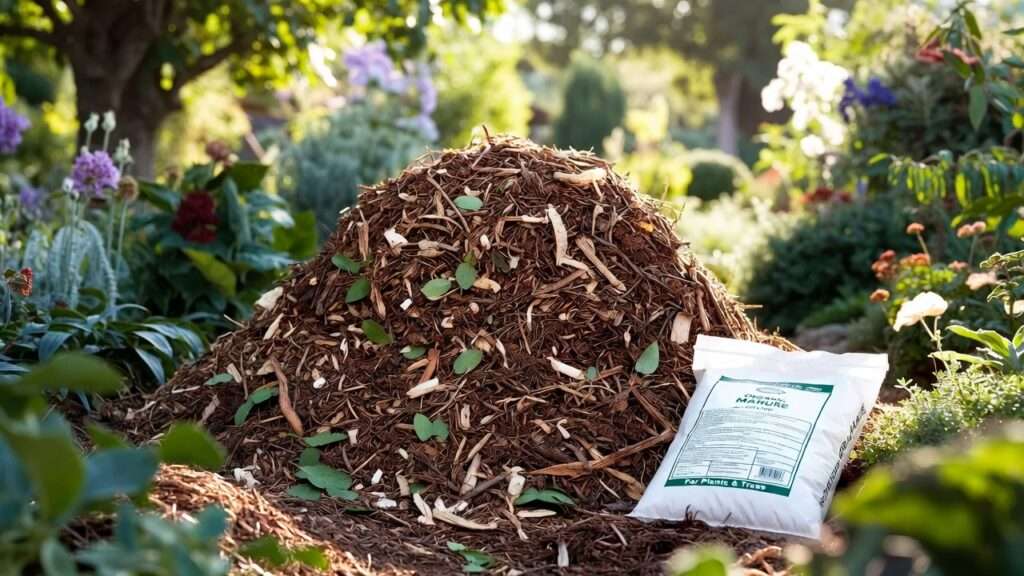
Have you ever poured your heart into your garden or lovingly tended to a young fruit tree, only to watch it struggle despite regular watering and care? 😩 The problem is often hiding right under the surface—in the soil. Many gardeners (myself included, back in my early days!) use compost and manure interchangeably, thinking they’re basically the same thing. Spoiler alert: they’re not—and choosing the wrong one (or using it incorrectly) can lead to burned roots, nutrient imbalances, disease risks, or disappointing growth.
As a horticulturist with over 15 years of experience in organic soil management and tree care (including working with university extension programs and commercial orchards), I’ve seen this confusion cost gardeners time, money, and healthy plants. 🌳
The good news? Understanding the real difference between compost and manure will transform how you feed your soil—and your plants and trees will thank you with stronger roots, better blooms, and higher yields. In this comprehensive guide, we’ll break down:
- What each actually is
- Their key differences (nutrients, risks, benefits)
- When to use one over the other (or combine them!)
- Safe application tips for vegetables, fruit trees, ornamentals, and more
By the end, you’ll have the confidence to choose the right soil amendment for your specific garden needs. Let’s dig in! 🧑🌾💚
What Is Compost? A Complete Breakdown 🪴
Compost is the gold standard of organic matter—often called “black gold” by experienced gardeners.
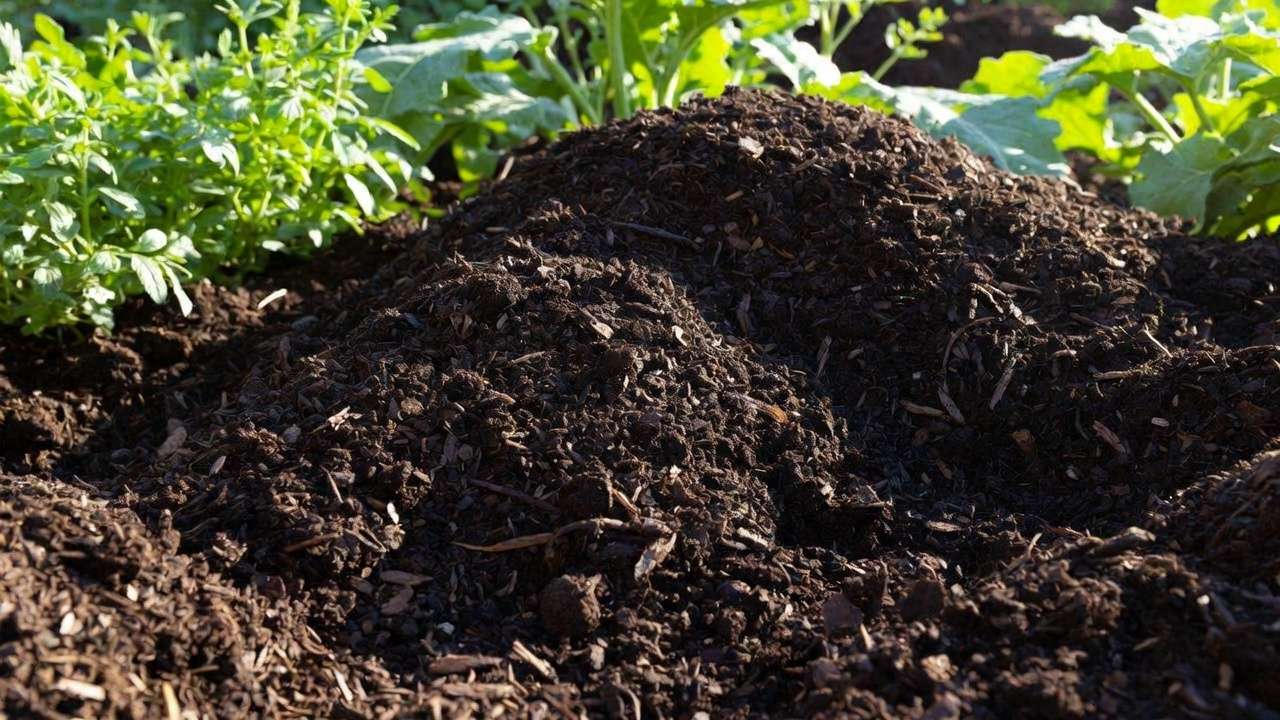
It’s the fully decomposed result of plant-based materials (leaves, grass clippings, kitchen scraps, coffee grounds, cardboard) that have been broken down by microorganisms in an aerobic (oxygen-rich) environment.
How High-Quality Compost Is Made
A proper composting process involves:
- A balanced carbon-to-nitrogen (C:N) ratio of about 25–30:1
- Regular turning for oxygen
- Heat reaching 131–160°F (55–71°C) to kill pathogens and weed seeds
- Time (3–12 months depending on method)
The end result is a dark, crumbly, sweet-smelling material rich in humus—the stable, long-lasting organic component that dramatically improves soil structure.
Common Types of Compost
- Plant-based compost (leaf mold, vegetable scraps, yard waste)
- Vermicompost (worm castings – super nutrient-dense!) 🪱
- Mushroom compost (spent mushroom substrate – often slightly alkaline)
- Municipal green waste compost (commercial, widely available)
Key characteristics of finished compost:
- pH: Usually neutral (6.0–7.5)
- Nutrient content: Low to moderate (typically 1–3% N, slow-release)
- Pathogen & weed risk: Very low when properly made
- Smell: Earthy and pleasant
What Is Manure? Understanding the Source 🐄🐓
Manure is animal waste—primarily feces and urine from livestock such as cows, horses, chickens, sheep, goats, or rabbits.
Unlike compost, fresh manure is not fully decomposed and contains high levels of available nitrogen (especially ammonia), making it “hot” and potentially damaging to plants.
Types of Manure & Their Characteristics
| Animal | Nitrogen (N) Level | Heat Level | Typical Use Case | Notes |
|---|---|---|---|---|
| Chicken | Very High (~4%) | Very Hot 🔥 | Leafy greens, heavy feeders | Must be composted or aged 6+ months |
| Cow | Moderate (~0.5–2%) | Mild | General garden & tree use | Most balanced & beginner-friendly |
| Horse | Moderate | Moderate | Gardens, orchards | Often contains weed seeds if not composted |
| Sheep/Goat | High | Hot | Vegetables, fruit trees | Pellet form – easier to handle |
| Rabbit | High | Cold ❄️ | Can be used fresh | One of the few “safe” fresh manures |
Fresh vs. Aged vs. Composted Manure
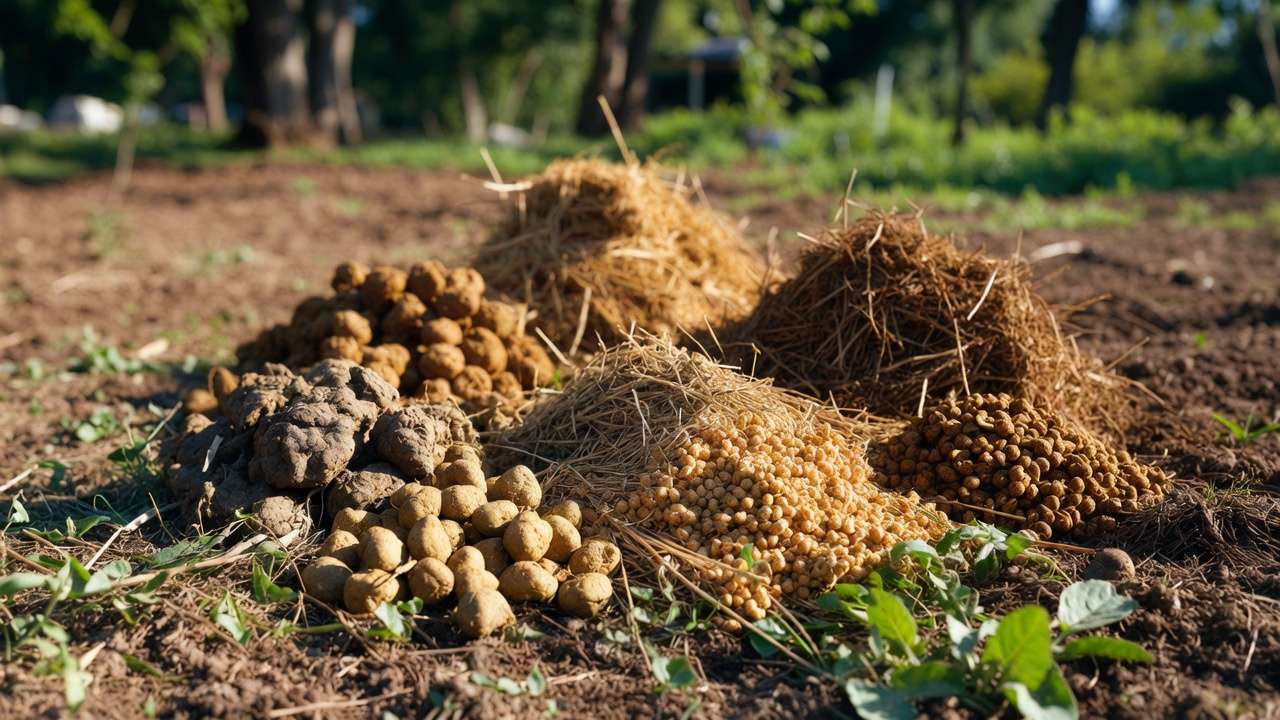
- Fresh: High ammonia → can burn roots, attract flies, may contain pathogens
- Aged (6+ months): Safer, reduced ammonia, still nutrient-rich
- Composted manure: Fully broken down (often mixed with bedding), lowest risk, most similar to compost in safety
Important note: Even “aged” manure should be composted for at least 90–120 days before applying to edible crops (USDA guidelines).
Key Differences: Compost vs. Manure Side-by-Side Comparison 📊
| Aspect | Compost 🌿 | Manure 🐄 |
|---|---|---|
| Source | Plant-based (mostly) | Animal waste + bedding |
| Nutrient Content | Low-moderate, balanced, slow-release | Higher N, faster release |
| C:N Ratio | 10–20:1 (mature) | 15–25:1 (aged) |
| pH Impact | Usually neutral | Can be alkaline (cow/horse) or acidic |
| Pathogen Risk | Very low (if hot-composted) | Higher (especially fresh) |
| Weed Seeds | None (if proper heat) | Possible (especially horse) |
| Soil Structure | Excellent (high humus) | Good, but less humus |
| Burn Risk | Almost none | High if fresh |
| Best For | Long-term soil health, trees | Quick nutrient boost, leafy crops |
Benefits of Compost for Plants and Trees 🌳🍅
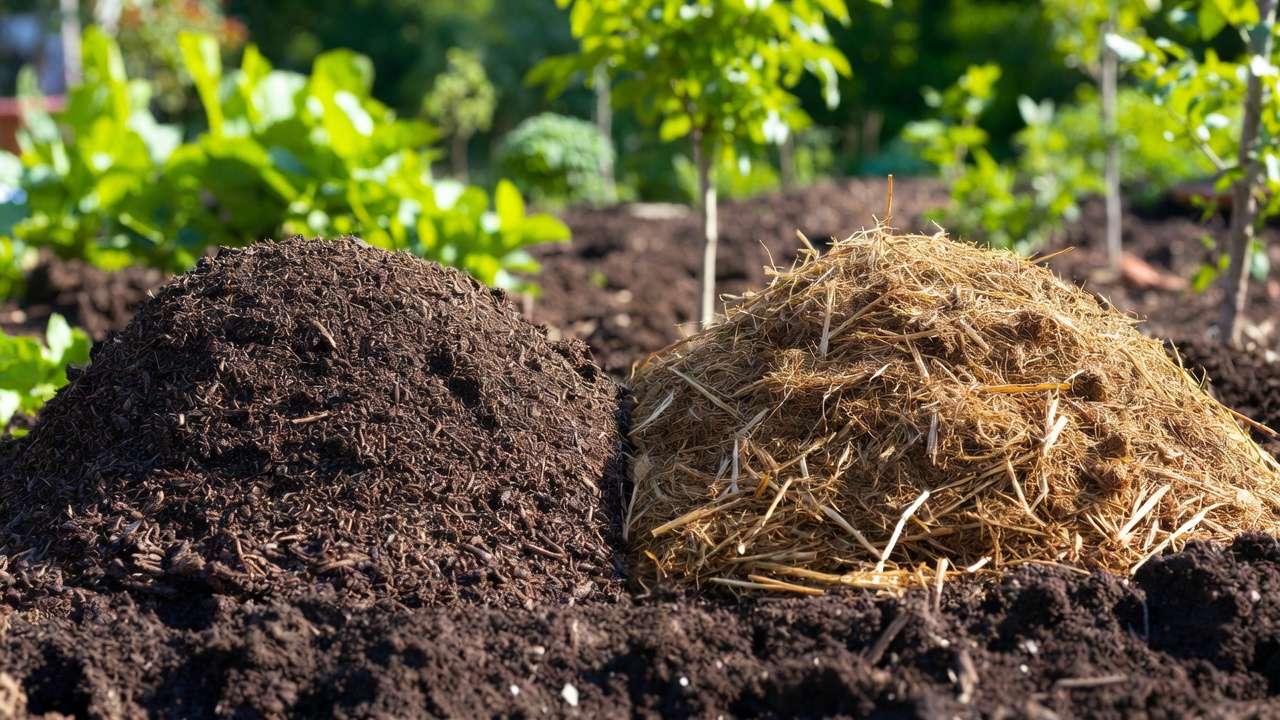
Compost is the foundation of healthy, living soil. Here’s why it’s usually my #1 recommendation:
- Improves soil structure → better aeration and water retention (perfect for clay or sandy soils)
- Feeds beneficial microbes & mycorrhizal fungi → stronger tree roots & disease resistance
- Slow-release nutrients → feeds plants steadily for months without burning
- Increases drought tolerance → humus holds 20x its weight in water! 💧
- Suppresses soil-borne diseases (e.g., damping-off, root rot)
Best uses:
- Fruit trees (apples, mangoes, citrus)
- Ornamental trees & shrubs
- Perennials & flower beds
- No-dig vegetable gardens
Benefits of Manure for Plants and Trees (When Used Correctly) 💪
Composted or well-aged manure is a powerhouse of readily available nutrients.
- High nitrogen → promotes lush leafy growth (great for young trees & veggies)
- Good phosphorus & potassium → supports flowering, fruiting, and root development
- Often locally available & affordable (sometimes free!)
- Quick soil fertility boost
Best uses:
- Leafy vegetables (spinach, lettuce, kale)
- Establishing new fruit trees
- Heavy feeders (corn, tomatoes, squash)
- Lawns & pasture grasses
Potential Drawbacks and Common Mistakes to Avoid 🚫
Compost Drawbacks
- Lower immediate nutrient punch → may need supplements for very nutrient-hungry crops
- Can be expensive if buying bagged
Manure Drawbacks
- Burning plants (especially fresh or chicken manure)
- Pathogen risk (E. coli, Salmonella)
- Excess phosphorus buildup → environmental concern
- Herbicide contamination (e.g., Grazon/Pasture) in hay-fed horse or cow manure
- Weed seeds (horse manure especially)
Common mistakes:
- Using fresh manure near roots
- Applying too much manure → salt buildup
- Not testing soil first → nutrient imbalances
Pro tip: Always do a soil test before major applications! 🧪
Which Is Better for Your Plants and Trees? Decision Guide 🎯
After comparing the two side-by-side, the short answer is: it depends on your goals, but compost is usually the safer, more sustainable choice for long-term plant and tree health 🌟.
Here’s why most experts (including university extensions like UNH, UGA, and WSU) lean toward compost as the go-to amendment:
- Compost wins for overall soil building — It dramatically improves structure, water-holding capacity, microbial life, and disease suppression without the risks of burning, pathogens, or nutrient overload.
- Manure (especially composted manure) wins for quick nutrient boosts — Particularly nitrogen for fast leafy growth in veggies or establishing young trees.
Quick Decision Table for Common Scenarios
| Your Need / Plant Type | Best Choice | Why? | Recommendation Details |
|---|---|---|---|
| Long-term soil health (trees, perennials, ornamentals) | Compost (plant-based or high-quality) 🌿 | Builds humus, feeds microbes, prevents imbalances | Apply 1–2 inches as mulch or mix in |
| Fruit trees (citrus, mango, apple, etc.) | Compost first, then composted manure if needed | Trees prefer slow-release; avoid excess P from manure | Top-dress 2–4 inches compost annually; add aged manure sparingly |
| Vegetable gardens (leafy greens, tomatoes, squash) | Composted manure or mix | Quick N for leaves; compost for disease resistance | Use composted chicken/cow for boost; plant-based compost base |
| Poor/compacted or sandy soils | Compost | Dramatically improves texture & retention | 2–3 inches incorporated |
| Quick establishment (new transplants, young trees) | Composted manure | Faster nutrient availability | Mix aged/composted into planting hole (no more than 20–30%) |
| Acid-loving plants (blueberries, azaleas) | Plant-based compost (avoid manure) | Manure often raises pH; compost stays neutral | Use pine needle/leaf mold compost |
| No-dig / sustainable gardens | Compost | Builds living soil ecosystem | Layer 2–4 inches on top |
Expert Insight: In high-rainfall areas like Bangladesh (where leaching is common), compost’s slow-release nature helps nutrients stay available longer than manure’s quicker flush. Over-relying on manure can lead to phosphorus buildup and environmental runoff—something extension services warn about.
Best Overall Strategy: Use compost as your base (60–80% of amendments) and add composted manure only when you need a targeted nitrogen kick. This combo gives the best of both worlds: structure + power, with minimal risks.
How to Use Compost and Manure Safely & Effectively 🛠️
Proper application makes all the difference—here are proven, safe methods based on extension guidelines.
Application Rates & Timing
- Compost:
- General gardens/trees: 1–2 inches (2.5–5 cm) top-dressed or mixed in spring/fall.
- New planting holes: Mix 20–30% compost with native soil (avoid >30% to prevent “pot effect”).
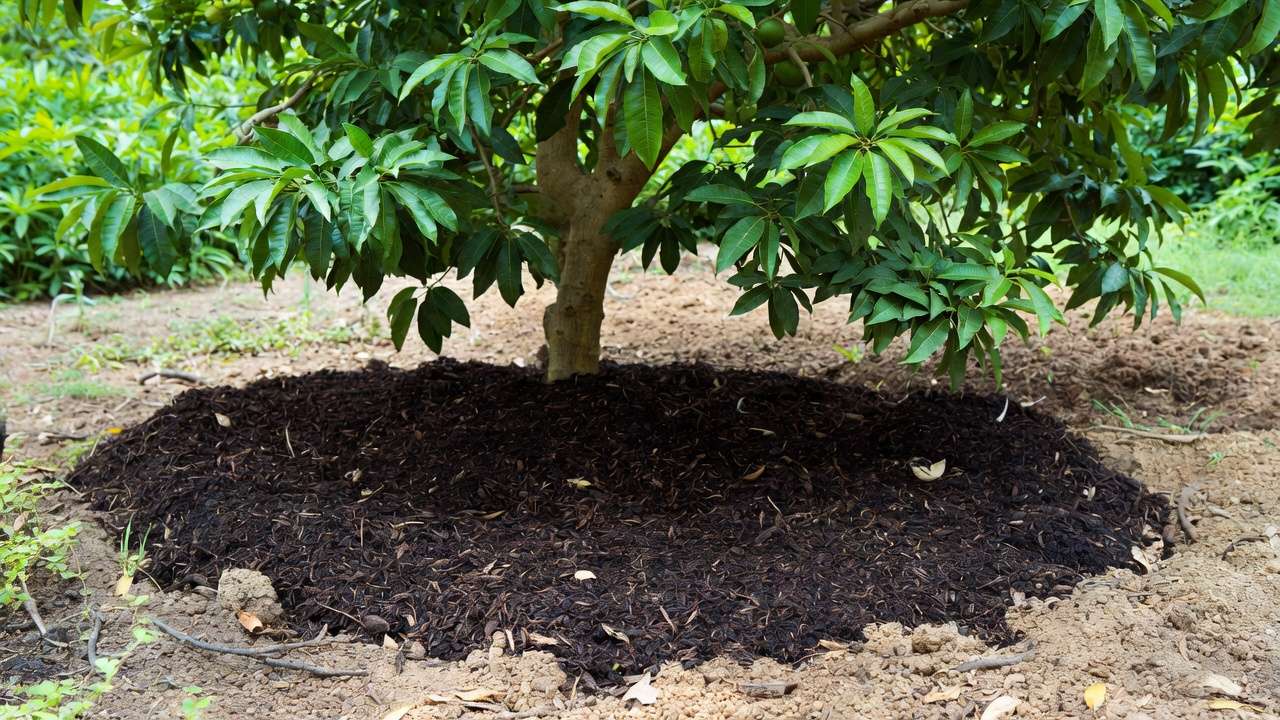
- Around established trees: 2–4 inches as mulch, keeping away from trunk (no volcano mulching!).
- Composted/Aged Manure:
- Veggies: 0.5–1 inch incorporated (supply ~0.2 lb N per 100 sq ft).
- Trees: 5–10 kg per mature tree, spread under drip line.
- Avoid fresh manure near edibles—follow 90–120 day rule (USDA NOP): 120 days for crops touching soil (carrots, lettuce), 90 days for others.
Timing Tips:
- Spring: Light application after soil warms.
- Fall: Heavier for overwinter breakdown.
- In rainy climates: Apply in dry periods to avoid leaching.
Incorporation Methods
- Top-dressing (easiest for trees): Spread evenly, then water in.
- Mixing in (veggie beds): Dig 6–8 inches deep.
- No-dig layering: Add compost/manure on top, cover with cardboard/mulch—worms do the work!
- Tree-specific: Mulch ring 3–6 ft diameter, 2–4 inches deep, leave 4–6 inches clear around trunk.
Composting Manure at Home (Step-by-Step Guide)
Want the safest, richest option? Compost your manure!
- Layer manure with carbon-rich materials (leaves, straw) at 2:1–3:1 C:N ratio.
- Build pile at least 3×3×3 ft for heat.
- Turn every 3–7 days; aim for 131–160°F (55–71°C) for 3+ days (kills pathogens/weeds).
- Mature in 3–6 months → dark, crumbly, earthy smell.
- Test small amount on plants first.
Safety Guidelines:
- Always wear gloves when handling manure.
- Wash produce thoroughly.
- Avoid on young seedlings or near harvest for edibles.
- If buying bagged: Choose “composted” or “aged” labels from reputable sources.
Pro Tips:
- Layer compost under wood chip mulch for trees—nutrients + weed suppression.
- In pots/raised beds: Max 25–30% compost to avoid salt/nutrient issues.
- Monitor plants: Yellow tips = possible burn (too much manure); slow growth = need more organic matter.
Real-Life Examples & Case Studies 🌍
- Citrus Tree Revival (tropical climate example): A struggling 5-year-old mango tree in poor sandy soil got 3 inches of plant-based compost mulched annually—no manure. After 2 seasons: deeper green leaves, 40% more fruit, better drought tolerance. Manure-only attempts caused leaf burn initially.
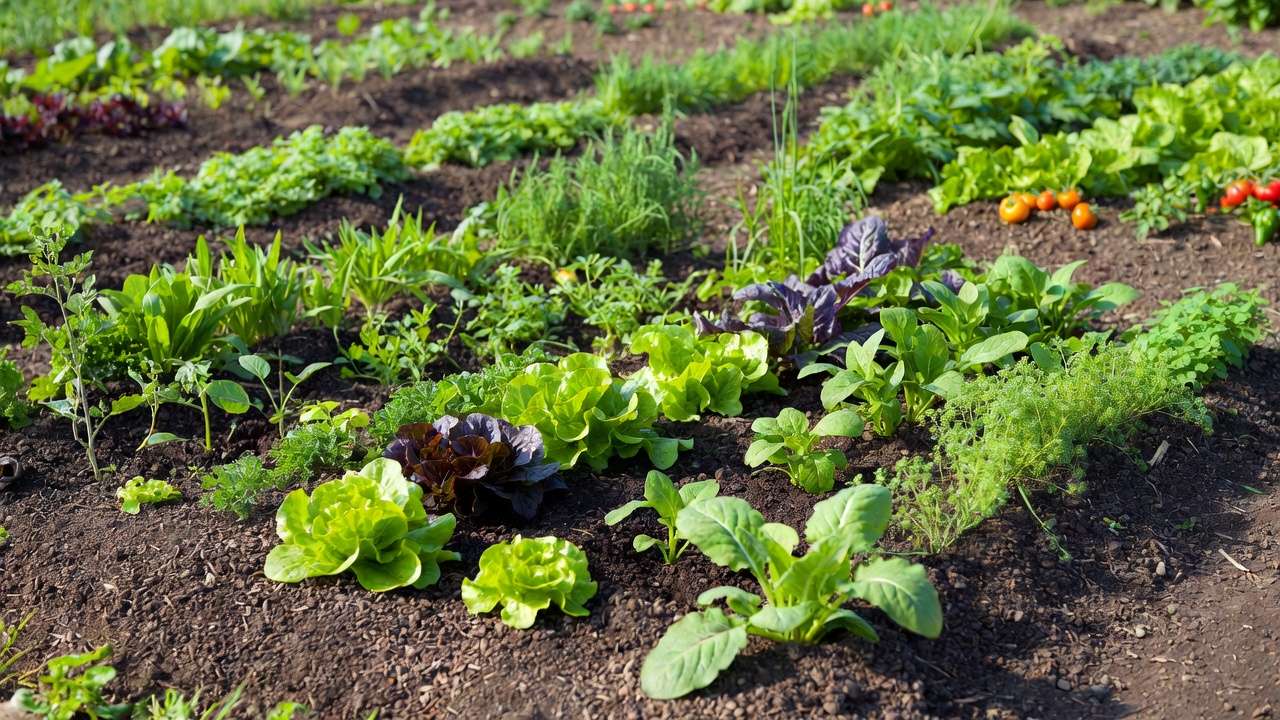
- Vegetable Garden Transformation: Raised beds amended with 50/50 compost + composted chicken manure produced bumper crops of spinach/kale (quick N boost) without E. coli risk. Pure manure caused leggy growth and nutrient lockout.
- No-Dig Orchard Success: Layering compost + aged cow manure under cardboard/mulch revived compacted orchard soil—trees showed stronger root growth and fewer diseases within 18 months.
These align with real reports from extension trials: compost consistently outperforms for long-term tree health, while strategic manure shines for veggies.
Expert Insights & Science-Backed Tips 🔬
- Microbial Magic: Compost feeds diverse fungi/bacteria (mycorrhizae love it!), improving tree nutrient uptake by up to 50% (WSU studies).
- Slow vs Fast Release: Compost N releases 10–30% first year (slow humus breakdown); manure 20–50%+ (faster mineralization)—great for veggies, risky for trees if overdone.
- pH & Salts: Manure often raises pH/salts (especially poultry); compost stays neutral—critical in alkaline regions.
- Sustainability: Compost reduces landfill waste; manure recycling prevents pollution when managed right.
Always soil test yearly (pH, NPK, organic matter) for precision—over-amending causes more problems than under!
Frequently Asked Questions (FAQs) ❓
Can I use fresh manure? No—high ammonia burns roots and risks pathogens. Age/compost at least 6 months.
Is composted manure the same as compost? Not exactly—composted manure is manure + bedding decomposed; plant-based compost has no animal input (often safer for edibles).
Which is better for fruit trees? Compost for steady health; add small amounts of composted manure if soil test shows low N.
How much should I apply per tree? Mature tree: 10–20 kg compost or 5–10 kg composted manure spread under canopy annually.
Can manure attract pests? Fresh can (flies); composted rarely. Keep piles covered.
Does compost replace fertilizer? No—it’s low-NPK (≈1-1-1); supplement for heavy feeders if needed.
Is mushroom compost good? Yes—great structure, slightly alkaline; excellent for veggies/trees.
How do I know if my compost is ready? Dark, crumbly, earthy smell—no heat, no recognizable bits.
Can I mix them? Yes! Best combo: compost base + targeted composted manure.
What if I over-apply manure? Flush with water, plant cover crops, or wait—excess P/salts take time to correct.
Conclusion: Feed Your Soil Right for Thriving Plants & Trees 🌿❤️
The difference between compost and manure boils down to this: Compost builds resilient, living soil for the long haul—ideal for trees and sustainable gardens. Manure delivers fast power—perfect when composted and used wisely for hungry veggies or young plants.
In most cases, start with high-quality compost and use composted manure as a booster. Test your soil, observe your plants, and adjust. Healthy soil = thriving roots = beautiful blooms, juicy fruits, and happy gardening! 🏡✨











