
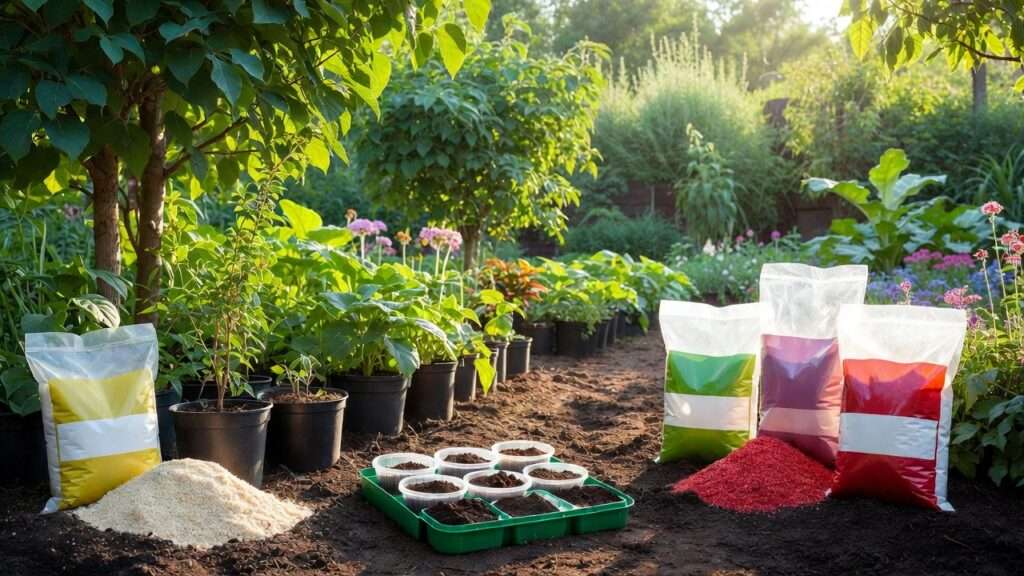
Have you ever poured your heart into nurturing a tomato plant, only to end up with massive green leaves but disappointingly few fruits? Or watched a young fruit tree struggle to establish strong roots despite consistent care? 😩 These frustrating scenarios are incredibly common—and the culprit is often an imbalance in soil nutrients. Many gardeners reach for organic fertilizers like bone meal or blood meal without fully understanding their differences, leading to over-fertilized foliage at the expense of blooms, or weak roots that can’t support healthy growth.
In this in-depth guide, we’ll dive deep into bone meal vs. blood meal usage, breaking down their nutrient profiles, ideal applications, timing, potential risks, and how to use them effectively for vegetables, flowers, fruit trees, and more. By the end, you’ll know exactly which one (or both!) your garden needs to thrive with vibrant foliage, robust roots, abundant flowers, and bountiful harvests. 🍅🌳
The key takeaway right away: Always start with a soil test! 🧪 Testing reveals deficiencies in phosphorus, nitrogen, or calcium—preventing guesswork and ensuring your amendments actually help rather than harm.
What Are Bone Meal and Blood Meal? 🦴🩸
These two powerhouse organic fertilizers come from animal byproducts (a sustainable way to recycle nutrients from the meat industry) and have been trusted by gardeners for generations.
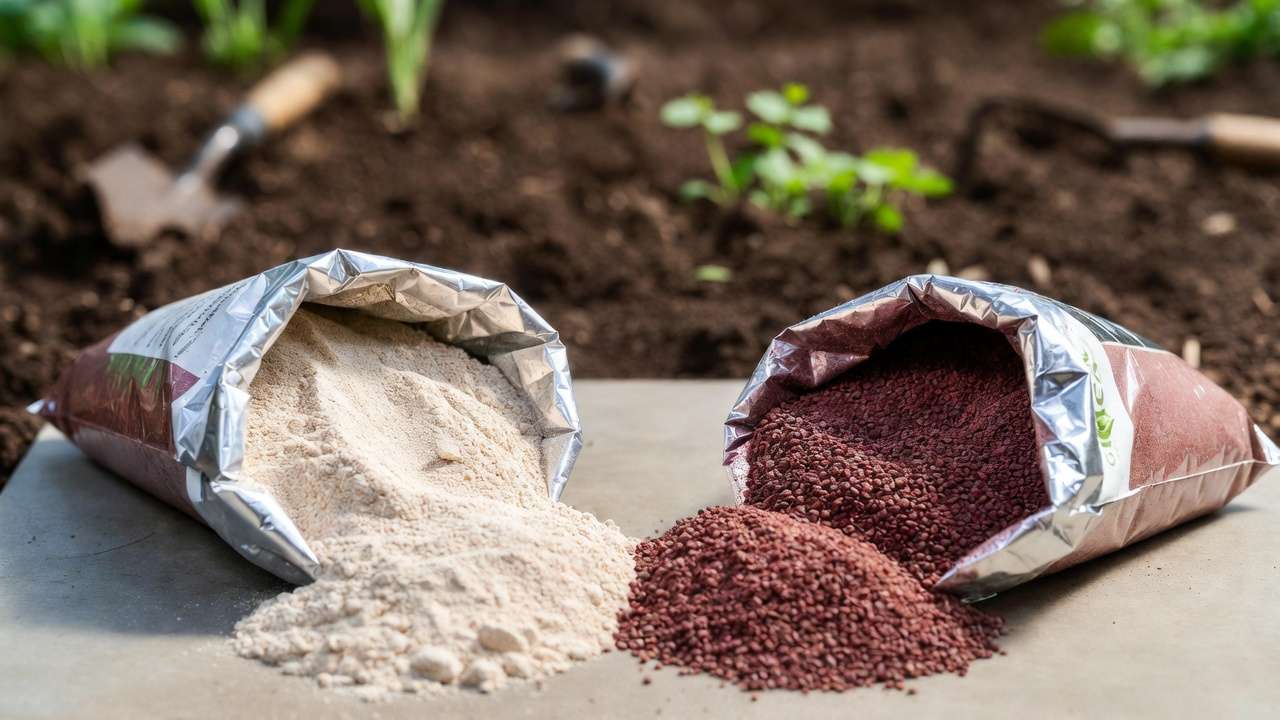
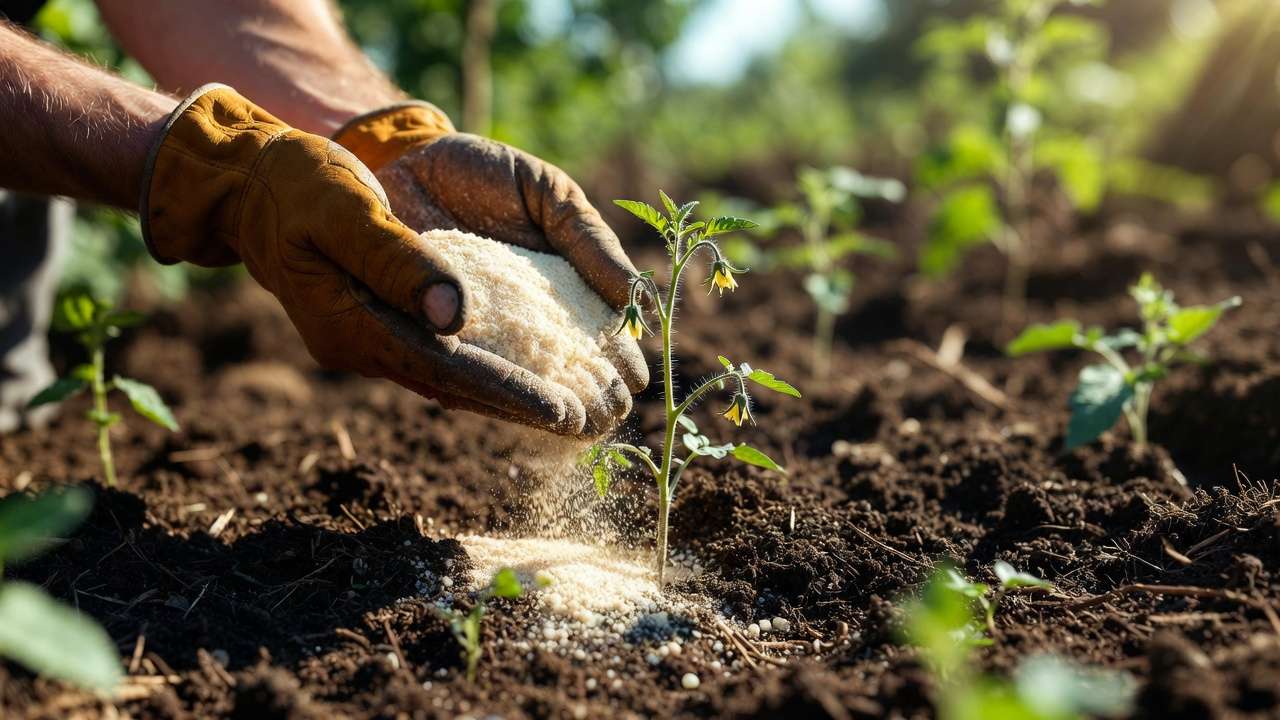
Bone Meal Explained Bone meal is made from steamed, ground animal bones—typically bovine or other livestock sources. It’s prized for its high phosphorus content, which supports root development, flowering, and fruiting. A typical NPK ratio is 3-15-0 (low nitrogen, high phosphorus, no potassium), plus about 12-24% calcium depending on the source. This makes it a slow-release amendment, with nutrients becoming available over 4-6 months or longer. 🌱 The calcium bonus helps strengthen cell walls, prevent issues like blossom end rot in tomatoes and peppers, and improve overall plant resilience.
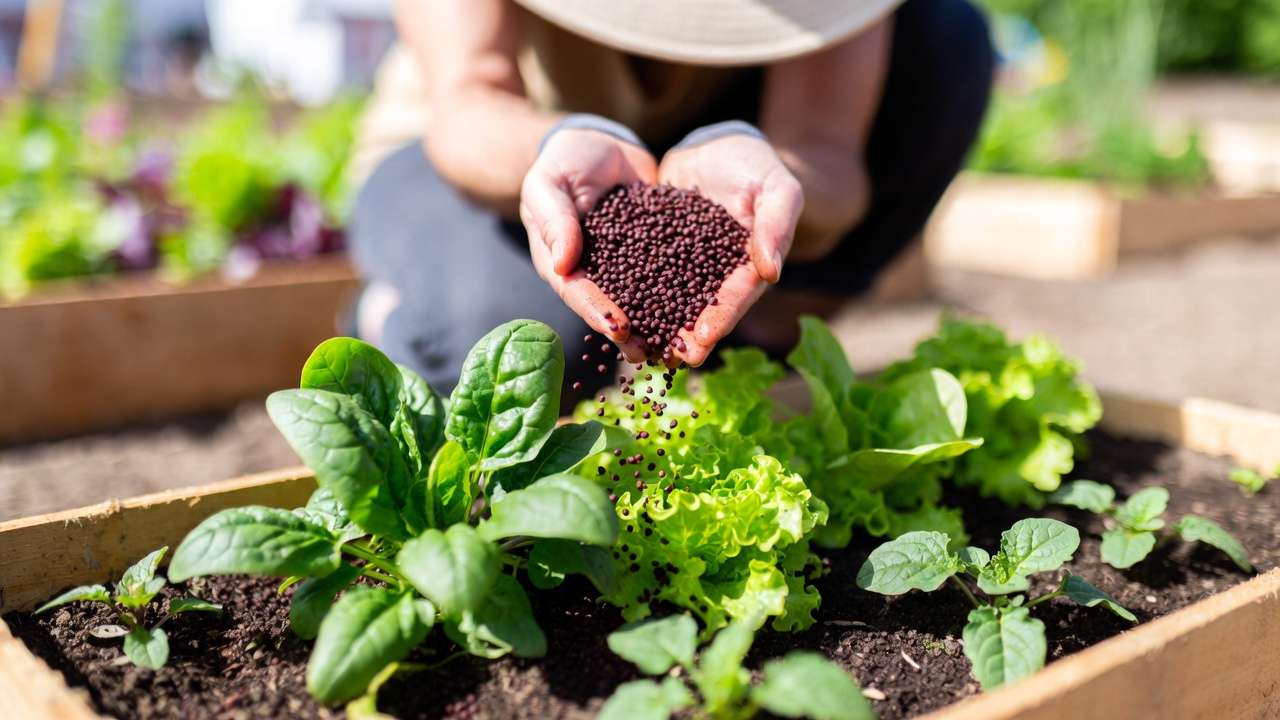
Blood Meal Explained Blood meal is dried, powdered animal blood—another slaughterhouse byproduct turned gardening gold. It delivers a massive nitrogen punch, with an NPK of 12-0-0 or 13-0-0 (extremely high nitrogen, no phosphorus or potassium). Nitrogen release is faster than bone meal—often noticeable in 1-2 weeks, lasting 6-8 weeks—making it ideal for quick green-up and vegetative growth. ⚡ However, its potency means careful application is essential to avoid nitrogen burn.
Key Similarities Both are 100% organic, promote beneficial soil microbes, improve soil structure over time, and provide sustainable nutrient recycling. They’re excellent choices for eco-conscious gardeners avoiding synthetic fertilizers.
Key Differences: Bone Meal vs. Blood Meal Side-by-Side Comparison 📊
To make your decision crystal clear, here’s a handy comparison table based on real-world gardening experience and soil science:
| Aspect | Bone Meal | Blood Meal |
|---|---|---|
| Primary Nutrient | Phosphorus (P) + Calcium | Nitrogen (N) |
| Typical NPK | 3-15-0 (or 4-12-0) | 12-0-0 or 13-0-0 |
| Best For | Roots, flowers, fruits, bulbs, transplants | Leafy growth, quick deficiency fixes |
| Release Speed | Very slow (4-6+ months) | Moderate-fast (weeks to 6-8 weeks) |
| Soil pH Impact | Minimal; best in slightly acidic soil (<7) | Can slightly acidify soil |
| Risk of Overuse | Phosphorus buildup, nutrient lockout | Nitrogen burn, excessive foliage, reduced fruit |
| Pet/Animal Safety | Attractive to dogs (ingestion risk) | Strong odor, may deter some pests but attract others |
| Ideal Plants | Tomatoes, peppers, roses, bulbs, fruit trees | Leafy greens, corn, young trees early season |
This table highlights why choosing wrong can backfire—too much blood meal pushes leafy growth over fruit, while excess bone meal ties up other nutrients in high-pH soils.
When and Why to Choose Bone Meal 🌸🌳
Bone meal shines when your soil lacks phosphorus (common in new gardens, heavily cropped beds, or after heavy rain leaching). Phosphorus drives energy transfer for strong roots, vibrant blooms, and quality fruit.
Benefits for Plants & Trees
- Promotes extensive root systems—perfect for new transplants and establishing fruit trees.
- Boosts flowering and fruit set in roses, tomatoes, peppers, berries, and bulbs.
- Calcium prevents blossom end rot (that dreaded black spot on tomato bottoms) and strengthens cell walls for crisper fruits. 🍅
- Supports bulbs like tulips, daffodils, and irises for spectacular spring displays.
Best Timing Apply in early spring (pre-planting) or fall (for next-season root development). Avoid mid-summer overuse, as it won’t provide quick results.
Application Rates & Methods
- Garden beds: 5-10 lbs per 100 sq ft, worked into top 4-6 inches.
- Planting holes: 1-2 tbsp mixed into soil for transplants or trees (avoid direct root contact).
- Pots/containers: 1-2 tbsp per gallon of soil mix. Pro tip: Always incorporate into soil and water well—surface application attracts animals and slows release.
When and Why to Choose Blood Meal 🍃🥬
Opt for blood meal when plants show nitrogen deficiency: pale or yellowing lower leaves, stunted growth, or weak stems. It’s a fast fix for heavy feeders needing lush foliage.
- Fuels rapid vegetative growth—great for leafy greens (lettuce, spinach, kale), corn, brassicas, and young fruit trees in spring.
- Quick recovery from deficiencies, turning yellow leaves green in days to weeks.
- Supports early-season vigor in nitrogen-hungry crops like cucumbers, squash, and melons.
Best Timing Spring through early summer—side-dress during active growth. Avoid late season to prevent tender growth vulnerable to frost.
Application Rates & Methods
- Broadcast: 1-2 lbs per 100 sq ft, scratched lightly into soil and watered in deeply.
- Side-dressing: Sprinkle a handful around plant base (avoid stems/leaves).
- Liquid: Dissolve in water for foliar or soil drench (use sparingly). Caution: Start low—overdoing it causes “burn” (brown tips) or leggy, fruit-poor plants.
Can You Use Bone Meal and Blood Meal Together? (And How) 🤝
Absolutely—yes! In fact, combining bone meal and blood meal is one of the smartest moves many experienced organic gardeners make. These two amendments complement each other beautifully because they target opposite ends of the nutrient spectrum: blood meal provides the quick nitrogen boost for leafy, vigorous growth 🌿, while bone meal delivers the slow-release phosphorus and calcium needed for strong roots, flowers, and fruit development 🌸.
Using them together creates a more balanced, complete organic feeding program—especially when your soil test shows deficiencies in both nitrogen and phosphorus (very common in vegetable gardens and orchards).
Why the Combo Works So Well
- Early season: Blood meal jump-starts vegetative growth so plants establish quickly.
- Mid-to-late season: Bone meal supports the transition to flowering and fruiting without pushing more leaves at the expense of produce.
- Together they mimic the nutrient profile of many high-quality organic all-purpose fertilizers, but with greater control and customization.
Practical Ways to Combine Them
- Custom Organic Blend (great for general garden prep) Mix in these approximate ratios:
- 1 part blood meal
- 1 part bone meal
- 2 parts kelp meal or wood ash (for potassium and trace minerals)
- Optional: 1 part rock phosphate or greensand for extra slow-release minerals Apply 4–8 lbs of the total blend per 100 sq ft in spring or fall.
- Seasonal Strategy for Fruit Trees & Berries
- Early spring (bud break): Side-dress with blood meal (1–2 handfuls per tree, scratched in and watered).
- Late spring/early summer (after fruit set begins): Apply bone meal around the drip line (2–4 cups per mature tree). This gives leaves first, then roots/fruit power.
- Vegetable Garden Rotation Example
- Tomatoes, peppers, eggplant: Blood meal at transplant for strong starts, bone meal mixed into planting hole for calcium and bloom support.
- Leafy crops (lettuce, spinach, kale): Blood meal only—skip bone meal unless soil test shows phosphorus need.
When to Avoid Combining
- If your soil test already shows high phosphorus (very common in older gardens that have received manure or bone meal for years), skip bone meal entirely.
- In very sandy or heavily leached soils, consider adding a potassium source (e.g., kelp, wood ash, or greensand) to round out the N-P-K triangle.
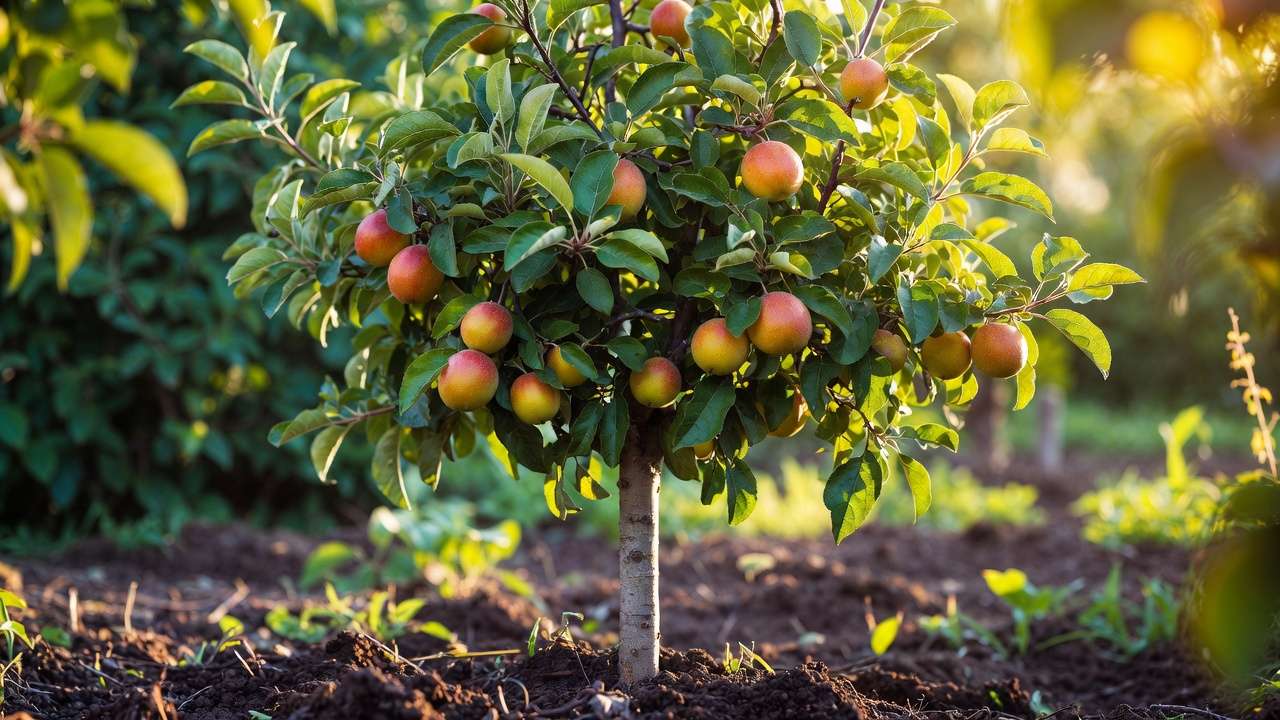
Special Considerations for Trees and Woody Plants 🌳🍎
Fruit and nut trees have unique needs that change with age and season—here’s how bone meal and blood meal fit into a long-term tree care plan.
Young/Recently Planted Trees
- Bone meal is your best friend at planting time. Mix 1–2 cups into the backfill soil to encourage rapid root establishment without shocking the tree.
- Use blood meal sparingly (or not at all) in the first year—young trees are sensitive to excess nitrogen, which can delay root growth and make them top-heavy.
Mature Fruit Trees
- Early spring (pre-bloom): Light application of blood meal to fuel leaf-out and pollination.
- Post-harvest or late fall: Bone meal spread under the canopy to build phosphorus and calcium reserves for next year’s flower buds and fruit quality.
- Avoid applying either directly against the trunk—keep amendments in the drip line to prevent rot or pest attraction.
Special Cases
- Citrus, figs, and other acid-loving trees → Blood meal helps slightly acidify soil over time.
- Stone fruits (peaches, plums, cherries) → Extra bone meal in fall reduces cracking and improves flavor due to calcium.
- Nut trees (almonds, walnuts) → Moderate blood meal in spring; heavy feeders love the nitrogen kick.
Common Mistakes to Avoid ❌
Even seasoned gardeners slip up—here are the most frequent errors I see (and how to prevent them):
- Skipping the Soil Test The #1 mistake. Without knowing current levels, you risk creating excesses (especially phosphorus, which doesn’t leach easily and can lock out micronutrients like zinc and iron).
- Using Bone Meal in Alkaline Soils Phosphorus binds tightly in soils above pH 7.2—making bone meal nearly useless. Test pH first; if high, consider rock phosphate or wait to acidify soil naturally.
- Over-applying Blood Meal A little goes a long way. Excess nitrogen = burned leaf tips, soft sappy growth, reduced flowering/fruiting, and increased pest/disease pressure.
- Leaving It on the Surface Both attract dogs, raccoons, and squirrels. Always work amendments into the top few inches and water deeply.
- Treating Them as Complete Fertilizers Neither provides potassium or many micronutrients. Pair with compost, kelp, or a balanced organic fertilizer for full nutrition.
- Ignoring Pet Safety Dogs adore the smell of both—especially blood meal. Keep bags stored securely and consider pet-safe alternatives if you have curious pups.
Expert Tips & Pro Strategies from Years in the Field 💡
After decades of hands-on work with home gardens, orchards, and market farms, here are battle-tested insights:
- Always Soil Test Annually – Use a reputable lab or reliable home kit. Track trends over years.
- Layer with Compost – Both meals work best when mixed into rich organic matter—compost feeds microbes that unlock nutrients.
- pH Management – Blood meal + bone meal combo slightly acidifies over time—helpful for blueberries, azaleas, rhododendrons.
- Animal Product Alternatives (for vegan gardeners)
- Phosphorus → Rock phosphate, soft rock phosphate, or bat guano.
- Nitrogen → Alfalfa meal, soybean meal, cottonseed meal, or feather meal.
- Seasonal Calendar Quick-Reference Spring: Blood meal focus Summer: Balanced or light bone meal Fall: Bone meal + compost for root reserves
- Observation Over Calendar – Watch your plants: yellow lower leaves → blood meal; poor flowering/fruit set → bone meal.
Frequently Asked Questions (FAQs) ❓
Is bone meal safe for edible vegetables? Yes—widely used on tomatoes, peppers, greens, etc. Just follow rates and incorporate into soil.
How long does blood meal last in the soil? Typically 6–8 weeks of noticeable effect, with some residual nitrogen longer.
Can I use them in pots and containers? Yes, but sparingly. 1–2 tbsp bone meal per 5-gallon pot at repotting; ½ tsp blood meal per pot as side-dress (diluted liquid safer).
What if my soil already has high phosphorus? Skip bone meal. Focus on nitrogen (blood meal) and potassium sources instead.
Do they attract animals or pests? Blood meal has a strong odor that can deter some animals but attract others. Bone meal is very attractive to dogs. Water in well and cover lightly.
Are they certified organic? Most commercial brands are OMRI-listed or approved for organic use—check the label.
Conclusion: Choose Wisely for a Thriving Garden 🌟🍎
After exploring the nuances of bone meal vs. blood meal usage in depth, the verdict is clear: neither is inherently “better”—they’re simply tools designed for different jobs in the garden. Bone meal builds the strong foundation your plants and trees need for healthy roots, abundant blooms, and high-quality fruit 🌸. Blood meal delivers the rapid nitrogen surge that powers lush foliage and vigorous early-season growth 🍃.
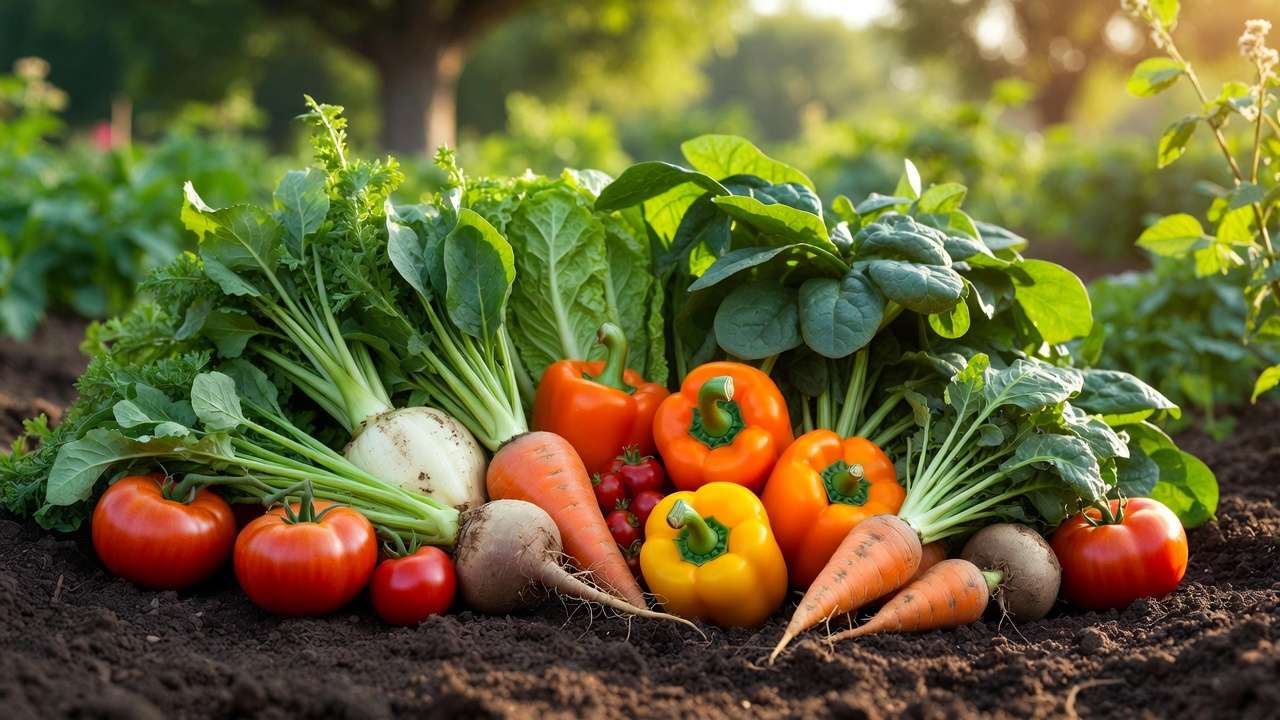
The real magic happens when you match the right amendment (or thoughtful combination) to what your soil and plants actually need. Guessing leads to common frustrations: tomato plants with giant leaves but tiny yields, fruit trees that flower poorly year after year, or vegetables that bolt and turn bitter too soon. A simple soil test once or twice a year eliminates most of that guesswork and turns you into a more precise, confident gardener.











