
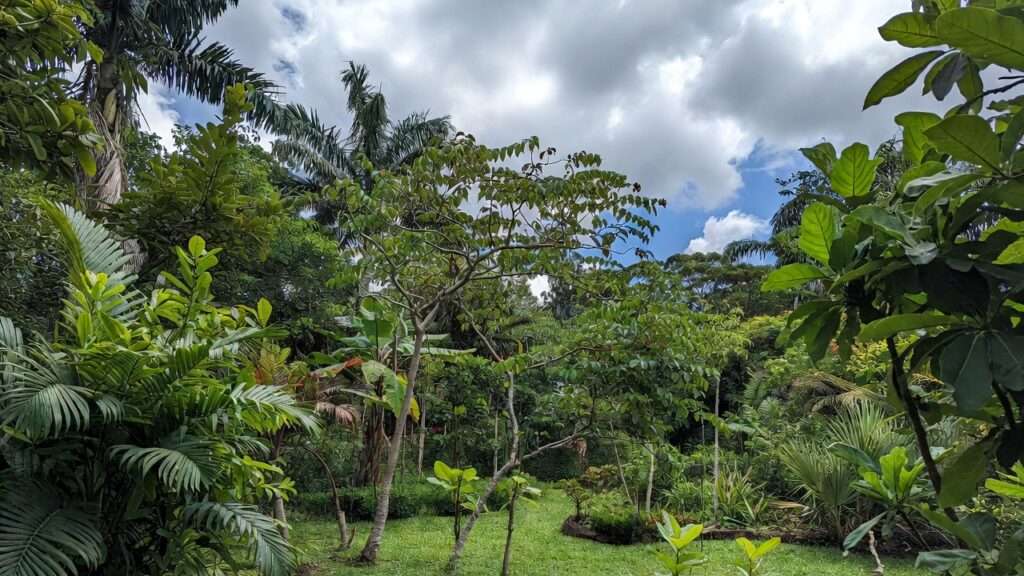
Have you ever poured love (and fertilizer) into your favorite rose bush, young mango tree, or lush lawn only to watch the leaves scorch, turn yellow, or fade away after one heavy rain? 😩 Or maybe you’ve fed your plants regularly, yet they still look lackluster while your neighbor’s garden thrives effortlessly. The culprit is often the type of fertilizer you’re using — specifically, the big debate between slow-release vs. fast-release fertilizers.
In this ultimate guide, we’ll dive deep into the differences, pros, cons, science-backed comparisons, best uses for trees, plants, lawns, and houseplants, environmental considerations, and real-world tips to help you choose wisely. Whether you’re a beginner gardener in Barisal dealing with humid tropical soils or an experienced tree caretaker aiming for sustainable growth, you’ll walk away knowing exactly which fertilizer fits your needs — saving time, money, and the planet along the way! 🌳💚
By the end, you’ll avoid common mistakes like over-fertilizing burns or nutrient waste, and your plants will reward you with healthier roots, vibrant foliage, and better resilience against pests and drought.
What Are Fast-Release Fertilizers? ⚡
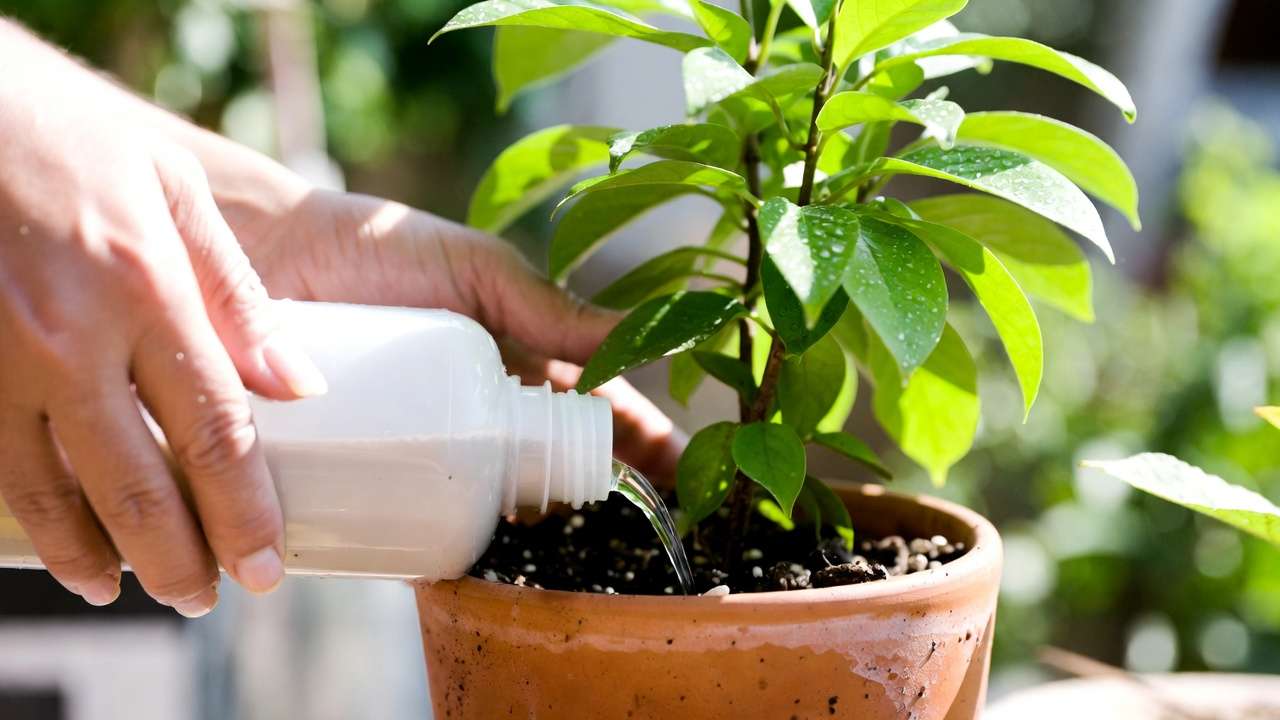
Fast-release fertilizers (also called quick-release or soluble fertilizers) deliver nutrients almost immediately after application. These are typically water-soluble, meaning they dissolve quickly in soil moisture or irrigation, making nitrogen, phosphorus, potassium (NPK), and micronutrients readily available to plant roots.
Common types include:
- Synthetic granulars like 10-10-10 or urea-based formulas
- Liquid concentrates (e.g., Miracle-Gro-style feeds)
- Ammonium nitrate or ammonium sulfate products
How they work: Once watered in, nutrients become plant-available within hours to days, peaking in 1–4 weeks. This rapid uptake triggers fast green-up and vigorous growth — perfect for spotting quick results! 🌿
They’re widely used for correcting acute deficiencies (like nitrogen shortage causing pale leaves) or giving new transplants a speedy boost during establishment.
What Are Slow-Release Fertilizers? ⏳
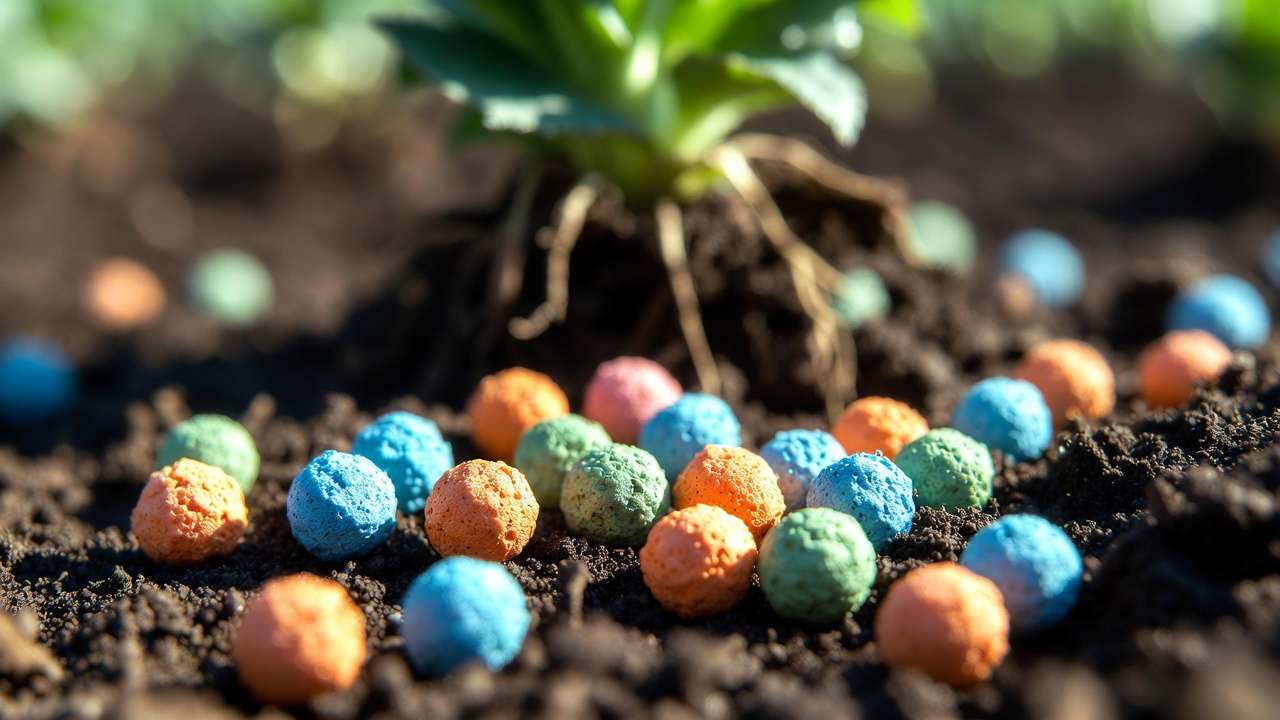
Slow-release fertilizers (including controlled-release types) provide a steady, gradual supply of nutrients over weeks to months — or even a full growing season. They achieve this through coatings (polymer or sulfur) that control release based on temperature, moisture, and microbial activity, or via organic materials that break down slowly.
Main categories:
- Controlled-release synthetics: Osmocote, polymer-coated urea (release triggered by soil warmth and water)
- True slow-release synthetics: Methylene urea, IBDU
- Organic slow-release: Compost, bone meal, blood meal, feather meal, Milorganite (biosolids-based)
Release timeline: Typically 2–12+ months, depending on formula, climate, and soil conditions. In tropical areas like Bangladesh, warmer soils and frequent rains can speed release slightly, but it’s still far steadier than fast options.
These shine for promoting deep root systems, consistent growth, and long-term plant health without the “boom-and-bust” cycle.
Slow-Release vs. Fast-Release Fertilizers: Head-to-Head Comparison 📊
Here’s a clear, at-a-glance breakdown to see the real differences:
| Aspect | Fast-Release ⚡ | Slow-Release ⏳ |
|---|---|---|
| Nutrient Release Speed | Immediate to 1–4 weeks | Gradual, 2–12+ months |
| Duration | Short (needs reapplication every 2–4 weeks) | Long (1–3 applications per season/year) |
| Risk of Burn/Leach | High (salt buildup, runoff common) | Very low (controlled delivery) |
| Application Frequency | Frequent | Infrequent |
| Cost | Lower upfront, higher long-term | Higher upfront, better value over time |
| Environmental Impact | Higher leaching/runoff risk 🚱 | Lower pollution, eco-friendlier 🌍 |
| Best For | Quick fixes, new plants, containers | Established trees/plants, lawns, sustainability |
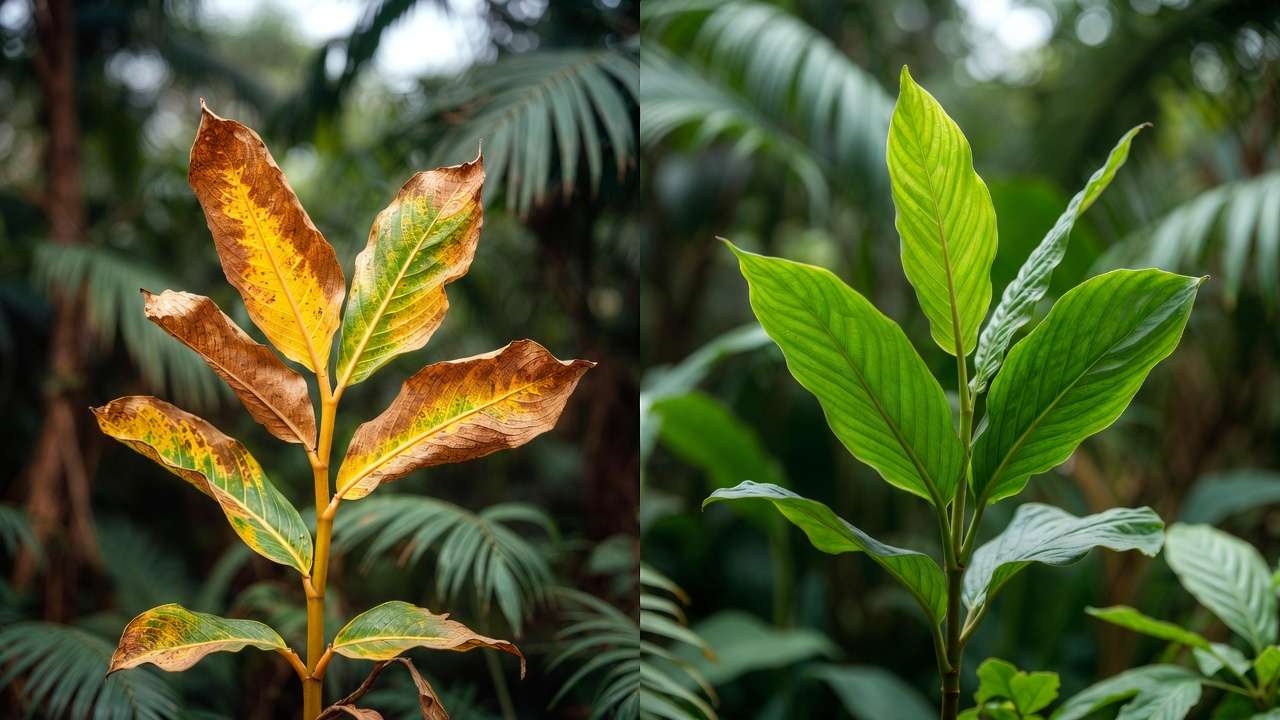
University extensions like Penn State, NC State, and UMN consistently highlight that slow-release options reduce burn potential and leaching — key for healthier plants and cleaner waterways.
Pros and Cons of Fast-Release Fertilizers ✅❌
Pros:
- Instant visible results — lush green-up in days! 🌟
- Ideal for correcting deficiencies quickly (e.g., yellowing from nitrogen lack)
- Cheaper per bag initially
- Great for potted houseplants or veggies needing a growth spurt
- Precise control with liquid forms
Cons:
- High risk of fertilizer burn if over-applied 🔥
- Nutrients leach away fast in rainy seasons (common in Bangladesh!)
- Requires frequent applications — more work and expense long-term
- Can cause uneven, “spiky” growth and stress plants
- Greater environmental harm through runoff into rivers/lakes
Pros and Cons of Slow-Release Fertilizers ✅❌
Pros:
- Minimal burn risk — safer around roots and pets/kids 🐶
- Fewer applications = less effort and cost over time
- Promotes deeper roots, better drought tolerance, and steady growth
- Reduced leaching — up to 40% less nutrient loss per studies
- Supports soil microbes for healthier ecosystems
- Excellent for trees/shrubs needing consistent nutrition without stress
Cons:
- Slower to show results (patience required!)
- Higher initial cost per unit of nutrient
- Less effective in very cool soils (not a big issue in tropical BD)
- Not ideal for emergency deficiency fixes
Which Is Better for Specific Plants and Trees? 🌳🪴
The “better” choice depends on your plants’ needs, but here’s expert guidance based on extension services (NC State, Penn State, UMass, etc.):
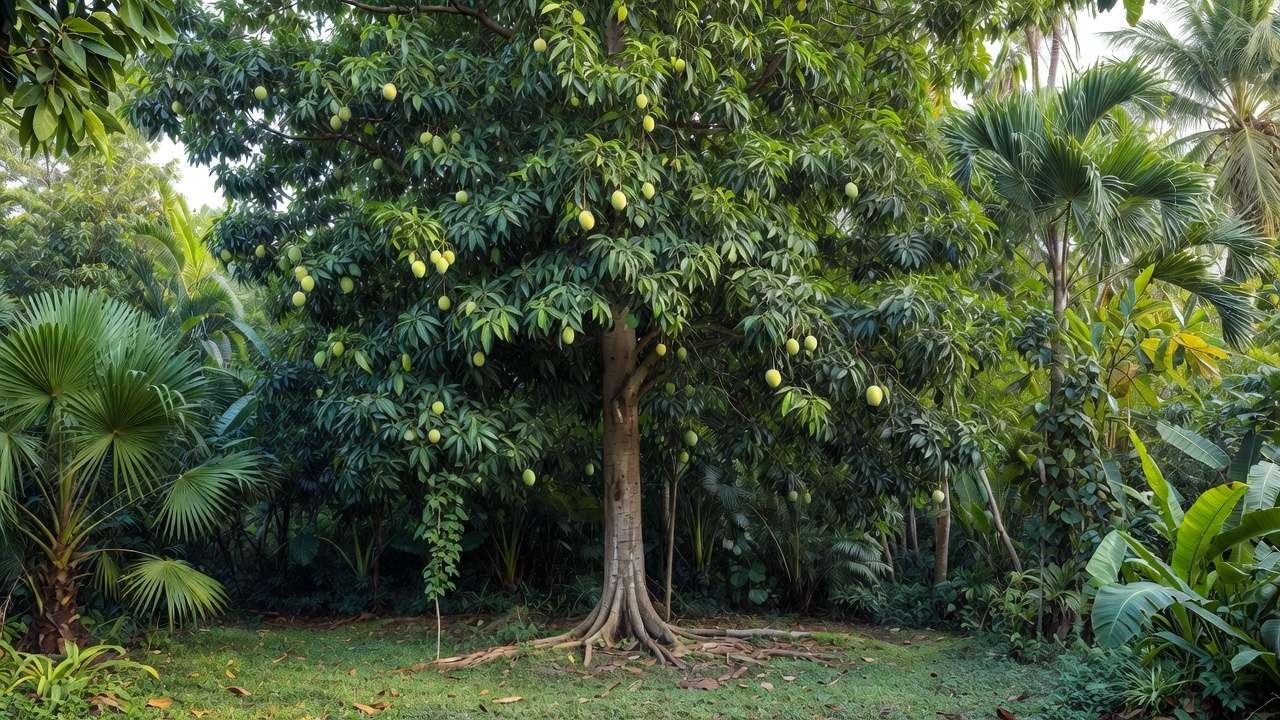
Trees & Shrubs 🌲: Slow-release wins hands-down! Steady nitrogen supports uniform trunk/root development and reduces stress. Quick-release can cause excessive top growth at the expense of roots — risky for young trees. Use slow-release in spring/fall for best results.
Lawns & Turf 🏡: Slow-release for sustained health and fewer mowings. Fast-release for quick color before events (weddings!), but pair with slow for longevity. Many pros recommend 30–50% slow-release N in blends.
Houseplants & Containers 🏠: Fast-release liquids for rapid boosts during growth phases. Slow-release granules mixed in soil for consistent feeding — less repotting hassle!
Vegetable Gardens & Annuals 🥕: Often a combo — base slow-release at planting, then fast foliar/top-dress for fruiting bursts.
New vs. Established Plants 🌱: Fast for starters/transplants needing quick energy. Slow for established ones focusing on longevity and resilience.
Pro tip from arborists: For woody plants, slow-release minimizes environmental harm while building stronger trees.
Environmental Impact: Why Slow-Release Is Often the Greener Choice 🌍
One of the biggest modern concerns for gardeners in places like Bangladesh — where heavy monsoon rains and river systems are plentiful — is nutrient pollution. Fast-release fertilizers dissolve quickly, sending excess nitrates and phosphates into the soil solution all at once. When it rains heavily (as it often does in Barisal Division!), these nutrients can leach deep into groundwater or run off into nearby canals, ponds, and rivers.
This contributes to:
- Eutrophication — algal blooms that deplete oxygen and harm fish/aquatic life
- Groundwater contamination — nitrates above safe levels for drinking water
- Wasted resources — nutrients plants can’t use are lost forever
University extensions (e.g., University of Delaware, Penn State, UF/IFAS) and studies show slow-release and controlled-release fertilizers keep nutrient concentrations lower and steadier in the soil solution. This reduces leaching by up to 40% in many cases and significantly cuts runoff losses. In tropical climates with frequent heavy rains, slow-release options are especially valuable because they minimize the “flush” of nutrients during storms.
Organic slow-release fertilizers (like compost or Milorganite) go even further — they improve soil structure, boost microbial activity, and build long-term fertility without synthetic chemicals. For eco-conscious gardeners in Bangladesh, switching to at least partial slow-release can make a real difference in protecting local waterways while still feeding your plants effectively.
When to Use a Combination (Hybrid Approach) 🤝
The smartest strategy isn’t always “one or the other” — many expert arborists, horticulturists, and extension services recommend a hybrid method for optimal results:
- Base application with slow-release granules or spikes in early spring (or late fall for perennials) to provide steady, long-term nutrition.
- Supplemental fast-release as needed — e.g., liquid foliar sprays or quick top-dress for visible deficiencies, transplant shock, or heavy fruiting periods.
Real-world examples tailored to tropical/subtropical gardens:
- Mango or jackfruit trees — Apply slow-release NPK (e.g., 15-9-12) around the drip line in February/March. If leaves pale mid-season due to heavy fruit load, give a fast-release liquid boost.
- Flowering shrubs like hibiscus or bougainvillea — Slow-release at planting/repotting, then fast-release every 3–4 weeks during bloom season for bigger, brighter flowers.
- Lawns — Slow-release in spring for root depth, fast-release before Eid or special events for that instant emerald green.
This combo gives the best of both worlds: sustainability + responsiveness.
How to Choose & Apply the Right Fertilizer: Step-by-Step Guide 🛠️
Follow these expert steps to avoid common pitfalls and get maximum value:
- Test your soil first — Use a local lab or home kit to check pH and NPK levels. In Barisal’s often clay-loamy soils, pH is usually 6.0–7.5, but nutrient imbalances are common.
- Read the label carefully — Look for the percentage of slow-release nitrogen (e.g., “40% slow-release N”). Avoid high-salt fast-release if burn risk is a concern.
- Match NPK to your plants:
- Trees/shrubs: Often 3:1:1 or 3:1:2 ratios (e.g., 15-5-10, 20-5-10) — high N for foliage, moderate P/K for roots/flowers.
- Lawns: Balanced like 16-4-8 or slow-release nitrogen-focused.
- Fruit trees: Slightly higher K (e.g., 8-12-16) during fruiting.
- Timing — Apply slow-release in early spring (growth flush) or late fall. Fast-release during active growth but avoid hot midday.
- Application tips:
- Spread evenly around the drip line (not against trunk!).
- Water deeply after applying to activate.
- For containers: Mix slow-release into soil at repotting.
- Common mistakes to avoid:
- Over-applying fast-release → burn
- Ignoring rain forecasts → leaching
- Skipping soil tests → unnecessary or imbalanced feeding
Safety note: Keep fertilizers away from children/pets, and store sealed.
Top Recommended Products & Brands (2025–2026 Update) ⭐
Based on recent reviews, extension recommendations, and performance in tropical/subtropical conditions:
Best Slow-Release Options:
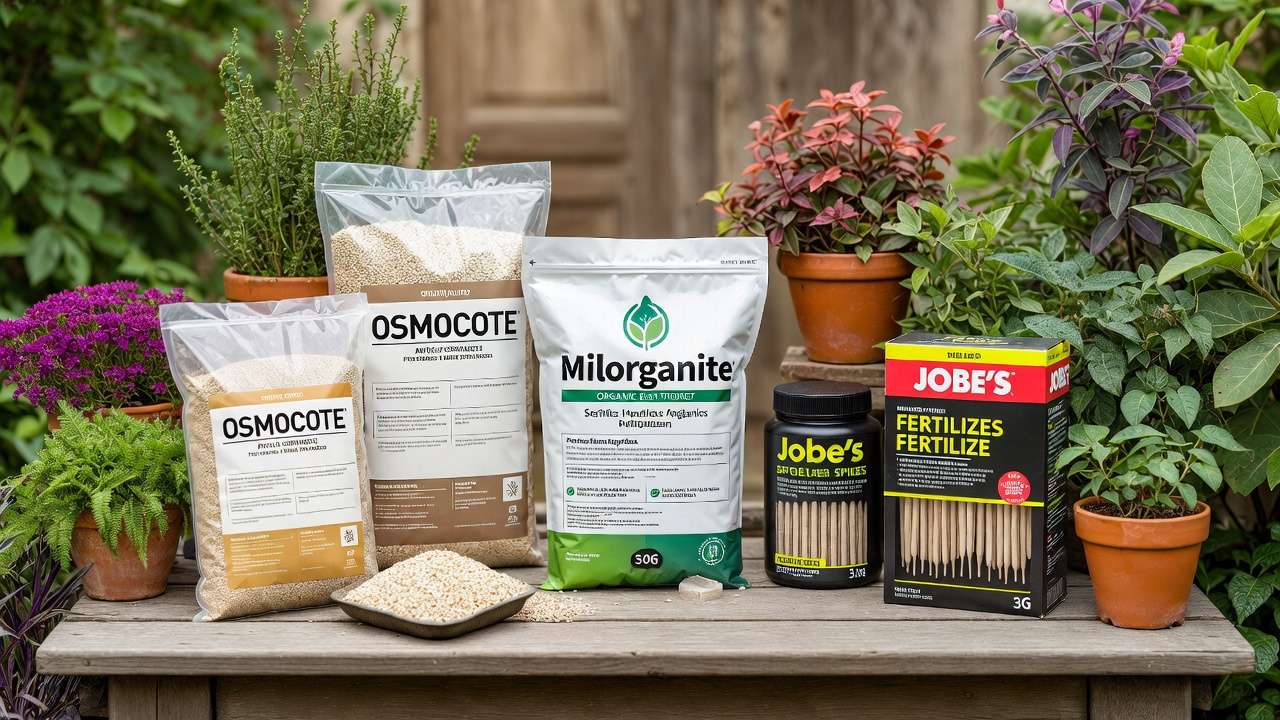
- Osmocote Smart-Release Plant Food Plus (15-9-12) — Excellent controlled-release for containers, trees, shrubs; lasts 6–8 months.
- Milorganite (6-4-0 organic slow-release) — Affordable, organic, great for lawns/trees; improves soil biology.
- Scotts EcoScraps Slow-Release — Versatile for lawns, landscapes, trees; low burn risk.
- Jobe’s Tree & Shrub Spikes — Convenient spikes for individual trees; slow-release nutrients.
Best Fast-Release for Quick Boosts:
- Miracle-Gro Water Soluble (various formulas) — Liquid for fast uptake in houseplants/veggies.
- Generic balanced granular (10-10-10) — Budget option for spot treatments.
Organic Favorites:
- Composted manure, bone meal, or feather meal — True slow-release via microbes.
In Bangladesh, look for local equivalents or imported brands at nurseries in Barisal/Dhaka.
Expert Tips & Real-Life Examples from Arborists & Gardeners 💡
- “For young coconut or mango trees in humid areas, use slow-release in the rainy season to avoid nutrient washout — I’ve seen 30% better root establishment!” — Tropical arborist insight.
- Fix a scorched lawn? Flush with water, then switch to slow-release next cycle.
- Houseplant hack: Top-dress with slow-release granules every 4–6 months — no more weekly feeding!
Frequently Asked Questions (FAQs) ❓
Is slow-release fertilizer organic? Not always — many are synthetic coated (e.g., Osmocote), but organics like Milorganite or compost are truly organic slow-release.
Can fast-release burn tree roots? Yes, especially if over-applied or in dry soil — high salt index causes root damage.
How long does slow-release last in hot/humid climates like Bangladesh? Typically 4–9 months; warmer soils and rain speed it slightly, but coatings still control release well.
Which is better for indoor plants? Slow-release granules mixed in potting soil for steady feeding; fast-release liquids for quick fixes.
Is one type more pet/child-safe? Slow-release is generally safer (lower burn/leach risk); always follow label directions.
Can I use slow-release on vegetables? Yes — great base, add fast-release for fruiting boosts.
What’s the best NPK for shade trees? Often 3:1:2 or similar (high N, balanced P/K) in slow-release form.
Do slow-release fertilizers work in clay soils? Yes — they reduce leaching even better in heavy soils common in Barisal.
Conclusion: Making the Smart Choice for Your Garden 🌿
After exploring the science, real-world applications, environmental factors, and practical strategies, the verdict on slow-release vs. fast-release fertilizers becomes clear: neither is universally “better” — but slow-release is the superior long-term choice for most plants, trees, lawns, and sustainable gardening goals, especially in regions like Barisal Division with heavy rainfall, warm soils, and growing environmental awareness.
Here’s the quick recap to guide your decision:
- Choose slow-release (or controlled-release) when you want:
- Healthier, deeper root systems
- Fewer applications and less maintenance
- Lower risk of fertilizer burn or nutrient leaching
- Better long-term tree and shrub development
- Reduced environmental impact on local waterways
- Reach for fast-release when you need:
- Immediate correction of visible deficiencies (pale leaves, stunted growth)
- A quick color boost for lawns or flowering plants before special occasions
- Rapid support for new transplants or container plants in peak growth phases
- Use the hybrid approach most often — it’s what professional horticulturists, arborists, and university extension services recommend for balanced, high-performance results. Start with a quality slow-release base in spring (or at planting), then supplement with fast-release only as needed.
The biggest mistake gardeners make isn’t choosing the wrong type — it’s skipping soil testing, over-applying, or ignoring timing and weather. Once you follow the step-by-step guide above, test your soil annually, and match the fertilizer to your plants’ actual needs, you’ll notice:
- More consistent growth without the dramatic ups and downs
- Stronger, more drought- and pest-resistant trees and plants
- Less money and effort wasted on repeated applications
- Cleaner conscience knowing you’re protecting Bangladesh’s rivers and soil health
Your garden — whether it’s a small rooftop pot collection in Mathba, a backyard mango grove, or a front-lawn pride — deserves smart, science-backed care. Start small: pick one slow-release product this season, apply it correctly, and watch the difference over the coming months. Your plants will thank you with vibrant leaves, stronger branches, and more flowers or fruit. 🍃
Have you tried switching to more slow-release feeding? Which plants responded best? Drop your experience in the comments below — I read every one and love hearing real results from fellow gardeners in Barisal and beyond! 🌱
If you found this guide helpful, share it with a gardening friend, save it for next season, or subscribe for more tree care, plant health, and tropical gardening tips tailored to our Bangladeshi climate.
Happy growing.











