
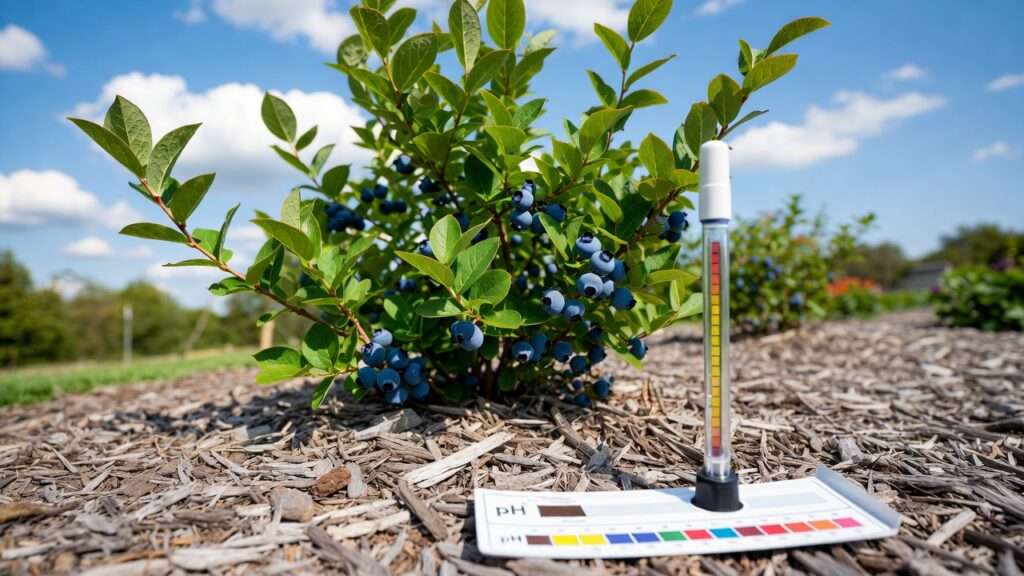
Imagine stepping into your backyard each summer and picking handfuls of plump, juicy blueberries straight from the bush—sweet, bursting with flavor, and completely homegrown. 🍇✨ Now picture the disappointment when your bushes produce tiny berries, yellowing leaves, or barely any fruit at all. The most common reason? Soil that’s simply not acidic enough.
Blueberries are one of the pickiest plants when it comes to soil pH—they thrive in highly acidic conditions, ideally between 4.5 and 5.5 (with many experts pinpointing the sweet spot at 4.8–5.2). Most garden soils sit at neutral or slightly alkaline levels (6.0–7.5+), locking up essential nutrients like iron and causing chlorosis (yellow leaves with green veins), stunted growth, and poor yields. The good news? With the right acidic soil amendments for blueberries, you can transform your soil, unlock nutrient availability, and set your plants up for abundant, healthy harvests year after year.
In this comprehensive guide, we’ll cover everything you need: why acidity matters, how to test your soil accurately, the best amendments (both fast-acting and organic), step-by-step application methods, long-term maintenance strategies, troubleshooting tips, and expert insights to help you succeed. Whether you’re planting new bushes or reviving struggling ones, this skyscraper-level resource draws from university extension recommendations (like Michigan State, University of Minnesota, and others), real-world gardener experiences, and sustainable practices to give you more value than typical articles. Let’s get your blueberries thriving! 🚀
Why Blueberries Crave Acidic Soil: The Science Behind It 🔬
Blueberries belong to the Ericaceae family (along with rhododendrons, azaleas, and cranberries), a group evolved in acidic, nutrient-poor environments like pine barrens and peat bogs. Their shallow, fibrous roots lack the root hairs that help most plants absorb nutrients efficiently, so they rely on symbiotic mycorrhizal fungi that thrive in low-pH conditions.
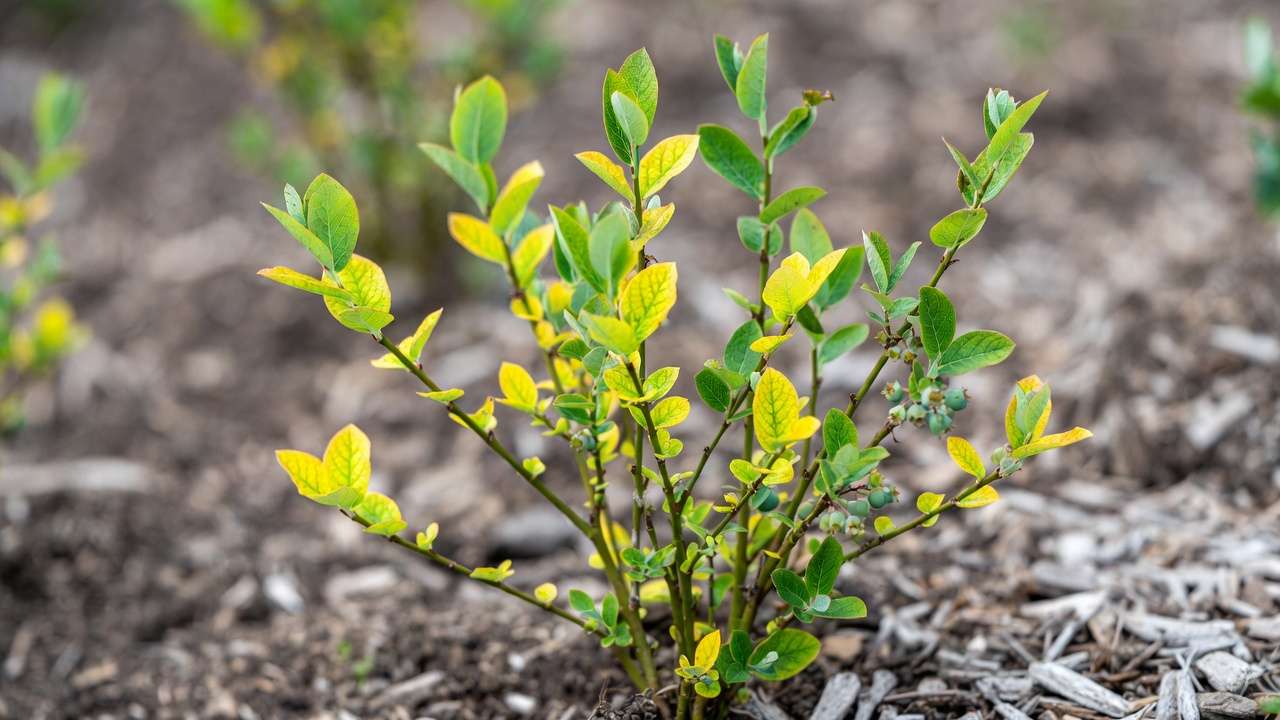
When soil pH rises above 5.5, key micronutrients—especially iron, manganese, and sometimes zinc—become insoluble and unavailable. This triggers iron chlorosis: leaves turn yellow while veins stay green, growth slows, fruit production drops dramatically, and plants become more prone to diseases and pests. In severe cases (pH 6.5+), bushes may barely survive, producing little to no berries.
University extensions consistently recommend a target pH of 4.0–5.5, with 4.5–5.5 as the practical sweet spot for home gardens. At this range, blueberries can absorb up to 10–20 times more iron than in neutral soil, leading to vigorous growth and yields of 5–20 pounds per mature bush (compared to near-zero in high-pH soil). Getting the pH right isn’t just helpful—it’s essential for success.
Quick self-diagnosis: If your blueberry leaves look pale or yellow (especially younger ones), growth is slow, or berries are small/sparse, soil acidity is likely the culprit. Time to test and amend! 🧐
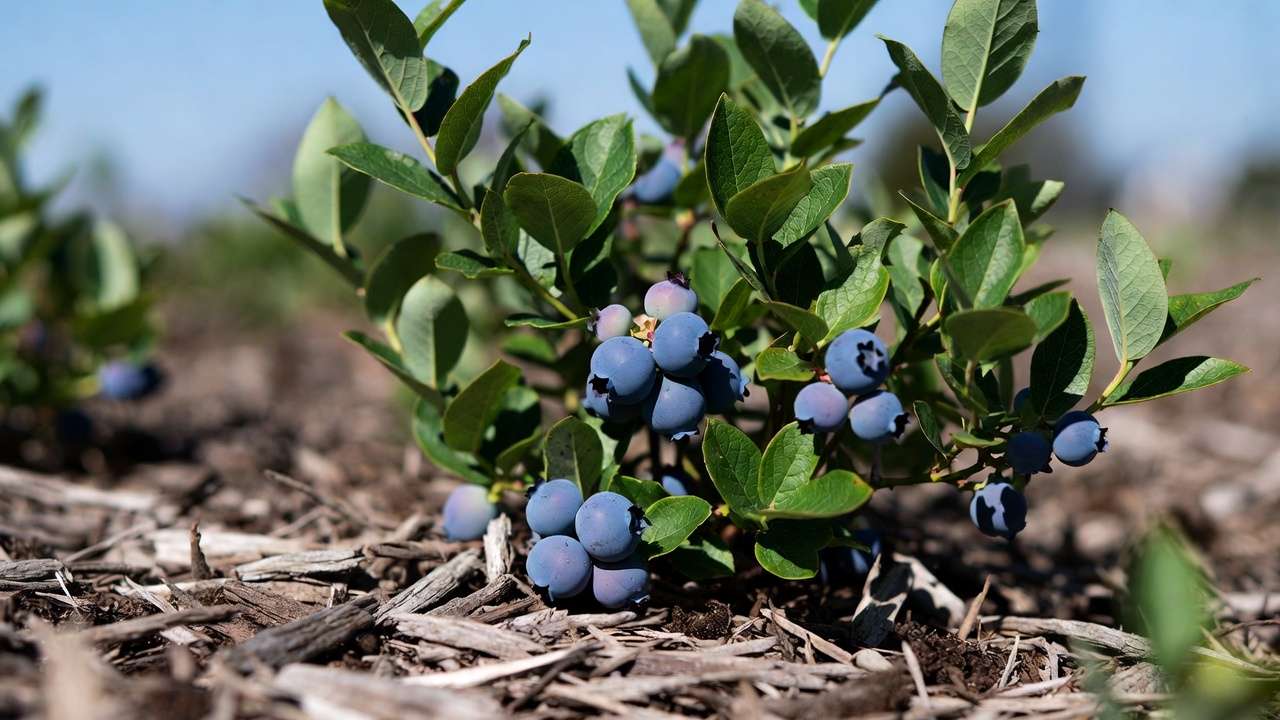
Step 1: Test Your Soil First (Don’t Skip This!) 🧪
Guessing is the fastest way to waste time and money on amendments. Always start with a reliable soil test.
- Why test? It tells you current pH, organic matter, nutrient levels, and exact amendment recommendations. Many “failed” blueberry patches stem from untested assumptions.
- How to test:
- Home kits (available at garden centers) give quick pH readings but can be less accurate.
- For trustworthy results, send samples to your local cooperative extension service or a certified lab (e.g., via your state’s agricultural university). In places like Bangladesh or similar climates, check local agricultural offices for affordable testing.
- Collect samples from 4–6 inches deep around the root zone, mix from multiple spots, and follow kit/lab instructions.
- Interpreting results:
- pH 4.5–5.5: You’re golden—focus on maintenance.
- pH 5.6–6.2: Amend moderately; organic options + sulfur work well.
- pH 6.3+: Heavy amendments needed; consider raised beds or containers for faster results.
- Timing: Test in fall or early spring. Retest annually or after major amendments/rainy seasons, as pH can creep up over time.
A good test costs little but saves huge headaches. Once you know your starting point, choose amendments wisely.
The Best Acidic Soil Amendments for Blueberries: Ranked & Compared 📊
Not all amendments are equal—some act fast, others build long-term health. Here’s a breakdown of the top performers, backed by extension research and gardener success.
Top Inorganic/Fast-Acting Amendments ⚡
- Elemental Sulfur (the gold standard 🌟)
- How it works: Soil bacteria (Thiobacillus) oxidize sulfur into sulfuric acid, gradually lowering pH over months.
- Application rates: Varies by soil type and drop needed (from MSU/UMN extensions):
- To lower from 6.0 to 5.0: ~1 lb per 100 sq ft on sandy soils; 2–3 lbs on clay/loamy.
- For bigger drops, apply in stages to avoid shocking plants.
- Timing: Apply 6–12 months before planting (fall ideal); for established bushes, surface-apply and water in.
- Pros: Long-lasting (years), organic-approved, cost-effective.
- Cons: Slow (3–12 months); over-application risks toxicity below pH 4.0.
- Ammonium Sulfate (21-0-0 fertilizer)
- Dual benefit: Provides nitrogen + acidifies quickly.
- Rates: 1–2 lbs per 100 sq ft; use as part of fertilizing routine.
- Best for: Mild adjustments + feeding acid-loving plants.
- Commercial Soil Acidifiers (e.g., Espoma Soil Acidifier)
- Convenient blends (often sulfur-based); follow package for blueberries.
Top Organic & Natural Amendments 🌿
- Sphagnum Peat Moss
- pH ~4.0–5.0; excellent for moisture retention and structure.
- Mix 20–50% into planting holes or beds (e.g., 50/50 peat + native soil).
- Pros: Immediate acidity boost, improves drainage.
- Cons: Sustainability concerns (peat harvesting); consider coconut coir as eco-alternative.
- Pine Bark Fines/Nuggets or Aged Pine Sawdust
- Long-term acidity + superb aeration/drainage.
- Use as mulch (2–4 inches) or mix 30–50% into soil.
- Pros: Mimics natural forest floor; suppresses weeds.
- Used Coffee Grounds
- Mildly acidic (pH ~6.0–6.5 fresh, lower when decomposed); add nutrients (nitrogen).
- Apply 1–2 inches as mulch or mix lightly; not a primary acidifier but great supplement.
- Myth bust: Alone, they won’t drop pH much—combine with others.
Other naturals: Oak leaves/leaf mold, pine needles (as mulch—slow effect).
Comparison Table (visualize this in your article!):
- Amendment | Speed | Longevity | Cost | Sustainability | Best For
- Elemental Sulfur | Slow (months) | Years | Low | High | Major pH drops
- Peat Moss | Fast | 2–3 years | Medium | Medium (eco concerns) | Planting mixes
- Pine Bark | Medium | Ongoing (mulch) | Low-Medium | High | Mulching & drainage
- Coffee Grounds | Slow | Short | Free/Cheap | High | Supplements
Choose based on your soil test, timeline, and values.
How to Apply Acidic Amendments: Step-by-Step Guide 🛠️
Pre-planting (ideal):
- Test soil 6–12 months ahead.
- Spread elemental sulfur evenly; till/rake 6–8 inches deep.
- Add peat moss/pine bark (50% mix for heavy soils).
- Water well; let microbes work.
For established bushes:
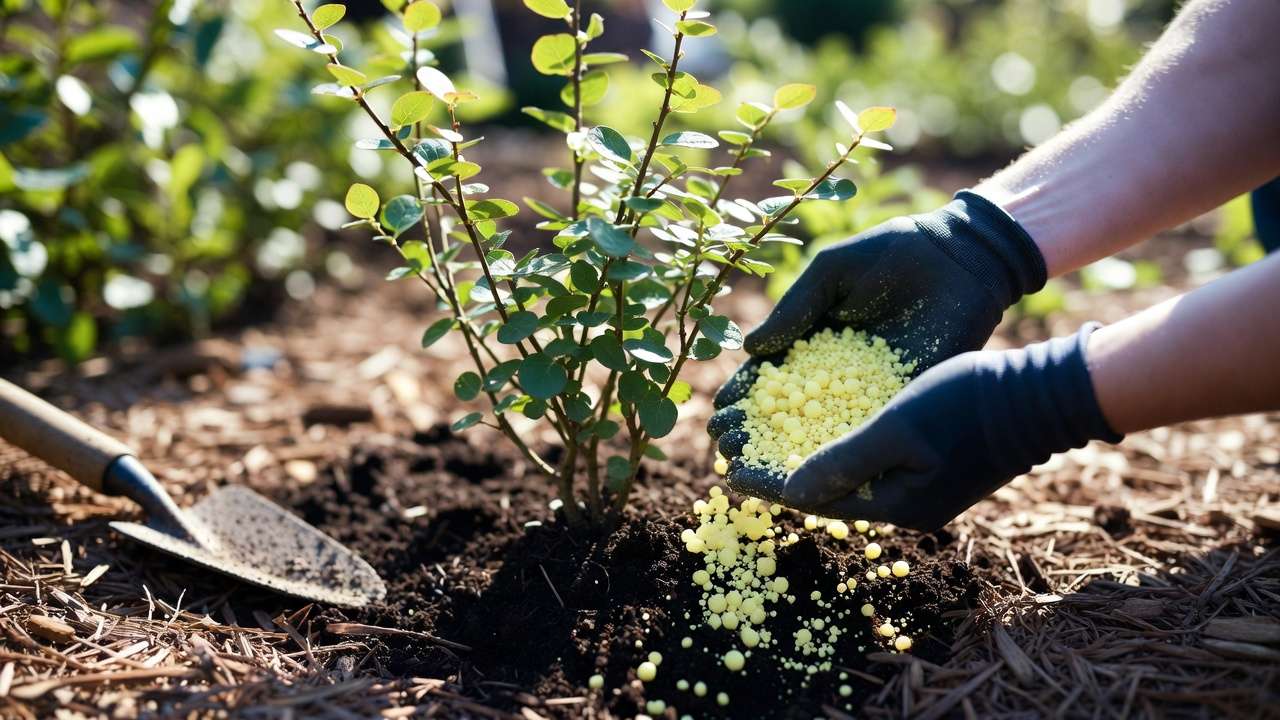
- Surface-apply sulfur (avoid direct root contact).
- Top-dress with peat/pine bark mulch.
- Water deeply to incorporate.
Raised beds/containers (great for alkaline soils):
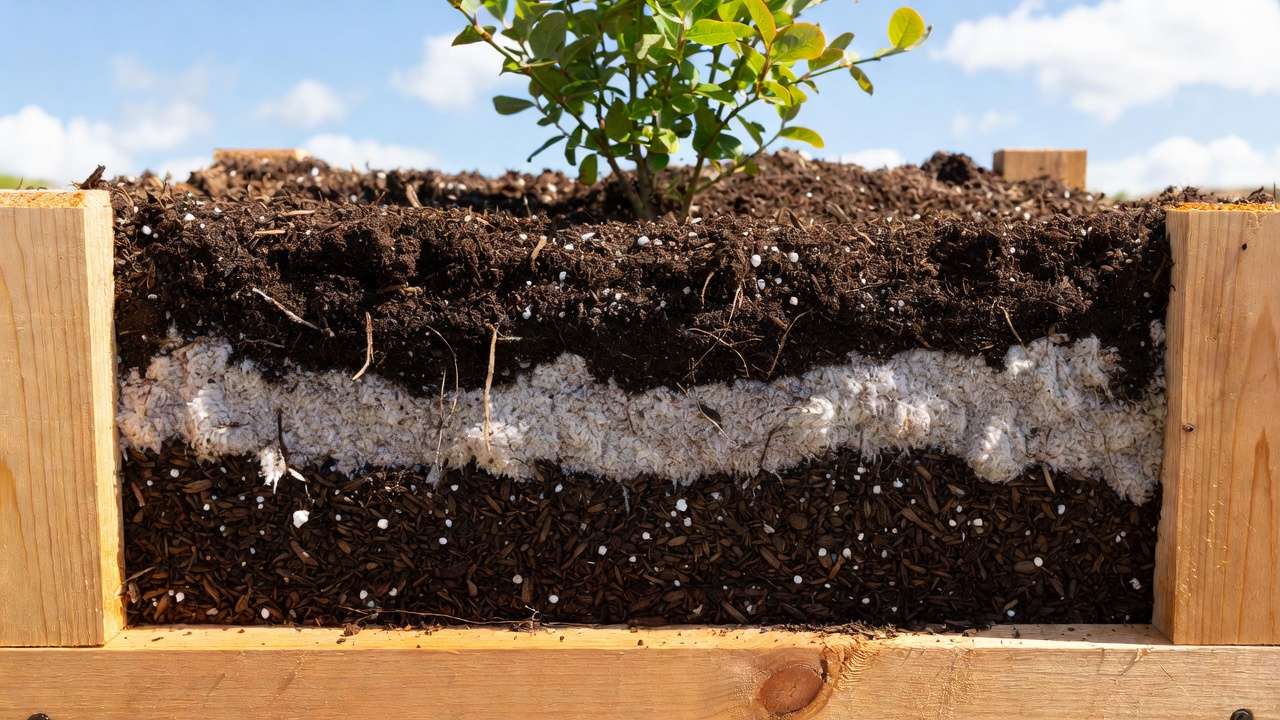
- Recipe: 40–50% peat moss or coir + 30% pine bark + 20% perlite/sand.
- Minimum 18–24 inches deep; bury pots if desired.
Watering: Use rainwater (naturally acidic) or add diluted vinegar sparingly (1–2 tbsp/gallon) for temporary boost—don’t rely on it long-term.
Mulch always: 3–4 inches pine bark/needles to retain acidity and moisture.
Maintenance: Keeping Soil Acidic Long-Term 🔄
Lowering pH is only half the battle—most soils naturally trend upward over time due to several factors:
- Rainwater (especially in low-rainfall areas) can be slightly alkaline or neutral.
- Hard tap water high in calcium/magnesium carbonates.
- Decomposition of organic matter releasing basic compounds.
- Nearby lawn liming or wood-ash use drifting over.
- Irrigation with non-acidified water.
Without ongoing effort, even well-amended blueberry beds can drift back to pH 6.0+ within 2–4 years, undoing your hard work.
Proven long-term maintenance routine (backed by extension services and experienced growers):
- Annual soil testing — Every spring or fall. Track the trend so you can catch rises early.
- Top-dress with acidifiers:
- Apply 0.25–0.5 lb elemental sulfur per 100 sq ft every 1–2 years (or half that annually for gentler adjustment).
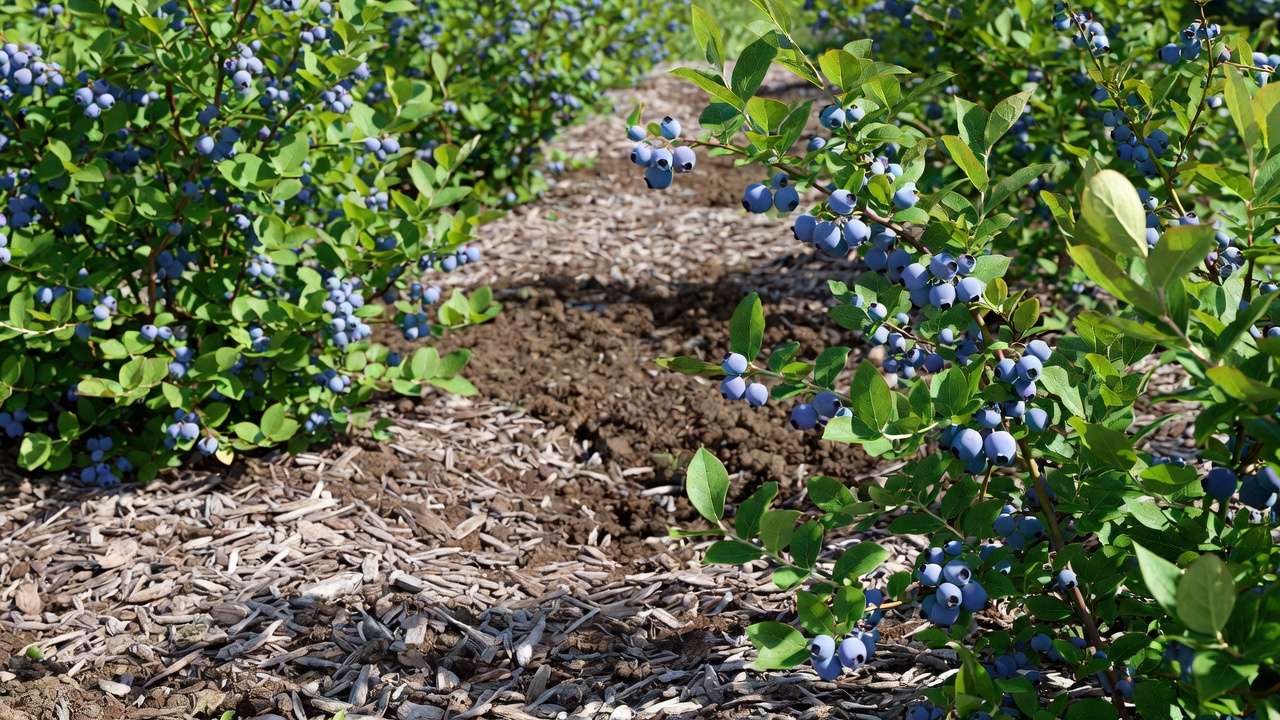
- Refresh organic mulch layer (pine bark, pine needles, oak leaves) to 3–4 inches deep each spring and fall. This slowly releases mild acidity while suppressing weeds and conserving moisture.
- Fertilizer choices matter:
- Use only fertilizers formulated for acid-loving plants (e.g., those labeled for azaleas, rhododendrons, camellias, or blueberries).
- Common good options: ammonium sulfate (21-0-0), cottonseed meal, or slow-release acid-formula products.
- Avoid high-pH fertilizers containing lime, dolomite, or calcium nitrate.
- Water wisely:
- Collect rainwater in barrels (naturally pH ~5.6–6.0).
- If using tap water, occasional acidification with diluted vinegar (1–2 tablespoons per gallon) can help temporarily, but don’t overdo it—vinegar provides very short-term acidity and can harm beneficial soil microbes if used excessively.
- Mulch religiously:
- Pine bark nuggets or mini-nuggets are top-tier: they acidify mildly, improve soil structure, and last 2–3 years before refreshing.
- Avoid hardwood mulches or those treated with dyes—they can raise pH.
Follow this routine and many gardeners report maintaining ideal pH (4.5–5.2) for 10+ years with minimal re-amending after the initial heavy work.
Troubleshooting Common Problems & Myths Busted ❌
Even with the best amendments, issues can pop up. Here are the most frequent problems and fixes:
- Yellow leaves (chlorosis) persists after amending → Soil pH may have dropped, but iron is still unavailable. Quick fix: Apply chelated iron (iron EDTA or iron DTPA) as a foliar spray or soil drench. These work even at slightly higher pH. Long-term: keep pushing pH lower.
- Leaves yellowing between veins on new growth → Classic iron deficiency from high pH. Confirm with soil test; don’t just guess.
- Over-acidifying (pH drops below 4.0) → Rare but possible with heavy sulfur use. Symptoms: stunted growth, leaf burn, aluminum/manganese toxicity. Remedy: Apply garden lime very sparingly (and only after testing) or switch to neutral-pH raised beds.
- No berries despite healthy leaves → Could be pollination issues, insufficient chill hours, wrong variety for your climate, or nutrient imbalance (not just pH). Cross-check with variety-specific guides.
Popular myths debunked:
- Myth: “Just sprinkle coffee grounds and you’re done.” Reality: Coffee grounds are mildly acidic and great as a supplement, but they won’t lower pH significantly on their own. Use them as part of a broader strategy.
- Myth: “Pine needles are super acidic and will fix everything.” Reality: Fresh pine needles are acidic (pH ~3.2–4.0), but as mulch they decompose slowly and have only a modest, gradual effect on soil pH. Excellent for maintenance, not for major corrections.
- Myth: “Vinegar is a reliable way to acidify soil.” Reality: It provides a very temporary pH drop in the top inch or two. Soil buffering quickly neutralizes it. Use sparingly for emergency foliar drenches only.
Bonus: Pro Tips & Expert Insights from Seasoned Growers 🌟
After helping hundreds of gardeners (and growing blueberries myself in varied conditions), here are battle-tested extras:
- Regional tweaks — In high-rainfall tropical/subtropical areas (like parts of Bangladesh), pH tends to stay lower naturally. Focus more on drainage and organic matter than heavy sulfur. In drier regions, irrigation water quality is the biggest pH driver—test your water pH too!
- Sustainable swaps — Concerned about peat moss harvesting? Coconut coir (pH ~5.5–6.5) + pine bark + elemental sulfur is an excellent eco-friendlier mix. Many commercial “peat-free ericaceous” composts now exist.
- Companion planting — Grow blueberries near other acid-lovers (azaleas, mountain laurel, lingonberries) to create a beautiful, low-maintenance acid-loving bed.
- Harvest booster combo — Once pH is right, layer on: full sun (6–8+ hours), consistent moisture (1–2 inches/week), annual pruning, and balanced acid fertilizer in early spring. Yields can easily triple.
- Variety matters — Choose rabbiteye or southern highbush types for warmer climates; northern highbush for colder zones. Right variety + right pH = success.
FAQs: Your Top Questions Answered ❓
Q: How long does elemental sulfur take to lower soil pH? A: 3–12 months depending on soil temperature, moisture, and microbial activity. Warm, moist conditions speed it up. Apply in fall for spring planting.
Q: Can I use vinegar to acidify my blueberry soil? A: Only as a very short-term trick (e.g., watering can drench). It doesn’t last and can harm soil life if overused. Stick to sulfur and organics for real change.
Q: Are coffee grounds enough to make soil acidic for blueberries? A: No—they’re a nice supplement (nitrogen + mild acidity), but not strong enough alone. Layer them over sulfur or peat for best results.
Q: What’s the best time of year to apply acidic amendments? A: Fall is ideal (gives months for conversion). Early spring works for lighter top-dresses on established plants.
Q: My soil is very alkaline (pH 7.5+). Can I fix it? A: Yes, but it takes time and heavy amendments. Many gardeners in alkaline regions opt for large raised beds, containers, or half-barrel planters filled with custom acidic mix.
Q: Will pine needles alone keep my soil acidic forever? A: They help maintain acidity as mulch, but you’ll still need occasional sulfur or acid fertilizer to counteract natural pH rise.
Q: Is it okay to mix different amendments together? A: Absolutely! Most successful growers combine sulfur (for pH drop) + peat/pine bark (for structure and immediate acidity) + coffee grounds/oak leaves (for nutrients).
Q: How do I know if my blueberries are finally happy? A: Deep green leaves, vigorous new growth, good leaf size, abundant flowers/fruit set, and berries that size up well.
Conclusion: Get Ready for Berry-Filled Success! 🎉🍇
Mastering acidic soil amendments for blueberries is the single biggest step toward turning struggling bushes into productive, beautiful plants. Start with a soil test, choose the right amendments for your situation, apply them properly, and commit to simple annual maintenance. Within 1–2 seasons, you’ll likely see greener leaves, stronger growth, and—best of all—bowls full of homegrown blueberries.
Don’t wait for perfect conditions. Grab a soil test kit this week, pick up some elemental sulfur and pine bark mulch, and give your blueberries the acidic home they crave. Your future self (and your taste buds) will thank you!
Have you battled high-pH soil with blueberries? What amendments worked best for you? Drop a comment below—I’d love to hear your story and help troubleshoot any challenges. Happy gardening! 🌿











