
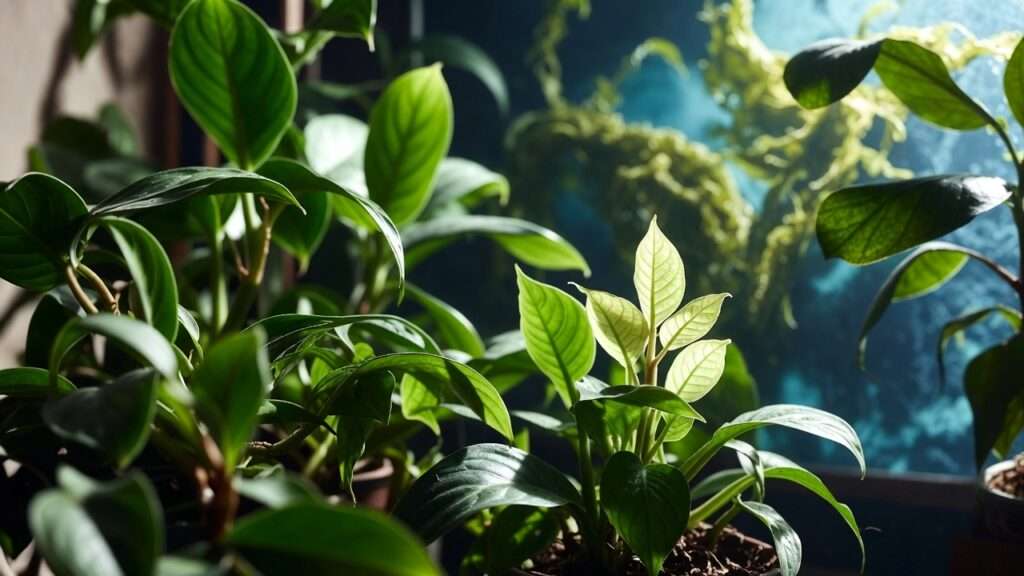
Is your once-vibrant indoor jungle starting to look tired? Yellowing leaves, slow growth, drooping stems, or plants that just never seem to thrive despite regular watering and good light — these are problems almost every houseplant owner faces sooner or later 🌱😔
The good news? Seaweed fertilizer for indoor plants offers one of the most gentle, effective, and natural ways to turn struggling houseplants into lush, resilient, happy green companions.
Unlike conventional synthetic fertilizers that can easily burn roots or create salt buildup in pots, seaweed-based products deliver a broad spectrum of trace minerals, natural plant hormones, amino acids, and beneficial organic compounds — all harvested from the ocean. This unique profile makes seaweed fertilizer especially valuable for indoor plants living in the confined, often stressful environment of containers.
In this comprehensive guide, you’ll learn exactly why seaweed fertilizer has become a favorite among experienced houseplant enthusiasts, how to choose a high-quality product, the correct ways to apply it (soil drench vs foliar spray), which plants respond most dramatically, common mistakes to avoid, and realistic expectations for results 🌊💚
Let’s dive in and discover how this ocean-derived superfood can become your indoor plants’ secret weapon.
What Is Seaweed Fertilizer and Why Is It Perfect for Indoor Plants?
Most people think of fertilizer as high-nitrogen, high-phosphorus, high-potassium blends (the famous NPK numbers). Seaweed fertilizer is very different — and that’s exactly why it’s so valuable for potted plants.
Seaweed fertilizer (also called liquid kelp, seaweed extract, or kelp meal extract) is typically made from specific species of brown algae, most commonly Ascophyllum nodosum (Norwegian kelp or rockweed). This seaweed is harvested sustainably from cold ocean waters, then processed (ideally with minimal heat) to preserve its valuable bioactive compounds.
Key components include:
- Over 60 trace minerals — iron, zinc, manganese, copper, boron, molybdenum and more
- Natural plant growth regulators (biostimulants) — auxins, cytokinins, gibberellins
- Amino acids and vitamins (especially B vitamins)
- Polysaccharides (alginic acid, laminarin) that improve soil structure and water retention
- Betaines and sterols that help plants handle environmental stress
Unlike synthetic fertilizers, seaweed products are very low in actual NPK (often 0-0-1 to 1-0-3 range). Instead, they act primarily as a biostimulant — gently enhancing a plant’s own physiological processes rather than forcing rapid, potentially weak growth.
This makes seaweed fertilizer particularly suitable for indoor plants because:
- Most potting mixes are already low in trace elements after a few months
- Indoor environments often create multiple stresses (low humidity, fluctuating temperatures, limited light)
- Many popular houseplants are naturally slow-growing or sensitive to strong fertilizers
- Salt buildup is a serious long-term problem in containers — seaweed extracts are much lower in salts than many synthetic options
In short: seaweed fertilizer doesn’t replace a balanced feeding program — it supercharges it 🌿✨
Key Benefits of Using Seaweed Fertilizer for Indoor Plants
Here are the most consistent, well-documented benefits you can realistically expect:
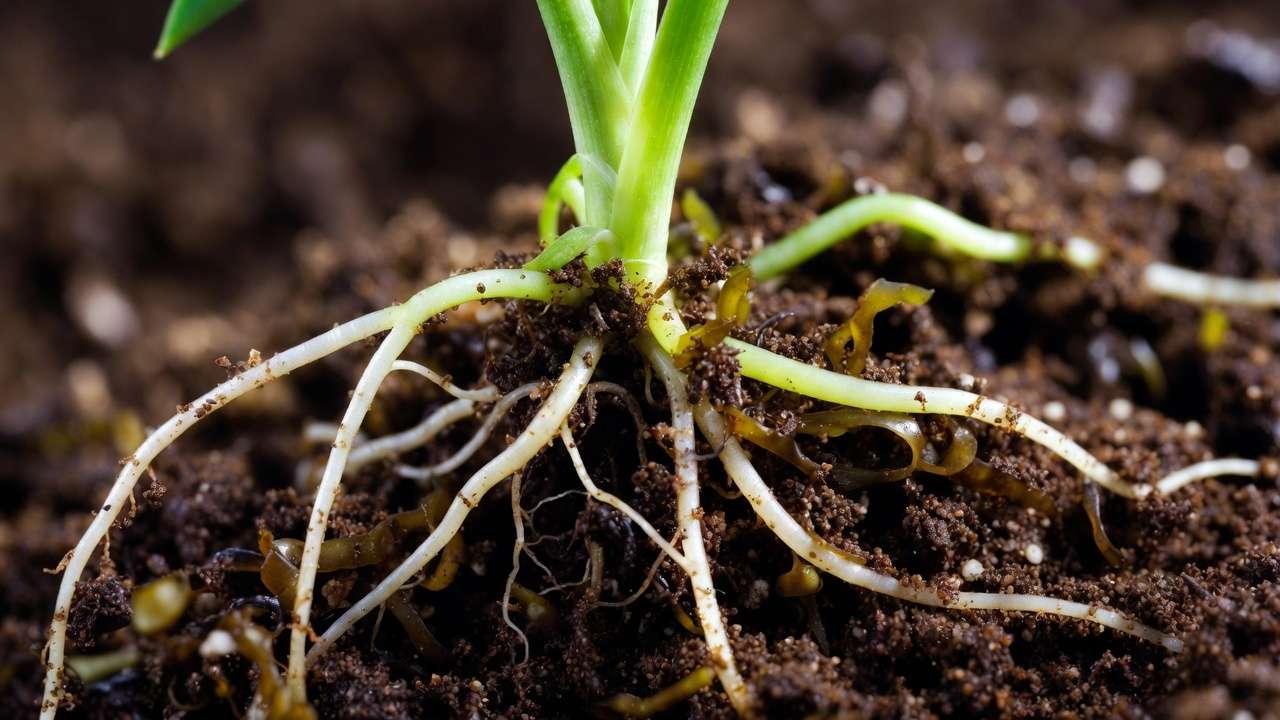
1. Stronger, healthier root systems 🌱 Seaweed extracts stimulate lateral root development and increase root hair density. Better roots = better uptake of water and nutrients long-term.
2. Deeper green foliage & improved leaf shine 🍃 Natural growth hormones and trace elements support chlorophyll production and protect leaf cell structure.
3. Increased stress tolerance 💪 Plants treated with seaweed show better recovery from:
- Overwatering / underwatering episodes
- Low humidity (especially helpful in winter)
- Temperature swings
- Transplant / repotting shock
- Low-light conditions
4. Reduced leaf drop and tip burn 😌 Particularly noticeable on peace lilies, spider plants, dracaenas, and calatheas.
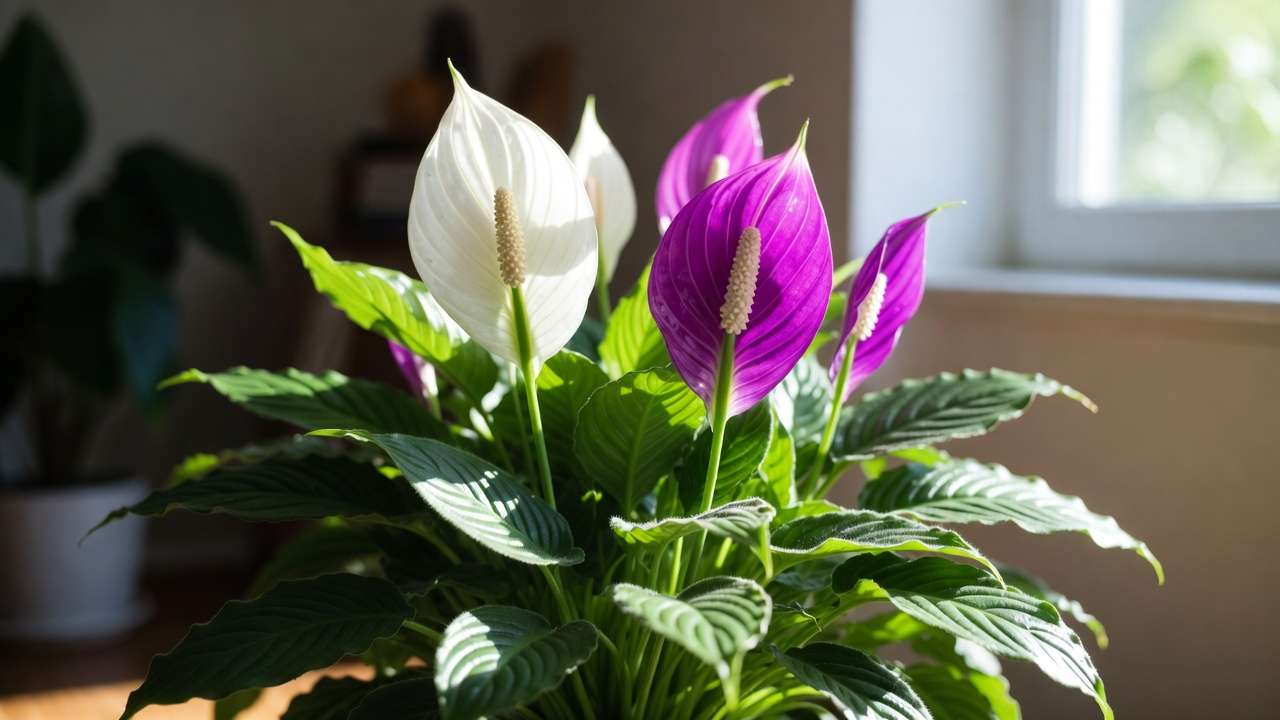
5. More flowers on blooming houseplants 🌸 African violets, anthuriums, peace lilies, orchids, and holiday cacti often produce more buds and longer-lasting blooms.
6. Gentler than most synthetic fertilizers ⚖️ Extremely low risk of fertilizer burn — even when slightly over-applied.
7. Improves beneficial microbial activity 🦠 Feeds the living soil food web in your potting mix, leading to healthier, more disease-resistant plants over time.
8. Sustainable and eco-friendly ♻️ Made from renewable marine resources when harvested responsibly.
Many experienced growers report that after switching to regular seaweed applications, their plants look “just happier” — shinier leaves, sturdier stems, and a noticeable bounce-back quality even when care isn’t perfect.
How to Choose the Best Seaweed Fertilizer for Your Houseplants
Not all seaweed products are equal. Quality makes a huge difference in results.
What to look for:
- Derived primarily from Ascophyllum nodosum (cold-water kelp species richest in biostimulants)
- Cold-processed or low-temperature extraction (heat destroys many hormones)
- No added synthetic NPK (unless you specifically want a blend)
- Clear labeling of concentration (e.g., “6% seaweed extract”)
- Organic certification is a good sign (but not always necessary)
- Third-party testing for heavy metals (ocean products can sometimes contain trace contaminants)
Popular high-quality options (2025–2026 recommendations):
- Neptune’s Harvest Fish & Seaweed Fertilizer — excellent all-rounder (contains both fish hydrolysate and seaweed)
- Maxsea All-Purpose (16-16-16 + kelp) — very popular among serious houseplant collectors
- GS Plant Foods Liquid Kelp — pure concentrated seaweed extract
- Blue Planet Nutrients Liquid Seaweed — strong concentration, good value
- SeaCom PGR Kelp Extract — one of the purest biostimulant-focused options
- Liquified Seaweed Extract (various brands) — look for 0-0-1 or similar low NPK
Quick tip: If your plants already receive a good balanced fertilizer, choose a pure seaweed extract rather than a blend. If you’re looking for an all-in-one product, a fish + seaweed combination works beautifully.
How to Use Seaweed Fertilizer for Indoor Plants (Step-by-Step)
Using seaweed fertilizer correctly is easy — and very forgiving.
1. Dilution Guidelines
Always follow the label — but here are safe starting points:
- General soil drench: ¼ – ½ tsp per gallon of water (beginners) → ½ – 1 tsp per gallon (experienced users)
- Foliar spray: ¼ tsp per gallon (very weak solution)
- Root dip at repotting: 1 tsp per gallon (short soak)
Important: Start at half strength the first few times, especially with sensitive plants.
2. Application Methods
Soil Drench (most common)
- Water plants as you normally would, but use the diluted seaweed solution instead of plain water.
- Best for root development and long-term benefits.
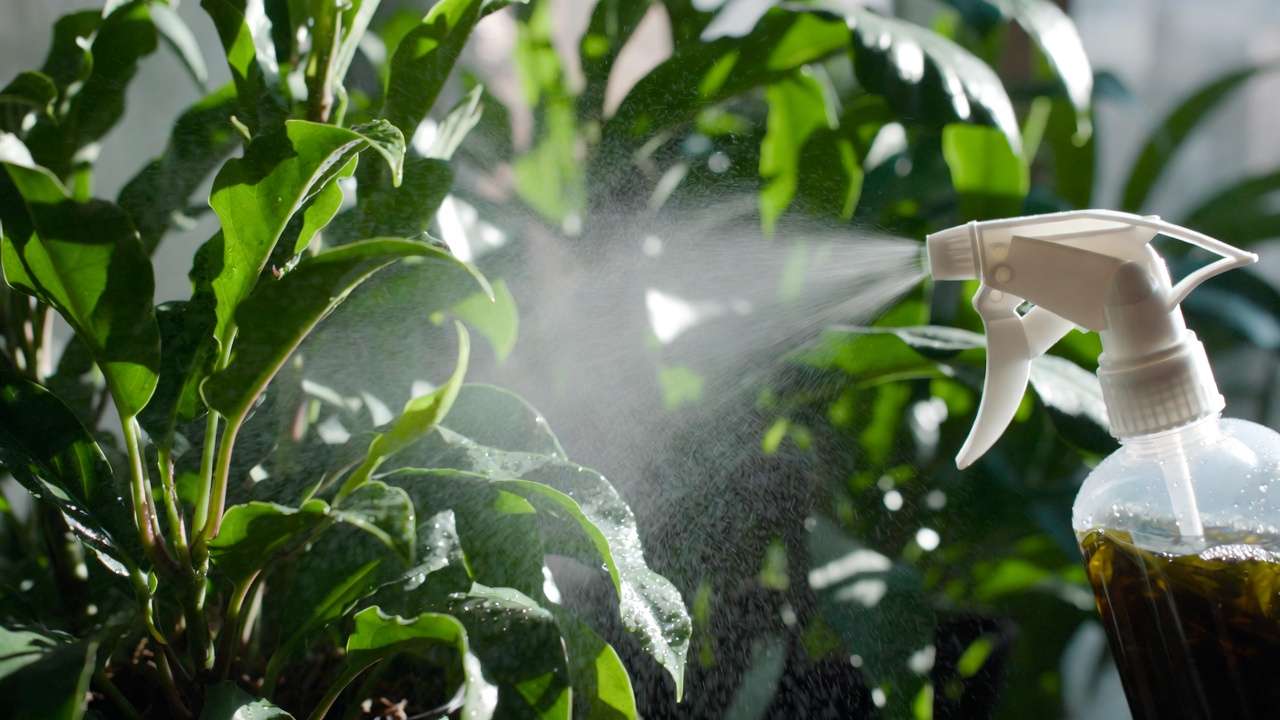
Foliar Spray
- Mist leaves thoroughly (both top and underside) early morning or late evening.
- Excellent for fast uptake of trace elements and quick stress relief.
- Especially helpful for plants with fuzzy leaves (African violets, begonias) — just avoid heavy saturation.
Root Dip (repotting/new plants)
- Soak bare roots in a weak solution (1 tsp/gallon) for 5–30 minutes before planting.
- Great way to reduce transplant shock.
3. Frequency & Seasonal Schedule
- Spring & Summer (active growth): every 2–4 weeks
- Fall: every 4–6 weeks (transition period)
- Winter: every 6–8 weeks or pause entirely if plants are dormant
4. Combining with Other Fertilizers
Seaweed fertilizer shines brightest when used as a companion rather than a standalone product. It acts as a biostimulant that enhances nutrient uptake, so pairing it with a balanced NPK fertilizer creates a powerhouse routine for indoor plants.
- Heavy feeders (monstera, philodendron, pothos, fiddle leaf fig): Use your regular balanced liquid fertilizer (e.g., 20-20-20 or organic 10-10-10) at half strength, then add seaweed extract at the recommended dilution every other watering. This combo delivers macronutrients plus the trace elements and hormones plants crave.
- Blooming plants (African violets, peace lilies, anthuriums): Alternate between a bloom-booster (higher phosphorus) and seaweed foliar sprays to encourage more buds and longer flower life.
- Low-maintenance plants (snake plant, ZZ plant, succulents): Stick to pure seaweed extract every 4–6 weeks — no need for extra NPK unless growth stalls.
Many houseplant experts recommend the “every-other-feed” method: one watering with balanced fertilizer, the next with diluted seaweed. This prevents nutrient imbalances while maximizing benefits like stronger roots and stress resistance.
Always apply to moist soil (never bone-dry roots) and flush pots with plain water every 2–3 months to prevent any minor salt buildup — though seaweed products are very low-salt compared to synthetics.
Common Indoor Plants That Thrive with Seaweed Fertilizer
One of the best things about seaweed fertilizer is its versatility. Almost every popular houseplant responds positively, but some show especially dramatic improvements 🌱✨
- Pothos, Snake Plant & ZZ Plant — These tough, low-light favorites often develop shinier, deeper-green leaves and produce new growth faster. Many growers notice reduced leaf yellowing in low-humidity homes.
- Peace Lily, Spider Plant & Ferns — Foliar sprays help reduce brown tips from dry air or fluoride in tap water. Plants perk up noticeably within 1–2 applications.
- African Violet, Orchid & Anthurium — Flowering houseplants frequently produce more buds and hold blooms longer. The gentle hormone boost encourages consistent flowering without forcing weak, leggy growth.
- Succulents & Cacti — Use very dilute solutions (¼ strength) every 6–8 weeks. It aids recovery from over/underwatering stress and supports compact, healthy growth without etiolation.
- Fiddle Leaf Fig & Monstera — These statement plants benefit hugely from root drenches — stronger stems, larger leaves, and better resistance to leaf drop during seasonal changes.
Bonus: Seaweed is fantastic for newly propagated cuttings or stressed plants (e.g., after repotting or moving). A root dip or weak foliar spray often speeds acclimation and reduces transplant shock dramatically.
DIY Seaweed Fertilizer: Make Your Own at Home
If you prefer ultra-natural and budget-friendly options, making your own seaweed fertilizer is simple and rewarding 🌊
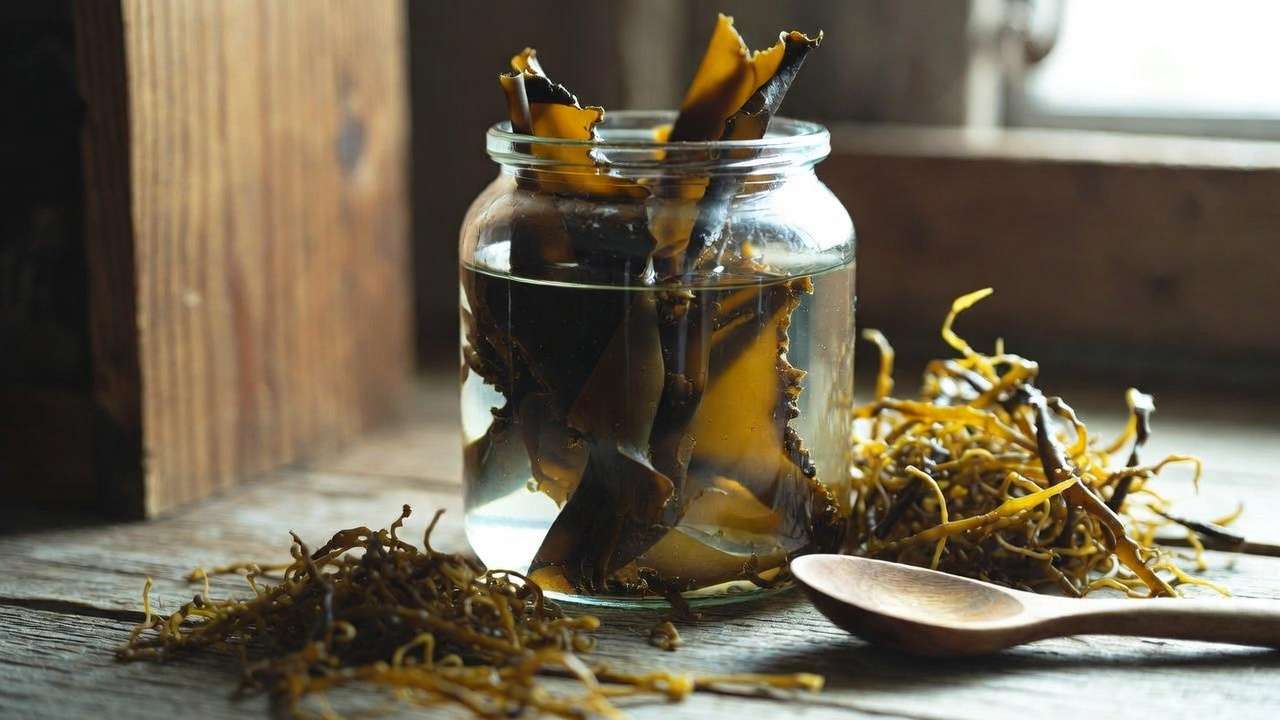
Quick cold-brew method (best for preserving hormones):
- Purchase dried kelp meal or powdered Ascophyllum nodosum (available online or at garden stores — ensure it’s food-grade or garden-grade, not salted).
- Place 1–2 tablespoons in a mesh bag or old stocking.
- Steep in 1 gallon of dechlorinated water for 3–14 days (stir daily). The longer, the stronger — but even 24–48 hours gives good results.
- Strain out solids.
- Dilute the resulting tea 1:10 to 1:20 with water before use.
Overnight emergency version: Chop dried kelp finely, steep in warm water overnight, strain, and dilute heavily. It won’t be as potent but still delivers trace minerals and some biostimulants.
Pro tip: Store homemade extract in a cool, dark place for up to 2 weeks. Always smell-test — if it turns foul, discard and start fresh.
This DIY approach works beautifully for indoor plants and costs pennies per application!
Potential Drawbacks & How to Avoid Mistakes
Seaweed fertilizer is one of the safest options available, but a few common pitfalls exist:
- Mild ocean/fishy smell — Some pure seaweed or fish+seaweed blends have a temporary odor (fades in hours). Choose odorless or low-odor formulas if this bothers you indoors.
- Not a complete NPK replacement — For fast-growing or heavy-feeding plants, seaweed alone won’t supply enough nitrogen/phosphorus/potassium. Always supplement as needed.
- Overuse — Extremely rare to cause harm, but very frequent strong applications can lead to minor nutrient imbalances or slight salt buildup over years. Solution: Stick to recommended dilutions and flush pots periodically.
- Very sensitive plants — Some ultra-low-nutrient lovers (e.g., certain carnivorous plants or lean-soil succulents) may prefer plain water most of the time. Use seaweed sparingly (once every 2–3 months at ¼ strength).
Follow label instructions, start low and slow, and observe your plants — they’ll tell you if adjustments are needed.
Expert Tips & Real Gardener Insights
From years of working with houseplants and feedback from large indoor gardening communities:
- “I add Maxsea (seaweed-based powder) at ¼ tsp per gallon every watering in spring/summer — my monsteras and philos exploded with new leaves!”
- Foliar sprays in dry winter homes cut leaf crisping by half on calatheas and prayer plants.
- Combine with compost tea or worm castings for the ultimate organic super-boost — living soil microbes + seaweed hormones = magic.
- Many report visible improvements (greener leaves, new growth) in 7–14 days, with peak benefits after 4–6 consistent applications.
These aren’t hype — they’re consistent patterns seen by thousands of houseplant enthusiasts.
Frequently Asked Questions (FAQs)
Is seaweed fertilizer safe for all indoor plants? Yes — it’s one of the gentlest options available. Even sensitive ferns, orchids, and succulents thrive when used at proper dilutions 🌿
How soon will I see results? Many notice shinier leaves and perked-up plants in 1–2 weeks. New growth often appears in 2–4 weeks, with fuller, healthier foliage over 1–3 months.
Can I use it every time I water? Yes — at very weak strength (¼–½ recommended dose). This “low and slow” method is popular and produces excellent long-term results without risk.
Liquid vs. powder — which is better? Both excellent. Liquid is convenient for beginners; powder stores indefinitely and is often more concentrated/economical.
Is it better than synthetic fertilizers? For natural, sustainable health, stress resistance, and soil life — absolutely. For explosive short-term growth, combine with balanced NPK. Many growers use both for the best of both worlds.
Conclusion
Seaweed fertilizer for indoor plants is more than a trend — it’s a proven, gentle way to bring ocean vitality into your home. By delivering trace minerals, natural hormones, and stress-relief compounds, it helps your houseplants overcome the challenges of indoor life: limited light, dry air, confined roots, and nutrient-depleted potting mix.
Start with a high-quality product (or try the DIY method), apply consistently but conservatively, and watch your indoor jungle respond with lush growth, vibrant color, and remarkable resilience. Your plants deserve this natural boost — and you’ll love the results 🌿💚
Happy growing, and enjoy your thriving, happy houseplants!











