
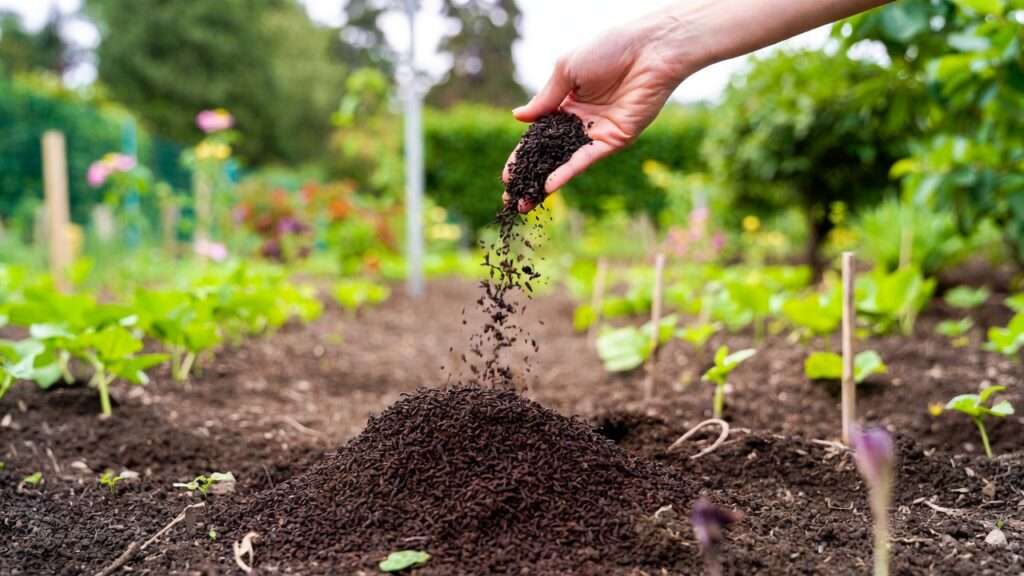
Picture this: Every morning, as you savor your steaming cup of coffee, you’re unknowingly holding onto a free, powerful resource that could transform your garden. Millions of gardeners toss their used coffee grounds straight into the trash, sending them to landfills where they contribute to methane emissions. But what if those same grounds could nourish your soil, boost plant growth, deter pesky slugs, and help you garden more sustainably? 🌱
Many plant lovers experiment with coffee grounds as soil amendment, drawn by promises of free nitrogen and acidity for beloved acid-loving plants. Yet horror stories abound—raised beds ruined, plants stunted, or water pooling on a crusty surface. The truth? When used correctly, spent coffee grounds are an excellent, low-cost organic amendment that improves soil structure, feeds beneficial microbes, and supports healthier plants and trees.
In this in-depth guide, we’ll explore the science (drawing from trusted sources like Oregon State University Extension), real benefits, proven application methods, which plants thrive with them (and which don’t), and—most importantly—the common mistakes that turn this eco-friendly hack into a garden disaster. By the end, you’ll know exactly how to repurpose your daily brew for thriving greenery without the risks. Let’s dive in! ♻️
What Are Coffee Grounds as a Soil Amendment?
Spent (used) coffee grounds are the leftover residue after brewing your favorite cup. Unlike fresh, unbrewed grounds (which are more acidic and caffeinated), spent grounds have had most water-soluble acids leached out during brewing.
Key characteristics include:
- Nutrient profile: About 1-2% nitrogen (a “green” compost material), plus small amounts of phosphorus, potassium, calcium, magnesium, and trace minerals like iron, copper, and zinc.
- pH level: Near-neutral, typically 6.5–6.8 (contrary to the myth that they strongly acidify soil long-term—the brewing process removes most acidity).
- Organic matter: They add carbon and improve microbial activity once decomposed.
Compared to other amendments like composted manure (higher in nutrients but potentially weed-seedy) or leaf mold (great for structure but slower to break down), coffee grounds shine as an accessible, nitrogen-rich kitchen waste. They’re not a complete fertilizer but an excellent supplement for building healthier soil over time.
Important note: Always use spent grounds—fresh ones can burn roots due to higher caffeine and acidity.
The Science-Backed Benefits of Coffee Grounds as Soil Amendment
Oregon State University Extension soil scientists, like Linda Brewer, emphasize moderation but confirm coffee grounds’ value when used properly. Here’s what research and field experience show:
Key Nutrients and Soil Health Improvements
Spent grounds provide slow-release nitrogen that feeds soil microbes, which in turn break down organic matter into plant-available forms. This boosts overall soil fertility without the burn risk of synthetic fertilizers.
They enhance soil structure—especially in heavy clay soils—by improving aeration, drainage, and water retention. Adding organic matter like grounds helps create crumbly, fertile tilth that roots love. In sandy soils, they increase nutrient-holding capacity. 🌍
Pest and Weed Deterrence
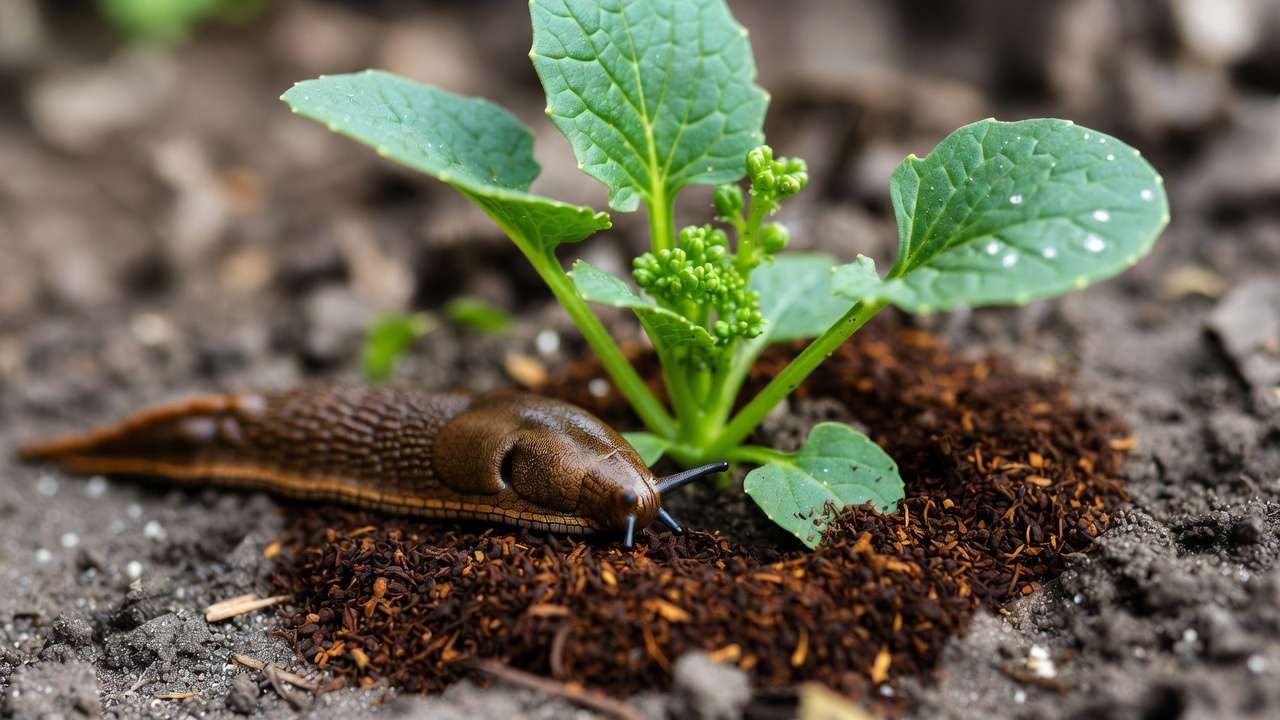
One of the most exciting perks: Slug and snail control! OSU research found a 1-2% caffeine solution (from brewed grounds) as a soil drench causes slugs to flee and die from caffeine toxicity—often 100% effective in treated areas.
Light applications can suppress weeds by forming a mild barrier and feeding microbes that outcompete weed seeds.
Additional Perks
- Attracts earthworms and beneficial microbes for natural aeration.
- Reduces landfill waste—sustainable gardening at its best! ♻️
- Minor micronutrient boost for long-term plant resilience.
These benefits make coffee grounds a smart choice for eco-conscious gardeners aiming for healthier, more productive beds and borders.
Which Plants and Trees Benefit Most from Coffee Grounds?
Not all plants are created equal—match grounds to preferences for best results. Focus on nutrient-hungry or slightly acid-tolerant species in your plant and tree care niche.
Acid-Loving or Nutrient-Hungry Favorites
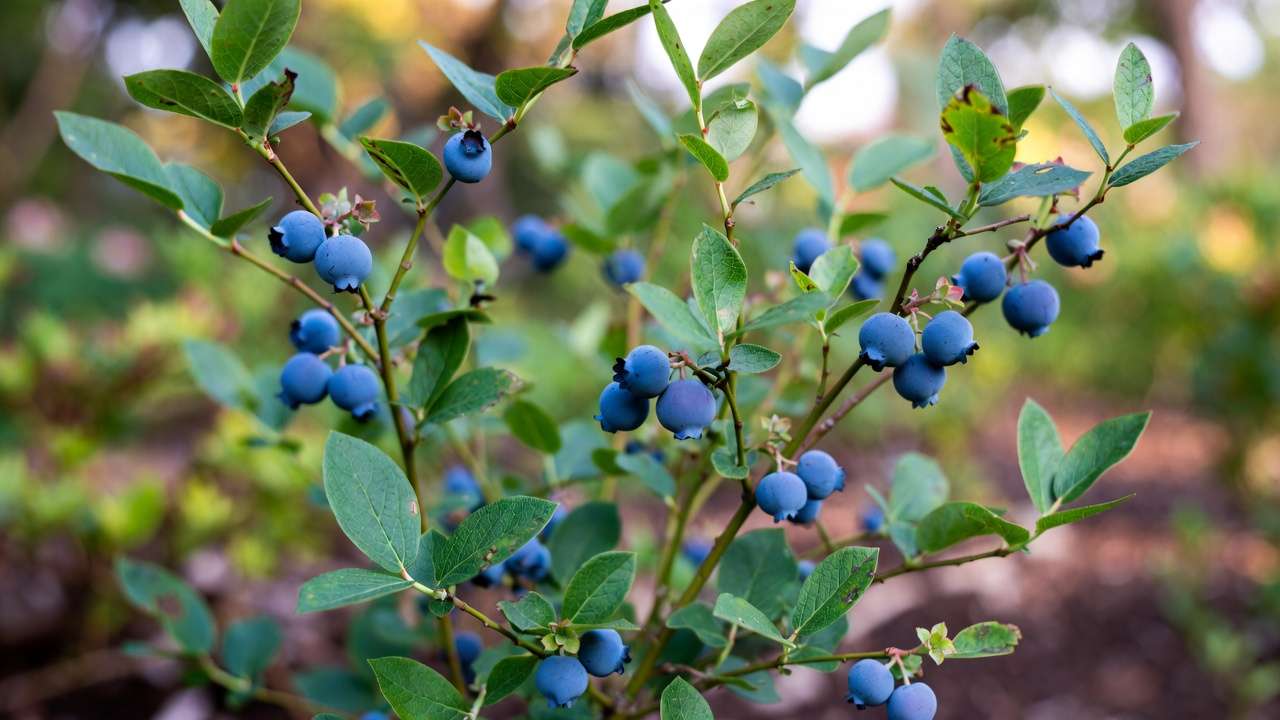
- Blueberries: Thrive with improved drainage and mild nutrient boost (though true acidification needs sulfur—grounds help indirectly).
- Azaleas, rhododendrons, camellias, gardenias: Love the organic matter and slight pH tweak.
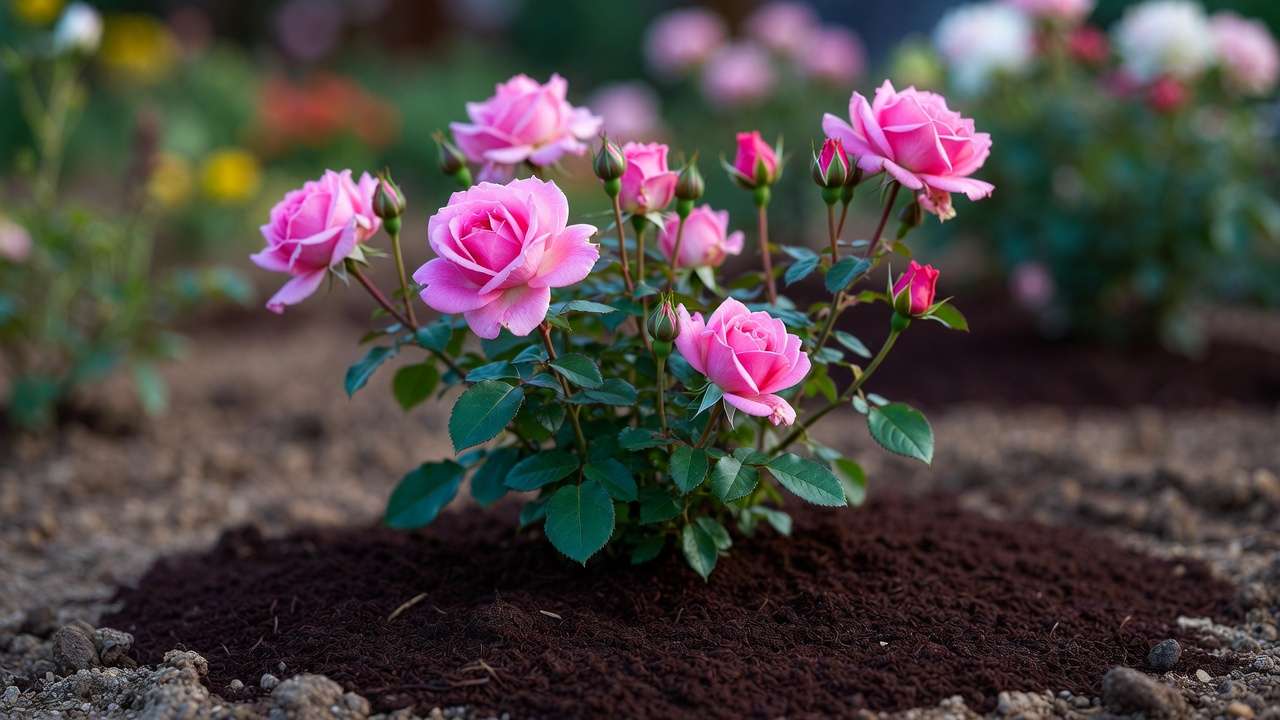
- Roses: Benefit from nitrogen for lush foliage and blooms; light top-dressing deters slugs too. 🌹
- Hydrangeas: May subtly influence blue color in mopheads (via minor acidity).
Vegetables and Edibles
- Carrots, radishes: Root veggies appreciate loose, aerated soil and nitrogen.
- Broccoli, Brussels sprouts: Nitrogen supports leafy growth.
- Tomatoes: Moderate use for vigorous plants (avoid excess to prevent issues). 🍅
Trees and Shrubs
- Fruit trees (citrus, some apples): Nitrogen and structure benefits in drip line.
- Evergreens and acid-preferring shrubs: Enhanced soil health without drastic pH shift.
Houseplants and Others
- African violets, maidenhair ferns: Sparingly in potting mixes for drainage.
Avoid or limit on alkaline-loving plants (e.g., lavender) or seedlings (caffeine sensitivity). Always test soil first!
How to Use Coffee Grounds as Soil Amendment Safely and Effectively
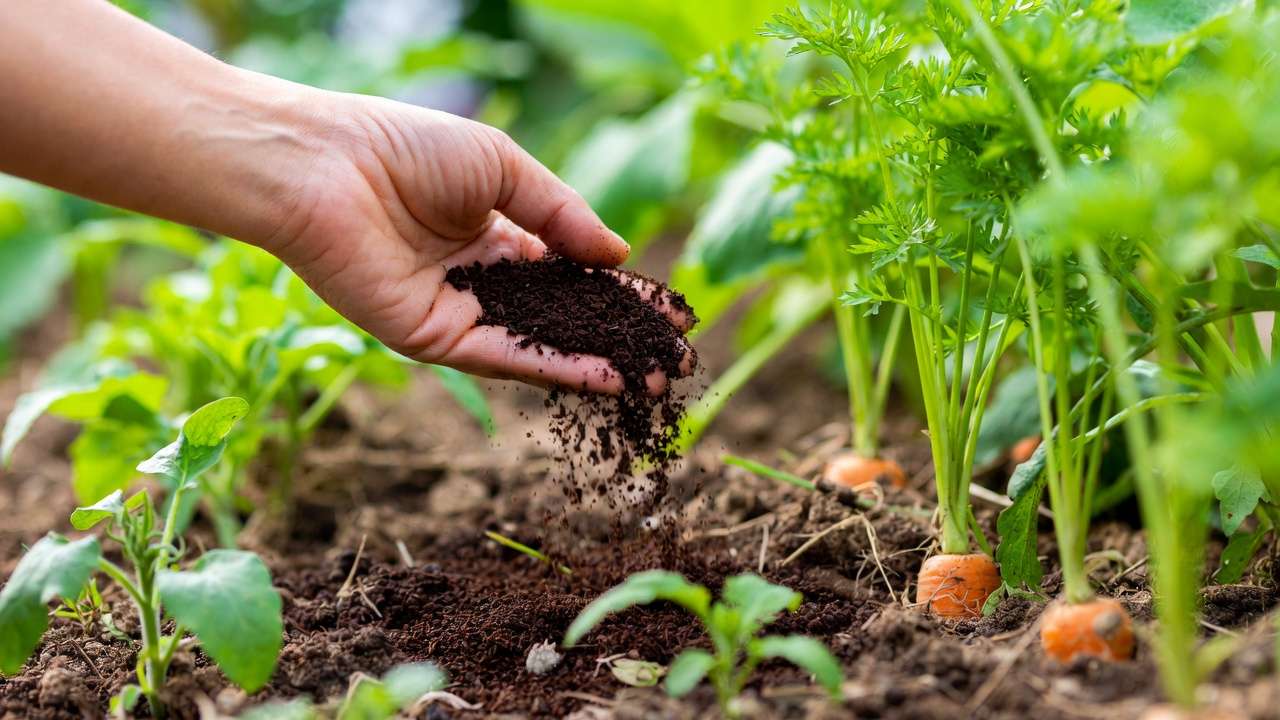
The golden rule: Moderation and mixing. OSU recommends no more than ½ inch worked into the top 4 inches of soil.
Best Method: Composting First (Recommended)
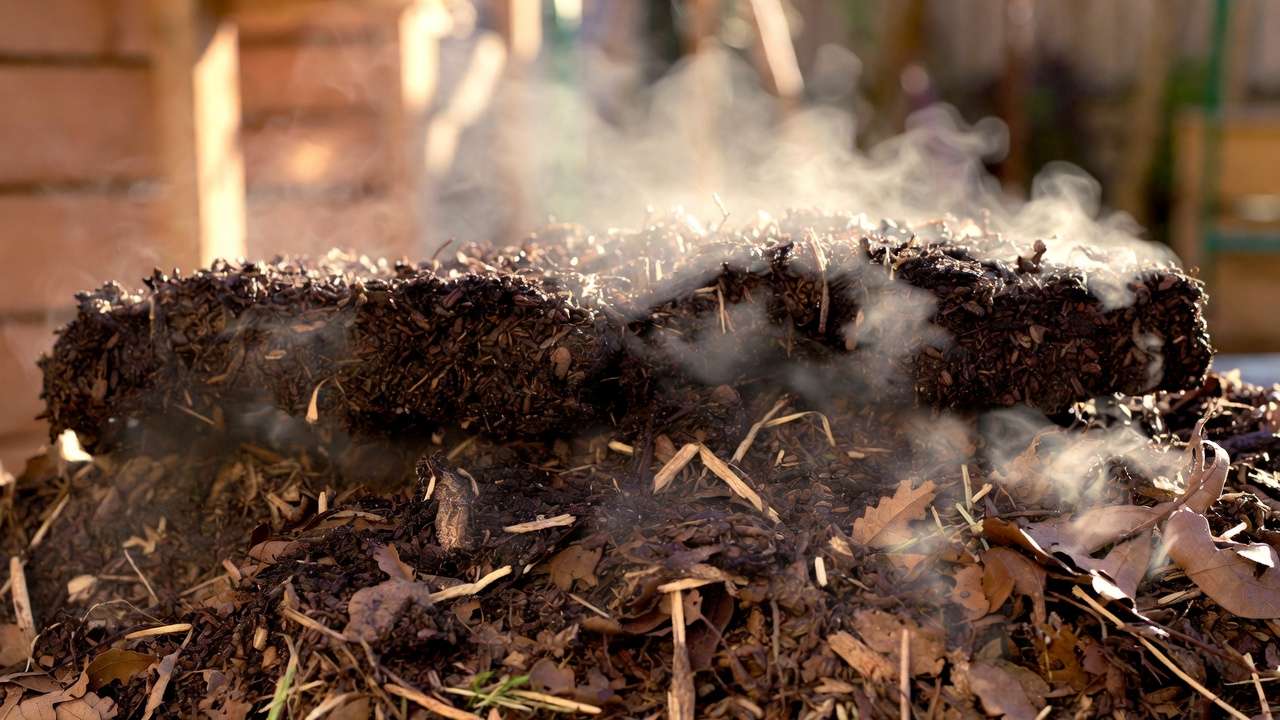
Collect grounds (even from local cafes—many give them away!). Layer as “greens” with “browns” (leaves, cardboard) in a 1:3 ratio. Turn weekly; ready in 3-6 months. Composted grounds are neutral, safe, and microbe-rich.
Direct Soil Application Techniques
- Mix into top 4-6 inches for new beds.
- As mulch: Apply thin layer (¼-½ inch), rake in or top with coarser mulch (wood chips) to prevent crusting.
- Around established plants: Sprinkle sparingly in drip zone, especially spring/fall.
Other Creative Uses
- Coffee ground “tea”: Soak 1 cup grounds in 5 gallons water overnight; strain and dilute for liquid feed.
- Slug barrier: Ring vulnerable plants with grounds (refresh after rain) 🐌.
- Potting mix: Blend 10-20% into houseplant soil for better drainage.
Start small—observe plant response before scaling up!
Common Mistakes to Avoid When Using Coffee Grounds
Even experts warn: “People are too enthusiastic” (Linda Brewer, OSU). Here’s how to dodge pitfalls.
Over-Application and “Too Much Enthusiasm”
Excess causes temporary nitrogen tie-up (microbes use available N to break down grounds, starving plants). Result: Yellowing, stunted growth, ruined beds. Limit to recommended amounts!
Creating a Water-Repellent Crust
Thick, unmixed layers dry into a hard, impermeable mat—water beads off, roots suffocate, fungi thrive. Always incorporate or cover.
Using on Wrong Plants or Seedlings
Fresh grounds burn roots; high caffeine inhibits seedlings. Skip tomatoes/young plants in excess.
Ignoring Soil Testing
Don’t assume acidification—grounds are near-neutral post-brew. Test pH/nutrients first; over-application can imbalance.
Other Pitfalls
- Confusing fresh vs. spent.
- Allelopathic effects (growth suppression in high doses).
- Ignoring balance—pair with carbon sources.
Avoid these, and your garden wins big!
Expert Tips and Best Practices for Maximum Results
- Cool grounds completely before use (hot kills microbes).
- Combine with carbon-rich materials (leaves, wood chips) for balanced decomposition.
- Monitor seasonally—apply more in spring for growth, less in fall.
- Source sustainably: Ask cafes for bags (free and eco-friendly!).
- For trees: Spread in drip line during dormant seasons. 🌳
- Pair with mulch for weed control and moisture retention.
Pro tip: Track changes with photos and notes—your garden journal will thank you! 📸
Frequently Asked Questions (FAQs)
Do coffee grounds acidify soil? Slightly and temporarily—spent grounds are near-neutral (6.5-6.8). Not a reliable acidifier; use sulfur for true lowering.
Can I use fresh (unbrewed) coffee grounds? No—too acidic and caffeinated; stick to spent.
Are coffee grounds safe for all plants? No—great for many, but moderate on seedlings, tomatoes, or alkaline-lovers.
How often should I apply them? Seasonally, sparingly—once or twice per growing period, max ½ inch incorporated.
Do they really kill slugs? Yes—OSU research shows 1-2% drench effective!
What’s the best way for indoor plants? Compost first or use diluted tea; avoid direct heavy application in pots.
Conclusion: Start Repurposing Your Coffee Grounds Today!
Coffee grounds as soil amendment offer a simple, sustainable way to enrich soil, support plant health, and reduce waste—all from your morning routine. Used wisely (composted or sparingly direct), they deliver nutrients, improve structure, deter pests, and make your garden greener in every sense.
Test your soil, start small, and watch your plants thrive. Your coffee habit just became your garden’s secret weapon! ☕✨
Have you tried coffee grounds in your garden? Share your tips or successes in the comments—I’d love to hear! Happy gardening! 🌱🚀











