
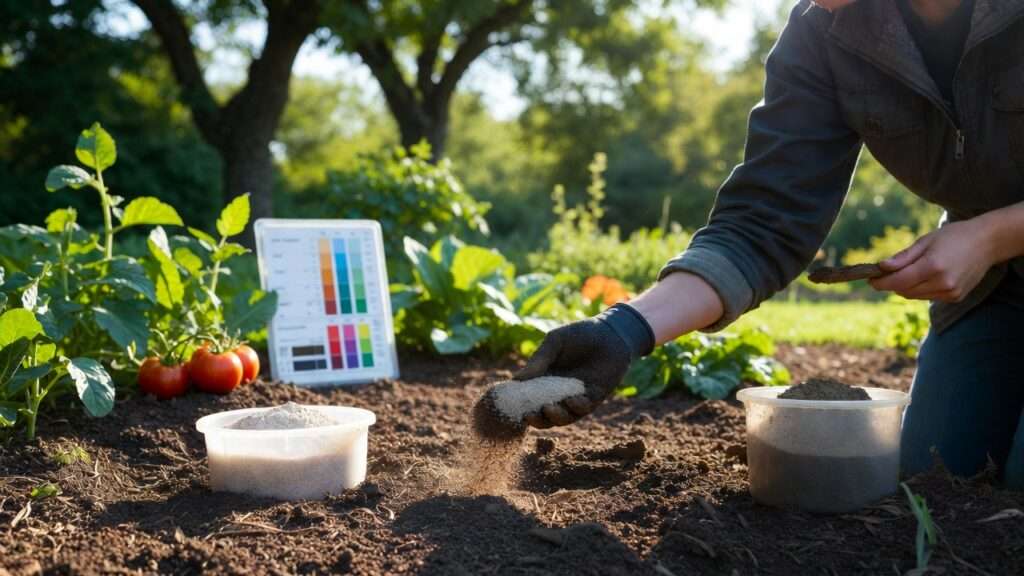
Is your garden struggling with yellowing leaves, stunted growth, or disappointing vegetable yields? 🌱😩 Many home gardeners face this exact issue due to overly acidic soil — a common problem in regions with high rainfall or naturally low-pH conditions. Before reaching for bags of commercial lime, look no further than your fireplace or wood stove. Using wood ash to adjust soil pH offers a free, natural, and sustainable solution that recycles household waste while providing essential nutrients like calcium and potassium.
As a plant care expert specializing in tree and garden health, I’ve guided countless gardeners through soil amendments, including wood ash applications. This method raises soil pH effectively in acidic conditions (typically below 6.0–6.5), improving nutrient availability and promoting vigorous plant growth. When done correctly, it leads to healthier roots, better fruit production, and thriving landscapes. However, improper use can cause problems like nutrient lockout or harm to acid-loving plants.
In this comprehensive guide, we’ll cover everything you need: the science behind wood ash, proven benefits, critical risks, precise step-by-step application, and expert tips to avoid common mistakes. By the end, you’ll confidently use this eco-friendly amendment for healthier plants. Let’s dive in! 🌳
Understanding Wood Ash Composition 🧪
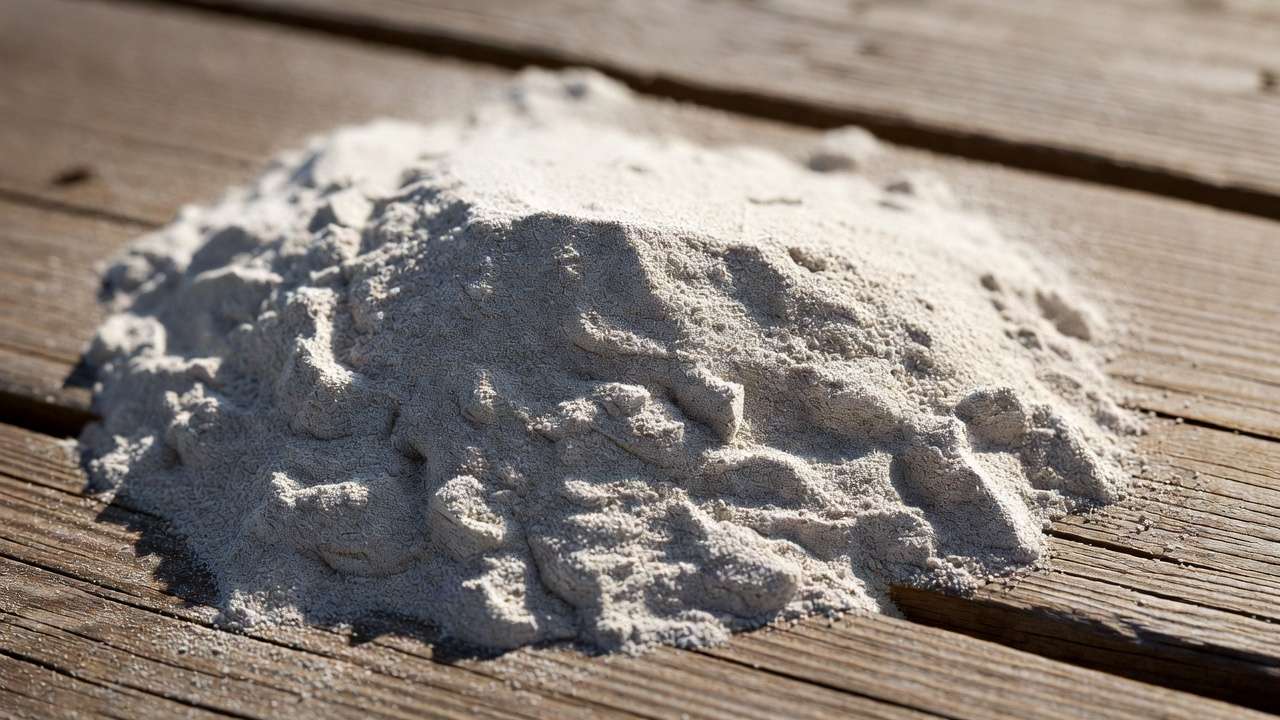
Wood ash is the powdery residue left after burning untreated wood. Its composition varies based on wood type (hardwoods like oak produce more nutrient-rich ash than softwoods like pine), burning temperature, and whether it’s from a clean fireplace or stove.
Key components include:
- Calcium carbonate (20–50% or more) — the primary liming agent that neutralizes soil acidity.
- Potassium (potash, 3–10%) — boosts plant strength, disease resistance, and fruit quality.
- Magnesium, phosphorus, and sulfur (up to 2% each) — support overall growth.
- Trace minerals like iron, zinc, boron, and manganese — in small but helpful amounts.
Wood ash contains no nitrogen (lost as gas during burning), so it isn’t a complete fertilizer. Its pH ranges from 10–12, making it strongly alkaline.
How Wood Ash Raises Soil pH
Soil pH measures acidity or alkalinity on a 0–14 scale, with 7 neutral. Most plants thrive at 6.0–7.0, where nutrients are most available. Acidic soils (below 6.0) lock up essentials like phosphorus, calcium, and magnesium, causing deficiencies.
Wood ash works by releasing carbonates and oxides that react with soil acids, neutralizing them and raising pH. It’s more soluble and reactive than agricultural lime, so effects appear faster — often within weeks to months, versus lime’s 6–12 months.
The Calcium Carbonate Equivalent (CCE) compares ash to pure lime (90–95% CCE). Wood ash typically has 25–59% CCE, meaning you need 2–4 times more ash than lime for similar pH adjustment. Hardwood ash often outperforms softwood due to higher calcium.
Factors influencing effectiveness:
- Wood type: Hardwoods yield better results.
- Freshness: Fresh ash is most potent; weathered ash loses strength.
- Soil type: Clay/heavy soils buffer changes slower than sandy ones.
Benefits of Using Wood Ash to Adjust Soil pH 🌟
When your soil test shows low pH and perhaps potassium deficiency, wood ash shines as a multi-benefit amendment.
Key advantages:
- Quick pH correction — Unlocks tied-up nutrients for better uptake.
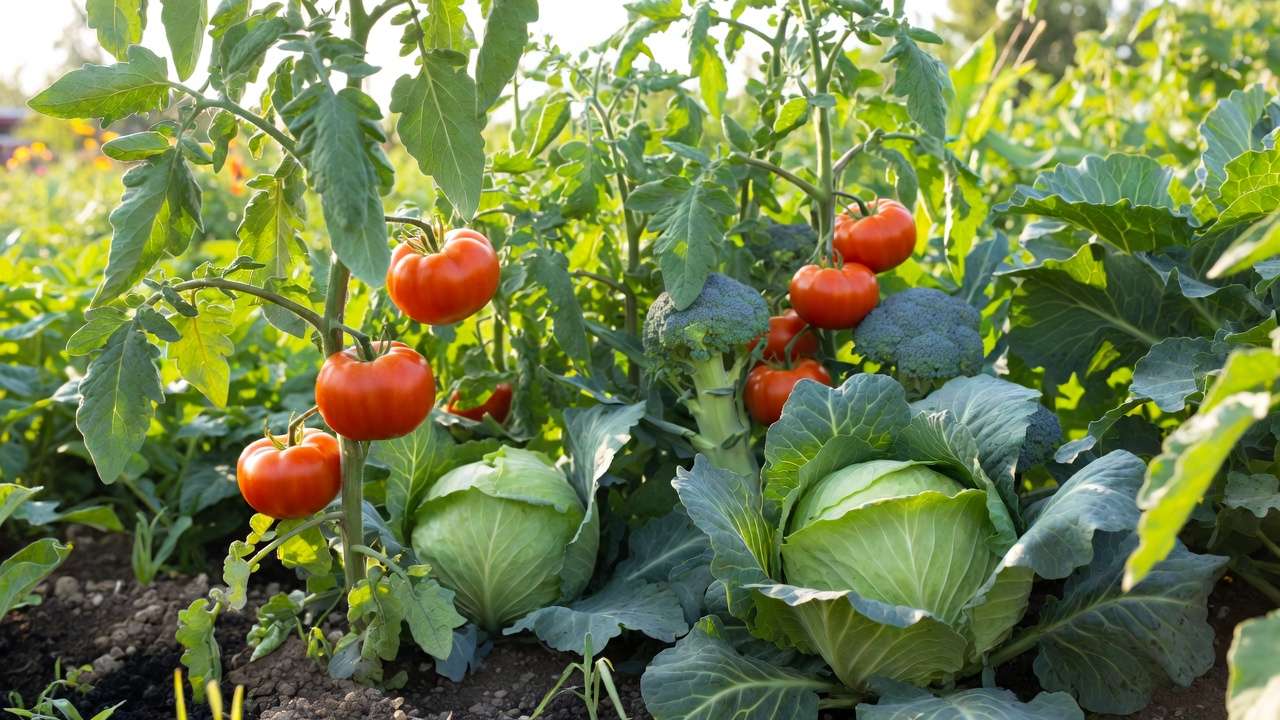
- Nutrient boost — Adds calcium (prevents blossom end rot in tomatoes), potassium (stronger stems, better fruit set 🍅), and traces for microbial health.
- Eco-friendly recycling — Turns waste into resource, reducing landfill use.
- Cost-free for many — From your own wood stove or fireplace.
Real-world examples: Vegetable gardeners see improved brassicas (broccoli, cabbage) with less clubroot risk at higher pH. Fruit trees like apples benefit from potassium for sweeter yields. Lawns green up in acidic zones, and asparagus beds thrive with the calcium.
Wood ash vs. commercial lime comparison:
- Ash acts faster and adds potassium (lime doesn’t).
- Lime is more predictable (higher CCE, slower release).
- Ash suits minor adjustments or potassium-deficient soils; lime for major corrections.
In studies from university extensions (e.g., UNH, Wisconsin Horticulture), ash often matches or exceeds lime in yield boosts when pH is optimized.
Risks and Precautions: When NOT to Use Wood Ash ⚠️
Wood ash isn’t universal — misuse causes issues.
Potential downsides:
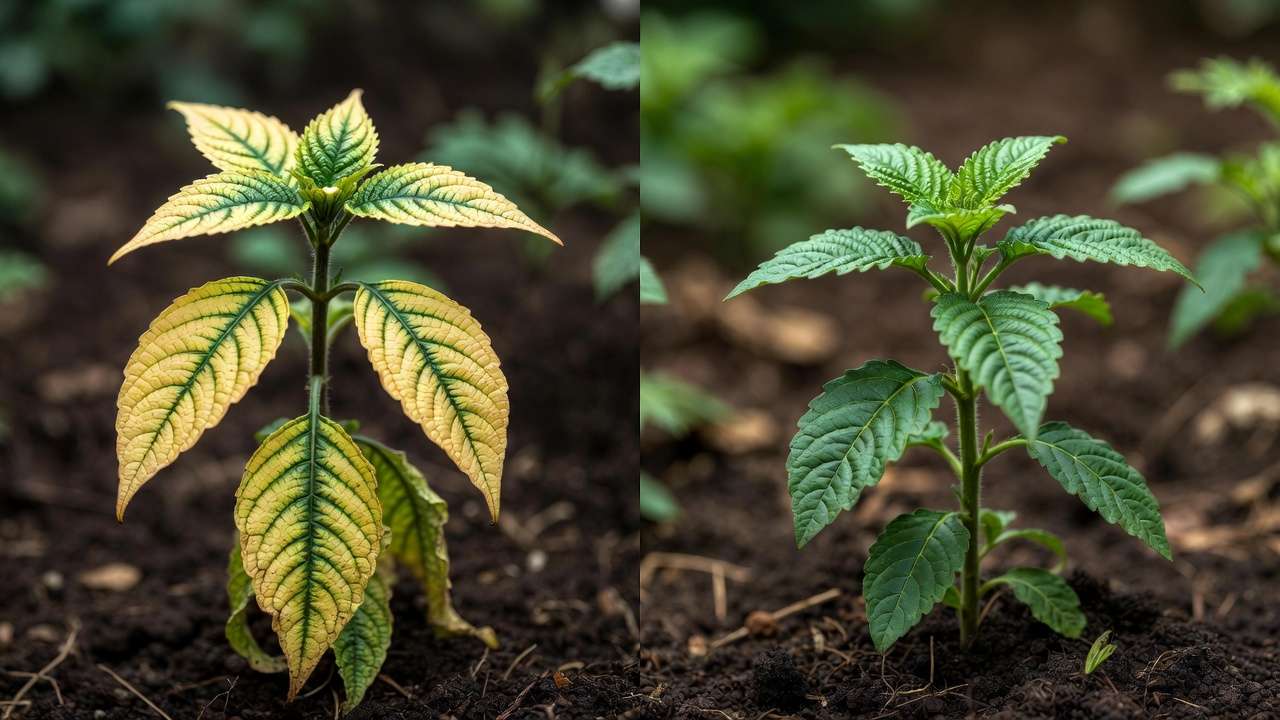
- Over-alkalizing — pH >7.5 locks iron/manganese, causing chlorosis (yellow leaves).
- Salt buildup — High soluble salts/potassium can burn roots.
- Heavy metals — Minimal from clean wood, but avoid treated/painted sources.
- Disease promotion — Raises potato scab risk.
Skip it if:
- Soil pH >7.0 (already neutral/alkaline).
- Growing acid-lovers: Blueberries, azaleas, rhododendrons, potatoes, pine trees.
- High-potassium soils (test first!).
Safety first: Wear gloves, mask, goggles when handling (it’s alkaline like bleach). Never use ash from charcoal, coal, trash, or treated wood.
Step-by-Step Guide: How to Safely Use Wood Ash 🌱
Essential first step — Always test your soil! Guesswork leads to problems. Get a professional test (local extension or lab) for pH, buffer index, potassium, calcium. Home kits work for quick checks, but labs give precise recommendations.
Preparing your wood ash:
- Sift out charcoal, embers, debris.
- Store dry in a covered container.
Application rates and timing:
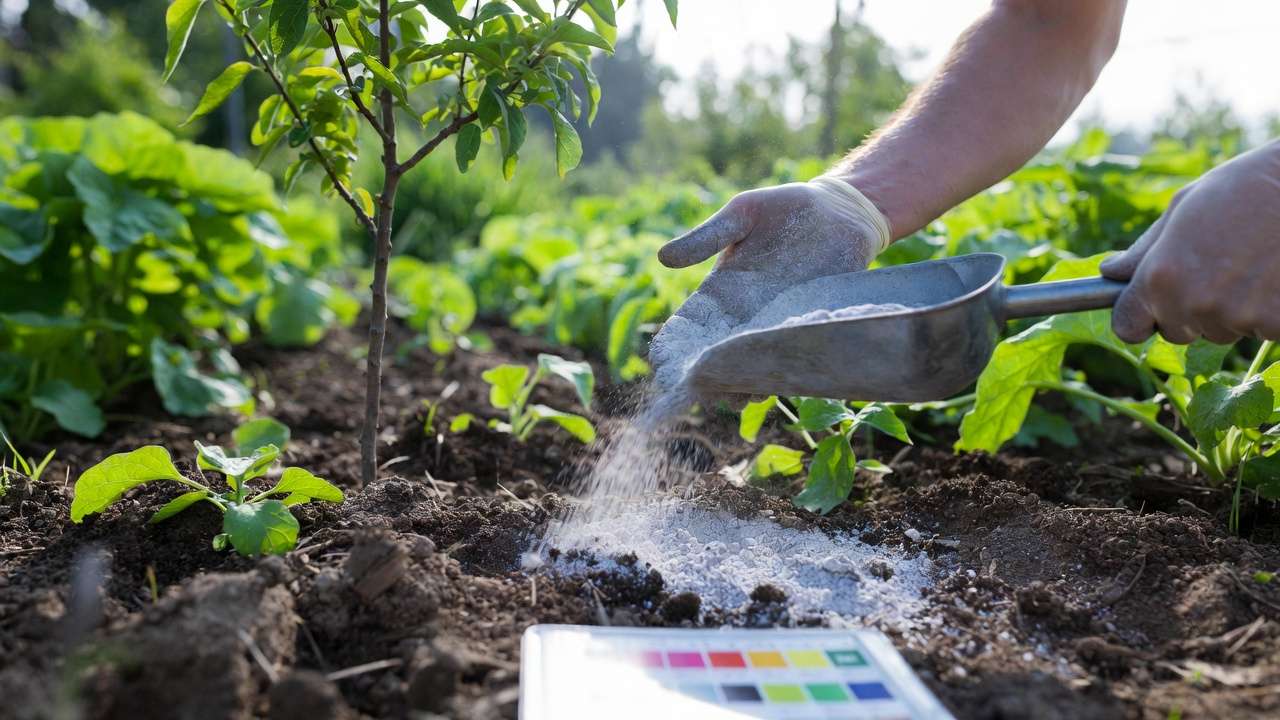
- General safe max: 15–20 lbs (one 5-gallon bucket) per 1,000 sq ft per year.
- For pH raise: Base on test (e.g., if lime recommends 50 lbs/1,000 sq ft, use ~100–200 lbs ash, but start low).
- Best time: Fall/winter (rain incorporates it) or early spring.
- Method: Spread evenly on moist (not wet) soil, rake/fork into top 6 inches. Avoid windy days.
Using in compost: Add sparingly (≤5% of pile) to balance acidity and add nutrients.
Plant-specific tips:
- Brassicas: Great for clubroot control.
- Asparagus, beans, peas: Love the potassium/calcium.
- Fruit trees (non-acid): Apples, pears benefit.
- Lawns: Thin sprinkle for greening.
Monitoring and Long-Term Management 📊
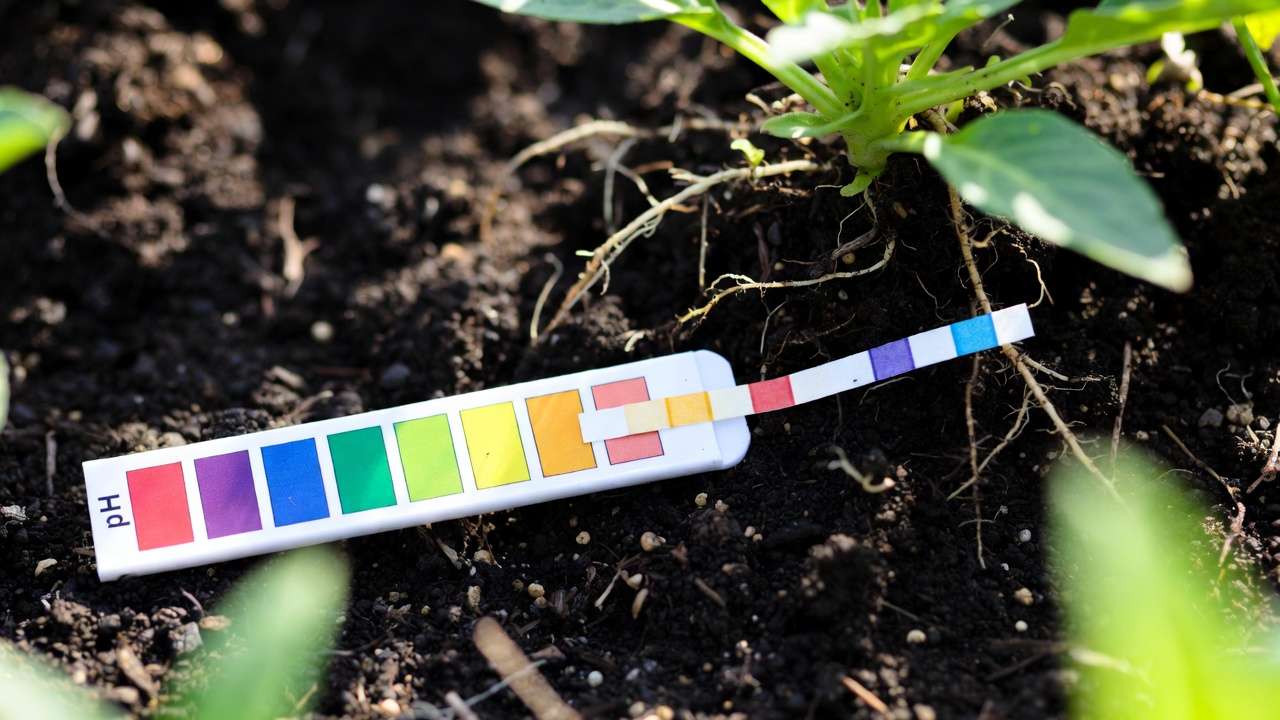
After spreading wood ash, patience and observation are your best tools. Unlike fast-acting chemical fertilizers, pH changes from ash are gradual but measurable.
How soon will you see results? Most gardeners notice improvements in plant vigor within 4–12 weeks, especially during the active growing season. Calcium and potassium become available relatively quickly, while full pH stabilization can take 3–6 months depending on rainfall, soil texture, and microbial activity.
Recommended monitoring steps:
- Retest soil pH 1–3 months after application (use the same lab or kit for consistency).
- Watch for positive signs: deeper green foliage, stronger stems, fewer nutrient-deficiency symptoms (e.g., no more blossom-end rot on tomatoes 🍅, better head formation in cabbage).
- Watch for warning signs: new yellowing between leaf veins (possible iron/manganese deficiency from over-raising pH), wilting despite watering (salt stress), or reduced growth.
Corrective actions if things go wrong:
- If pH climbed too high → Apply elemental sulfur or organic matter (compost, pine needles) to gently lower it over time.
- If salt buildup occurs → Water deeply and frequently to leach excess salts (best in sandy soils).
- Keep records: Note application dates, rates, pre- and post-test results — this builds your personal soil-management expertise over seasons.
Long-term strategy: Reapply only every 1–3 years, and never annually without a fresh soil test. Many gardeners find that one thoughtful application every other year maintains ideal pH (6.0–7.0) in naturally acidic regions, especially when combined with regular organic mulching.
Expert Insights and Common Myths Debunked 💡
Drawing from decades of university extension research (University of Wisconsin, Oregon State, Penn State, RHS, and others), here are the most reliable takeaways and myth-busters I share with clients.
Pro tips from soil specialists:
- Always prioritize hardwood ash (oak, maple, beech) over softwood (pine, fir) — it contains significantly more calcium and potassium with fewer resins.
- Combine wood ash with organic matter (compost, aged manure) to buffer pH swings and feed soil biology.
- For very acidic soils (pH <5.5), consider splitting applications: half in fall, half in early spring, to avoid shocking plants.
- Test buffer pH (not just regular pH) when possible — it predicts how much amendment your soil actually needs.
Common myths debunked:
- Myth: “Wood ash is a complete, free fertilizer.” Reality → It supplies potassium and calcium beautifully, but zero nitrogen and very little phosphorus. Pair it with balanced fertility practices (compost, legume cover crops, or organic N sources).
- Myth: “More ash is always better.” Reality → Overuse is one of the top mistakes. Excess raises pH too high and creates potassium overload, which antagonizes magnesium and calcium uptake.
- Myth: “All fireplace ash is safe and identical.” Reality → Only use ash from clean, untreated hardwood. Charcoal briquettes, pellet stove ash, coal, cardboard, or trash-burning ash can introduce toxins (arsenic, heavy metals, dioxins).
- Myth: “It works the same as dolomitic lime.” Reality → Ash is faster-acting and potassium-rich, but dolomitic lime adds magnesium (which ash has less of). Choose based on your soil test.
Real case example (from gardener consultations): A tomato grower in a high-rainfall area had chronic blossom-end rot (calcium deficiency) despite watering consistently. Soil test showed pH 5.4 and low potassium. After one 12 lb/1,000 sq ft application of hardwood ash in late fall, the next season’s plants showed zero BER, larger fruit, and noticeably sweeter taste — all from a free resource!
Frequently Asked Questions (FAQs) ❓
Can I use ash from my BBQ or charcoal grill? No — charcoal briquettes and BBQ ash often contain additives, lighter fluid residues, or metals. Stick to pure wood ash from fireplaces or wood stoves.
How much wood ash is roughly equal to agricultural lime? It varies, but on average, 2–4 lbs of wood ash ≈ 1 lb of ag lime due to lower CCE. Always base rates on your soil test recommendation, not a generic conversion.
Is wood ash safe for fruit trees? Yes, for most non-acid-loving species (apples, pears, cherries, plums). Avoid citrus, figs, or blueberries. Spread thinly around the drip line in late fall.
What if my soil is already neutral (pH 6.8–7.2)? Do not apply wood ash — it will push pH too high. Focus on organic matter and nitrogen instead.
Can wood ash help control clubroot in brassicas? Yes — raising pH to 7.0–7.2 significantly reduces clubroot severity in cabbage, broccoli, and cauliflower families.
How do I store wood ash safely? Keep it dry in a sealed metal or heavy plastic container away from moisture (to preserve potency) and out of reach of children/pets.
Will wood ash attract pests or cause odor? No — dry, sifted ash is odorless and doesn’t attract insects. Avoid applying wet or moldy ash.
Is it okay to use ash around ornamental trees and shrubs? Generally yes for neutral-to-alkaline-loving species (maples, lilacs, roses). Avoid acid-loving evergreens (azaleas, rhododendrons, camellias).
Conclusion: Embrace This Natural pH Fix for Thriving Plants 🌳
Using wood ash to adjust soil pH is one of the most practical, budget-friendly, and environmentally responsible tools available to home gardeners and tree caretakers. When guided by a recent soil test, applied conservatively, and paired with good organic practices, it transforms acidic, nutrient-locked soils into thriving growing environments — often with noticeably healthier plants in just one season.
The key takeaways?
- Test first — always.
- Start small and monitor.
- Use only clean hardwood ash.
- Respect acid-loving plants and avoid overuse.
Grab that soil test kit (or contact your local agricultural extension), sift your next batch of fireplace ash, and give your garden the natural pH boost it may desperately need. Your tomatoes, fruit trees, and flowers will thank you 🍅🌸
Have you tried wood ash in your garden? Share your results, soil pH before/after, or any questions in the comments below — I’d love to hear your experience and help troubleshoot!
Thanks for reading! 🌱











