
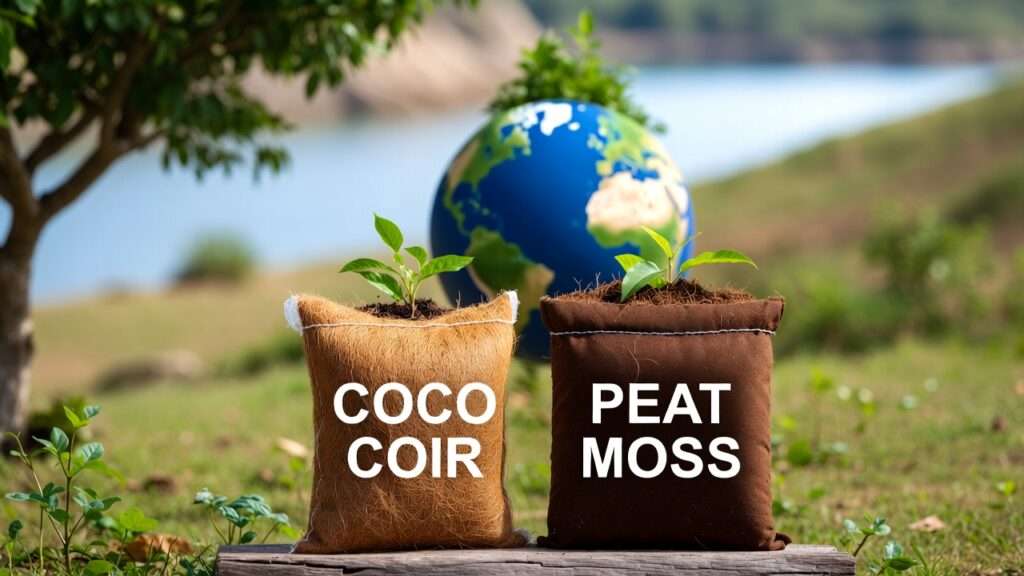
Have you ever opened a bag of potting mix, only to watch your carefully watered houseplant wilt days later from soggy roots or dry out completely despite daily checks? 😩 Or felt a twinge of guilt knowing that the peat moss in your favorite soil amendment comes from irreplaceable ancient bogs? You’re not alone. As gardeners and tree care enthusiasts, we all want the best for our plants—healthy roots, steady moisture, and vigorous growth—while also making choices that don’t harm the planet.
In 2026, the debate over coco coir vs. peat moss pros and cons has never been more relevant. With increasing peat restrictions in regions like Europe and parts of North America, and a growing push toward sustainable gardening, many are switching to coco coir. But is it truly better? Or does classic peat moss still have its place for certain plants?
In this in-depth guide, we’ll break down everything: what each medium is, their key properties (water retention, pH, aeration, nutrient holding), detailed pros and cons, real-world performance for houseplants, trees, vegetables, and more, plus sustainability facts updated for today. By the end, you’ll have a clear decision-making tool to choose the right option for your garden—and feel good about it! 💚 Let’s dig in.
What Is Peat Moss? Understanding the Classic Option 🟤
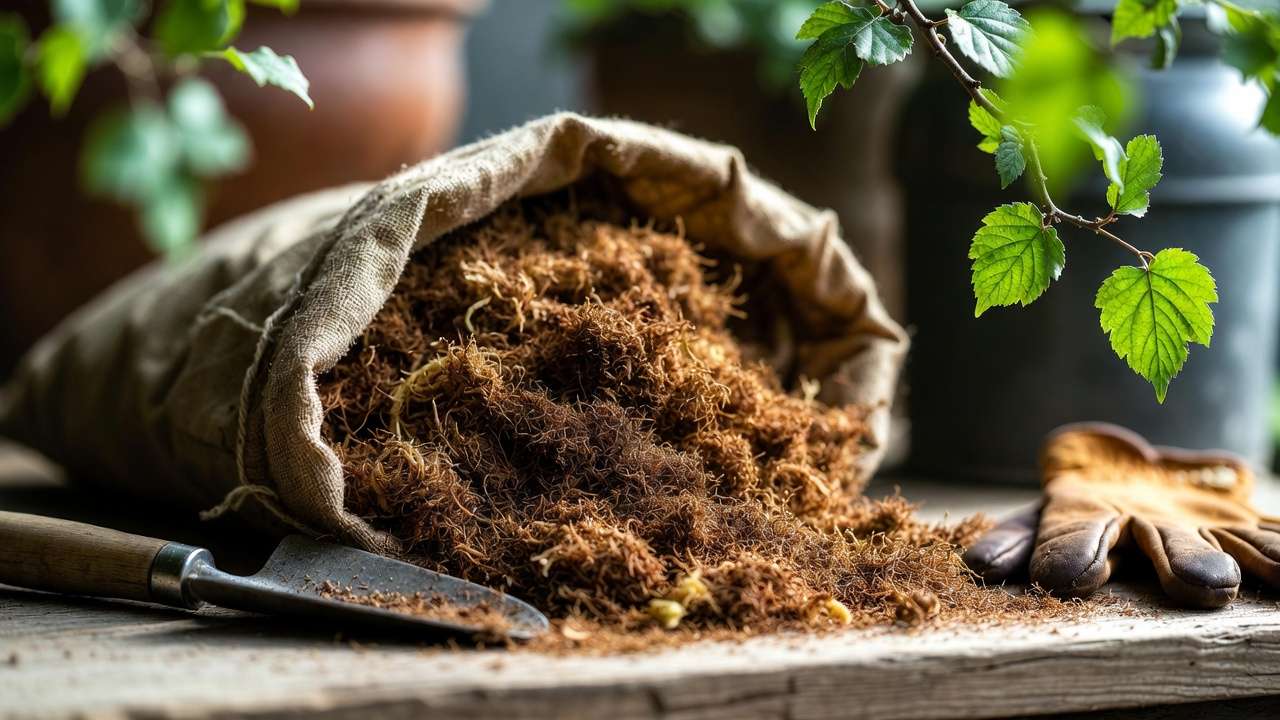
Peat moss, also known as sphagnum peat moss, comes from partially decomposed sphagnum moss harvested from ancient peat bogs, primarily in Canada and northern regions. These bogs form over thousands of years in cool, waterlogged environments where plant material breaks down slowly.
Harvesting involves draining bogs and extracting the top layers, which are then dried, screened, and packaged. It’s been a staple in horticulture for decades because of its consistency and performance in potting mixes, seed starting trays, tree planting amendments, and heavy clay soil improvement.
Peat moss is lightweight, sterile (naturally low in pathogens), and provides excellent structure when mixed properly.
What Is Coco Coir? The Modern, Renewable Alternative 🥥
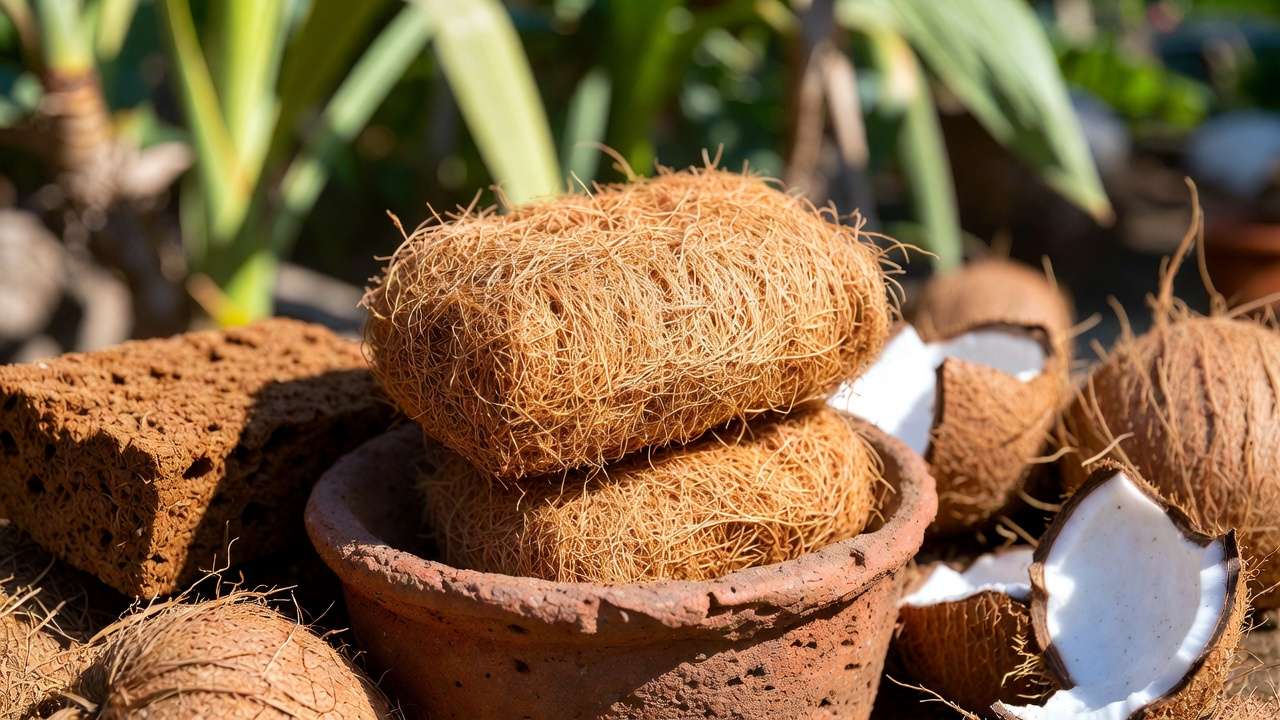
Coco coir (or coconut coir) is the fibrous pith extracted from coconut husks—a byproduct of the coconut industry in countries like Sri Lanka, India, and the Philippines. After coconuts are harvested for food and oil, the husks are soaked, processed, and turned into coir pith (fine particles), chips, or fibers.
It’s compressed into bricks or blocks for easy shipping and storage, then expanded with water for use. Coco coir exploded in popularity in the 2020s as peat alternatives gained traction, especially with peat phase-outs in professional horticulture.
Forms include loose pith, buffered (pre-washed and calcium/magnesium-treated) versions, and blends with perlite or chips for better drainage.
Head-to-Head Comparison: Pros and Cons Table 📊
Here’s a clear, at-a-glance comparison based on key gardening factors:
| Category | Coco Coir 🌴 | Peat Moss 🟤 | Winner? 🏆 |
|---|---|---|---|
| Water Retention 🌊 | Holds 8–10x its weight; excellent short-term, re-wets easily | Holds up to 20x weight; superior long-term hold | Peat (long-term), Coir (re-wetting) |
| Aeration & Drainage 💨 | Superior; prevents compaction & root rot | Good initially, but compacts over time | Coco Coir |
| pH Level ⚖️ | Neutral: 5.8–6.8 | Acidic: 3.5–4.5 | Coco Coir (versatile) |
| Nutrient Holding (CEC) 🔋 | High (40–60 meq/100g); good release | Very high buffering | Peat (buffering), Coir (overall) |
| Sustainability 🌱 | Renewable byproduct; low impact | Non-renewable; bog destruction & CO₂ release | Coco Coir |
| Cost & Availability 💰 | Slightly higher; imported | Cheaper & widely available (but declining) | Peat (currently) |
| Longevity/Decomposition ⏳ | Slow (2–3+ years) | Faster breakdown | Coco Coir |
| Potential Issues | Residual salts (if unbuffered); needs rinse | Hydrophobic when dry; acidic | — |
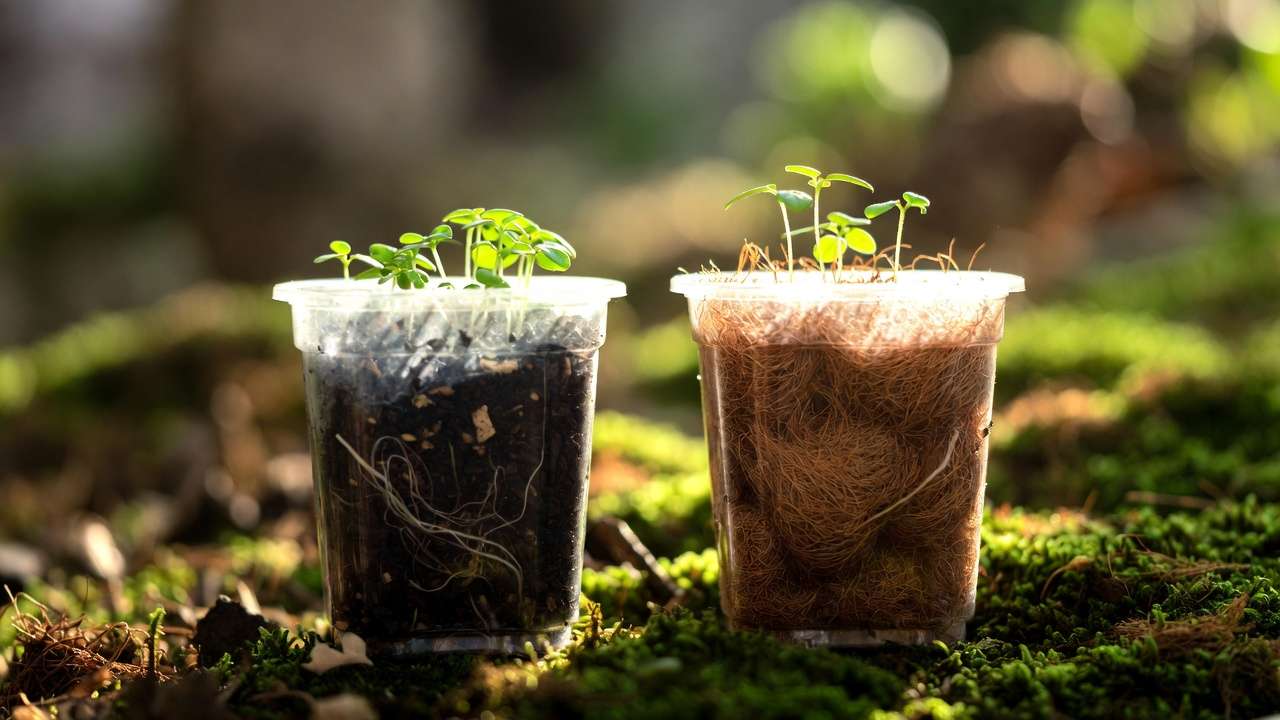
Coco coir often wins in modern, eco-focused scenarios! 🌟
Detailed Pros and Cons of Peat Moss ✅❌
Pros
- Exceptional long-term moisture retention—ideal for plants that hate drying out.
- Naturally acidic pH perfect for acid-loving species like blueberries, azaleas, rhododendrons, and some coniferous trees.
- Lightweight and easy to mix; provides consistent texture in commercial potting soils.
- High cation exchange capacity (CEC) buffers nutrients and pH swings effectively.
- Sterile and low in weed seeds/pathogens straight from the bag.
Cons
- Non-renewable: Peat bogs take millennia to form; harvesting destroys habitats, reduces biodiversity, and releases stored carbon (contributing to climate change).
- Becomes hydrophobic (repels water) when fully dry—frustrating to re-wet!
- Acidic nature requires lime or adjustments for most plants.
- Supply concerns: Regulations and bans (e.g., EU phase-outs starting 2025, UK professional horticulture targets by 2026) are limiting availability and driving up prices.
- Can compact over time, reducing aeration.
Detailed Pros and Cons of Coco Coir ✅❌
Pros
- Highly sustainable: Repurposes agricultural waste—no need to mine ancient ecosystems.
- Neutral pH suits 90%+ of plants without extra amendments.
- Outstanding re-wetting and short-term water holding; reduces overwatering risks.
- Excellent aeration and drainage—promotes strong root systems and lowers root rot chances.
- Slow decomposition (reusable in many cases); natural antifungal properties.
- High CEC holds and releases nutrients steadily.
Cons
- Unbuffered coir may have high salts (sodium, potassium)—always choose buffered/pre-washed brands to avoid nutrient lockout.
- Imported product means higher transport carbon footprint (though offset by renewability).
- Drains faster than peat—may need more frequent (but lighter) watering.
- Lower long-term buffering for extreme pH/nutrient swings compared to peat.
When it comes to coco coir vs. peat moss pros and cons, sustainability is often the deciding factor for many gardeners in 2026. Peat bogs are ancient ecosystems that store massive amounts of carbon—more than all the world’s forests combined in some estimates. Harvesting peat moss drains these wetlands, releases stored CO₂ and methane (accelerating climate change), destroys habitats for birds, insects, reptiles, and rare plants, and reduces biodiversity. Regeneration takes thousands of years, making peat effectively non-renewable on human timescales.
Recent studies and expert analyses (including USDA research and lifecycle assessments) show mixed results on exact global warming potential: some models indicate peat’s impact is lower in certain scenarios due to local sourcing, while others highlight coir’s transport emissions. However, the consensus leans heavily toward peat’s higher ecological harm from direct ecosystem destruction. In regions like Canada (primary source), only a small percentage of peatlands are harvested, but even tiny losses release significant carbon.
Coco coir, by contrast, is a renewable agricultural byproduct—coconut husks would otherwise be waste. It repurposes material from abundant coconut farming in tropical regions, avoiding new land clearing in most cases. Drawbacks include potential water/chemical use in processing, occasional land-use concerns for coconut plantations, and higher shipping emissions (imported from Asia). Modern industry improvements—better washing, inland sourcing to reduce salt, and sustainable certifications—have mitigated many issues.
In 2026, regulations are accelerating change: The UK phases out peat sales for amateur gardeners (bagged products largely restricted since 2024–2025) and professional horticulture by 2026–2030 (with exemptions). The EU has advanced peat phase-outs in commercial use starting 2025. North America sees voluntary shifts and supply constraints. Result? Peat prices rise, availability drops, and coco coir becomes the default for eco-conscious growers.
Bottom line in 2026: Coco coir wins on sustainability for most users. It avoids irreversible bog damage and carbon release while performing comparably (or better) in many applications. Neither is flawless—look for certified sustainable coir (low-salt, responsibly sourced) and peat from managed, regenerating sites if you must use it. 🌱
When to Choose Peat Moss vs. Coco Coir (Decision Guide) 🗂️
Your choice depends on plant needs, setup, and values:
- Choose Peat Moss when:
- Growing acid-loving plants: Blueberries, cranberries, azaleas, rhododendrons, some conifers, or carnivorous plants (pitcher plants, Venus flytraps) that thrive in pH 4.0–5.5.
- You need ultra-stable, long-term moisture in seed starting or arid climates/greenhouses.
- You’re using traditional commercial mixes and don’t mind adjustments (lime for pH).
- Sustainability isn’t your top priority (though supply is shrinking).
- Choose Coco Coir when:
- Growing most houseplants (monsteras, pothos, philodendrons), vegetables (tomatoes, peppers, herbs), container trees, orchids, succulents (with good drainage), or hydroponic setups.
- Preventing root rot is key—superior aeration shines in humid or overwatering-prone conditions.
- You prioritize eco-friendly, renewable options.
- You want neutral pH versatility without constant amendments.
- Reusability matters (coir lasts 2–3+ years with care).
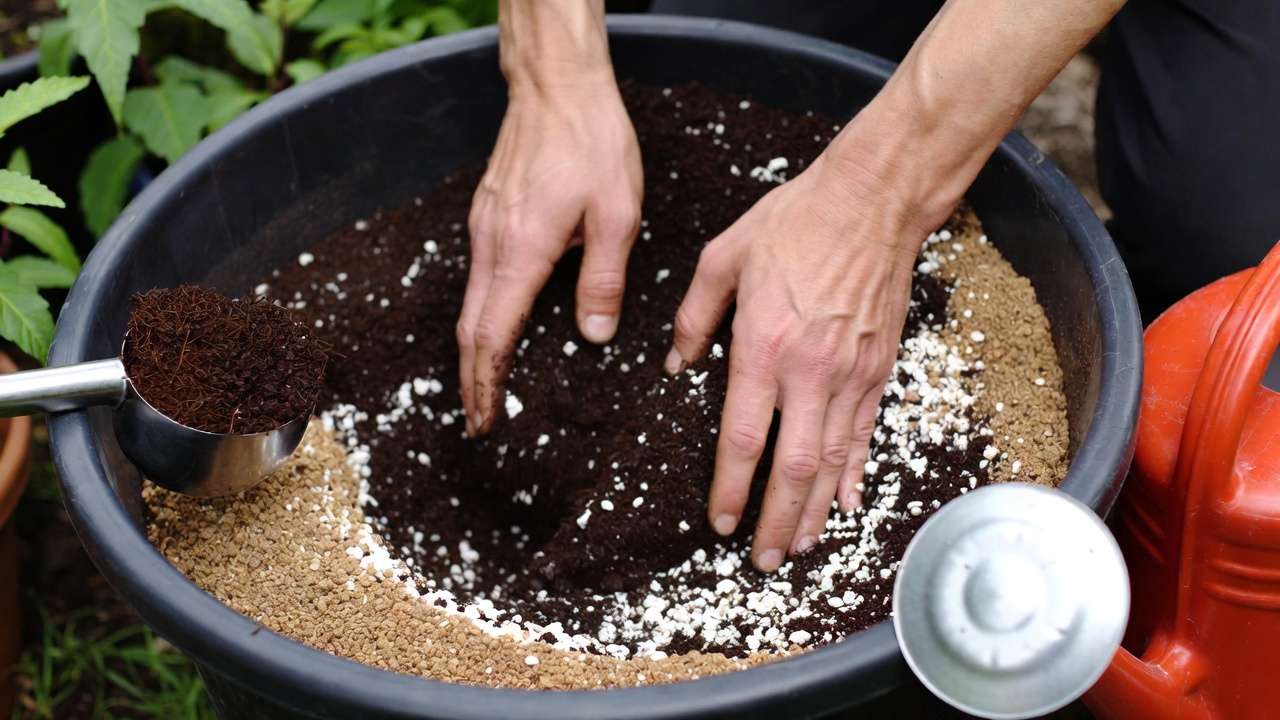
- Hybrid Approach (often the best!): Blend 50/50 coco coir + peat moss for balanced moisture/aeration, or mix either with perlite (30–50%), vermiculite, compost, or bark for custom potting mixes. This combines pros while minimizing cons.
Practical Tips for Using Each Medium Like a Pro 🌱
For Coco Coir:
- Always choose buffered/pre-washed brands (e.g., Canna, Atami, or premium options like Hortgrow, Cloud Coir) to avoid salt issues. Unbuffered coir can lock out calcium/magnesium—causing deficiencies even with supplements.
- Rehydrate bricks: Soak in warm water (pH 5.8–6.2) for 20–30 minutes; expand fully before use.
- Pre-buffer if needed: Rinse with calcium nitrate + Epsom salt solution (EC ~1.0–1.5) for 24 hours, then flush.
- Watering: More frequent but lighter—let top 1–2 inches dry slightly. Use runoff monitoring (EC/pH) in containers.
- Mix ratios: 70% coir + 30% perlite for excellent drainage in pots.
For Peat Moss:
- Amend acidity: Add dolomitic lime (1–2 tbsp per gallon) to raise pH for non-acid lovers.
- Prevent hydrophobicity: Never let it dry completely—keep consistently moist.
- Mix well: Combine with perlite/vermiculite (30–50%) to avoid compaction over time.
- Reuse sparingly: Breaks down faster; refresh annually.
DIY Potting Mix Recipes (examples for common needs):
- Houseplant All-Purpose (great with coir): 50% coco coir, 30% perlite, 20% compost or worm castings.
- Tree Seedling/Acid-Loving (peat-based): 60% peat moss, 20% perlite, 20% pine bark + lime if needed.
- Vegetable Containers (coir-focused): 60% buffered coco coir, 30% perlite, 10% vermiculite + slow-release organic fertilizer.
Real-World Examples & Case Studies 📸
Many gardeners report switching to coco coir reduced root rot dramatically in overwatered monstera or fiddle-leaf fig pots—better aeration lets roots breathe! In tree care, container-grown citrus or maples show faster growth and fewer issues with coir blends vs. pure peat (less compaction). Vegetable gardeners in raised beds note healthier tomatoes/peppers with coir due to consistent moisture without sogginess. One common story: A blueberry grower stuck with peat for acidity but blended in coir for better drainage—best of both worlds!
Common Mistakes to Avoid ⚠️
Even the best growing medium can cause problems if mishandled. Here are the most frequent pitfalls gardeners encounter with coco coir vs. peat moss—and exactly how to dodge them:
- Using unbuffered / unwashed coco coir Fresh coir often contains high levels of sodium and potassium from the coconut processing. These salts compete with calcium, magnesium, and other nutrients, leading to deficiencies (yellowing leaves, stunted growth). Fix: Always buy pre-buffered or “low EC” coir. If using raw bricks, rinse thoroughly (flush with 3–5x volume of pH-adjusted water) or pre-soak in a calcium/magnesium solution for 24 hours.
- Letting peat moss dry out completely Once peat becomes bone-dry it turns hydrophobic—water runs right off the surface instead of soaking in, leaving roots parched even after “watering.” Fix: Keep peat-based mixes consistently moist (never let the top dry completely). Water from the bottom if possible, or mist lightly when re-wetting stubborn dry peat.
- Ignoring pH requirements of your plants Planting acid-sensitive species (most houseplants, vegetables, most trees) in straight peat moss leads to nutrient lockout (iron, manganese become unavailable below pH 5.5). Conversely, acid-lovers suffer in neutral coco coir without sulfur or peat amendments. Fix: Test mix pH after blending. Add dolomitic lime (for peat) or elemental sulfur/pine needles (for coir) as needed.
- Overwatering coco coir mixes Because coir drains so well, many new users keep watering on the same schedule they used with peat—resulting in constant wet feet and root rot. Fix: Water only when the top 1–2 inches feel dry. Use the lift test (pots feel noticeably lighter) or a moisture meter. Coir needs more frequent but smaller drinks.
- Reusing spent peat moss without refreshing Peat breaks down faster than coir and loses structure/aeration after one season. Reusing it straight leads to compacted, oxygen-poor roots. Fix: Refresh peat mixes annually with 30–50% new material (perlite, bark, fresh peat/coir). Coco coir can often be reused 2–3 cycles with proper sterilization (solarization or steam) and nutrient recharge.
- Not blending either medium properly 100% peat or 100% fine coir can compact over time. Fix: Always add 20–40% perlite, pumice, or coarse bark for long-term aeration.
Frequently Asked Questions (FAQs) ❓
Is coco coir better than peat moss for orchids? Yes, in most cases. Orchids love the excellent drainage and aeration of coir-based mixes (often blended with bark or sphagnum). Peat retains too much water and can suffocate roots.
Can I reuse coco coir year after year? Yes—coir decomposes very slowly. After harvest, solarize (spread in sun for 4–6 weeks), rinse salts, and replenish nutrients. Many hydroponic and container gardeners reuse it 2–4 seasons successfully.
Why is peat moss being phased out in 2026? Environmental regulations (UK, EU, some Canadian provinces) are restricting or banning peat extraction/sales to protect carbon-storing bogs, reduce greenhouse gas emissions, and preserve biodiversity. Professional horticulture faces the tightest deadlines.
Does coco coir have any nutrients built in? Very little. It’s almost inert (low NPK). You must add fertilizers from day one—slow-release granules, liquid feeds, or compost work well.
What are the best brands for buffered coco coir in 2026? Popular reliable options include: Canna Coco Professional, Atami Coco, Royal Gold, Hortgrow, Mother Earth Coco + Perlite, and FoxFarm Coco Loco. Look for “buffered,” “low EC,” or “pre-charged” labels.
Is coco coir safe for seed starting? Absolutely—many commercial seed-starting mixes now use coir. It provides consistent moisture without sogginess. Blend 70% coir + 30% perlite/vermiculite for best results.
Can I mix coco coir and peat moss together? Yes! A 50/50 blend gives balanced moisture retention, good aeration, and moderate sustainability impact. Many custom potting-soil recipes use this combo.
Does coco coir attract fungus gnats? Less than peat in most cases—its faster drainage and natural antifungal compounds discourage gnats. Keep the surface slightly dry between waterings for extra prevention.
Conclusion: Making the Right Choice for Your Garden & the Future 🌳
After weighing all the evidence—performance, plant health, ease of use, cost, and especially environmental impact—coco coir emerges as the better overall choice for most gardeners and tree-care enthusiasts in 2026.
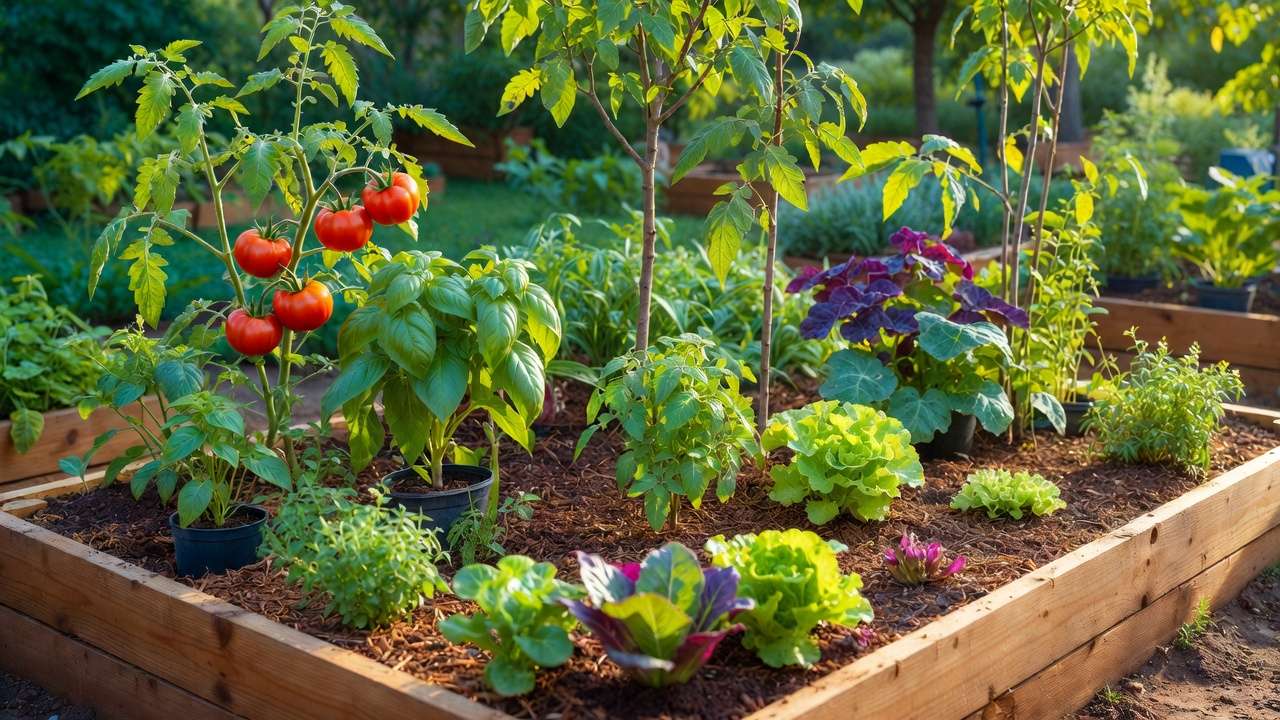
It delivers comparable (and often superior) water management, unbeatable aeration to prevent root issues, neutral pH versatility, slow decomposition, and—crucially—true renewability without destroying irreplaceable ecosystems. While peat moss still has a niche for acid-loving specialists and ultra-high moisture stability, its days as the default are fading fast due to ecological and regulatory realities.
Start small: Try a bag of buffered coco coir in your next houseplant repot, vegetable container, or tree seedling tray. Observe the roots, the watering rhythm, the plant vigor. Most people who make the switch never look back—and they sleep better knowing they’re helping protect the planet while growing healthier greenery. 🌱💚
Your plants (and the Earth) will thank you.
What medium are you leaning toward after reading this? Drop a comment below—I’d love to hear your experiences or specific plant questions! Happy gardening! 🌿











