
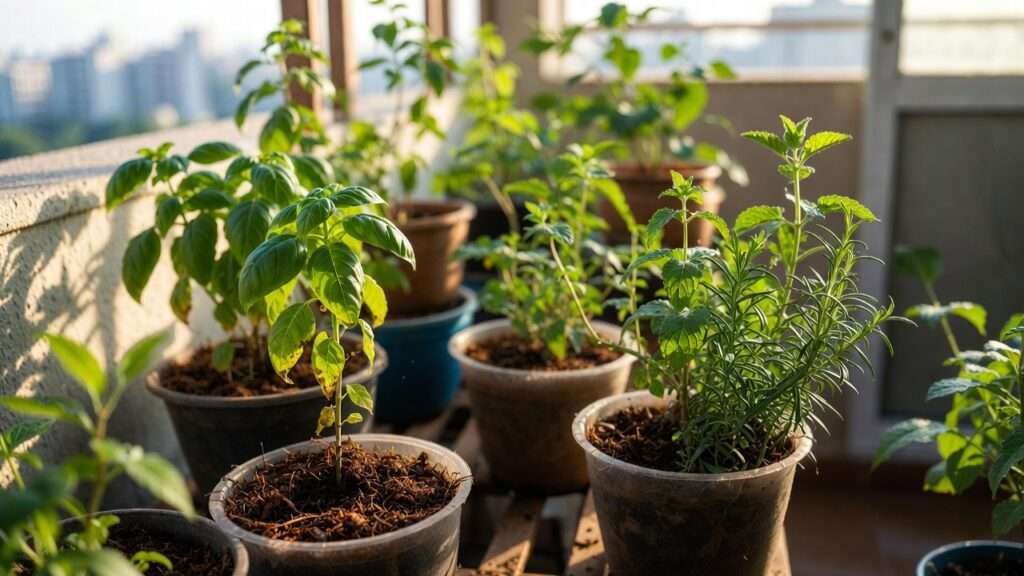
Ever picked a handful of basil from your kitchen windowsill only to find it leggy, flavorless, or worse—wilted from soggy roots? 😩 If you’re like most home gardeners in Dhaka’s humid climate, you’ve probably battled yellow leaves on mint or rosemary that just won’t perk up. The culprit? Usually not sunlight or watering—it’s the soil mix for herbs and kitchen garden that’s off-balance.
The good news? You don’t need expensive bagged “herb soil” or endless trial-and-error. A simple, customizable DIY blend using everyday ingredients like compost, coco coir, and perlite can transform weak plants into bushy, aromatic powerhouses bursting with flavor. This guide draws from years of hands-on growing (including balcony setups in tropical humidity), expert recommendations, and real gardener results to give you the ultimate recipe and everything you need for success. Let’s dig in and grow herbs that actually taste like something! 🍃✨
Why the Right Soil Matters for Herbs and Kitchen Gardens
Herbs aren’t fussy like tomatoes or peppers, but they have specific needs that generic garden soil or cheap potting mixes often ignore. In containers, raised beds, or small kitchen plots, soil is the plant’s entire world—no natural earthworms or rainfall to fix problems.
Poor soil leads to:
- Root rot from poor drainage (common in humid areas like Dhaka)
- Nutrient deficiencies causing pale or leggy growth
- Weak flavors — herbs get bland when stressed or over-fertilized
A custom soil mix for herbs and kitchen garden ensures:
- Excellent aeration and drainage to mimic Mediterranean origins
- Balanced moisture retention without sogginess
- Steady organic nutrients for steady, flavorful growth
- Cost savings — DIY often beats buying specialty mixes long-term
Studies and gardener reports show up to 70% of container herb failures tie back to soil issues. Get this right, and your yields (and taste!) skyrocket. 🌱
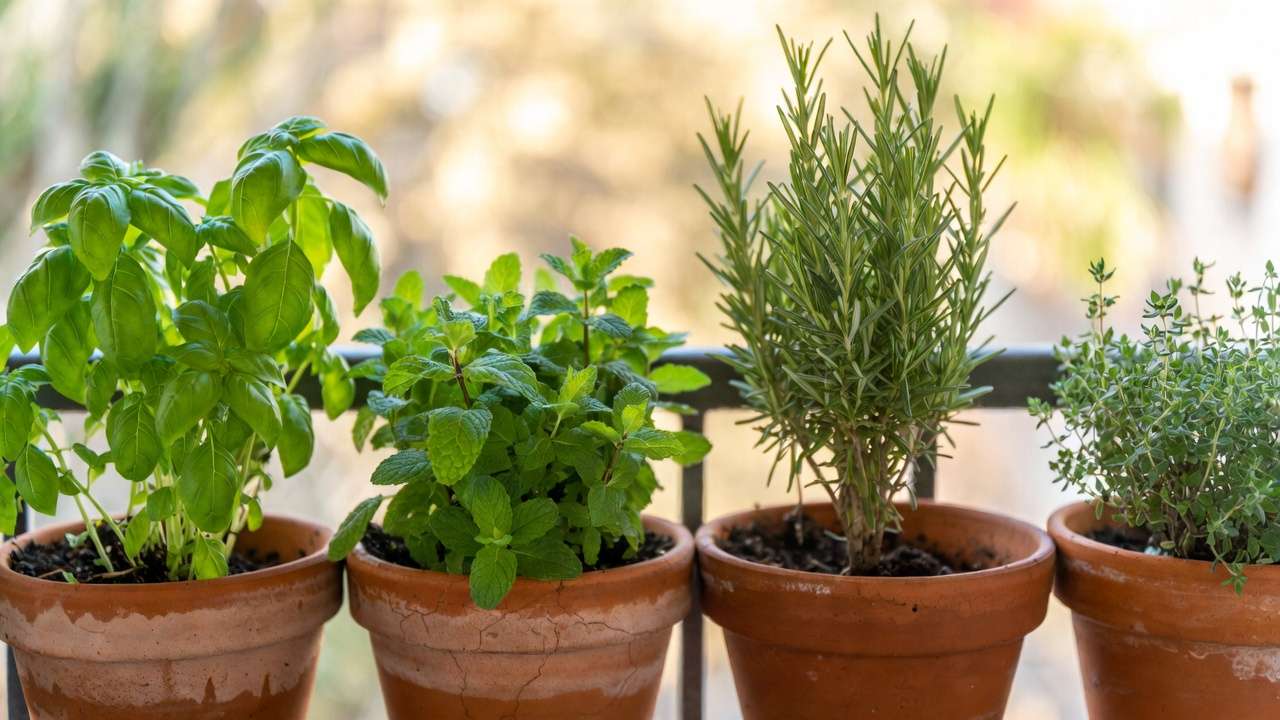
Understanding Herb Soil Needs: The Key Principles
General Requirements for All Herbs
Most kitchen herbs thrive with these basics:
- pH range: 6.0–7.0 (slightly neutral to mildly alkaline) — test with a simple kit if unsure 🌡️
- Texture: Loose, crumbly, and airy — never compacted or clay-heavy
- Drainage vs. Moisture Balance: Fast-draining to prevent rot, yet holds enough water for consistent hydration in hot weather
- Nutrients: Moderate organic matter — too much nitrogen causes lush leaves but poor flavor
Avoid heavy garden soil in pots — it compacts, harbors pests, and drowns roots.
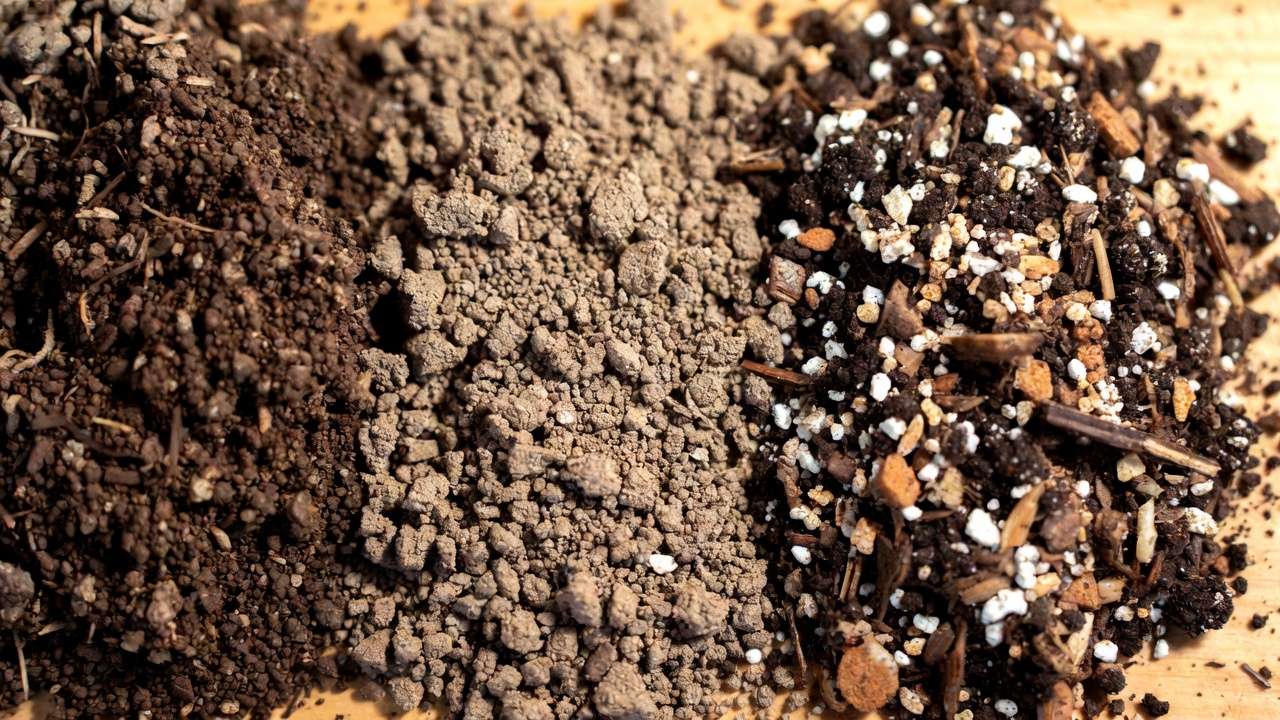
Differences Between Herb Types
Not all herbs are created equal! Grouping by needs prevents frustration:
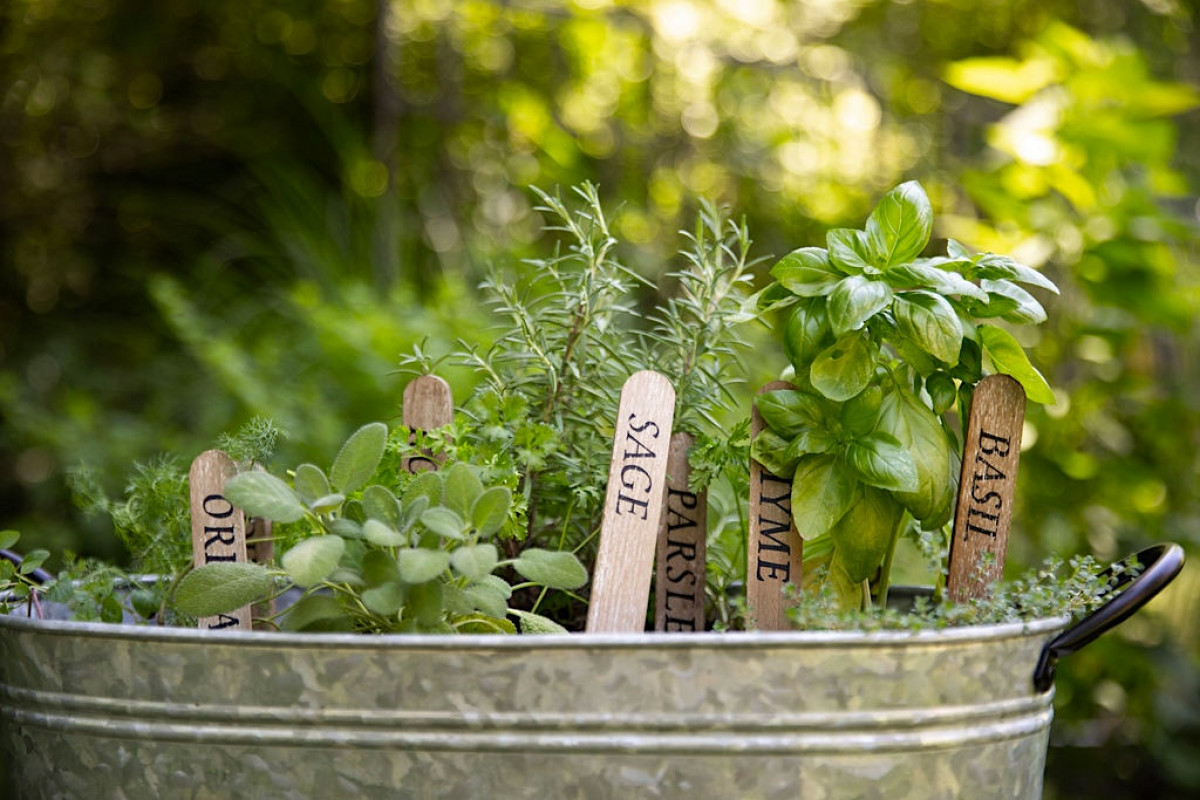
- Mediterranean/Dry-loving herbs (rosemary, thyme, oregano, sage, lavender): Lean, gritty, well-drained soil — think sandy or rocky native habitats 🏜️
- Moisture-loving herbs (basil, parsley, cilantro, mint, chives): Richer, more retentive mix for steady dampness 💧
- Versatile kitchen staples (dill, coriander): Adaptable but happiest in balanced blends
In humid climates like yours, err toward extra drainage for all — add more perlite or sand to prevent fungal issues.

Best Ingredients for Your Herb Soil Mix
Build from quality, sustainable components — here’s the breakdown with pros/cons:
- Compost or worm castings 🪱: Nutrient-rich, improves structure and microbial life — use well-rotted, organic for edibles
- Coco coir 🥥: Eco-friendly peat alternative — excellent water retention, pH neutral, great for humidity
- Perlite ⚪: Lightweight volcanic rock for superior drainage and aeration — essential to avoid root rot
- Vermiculite (optional): Holds moisture longer — useful for basil/mint but less for dry lovers
- Coarse sand or pine bark: Boosts grit for Mediterranean types
- Optional boosters: Mycorrhizae fungi (root helpers), dolomitic lime (pH tweak), slow-release organic fertilizer
Skip: Plain garden dirt (compacts + pests), heavy topsoil, or mixes heavy in peat (acidic + unsustainable).
The Ultimate Simple Recipe: Our Recommended Soil Mix for Herbs 🌟
The Balanced “Herb Heaven” Mix (Peat-free, beginner-friendly, perfect for most kitchen herbs in pots or beds):
- 1 part high-quality compost (or worm castings for extra microbial boost)
- 1 part coco coir (pre-soaked and fluffed — sustainable and fluffy!)
- 1 part perlite (or mix 50/50 perlite + coarse sand for drier Mediterranean herbs)
Why this 1:1:1 ratio rocks 🍀: It creates lightweight, fluffy soil with perfect drainage, moisture hold, and nutrients. Roots breathe easy, rot stays away, and herbs develop intense flavors. Makes 3–5 gallons easily — scale as needed!
Proven Variations for Specific Needs
- Mediterranean/Drier Herbs Mix (rosemary, thyme, sage): Reduce compost to 0.5–1 part, increase perlite/sand to 1.5 parts for leaner feel
- Moist-Loving Herbs Mix (basil, mint, parsley): Bump compost/worm castings to 1.5 parts, add 0.5 part vermiculite for better water hold
- Indoor Windowsill Version (Dhaka apartments!): Use sterilized compost + extra perlite (20–30%) to cut mess and fungus gnats risk
This beats most commercial mixes — customizable and cheaper over time.
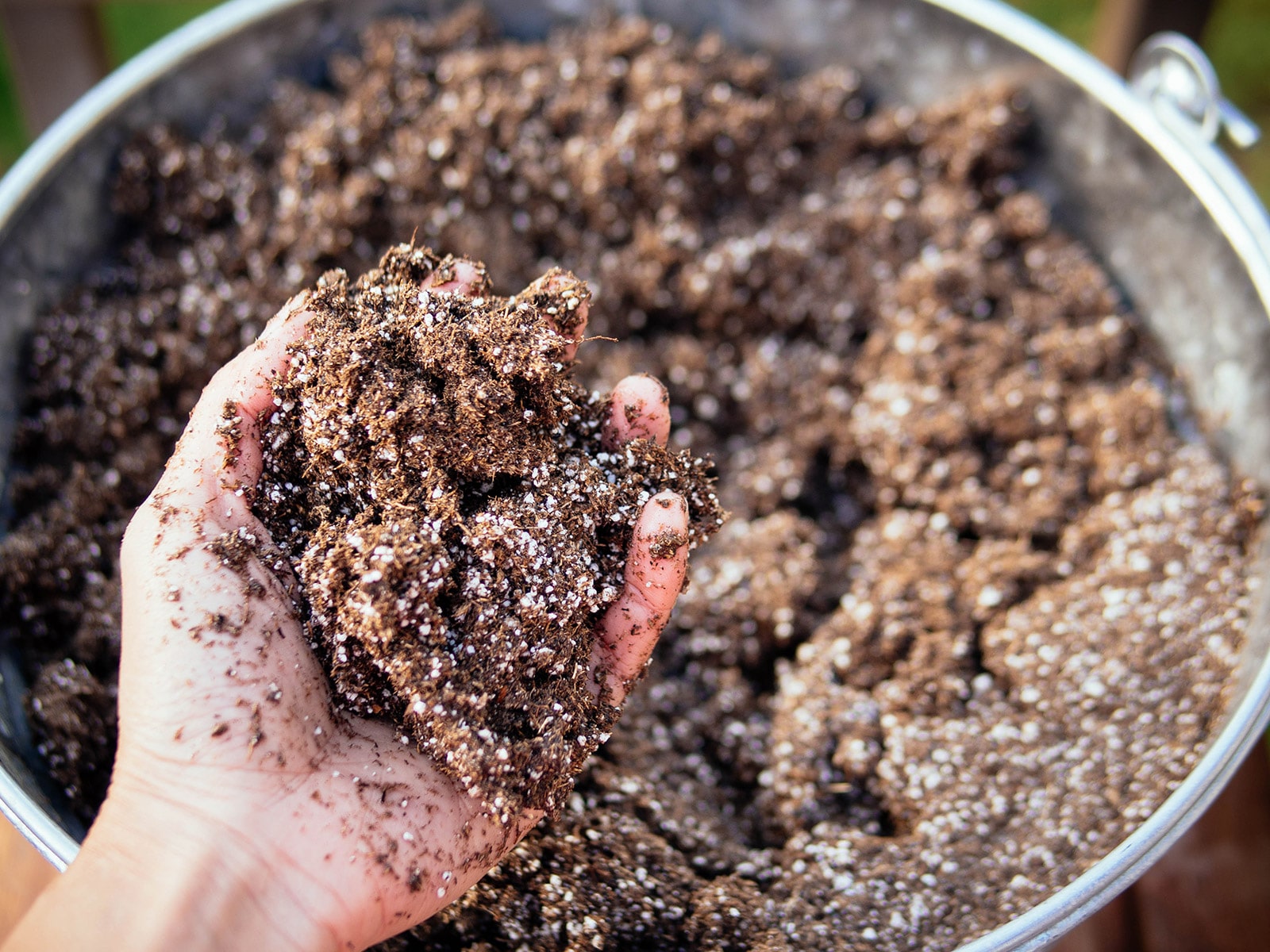
Step-by-Step: How to Make and Prepare Your Soil Mix
Making your own soil mix for herbs and kitchen garden is straightforward and takes about 20–30 minutes. Here’s the foolproof process:
- Gather your tools and ingredients 🪣
- Large bucket, wheelbarrow, or tarp for mixing
- Measuring scoop or old yogurt container (for consistent parts)
- Gardening gloves
- Compost, coco coir brick/block, perlite (and sand if needed)
- Pre-soak the coco coir (if using a compressed brick) 💦
- Place the brick in a large bucket and pour warm water over it.
- Let it expand for 10–20 minutes, then fluff it with your hands or a trowel until it’s light and crumbly. This prevents dry pockets later.
- Layer the ingredients
- Start with 1 part coco coir at the bottom.
- Add 1 part compost or worm castings on top.
- Finish with 1 part perlite (or perlite + sand mix).
- Mix thoroughly 👐
- Use your hands, a shovel, or trowel to blend everything evenly. Break up any clumps—aim for a uniform, fluffy texture.
- The final mix should feel light, hold together loosely when squeezed, and crumble apart easily.
- Test for drainage 🚰
- Grab a handful, squeeze it gently — it should feel moist but not drip water.
- Pour water through a small test amount in a pot with drainage holes — it should drain within seconds without pooling.
- Optional enhancements ✨
- Sprinkle in mycorrhizae powder (helps roots absorb nutrients better).
- Mix in a light handful of organic slow-release fertilizer (like blood meal or kelp meal) for extra kick without burning roots.
- If pH seems low (test with a cheap kit), add a small amount of dolomitic lime.
- Let it rest (1–2 days if possible)
- This allows beneficial microbes to activate and the mix to settle. Store in a covered bin or bags until ready to use.
Pro tip for Dhaka’s humidity: Make smaller batches fresh every few weeks to avoid any mold risk in storage.
How to Use the Soil Mix in Your Kitchen Garden
Now that your mix is ready, put it to work!
- In containers/pots 🪴
- Ensure pots have drainage holes (add a layer of pebbles or broken pottery at the bottom if extra cautious).
- Fill ¾ full with the mix, plant herbs at the same depth they were in their nursery pots, and gently firm the soil.
- Water lightly right after planting to settle everything.
- In raised beds 🌱
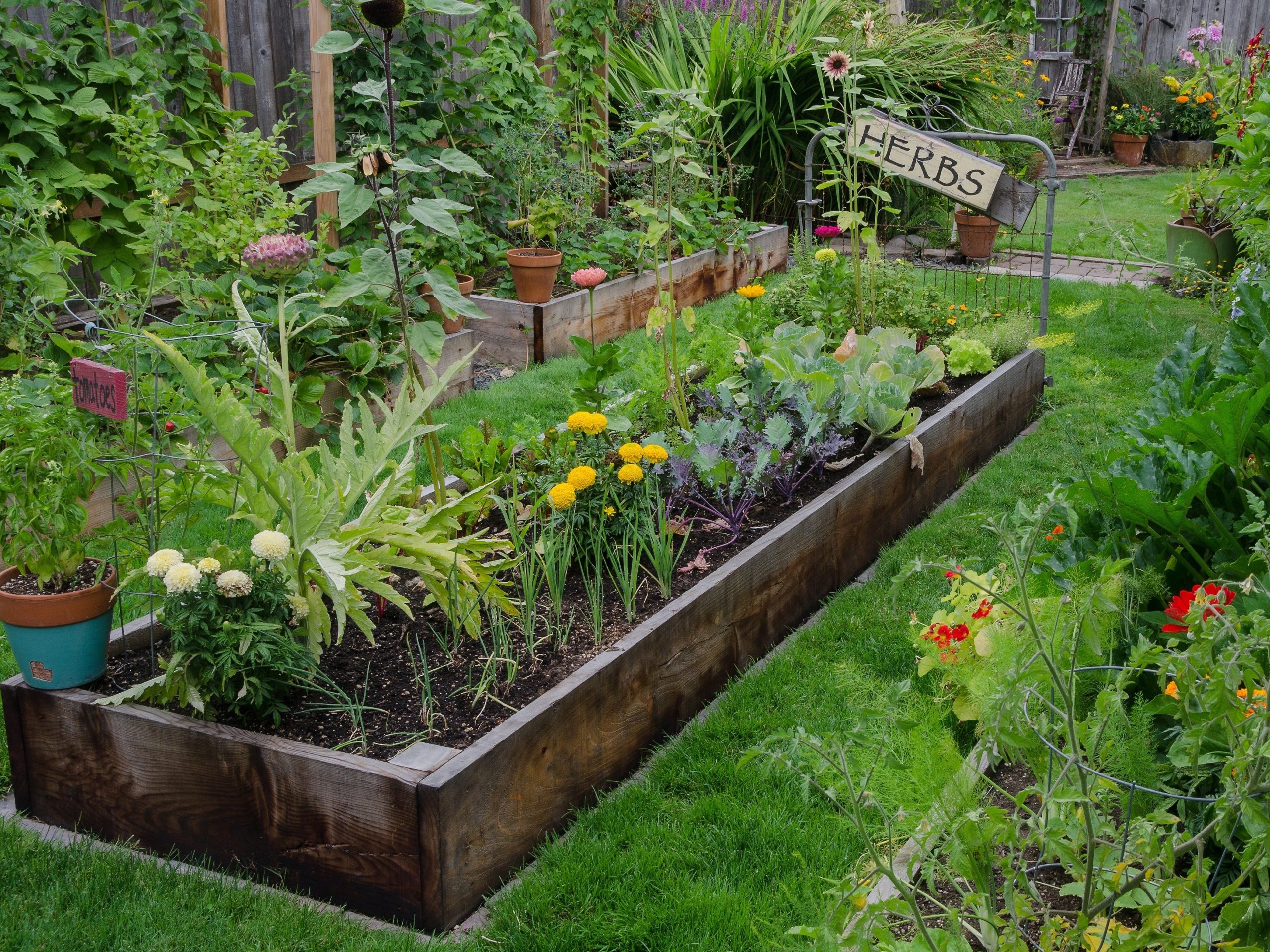
- If starting fresh, fill beds completely with the mix.
- For existing beds, remove the top 4–6 inches of old soil and replace/refill with your custom blend for better results.
- Companion planting smartly
- Group moisture-lovers (basil, parsley, mint) together in one pot or section.
- Keep dry-lovers (rosemary, thyme, oregano) separate or in their own gritty mix to avoid overwatering issues.
- Repotting overgrown herbs
- Every 1–2 years (or when roots circle the pot), refresh with new mix. Trim roots slightly and top-dress annually with compost.
Common Mistakes to Avoid (and How to Fix Them) 🚫
Even experienced gardeners slip up—here are the big ones I’ve seen repeatedly:
- Overwatering → Roots suffocate → root rot. Fix: Always check top 1–2 inches dry before watering; use pots with holes.
- Using straight garden soil in containers → Compacts fast, invites pests. Fix: Stick to soilless or amended mixes only for pots.
- No drainage holes → Instant soggy disaster 😱. Fix: Drill holes or choose proper containers.
- Too much fertilizer early → Leggy growth, bitter taste. Fix: Wait 4–6 weeks after planting, then use diluted organic feeds.
- Ignoring herb-specific needs → Rosemary in rich wet soil sulks and dies. Fix: Customize ratios as outlined earlier.
Maintenance Tips for Long-Term Success
- Watering 💧: Deep soak when topsoil dries, but infrequent—overwatering is the #1 killer in humid Dhaka. Morning watering reduces fungal risk.
- Fertilizing 🌿: Every 4–6 weeks with diluted fish emulsion, seaweed, or compost tea—never heavy nitrogen for herbs.
- pH monitoring 📏: Test every few months; adjust with lime if too acidic.
- Mulching 🍂: Add 1-inch layer of bark or straw on top to retain moisture and suppress weeds.
- Seasonal care (tropical climate twist): In monsoon, elevate pots for better drainage; in dry winter, mist leaves occasionally.
Troubleshooting Common Herb Soil Problems
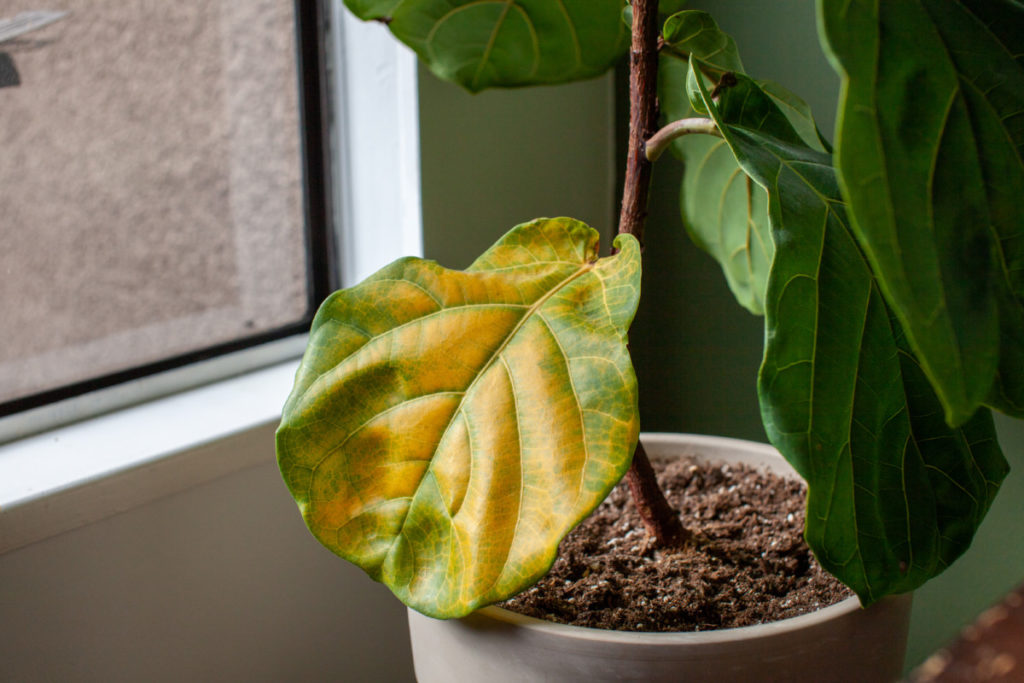
- Yellow lower leaves → Nutrient lack or poor drainage. Solution: Check roots, repot if soggy, feed lightly.
- Wilting despite wet soil → Root rot. Solution: Unpot, trim black roots, repot in fresh dry mix.
- Weak/pale flavor → Low nutrients or stress. Solution: Boost organic matter, ensure 6+ hours sun.
- White mold on surface → Overly wet + poor airflow. Solution: Scrape off, improve ventilation, reduce watering.
Expert Insights and Pro Tips from Years of Growing 🌿
After growing herbs in pots, balconies, and small raised beds through Dhaka’s heat, rain, and pollution:
- Rotate containers weekly for even sun exposure—herbs lean toward light fast!
- Always choose OMRI-listed or food-safe ingredients since these are edibles.
- Start small: Test one pot with the mix vs. store-bought to see the flavor difference yourself.
- Sustainability win: Coco coir + homemade compost cuts plastic waste from bagged soils dramatically.
- In humid seasons, add 10–20% extra perlite/sand to combat fungal gnats and damping off.
Frequently Asked Questions (FAQs)
Q: Can I use this mix for all kitchen herbs? A: Yes! Use the base 1:1:1 for most, tweak drainage/compost for specific types as detailed.
Q: Is coco coir better than peat moss? 🥥 A: Yes—more sustainable, re-wets easier, less acidic, and performs beautifully in tropical humidity.
Q: How long does homemade soil last? A: 1–2 growing seasons; refresh nutrients yearly with compost top-dressing.
Q: Best store-bought backup if I can’t DIY? A: Organic potting mix labeled for vegetables/herbs with added perlite (e.g., brands with coco coir base + drainage).
You’ve got the full blueprint now—time to mix up a batch and watch your kitchen garden explode with flavor! 🌱🍅 Which herb are you most excited to grow better? Drop a comment below—I’d love to hear your results or any tweaks that work in your space!











