
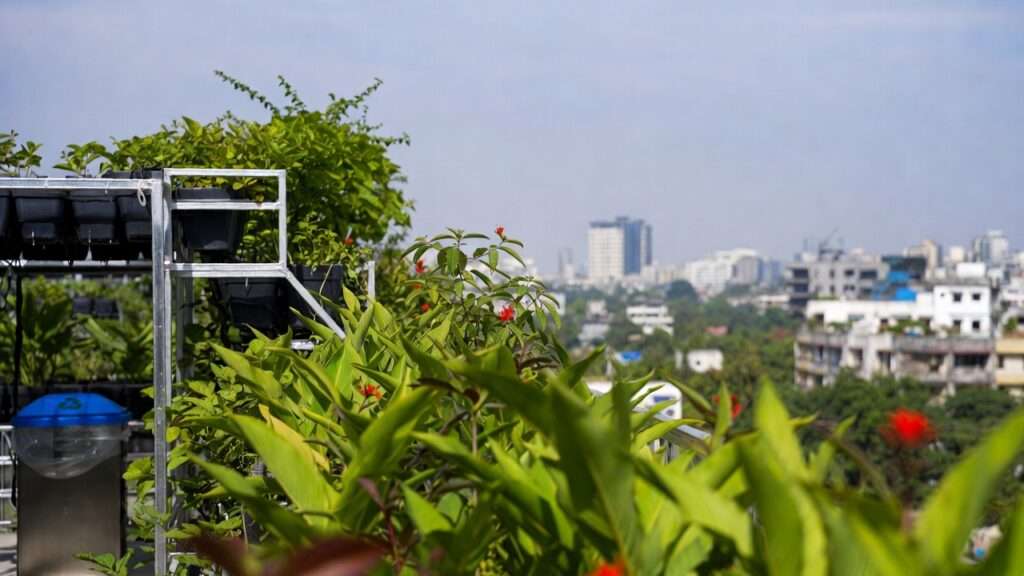
In the bustling heart of Dhaka, where towering buildings crowd every inch of space and traffic fumes fill the air, finding room for greenery can feel impossible. Picture this: your tiny balcony or blank apartment wall transformed into a vibrant, living tapestry of lush plants — fresh herbs within arm’s reach, cleaner air wafting through open windows, and a peaceful green escape from city chaos. Vertical gardens in urban settings offer exactly that: a smart, sustainable way to bring nature back into dense city life without needing sprawling yards. 🌱
As a plant and tree care expert with years of experience helping urban gardeners in hot, humid climates like Bangladesh thrive, I’ve seen firsthand how these vertical systems solve real problems — limited space, poor air quality, stress from concrete surroundings, and even the desire for home-grown edibles. Whether you’re in a high-rise apartment or a small rooftop, vertical gardening maximizes every square foot upward, delivering impressive benefits while requiring thoughtful care. In this comprehensive guide, we’ll explore everything you need to create and maintain thriving vertical gardens tailored to urban challenges. Let’s turn your city space green! ✨
What Are Vertical Gardens in Urban Settings? 🏙️🌱
Vertical gardens, also known as living walls or green walls, involve growing plants on vertical surfaces instead of traditional horizontal beds. This approach is ideal for space-constrained cities, using walls, balconies, fences, or freestanding structures to create gardens that grow “up” rather than “out.”
Key types suited to urban environments include:
Living Walls & Green Walls
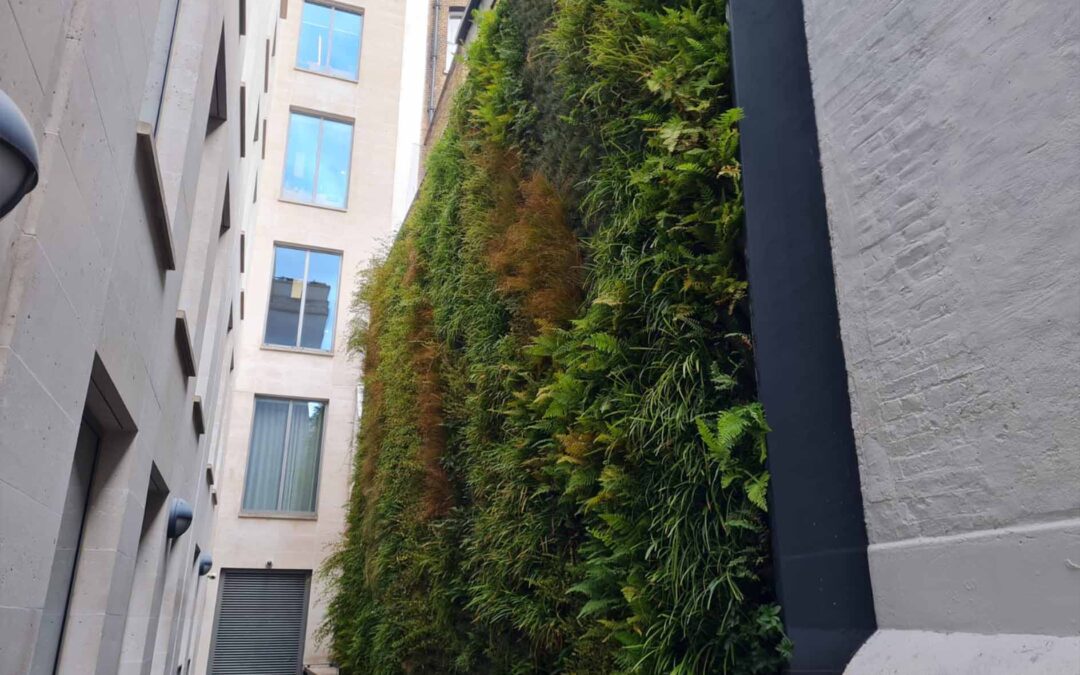
These are large-scale installations where plants grow directly on building facades or interior walls, often with built-in irrigation. They’re popular in commercial spaces but adaptable for homes with modular panels. In humid cities like Dhaka, they provide natural cooling and humidity regulation.
Pocket Planters & Modular Systems
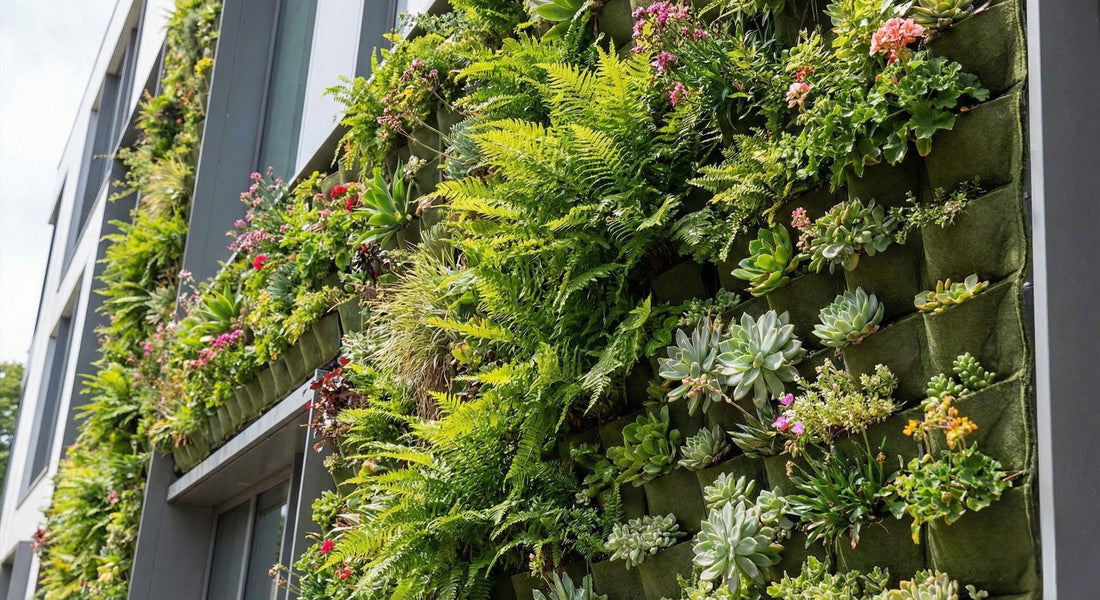
Fabric pockets or plastic modules attach to walls, perfect for balconies. Easy to install and rearrange — great for beginners experimenting with plant care.
Trellis & Climbing Structures
Simple frames or wires support vining plants like ivy or beans. Low-cost and effective for adding height and privacy on railings.
Tower Gardens & Hydroponic Towers
Soil-less, vertical columns with circulating water/nutrients. Ideal for indoor or balcony use, producing high yields in small footprints — think fresh lettuce year-round!
These systems have surged in popularity as urban sustainability trends grow, helping combat the urban heat island effect and limited green space in cities worldwide.
Top Benefits of Vertical Gardens in Urban Settings 🌟💚
Vertical gardens aren’t just pretty — they deliver measurable value, especially in polluted, crowded cities.
- Space-Saving Superpower 🏠: Grow dozens of plants on a few square feet of wall instead of floor space. Perfect for apartments where every inch counts — yields can be up to 10 times higher per square foot than traditional gardens!
- Improved Air Quality & Pollution Reduction 🌬️: Plants act as natural filters, absorbing CO₂, VOCs, and particulate matter from traffic. In urban areas, they can significantly reduce indoor/outdoor pollutants, leading to fresher breathing air.
- Noise Reduction & Urban Heat Island Mitigation 🔥: Dense foliage absorbs sound and cools surfaces through evapotranspiration — studies show temperature drops of up to 8–10°C on walls, cutting air conditioning needs and combating city heat.
- Mental Health & Wellness Boost 😌: Access to greenery reduces stress and anxiety — biophilic design brings calm to hectic urban lives, with research linking plant exposure to better mood and focus.
- Energy Savings & Insulation ⚡: Green walls insulate buildings, reducing heating/cooling demands by up to 25–50% in some cases.
- Biodiversity & Wildlife Support 🐝: Even small vertical patches attract pollinators like bees and butterflies, supporting urban ecosystems.
- Food Production 🥗: Grow herbs, greens, and small fruits for fresh, pesticide-free eats — promoting self-sufficiency and reducing food miles.
- Aesthetic & Property Value Enhancement ✨: Lush walls soften harsh urban architecture, boost curb appeal, and can increase property desirability.
These perks make vertical gardens a practical solution for city dwellers seeking healthier, greener living.

Best Plants for Vertical Gardens in Urban Environments 🌿🏡
Choosing the right plants is crucial for success in vertical gardens — especially in urban settings where light, humidity, airflow, and space constraints vary wildly. In hot, humid cities like Dhaka, prioritize heat-tolerant, humidity-loving species with shallow root systems that won’t overload structures. Focus on low-maintenance varieties that thrive in partial shade or with supplemental light, resist pests common in dense areas, and offer multiple benefits like air purification, edible yields, or visual appeal.
Key selection criteria include:
- Tolerance to variable light (many urban balconies get 4–6 hours of indirect sun)
- Compact or trailing growth habits
- Good humidity adaptation without root rot
- Lightweight when mature
Here are top categories with proven performers:
Low-Light & Shade Lovers (Perfect for North-Facing Balconies or Indoor Walls) 🌑💚
These thrive with 2–4 hours of indirect light — ideal for apartments with limited sun exposure.
- Pothos (Epipremnum aureum): Extremely forgiving, trailing vines cascade beautifully in pockets or towers. Purifies air and tolerates low light/humidity swings.
- Boston Fern & Maidenhair Fern: Lush, feathery fronds add softness; love high humidity common in Dhaka. Mist regularly for best results.
- Peace Lily (Spathiphyllum): Elegant white blooms, excellent air-cleaner, signals when thirsty by drooping (easy cue for beginners).

Succulents & Drought-Tolerant Stars 🌵✨
Great for sunny balconies; low water needs reduce maintenance in busy urban lives.
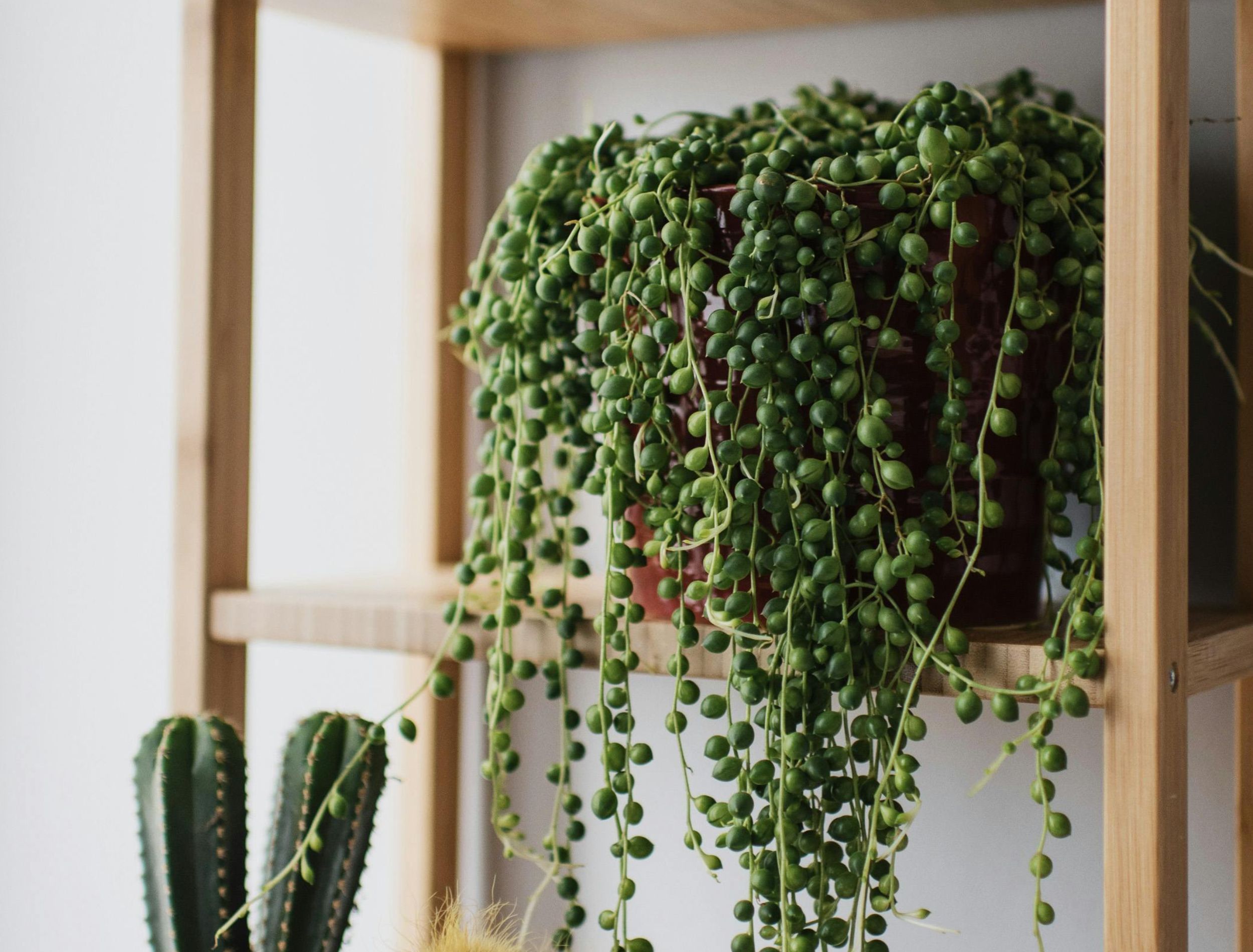
- String of Pearls (Senecio rowleyanus): Delicate bead-like leaves trail dramatically — stunning in hanging pockets. Needs bright indirect light and infrequent watering.
- Sedum varieties (e.g., Burro’s Tail): Fleshy, trailing succulents that handle heat well and add texture.
- Other easy picks: Jade plant cuttings or Echeveria for upright accents.
Edible Heroes for Urban Foodies 🥬🍅
Grow your own fresh ingredients — rewarding in space-limited cities!
- Herbs: Basil, Mint, Thyme, Oregano — compact, aromatic, and prolific in vertical pockets. Mint spreads vigorously, so contain it.
- Leafy Greens: Lettuce (loose-leaf varieties), Kale, Spinach — quick harvests, nutrient-dense.
- Small Fruits: Strawberries (everbearing types), Cherry Tomatoes (dwarf varieties like ‘Tiny Tim’) — train upward for max yield.

Flowering & Ornamental Options 🌸
Add pops of color to cheer up urban views.
- Petunias & Calibrachoa: Cascading blooms in bright colors; love sun.
- English Ivy or Devil’s Ivy: Classic trailing greenery for coverage.
- Climbing Roses (mini varieties): For sunny spots — romantic and fragrant.
Bonus for Dhaka/tropical climates: Incorporate native or adapted plants like tulsi (holy basil) for cultural value and resilience to monsoon humidity.
Choosing the Right Vertical Garden System for Your Urban Space 🛠️🏠
Selecting the perfect system depends on your space, budget, sunlight, and commitment level. In Dhaka’s humid, often rainy climate with variable balcony sun, prioritize lightweight, weather-resistant, and easy-to-maintain options. Here’s a breakdown to help you decide.
DIY vs. Commercial Comparison
- DIY Pros: Low cost (often under ৳5,000–10,000), customizable, eco-friendly using recycled materials. Cons: More labor, potential leaks, less polished look.
- Commercial Pros: Professional irrigation, durable, easier installation. Cons: Higher cost (৳15,000+), less flexibility.
Budget-Friendly DIY Ideas ♻️
Start small and sustainable — perfect for beginners in apartments.
- Use recycled plastic bottles or PVC pipes cut lengthwise, mounted on walls or frames. Drill drainage holes, fill with lightweight potting mix, and hang securely. Great for herbs or succulents.

- Felt pocket planters or shoe organizers: Staple to wood frames or directly to balcony railings — excellent drainage and airflow in humid conditions.
- Wooden pallet gardens: Lean against walls, staple landscape fabric pockets — rustic charm for climbing plants.
Ready-Made Modular & Hydroponic Systems 🚀
For reliable results with minimal hassle.
- Modular wall panels (fabric or plastic pockets with frames): Easy to expand, good for balconies.
- Hydroponic towers: Soil-free, nutrient-rich water circulates — ideal indoors or shaded balconies for greens. Low water use, high yields.

Indoor vs. Outdoor Considerations ☀️🌧️
- Outdoor: Choose UV-resistant materials, ensure wind/weight tolerance (consult building rules in Dhaka high-rises). Add rain protection for monsoons.
- Indoor: Use grow lights if low natural light; focus on humidity-loving plants. Weight is less issue but ensure good drainage to avoid floor damage.
Step-by-Step Site Assessment
- Measure available wall/balcony space and note weight limits.
- Track sunlight hours (use phone apps).
- Check water access — nearby tap or hose?
- Evaluate structure — brick/concrete walls best; avoid weak railings.
- Consider aesthetics — blend with your home style for enjoyment.
Step-by-Step Plant Care Tips for Thriving Vertical Gardens 💧🌡️
Vertical gardens demand slightly different care routines than traditional ground beds due to faster soil drying, limited root space, and exposure to urban conditions (wind, heat reflection from walls, pollution). In Dhaka’s warm, humid, and often rainy climate, the biggest challenges are consistent moisture without waterlogging, nutrient delivery in small volumes, and preventing fungal issues during monsoons. Follow these expert-level routines for lush, long-lasting results.
Watering Wisdom: Prevent Both Drought & Root Rot 🚰
Vertical systems dry out faster at the top and retain more moisture at the bottom — uneven watering is the #1 killer.
- Install a drip irrigation kit or self-watering reservoirs (many commercial towers include them). Set timers for early morning watering to reduce evaporation and fungal risk.
- Hand-watering tip: Water from the top slowly until it drips from the bottom pockets — this ensures even distribution. In Dhaka’s rainy season, reduce frequency and ensure excellent drainage.
- Check moisture: Stick your finger 2–3 cm into the top soil of several pockets. Water only when dry. Use a moisture meter for precision in larger setups.
- Pro hack: Add water-retaining crystals or coco coir to potting mix to buffer humidity swings.
Lighting & Placement Strategies ☀️
Most urban balconies in Dhaka receive 4–8 hours of filtered or direct sun — match plants to exposure.
- South/west-facing = full-sun lovers (herbs, tomatoes, succulents).
- North/east-facing = shade-tolerant (ferns, pothos, peace lily).
- Supplement with full-spectrum LED grow lights (10–12 hours/day) for very shaded or indoor walls — position 30–45 cm above plants.
- Rotate plants every 2–3 weeks if one side gets more light to prevent leaning.
Soil & Nutrient Management 🌱🧪
Use lightweight, well-draining mixes to avoid excess weight and root rot.
- Recommended blend: 50% coco coir or peat moss + 30% perlite/vermiculite + 20% compost or worm castings.
- Fertilize lightly but frequently: Every 2 weeks with diluted liquid seaweed/fish emulsion or balanced NPK (10-10-10) during growing season (March–October in Dhaka).
- Slow-release granules work well for busy urbanites — apply once every 3–4 months.
- Flush soil monthly with plain water to prevent salt buildup from hard tap water.
Pruning, Training & Support Techniques ✂️🪴
Keep growth tidy and airflow high — crucial in humid climates to prevent mildew.
- Pinch tips of herbs and trailing plants regularly to encourage bushiness.
- Train vines (ivy, beans, tomatoes) upward using soft ties or clips — don’t let them smother lower plants.
- Remove dead/yellow leaves immediately to reduce disease risk.
- Thin dense pockets every 4–6 weeks so air circulates freely.
Pest & Disease Prevention in Tight Spaces 🛡️🐛
Urban density + humidity = higher pest pressure (aphids, spider mites, whitefly).
- Inspect weekly — catch issues early.
- Natural controls: Neem oil spray (diluted), insecticidal soap, or companion planting (marigolds, basil repel pests).
- Improve airflow with small fans on indoor setups.
- Monsoon tip: Avoid overhead watering; use bottom-up or drip methods to keep foliage dry.
Seasonal Care Adjustments for Dhaka’s Climate 🌧️🔥
- Hot summer (April–June): Increase watering frequency, provide afternoon shade cloth if scorching.
- Monsoon (June–September): Reduce watering, ensure perfect drainage, watch for fungal leaf spot.
- Cooler months (Nov–Feb): Cut back fertilizing, protect tender plants from occasional chilly nights.
Common Challenges & Smart Solutions for Urban Vertical Gardeners ⚠️🔧
Even the best-planned vertical gardens can run into hurdles in city environments. Here are the most frequent issues faced by urban gardeners in places like Dhaka — along with practical, proven fixes based on real-world experience helping dozens of apartment and balcony gardeners succeed.
- Limited Sunlight in Shaded or North-Facing SpacesProblem: Many urban balconies receive only 2–4 hours of direct sun or heavy shade from neighboring buildings. Solutions:
- Choose shade-tolerant plants (pothos, ferns, peace lily, mint) as your foundation.
- Install affordable full-spectrum LED grow lights (20–40W panels) on timers — run 10–14 hours daily. Position 30–60 cm above plants.
- Use reflective surfaces (white-painted boards or mylar sheets) behind the garden to bounce light back to leaves.
- Weight & Structural Concerns on Balconies or WallsProblem: Saturated soil + plants + water can exceed 50–100 kg on small balconies — risky in older buildings or high-rises. Solutions:
- Always stay under your building’s weight limit (consult strata/body corporate rules or an engineer if unsure).
- Opt for lightweight media: coco coir + perlite mixes weigh far less than heavy garden soil.
- Use freestanding towers or rail-mounted systems instead of wall-mounted if weight is a major concern.
- Distribute weight evenly across multiple attachment points with strong brackets or anchors.
- Maintenance When Traveling or During Busy Work WeeksProblem: City life means frequent absences or long office hours. Solutions:
- Invest in automated drip irrigation with timers or smart Wi-Fi controllers (many under ৳5,000–8,000).
- Add large water reservoirs or self-watering wicks in DIY pockets.
- Group plants by water needs — create “low-maintenance zones” with succulents and drought-tolerant herbs.
- Ask a neighbor or use plant-sitting apps — many urban communities now share gardening help.
- Pests & Diseases in Dense, Humid Urban AirProblem: Aphids, spider mites, whiteflies, and fungal issues (powdery mildew, leaf spot) spread quickly in still, humid air. Solutions:
- Increase airflow with small USB fans (especially indoors).
- Spray neem oil or insecticidal soap weekly as prevention during humid months.
- Introduce beneficial insects (ladybugs can be purchased online in some cities).
- Remove affected leaves immediately; never compost diseased material.
- High Humidity, Monsoon Waterlogging & Poor DrainageProblem: Dhaka’s rainy season can drown roots in poorly draining pockets. Solutions:
- Ensure every pocket/module has multiple drainage holes.
- Add a 2–3 cm layer of gravel or hydroton at the bottom of each planter.
- Tilt pockets slightly forward so excess water runs off foliage.
- During heavy rains, temporarily cover or move portable systems under shelter.
These fixes turn potential frustrations into manageable routines — most gardeners see dramatic improvements within one growing season.
Real-Life Examples & Case Studies 📸🌍
Nothing inspires action like seeing success stories. Here are a few urban vertical garden transformations I’ve observed or helped with:
- Tiny 3×1 m Balcony Makeover (Dhaka Apartment): A young couple started with recycled bottle planters and pothos + herbs. After six months they added a modular herb wall — now harvest fresh basil, mint, and lettuce weekly, reducing grocery bills and enjoying a private green screen from neighbors.
- Indoor Living Wall in a Studio Flat: Low-light corner turned into a 1.5 m² green wall with peace lilies, ferns, and string-of-pearls. Air quality noticeably improved (less dust, fresher smell), and the owner reports better sleep and lower stress.
- Community Rooftop Tower Garden: A group of residents installed four hydroponic towers growing kale, spinach, and strawberries. Shared maintenance schedule keeps it thriving — fresh salads for 12 families from just 2 m² of floor space.
These examples show that starting small and scaling up works beautifully in urban constraints.
Expert Insights & Pro Tips from a Plant Care Specialist 👩🌾💡
With over a decade working with urban plants and trees in tropical climates, here are my top recommendations:
- Start with 3–5 easy plants — master care before expanding.
- Keep a simple garden journal: note watering days, plant growth, pest sightings — patterns emerge fast.
- Mulch the top of pockets with coconut husk chips — retains moisture and looks neat.
- Test your tap water pH occasionally — Dhaka water can be slightly alkaline; most plants prefer 5.8–6.5.
- Combine vertical gardens with small potted trees (e.g., dwarf citrus or curry leaf) on the balcony floor for layered greenery.
- During winter fog, wipe leaves gently with a damp cloth to remove dust buildup.
- Celebrate small wins — every new leaf is proof you’re succeeding in a challenging environment!
Conclusion: Bring Nature Back to Your Urban Life Today! 🌳❤️
Vertical gardens in urban settings are more than just a trendy decoration — they’re a powerful, practical way to reclaim green space, improve your daily well-being, and contribute to healthier cities. In places like Dhaka, where concrete, traffic, and limited room make traditional gardening feel out of reach, going vertical changes everything. You gain fresher air to breathe, home-grown herbs and greens at your fingertips, a natural stress-reliever right outside (or inside) your window, and a small but meaningful step toward sustainable urban living.
The best part? You don’t need a huge budget, perfect sunlight, or endless free time to start. Begin with just a few easy plants in recycled pockets or a simple modular system. Master the basics of watering, light matching, and seasonal tweaks — and watch your little green wall become a thriving, joyful part of your home.
If you’re feeling inspired, here’s your simple action plan:
- Assess your balcony or indoor wall space this weekend.
- Pick 3–5 beginner-friendly plants from the lists above.
- Start small — even one pocket planter or a mini tower counts!
- Track progress, adjust as you go, and enjoy every new leaf.
Urban greening starts with one person, one wall, one plant. Your vertical garden could be the spark that makes your home feel more alive — and perhaps inspires your neighbors too.
Go green upward — your city (and your well-being) will thank you! 🌿✨
FAQs About Vertical Gardens in Urban Settings ❓
What are the easiest plants for complete beginners in a vertical garden? Pothos, spider plant, peace lily, mint, and basil are nearly foolproof. They forgive irregular watering, tolerate variable light, and grow quickly, giving fast visual rewards.
How much does a vertical garden cost for a small urban balcony in Dhaka? DIY setups can start as low as ৳2,000–5,000 (recycled bottles, felt pockets, basic soil). A good modular wall panel or small hydroponic tower usually ranges from ৳8,000–25,000, depending on size and features. Plants and accessories add another ৳2,000–6,000.
Can vertical gardens really survive in low-light apartments? Yes! Many excellent options (ferns, pothos, peace lily, ZZ plant) thrive in low to medium indirect light. Add affordable LED grow lights for 8–12 hours a day if natural light is very limited — most people see great results.
Do vertical gardens actually help reduce air pollution in cities? They do — especially indoors. Plants filter VOCs, absorb CO₂, and trap dust/particles on leaves. While one small wall won’t clean an entire city, it noticeably improves air quality in your personal space (studies show reductions in indoor pollutants by 20–87% with good plant density).
Indoor vs. outdoor vertical garden — which is better for most city dwellers? It depends on your space and goals. Outdoor balconies get more natural light and benefit from rain, but face weather extremes and pollution. Indoor walls offer year-round control and consistent conditions, especially in humid/monsoon-heavy climates like Dhaka. Many people start with indoor for ease, then expand outdoors.
How often should I water a vertical garden in a hot, humid city? Check daily at first — water when the top 2–3 cm of soil feels dry. In Dhaka summers, this might be every 1–2 days for small pockets; during monsoon, cut back significantly. Drip systems or self-watering pots make it much easier.
Will a vertical garden attract too many insects or pests indoors? Usually not if you start clean and monitor regularly. Most pests come from stressed plants or open windows. Use neem oil preventatively, keep good airflow, and quarantine new plants for a week before adding them.
Can I grow fruit or vegetables successfully in a vertical setup? Absolutely — strawberries, cherry tomatoes (dwarf varieties), leafy greens, herbs, and even small peppers do very well. Choose compact, high-yield types, provide enough sun/light, and fertilize regularly for the best harvests.
How much maintenance does a vertical garden really require each week? About 15–30 minutes per week once established: quick watering check, dead-leaf removal, occasional pruning/fertilizing. Automated irrigation cuts this down dramatically for busy urban lifestyles.
Thank you for reading this in-depth guide! If you start your own vertical garden, feel free to share your progress — I’d love to hear how it transforms your urban space. Happy gardening! 🌱🏙️











