
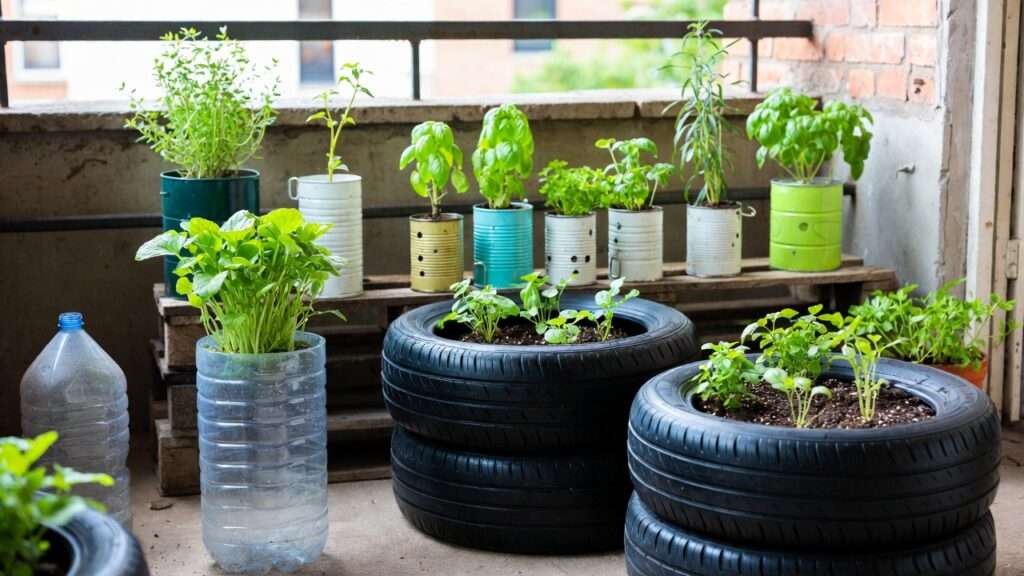
Imagine stepping onto your tiny balcony or peering out your apartment window to see lush green herbs, vibrant cherry tomatoes, and even a small citrus tree thriving — all without spending a fortune on fancy pots or soil setups. In bustling cities where space is tight and living costs are high, many plant lovers feel stuck: they crave fresh homegrown produce and the calming joy of gardening, but traditional supplies add up quickly 💸. The good news? You can build a productive, beautiful urban garden using items you already have or can find for free.
Recycled materials for urban gardening offer the perfect solution: they’re eco-friendly, dramatically cut costs (often saving 70–90% compared to buying new), reduce household waste heading to landfills, and let you create custom setups that fit any small space like balconies, rooftops, windowsills, or patios. As someone who’s helped countless city gardeners transform concrete corners into green oases through years of hands-on experience in sustainable horticulture and urban plant care, I can tell you this approach isn’t just thrifty — it’s empowering and surprisingly effective for growing healthy plants and even dwarf trees. In this comprehensive guide, you’ll discover 15 creative ideas with step-by-step instructions, plant recommendations tailored to container life, safety tips to protect your food crops, and expert care advice to ensure success. Let’s turn “trash” into your thriving green retreat! 🌱
Why Recycled Materials Are Perfect for Urban Gardening 🌍
Urban gardening comes with unique hurdles: limited square footage, exposure to heat-reflecting concrete and wind tunnels, polluted air, and sky-high prices for even basic planters. Traditional gardening stores push expensive ceramic pots, fabric grow bags, or plastic nursery containers — but why spend when everyday waste works beautifully?
The Urban Gardening Challenge City dwellers often have only a few square meters to work with. Soil quality is poor or nonexistent, watering needs spike in hot microclimates, and heavy containers risk balcony weight limits. Recycled options solve these by being lightweight (or stackable), free/cheap, and customizable.
Environmental & Economic Benefits Upcycling diverts waste from landfills — the average urban household can repurpose hundreds of kilograms yearly through simple projects ♻️. You’ll save big: a single commercial raised bed might cost $50–200, while recycled versions use free pallets or buckets. Plus, these setups promote biodiversity, support pollinators, and improve mental well-being with nature close to home.
Key Safety & Best Practices ⚠️ Not all recycled items are automatically safe, especially for edible plants. Avoid anything that held chemicals, oil, or non-food items unless thoroughly cleaned. For plastics, stick to food-grade types (look for recycling codes #2 HDPE, #4 LDPE, #5 PP — these are least likely to leach harmful chemicals like BPA). Always add drainage holes to prevent root rot, line questionable containers with landscape fabric or plastic if needed, and avoid treated wood (which may contain arsenic). For balconies/rooftops, check weight capacity first — a soil-filled tire stack can get heavy! Clean items with hot soapy water or vinegar solution, and test soil pH regularly.
Essential Tools & Preparation Tips Before You Start 🛠️
You don’t need a fancy workshop. Most urban upcyclers succeed with basics already at home:
- Drill + bits (for drainage holes)
- Utility knife or scissors
- Sandpaper (smooth sharp edges)
- Wire, zip ties, or strong twine (for hanging/ securing)
- Hammer & nails (for wood projects)
Sourcing Materials Check curbside trash days, local Buy Nothing groups on Facebook, community freecycle pages, or markets. Ask neighbors for old buckets, bottles, or crates — many are happy to declutter!
Soil & Drainage Basics Use a quality potting mix blended with compost (make your own from kitchen scraps!). Add perlite or vermiculite for better drainage in recycled containers. For self-watering hacks, incorporate wicking systems from old fabric scraps.
Quick Safety Checklist
- Wash thoroughly
- Drill 3–5 drainage holes per container
- Elevate pots slightly for airflow
- Monitor for material breakdown over time
Ready? Let’s dive into the 15 creative ideas! Each includes why it suits urban spaces, simple DIY steps, best plants, pros/cons, and care tips 🌟.
15 Creative Recycled Materials Ideas for Urban Planters & Gardens 🎨
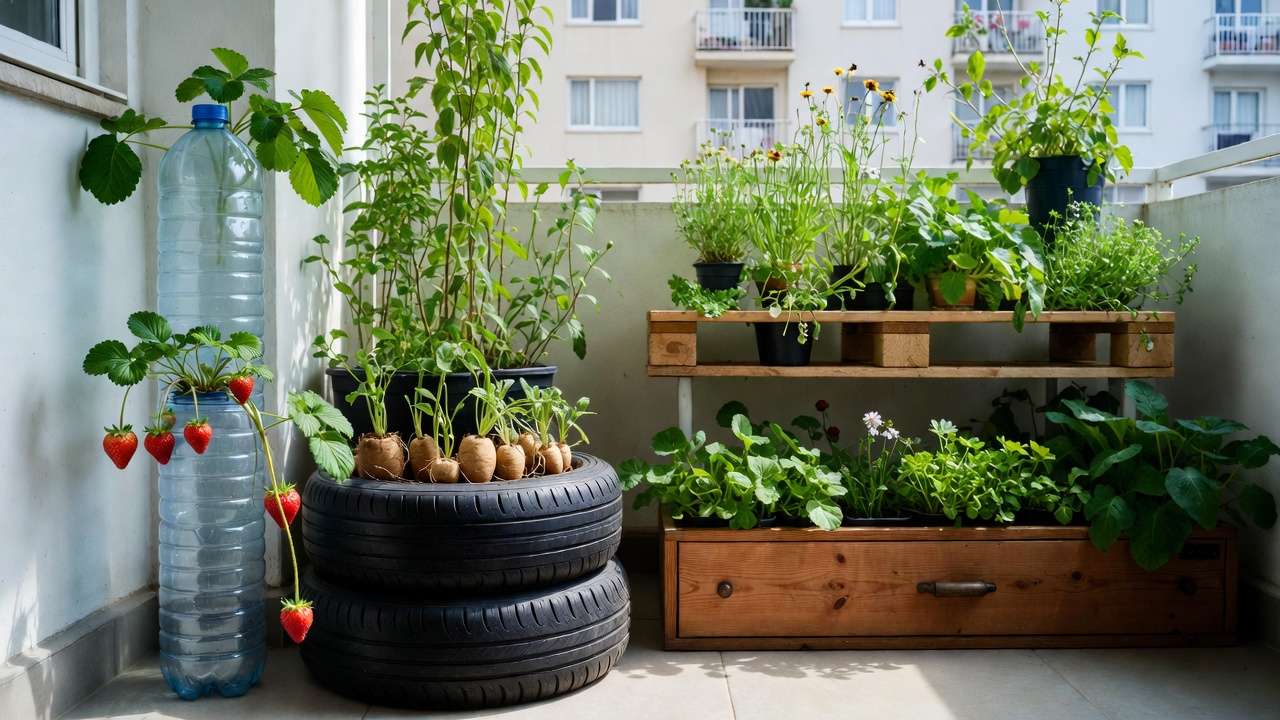
- Plastic Bottles Turned Vertical Garden ♻️ Perfect for walls or railings — maximizes vertical space! DIY Steps: Cut 2-liter bottles in half, poke holes in the bottom half for drainage, invert the top as a funnel if desired, fill with soil, and hang with string or wire in a tower formation. Best Plants: Strawberries, herbs (basil, mint), lettuce, trailing flowers like petunias. Pros: Lightweight, free, excellent drainage; self-watering possible. Cons: Needs frequent watering in heat. Care Tip: Place in partial shade to prevent plastic heating up roots.
- Old Tires as Stacked Raised Beds 🛞 Sturdy and insulating for root crops or small trees. DIY Steps: Stack 2–4 tires (paint if desired for aesthetics), fill with soil/compost mix. Best Plants: Potatoes, carrots, beets, dwarf fruit trees like figs. Pros: Free, durable, retains warmth. Cons: Heavy; avoid if growing edibles in very hot climates (potential minor leaching — line if concerned). Care Tip: Plant deep-rooted varieties; water deeply but infrequently.
- Wooden Pallets into Vertical Wall Gardens 🪵 Ideal for balconies — turns walls into living art! DIY Steps: Secure pallet upright, staple landscape fabric to back/sides, fill slats with soil, plant. Best Plants: Succulents, herbs, trailing ivy, strawberries. Pros: Space-saving, rustic look. Cons: Ensure untreated wood. Care Tip: Use drought-tolerant plants; add drip irrigation from recycled bottles.
- Tin Cans & Food Tins Herb Garden 🥫 A charming, low-effort windowsill or balcony rail project — perfect for small-space herb lovers! DIY Steps: Wash empty food tins thoroughly (remove labels if desired), poke 3–4 drainage holes in the bottom using a hammer and nail, sand any sharp edges, and optionally paint or decorate for style. Fill with potting mix. Best Plants: Compact herbs like thyme, oregano, chives, parsley, cilantro, or small basil varieties. Pros: Free from your kitchen, excellent heat tolerance in sunny spots, cute rustic/vintage look. Cons: Smaller volume means more frequent watering; rust can occur over time (paint interiors if concerned). Care Tip: Group them together for microclimate humidity; fertilize lightly every 4–6 weeks with diluted organic liquid feed.

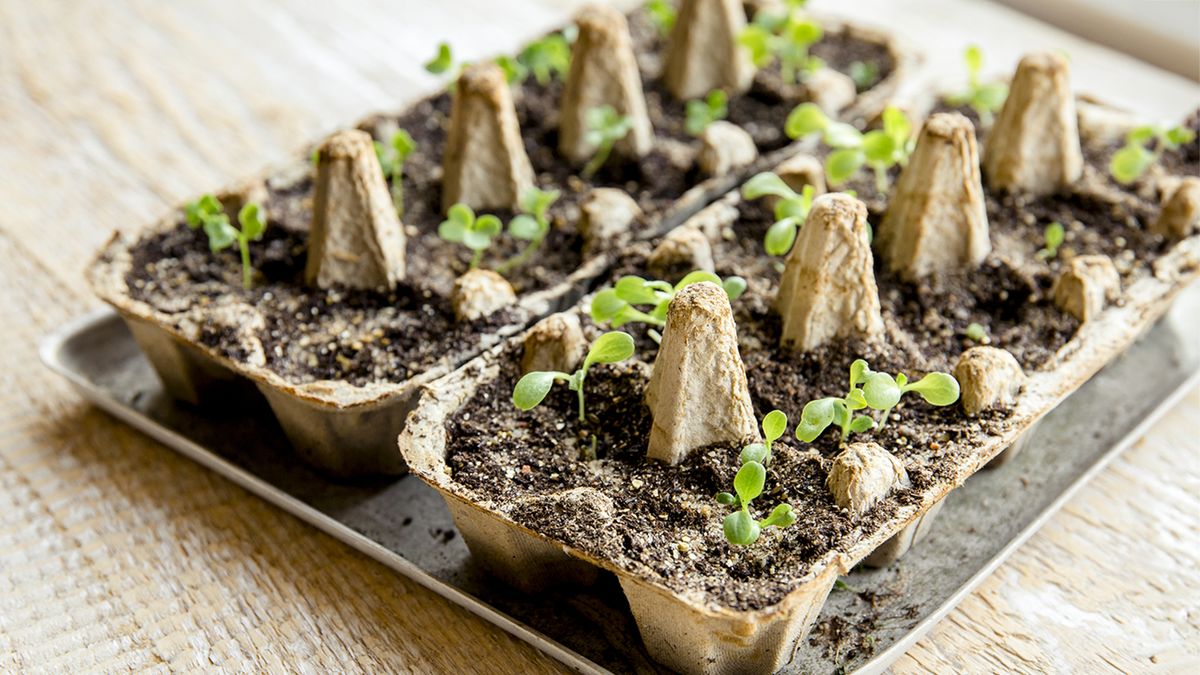
- Egg Cartons as Seed Starters 🥚 Biodegradable and zero-waste — ideal for starting seeds before transplanting to larger recycled containers. DIY Steps: Use cardboard egg cartons (not foam), poke small drainage holes in each cup bottom, fill with seed-starting mix, plant seeds, and water gently. Once seedlings have true leaves, cut apart and plant carton directly into soil (it decomposes). Best Plants: Tomatoes, peppers, lettuce, marigolds, or any small-seed veggies/flowers. Pros: Super cheap/free, reduces transplant shock, eco-friendly. Cons: Limited space for roots — transplant promptly. Care Tip: Keep moist but not soggy; place on a sunny windowsill or under grow lights for strong starts.
- Old Boots or Shoes as Quirky Planters 👞 Whimsical and conversation-starting — great for adding personality to tiny patios! DIY Steps: Clean thoroughly, poke drainage holes in soles, fill with soil (line with plastic if concerned about dyes). Best Plants: Succulents, sedums, small annual flowers, or trailing nasturtiums. Pros: Fun aesthetic, uses items headed for trash. Cons: Limited soil volume; may need frequent watering. Care Tip: Choose drought-tolerant plants; position in partial shade to prevent overheating.
- Broken Teacups & Mugs Succulent Gardens ☕ Charming tabletop or shelf accents — turn chipped kitchenware into mini ecosystems. DIY Steps: Ensure drainage (add holes or layer gravel at bottom), fill with cactus/succulent mix. Best Plants: Echeveria, sedum, haworthia, jade plant babies. Pros: Artistic upcycle, low-maintenance plants. Cons: Fragile; small size limits growth. Care Tip: Water sparingly — succulents hate wet feet!
- Plastic Buckets & Laundry Baskets Deep Root Planters 🪣 Excellent for deeper-rooted crops or young trees in urban settings. DIY Steps: Drill multiple drainage holes, add gravel layer, fill with rich compost mix. For baskets, line with coconut coir or landscape fabric if holes are large. Best Plants: Tomatoes, potatoes, carrots, dwarf citrus/fig trees, peppers. Pros: Affordable/deep soil for roots, good insulation. Cons: Can get heavy when full. Care Tip: Elevate on bricks for better drainage/airflow; stake tall plants against wind.
- Rain Gutters Mounted as Horizontal Planters 🌧️ Space-efficient railing or wall-mounted option for shallow-rooted greens. DIY Steps: Cut gutter sections to size, cap ends, drill drainage holes, mount securely with brackets, fill with soil. Best Plants: Lettuce, spinach, radishes, strawberries, shallow herbs. Pros: Maximizes linear space, easy harvesting. Cons: Needs strong mounting; check weight. Care Tip: Install drip line from recycled bottles for consistent moisture.
- Old Drawers or Crates Rustic Raised Beds 📦 Mobile and stackable — perfect for renters with balconies. DIY Steps: Line with plastic or fabric if needed, add drainage, fill with soil. Wheels optional for mobility. Best Plants: Mixed greens, bush beans, dwarf kale, small flowering shrubs. Pros: Portable, good depth. Cons: Wood may rot over time (treat with non-toxic sealant). Care Tip: Rotate positions for even sun exposure.
- Bicycle Wheels & Frames Trellis + Planter Combo 🚲 Creative support for climbers in small spaces. DIY Steps: Mount old wheel vertically, attach pots or bottles at spokes, or use frame as trellis base. Best Plants: Climbing beans, peas, morning glory, cucumbers. Pros: Industrial chic look, multifunctional. Cons: Requires secure anchoring. Care Tip: Train vines regularly; provide afternoon shade in hot cities.
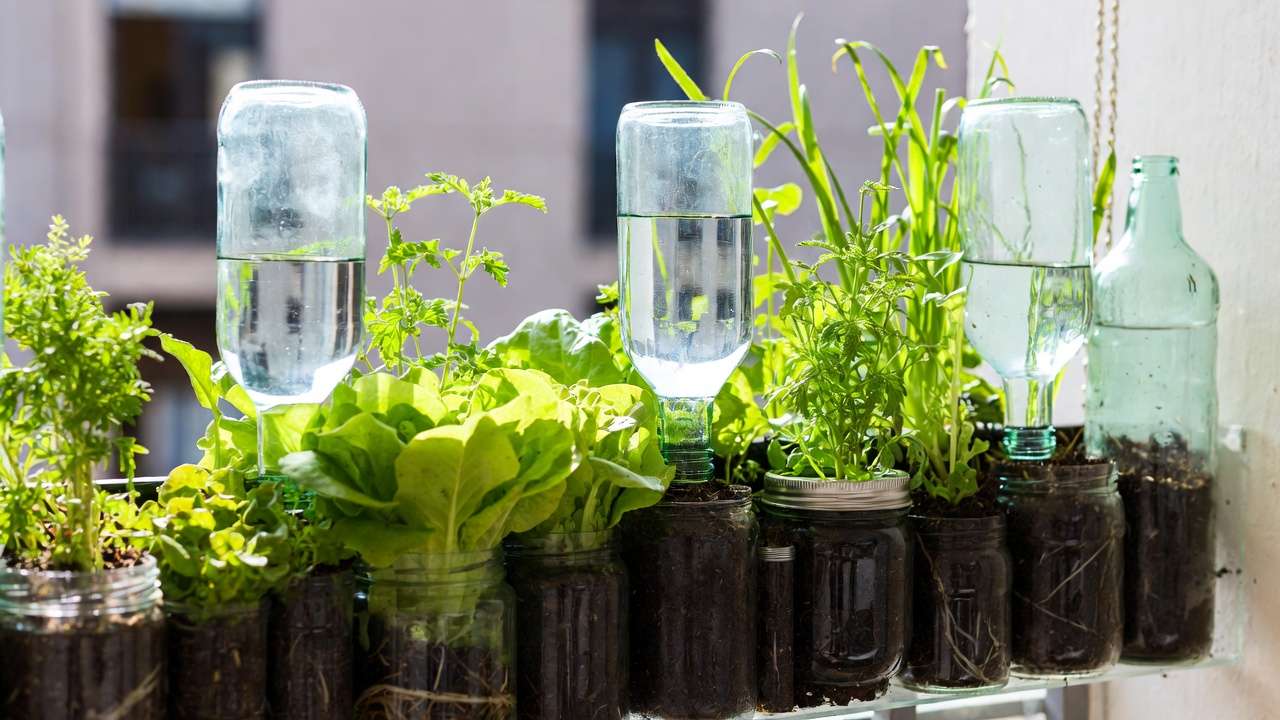
- Glass Jars & Bottles Self-Watering Planters 🍾 Upside-down wicking system for consistent moisture — great for forgetful waterers! DIY Steps: Fill jar with water, invert bottle neck into soil-filled base (cut bottle), bury wick (fabric strip) to draw water up. Best Plants: Herbs, small veggies like lettuce or radishes. Pros: Reduces watering frequency, recycles glass. Cons: Algae risk in sun (use opaque wrap). Care Tip: Refresh water weekly; monitor for root rot.
- Old Chairs or Furniture Frames Statement Pieces 🪑 Artistic focal points with deep soil capacity. DIY Steps: Remove seat, line frame with fabric/plastic, fill with soil as planter. Best Plants: Dwarf fruit trees (lemon, lime), ornamental grasses, tall flowers. Pros: Unique statement decor, deep roots. Cons: Heavy; check balcony load. Care Tip: Prune for shape; fertilize seasonally.
- Cardboard Boxes Lined with Plastic Liner Temporary Beds 📦 Quick-start for experiments or community plots. DIY Steps: Line with heavy plastic (old bags), poke drainage, fill with soil. Best Plants: Quick crops like radishes, greens, or trial veggies. Pros: Free/temporary, easy to disassemble. Cons: Short lifespan (6–12 months). Care Tip: Use for seasonal rotations.
- Broken Ceramics Mosaic Pot 🏺 Artistic repair project — turn shards into beautiful mosaic containers. DIY Steps: Glue shards to cracked pot exterior with waterproof adhesive, seal inside if needed. Best Plants: Any — adds drainage naturally through cracks. Pros: Creative, durable. Cons: Time-intensive. Care Tip: Great for succulents or herbs; enjoy the unique texture!
Plant Selection & Care Tips for Recycled Containers 🌳
Match plants to container size and material: shallow pots suit lettuce/succulents; deep ones handle tomatoes/trees. In urban heat islands, prioritize heat-tolerant varieties (e.g., cherry tomatoes, Thai basil). Provide 4–8 hours sun; use reflective surfaces wisely to avoid scorching. Water when top 2 cm feels dry — recycled plastics retain moisture differently than terracotta. Fertilize with compost tea from kitchen scraps or diluted fish emulsion. Watch for pests (aphids love new growth); use neem oil spray.
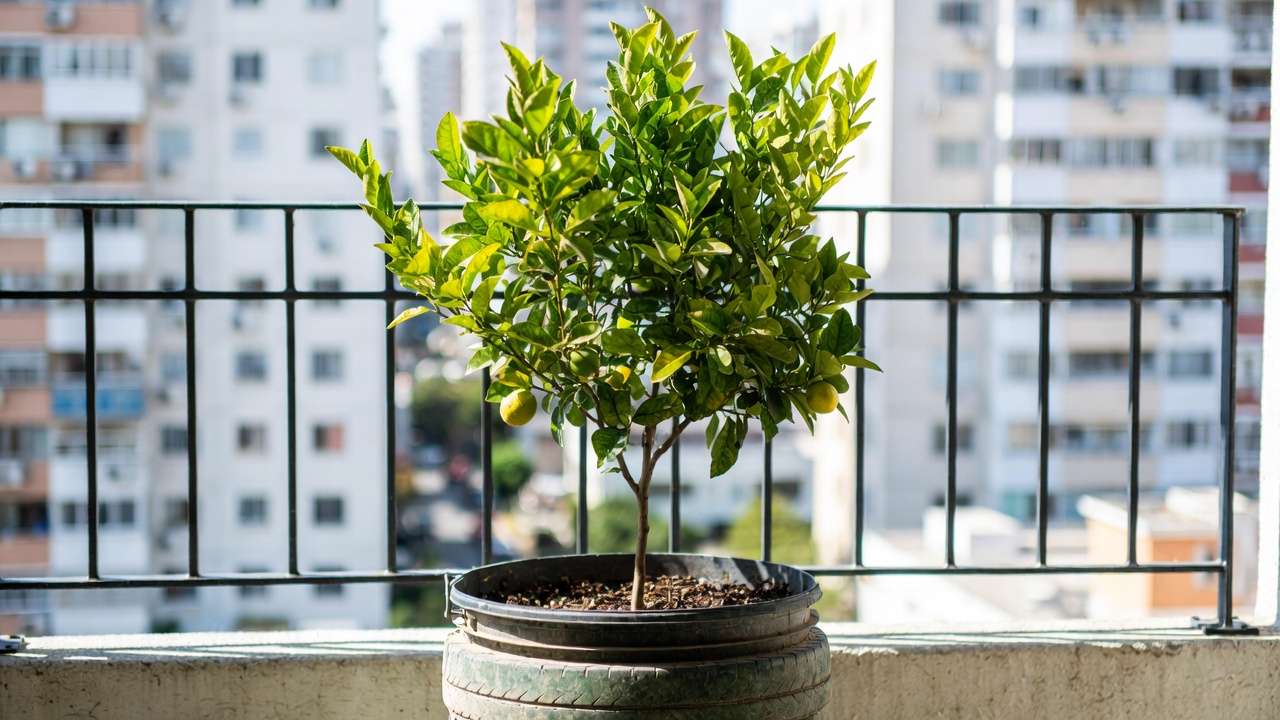
For dwarf trees (Meyer lemon, fig, olive), choose 20–30L+ containers like buckets/tires — restrict roots for better fruiting in small spaces.
Advanced Upcycling: Combining Ideas for Mini Ecosystems ✨
Layer vertical bottles over tire bases for height variety. Add a bucket worm composter for free fertilizer. Plant pollinator attractors (marigolds, lavender in tins) to boost yields. Create a “food forest” balcony: climbers on bike trellis, ground crops in drawers, herbs in cans.
Expert Insights & Real-World Success Stories 💡
Many urban gardeners report 2–3x higher yields from recycled deep beds vs. shallow pots due to better root space. Dwarf citrus in old chairs thrive with root pruning every 2 years. Seasonal tip: mulch with shredded cardboard to retain moisture in summer.
Potential Challenges & Smart Solutions ⚠️
- Weight: Distribute evenly; use lightweight soil mixes.
- Leaks/Degradation: Seal wood/plastic; replace as needed.
- Pests/Heat: Shade cloth in peak sun; companion planting.
- Drainage Failures: Always add holes + gravel layer.
Frequently Asked Questions (FAQ) ❓
Are recycled plastic bottles safe for growing vegetables? Yes — food-grade #2, #4, #5 plastics are low-risk when used for non-acidic crops; avoid heating in direct sun for long periods.
How do I make drainage holes in metal containers? Use a hammer + nail or drill; cover sharp edges with tape if needed.
What trees grow well in recycled pots? Dwarf varieties: Meyer lemon, Calamondin orange, fig, columnar apple — keep pruned.
Can recycled materials last multiple seasons? Many do (tires, pallets 3–5+ years); refresh soil annually and inspect for wear.
Is it okay to grow edibles in old tires? Generally yes for non-edible parts; line if concerned about minor rubber leachate in hot climates.
How do I prevent plastic from heating roots in summer? Paint white, wrap in burlap, or place in shade during peak heat.
Conclusion: Start Your Green Revolution Today! 🌍
Recycled materials for urban gardening transform limitations into opportunities — saving money, cutting waste, and bringing joy through homegrown plants and trees. Start small: pick 2–3 ideas from this list (like bottle verticals and tin herbs), gather free items from your kitchen or neighborhood, and watch your space bloom. Every seed planted in upcycled soil is a step toward sustainability and self-reliance. Your tiny urban corner can become a thriving, productive oasis — one creative project at a time 🌱💚. Share your builds in the comments; I’d love to hear what you create!











