
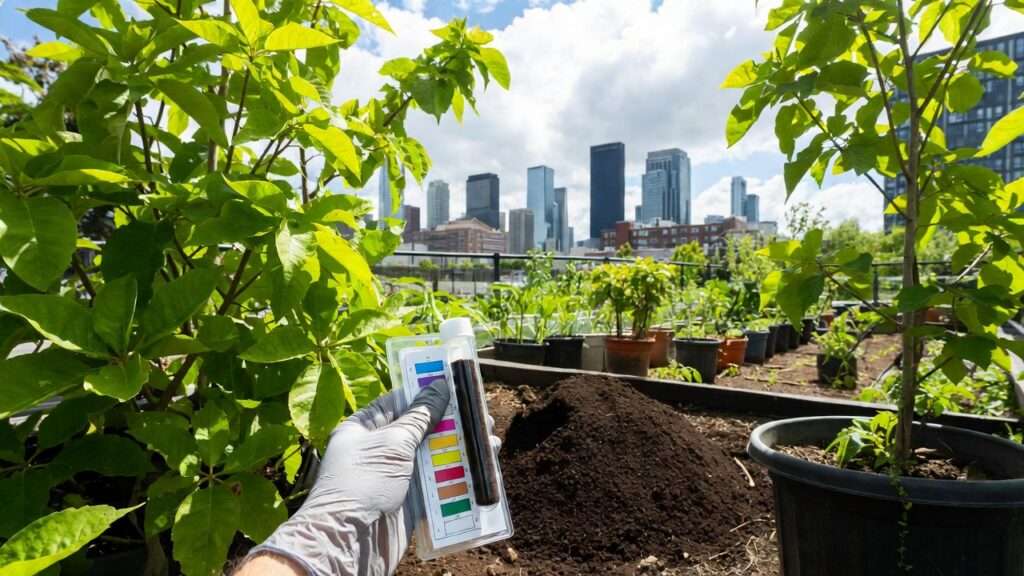
Imagine stepping onto your tiny balcony garden or community plot in the heart of Dhaka, only to watch your carefully nurtured tomatoes wilt, your prized rosebush yellow, or your newly planted street tree struggle to establish roots. 😟 The culprit? Often not lack of water or sunlight—but hidden problems lurking in the soil beneath your feet.
In densely populated cities worldwide, urban soil is rarely “just dirt.” It’s frequently contaminated with legacy heavy metals from old paint, industrial runoff, and vehicle exhaust, compacted by construction and foot traffic, depleted of organic matter, and altered by concrete leachate. These issues silently sabotage plant care and tree care, leading to stunted growth, nutrient deficiencies, disease susceptibility, and even safety risks when growing edibles.
Soil testing in urban environments is the single most powerful step you can take to transform guesswork into confident, successful gardening. Whether you’re tending potted herbs on a rooftop, maintaining a backyard oasis, or caring for urban street trees, a proper soil test reveals exactly what your plants and trees need—and what hidden dangers you must avoid.
As a horticulturist with over 15 years of experience working with urban gardeners, community farms, and municipal tree programs in polluted city settings, I’ve seen firsthand how one soil test can turn failing gardens into thriving green havens. In this ultimate guide, you’ll learn why urban soil demands special attention, how to test it correctly, how to interpret the results, and what practical steps to take next—empowering you to grow healthier, safer plants and trees in the heart of the city. 🌳💚
Let’s dig in!
Why Urban Soil Is Different (and Often Problematic) 🏗️⚠️
Unlike rural or natural soils that have developed over centuries with minimal human interference, urban soils are heavily disturbed and often “manufactured.” Here are the most common challenges urban gardeners and tree stewards face:
- Legacy Contamination Many urban areas have a history of industrial activity, lead-based paint on old buildings, coal ash, and decades of traffic emissions. Heavy metals like lead (Pb), arsenic (As), cadmium (Cd), and zinc (Zn) accumulate in the topsoil, posing risks to edible plants and children who play in gardens.
- Severe Soil Compaction Foot traffic, parked vehicles, construction equipment, and building foundations compress soil particles, reducing pore space. Compacted soil restricts root growth, limits water infiltration, and starves roots of oxygen—leading to poor tree establishment and shallow-rooted plants that topple in storms.
- Low Organic Matter Topsoil is frequently stripped during development, and constant disturbance prevents organic buildup. Low organic matter means reduced water-holding capacity, poor nutrient cycling, and fewer beneficial microbes.
- Altered pH Levels Concrete foundations, sidewalks, and mortar leach calcium, raising soil pH to alkaline levels (often 7.5–8.5+). Many popular plants and trees (blueberries, azaleas, magnolias) struggle in high-pH soils.
- Poor Drainage and Fill Materials Urban sites are often built on imported fill dirt of unknown quality—sandy, clay-heavy, or mixed with rubble—creating inconsistent drainage and nutrient availability.
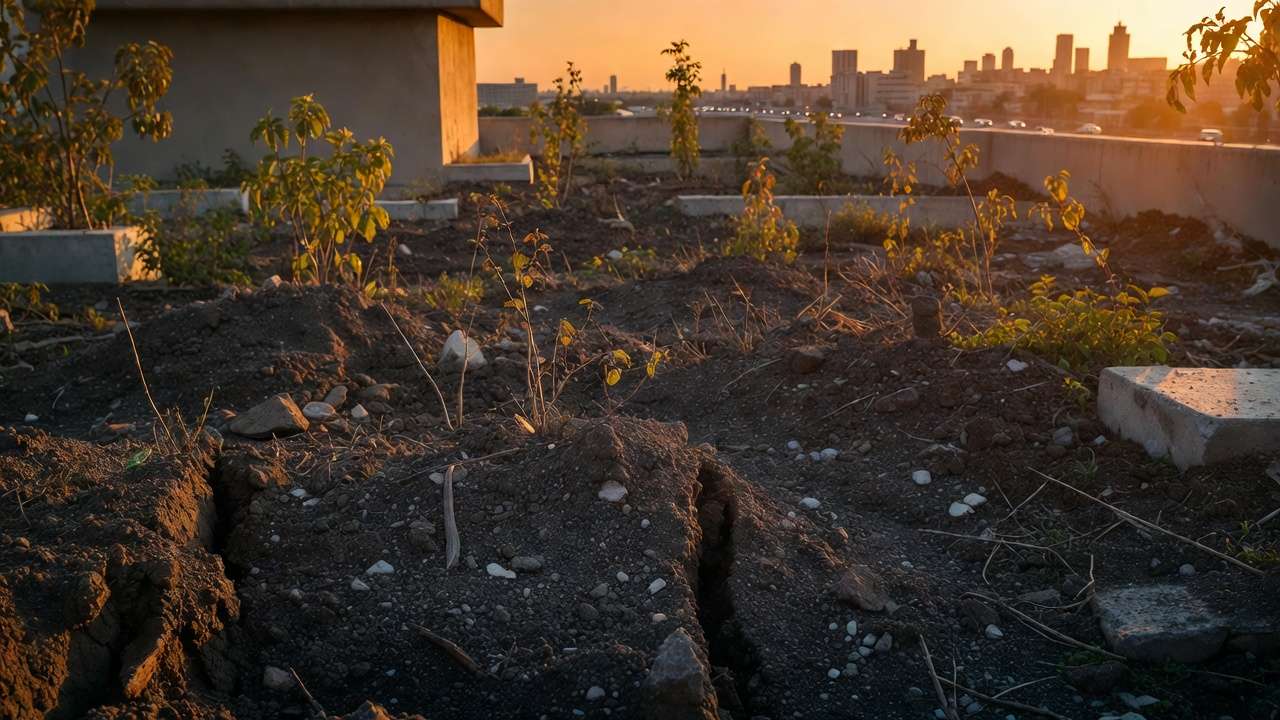
These factors directly cause common symptoms: yellowing leaves, stunted growth, chlorosis, dieback in trees, and reduced yields in vegetables and fruits. Regular soil testing in urban environments uncovers these issues early, saving time, money, and frustration.
Understanding Key Soil Parameters to Test 🔍
A good urban soil test should cover three main categories: basic fertility, contaminants, and physical properties.
Basic Fertility Tests (pH, Nutrients, Organic Matter)
- Soil pH Most ornamental plants and trees thrive between 5.5–7.0. Urban soils often test 7.5–8.5 due to concrete influence, causing iron and manganese deficiencies (yellowing between leaf veins).
- Macronutrients Nitrogen (N), Phosphorus (P), Potassium (K), Calcium (Ca), Magnesium (Mg), Sulfur (S). Urban soils are often low in N and organic P.
- Micronutrients Iron (Fe), Manganese (Mn), Zinc (Zn), Copper (Cu), Boron (B). Excess Zn or Cu from galvanized materials can become toxic.
- Organic Matter Percentage Aim for 4–6% in urban gardens. Higher levels improve structure, water retention, and microbial activity.
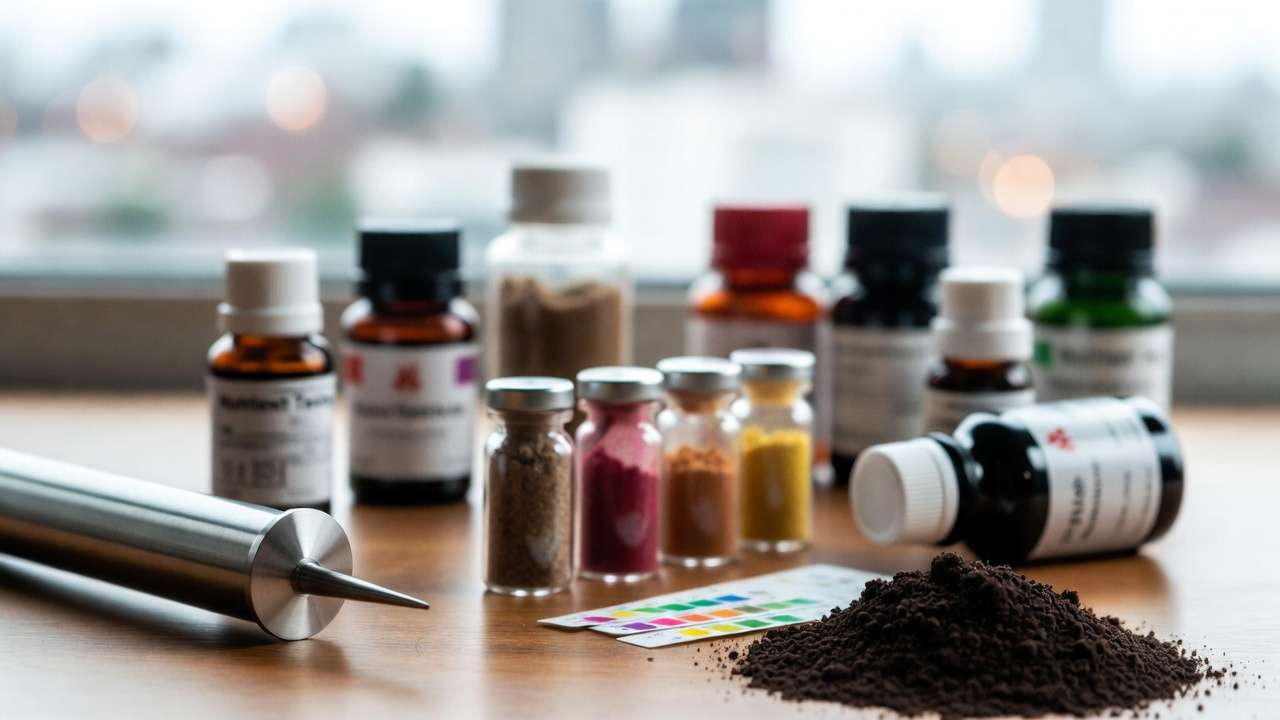
Critical Contaminant Screening (Heavy Metals & More)
- Lead (Pb) — The #1 urban soil contaminant. EPA guidelines suggest caution above 400 ppm for bare soil; many older urban areas exceed 1,000 ppm.
- Arsenic (As), Cadmium (Cd), Chromium (Cr), Nickel (Ni) — From industrial sites, treated wood, or traffic.
- Polycyclic Aromatic Hydrocarbons (PAHs) — From old coal gasification sites or asphalt.
Expert tip: Always request a heavy metals panel when testing urban soil—especially near roads, old buildings, or industrial zones. 🧪
Physical Soil Properties
- Soil Texture (sand, silt, clay percentages) — Determines drainage and nutrient retention.
- Bulk Density — Measures compaction (ideal <1.4 g/cm³ for good root growth).
- Infiltration Rate — How quickly water soaks in (critical for tree health).
Testing these parameters gives you a complete picture of your urban soil’s health and safety.
How to Properly Collect Soil Samples in Urban Settings 🛠️
Accurate results start with proper sampling. Follow these steps:
- Research Site History Check old maps, ask neighbors, or use city records to identify past uses (factories, gas stations, painted structures).
- Divide Your Site into Zones Sample separately: raised beds, in-ground vegetable plot, tree planting area, lawn, balcony containers.
- Use Clean Tools Stainless steel trowel or soil probe. Avoid galvanized or painted tools that can contaminate samples.
- Take Multiple Subsamples Collect 5–15 subsamples per zone at 0–6 inches deep (0–12 inches for trees). Mix thoroughly in a clean plastic bucket.
- Prepare the Sample Remove rocks, roots, and debris. Air-dry if moist. Place in a clean zip-lock bag or lab-provided container.
- Timing Best in early spring or fall. Avoid sampling right after fertilizing or liming.
Pro tip: For potted plants or raised beds, test the actual growing media separately from native soil! 🪴
Choosing the Right Soil Testing Method & Lab 🧰
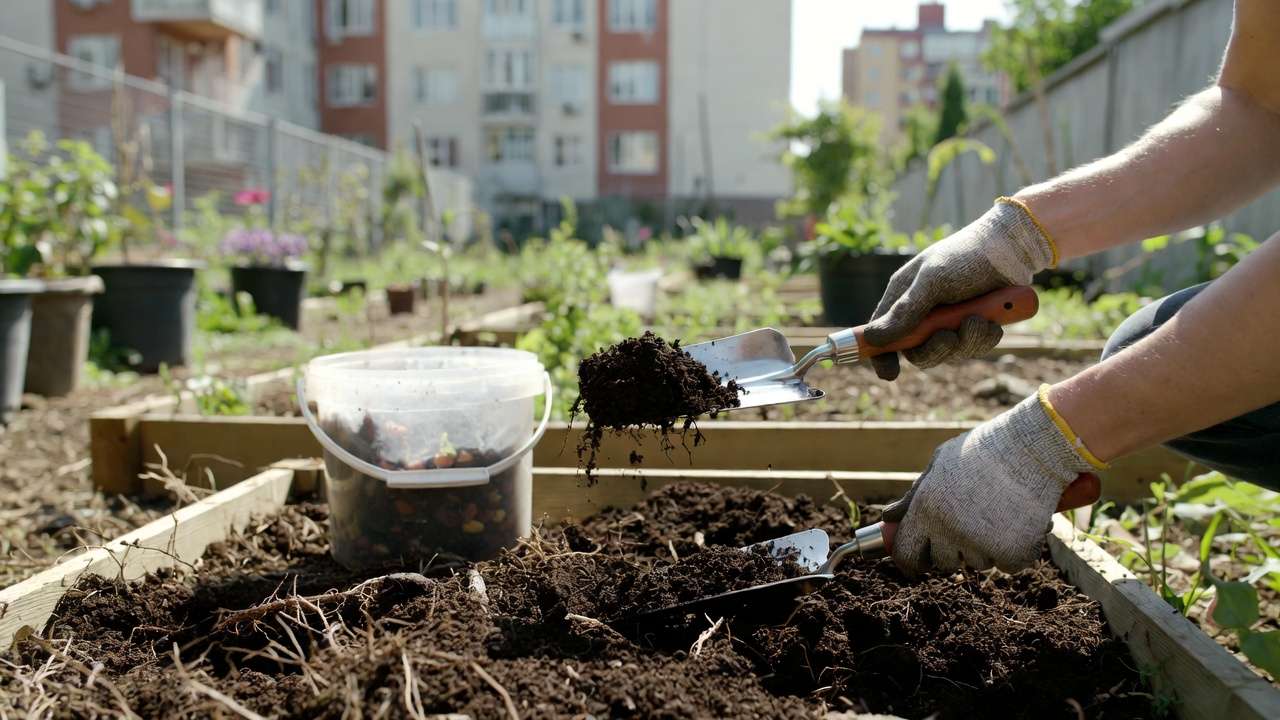
Once you’ve collected your samples, the next critical step is selecting a reliable testing method and laboratory. Urban gardeners often face a choice between quick DIY options and professional lab analysis—here’s how to decide wisely.
DIY Home Kits vs. Professional Lab Testing
- DIY kits (available at garden centers or online) — These are affordable (~$10–30) and provide fast results for basic parameters like pH, nitrogen, phosphorus, and potassium (NPK). They’re great for quick checks on nutrient levels in containers or raised beds. However, they are not reliable for detecting heavy metals like lead, arsenic, or cadmium. Most kits use colorimetric strips or simple reagents that lack the precision needed for contaminants, and false negatives are common in urban soils.
- Mail-in professional lab tests — These are the gold standard for soil testing in urban environments, especially when contamination is a concern. Certified labs use advanced techniques like Inductively Coupled Plasma Mass Spectrometry (ICP-MS) or Atomic Absorption Spectroscopy (AAS) following EPA-approved methods for accurate, quantifiable results.
Expert recommendation: For any urban site—especially near old buildings, busy roads, or industrial areas—always opt for a lab test that includes a heavy metals panel. Skip DIY for safety-critical assessments. 🛡️
Recommended Labs and Packages (2025–2026 Updates)
Look for labs accredited by bodies like ISO 17025 or using EPA methods (e.g., 3050B/6010 for metals). Popular reliable options include:
- University extension services (e.g., Penn State Ag Analytical Services Lab, UMass Soil & Plant Nutrient Testing Lab) — Often affordable ($30–100 for basic + metals), with excellent interpretation guides tailored to gardeners.
- Private labs like Alluvial Soil Lab (Heavy Metals package ~$106, testing 9 metals including Pb, As, Cd, Cr, Cu, Hg, Ni, Se, Zn) or similar certified facilities.
- In regions like Bangladesh (relevant for Dhaka-based readers), local options include university labs (e.g., Sher-e-Bangla Agricultural University or Bangladesh Agricultural Research Institute facilities) or environmental testing centers that handle heavy metals via AAS/ICP. Check for labs offering urban soil packages—studies show elevated Pb, Cd, and Cr in Dhaka roadside soils, so prioritize comprehensive panels.
Costs typically range from $50–150 for basic fertility + heavy metals, with turnaround 1–3 weeks. Many labs provide submission forms, sampling instructions, and expert interpretation reports with amendment recommendations.
Pro tip: Request total metal concentrations (not just extractable) and bioavailability testing if available (e.g., EPA’s new “artificial stomach” method for lead risk assessment). This gives a more accurate picture of plant uptake and human health risks. 🌍
Interpreting Your Soil Test Results 📊
Lab reports can look intimidating with numbers, units (ppm or mg/kg), and jargon—but they’re straightforward once broken down. Here’s how to read them like a pro.
Key Sections of a Typical Report
-
pH and Nutrients — Example: pH 7.8 (alkaline), N low, P medium, K high. Recommendations often include: “Add elemental sulfur to lower pH” or “Apply compost for N boost.”
-
Organic Matter — Aim for 4–8% in urban gardens; below 3% signals poor structure—add compost liberally.
-
Heavy Metals — Focus on lead first (most common urban issue). Latest EPA guidelines (updated 2025) set residential soil screening levels at 200 ppm for lead (RSL); 100 ppm if multiple exposure sources exist (e.g., old paint, traffic). Removal management levels are around 600 ppm for priority action at contaminated sites.
- <200 ppm Pb: Generally safe for most plants/trees; low risk for edibles if you take precautions.
- 200–400 ppm Pb: Caution zone—avoid root crops/leafy greens; use raised beds or tolerant species.
- >400–600 ppm Pb: High risk—consider remediation; not ideal for food production.
- Other metals: Arsenic (often screened at 20–39 ppm), Cadmium (<1–3 ppm), etc. Labs compare to regional or EPA thresholds.
-
Physical Properties — Bulk density >1.6 g/cm³ indicates compaction; texture (e.g., clay loam) affects drainage.
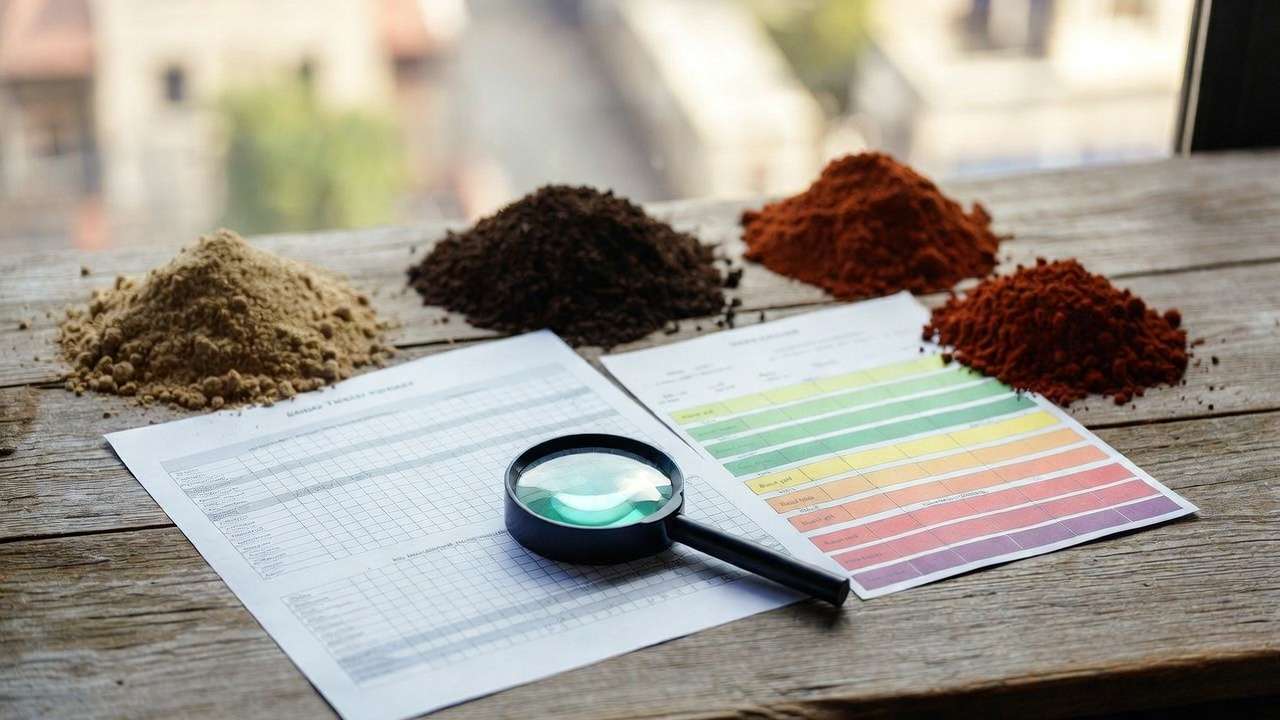
Include a table for clarity:
| Parameter | Your Result | Ideal Range (Urban Gardens) | Action Needed? |
|---|---|---|---|
| pH | 7.9 | 6.0–7.0 | Yes – acidify |
| Lead (Pb) | 320 ppm | <200 ppm | Caution – raised beds |
| Organic Matter | 2.8% | 4–8% | Yes – add compost |
Expert insight: Even slightly elevated metals can often be managed safely—focus on bioavailability (how much is plant-available) rather than total levels alone. Many urban gardeners successfully grow ornamentals and fruits with strategic practices. 📈
What to Do If Your Soil Has Issues: Remediation & Safe Practices 🛡️
Bad news? Don’t panic—most urban soil problems are fixable without massive expense. Here’s a tiered approach based on severity.
Low-Risk Fixes (Most Common Urban Scenarios)
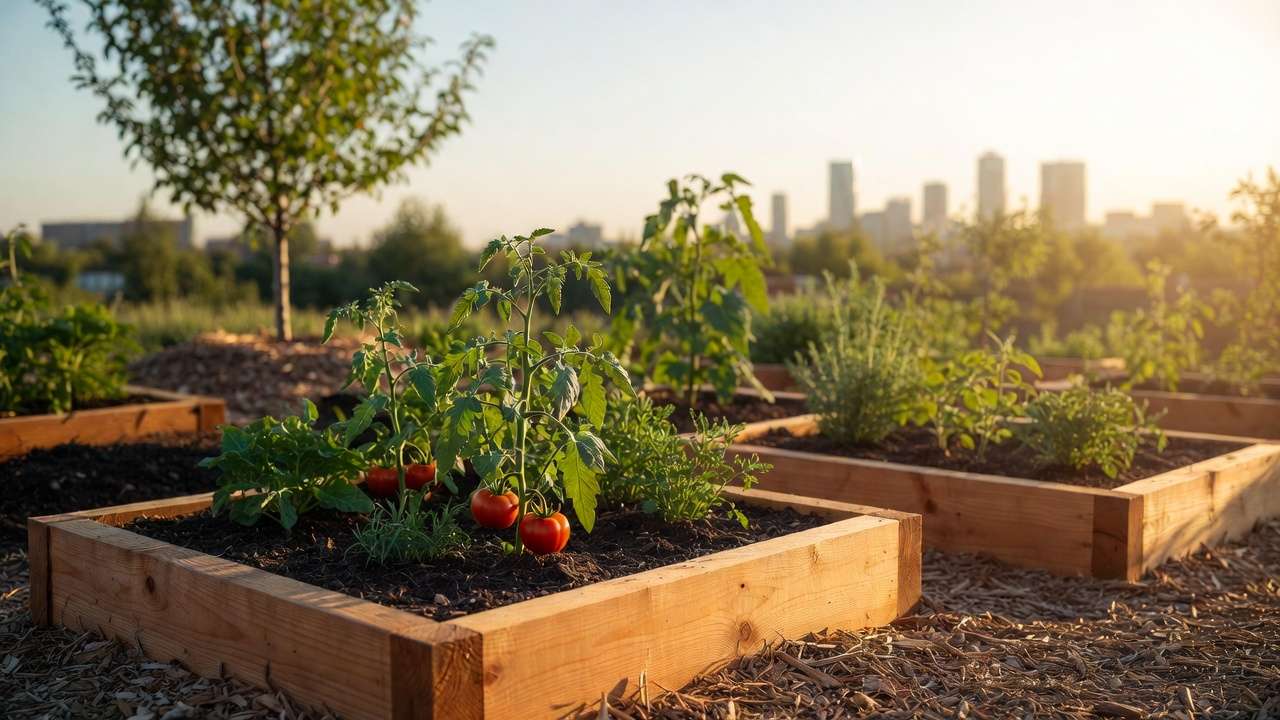
- Build raised beds or use containers — Fill with clean, tested potting mix or imported topsoil. This isolates plants from native soil—ideal for veggies on balconies or contaminated yards.
- Add organic matter — Compost, aged manure, or leaf mold dilutes contaminants, improves structure, and binds metals (reducing uptake). Aim for 2–4 inches annually.
- Mulch heavily — Wood chips or straw prevent dust exposure and retain moisture.
- Choose tolerant plants — For high-lead areas: sunflowers, mustard greens (phytoremediate), or non-edibles like hostas, daylilies.
Moderate Fixes
- pH adjustment — Lime for too acidic; elemental sulfur or pine needles for alkaline urban soils.
- Phytoremediation — Grow metal-accumulating plants (e.g., Indian mustard for Pb, Cd) then remove them—slow but eco-friendly.
- Cover crops — Clover or rye to build organic matter and reduce erosion.
High-Risk Scenarios
- Professional remediation — Soil excavation/replacement for very high levels (>600 ppm Pb). Contact local environmental agencies.
- Avoid high-risk crops — No root veggies or leafy greens in contaminated zones; stick to fruiting plants (tomatoes, beans) whose edible parts uptake less metals.
Tree-specific advice: Urban trees benefit from deep mulching rings, mycorrhizal inoculants, and avoiding compaction—test deeper (12–18 inches) for root zones. 🌳
Best Plants and Trees for Urban Soils (Test-Informed Choices) 🌳🍅
One of the biggest advantages of soil testing in urban environments is that it lets you match plants and trees to your actual soil conditions—rather than forcing the wrong species and watching them struggle. Below are smart, test-informed selections that perform well in typical urban challenges (high pH, compaction, moderate contamination, low organic matter).
For Alkaline Urban Soils (pH 7.5–8.5+)
- Trees: Ginkgo biloba, Honey locust (Gleditsia triacanthos), Kentucky coffeetree, Hackberry (Celtis occidentalis), London plane tree (Platanus × acerifolia) — these tolerate high pH and compacted soils remarkably well.
- Shrubs & Perennials: Lavender, Russian sage, Butterfly bush (Buddleja), Daylilies, Sedum, Yarrow, Catmint — drought-tolerant and beautiful.
- Edibles (if metals are low): Beans, peas, tomatoes, peppers, squash — fruiting crops generally uptake fewer heavy metals than leafy greens or roots.
For Compacted or Low-Organic Soils
- Deep-rooted improvers: Daikon radish (as a cover crop), Chicory, Alfalfa — break up compaction naturally.
- Urban tree superstars: Red maple (Acer rubrum — select tolerant cultivars), Serviceberry (Amelanchier), Crabapple (disease-resistant varieties), Eastern redbud — adaptable and attractive.
For Moderately Elevated Heavy Metals (Pb 200–500 ppm)
- Phytoremediation helpers (harvest and dispose of): Sunflowers, Indian mustard (Brassica juncea), Spinach (for testing only), Pteris vittata fern (for arsenic).
- Safer edibles: Fruit trees (apple, pear, fig — edible parts low uptake), berries (strawberries in raised beds), corn, okra.
- Ornamentals that thrive anyway: Roses, Hydrangeas (some varieties), Hostas, Ornamental grasses.
Real-world example from Dhaka gardeners: Many rooftop and balcony growers report excellent success with marigolds, zinnias, and chili plants in containers filled with tested, compost-amended mix—even when native soil tests showed Pb >300 ppm. Street-tree programs in polluted zones often choose neem (Azadirachta indica), mango, or jamun for their resilience once soil is improved with mulch and organic matter. 🌟
Always cross-reference your specific test results before planting—tolerance varies by cultivar and local conditions.
Prevention: Building & Maintaining Healthy Urban Soil Long-Term ♻️
The best long-term strategy is to prevent problems from worsening and actively build soil health every season.
- Annual organic matter additions — Spread 2–4 inches of compost or well-rotted manure each spring/fall. This gradually dilutes contaminants, feeds microbes, and improves structure.
- No-dig / minimal-till gardening — Preserve soil biology by avoiding deep tilling that brings buried contaminants to the surface.
- Mulch religiously — 3–4 inches of wood chips, straw, or shredded leaves around trees and beds. Suppresses weeds, retains moisture, and slowly adds organic matter.
- Cover cropping — Sow clover, vetch, buckwheat, or rye in off-seasons to prevent erosion, fix nitrogen, and scavenge excess nutrients.
- Water wisely — Use soaker hoses or drip irrigation to minimize runoff that carries contaminants.
- Community strategies — In Dhaka or similar cities, join or start a community garden group to pool resources for bulk soil testing, shared compost, and collective knowledge.
Over 3–5 years, consistent organic-building practices can raise organic matter from <3% to 6–8%, dramatically improving plant and tree performance even in challenging urban settings.
FAQs About Soil Testing in Urban Environments ❓
How often should I test my urban soil? Every 2–3 years for fertility and organic matter; every 3–5 years for heavy metals unless you suspect new contamination (e.g., nearby construction). Test before starting a new garden or planting trees.
Is a home DIY kit enough for contaminants? No—DIY kits are unreliable for heavy metals. Use a certified lab for lead, arsenic, cadmium, etc., especially in older urban neighborhoods.
What if my results show high lead (e.g., >400 ppm)? Don’t panic. Switch to raised beds or containers with clean soil for edibles. Grow non-edible ornamentals or fruit trees. Add lots of organic matter to bind metals. Consult local environmental health authorities if levels are very high (>1,000 ppm).
What are good labs for someone in Dhaka or Bangladesh? Options include: Soil Testing Laboratories under the Department of Agricultural Extension (DAE), Bangladesh Agricultural Research Institute (BARI), university labs (Sher-e-Bangla Agricultural University, Bangladesh Agricultural University), or private environmental labs offering heavy metals analysis via AAS/ICP. Ask for a package that includes pH, NPK, organic matter, and common urban metals (Pb, Cd, As, Cr).
Can I garden safely without ever testing? You can—if you use only raised beds, containers, or imported clean soil/compost, and grow low-risk crops. But testing gives peace of mind and prevents surprises—especially for in-ground planting or children/pets playing in the soil.
Conclusion: Take Action for a Greener Urban Oasis 🌿
Soil testing in urban environments is far more than a technical chore—it’s the foundation of safe, joyful, and successful plant care and tree care in the city. One simple test can reveal why your garden has struggled for years and give you a clear, science-backed roadmap to fix it.
Start today: Grab a clean trowel, collect samples from key zones, choose a reputable lab, and interpret the results with the guidance above. Whether you’re reviving a tired balcony herb collection, establishing fruit trees in a small yard, or helping maintain healthier street trees in Dhaka’s bustling neighborhoods, you now have the knowledge to grow stronger, safer, and more beautiful green spaces.
Your plants (and future generations breathing cleaner city air) will thank you. 💚
Have you tested your urban soil yet? Drop your results, questions, or success stories in the comments—I’d love to help you interpret them or suggest next steps!











