
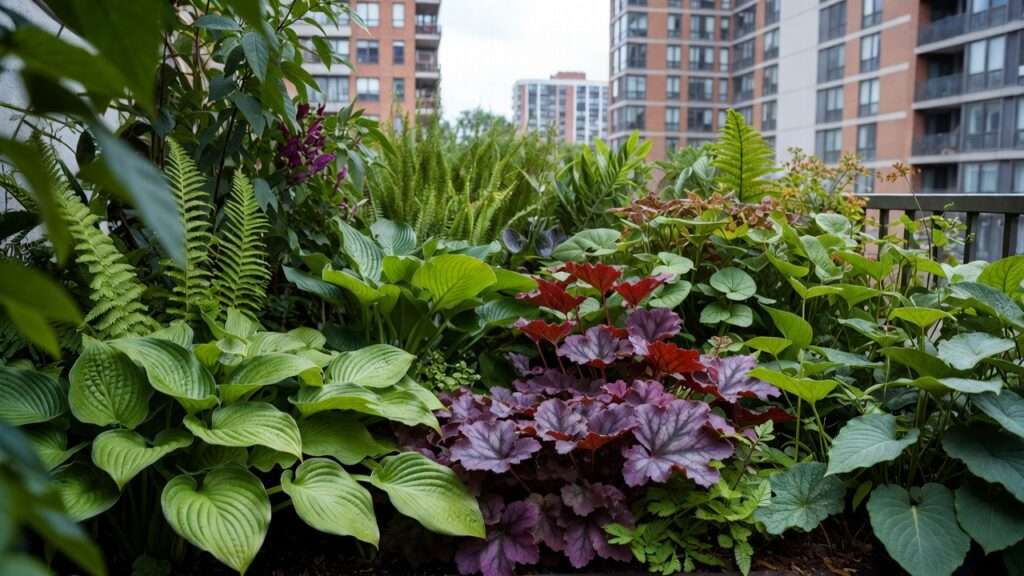
Imagine stepping onto your balcony, patio, or tiny backyard in the heart of the city, where towering buildings and mature trees cast long shadows all day long. 😩 The spot feels dim, barren, and a bit forgotten—yet you dream of a lush, green retreat that invites relaxation, attracts butterflies, and softens the concrete jungle around you. 🌱 The good news? You don’t need full sun to create a thriving garden oasis. With the best shade-tolerant plants for city gardens, even the shadiest urban corners can burst with color, texture, and life.
In urban environments like yours—whether in bustling neighborhoods with limited light from high-rises, north-facing balconies, or patios under overhangs—these low-light lovers solve a real problem: turning unusable shady spaces into beautiful, low-maintenance havens. As a plant care expert with years of helping city gardeners overcome light limitations, pollution challenges, and small-space constraints, I’ll guide you through proven performers that thrive in shade while adding year-round interest. Let’s transform your shady urban space into a peaceful green escape! ✨
Understanding Shade in City Gardens: Types and Challenges 🏙️🔍
Not all shade is created equal, especially in cities. Here’s how to identify yours:
- Full shade (<3 hours direct sun): Common in deep urban canyons, north sides of buildings, or under dense tree canopies.
- Partial shade (3–6 hours, often morning light): Typical for balconies with some eastern exposure or spots with filtered afternoon light.
- Dappled shade: Light filtered through leaves, railings, or structures—perfect for many woodland-style plants.
City shade brings unique hurdles: dry shade from rain-blocking eaves or thirsty tree roots, compacted poor soil, air pollution, heat from surrounding pavement (urban heat islands), and limited space calling for container-friendly or compact varieties. Assessing your light is simple—use a free sun calculator app or observe patterns over a full day. 📱 Pro tip: Many shade plants prefer moist, rich soil, but urban picks often handle drier conditions with mulch help.
Why Shade-Tolerant Plants Are Perfect for Urban Gardens 🌳💚
These plants aren’t just survivors—they’re stars in low-light settings! Benefits include:
- Lower water and maintenance needs once established (ideal for busy city life).
- Natural cooling and humidity boost in hot urban summers.
- Weed suppression with dense foliage or ground covers.
- Support for pollinators like bees and butterflies, plus birds seeking shelter—even in concrete-heavy areas.
- Aesthetic magic: Layered textures (bold leaves + delicate fronds), variegated colors, and subtle blooms create a serene woodland vibe amid the city buzz.
Eco bonus: They improve air quality and create mini-habitats, making your space more sustainable. 🌍
Top Best Shade-Tolerant Plants for City Gardens (Core List with Details) 🌿⭐
Here are the most reliable, urban-proven choices, grouped for easy planning. I’ve focused on compact, container-suited, pollution-tolerant varieties that deliver big impact in small spaces.
Best Shade Perennials for Lasting Color & Texture 🌸
Hosta — The undisputed queen of shade! With bold, heart-shaped leaves in blues, greens, yellows, and variegations, mini varieties suit tiny pots or borders. Slug-resistant types like ‘Autumn Frost’ shine in cities. Height: 6–36 inches. Urban pro: Tough, low-care; pairs beautifully with ferns. Tip: Plant in well-drained containers to avoid root rot. 🐌🚫
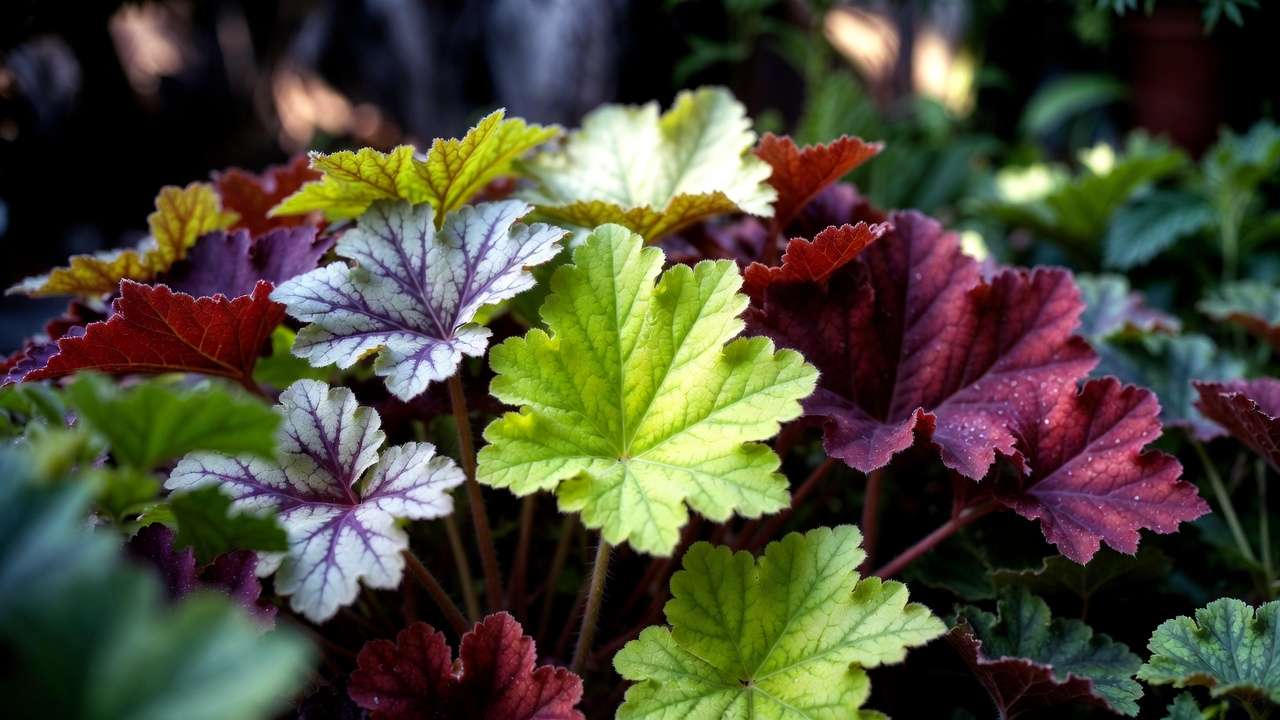
Heuchera (Coral Bells) — Vibrant foliage in burgundy, lime, silver, or caramel—often more colorful than flowers! Drought-tolerant once established, perfect for dry shade under eaves. Try ‘Palace Purple’ or ‘Lime Marmalade’. Height: 8–18 inches. Urban win: Evergreen in mild climates, great for edging pots. 🌈
Astilbe — Feathery plumes in pink, red, white rise above ferny leaves in moist shade. Pollinator favorite! Compact ‘Sprite’ or ‘Vision in Red’ fit balconies. Height: 12–36 inches. Tip: Mulch to retain moisture in urban heat. 🪶🐝
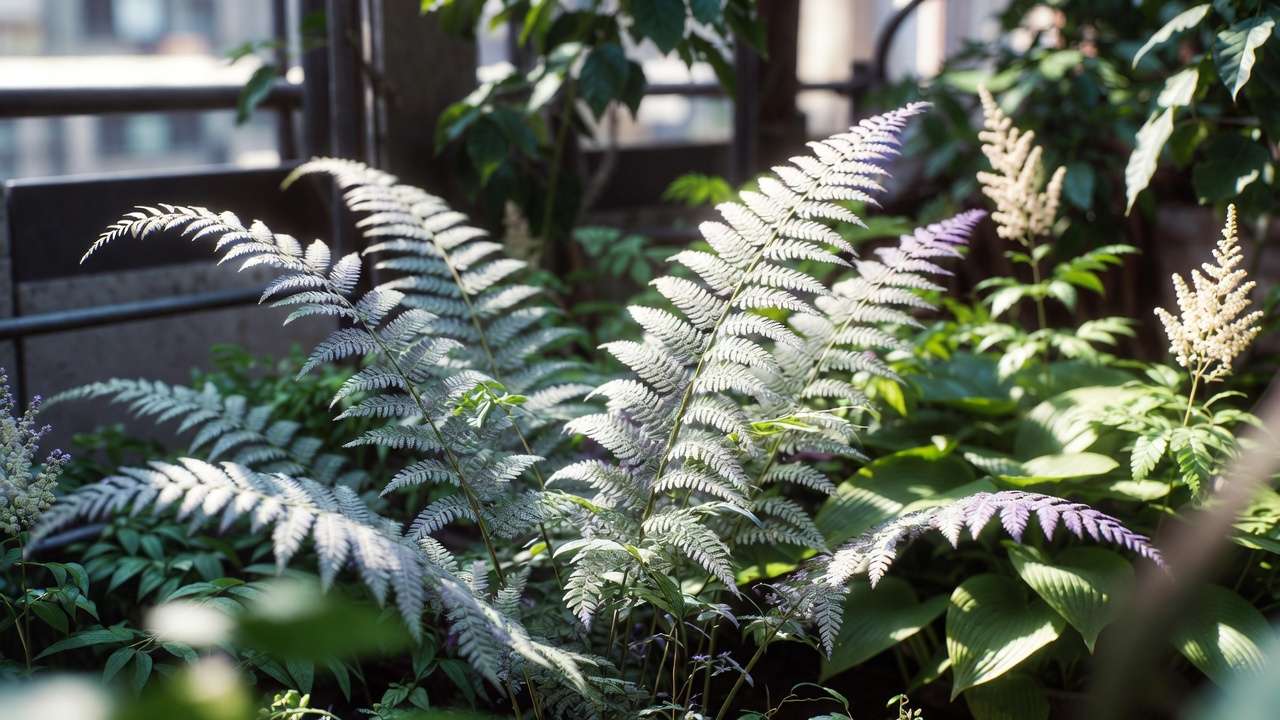
Ferns (Japanese Painted Fern, Autumn Fern, Lady Fern) — Elegant, feathery fronds add soft texture. Japanese Painted (‘Pictum’) offers silvery-purple hues for brightening dark spots. Evergreen options like Holly Fern for year-round structure. Height: 12–36 inches. Urban fave: Pollution-tolerant, container stars. 🍃
Bleeding Heart (Dicentra) — Charming pink/white heart-shaped blooms in spring. ‘Luxuriant’ is compact and reblooms. Height: 12–24 inches. Pairs with hostas to hide fading foliage.
Foamflower (Tiarella) & Brunnera (‘Jack Frost’) — Delicate white/pink spikes + heart leaves with silver veins. Brunnera lights up deep shade. Height: 8–18 inches. Great for moist urban nooks.
Shade-Loving Annuals & Bulbs for Instant Impact (Great for Containers) 🌷
Begonia (wax, rex, tuberous) — Non-stop colorful blooms or dramatic foliage. Rex types dazzle with metallic leaves. Perfect for hanging baskets or pots. 🏺
Impatiens & New Guinea Impatiens — Bright flowers in shade; disease-resistant varieties thrive in humid cities.
Coleus — Explosive foliage in endless patterns/colors—no flowers needed! Heat-tolerant for urban patios.
Caladium — Heart-shaped leaves in pink/white/red for tropical flair in pots.
Ground Covers & Low-Growers for Problem Spots 🟢
Pachysandra or Sweet Woodruff — Evergreen carpets spread gently under trees; fragrant blooms.
Ajuga (Bugleweed) — Variegated leaves + blue spikes; tough in dry shade.
Lamium (Dead Nettle) — Silver foliage + flowers; excellent weed suppressor.
Shade Shrubs & Small Trees for Structure & Privacy 🌳
Hydrangea (oakleaf or smooth) — Big blooms in partial shade; compact varieties for patios.
Azalea/Rhododendron (dwarf urban cultivars) — Spring color explosions.
Japanese Maple (dwarf like ‘Sharp’s Pygmy’) — Stunning red foliage; balcony-perfect in pots.
Bonus: Edible & Pollinator-Friendly Shade Picks 🍓🐝
Shade-tolerant mint (in containers to contain!), wild ginger, or ferns for accents—add wildlife appeal without much effort.
(Each plant includes height/spread, preferred shade type, soil/water tips, urban adaptations, and companions for maximum value.)
Designing Your Shady City Garden: Layout & Planting Tips 🏡✂️
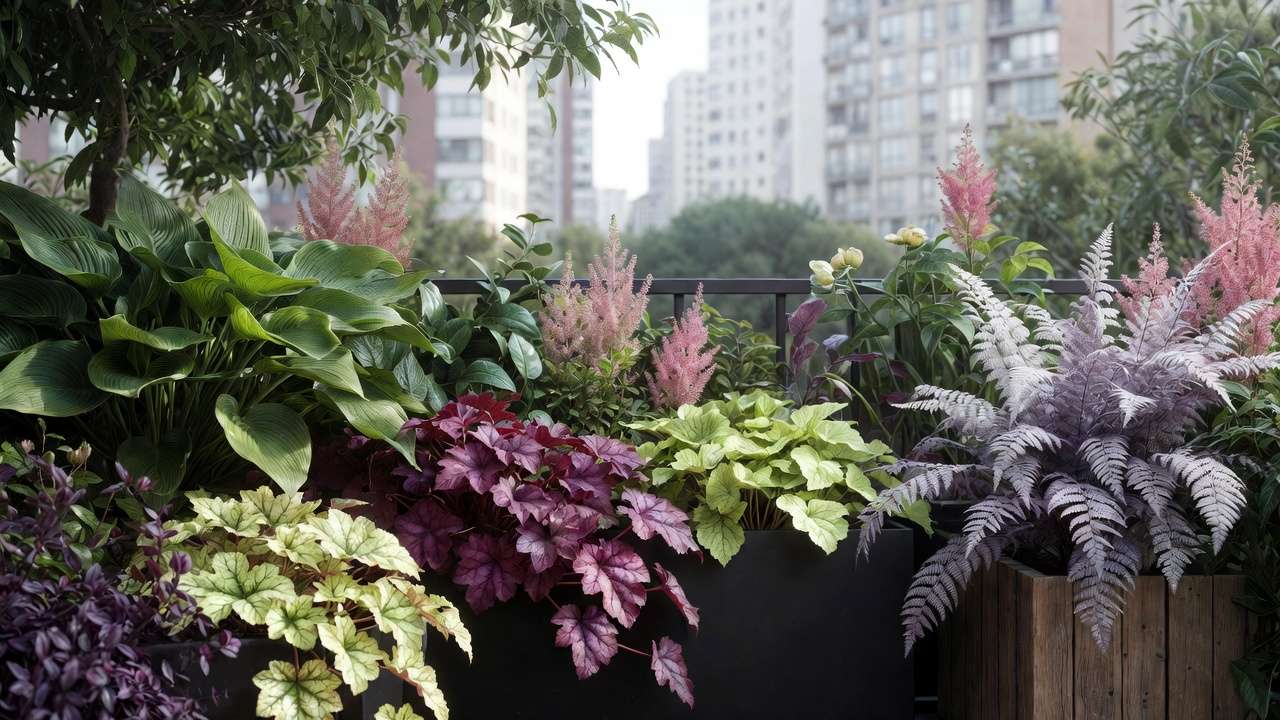
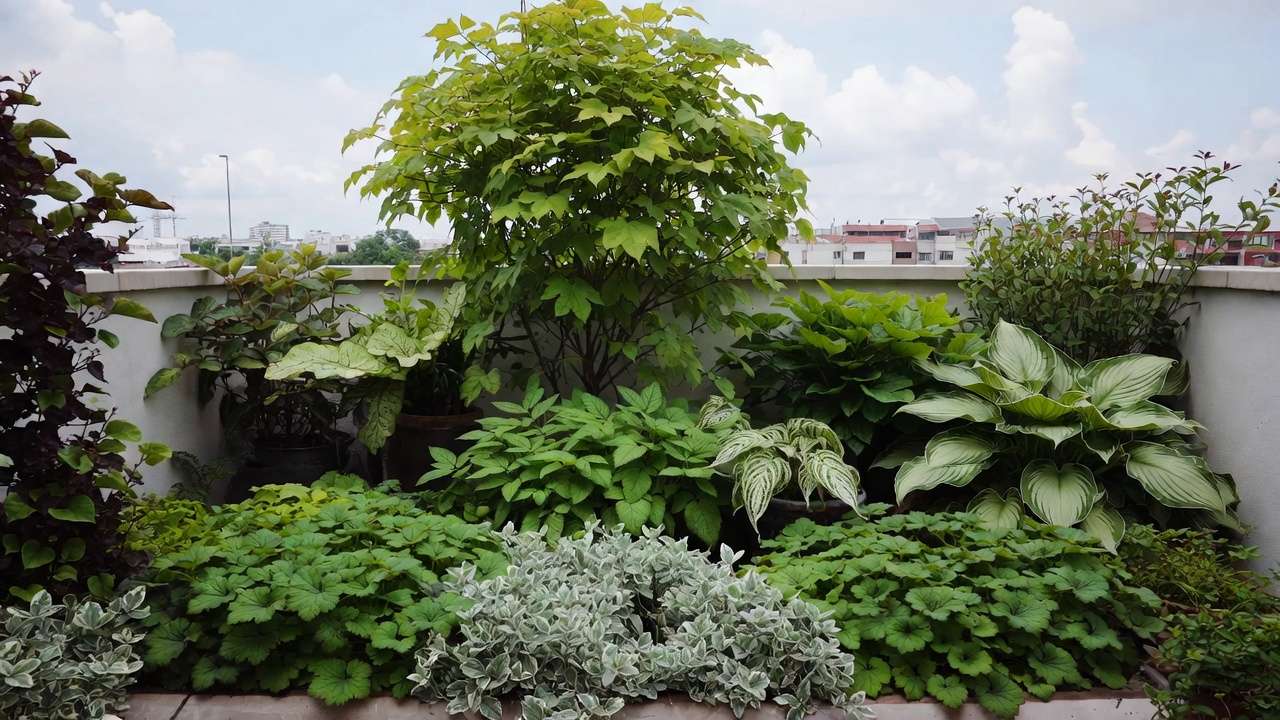
Layer like nature: Tall shrubs/backdrop → medium perennials → low ground covers. For balconies/patios: Use vertical space with hanging baskets, rail planters, self-watering pots. Amend urban soil with compost; raised beds help drainage. Mulch heavily (organic like bark) to lock in moisture and cool roots. Create year-round interest: Spring bulbs → summer foliage → fall color from heuchera/maples.
Care Guide: Keeping Your Shade Garden Thriving 🌱🛠️
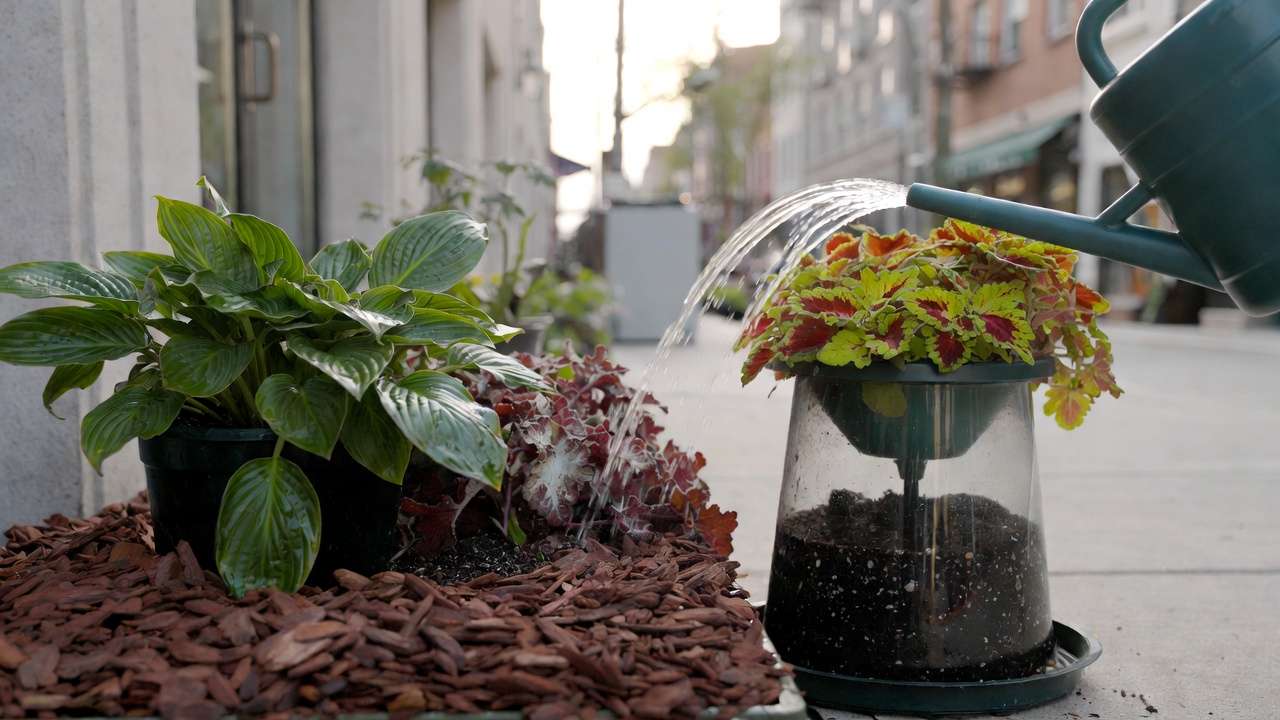
Water deeply but infrequently; check soil moisture (finger test). Fertilize lightly with slow-release in spring. Prevent slugs on hostas with organic barriers. Divide perennials every 3–4 years. Winter prep: Mulch pots, move tender ones indoors if needed.
Common Mistakes to Avoid in Urban Shade Gardens 🚫
Don’t overwater (leads to rot), plant sun-lovers accidentally, ignore dry vs. moist needs, or skip natives/adapted picks for better resilience.
Expert Insights & Reader Stories 📖💡
Urban horticulturists agree: “Prioritize foliage for reliable impact in cities—flowers are a bonus!” Real transformations: One balcony went from bare concrete to fern-heuchera paradise in one season.
FAQs: Your Top Shade Questions Answered ❓
- What are the absolute best low-maintenance shade plants for beginners? Hostas, heuchera, ferns!
- Can shade plants survive on balconies with no ground soil? Yes—use quality potting mix + drainage.
- How do I add color to deep shade without flowers? Variegated/brightly colored foliage like heuchera/coleus.
- Are there drought-tolerant shade plants for hot city summers? Heuchera, pachysandra, tough ferns.
- Which shade plants attract birds/bees in urban areas? Astilbe, bleeding heart, hydrangea.
Conclusion: Start Your Shady Oasis Today! 🌟
Your city garden’s shade isn’t a limitation—it’s an opportunity for unique beauty. Pick 3–5 plants from this list (start small!), plant with care, and watch your space bloom into a tranquil retreat. Share your progress or questions below—I’d love to help! 🌿🏙️











