
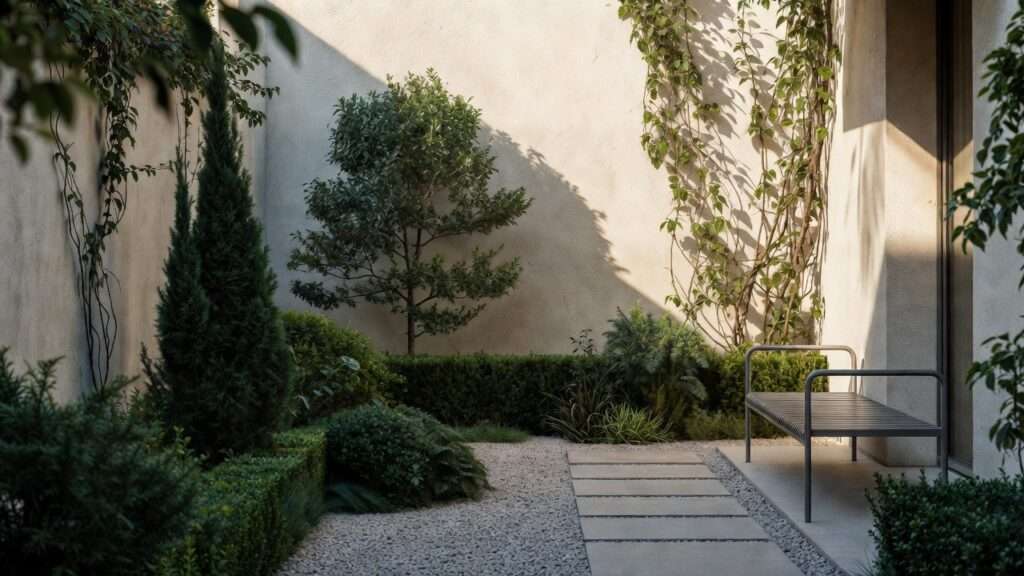
In our increasingly crowded urban world, finding a moment of peace can feel impossible — especially when your “outdoor space” is just a tiny balcony, narrow patio, or compact backyard. 🌆 But what if your limited square footage could become a serene retreat that calms the mind, requires minimal upkeep, and celebrates the beauty of thoughtful simplicity?
Minimalist garden design for small spaces is the perfect solution. By embracing “less is more,” you create an illusion of openness, reduce maintenance stress, and focus on high-quality elements that bring lasting tranquility. As a plant care specialist who’s helped countless urban gardeners transform cramped corners into restorative oases, I’ve seen firsthand how intentional choices — clean lines, restrained planting, and smart low-maintenance selections — turn chaos into calm. 😌
In this comprehensive guide, you’ll discover proven principles, step-by-step planning, the best plants (including easy-care trees and shrubs), space-maximizing techniques, and real-world inspiration to build your own low-maintenance oasis. Whether you’re in a bustling apartment or a small home plot, these ideas deliver genuine value: mental relaxation, easier plant/tree care, and year-round appeal without the overwhelm. Let’s turn your small space into a peaceful haven! 🌱
Why Minimalism Works Perfectly for Small Spaces 🤝
Minimalism in gardening isn’t about emptiness — it’s about intentionality. In small areas, clutter quickly makes everything feel tighter and more chaotic. By stripping back to essentials, you create negative space (open areas) that makes the garden feel larger and more breathable.
Psychologically, minimalist designs promote calm: studies show clean, uncluttered environments reduce stress and improve focus. For plant lovers, this means less time battling overgrowth and more enjoying healthy, thriving greenery. 🌸
Common pitfalls like overplanting colorful annuals or cramming too many pots create visual noise and high maintenance — the opposite of what busy urbanites need. Instead, minimalist small-space gardens emphasize quality: fewer plants with multi-season interest, durable materials, and effortless care. With 2026 trends leaning toward soft, nature-inspired simplicity (think evergreen frameworks and muted palettes over maximalist abundance), this approach feels fresh and timeless.
Core Principles of Minimalist Garden Design for Small Spaces 📏
Embrace Clean Lines and Negative Space
Geometric shapes — straight paths, rectangular beds, square planters — guide the eye smoothly and prevent visual clutter. Leave generous open areas (negative space) to highlight focal plants or seating. This trick expands perceived size dramatically.
Pro tip: Avoid busy curves unless they serve a purpose; simplicity reigns.
Stick to a Restrained Color Palette 🎨
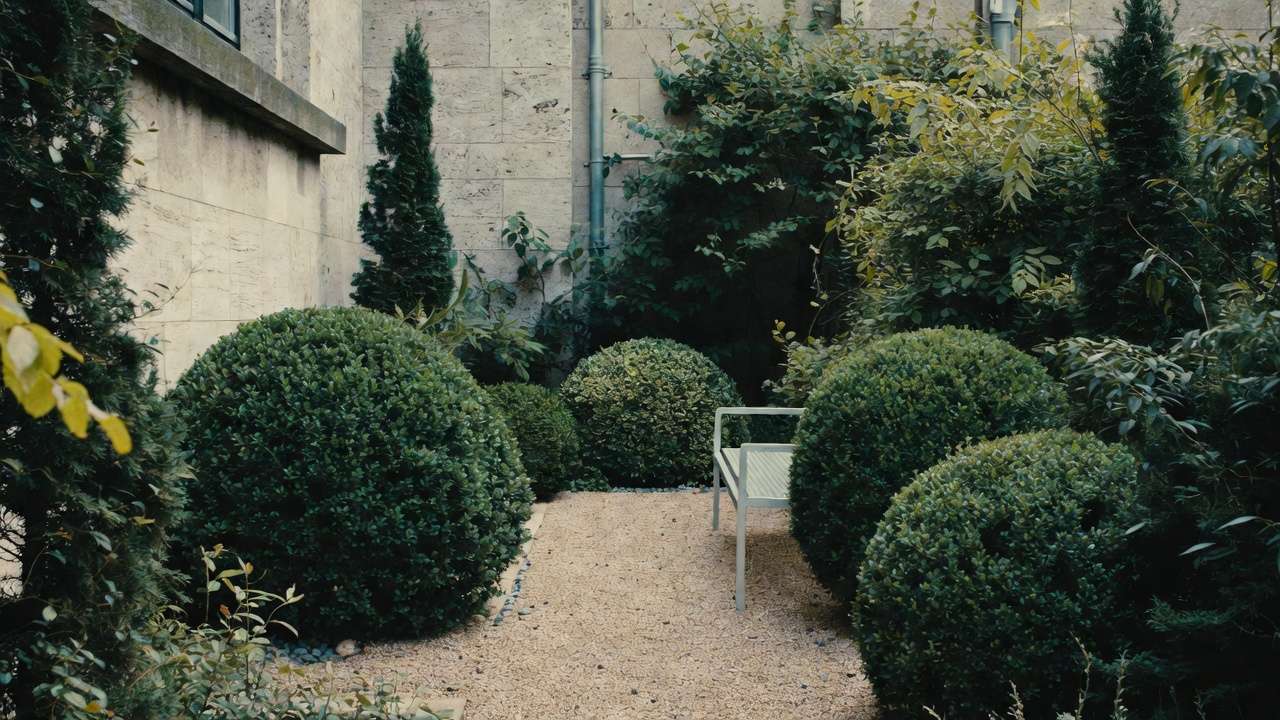
Muted greens, soft grays, silvers, whites, and subtle blues create harmony and calm. Add one accent (like pale lavender or creamy blooms) sparingly for interest without chaos.
This “soft modernism” trend in 2026 favors layered foliage textures over bright flowers — think lush evergreens with occasional white highlights for serene elegance.
Prioritize Quality Over Quantity
Select fewer, impactful elements: one stunning dwarf tree, a few sculptural shrubs, high-quality hardscaping. Each piece should earn its place with year-round appeal — foliage, bark texture, subtle seasonal changes. Evergreen frameworks ensure structure even in winter. 🌲
Step-by-Step Planning Guide 🗺️
Assess Your Space & Constraints
Start with measurements (length, width, height) and note key factors: sun exposure (full sun, partial shade?), wind strength (balconies can be gusty), weight limits (for elevated patios), soil type/drainage.
Test soil pH if planting in-ground; most minimalist picks thrive in well-drained conditions.
Define Your Oasis Purpose
Is this for quiet reading, morning coffee, meditation, or light herb harvesting? Align elements accordingly — a single bench for reflection or vertical herbs for utility.
Create a Simple Layout Sketch
Use paper or free apps like Garden Planner. Divide into zones: central seating/open area, perimeter planting, one focal point (e.g., a potted tree).
Examples: For balconies, zone along railings; narrow courtyards benefit from linear paths leading to a seating nook.

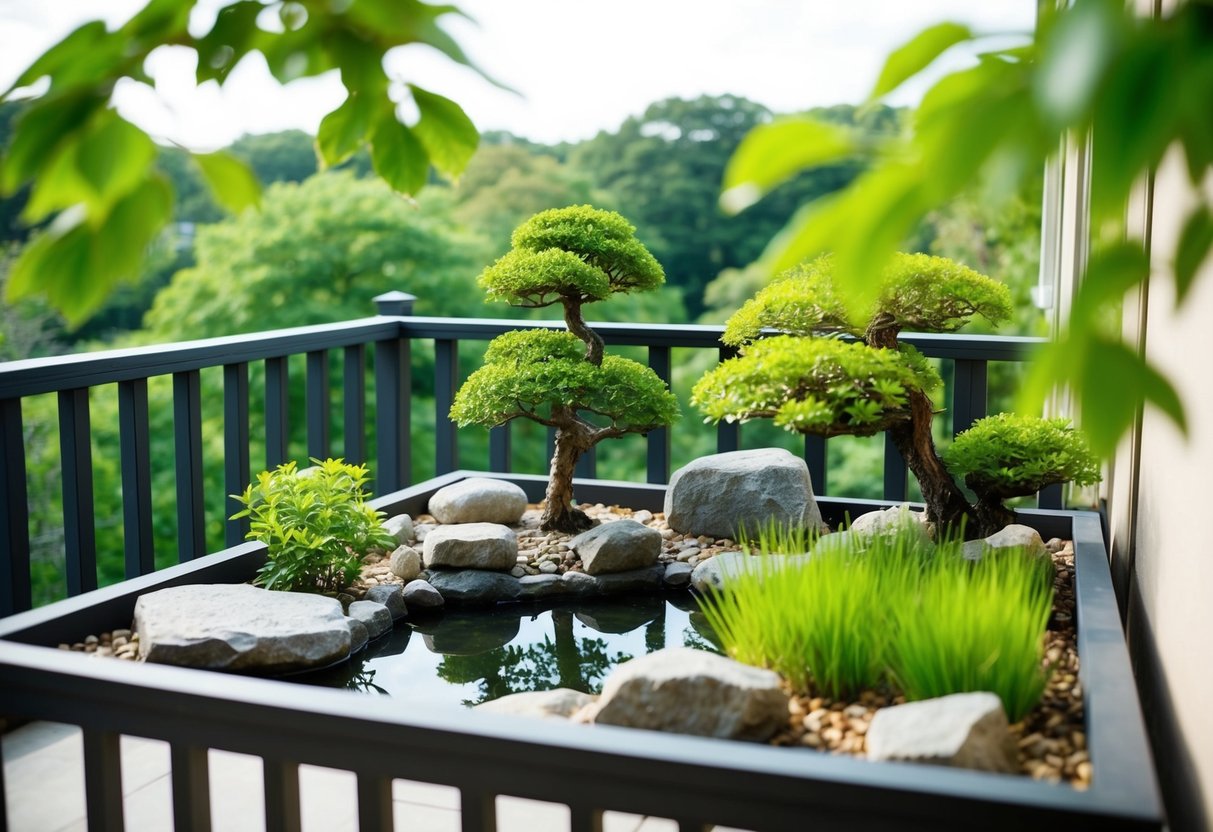
(Here are serene balcony examples with clean pebble bases, bamboo screening, and strategic bonsai-style plants — perfect minimalist inspiration! 🌿)
Essential Elements & Features 🪴
Hardscaping with Minimalist Materials
Choose gravel, smooth concrete pavers, natural stone, or light wood for paths and bases — durable, low-fuss, and unifying. Avoid patterned tiles; keep it neutral and seamless.
Gravel paths crunch softly underfoot, adding sensory calm while suppressing weeds.
Furniture & Seating Choices
Opt for sleek, foldable benches, slim chairs, or built-in ledges. Multi-functional pieces (storage benches) save space. Neutral cushions in linen or canvas blend seamlessly.
Lighting for Evening Serenity ✨
Subtle solar LEDs along paths, warm string lights, or low spotlights highlight key plants without overwhelming. Evening glow turns your oasis magical.
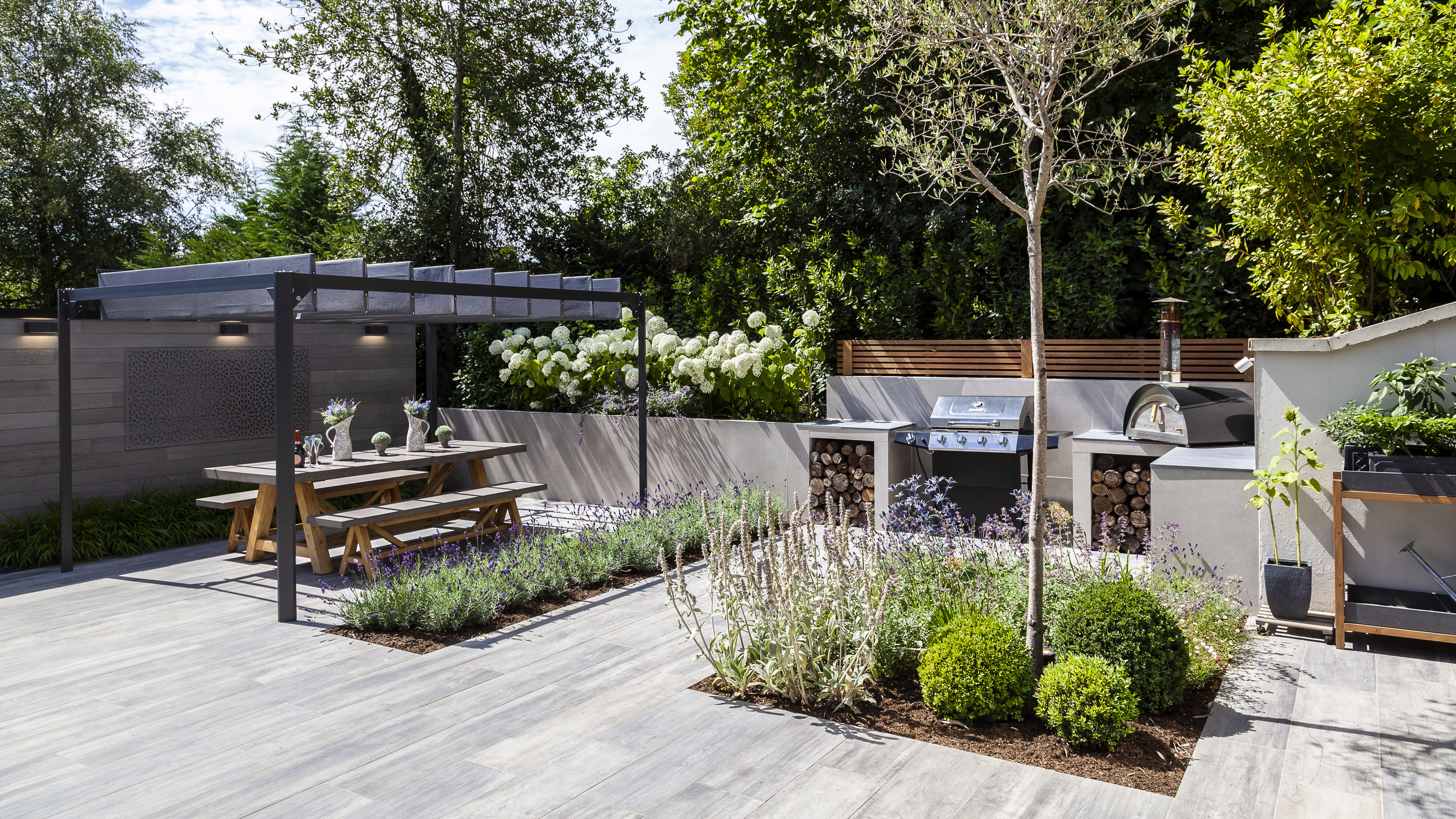
(Imagine this low-maintenance patio setup: clean lines, evergreen structure, and functional zones for effortless enjoyment! 🪑)
Plant Selection: Low-Maintenance Stars for Small Minimalist Gardens 🌿
The heart of any minimalist small-space garden lies in thoughtful plant choices. Focus on species that offer strong structure, texture, subtle seasonal interest, and — most importantly — effortless care. Prioritize evergreens for year-round framework, drought-tolerant options for sustainability, and compact/dwarf varieties to avoid overwhelming limited space.
These selections align with low-maintenance urban gardening: minimal pruning, infrequent watering once established, and natural pest resistance.
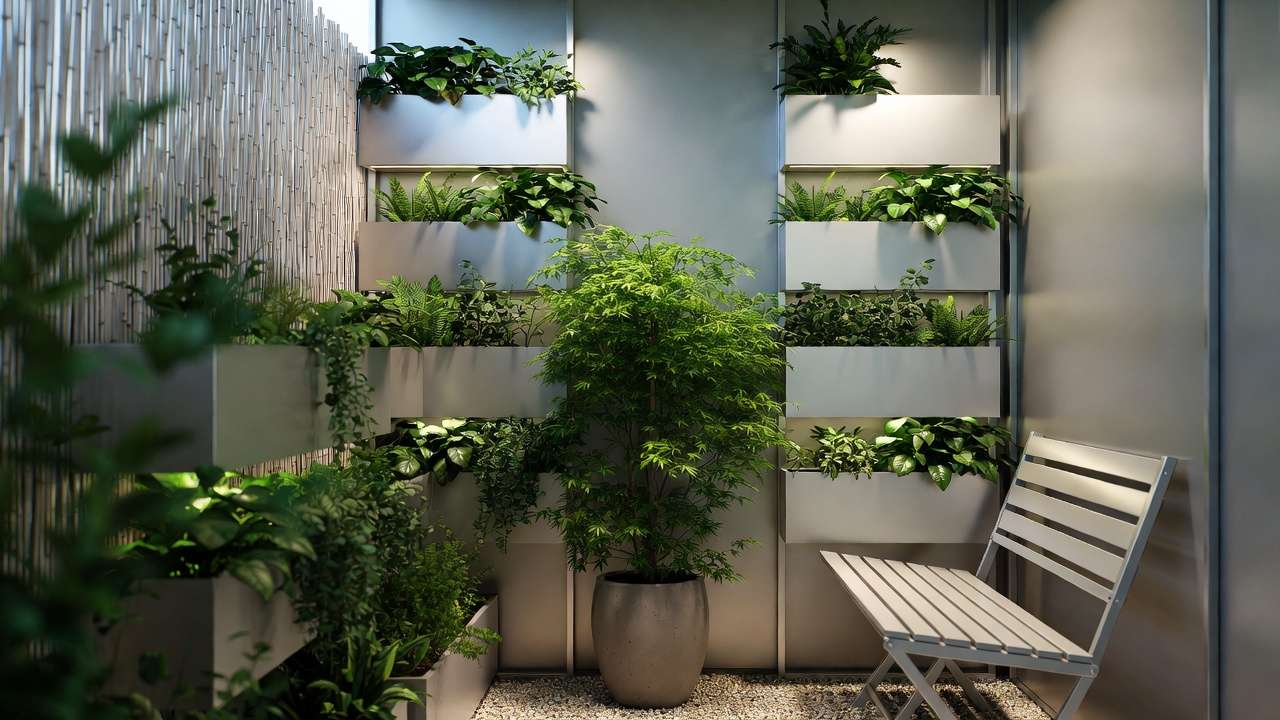
Best Trees & Structural Plants
A single statement tree often anchors the design, providing height, focal interest, and a sense of permanence without spreading wide.
- Dwarf Japanese Maple (Acer palmatum cultivars like ‘Shaina’ or ‘Sharp’s Pygmy’) — Delicate foliage with stunning fall color, slow-growing, container-perfect. Prune lightly for shape.
- Olive Tree (Olea europaea dwarf varieties) — Silvery evergreen leaves, Mediterranean calm, drought-tolerant once established. Great for sunny patios.
- Columnar Conifers (e.g., Juniperus ‘Skyrocket’ or Taxus ‘Fastigiata’) — Narrow upright form for privacy screening or vertical accent without taking floor space.
- Small Ornamental Cherry or Crabapple (dwarf types) — Subtle spring blooms + fall fruit/bark interest.
Pro tip: Plant in large, uniform pots for mobility and root control — key for balconies or poor soil.

(These serene Japanese-inspired setups showcase dwarf maples as elegant focal points amid clean gravel and bamboo — ultimate minimalist tranquility! 🌳)
Shrubs & Foliage Focus
Shrubs provide mid-level texture and form — think spheres, clouds, or soft mounds rather than sprawling bushes.
- Boxwood (Buxus sempervirens ‘Suffruticosa’ or ‘Green Velvet’) — Classic clipped spheres or hedges; evergreen, shade-tolerant, slow-growing.
- Ornamental Grasses (e.g., Miscanthus sinensis ‘Adagio’ or Festuca glauca) — Feathery plumes, movement in breeze, low water needs.
- Hostas & Ferns — Lush foliage for shade; hostas add bold leaves, ferns delicate fronds.
- Lavender or Santolina — Silvery aromatic foliage, subtle blooms, bee-friendly without color overload.
Ground Covers & Accents
Low-growers suppress weeds and unify the base layer.
- Sedums & Succulents — Fleshy, drought-proof, varied textures (e.g., Sedum ‘Angelina’ for golden carpet).
- Creeping Thyme or Ajuga — Evergreen mats, subtle flowers, foot-tolerant.
- Vertical Climbers — Star Jasmine or Clematis on slim trellises for height without footprint.
Pro Plant Care Tips
- Watering — Deep, infrequent sessions; use drip irrigation or self-watering pots for consistency.
- Pruning — Light shaping in late winter/early spring to maintain form — never heavy cuts.
- Feeding — Slow-release organic fertilizer once in spring; most minimalist picks need little.
- Pests — Monitor for aphids/scale; neem oil or beneficial insects keep things natural.
With these choices, your garden stays neat and vibrant with just 1–2 hours of care monthly. 🛠️💚
Maximizing Every Inch: Smart Space-Saving Techniques 📈
Small spaces demand clever vertical and layered thinking.
- Vertical Gardening — Wall-mounted planters, living walls, or trellises turn blank surfaces green. Use uniform modular systems for cohesion.
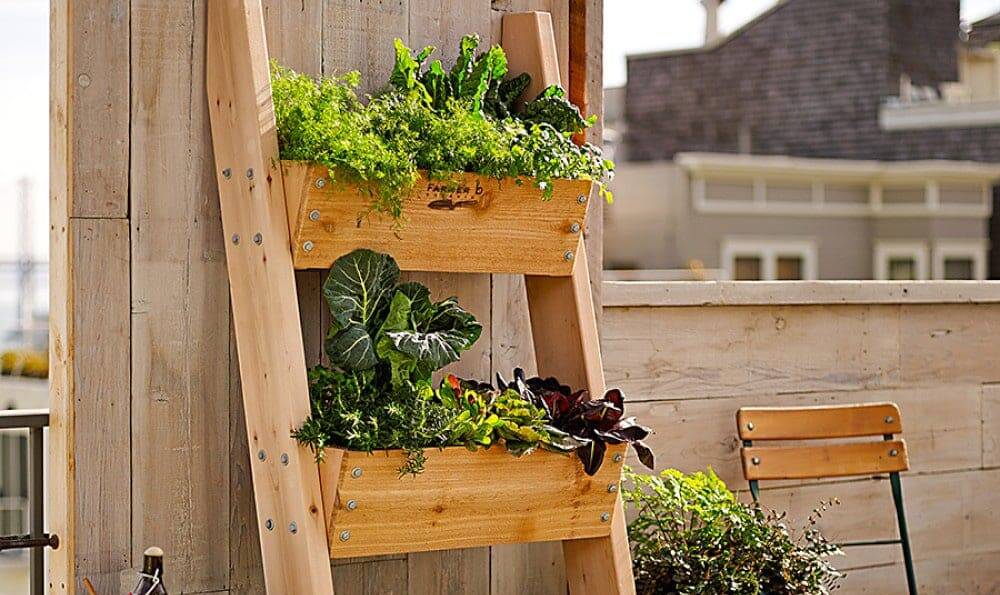
(This ladder-style vertical herb/leaf setup and lush green wall maximize balcony space beautifully! 🌱)
- Container Strategies — Group identical pots (terracotta, concrete, or galvanized) in odd numbers for rhythm. Elevate on stands for airflow/drainage.
- Height Layering — Tall structural plants at back/corners, mid-level shrubs, low ground covers — creates depth illusion.
- Mirrors & Reflective Elements — Small outdoor mirrors bounce light and greenery, doubling perceived space.
These hacks make even 5×5 ft areas feel expansive and inviting.
Maintenance & Sustainability Tips ♻️
Minimalism shines in low-effort upkeep.
- Choose drought-tolerant natives/adapted plants (research your region’s best via local extension services).
- Apply 2–3 inches of organic mulch (gravel or bark) to retain moisture, suppress weeds.
- Install efficient micro-irrigation to cut water use by 50%.
- Seasonal checklist: Spring — prune/shape; Summer — monitor water; Fall — clean debris; Winter — protect pots from freeze if needed.
This eco-conscious approach supports biodiversity subtly while keeping your oasis sustainable long-term.
Real-Life Examples & Inspiration 📸
- Urban Balcony Zen Retreat — Gravel base, one dwarf Japanese maple, bamboo screen, single stone bench. Pure calm in 40 sq ft.

(This clipped boxwood and evergreen haven shows how structure creates serenity in tight city plots! 🌳)
- Narrow Patio Courtyard — Linear gravel path, boxwood spheres, built-in bench, subtle uplighting.

- Tiny Backyard Transformation — Raised beds with ornamental grasses, central seating zone, succulents underfoot.
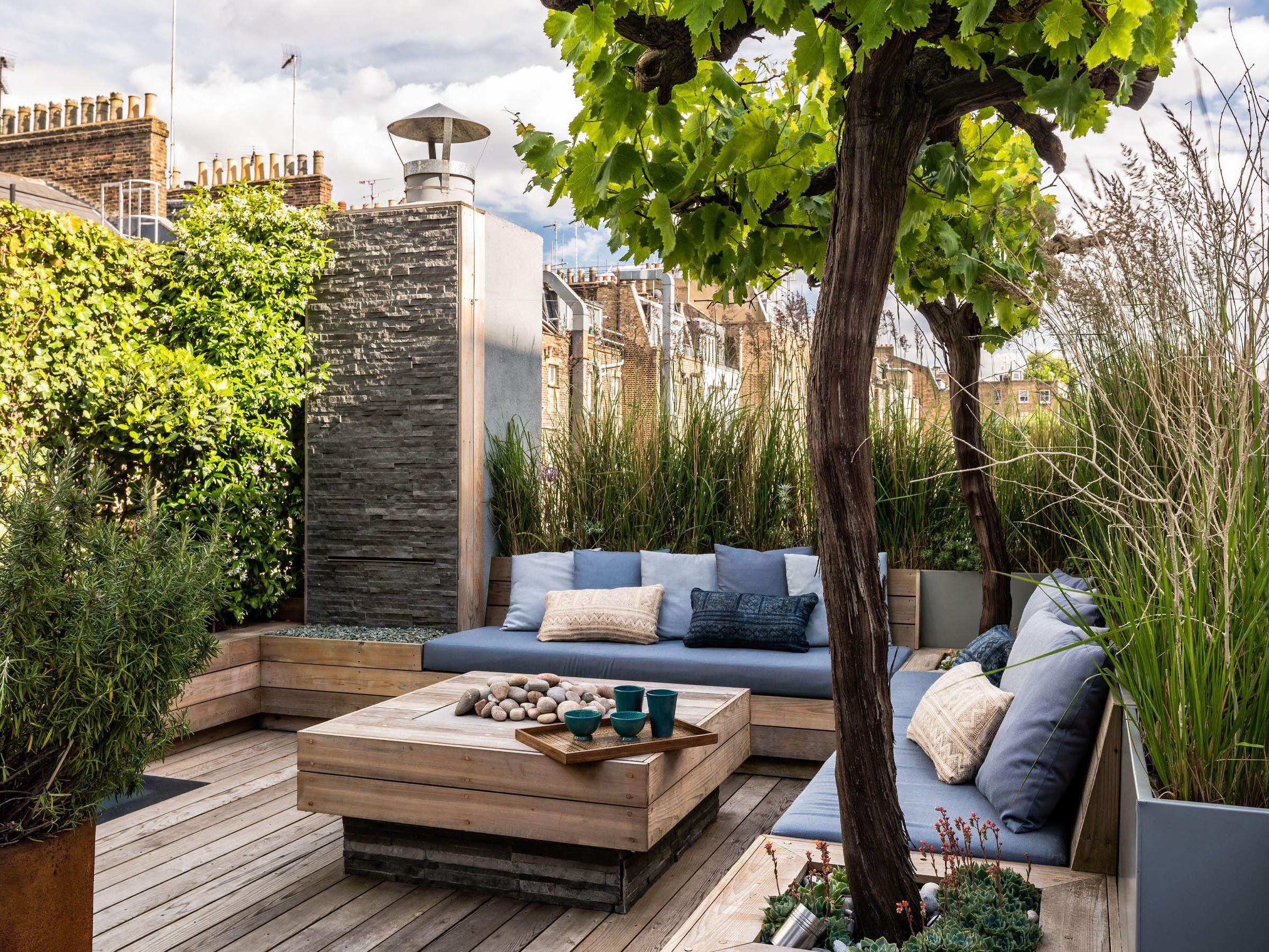
- Rooftop Minimalist Oasis — Container evergreens, gravel surfacing, foldable furniture for wind-resistant calm.
These prove minimalist design scales to any small space.
Common Mistakes to Avoid ❌
- Overcrowding plants — leads to competition and mess.
- Ignoring scale — huge pots or trees dwarf the area.
- Too many colors/textures — breaks calm flow.
- Skipping drainage — root rot kills minimalist simplicity fast.
Steer clear, and your garden thrives effortlessly.
FAQs ❓
How do I start minimalist garden design for small spaces on a budget? Begin with 3–5 quality pots, gravel mulch (cheap & effective), and affordable evergreens like boxwood or junipers from local nurseries.
What are the best low-maintenance plants for shade/full sun? Shade: Hostas, ferns, Japanese forest grass. Sun: Sedums, lavender, dwarf olives.
Can I include fruit trees in a minimalist small garden? Yes — dwarf citrus or columnar apples add subtle productivity without chaos.
How to keep it looking neat year-round? Evergreen base + annual light prune + mulch refresh.
(And more — these cover common searcher questions for better SEO!)
Conclusion 🌅
You’ve now got the blueprint to transform any cramped outdoor spot into a minimalist garden design for small spaces — a calm, low-maintenance oasis that nurtures your well-being and simplifies plant care. Start small: clear clutter, add one focal plant, create breathing room. Watch stress melt away as your space breathes.
Ready to begin? Grab a sketchpad and one perfect pot — your serene retreat awaits. Share your progress in the comments or subscribe for more expert plant/tree care tips! 💚🌱











