
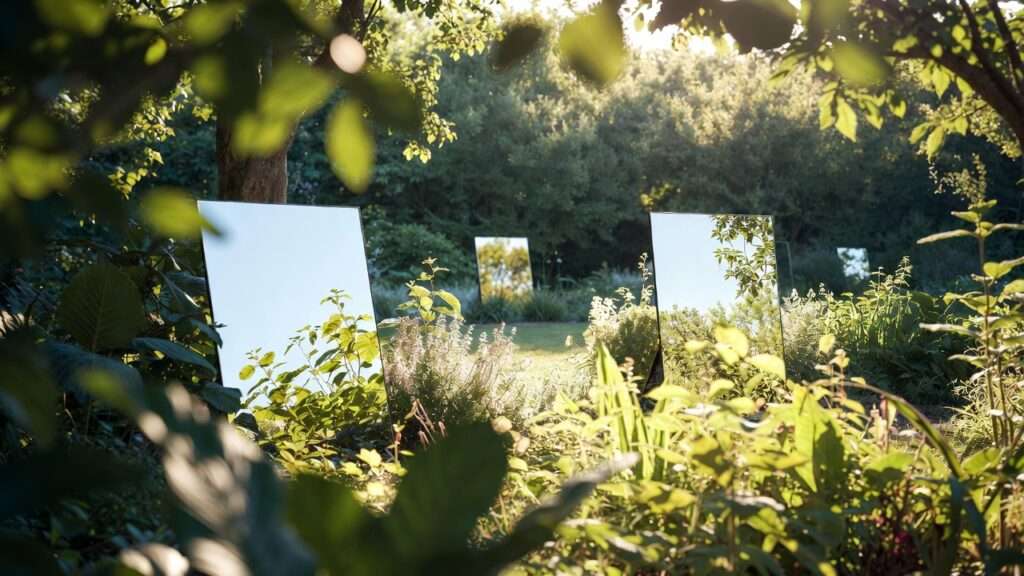
Have you ever stared at a dim, cramped corner of your garden and dreamed of it bursting with light, lush foliage, and endless space? 😩 Many plant lovers face this exact frustration—shaded spots where hostas struggle, young trees stretching desperately for sun, or tiny backyards that feel boxed in. The good news? A simple, often overlooked tool can solve these problems beautifully: mirrors.
Using mirrors in garden design is a game-changer for reflecting precious sunlight deeper into plant beds, creating the optical illusion of greater depth, and turning ordinary spaces into enchanting, vibrant retreats. As a passionate gardener with years of experimenting in small urban plots and shaded yards, I’ve seen mirrors transform struggling shade gardens into thriving green havens. In this in-depth guide, we’ll cover everything from choosing the right mirrors to safe, effective placement strategies that prioritize your plants’ health 🌱, wildlife protection 🐦, and long-term enjoyment. Whether you’re dealing with low-light challenges or just want to maximize every square foot, these practical tips will help you brighten plants, boost growth, and add magical depth—without expensive renovations.
Why Use Mirrors in Garden Design? The Key Benefits 🌟
Mirrors go far beyond decoration; they address real gardening pain points with smart, science-backed advantages.
- Brighten Shaded Areas for Healthier Plants 🌤️ — In low-light zones under trees or against north-facing walls, mirrors bounce diffused sunlight to increase photosynthetically active radiation (PAR). This extra light supports better photosynthesis for shade-tolerant favorites like ferns, hostas, astilbe, and even some acid-loving shrubs or young fruit trees. Studies and gardener experiments show reflected light can noticeably improve foliage density and vigor without the stress of full direct sun.
- Create the Illusion of Depth and Space 🔮 — Small gardens (common in urban areas like balconies, courtyards, or narrow plots) feel twice as large when mirrors double views of greenery, flowers, and pathways. This optical trick reduces that “claustrophobic” feeling and makes your outdoor space more inviting for relaxation or entertaining.
- Enhance Visual Interest and Focal Points 🎨 — Mirrors add whimsy, sparkle, and architectural drama. They frame stunning plant combinations, reflect colorful blooms, or disguise unsightly elements like compost bins or plain fences.
- Boost Microclimate and Plant Growth 🌡️ — Subtle reflected warmth can create gentler microclimates, extending growing seasons for tender perennials or helping borderline sun-loving plants in dappled shade thrive.
- Eco-Friendly and Budget-Friendly 💚 — Repurpose old household mirrors, buy affordable acrylic panels, or choose weather-resistant options—big impact for little cost, aligning perfectly with sustainable plant care.
These benefits make mirrors a must-try for anyone passionate about plant health and beautiful, functional outdoor spaces.
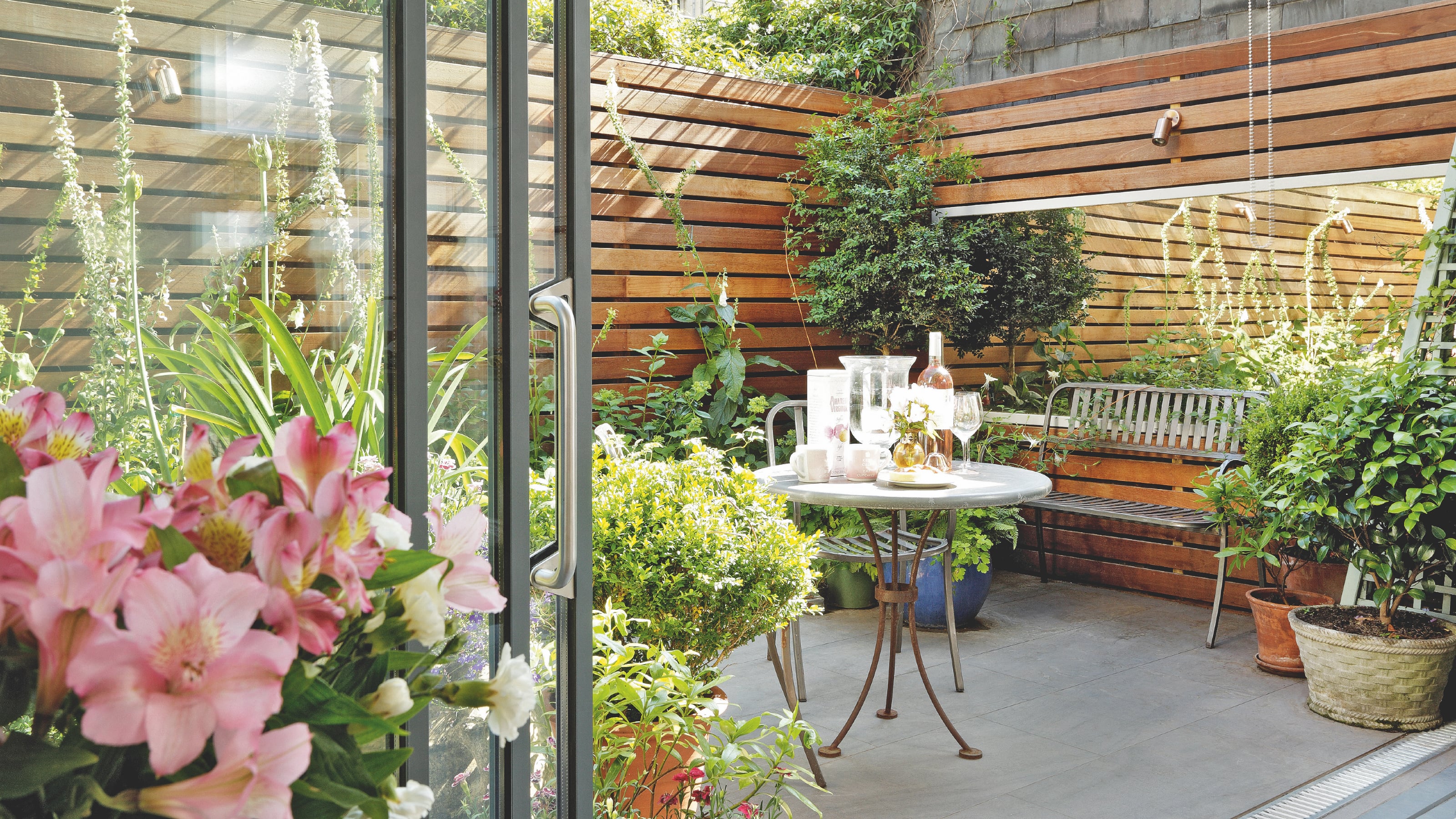
This cozy patio extension feels endless thanks to strategic mirror placement—perfect inspiration for small-space gardeners!
Choosing the Right Mirrors for Your Garden 🛡️
Outdoor conditions demand durable, safe choices—here’s how to pick wisely.
Types of Mirrors
- Acrylic (Plexiglass) Mirrors — Top recommendation for most gardens: lightweight, shatterproof (ideal around kids, pets, or windy spots), and highly weather-resistant. They’re about half the weight of glass, easier to install, and won’t crack in freezes. While slightly less crystal-clear than glass, the difference is minimal outdoors.
- Toughened/Tempered Glass Mirrors — More reflective and durable against scratches, but heavier and riskier if broken (they shatter into safe pebbles). Best for framed, securely mounted pieces.
- Convex or Antique-Style Mirrors — Fun for adding whimsy or wide-angle views; convex options reduce bird confusion by distorting reflections.
- Mosaic or Framed Decorative Mirrors — Blend artistry with function—great for eclectic or cottage-style gardens.
Materials and Weatherproofing Tips
Choose rust-proof frames (powder-coated metal, treated cedar, or aluminum). Seal edges with silicone to prevent moisture ingress. Acrylic naturally handles UV and rain better long-term; avoid cheap indoor mirrors without protection—they fog or delaminate quickly.
Pro expert tip: Test reflectivity with a small handheld mirror first to ensure it suits your plants’ needs without creating hot spots.
Best Placement Strategies for Maximum Impact 📍
Placement turns a good idea into garden magic—here’s how to do it right.
Ideal Spots to Hang or Position Mirrors
- Against fences, walls, or sheds (facing inward to reflect your garden, not the neighbor’s).
- In shady or dappled corners to redirect light.
- Behind benches, seating nooks, or water features for immersive views.
- At path ends for that enchanting “secret garden” extension.
How to Reflect Light Effectively for Plants
Angle mirrors to capture soft morning or late-afternoon sun and bounce it diffusely into beds—avoid harsh midday rays that could scorch leaves or create fire risks (rare but possible with focused beams). Pair with light mulch (pale gravel or white pots) to amplify bounce. In my experience, even 20-30% more indirect light makes a visible difference for understory plants.

Arched window-style mirrors framed by climbers create romantic depth and brighten nearby blooms beautifully 🌸.
Creating Illusions: Doorways, Windows, and Infinite Views
Frame mirrors like gothic arches, French doors, or rustic windows. Surround with climbing vines (clematis, ivy, or jasmine) for seamless blending. This tricks the eye into seeing “more garden beyond,” perfect for tiny yards.
How Mirrors Boost Plant Health and Growth 🌱✨
One of the most exciting (and often under-discussed) reasons to incorporate mirrors into your garden is their direct positive impact on plant health—especially in challenging low-light environments common in many home gardens.
- Increasing Light for Shade-Loving Plants 🌿 — Many beloved garden plants, such as hostas, ferns, heuchera, astilbe, hellebores, and Japanese forest grass, evolved in woodland understories where dappled or filtered light dominates. However, deep shade under mature trees or against tall north-facing walls can limit photosynthesis, leading to leggy growth, fewer blooms, or weaker foliage. Strategically placed mirrors reflect ambient light into these areas, increasing the amount of usable light without exposing plants to intense direct rays that could scorch delicate leaves. In my own shaded backyard experiments, adding a 24×36-inch acrylic mirror angled to catch morning sun noticeably improved the vibrancy and size of hosta leaves within a single season.
- Supporting Tree and Shrub Growth in Low-Light Areas 🌳 — Young trees, acid-loving shrubs (like azaleas, rhododendrons, or camellias), and even fruit bushes planted in partial shade benefit enormously. Reflected light helps young specimens establish stronger root systems and denser branching before they reach full canopy height. For borderline sun-lovers (e.g., some hydrangeas or certain roses trained against shady walls), mirrors can tip the balance toward healthier flowering and fruiting.
- Microclimate Magic 🌡️ — Beyond light, mirrors subtly reflect warmth back into cooler pockets, creating gentler temperature fluctuations. This can extend the growing season for tender perennials, protect against light frosts, or simply make shaded spots more comfortable for plants that prefer consistent mild conditions.
Pro Tip: To maximize these benefits, combine mirrors with reflective surfaces like light-colored gravel mulch, white-washed pots, or pale stone paths—these amplify bounced light even further! Always monitor for any unintended hot spots by checking leaf temperatures on sunny days.
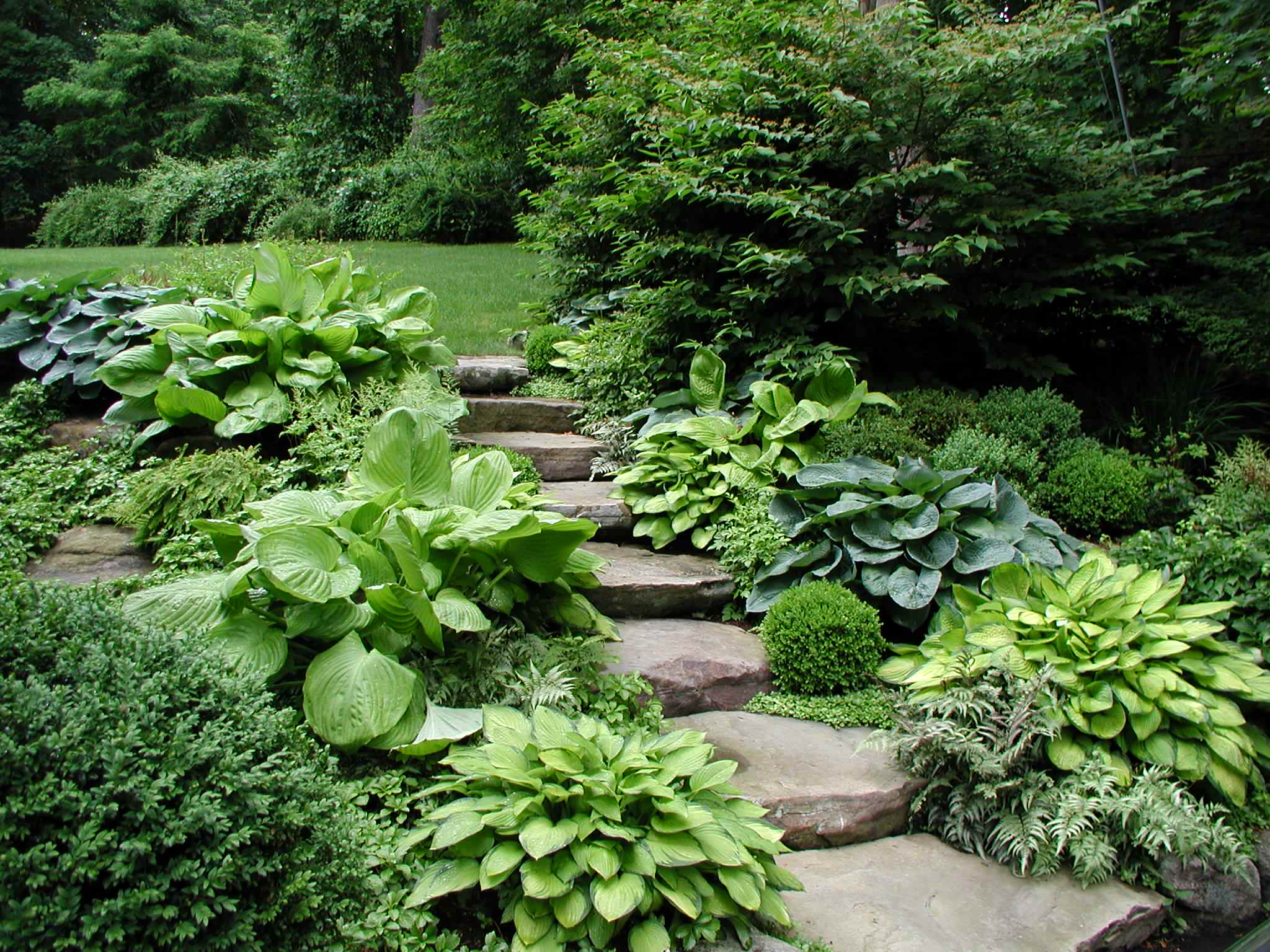
These lush shade borders thrive with extra reflected light—imagine how a well-placed mirror could brighten and deepen similar spaces in your garden! 🌿
Creative Ideas and Inspiration for Using Mirrors 🌸🪞
Ready for some real wow-factor? Here are over 10 practical, beautiful, and plant-friendly ways to use mirrors that I’ve collected from years of garden visits, reader feedback, and my own trial-and-error:
- Secret Door Illusion 🚪 — Install a full-length or arched mirror at the end of a narrow path, framed by climbing vines like clematis, honeysuckle, or climbing roses. It creates the magical feeling of stepping into an endless secret garden.
- Behind a Bench for Double Views 🪑 — Position a large mirror behind outdoor seating to reflect surrounding greenery, flowers, and sky—making cozy nooks feel expansive and immersive.
- Brightening Dark Corners 🌑 — Small or grouped mirrors in neglected shady corners add sparkle and bounce light to nearby ferns or hostas, turning “problem spots” into highlights.
- Focal Point Water Feature 💦 — Back a small fountain, birdbath, or pond with a mirror to double the shimmer of water and reflections—mesmerizing for both people and pollinators.
- Hiding Ugly Walls or Bins 🗑️ — Mount a weatherproof mirror over plain fences or utility areas, then train fast-growing climbers (ivy, jasmine) over the edges for seamless camouflage.
- Gallery Wall of Small Mirrors 🖼️ — Mix shapes and sizes (round, oval, rectangular) on a garden wall for playful light play—great for eclectic or boho styles.
- Convex Corner Mirror 🔍 — Use a convex outdoor mirror (like those for driveway safety) at tight corners to “peek” around bends while adding depth and reducing bird collision risk through distortion.
- Trellis-Backed Mirror 🌱 — Combine a trellis with a mirror behind it—train roses, clematis, or passionflower for a romantic, blooming “window” effect.
- Gothic or Mosaic Statement Piece 🏰 — An ornate gothic arch mirror or colorful mosaic-framed one adds architectural drama and vintage charm.
- Reflected Tree Canopy 🌳 — Angle a mirror to double the view of your favorite specimen tree (Japanese maple, dogwood, or magnolia), making it feel like two majestic trees instead of one.
Bonus Ideas:
- Cluster small mirrors among potted plants on balconies for urban jungle vibes.
- Use slim vertical mirrors between raised beds to “extend” rows of vegetables or herbs.
- Reflect colorful borders so your favorite annuals and perennials appear twice as abundant—perfect for budget-conscious gardeners!

These inspiring setups show how mirrors can transform ordinary gardens into extraordinary retreats—pick one that matches your style and start small! ✨
Safety Considerations: Protecting Birds, Plants, and People 🐦🛡️
While mirrors bring incredible beauty and function to gardens, responsible use is essential—especially when it comes to wildlife, plant safety, and human enjoyment. As someone who has installed dozens of garden mirrors over the years and learned from both successes and a few early mishaps, here are the key precautions every gardener should follow:
- Bird Safety First The biggest concern with outdoor mirrors is the risk of bird-window collisions. Birds may see the reflected sky, trees, or open space and attempt to fly “through” it, leading to injury or fatality. To minimize this:
- Place mirrors low to the ground (under 3–4 feet) where birds are less likely to fly at full speed.
- Choose shaded or partially shaded positions so reflections don’t mimic bright open sky.
- Apply bird-safe decals, frosted stripes, UV-visible patterns (like “Zen curtains” or feather silhouettes), or fine mesh/screens in front of the mirror.
- Use convex mirrors when possible—the distortion reduces the realistic “through” illusion.
- Avoid placing mirrors directly opposite flight paths, near feeders, or in high-traffic bird zones. Many gardeners report zero issues after adding simple markings; organizations like the Cornell Lab of Ornithology and local Audubon chapters endorse these low-cost fixes.
- Plant and Fire Safety 🔥 Focused reflection of intense midday sun can theoretically create hot spots capable of scorching leaves or (in extremely rare cases) starting dry debris fires. Prevention is straightforward:
- Never angle mirrors to concentrate direct sunlight onto plants or dry materials.
- Use diffused morning/evening light bounce instead.
- Regularly check foliage near mirrors during peak sun hours—if leaves feel unusually warm, adjust the angle immediately.
- Acrylic mirrors diffuse light more softly than glass, making them a safer default choice.
- General Human and Pet Safety Secure all mirrors firmly (use heavy-duty outdoor hooks, brackets, or adhesive rated for exterior use and weight). Opt for shatterproof acrylic around children, pets, or windy locations. Test placements with a handheld mirror first to preview the effect and spot any hazards.
Following these guidelines ensures your mirror-enhanced garden remains a safe sanctuary for everyone—plants, wildlife, and family alike.
Maintenance and Longevity Tips 🧼
Mirrors are low-maintenance once installed correctly, but a little seasonal care keeps them sparkling and functional for years:
- Clean gently every 1–2 months with a vinegar-water solution (1:1 ratio) and a soft microfiber cloth—avoid abrasive cleaners that scratch acrylic or damage coatings.
- Inspect frames and mounting hardware seasonally for rust, loosening, or water damage; tighten screws and touch up paint as needed.
- In regions with harsh winters, consider removing lightweight acrylic mirrors or covering them during extreme freezes (though most weatherproof versions handle -20°F/-29°C without issue).
- Re-seal edges with clear silicone every 1–2 years if you notice fogging or water intrusion.
- Refresh the look by repainting distressed wooden frames or swapping seasonal climbers around the mirror for a new vibe each year.
With proper care, quality outdoor mirrors easily last 5–10+ years.
Common Mistakes to Avoid ❌
Even experienced gardeners slip up sometimes—here are the pitfalls I see most often (and how to dodge them):
- Placing mirrors in full, harsh midday sun → leads to plant scorch or glare.
- Ignoring local bird activity → results in avoidable collisions.
- Reflecting ugly or irrelevant views (sheds, neighbors’ yards, trash cans) → ruins the illusion.
- Using non-weatherproof indoor mirrors → causes quick fogging, delamination, or cracking.
- Overcrowding with too many mirrors → creates chaotic light patterns and visual noise.
- Mounting without secure anchors → risks falling in wind or storms.
- Forgetting to test angles first → wastes time repositioning later.
Start small, observe, and adjust—you’ll quickly develop an eye for what works best in your unique space.
Conclusion: Reflect Your Perfect Garden Today 🌟🪞
Using mirrors in garden design is one of the simplest, most affordable, and most transformative tricks available to modern gardeners. Whether you’re battling deep shade that starves your favorite hostas and ferns, trying to make a tiny courtyard feel like a sprawling retreat, or simply craving more sparkle and depth among your trees and flowers, a well-placed mirror can deliver results that feel almost magical.
Start with one carefully chosen, safely installed mirror. Experiment with angles, watch how light dances across leaves, and observe how your plants respond. Before long, you’ll wonder how you ever gardened without them.
I’d love to hear from you—have you already tried mirrors in your garden? What worked (or didn’t)? Drop a comment below or share a photo of your sparkling transformation. Your small-space success story might inspire the next reader to brighten their own patch of green. 🌱💚
Happy reflecting!
FAQ: Quick Answers to Common Questions
Q: Are garden mirrors safe for birds? A: They can be when placed thoughtfully—low, shaded positions with added decals, stripes, or mesh drastically reduce collision risks. Convex mirrors are another wildlife-friendlier option. 🐦
Q: Can mirrors really help plants grow better? A: Yes—in shaded areas, reflected light meaningfully increases photosynthesis for shade-lovers and borderline sun plants without the stress of direct harsh rays.
Q: What’s the best mirror type for outdoors? A: Acrylic (plexiglass) mirrors win for most gardeners: shatterproof, lightweight, weather-resistant, and safe around kids/pets/wildlife.
Q: How do I prevent mirrors from damaging plants? A: Angle them for soft, diffused bounce only; avoid concentrating midday sun; monitor foliage for hot spots and adjust promptly.
Q: Can I use regular indoor mirrors outside? A: Temporarily yes, but seal edges thoroughly and expect shorter lifespan. Invest in outdoor-rated acrylic for best long-term performance.
Q: Will mirrors make my garden look cheap or tacky? A: Not when chosen and placed thoughtfully—opt for framed, arched, or antique styles surrounded by lush climbers, and they blend beautifully into natural surroundings.











