
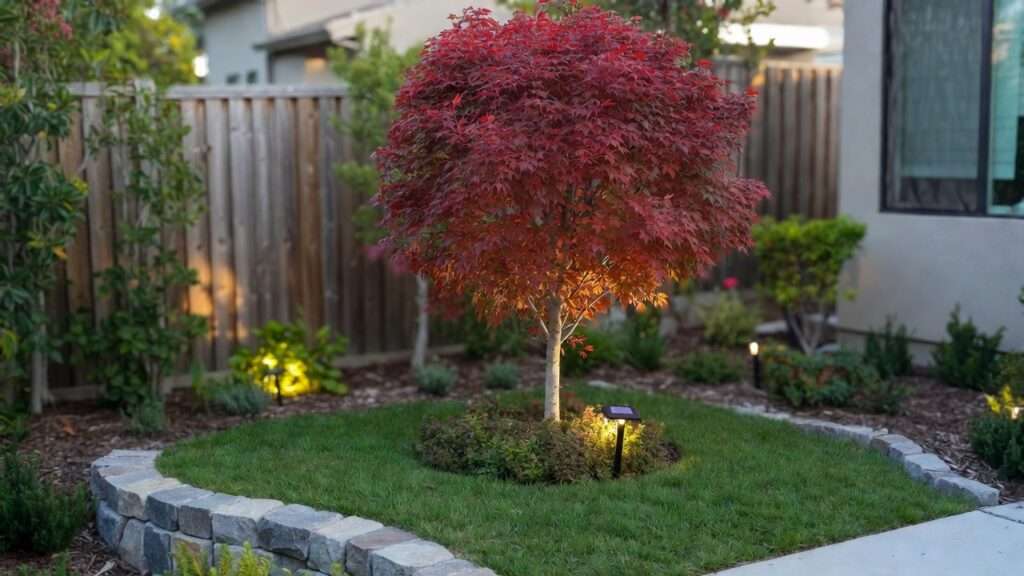
Imagine stepping into your small yard and feeling instantly drawn in—your eyes naturally landing on something beautiful, structured, and full of life, instead of scattered chaos. For many homeowners with limited outdoor space, yards can feel cramped, undefined, or just plain underwhelming. The secret to transforming that tiny plot into a serene, intentional oasis? Focal points in small yard landscaping.
A focal point is a standout element—most powerfully a plant or tree—that captures attention right away, creates visual balance, adds depth, and tricks the eye into perceiving more space than actually exists. In small yards, these living anchors prevent overcrowding while delivering maximum curb appeal, seasonal drama, and year-round interest. 🌸🍂
As a plant care and tree enthusiast who’s helped countless gardeners turn postage-stamp yards into showstoppers, I’ve seen how one well-placed specimen can boost outdoor enjoyment, support pollinators, improve air quality, and even increase property value. In this comprehensive guide, we’ll explore why plant-centered focal points outperform hardscape alone, how to choose and position them perfectly, and my top 10 ideas (with detailed care tips) to give your small yard that “wow” factor. Let’s make your space feel bigger, bolder, and more beautiful! Ready to dig in? 🌱
Understanding Focal Points in Small Yard Landscaping 🧠🌱
Focal points serve as visual anchors in landscape design, guiding the eye and organizing the space. In small yards—where every square foot counts—they’re especially crucial for creating flow, hiding imperfections (like utility boxes or bare fences), and adding personality without overwhelming the area.
What Makes a Great Focal Point? (H3)
The best ones share these traits:
- Height contrast — Rising above surrounding plants to draw the eye upward.
- Unique texture, color, or form — Think lacy foliage, vibrant bark, or dramatic shapes.
- Seasonal drama — Multi-season appeal (blooms in spring, berries in fall, structure in winter).
- Low-maintenance vibe — Healthy, resilient plants that thrive with basic care.
In small spaces, prioritize compact or dwarf varieties to avoid outgrowing the yard.
Why Plant-Centered Ones Excel in Tiny Yards (H3)
Plants integrate naturally, unlike statues or fountains that can feel artificial. They provide:
- Wildlife benefits (birds, bees, butterflies 🐝🦋)
- Natural shade and privacy
- Air purification and cooling
- Easy alignment with plant/tree care routines
A single dwarf tree or bold perennial can deliver all this while making the yard feel curated and expansive.
Common Mistakes to Avoid (H3)
- Overcrowding: Too many focal points create visual noise.
- Wrong scale: A massive tree in a 10×10 yard looks cramped.
- Ignoring sightlines: Place where visible from windows, doors, or paths.
- Neglecting health: A dying plant becomes an eyesore—proper care is key!
Pro tip from years of observation: Always start by mapping your yard’s views and sunlight patterns. 📍
How to Choose & Place the Perfect Focal Point 🌳📍
Selecting and positioning your focal point is where the magic happens. Here’s a step-by-step expert approach:
- Assess your yard: Note sun exposure (full sun vs. shade), soil type (clay, sandy, loamy), microclimates, and yard shape. Use a simple sketch or app to mark sightlines from key spots (kitchen window, patio, front door).
- Principles of placement:
- End of paths or sightlines for natural “pull.”
- Center of open areas or lawn for symmetry.
- Framing entries (gate, door) or hiding flaws.
- Odd numbers (1, 3) for organic feel.
- Scale & proportion tips for small spaces: Choose plants that mature at 6-15 feet tall max. Leave breathing room—surround with lower companions so the focal doesn’t dominate.
- Design rules: Frame with simpler plants (groundcovers, low shrubs), use leading lines (paths, edging), and contrast textures/colors for pop.
Bonus: Consider your USDA hardiness zone (most ideas here suit zones 5-9) and local climate for long-term success. 🌍
10 Plant-Centered Focal Point Ideas for Small Yards 🌸🌺
Here are my top 10 picks—each compact, stunning, and easy to maintain. I’ve included why it works, placement tips, and expert care notes.
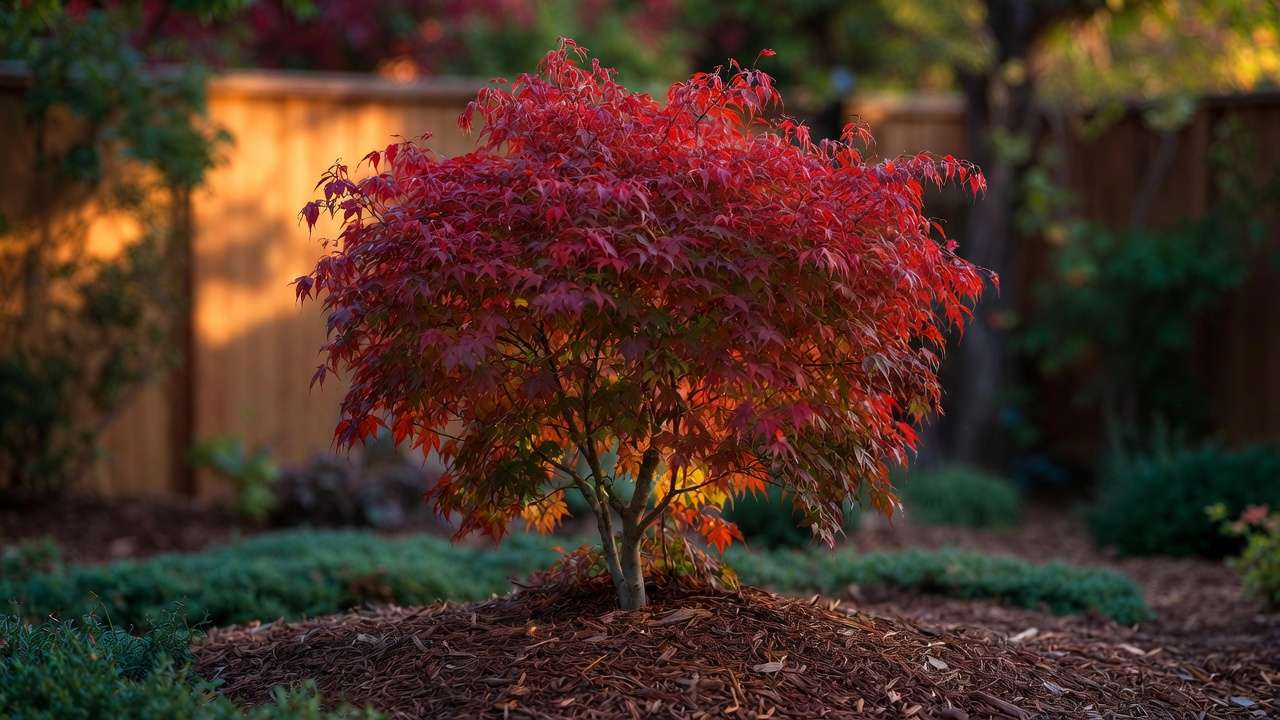
Dwarf Japanese Maple 🍁 Elegant, lacy leaves in reds/greens; brilliant fall color steals the show. Perfect vertical accent without wide spread (8-12 ft tall). Why in small yards: Adds artistic form and seasonal wow. Care: Partial shade, well-drained acidic soil, consistent moisture. Prune lightly in winter. Pest watch: aphids—hose off early. Visual impact: Place as patio centerpiece or lawn specimen.
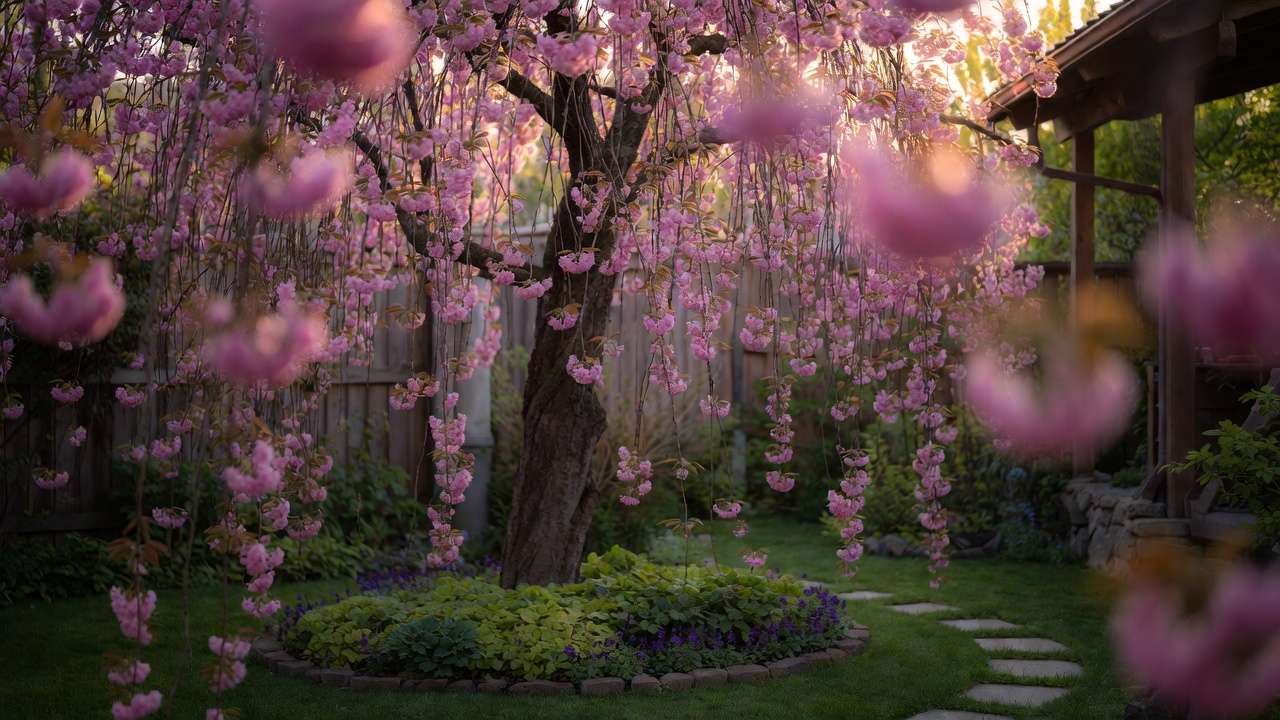
Weeping Cherry or Redbud 🌸 Graceful cascading branches + spring blooms (pink/white). Compact cultivars stay under 15 ft. Why: Romantic, flowing shape creates depth illusion. Care: Full sun to part shade, moderate water. Prune after bloom. Attracts birds! 🐦
Dwarf Conifer (e.g., Globe Blue Spruce or Dwarf Alberta Spruce) 🌲 Year-round evergreen structure, soft blue-green needles. Why: Provides winter interest when others sleep. Care: Full sun, well-drained soil. Minimal pruning—shape naturally.
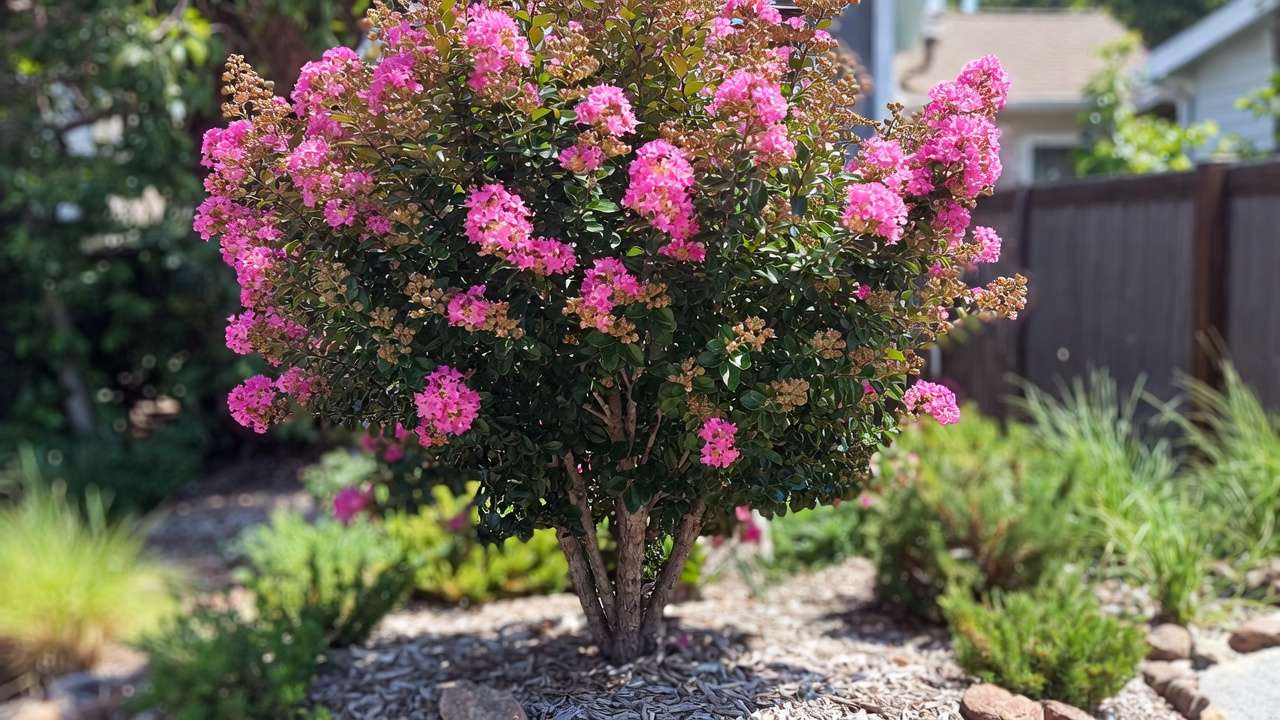
Crape Myrtle (Compact Varieties like ‘Tonto’) 🌺 Vibrant summer flowers (red/pink), exfoliating bark for winter texture. 10-15 ft. Why: Long bloom season + multi-season bark drama. Care: Full sun, drought-tolerant once established. Prune in late winter.
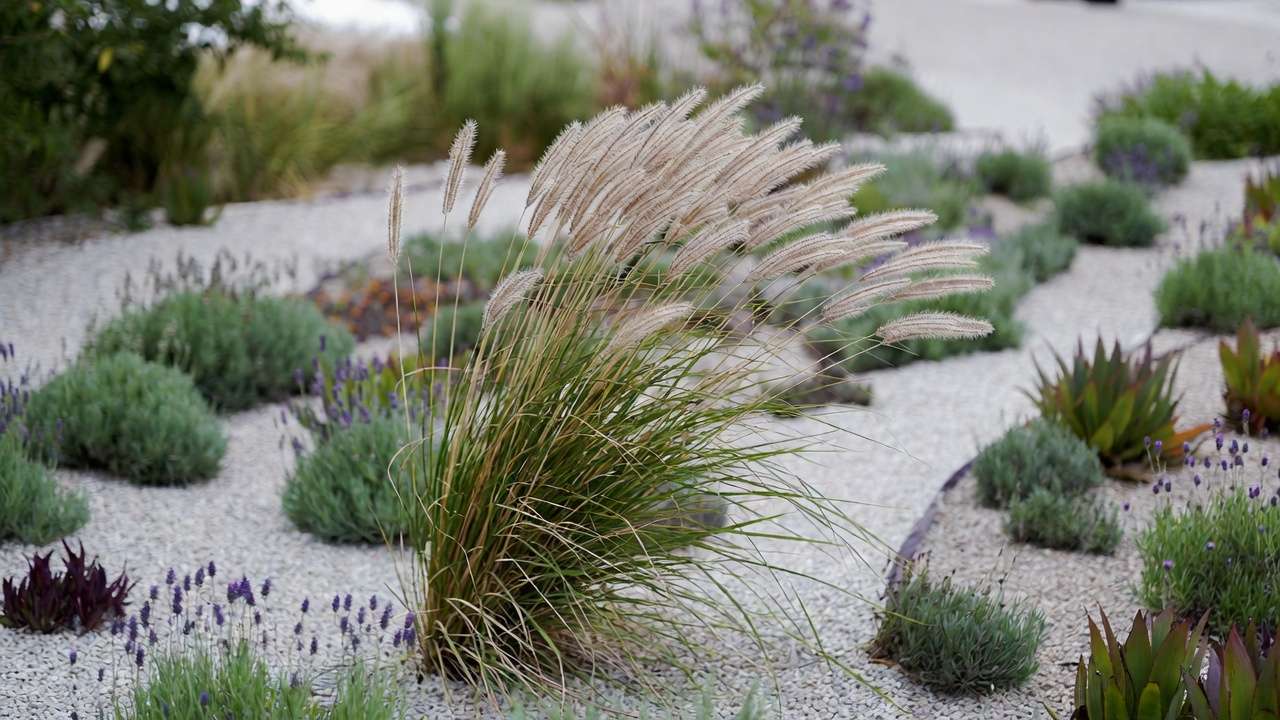
Ornamental Grass Specimen (e.g., Feather Reed Grass or Miscanthus ‘Adagio’) 🌾 Tall plumes sway in breeze; golden fall/winter color. Why: Adds movement + low-water texture. Care: Full sun, cut back in spring. Divide every 3-4 years.
Flowering Dogwood (Small Cultivars like ‘Cherokee Princess’) 🌷 Spring bracts (white/pink), red berries, layered branches. Why: Four-season beauty + wildlife draw. Care: Part shade, moist soil. Mulch to retain moisture.
Dwarf Fruit Tree (e.g., Columnar Apple or Dwarf Citrus in pots) 🍎 Edible blooms/fruit + pretty form. Why: Functional focal with spring flowers + harvest joy. Care: Full sun, regular water/fertilizer. Protect in cold zones.
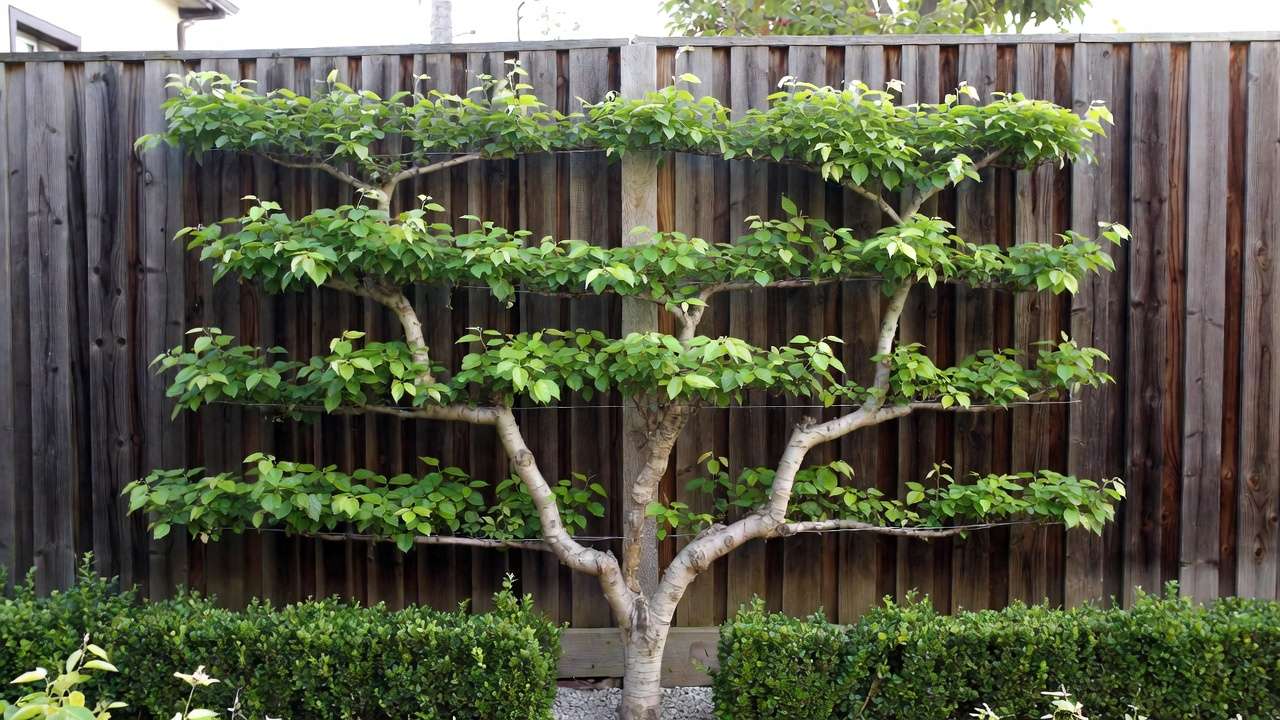
Sculptural Topiary or Espaliered Tree ✂️ Trained shapes (ball, fan) against walls/fences. Why: Artistic, space-saving vertical interest. Care: Regular pruning; choose hardy species like yew or fruit trees.
Bold Perennial Focal (e.g., Giant Allium or Yucca filamentosa) ⚡ Dramatic height/texture, low footprint. Why: Architectural punch without bulk. Care: Full sun, well-drained soil. Drought-tolerant.
Potted Tree Trio or Statement Container Tree 🪴 Flexible movable focal (e.g., olive, bay, or dwarf maple). Why: Ideal for patios/renters; change with seasons. Care: Large pots, good drainage, regular feeding.
Enhancing Your Focal Point: Companion Planting & Design Tricks 🌼
A single standout plant becomes even more magical when supported by thoughtful companions. The goal is to frame, contrast, and complement — never compete.
- Surround with a supporting cast Use low-growing groundcovers like creeping thyme, sedum, or mondo grass to create a clean base that lets the focal point shine. Add mid-height contrasting foliage (hostas in shade, lavender or salvia in sun) for texture play. Pollinator-friendly accents — think bee balm, coneflowers, or catmint — bring buzzing life and soft color without stealing focus. 🐝
- Lighting ideas for nighttime drama Install subtle solar-powered uplights or low-voltage spotlights angled upward to highlight bark texture, leaf shape, or winter silhouette. A weeping cherry or Japanese maple lit from below at night becomes pure magic — turning your small yard into an enchanting evening retreat. ✨
- Mulch, edging, and hardscaping to frame beautifully Apply 2–3 inches of organic mulch (pine bark, shredded hardwood) around the base to suppress weeds, retain moisture, and define the space. Use simple edging (stone, metal, or brick) to create a polished “spotlight” effect. For ultra-small yards, consider a low ring of river rock or a single stepping stone path leading directly to the focal point — it naturally draws the eye.
- Seasonal layering for non-stop interest Plant spring bulbs (daffodils, crocus, tulips) under and around the focal for early pops of color before leaves emerge. Follow with summer perennials and fall asters or ornamental grasses. This ensures your focal point is never boring, no matter the month.
Pro expert insight: Always maintain at least 60–70% open/simple planting around the focal — too much busyness dilutes its power. Less really is more in tight spaces.
Maintenance Tips to Keep Your Focal Point Thriving All Year 🛠️💧
The most stunning focal points stay healthy and vibrant because of consistent, smart care. Here’s a practical, plant-centered maintenance roadmap:
- Watering wisely Deep, infrequent watering encourages strong roots. New plants need 1–2 inches per week (more in extreme heat). Established specimens often thrive on natural rainfall supplemented during dry spells. Use a soaker hose or drip irrigation to target roots and avoid wet foliage (reduces fungal risk).
- Fertilizing for lush growth Apply a slow-release, balanced organic fertilizer (e.g., 10-10-10 or plant-tone) in early spring. For acid-loving plants like Japanese maples, use Holly-tone or similar. Avoid heavy feeding in late summer/fall — it encourages tender growth vulnerable to frost.
- Pruning schedules that enhance form
- Spring bloomers (cherry, redbud, dogwood): Prune right after flowering.
- Summer bloomers (crape myrtle): Prune late winter/early spring.
- Evergreens & grasses: Light shaping in late winter or early spring.
- Topiary/espalier: Trim 2–3 times per growing season to maintain shape. Always use sharp, clean tools and follow the “one-third rule” — never remove more than ⅓ of growth at once.
- Pest & disease prevention Monitor regularly: aphids on maples, scale on fruit trees, powdery mildew on dogwoods. Early intervention (strong water spray, neem oil, or insecticidal soap) usually solves issues. Promote airflow by proper spacing and avoid overhead watering.
- Seasonal care checklist
- Spring: Fertilize, prune, mulch refresh, plant bulbs.
- Summer: Deep water during heat waves, deadhead blooms, watch for pests.
- Fall: Light cleanup, protect tender plants with mulch or burlap in cold zones.
- Winter: Minimal — remove heavy snow from branches, enjoy structure & bark.
Healthy plants = dramatic focal points year after year. Investing a few hours seasonally pays off hugely in visual impact and longevity.
Real-Life Examples & Inspiration Gallery Ideas 📸
Let these mini case studies spark your vision:
- Front-Yard Wow (8×12 ft space) A Dwarf Japanese Maple as the lone lawn centerpiece, surrounded by low blue fescue grass and black mondo grass. Solar uplights at night. Result: Sophisticated, serene entry that feels twice as large.
- Backyard Retreat (10×15 ft patio yard) Potted columnar apple tree trio on one corner, underplanted with trailing nasturtiums and calibrachoa. Espaliered fruit tree against the fence opposite. Edible + artistic + movable for renters.
- Side-Yard Solution (narrow 5 ft strip) Espaliered dwarf fruit tree trained flat against a blank wall, flanked by vertical feather reed grasses. Low lavender hedge at base. Turned a forgotten alley into a fragrant, structured corridor.
- All-Season Showstopper Weeping redbud in the center of a curved gravel patio, ringed with spring crocus, summer salvia, and fall chrysanthemums. Evergreen globe blue spruce nearby for winter backbone.
For your own gallery: Take before/after photos from the same angle (especially from inside looking out), capture close-ups of bark/flowers, and seasonal progress shots. These visuals prove the transformation power!
FAQs About Focal Points in Small Yard Landscaping ❓
Can I have multiple focal points in a tiny yard? Yes — but limit to 1–3 max, and make one primary. Use scale and placement to create hierarchy (tallest/most dramatic as main, smaller as supporting).
What if my soil is poor or space is heavily shaded? Choose shade-tolerant stars like dwarf Japanese maple, dogwood, or hosta-based focal clusters. Amend soil with compost; raised beds help poor/dense soil.
How do I create a focal point without planting a big tree? Use bold perennials (yucca, giant allium), large ornamental grasses, sculptural topiary, or a statement container tree. Vertical interest works wonders.
Best focal plants for absolute beginners? Dwarf Alberta spruce, feather reed grass, compact crape myrtle — forgiving, low-care, big visual payoff.
How much does adding a focal point cost? Ranges widely: $50–150 for a nice perennial/grass specimen, $100–400 for dwarf trees in 5–15 gallon pots, $200–800+ for larger/more mature trees. Factor in soil amendments, mulch, and lighting (~$50–200 extra). Long-term value far exceeds cost.
Conclusion: Transform Your Small Yard Today! 🚀
A thoughtfully chosen and well-cared-for plant-centered focal point can completely change how your small yard feels and functions — turning cramped into curated, boring into breathtaking. Whether you go for the fiery fall drama of a dwarf Japanese maple 🍁, the graceful flow of a weeping cherry 🌸, or the easy evergreen structure of a globe blue spruce 🌲, the key is starting with intention: observe your sightlines, match the plant to your conditions, and commit to simple, consistent care.
Your tiny yard has huge potential. Pick one idea from this guide, plant it this season, and watch the magic unfold. You’ve got this! 🌟
Have you already added a focal point to your small yard? Drop a comment below with your plant choice or before/after pics — I’d love to see your transformations and answer any questions. For more plant care guides, tree tips, and small-space inspiration, subscribe so you never miss an update. Happy gardening! 🌱💚











