
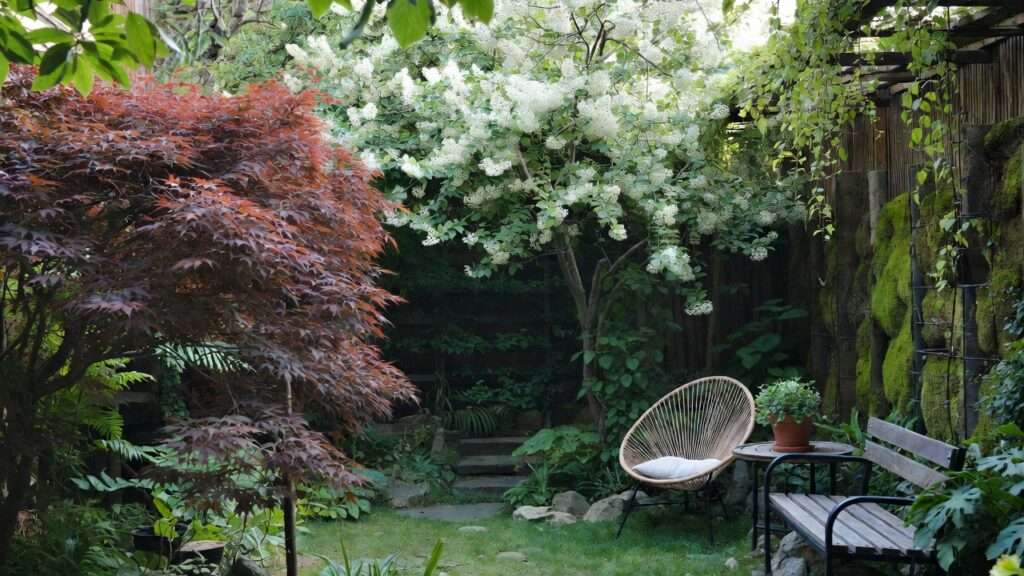
Imagine stepping out your back door into a compact oasis that feels spacious, serene, and perfectly tailored to your life. Lush greenery frames a cozy seating nook, a small tree casts dappled shade over your morning coffee spot, and colorful blooms attract butterflies—all without the yard feeling crowded or demanding endless weekends of upkeep. For many homeowners in urban or suburban settings with limited outdoor space, this dream seems out of reach. But balancing aesthetics and function in small yards is not only possible—it’s achievable with thoughtful plant and tree choices, clever design principles, and practical strategies that maximize every square foot.
As a horticulturist with over 20 years of experience designing and maintaining compact landscapes, I’ve helped countless clients transform tiny backyards into beautiful, usable retreats. The secret? Prioritizing multi-functional elements: plants and trees that deliver visual appeal while providing shade, privacy, wildlife support, or even edible harvests. In this comprehensive guide, we’ll explore proven techniques to create that perfect harmony, drawing on real-world examples, expert-recommended species, and low-maintenance tips. Whether you’re dealing with a postage-stamp patio, a narrow side yard, or a modest suburban plot, these ideas will help your small yard feel larger, more inviting, and truly yours. Let’s dive in! 🌱
Why Small Yards Need a Balanced Approach
Small yards present unique challenges that larger spaces simply don’t face. Limited square footage means every plant or tree must earn its place—overcrowding leads to poor growth, increased maintenance, and a cluttered look. Shade from neighboring structures or fences can limit plant options, while privacy concerns often clash with the desire for open, airy aesthetics. Maintenance time is another big factor; busy homeowners want beauty without constant pruning, watering, or pest battles.
Yet the rewards of a well-balanced small yard are immense. A thoughtfully designed space can make your home feel more expansive, boost mental well-being through biophilic connections to nature, support pollinators and birds, and even increase property value with enhanced curb appeal. The key is intentionality: choosing compact, non-invasive root systems, layering heights for depth, and integrating hardscaping that complements living elements. In my practice, I’ve seen tiny yards transformed from barren patches into vibrant escapes simply by focusing on “less is more” with smarter selections.
Core Principles of Balancing Beauty and Practicality
To achieve true harmony in balancing aesthetics and function in small yards, follow these foundational principles:
Scale and Proportion — Choosing the Right Sizes Always check mature height, width, and root spread before planting. A “small” tree that grows 40 feet tall will quickly overwhelm a 20×20-foot yard. Opt for dwarf or compact cultivars that stay under 20-25 feet.
Multi-Purpose Design — Every Element Serves Double Duty Seek plants that offer more than one benefit: a flowering tree that provides spring blooms, summer shade, and fall color; or shrubs that screen views while attracting pollinators.
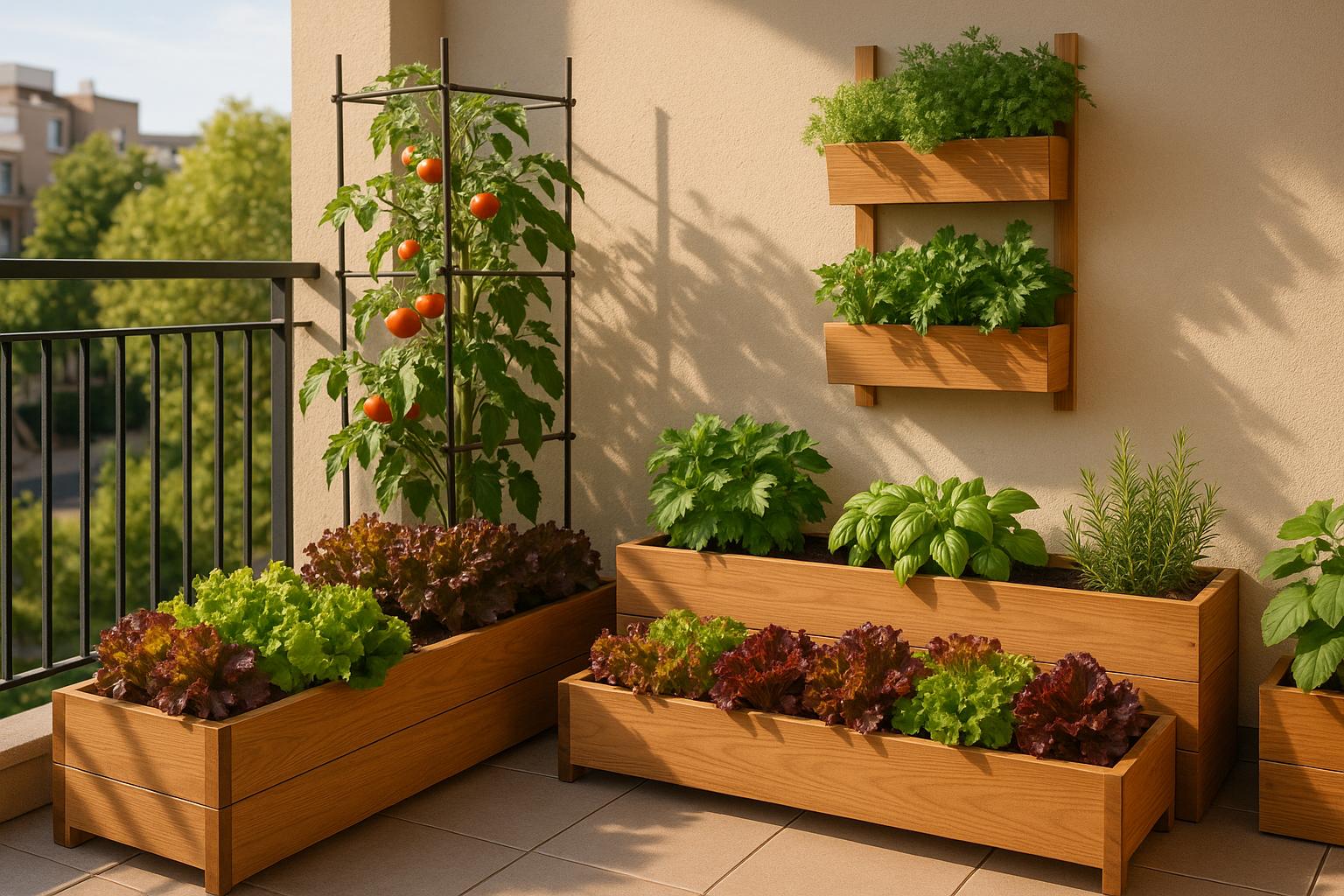
Vertical Gardening — Go Up to Free Up Ground Space Use trellises, arbors, or wall-mounted planters for vines and climbers. This draws the eye upward, creating the illusion of depth and freeing horizontal space for seating or pathways.
Layering for Depth — Create Illusion of More Space Plant in tiers: tall trees or shrubs at the back, mid-level plants in the middle, and low groundcovers or perennials upfront. This borrows from nature’s forest edge, making the yard feel richer and larger.
Seasonal Interest — Year-Round Appeal Without Overcrowding Select species with staggered bloom times, colorful foliage, interesting bark, or winter structure to keep the yard engaging all year—no bare patches in winter!
Smart Layout Strategies for Small Yards
Effective layout turns cramped into cozy. Start by zoning your space: designate areas for relaxation (a bench under a tree), dining (a small patio with potted edibles), and planting (raised beds along edges).
Pathways and Flow — Make the Yard Feel Bigger and More Inviting Curved paths of stepping stones or gravel draw visitors through the space, creating mystery and making it feel larger. Avoid straight lines that emphasize shortness.
Focal Points — Use a Small Tree or Sculptural Plant as the Star A single standout tree—like a weeping Japanese maple—becomes the visual anchor, drawing attention and organizing the rest of the design around it.
Hardscaping That Supports Plants — Raised Beds, Retaining Walls, and Built-In Seating Incorporate low walls or raised planters to define zones and improve soil drainage. Built-in benches with storage double as seating and hide clutter.
The Best Trees for Small Yards — Beauty Meets Function 🌳
Trees are the backbone of any balanced small yard, providing structure, shade, and seasonal drama without dominating the space. Here are top recommendations based on mature size, adaptability, and dual benefits:
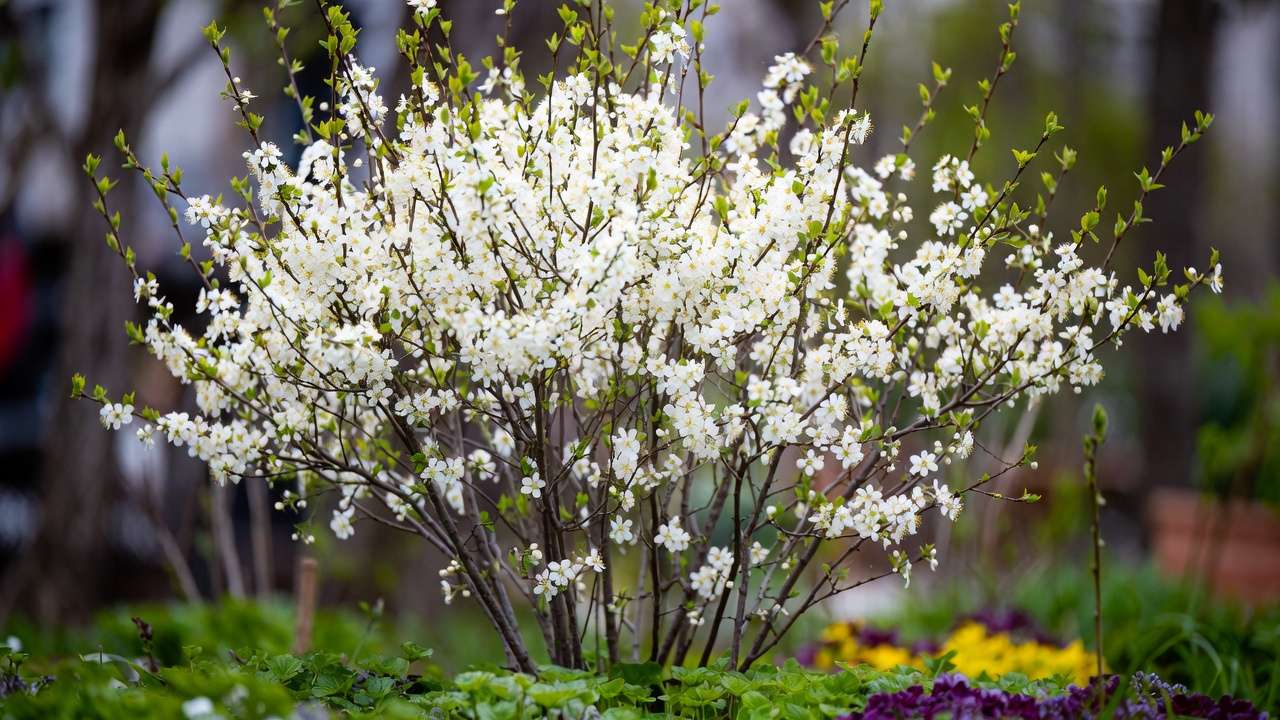
Ornamental Flowering Trees
- Eastern Redbud (Cercis canadensis): 15-25 feet tall, heart-shaped leaves, vibrant pink-purple spring blooms before leaves emerge. Attracts pollinators; shallow roots won’t damage patios. Zones 4-9.
- Serviceberry (Amelanchier spp.): 15-25 feet, white spring flowers, edible summer berries for birds (and you!), brilliant fall color. Multi-stem forms add interest. Zones 4-9.
- Flowering Dogwood (Cornus florida): 15-30 feet, showy white or pink bracts in spring, red berries and foliage in fall. Prefers partial shade. Zones 5-9.
Compact Evergreens for Privacy and Year-Round Structure
- Dwarf Alberta Spruce (Picea glauca ‘Conica’): 6-8 feet tall, dense pyramidal shape for natural screens or accents. Low-maintenance, deer-resistant. Zones 2-7.
- Narrow Arborvitae (Thuja occidentalis cultivars like ‘North Pole’): 10-15 feet tall, slim columnar form ideal for tight spaces and privacy hedges. Evergreen foliage stays green year-round. Zones 3-7.
Fruiting Trees That Double as Edibles
- Dwarf Apple or Columnar Varieties: 8-12 feet, spring blooms, summer/fall fruit. Great for small patios; pollinator-friendly. Choose self-fertile types. Zones vary (often 4-8).
- Fig (Ficus carica dwarf cultivars): 8-10 feet, large tropical leaves, delicious fruit in warm climates. Container-friendly for colder zones. Zones 7-10.
Shade Providers Without Overwhelm
- Japanese Maple (Acer palmatum): 10-20 feet, stunning red/orange fall color, delicate foliage. Many weeping or dwarf forms perfect for patios. Zones 5-8.
- Kousa Dogwood (Cornus kousa): 15-30 feet, star-shaped white blooms in late spring, raspberry-like fruit, exfoliating bark. Disease-resistant alternative to native dogwood. Zones 5-8.
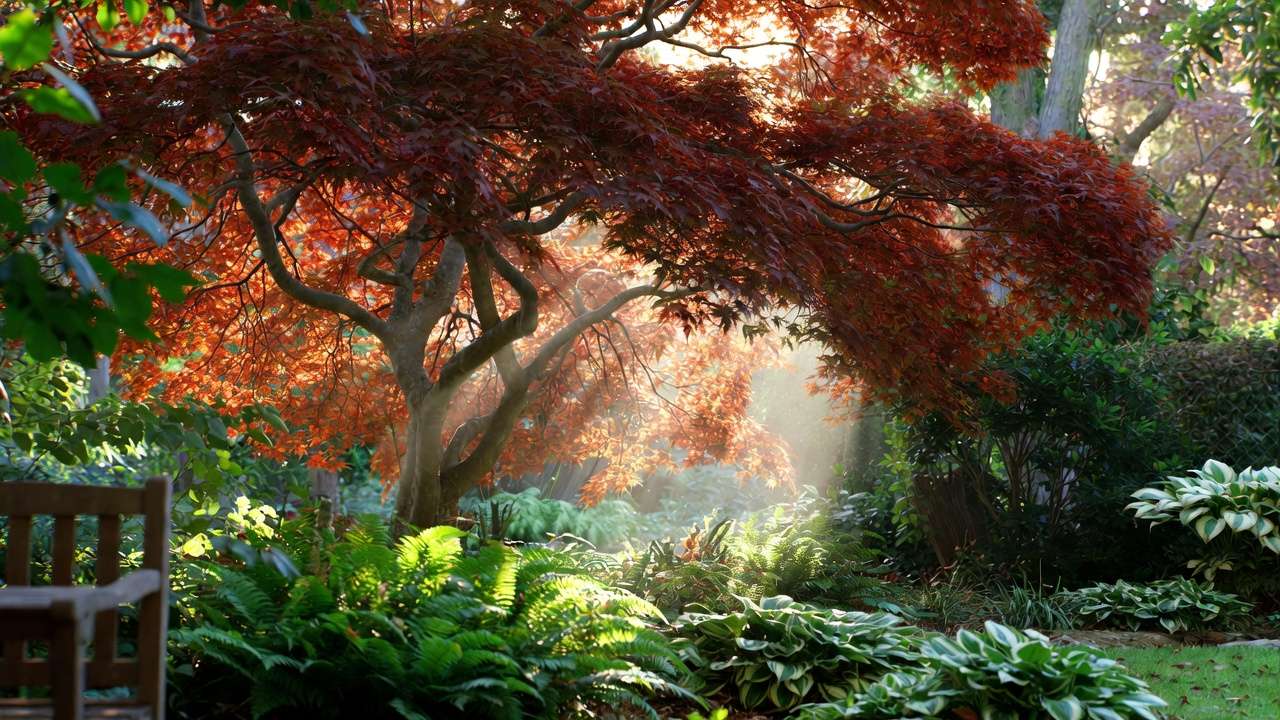
Plant these at proper spacing (check mature width!), amend soil well, and mulch to retain moisture.
Top Plants and Shrubs to Elevate Aesthetics and Usability
Complement trees with supporting plants for layered beauty:
Low-Maintenance Perennials for Color and Pollinators Coneflowers, black-eyed Susans, and salvias bloom reliably with minimal care.
Vertical Climbers and Vines for Privacy Screens Clematis or climbing hydrangea on trellises add height and flowers without ground space.
Compact Shrubs for Borders and Structure Dwarf hydrangeas, boxwoods, or viburnum provide evergreen or flowering hedges.
Edible and Fragrant Options Dwarf blueberries, herbs like rosemary, or fragrant lavender for sensory delight.
Drought-Tolerant and Native Plants for Sustainability Choose natives adapted to your region for lower water use and better wildlife support.
Integrating Plants and Trees for Maximum Impact
The magic happens when trees, shrubs, perennials, and vines work together in harmonious layers. This “forest edge” approach creates depth and makes even the tiniest yard feel expansive and alive.
Start with a focal small tree (like a Japanese maple for stunning fall color or a serviceberry for multi-season interest), then build downward:
- Understory Plants — Shade-tolerant ferns, hostas, heuchera, and astilbe thrive beneath canopy trees, filling gaps with lush texture and soft color.
- Mid-Level Shrubs — Compact hydrangeas, dwarf viburnum, or butterfly bush add structure and blooms at eye level.
- Ground-Level Accents — Low-growing natives like creeping phlox or sedum create a living carpet that suppresses weeds and softens hard edges.
Containers offer flexibility: move potted dwarf citrus or herbs to sunny spots in summer, then shelter them in winter. Mix textures boldly—fine, feathery grasses contrast with bold hosta leaves, while variegated foliage adds brightness in shady corners.
Don’t forget evening magic: Install low-voltage uplights to highlight exfoliating bark on a kousa dogwood or the delicate silhouette of a weeping Japanese maple. Solar-powered string lights woven through climbers extend usability into the night.
Here are a few inspiring visuals of layered small-yard designs:
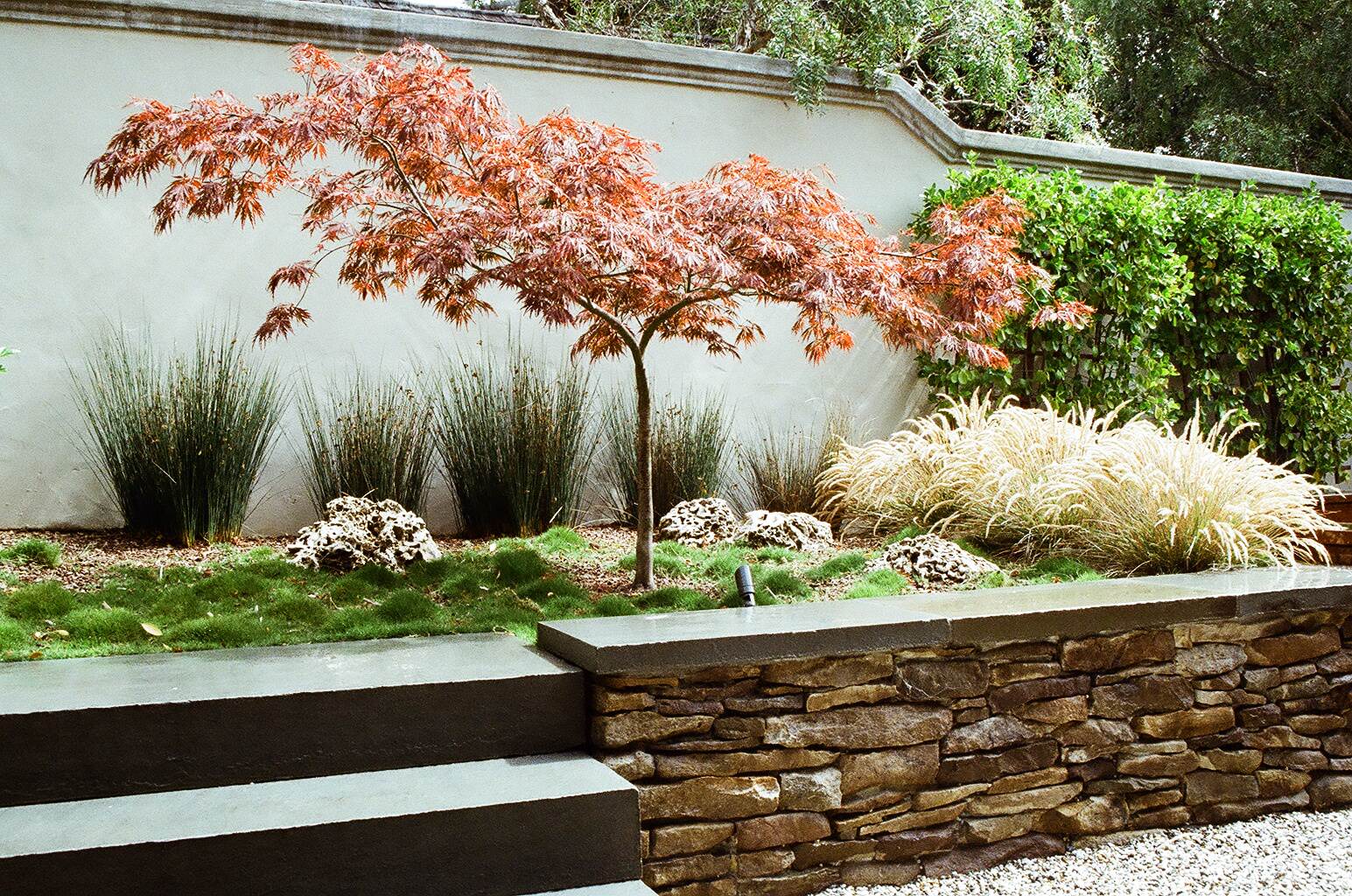
These examples show how strategic layering and a focal tree create depth without overwhelming the space.
Low-Maintenance Tips to Keep Your Small Yard Thriving
Beauty that lasts requires smart upkeep—especially in tight spaces where problems spread quickly.
- Soil Prep and Mulching Secrets — Test soil pH and nutrients before planting (most small-yard trees prefer slightly acidic, well-drained loam). Mix in 2–3 inches of compost, then top with 2–3 inches of organic mulch (shredded bark or pine needles) to retain moisture, regulate temperature, and suppress weeds. Replenish mulch annually.
- Water-Wise Irrigation Ideas — Drip lines or soaker hoses deliver water directly to roots, reducing waste and fungal issues. Group plants by water needs (e.g., drought-tolerant lavender with rosemary). Rain barrels capture runoff for sustainable watering.
- Pruning and Maintenance Schedules for Trees and Shrubs — Prune flowering trees right after bloom to preserve next year’s buds. Shape evergreens lightly in early spring. Remove dead or crossing branches annually to maintain airflow and health.
- Pest and Disease Prevention in Compact Spaces — Choose resistant cultivars (e.g., disease-resistant dogwoods). Encourage beneficial insects with diverse blooms. Inspect regularly—early intervention with neem oil or insecticidal soap prevents major issues.
These habits keep maintenance under 2–3 hours per month once established.
Real-Life Examples and Case Studies
Real transformations prove these principles work:
Case Study 1: Urban Patio Makeover A 12×15-foot concrete patio in a city townhouse felt barren. Solution: A columnar ‘North Pole’ arborvitae for narrow privacy screening, vertical cedar trellises with clematis vines, and large pots of dwarf fruit trees (fig and columnar apple) plus herbs. Raised metal planters along one wall held edibles and perennials. Result: A lush, private retreat that doubled usable space visually. Maintenance dropped with drip irrigation and mulch.

Case Study 2: Suburban Backyard Edible Oasis A 20×25-foot yard with poor soil became an edible haven using raised cedar beds for lettuce, tomatoes, and dwarf blueberries, framed by a central serviceberry tree for shade and berries. Pollinator perennials (coneflower, salvia) added color. Before: Mostly lawn. After: Fresh produce, wildlife, and a cozy bench nook.
Case Study 3: Shady Corner Transformation A north-facing 15×20-foot space under mature neighbors got a Japanese maple focal point, surrounded by ferns, heuchera, and hostas in tiers. Gravel paths and a small bench created serenity. The red fall foliage became a seasonal highlight.
:max_bytes(150000):strip_icc()/OfficialWebsiteofSaraBendrick-LandscapeDesignAfterPhotos-GrantSukchindasathien-4of18-20130126-untitledshoot-untitled-3732-633302eb701f44a88a38556b1747ef59.jpg)
These show how starting small with one key tree and building layers yields big impact.
Common Mistakes to Avoid
- Overplanting — Crowding leads to competition, disease, and a cramped feel. Stick to 60–70% open space.
- Ignoring Mature Sizes — Planting a “small” tree that grows too large ruins balance. Always research 10–20-year size.
- Poor Plant Selection for Conditions — Sun-lovers in shade fail fast. Match species to your yard’s light, soil, and zone.
- Neglecting Hardscaping Balance — Too much concrete feels cold; too little makes maintenance hard. Aim for harmony.
FAQs About Balancing Aesthetics and Function in Small Yards
What’s the best small tree for privacy? Narrow evergreens like ‘North Pole’ arborvitae or ‘Sky Pencil’ holly offer slim, tall screens without wide spread.
How do I make my tiny yard feel bigger? Use vertical elements, curved paths, mirrors on fences, light colors, and layering to borrow views and create depth.
Can I grow fruit trees in small spaces? Yes—dwarf, columnar, or container varieties (e.g., dwarf apple, fig) thrive with proper pruning and pollination.
What plants attract pollinators without much upkeep? Natives like coneflower, black-eyed Susan, bee balm, and salvia bloom reliably and need minimal care.
How much sun do most small-yard trees need? Varies: Japanese maples and dogwoods prefer partial shade; redbuds and serviceberries handle full sun to part shade.
Is vertical gardening worth it in small yards? Absolutely—vines on trellises add height, privacy, and blooms while saving ground space.
How do I prevent my small yard from looking cluttered? Limit plant palette (3–5 colors/types), repeat elements, and use mulch/groundcover to unify.
What’s a low-maintenance focal point tree? Serviceberry or kousa dogwood—minimal pruning, few pests, multi-season interest.
Conclusion
Balancing aesthetics and function in small yards comes down to smart, intentional choices: select compact, multi-purpose plants and trees, layer thoughtfully, and integrate practical features that enhance usability. The result? A space that feels larger, supports your lifestyle, boosts biodiversity, and brings joy year-round.
Start small—pick one standout tree (perhaps a Japanese maple for drama or a dwarf fruit tree for harvests), add a few supporting plants, and build from there. Your yard doesn’t need to be big to be beautiful and functional.
Ready to assess your space? Grab a tape measure, note sun patterns, and choose 2–3 plants from this guide. Your personal oasis awaits—happy planting! 🌸🌳











