
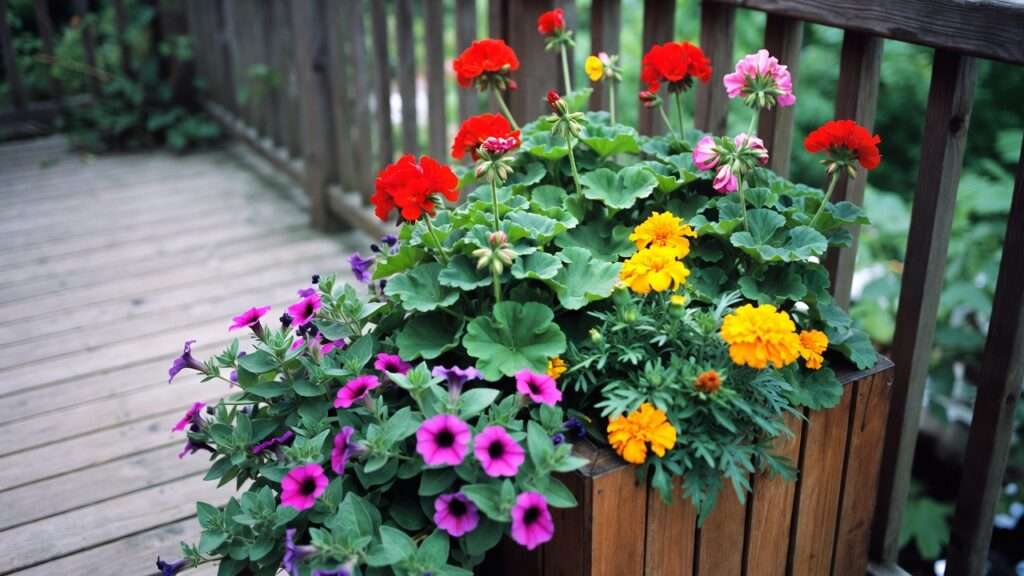
Have you ever planted a gorgeous container full of vibrant annuals, only to watch it fade into a sad, leggy mess by midsummer? Or perhaps you’ve tried perennials in pots, hoping for year-after-year beauty, but ended up with underwhelming results because they looked sparse or didn’t survive the winter? 😩 If you’re tired of constantly replanting or dealing with lackluster pots, mixing annuals and perennials in containers is the game-changer you’ve been searching for.
This clever approach combines the instant wow-factor and nonstop color of annuals with the reliable structure, deeper roots, and returning performance of perennials. The result? Eye-catching displays that bloom longer, require less frequent replacement, attract more pollinators 🐝, and evolve beautifully through the seasons — all while saving you time and money.
In this comprehensive guide, I’ll share expert strategies drawn from years of container gardening experience (and proven horticultural principles from sources like Proven Winners and Walters Gardens). Whether you’re a beginner with a small balcony in Dhaka or an avid gardener wanting low-maintenance patio magic, you’ll discover how to create professional-looking, long-lasting container gardens that thrive. Let’s turn your pots into showstoppers! 🌸
Why Mix Annuals and Perennials in Containers? 📊
Annuals burst into bloom quickly, filling your containers with bright, bold color all season long. Perennials, on the other hand, return year after year, providing backbone structure, interesting foliage, and often extended bloom times or winter interest.
By blending them:
- You get instant impact from annual fillers and spillers + sustained longevity from perennial thrillers.
- Containers stay fuller and more dynamic as perennials anchor the design while annuals add seasonal pops.
- It’s cost-effective: Invest in a few hardy perennials once, then refresh with affordable annuals annually.
- Pollinators love the variety — bees, butterflies, and hummingbirds flock to diverse blooms! 🦋
- Perfect for small spaces, urban balconies, or anyone wanting easy-care yet high-reward gardening.
This method adapts the classic “thriller-filler-spiller” rule for mixed longevity, making your pots look polished and professional rather than temporary.
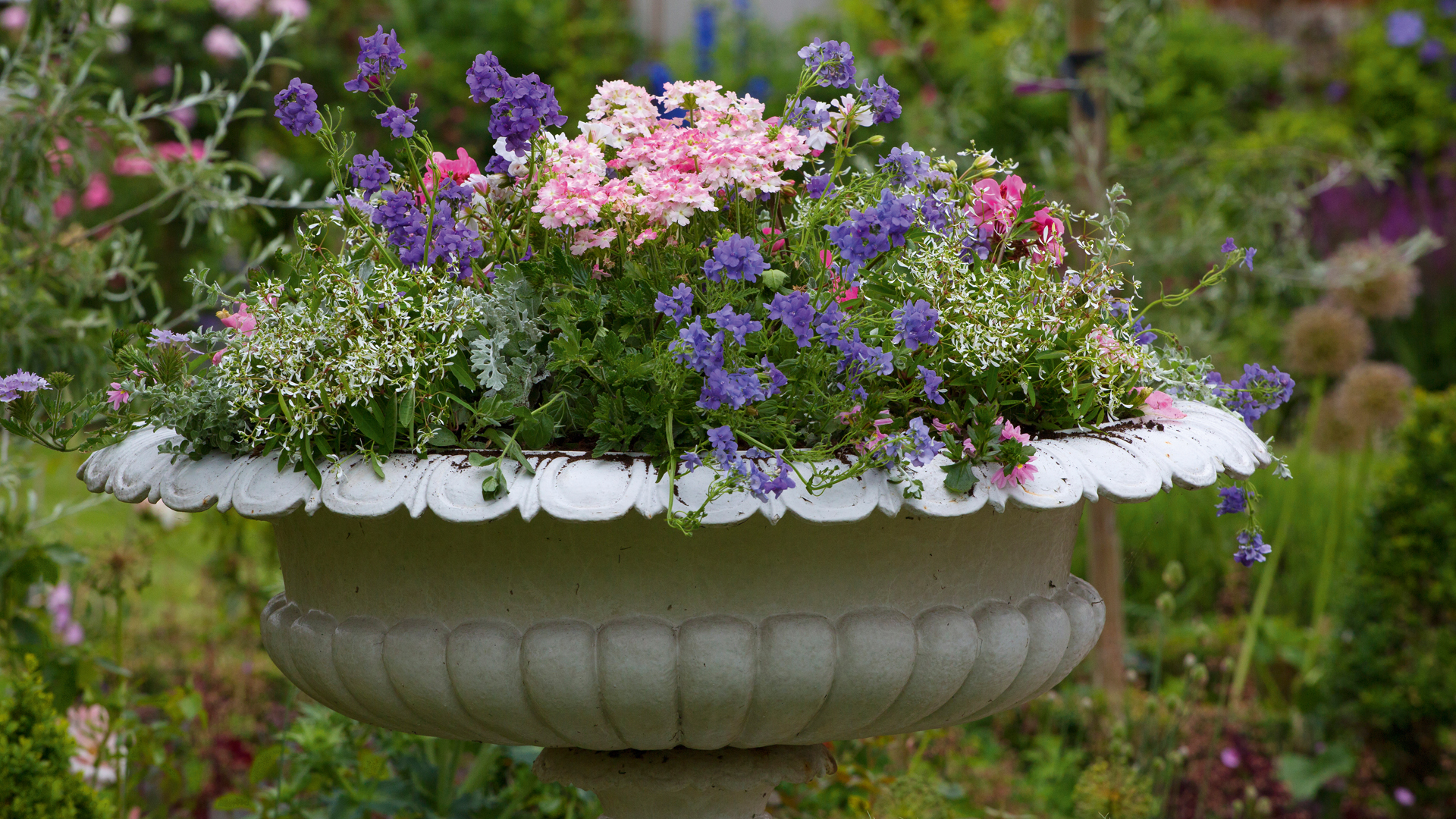
(These examples show the lush, layered beauty possible with mixed plantings!)
Choosing the Right Container: Foundation for Success 🪴
The pot is more than decoration — it’s the plant’s home. For mixing annuals and perennials:
- Size: Go big! Minimum 14–18 inches in diameter and depth for root space (larger 20–24″ for perennials to thrive long-term). Small pots dry out fast and restrict perennial growth.
- Material: Terracotta breathes but dries quickly; plastic retains moisture better; ceramic or glazed adds style but check for drainage. Wood or fiberglass offers insulation against heat/cold.
- Drainage: Essential! Multiple holes + a layer of gravel, broken pottery shards, or pot feet to prevent root rot.
- Location: Match to your space — full sun (6+ hours), part shade (4–6 hours), or shade. Consider wind exposure and mobility (add wheels for easy overwintering moves).
Pro tip: In hot climates like Dhaka, lighter-colored pots reflect heat and reduce stress on roots. 🌞
Selecting the Perfect Plants: Matching Needs & Styles 🌺
Success starts with harmony. Always group plants with similar light, water, and soil preferences to avoid one starving while another drowns. ⚖️
Use the adapted thriller-filler-spiller framework:
Thriller (tall, focal point — often a perennial for structure):
- Dwarf coneflower (Echinacea), salvia, compact ornamental grasses, heuchera (coral bells), lavender, or small hostas (for shade).
Filler (mid-level volume and color):
- Perennials: Heuchera, catmint (Nepeta), compact daylilies, coreopsis.
- Annuals: Petunias, calibrachoa (Million Bells), geraniums, zinnias, marigolds, verbena.
Spiller (trailing over edges for drama):
- Perennials: Creeping phlox, hardy sedum, trailing ivy.
- Annuals: Sweet potato vine (Ipomoea), lobelia, bacopa, cascading petunias.
Top Perennial Picks for Containers (proven performers):
- Heuchera (vibrant foliage year-round)
- Echinacea (pollinator magnet, long bloom)
- Lavender (fragrant, drought-tolerant)
- Coreopsis (cheerful daisy-like flowers)
- Compact salvia or catmint
Best Annual Companions:
- Calibrachoa, Superbells series
- Petunias (Supertunia Vista for vigor)
- Lantana, verbena for heat-loving color
Choose natives or pollinator-friendly varieties when possible for eco-benefits.

(Sweet potato vine as a stunning spiller with colorful annuals!)
Design Principles for Eye-Catching Combos 🎨
- Thriller-Filler-Spiller adapted: Perennial thriller in center/back, annual fillers around, spillers cascading.
- Color theory: Complementary (purple + yellow), analogous (blues/purples), or monochromatic for elegance.
- Texture contrast: Feathery grasses vs. bold leaves; upright vs. mounding habits.
- Seasonal interest: Early bloomers (pansies), mid (salvia), late (asters) + evergreen perennials for structure.
- Pro tips: Use odd numbers (3–5 plants total), repeat colors/textures for unity, create focal points.
Step-by-Step Planting Guide: How to Mix Successfully 🛠️
- Prep: Clean pot, add drainage layer, fill with high-quality potting mix (add slow-release fertilizer + compost).
- Arrange: Place thriller first, then fillers, spillers last. Adjust for balance.
- Plant: At same depth as nursery pots; space for growth (avoid overcrowding).
- Water thoroughly; mulch top with bark or pebbles for moisture/weed control.
- Position in ideal light; water daily until established.
Care Tips for Long-Lasting Displays 🌞💧
Once your mixed container is planted, consistent care keeps it looking fabulous month after month. Here’s how to maintain peak performance:
- Watering: Containers dry out faster than garden beds, especially in Dhaka’s warm, humid climate. Water when the top 1–2 inches of soil feel dry (use the finger test). In peak summer heat, this might mean daily watering; early morning is best to reduce evaporation and fungal issues. Perennials often need slightly less frequent deep watering once established, while annuals thrive on consistent moisture. Always water thoroughly until it drains out the bottom.
- Fertilizing: Start with a slow-release granular fertilizer mixed into the potting soil at planting. Follow up with a balanced liquid fertilizer (like 10-10-10 or bloom-booster formulas) every 2–4 weeks during the growing season. In hot, rainy periods, nutrients leach quickly — don’t skip feeds! Organic options like fish emulsion or seaweed extract work wonderfully for natural boosts.
- Pruning & Deadheading: Remove faded blooms from annuals (petunias, calibrachoa) to encourage continuous flowering. Pinch back leggy growth on fillers for bushier plants. For perennials like salvia or catmint, shear back after the first bloom flush for a second wave. Trim any damaged leaves to maintain tidy appearance and airflow.
- Pest & Disease Prevention: Good spacing and airflow reduce issues. Watch for aphids, spider mites, or powdery mildew (common in humid areas). Use neem oil spray or insecticidal soap as a safe first defense. Remove affected parts promptly.
- Seasonal Maintenance: Rotate pots occasionally for even growth. Refresh tired annuals mid-season if needed. In late summer/fall, add cool-season annuals like pansies or ornamental kale for extended color.
These simple habits can easily double or triple the display life of your containers! 🌼
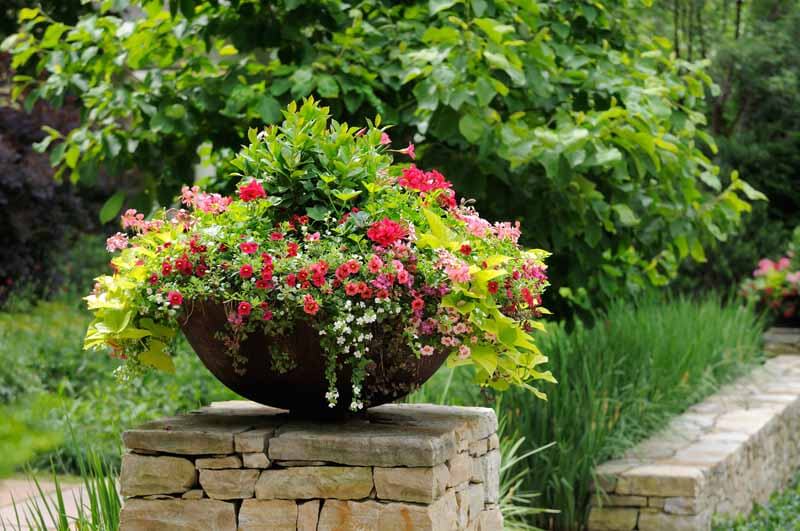
(Lush mixed containers with vibrant annuals cascading beautifully!)
10 Stunning Real-World Plant Combination Examples 🌈
Here are proven, beautiful combos tailored for different light conditions and seasons. These have been tested in real gardens and perform reliably:
- Sun-loving Summer Stunner (Full sun, zones 5–9): Echinacea (perennial thriller) + calibrachoa (annual filler) + sweet potato vine (spiller). Pollinator heaven with long-lasting purple/pink/orange tones.
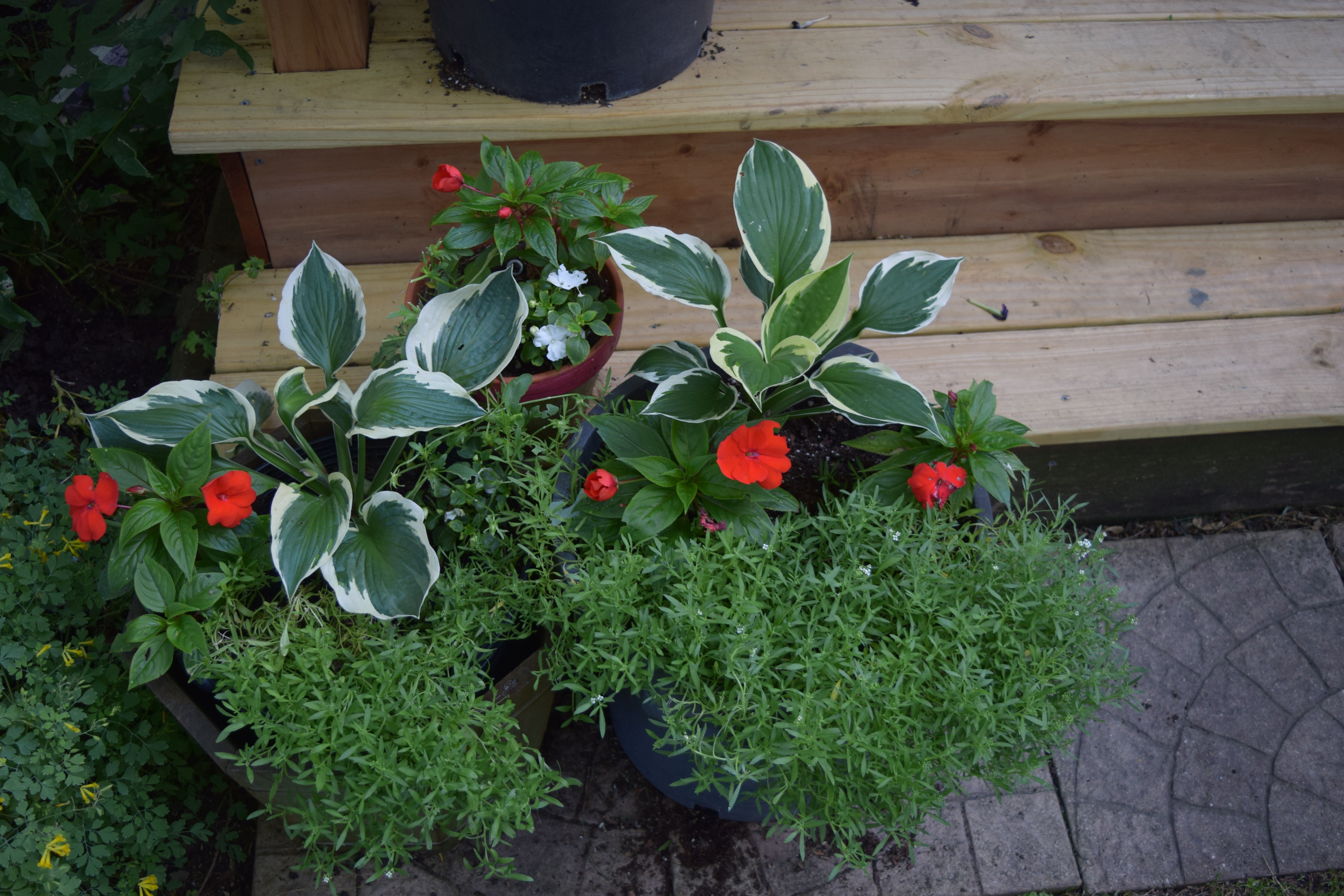
- Shade Elegance (Part to full shade): Hosta (perennial thriller/foliage star) + heuchera (colorful filler) + impatiens or New Guinea impatiens (bright annual pops). Lush, low-maintenance tropical feel.
- Pollinator Paradise (Full sun): Salvia (perennial thriller) + lantana (heat-loving filler) + verbena (trailing spiller). Bees and butterflies can’t resist!
- Fall Extension Combo (Sun to part shade): Compact ornamental grass (perennial structure) + chrysanthemum (seasonal filler) + pansy/viola (cool-weather spiller). Extends beauty into autumn.
- Year-Round Interest (Sun/part shade): Lavender or dwarf conifer (evergreen perennial thriller) + trailing sedum (perennial spiller) + seasonal annual accents like marigolds or petunias swapped as needed.
- Bold Tropical Vibes (Full sun, warm climates): Canna lily (tall perennial) + coleus (colorful filler) + sweet potato vine or bacopa.
- Fragrant Delight (Sun): Lavender (perennial) + nemesia or stock (fragrant annual fillers) + trailing thyme.
- Foliage-Focused Shade Pot: Heuchera + fern + torenia (wishbone flower annual).
- Edible-Ornamental Mix: Compact strawberry (perennial) + nasturtium (edible annual spiller) + herbs like oregano.
- Monochromatic Magic (Part shade): Purple heuchera + lobelia + calibrachoa in shades of violet/pink for elegant harmony.
Experiment with these — they’re flexible and forgiving! 🌟
Common Mistakes to Avoid (Problem-Solving Section) ❌
Even experienced gardeners slip up sometimes. Dodge these pitfalls:
- Mismatched needs (e.g., drought-tolerant lavender with thirsty impatiens → one suffers).
- Too-small pots: Perennials become root-bound quickly; upgrade every 2–3 years.
- Overcrowding: Plants compete for water/light/nutrients — leave room to grow.
- Poor drainage → root rot (always add holes + gravel layer).
- Skipping fertilizer: Annuals especially starve in pots.
- Ignoring winter: Pots freeze faster than ground; protect perennials (more below).
Fix these early and your displays will thrive longer.
Overwintering & Year-Round Strategies ❄️→🌷
In cooler climates (or even mild Dhaka winters with occasional cold snaps), perennials in containers are more vulnerable because roots freeze faster without ground insulation.
- Group pots together in a sheltered spot (against a wall) and mulch heavily with straw or leaves.
- Wrap pots in burlap, bubble wrap, or horticultural fleece for insulation.
- Move tender perennials (e.g., some salvias) to a garage or unheated porch when temps drop below 5°C.
- Water sparingly in winter — only if soil is dry to avoid rot.
- In spring, refresh soil, divide overgrown perennials, and replant tired annuals.
For Dhaka’s subtropical zone, most hardy perennials survive outdoors with minimal protection — just shelter from heavy monsoon winds.
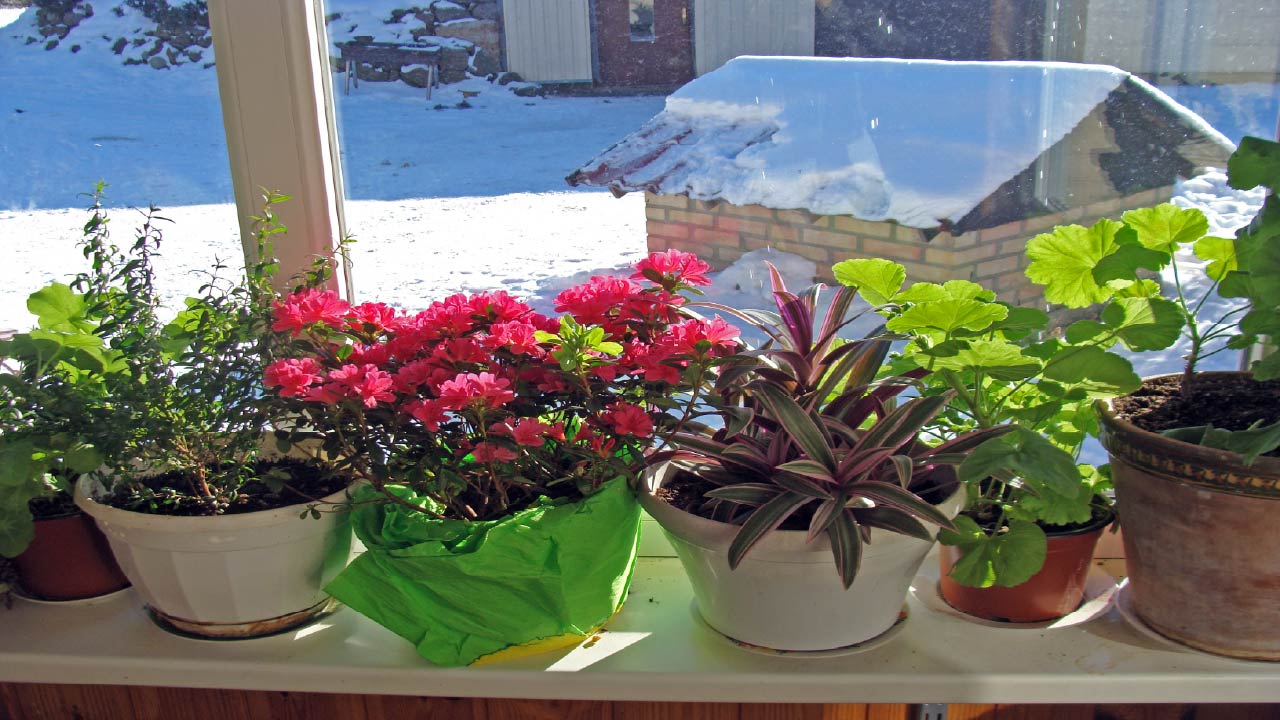
(Protected potted perennials ready to overwinter beautifully!)
Expert Insights & Pro Tips from Years of Experience 🧠
After decades working with container designs, here are my go-to secrets:
- Start small: Use 1–2 perennials as anchors, then layer affordable annuals — easy on the budget.
- Go native/pollinator-friendly: Plants like echinacea or coreopsis support local ecosystems 🐝.
- Propagate: Divide perennials every few years for free new plants.
- Sustainability: Use peat-free potting mixes and rainwater when possible.
- Personal favorite for Dhaka heat: Drought-tolerant combos with lavender, sedum, and verbena — low water, high impact.
Frequently Asked Questions (FAQ) ❓
Can perennials survive winter in containers? Yes, especially hardy ones (USDA zones 5+ equivalents). Insulate pots, group them, and reduce watering.
How often should I water mixed pots? Check daily in summer; water when top soil is dry. Morning is ideal.
Best perennials for beginners in pots? Heuchera, coreopsis, lavender, compact echinacea — tough and forgiving.
Do annuals compete with perennials? Not if spaced properly and needs match. Perennials provide long-term structure; annuals add flash.
How to refresh for fall/winter? Replace spent annuals with pansies, kale, or mums; mulch perennials well.
Conclusion: Transform Your Space Today! 🌟
Mixing annuals and perennials in containers isn’t just gardening — it’s creating living art that evolves, saves money, and brings joy season after season. Start with one pot this year: pick a large container, choose harmonious plants, follow the steps above, and watch the magic unfold.
Your balcony, patio, or entryway can become a stunning, ever-changing display — year after year. 🌸 What combo will you try first? Drop a comment or share your results — I’d love to hear!











