
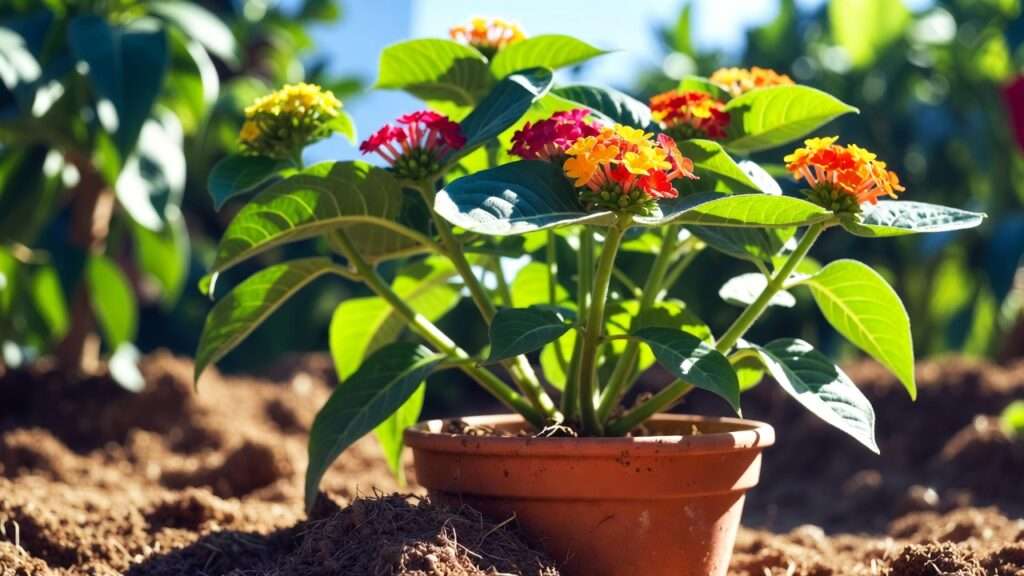
Have you ever stared at your favorite potted monstera or vibrant petunia container and wondered why it’s not thriving like it used to? The leaves look a bit pale, growth has stalled, or those promised blooms just aren’t showing up — even though you’re watering perfectly and giving it plenty of light. 😔 The secret culprit is often inconsistent or mistimed fertilizing. In the confined world of pots, nutrients leach out quickly with every watering, unlike garden soil where roots can spread far and wide for more food.
A proper fertilizer schedule for potted plants is essential to unlock lush, vibrant growth year-round. Whether you’re tending indoor houseplants on a sunny windowsill or outdoor containers bursting with flowers and veggies, getting the “when” and “how often” right prevents deficiencies, avoids costly mistakes like fertilizer burn, and rewards you with healthier, more resilient plants. In this ultimate guide — backed by insights from university extensions like the University of Minnesota (UMN Extension) and Iowa State University, plus decades of practical gardening experience — you’ll get a clear, seasonal schedule tailored to different plant types, plus expert tips to make your potted collection thrive like never before. 🌱💚
By the end, you’ll know exactly when to start feeding in spring, how to ramp up during summer peaks, when to taper off in fall, and why skipping winter feeding saves your plants from harm. Let’s dive in and transform those pots into showstoppers!
Why Potted Plants Need Regular Fertilizing 🌱
Unlike plants growing directly in the ground, potted plants live in a limited ecosystem. Potting mix is designed for excellent drainage, but that means nutrients wash away fast during watering — especially if you’re diligent about keeping soil moist. Roots can’t escape to find fresh minerals, so depletion happens quicker than you think. 🪴
Without a consistent fertilizer schedule for potted plants, common issues arise:
- Pale or yellowing leaves (often starting at the bottom)
- Stunted or leggy growth
- Fewer flowers or fruits
- Weak stems prone to pests and diseases
The good news? A thoughtful feeding routine delivers balanced nutrition for lush foliage, abundant blooms, stronger roots, and better stress resistance (think heat, drought, or transplant shock). Regular, proper fertilizing can turn average pots into envy-worthy displays! 🌸
Understanding Fertilizer Basics: NPK and Types 📊
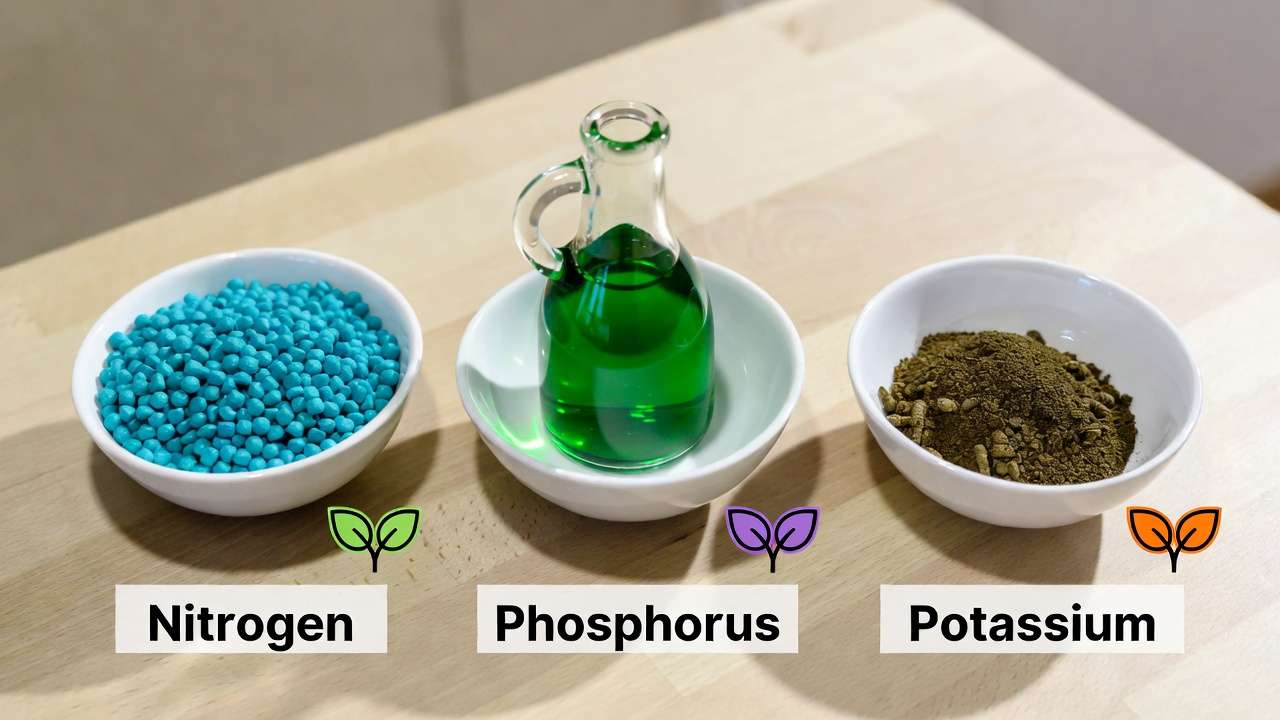
Before jumping into schedules, let’s decode what you’re actually giving your plants. Fertilizers are labeled with an NPK ratio — the percentages of three primary macronutrients:
- Nitrogen (N): Promotes lush, green leafy growth. Higher N is great for foliage plants like pothos or ferns.
- Phosphorus (P): Supports strong roots, flowering, and fruiting. Ideal for blooming annuals or edibles like tomatoes.
- Potassium (K): Boosts overall plant health, disease resistance, and water regulation. Key for stress-prone outdoor containers.
A balanced all-purpose fertilizer might be 10-10-10 or 20-20-20, while a bloom booster could be 15-30-15 (higher P). Many experts recommend a 3-1-2 ratio (like 9-3-6 or 12-4-8) as a safe baseline for most houseplants and containers.
Common types for potted plants:
- Water-soluble/liquid 🌊: Fast-acting; mix with water and apply during regular watering. Great for “weakly, weekly” feeding (half-strength to avoid burn).
- Slow-release/granular ⏳: Pellets or spikes that release nutrients over 2–6 months. Super convenient for forgetful gardeners.
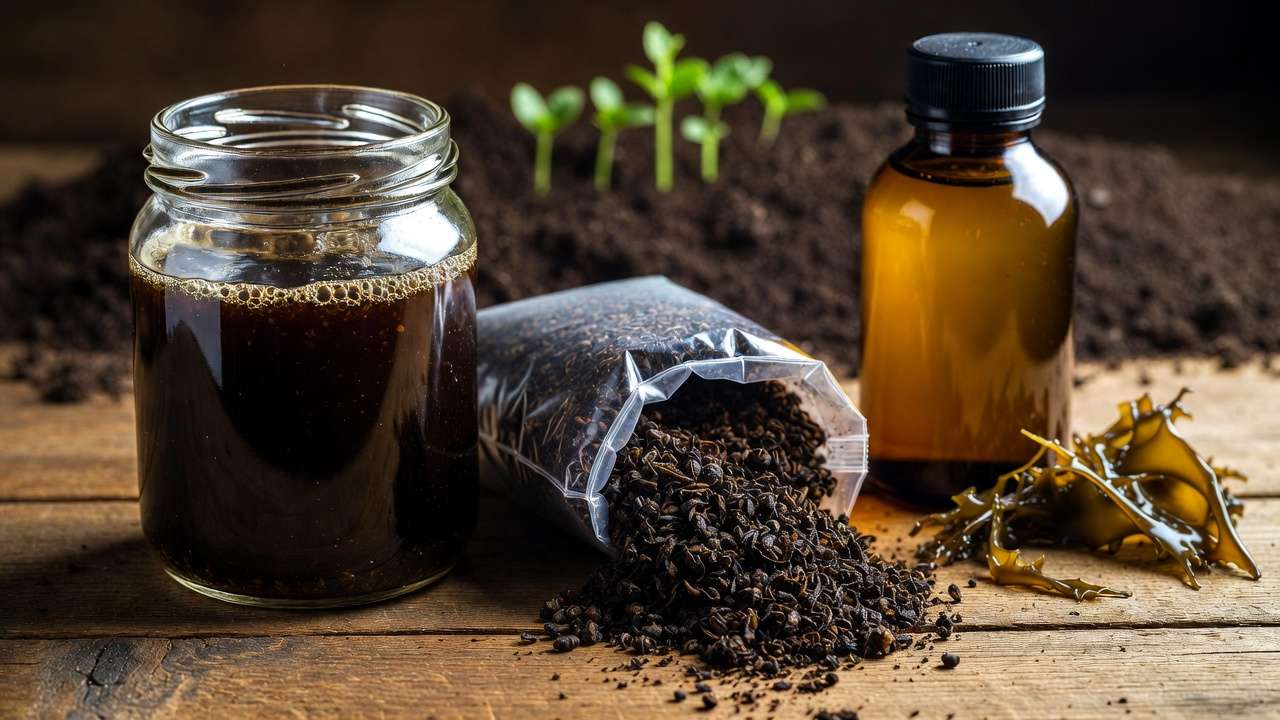
- Organic options 🍃: Compost tea, worm castings, fish emulsion, or kelp — slower release with added micronutrients and beneficial microbes for soil health.
Quick tip: Always start at half the label strength for potted plants — containers concentrate salts faster, and overdoing it leads to trouble.
The Ultimate Seasonal Fertilizer Schedule for Potted Plants 📅
The golden rule? Fertilize only during active growth periods. Plants rest in cooler, darker months, so extra nutrients can cause salt buildup, root burn, or weak, frost-vulnerable growth. Here’s a comprehensive, season-by-season plan adapted from trusted sources like UMN Extension and the Old Farmer’s Almanac, customized for most potted scenarios (adjust slightly for your local climate — in tropical areas, growth may continue year-round).
Spring: Awakening and Establishment 🌸 (March–May in most zones; start earlier indoors)
- When to start: 2–6 weeks after repotting or when you see new growth (longer days trigger it). For indoor plants, often early March; for outdoor pots, wait until after the last frost risk.
- Frequency: Every 2–4 weeks at half strength to gently kickstart roots and leaves without shocking the plant.
- What to use: Balanced NPK (e.g., 10-10-10 or 20-20-20) for root establishment and foliage.
- Pro tip: If using slow-release granules, apply once now for steady feeding through summer.
This phase builds strong foundations — skip it, and summer growth suffers!
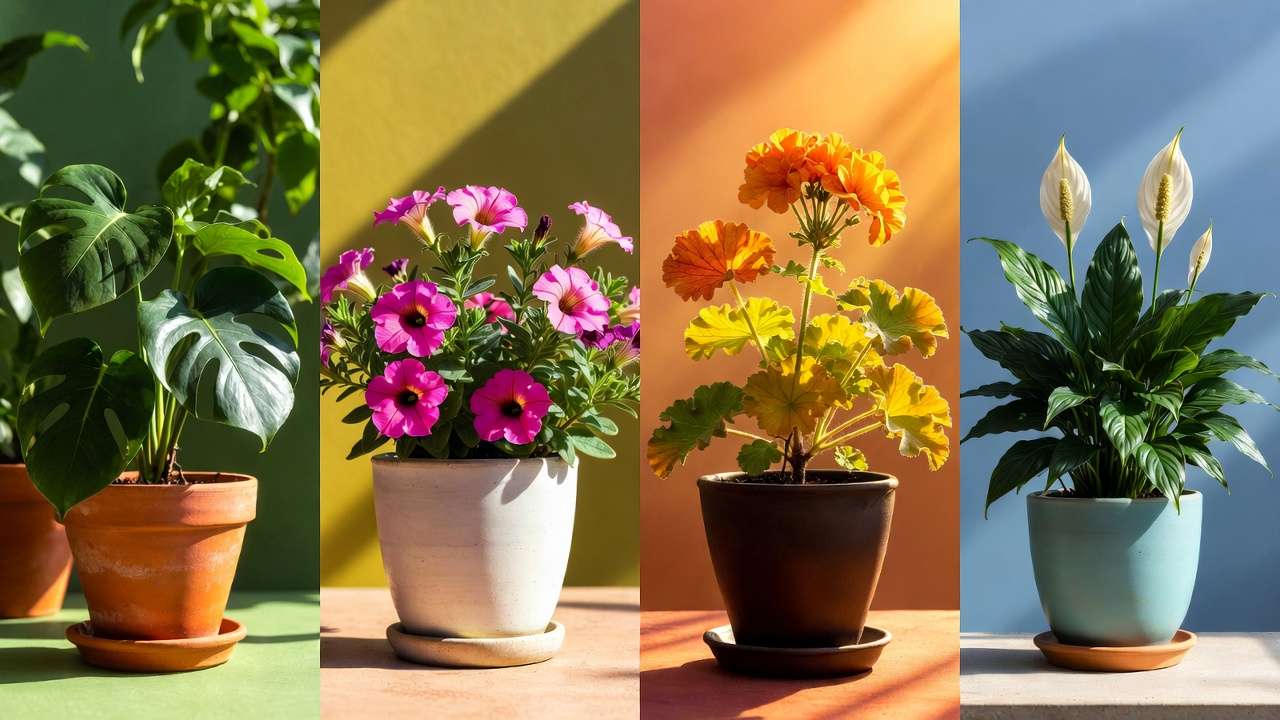
Summer: Peak Growth and Blooming ☀️ (June–August)
- Frequency: Weekly to bi-weekly for liquid (diluted); supplement slow-release if needed. Heavy feeders (petunias, tomatoes, veggies) love every 7–14 days; succulents or low-light houseplants every 3–4 weeks.
- What to use: Switch to bloom/fruit boosters (higher P/K, like 10-20-10) mid-summer if focusing on flowers or edibles. Stick with balanced for foliage-heavy plants.
- Why more often? Warmth + longer days = rapid growth and nutrient demand. Leaching is at its peak with frequent watering.
Expect lush results: bigger leaves, more blooms, and tastier harvests! 🍅🌺
Fall: Tapering Off for Rest 🍁 (September–November)
- Frequency: Reduce to every 3–4 weeks at half strength, then stop 6–8 weeks before expected dormancy (indoor: around October/November; outdoor: after first light frost).
- What to use: Balanced or low-N to harden off plants without encouraging tender new growth.
- Why taper? Plants prepare for rest; excess fertilizer stresses roots going into cooler months.
This prevents weak, leggy growth vulnerable to pests or cold snaps.
Winter: Dormancy – No (or Minimal) Feeding Needed ❄️ (December–February)
- Frequency: Skip entirely for most. Exceptions: Tropicals with steady growth (some Monstera, pothos under grow lights) — very dilute monthly at 1/4 strength.
- Risks: Winter fertilizing causes salt accumulation, root damage, and leggy, etiolated growth from low light.
Flush soil with plain water monthly to clear any buildup. Your plants will thank you come spring! 🛌
Quick-reference seasonal chart (imagine this as a colorful infographic in the full article):
- Spring: Start half-strength, every 2–4 weeks → Balanced
- Summer: Weekly/bi-weekly → Bloom/fruit focus
- Fall: Every 3–4 weeks, taper → Reduce
- Winter: Stop → Flush only
Tailoring the Schedule by Plant Type 🌿🪴
Not all potted plants have the same appetite! Heavy feeders guzzle nutrients quickly, while others prefer a light touch. Here’s how to customize the seasonal fertilizer schedule for potted plants based on common categories. These recommendations draw from university extension services (like Penn State, Oregon State, and UMN) and real-world experience from thousands of container gardeners.
Indoor Houseplants (Pothos, Monstera, Peace Lily, Snake Plant, ZZ Plant, Philodendron, etc.)
- Growth pattern: Many are tropicals with moderate year-round activity under good indoor light.
- Schedule:
- Spring–Summer: Every 4–6 weeks at ¼ to ½ strength (very dilute to prevent buildup in low-evaporation indoor conditions).
- Fall: Every 6–8 weeks, then taper.
- Winter: Monthly at ¼ strength only if the plant is actively growing under grow lights; otherwise skip.
- Best fertilizer: Balanced liquid (e.g., 20-20-20 or Miracle-Gro Indoor Plant Food) or slow-release pellets applied once in spring.
- Why cautious? Low light and stable temperatures mean slower nutrient use — overfeeding quickly causes tip burn or yellowing.
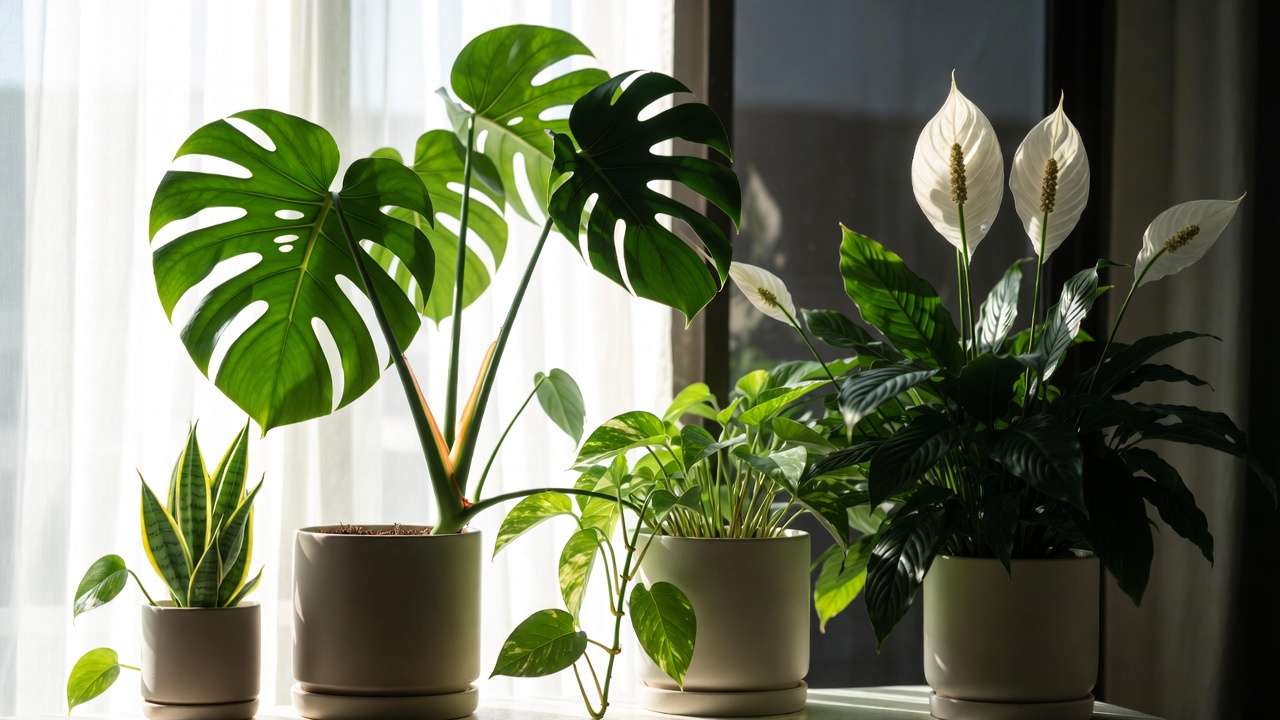
Outdoor Annuals & Flowering Containers (Petunias, Geraniums, Impatiens, Begonias, Calibrachoa, Million Bells)
- Growth pattern: Explosive summer bloomers that demand constant fuel.
- Schedule:
- Start 2–3 weeks after planting/transplanting (post-frost).
- Peak season (June–August): Every 7–10 days with liquid bloom booster (higher phosphorus/potassium, like 15-30-15 or 10-30-20).
- Late summer/fall: Reduce to every 2 weeks until flowering slows.
- Pro tip: Deadhead regularly + consistent feeding = non-stop color all season! 🌺
Edibles & Herbs in Pots (Tomatoes, Peppers, Basil, Cilantro, Strawberries, Dwarf Citrus)
- Growth pattern: Heavy feeders, especially fruiting vegetables.
- Schedule:
- Spring (establishment): Balanced every 2 weeks at half strength.
- Summer (flowering & fruiting): Every 7–14 days with tomato/vegetable formula (e.g., 5-10-10 or 4-18-38) or high-potassium organic fish emulsion.
- Stop 4–6 weeks before expected harvest end or first frost.
- Extra love: Calcium boosts (e.g., crushed eggshells or liquid calcium) prevent blossom-end rot in tomatoes and peppers. 🍅
Succulents, Cacti & Low-Maintenance Plants (Echeveria, Aloe, Jade, Haworthia, Christmas Cactus)
- Growth pattern: Slow growers adapted to lean conditions.
- Schedule:
- Spring–Summer: Every 4–8 weeks at ¼–½ strength with cactus/succulent or balanced fertilizer.
- Fall–Winter: Skip entirely (or once in late fall if growing under lights).
- Golden rule: When in doubt, don’t fertilize. These plants store nutrients and excess causes rot or stretching.
Special Cases
- Orchids: Use orchid-specific fertilizer (e.g., 30-10-10 or MSU formula) every other watering during active growth; flush monthly.
- Acid-loving plants (Azaleas, Gardenias, Blueberries in pots): Use acid-specific formulas (e.g., Miracid) every 4–6 weeks in growing season.
- Foliage-focused vs. flowering: High-nitrogen for lush leaves (ferns, coleus); high-P/K for blooms and fruit.
How to Apply Fertilizer Correctly (Step-by-Step) 💧
Getting the timing right is half the battle — application technique prevents most problems.
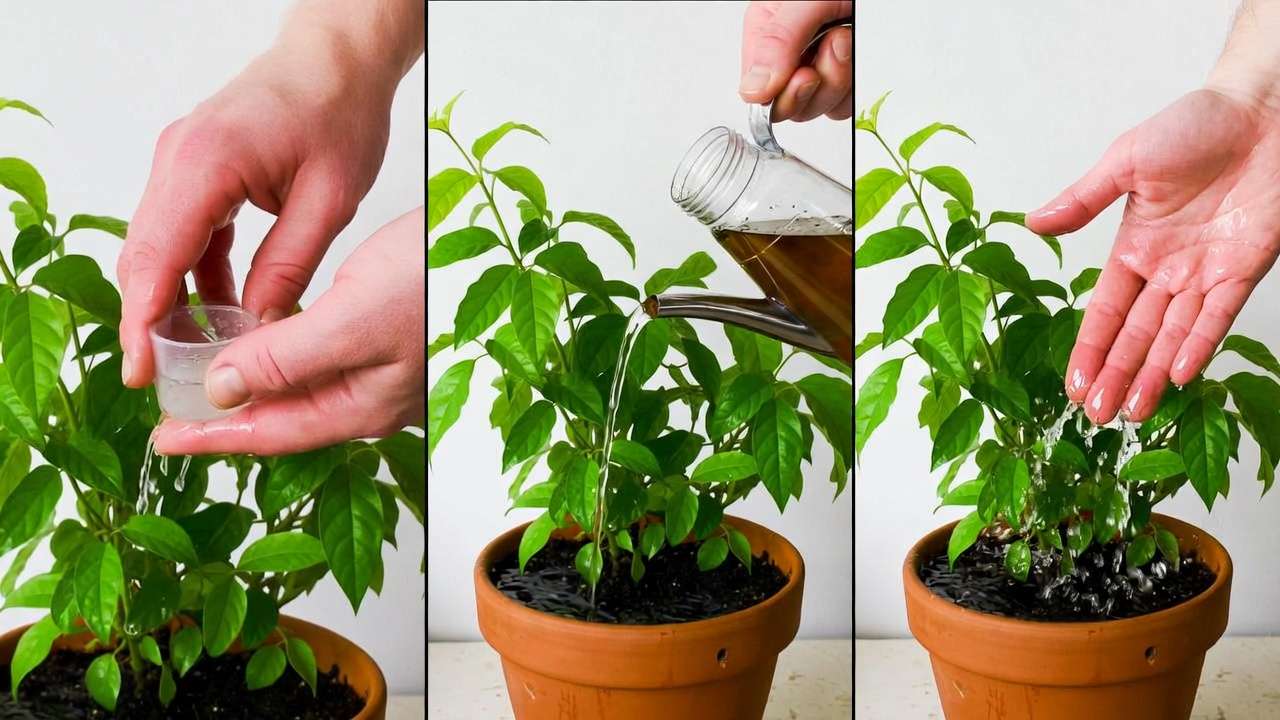
- Water first — Always moisten the soil thoroughly with plain water 30–60 minutes before fertilizing. Dry roots absorb salts too quickly → burn.
- Mix properly — Follow label directions, but start at ½ or ¼ strength for containers. Use a dedicated measuring cup or syringe for accuracy.
- Apply evenly — Pour slowly around the base, avoiding leaves (especially for liquids). For granular/slow-release, sprinkle on surface and lightly scratch in, then water well.
- Amount by pot size (rough guide):
- 6–8″ pot: ½–1 tsp granular or ¼–½ tsp liquid per gallon water
- 10–12″ pot: 1–2 tsp granular or ½–1 tsp liquid
- Larger tubs: Scale up proportionally
- Flush monthly — Every 4–6 applications, water deeply with plain water until it runs freely from the bottom. This leaches excess salts and prevents toxic buildup. 🚿
- Tools that help: Watering can with long spout, moisture meter (to confirm soil isn’t dry), and labeled fertilizer bottles.
Common Mistakes and How to Fix Them ⚠️
Even experienced gardeners slip up. Here are the top pitfalls and expert solutions:
- Over-fertilizing → Burnt leaf tips/edges, white crust on soil, wilting despite watering. Fix: Flush with lots of plain water (3× pot volume), skip feeding 4–6 weeks, prune damaged parts.
- Under-fertilizing → Yellow lower leaves (nitrogen deficiency), purplish leaves (phosphorus), scorched edges (potassium), no blooms. Fix: Resume feeding at half strength; match NPK to symptoms.
- Fertilizing on dry soil → Root shock and burn. Fix: Always pre-water.
- Feeding dormant plants → Weak, spindly growth + salt damage. Fix: Observe your plant — if no new growth, pause.
- Using garden fertilizer in pots → Too strong, high salt content. Fix: Stick to houseplant/container formulas.
Organic and Eco-Friendly Alternatives 🌍🍃
Many gardeners prefer natural options for healthier soil biology and fewer chemicals:
- Worm castings → Top-dress 1–2 tbsp per 6–8″ pot every 2–3 months; gentle slow-release nutrients.
- Compost tea → Brew aerated compost tea and dilute 1:10; apply monthly in growing season.
- Fish emulsion / kelp → Liquid organic (2-4-1 or similar); excellent micronutrients and growth hormones. Use every 2–4 weeks (smells strong — apply outdoors!).
- Homemade banana peel water → Soak peels 3–7 days for potassium boost (great for tomatoes and roses).
- Benefits: Feed beneficial microbes, improve soil structure, reduce salt buildup.
FAQs: Your Most Common Questions About Fertilizer Schedule for Potted Plants ❓🌱
Here are the answers to the questions I hear most often from readers and fellow gardeners. These cover real pain points and help reinforce the best practices in this guide.
1. How often should I fertilize potted plants indoors vs. outdoors? Indoors: Every 4–6 weeks in spring/summer at ¼–½ strength (most houseplants grow slowly). Outdoors: Every 7–14 days during peak growing season for annuals and edibles, tapering in fall. Outdoor pots leach nutrients faster due to heat, wind, and frequent watering.
2. Can I fertilize my potted plants every time I water? Yes — but only if you use the “weakly, weekly” method: dilute liquid fertilizer to ¼–⅓ strength and apply with every watering during active growth. This prevents salt buildup and ensures steady nutrition. Never use full strength every time!
3. What are the best fertilizer brands or products for potted plants? Reliable, widely available options include:
- Miracle-Gro Water Soluble All Purpose (24-8-16) or Indoor Plant Food
- Jack’s Classic (20-20-20 or 15-30-15 bloom)
- Osmocote Smart-Release granules (slow-release)
- Organic favorites: Neptune’s Harvest Fish & Seaweed, FoxFarm Grow Big/Big Bloom, or worm castings from Uncle Jim’s Worm Farm Choose based on your plant type and preference (synthetic vs. organic).
4. Should I fertilize right after repotting or buying a new plant? No — wait 4–6 weeks. Fresh potting mix usually contains a starter charge of nutrients. Fertilizing too soon can burn tender new roots. Start half-strength when you see active new growth.
5. How do I know if my plant has a nutrient deficiency vs. another problem?
- Yellow lower/older leaves → Low nitrogen
- Purple/reddish leaves or stunted growth → Low phosphorus
- Scorched/brown leaf edges → Low potassium or (more commonly) fertilizer/salt burn
- Interveinal yellowing (green veins, yellow between) → Iron or magnesium deficiency (often pH-related in pots) Always rule out over/under-watering, poor light, or pests first.
6. Is it okay to mix different fertilizers or make my own? Mixing is fine if you calculate total NPK carefully to avoid excess. Homemade options like diluted compost tea or banana peel water work well as supplements — just don’t rely on them exclusively for heavy feeders.
7. My plant has fertilizer burn — what now? Flush the soil immediately: Water deeply until it runs out the bottom (repeat 2–3 times over a few hours). Remove any visible crust. Hold off fertilizing for 4–8 weeks. Trim damaged leaves to help recovery.
8. Do slow-release fertilizers replace the need for a schedule? They simplify things (apply once every 3–6 months), but you may still supplement with liquid during peak bloom/fruit periods for heavy feeders. Check the label — many last 3–4 months in warm weather.
9. What about fertilizing in my climate (tropical/subtropical areas)? In regions without true winter dormancy (like parts of Bangladesh, southern Florida, etc.), many tropical houseplants and perennials grow year-round. Reduce to monthly very dilute feeding in cooler/rainier months, but never stop completely if growth continues.
10. How do I store fertilizers safely? Keep them in a cool, dry place out of reach of kids and pets. Liquid concentrates can crystallize in cold — warm gently before use. Granules last years if sealed.
Conclusion: Feed Smart, Grow Lush — Your Potted Plants Will Thank You! 🌟🪴
Congratulations — you now have the ultimate fertilizer schedule for potted plants in your gardening toolkit! By following this seasonal, plant-type-tailored plan, using the right NPK at the right strength, and applying with care (pre-water, flush regularly, observe your plants), you’ll prevent the most common container gardening frustrations: yellow leaves, no blooms, weak growth, and fertilizer burn.
Remember these golden takeaways:
- Feed actively growing plants — rest when they rest.
- Start weak and go slow — especially in pots.
- Match fertilizer to plant needs (foliage vs. flowers vs. fruit).
- Observe and adjust — every plant, pot, and environment is a little different.
Your reward? Lush, vibrant foliage, nonstop flowers, homegrown herbs and veggies, and the deep satisfaction of seeing your potted collection thrive like never before. 🌸🍅
Ready to put this into action? Grab your watering can, check your plants for new growth, and start feeding this week if you’re in the active season. Drop a comment below: What’s your favorite potted plant right now, and how has fertilizing changed its game? I’d love to hear your success stories — and I’m always here for more plant care tips!
Happy gardening.











