
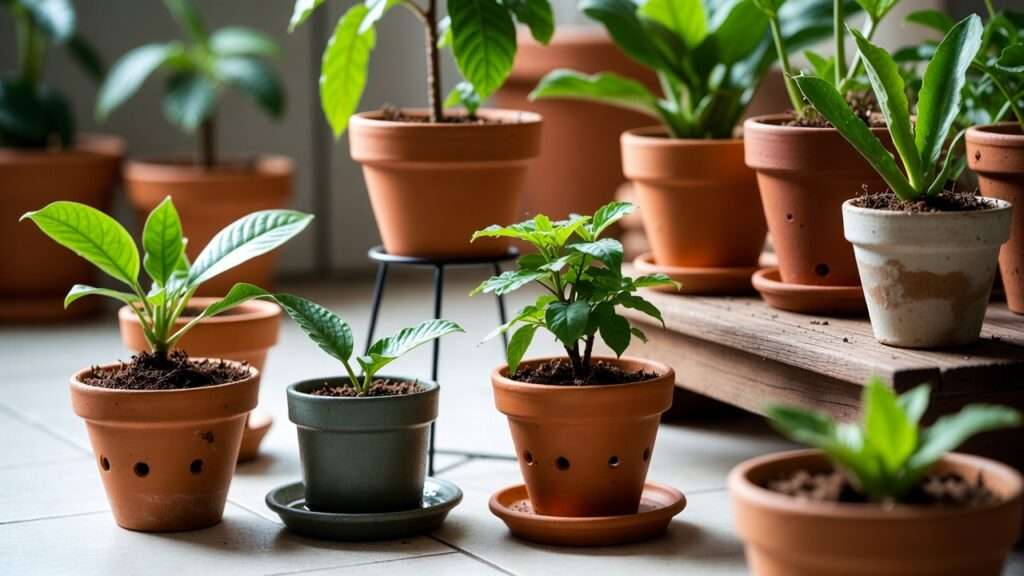
Imagine this: Your beloved fiddle-leaf fig or that thriving container tomato you’ve babied for months suddenly starts drooping dramatically, yellow leaves dropping like confetti, even though you’ve been “watering it just enough.” 😢 The soil feels constantly damp, and a quick peek at the roots reveals the heartbreaking truth—mushy, brown, foul-smelling decay. This silent killer, root rot in containers, claims more potted plants than almost any other issue. But here’s the empowering part: it’s almost entirely preventable with the right knowledge and habits.
Root rot (primarily caused by fungi like Pythium, Phytophthora, and Fusarium, or water molds) thrives in waterlogged, oxygen-poor environments—exactly what many container setups accidentally create. Unlike in-ground plants, container-grown ones can’t escape excess moisture through natural soil drainage or evaporation. Overwatering tops the list of causes, but poor drainage, heavy soils, and mismatched pot sizes compound the problem fast.
In this comprehensive guide, you’ll discover expert-backed, step-by-step strategies to prevent root rot in containers forever. We’ll cover everything from choosing the perfect pot and mix to mastering watering, spotting early warnings, and even advanced tricks for long-term success. Whether you’re nurturing houseplants, balcony veggies, or patio trees in pots, these tips will help your potted plants stay vibrant, resilient, and rot-free. Let’s dive in and save (and grow!) those green beauties! 🌱✨
What Exactly Is Root Rot and Why Does It Happen in Containers? 🔍🦠
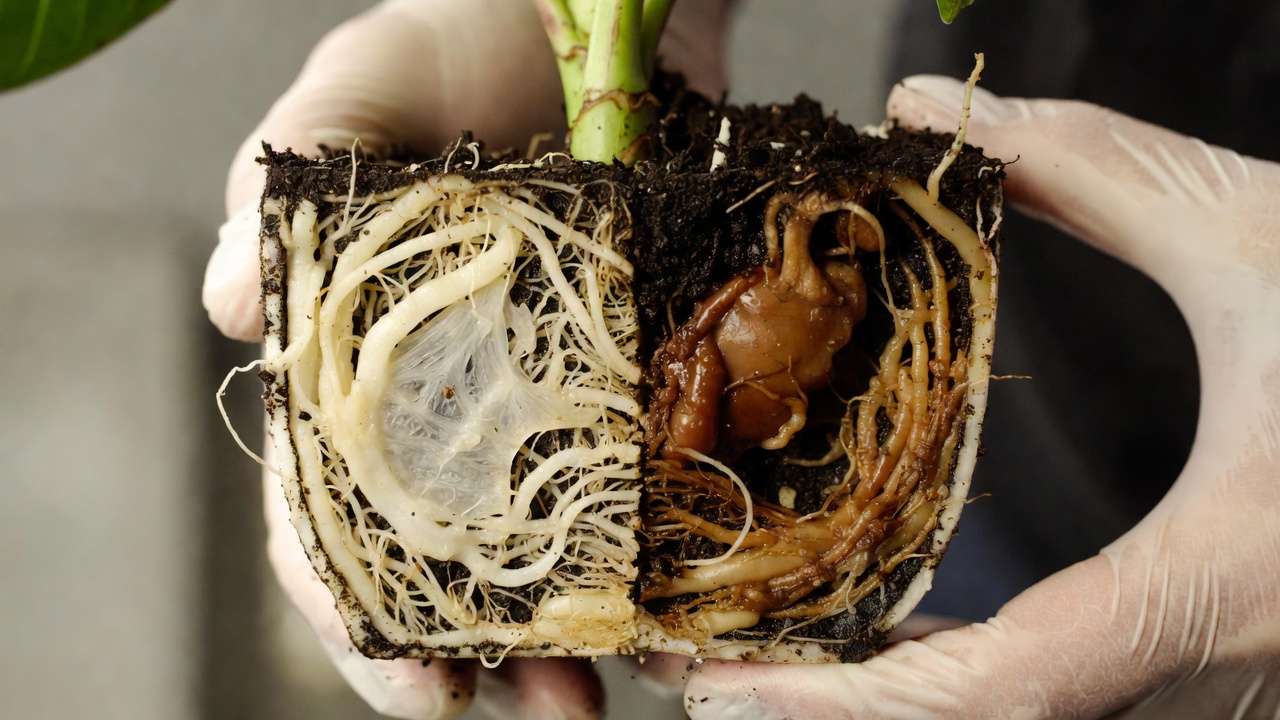
Root rot isn’t just “wet feet”—it’s a destructive condition where soil-borne pathogens attack and decay plant roots, cutting off water and nutrient uptake. Healthy roots are firm, white or light tan, and fibrous. Rotten roots turn soft, brown to black, mushy, and often emit a foul, swampy odor.
The primary pathogens include:
- Pythium and Phytophthora (water molds that love saturated conditions)
- Fusarium and Rhizoctonia (fungi that exploit stressed, oxygen-starved roots)
In containers, the risk skyrockets because:
- Limited soil volume means moisture lingers longer
- No natural ground drainage or microbial balance to disperse water
- Compacted or heavy mixes reduce oxygen availability (roots need air as much as water!)
- Reusing old pots/soil can harbor lingering spores
- Environmental factors like low light, high humidity, or cool temperatures slow evaporation, keeping soil soggy
Common triggers include overwatering (the #1 culprit), no drainage holes, saucers full of standing water, using garden soil in pots (it compacts terribly), and oversized containers creating “wet zones” where roots never dry.
Quick stat from horticultural extensions: Most container root rot cases stem from poor aeration and excess moisture, not just “too much water”—it’s the combo that suffocates roots and invites pathogens. Understanding this shifts prevention from guesswork to science! 🧪
Early Warning Signs: Catch Root Rot Before It’s Too Late ⚠️🍂
Prevention starts with vigilance. Spotting issues early can save 80–90% of affected plants.
Above-ground red flags:
- Wilting leaves despite moist (or wet) soil — classic “overwatered but thirsty” paradox
- Yellowing lower leaves, progressing upward
- Stunted growth or no new leaves
- Leaf drop, brown tips/edges, or overall pale appearance
- Foul odor from the soil surface
Below-ground clues (the definitive test):
- Gently tip the plant out: Healthy roots = white/firm; Rotten = dark, slimy, stringy, or disintegrating
How to inspect safely:
- Water lightly a day before if soil is bone-dry (easier removal)
- Support the plant base and gently slide out
- Rinse roots under lukewarm water
- Snip suspect sections with sterilized shears for a closer look
Differentiate from look-alikes:
- Underwatering: Crispy leaves, dry soil ball
- Nutrient issues: Specific patterns (e.g., interveinal yellowing)
- Pests: Visible bugs or webbing
Pro tip: Invest in a reliable soil moisture meter (around $10–15) — insert to different depths for accurate readings and avoid the “finger test” guesswork. 📏💧
The Foundation of Prevention: Choose the Right Container 🪴✅
Your pot is the first line of defense! Here’s how to choose wisely:
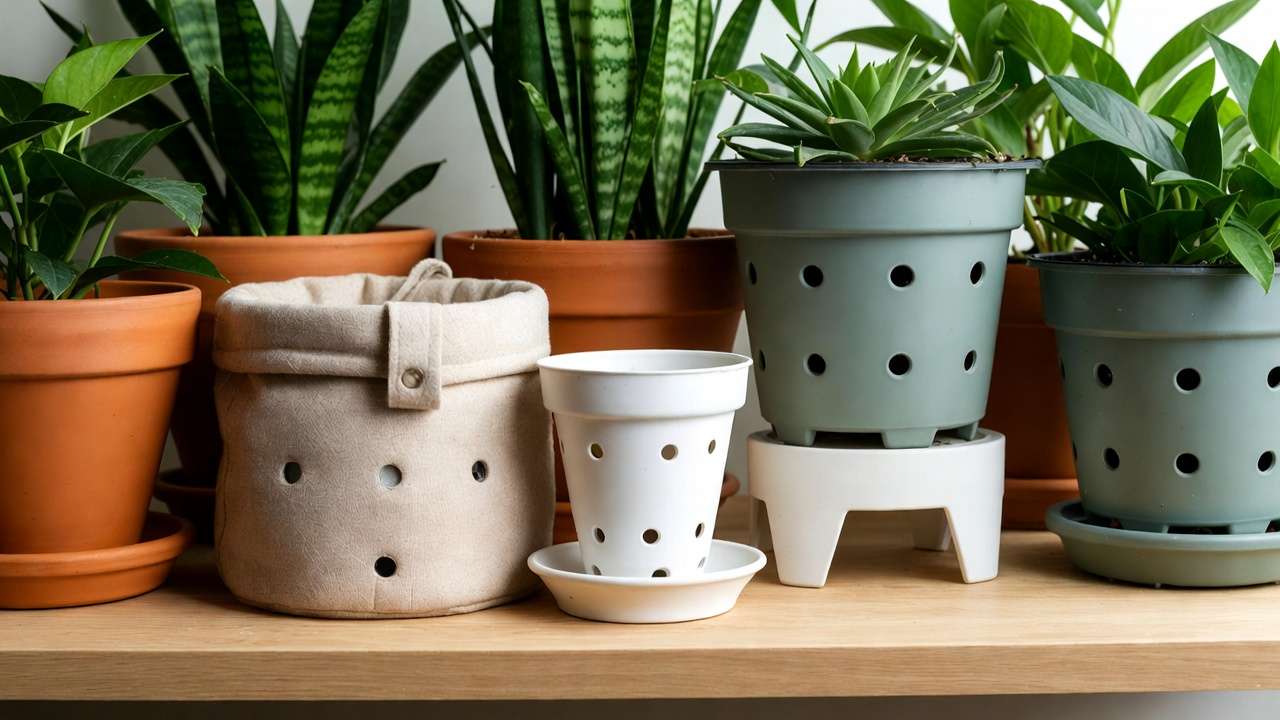
- Drainage holes are non-negotiable — At least 3–5 holes minimum. No holes? Drill them! Use a masonry bit for ceramic.
- Material selection:
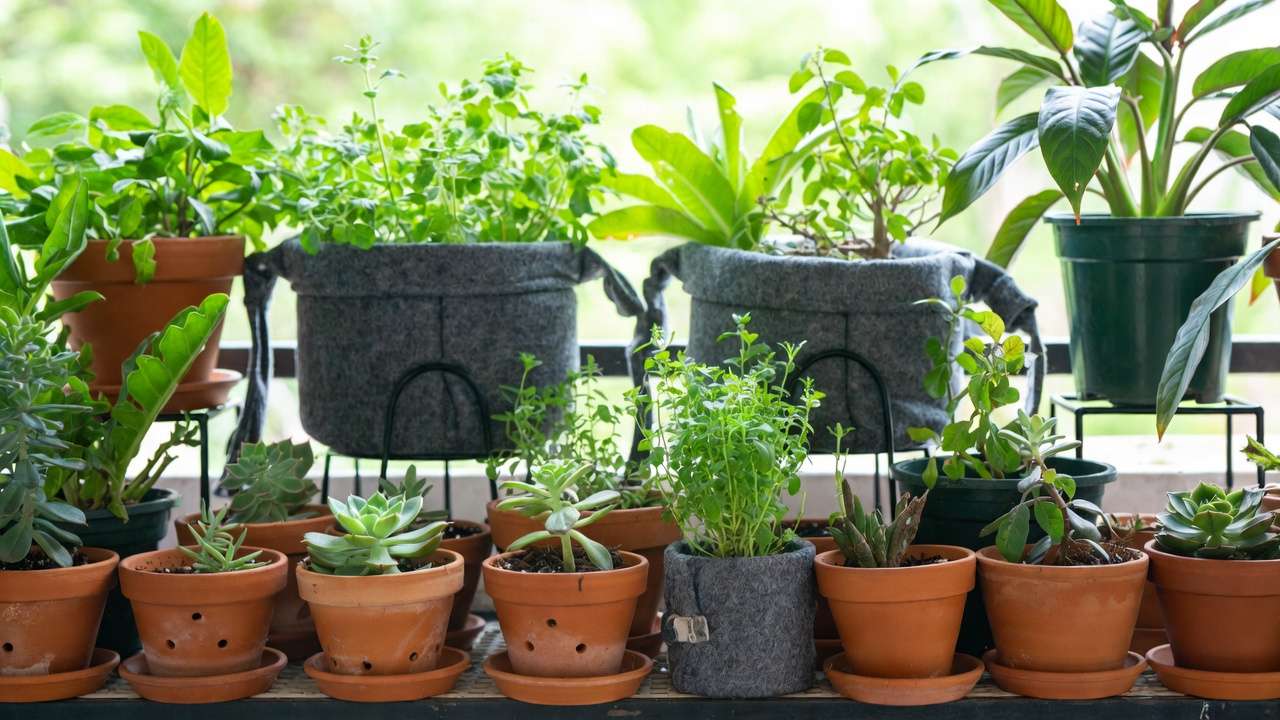
- Terracotta/clay: Breathable, wicks moisture away (great for overwaterers)
- Plastic/glazed: Retains moisture longer (better for thirsty plants, but monitor closely)
- Fabric/smart pots: Excellent aeration, prevents circling roots
- Size matters — Pot should be only 1–2 inches larger than the root ball. Too big = excess wet soil = root rot risk.
- Elevate pots: Use pot feet, bricks, or risers for airflow underneath and faster drainage.
Expert note from university extensions: Avoid the old “rocks at the bottom” myth—it creates a perched water table and worsens drainage!
Select the Best Potting Mix for Superior Drainage 🌿🪨
Never, ever use straight garden soil in containers—it compacts, harbors pathogens, and stays soggy.
Ideal mixes prioritize aeration + drainage + some moisture retention:
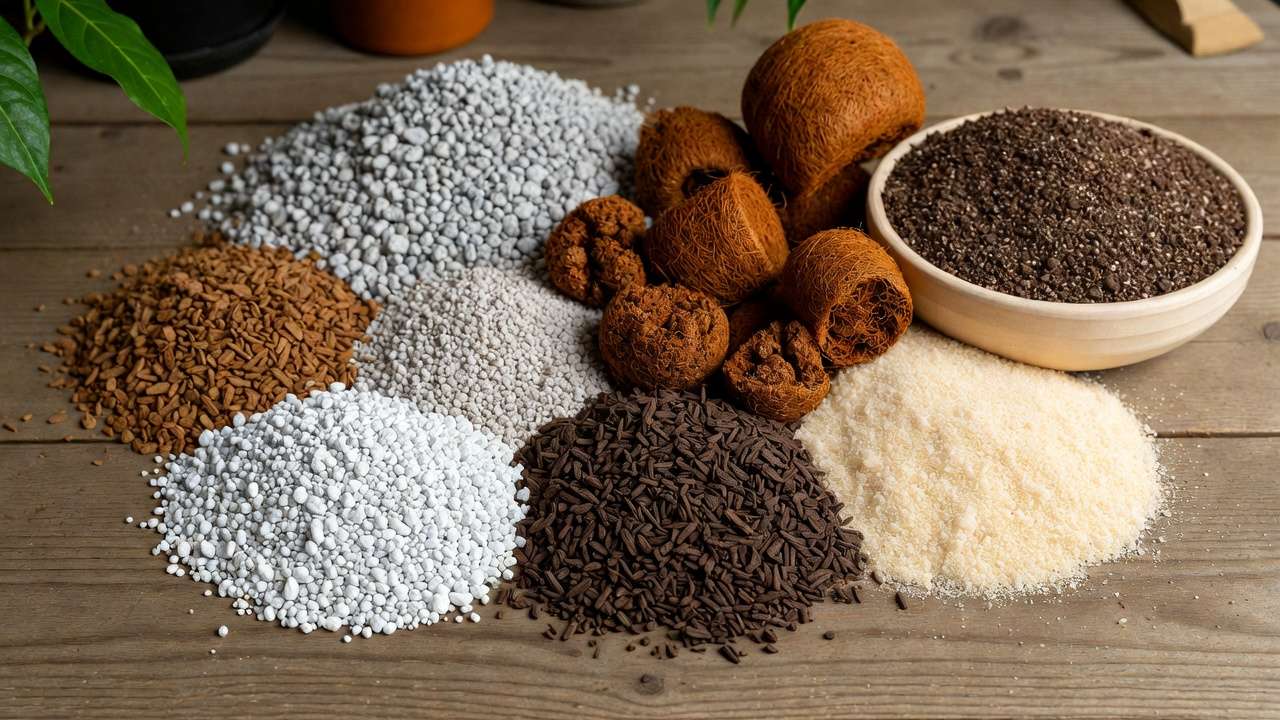
- Key amendments: Perlite (volcanic glass for air pockets), pumice, orchid bark, pine bark fines, coco coir (sustainable alternative to peat), vermiculite (in moderation).
- Basic recipe for most plants: 50% quality potting soil + 30% perlite/pumice + 20% bark/coir.
- Plant-specific blends:
- Succulents/cacti: 70% gritty (pumice/perlite/sand) + 30% soil
- Tropicals (monstera, pothos): 40% soil + 30% perlite + 30% bark
- Veggies/herbs: Balanced with added compost, but heavy on drainage
Refresh soil every 1–2 years, or when it compacts/hardens. Sterile commercial mixes reduce pathogen risk—look for “well-draining” or “aerated” labels.
Master Watering Techniques to Starve Root Rot Fungi 💧🚫
Watering smartly is your superpower against root rot.
Golden rules:
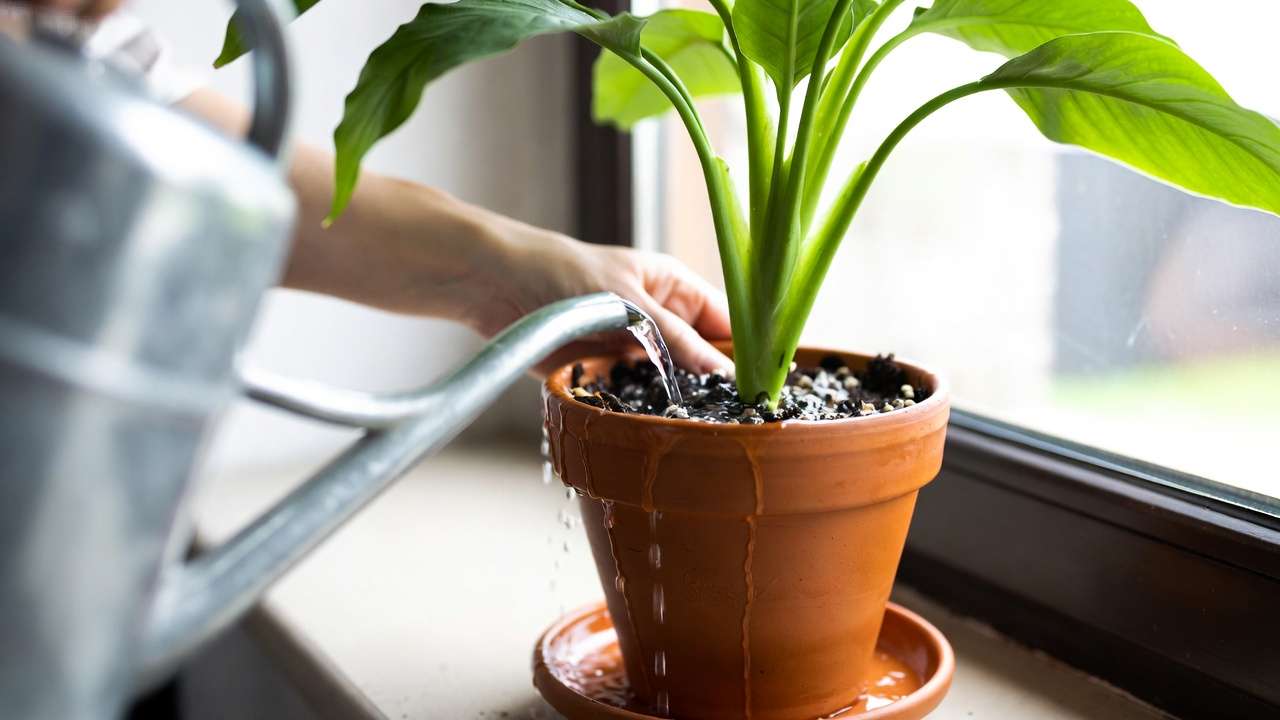
- Water only when needed: Top 1–2 inches dry? Use finger test, chopstick, or meter.
- Deep but infrequent: Soak until water runs out bottom, then stop.
- Seasonal tweaks: Cut back in winter (plants dormant, less evaporation); increase in summer/growth phase.
- Technique tips:
- Morning watering (allows dry-out during day)
- At soil level, avoid wetting foliage (reduces fungal spread)
- Empty saucers immediately—no standing water!
- Tools that help: Self-watering pots (with reservoir monitoring), bottom watering (soaks evenly, less surface wet).
Avoid these traps: “Splash and dash” (surface only), watering on schedule instead of by need, ignoring humidity/rain for outdoor pots.
Advanced Prevention Strategies for Long-Term Success 🛡️🌟
- Repotting schedule & technique — Most container plants benefit from repotting every 12–24 months, depending on growth rate. Signs it’s time: roots circling the pot’s edge, growing out of drainage holes, plant becoming top-heavy, or soil drying out too quickly despite watering. When repotting, gently tease apart circling roots and trim any dead sections. Always move up just one pot size to avoid excess soil volume.
- Sanitation is your secret weapon — Pathogens can survive in old pots and tools. After dealing with root rot (or even as routine maintenance), soak reusable pots in a 10% bleach solution (1 part bleach to 9 parts water) for 10–15 minutes, then rinse thoroughly. Wipe pruning shears with 70% isopropyl alcohol between cuts. This simple step dramatically reduces re-infection risk.
- Harness beneficial microbes — Introduce mycorrhizal fungi (available as powders or granules at garden centers) when planting or repotting. These friendly fungi form symbiotic relationships with roots, improving nutrient uptake and helping crowd out harmful pathogens. Some gardeners also add compost tea or beneficial bacteria products (like those containing Bacillus subtilis) for extra protection.
- Optimize airflow & microclimate — Crowded pots create humid pockets where fungi thrive. Space containers at least 6–12 inches apart (more for larger plants). Indoors, run a small oscillating fan on low a few hours daily to mimic natural breezes. Outdoors, avoid placing pots directly against walls or in deep shade pockets.
- Smart plant selection — Some species are naturally more forgiving of occasional overwatering. Excellent rot-resistant choices include:
- Snake plant (Sansevieria)
- ZZ plant (Zamioculcas zamiifolia)
- Jade plant
- Most cacti and succulents
- Lavender, rosemary, and other Mediterranean herbs
For high-risk plants like peace lilies, African violets, or orchids, double down on drainage and airflow.
- Edible container gardening bonus — Vegetables and herbs in pots (tomatoes, peppers, basil, lettuce) are especially prone to rot due to frequent watering needs. Use fabric grow bags or self-watering containers with good drainage layers (e.g., 1–2 inches of hydroton or gravel at bottom — but only if the pot already has holes!). Mulch the surface lightly with pine bark to reduce evaporation while keeping the crown dry.
What to Do If Root Rot Strikes Anyway (Quick Treatment Guide) 🩹🌱
Even the most careful gardeners occasionally face root rot. Acting fast gives your plant the best shot at recovery.
Step-by-step rescue protocol:
- Remove the plant — Gently slide it out and rinse roots under lukewarm running water to remove all old soil.
- Inspect and prune — Use sterilized scissors to cut away all mushy, brown, black, or foul-smelling roots. Healthy roots should be white/firm. Trim generously—plants can regrow roots surprisingly well.
- Disinfect — Optional but helpful: Dip remaining roots in a dilute hydrogen peroxide solution (1 part 3% H₂O₂ to 3 parts water) for 5–10 minutes to kill lingering pathogens. Let air dry slightly.
- Repot — Use fresh, well-draining potting mix (never reuse the old soil). Choose a clean pot, ideally one size smaller if you removed a lot of roots.
- Reduce stress — Place in bright, indirect light (avoid direct sun for a few weeks). Water very sparingly until new growth appears—mist leaves if humidity is low.
- Support recovery — Apply a diluted balanced liquid fertilizer (¼ strength) only after new roots/growth show (usually 2–4 weeks).
Natural aids that some gardeners swear by:
- A light dusting of cinnamon powder (antifungal properties) on cut roots
- Sulfur-based fungicides labeled for root rot (use sparingly)
When to say goodbye: If less than 25% of roots remain healthy, or the main stem/base is mushy/rotten, the plant is unlikely to recover. Compost it responsibly and learn from the experience (most cases trace back to one preventable factor).
Real-Life Examples & Case Studies 📖🌿
Case 1: The Overwatered Fiddle-Leaf Fig Revival A reader in a humid coastal climate kept their large Ficus lyrata in a decorative pot without drainage holes. After months of wilting, they drilled holes, removed ~70% rotten roots, repotted into a chunky aroid mix, and reduced watering to once every 10–14 days. Result: New leaf growth within 6 weeks and a much happier plant today!
Case 2: Container Tomato Turnaround A balcony gardener in a warm zone lost two tomato plants to root rot in plastic pots with saucers always half-full. Switching to fabric grow bags, adding 40% perlite to the mix, and watering only when the top 3 inches were dry produced bumper crops the following season—no rot recurrence.
Case 3: Indoor Herb Garden in Monsoon Season In a high-humidity region, basil and cilantro repeatedly succumbed. Installing a small fan, using terracotta pots, and bottom-watering transformed the setup. Herbs now thrive year-round with zero rot issues.
Common Mistakes to Avoid (Checklist) ❌🚫
Here’s a quick-reference list of the top 10 root-rot traps—and their fixes:
- Watering on a calendar instead of checking soil → Always test moisture first
- Leaving saucers full of water → Empty every time
- Using garden soil in pots → Switch to aerated potting mix
- No drainage holes → Drill or replace the pot
- Pots too large for the plant → Size up gradually
- Repotting into the same contaminated pot → Sanitize first
- Ignoring low-light/slow-dry conditions → Adjust watering frequency
- Over-fertilizing stressed plants → Fertilize only healthy, actively growing plants
- Reusing old soil after rot → Always start fresh
- Placing pots in deep shade or against walls → Improve airflow
FAQs About Preventing Root Rot in Containers ❓🌱
Can you reuse soil after root rot? No—pathogens persist. Discard infected soil and start with fresh, sterile mix.
How often should I repot to prevent root rot? Every 1–2 years for most plants, or sooner if roots fill the pot or soil compacts.
Are self-watering pots safe? They can be—if you monitor the reservoir and only refill when nearly empty. They’re best for consistent-water lovers (not succulents).
Does hydrogen peroxide really help? In moderation, yes—it oxygenates soil and kills some pathogens. Use sparingly to avoid harming beneficial microbes.
What’s the best pot material for beginners? Terracotta or fabric pots—both promote faster drying and forgive overwatering better than plastic.
Can overwatering in winter cause root rot indoors? Absolutely—most houseplants slow growth in low light, so drastically reduce watering.
Do rocks at the bottom help drainage? No—they create a perched water table. Focus on holes + aerated mix instead.
Is root rot contagious to other plants? Yes, via shared tools, soil, or splashing water. Isolate affected plants and sanitize everything.
Final Thoughts: Build a Root-Rot-Proof Container Garden 🌈✨
Root rot doesn’t have to be a recurring nightmare. By prioritizing drainage, choosing the right containers and mixes, watering intelligently, and staying vigilant with early inspections, you can protect every potted plant on your balcony, patio, or windowsill.
Start small today: Grab your moisture meter (or just your finger!), check drainage holes on all your pots, and empty any saucers. One small change often prevents a cascade of problems.
Your plants will reward you with lush growth, vibrant blooms, and bumper harvests—no more mystery wilting! 🌿💚
Have you battled root rot before? Which prevention tip are you trying first? Drop a comment below—I’d love to hear your wins and questions. Happy (and rot-free) container gardening!











