

Imagine stepping into your backyard and hearing the gentle buzz of bees, spotting colorful butterflies fluttering between blooms, and enjoying lush, healthy trees that provide cooling shade—all while your water bill drops noticeably and your soil becomes richer year after year. In a time when climate challenges like heavy monsoons in Barisal Division and rising temperatures make traditional high-maintenance lawns feel outdated and wasteful, eco-friendly landscape design offers a smarter, more rewarding path.
Eco-friendly landscape design principles focus on creating beautiful, functional outdoor spaces that work with nature rather than against it. By prioritizing water conservation, native plants, healthy soil, and biodiversity, you can transform your garden into a resilient, low-effort haven that supports local wildlife, sequesters carbon, and thrives in Bangladesh’s tropical climate. Whether you’re a homeowner in Phuljhuri tending a small plot or caring for mature trees around your property, these principles solve real problems: high water use during dry seasons, soil erosion from rains, declining pollinators, and the effort of constant chemical interventions. 🌱
In this comprehensive guide, you’ll discover actionable, expert-backed strategies drawn from sustainable landscaping best practices (including xeriscaping adaptations for humid tropics, permaculture-inspired techniques, and insights from regional agroforestry). As someone deeply immersed in plant and tree care, I’ve seen firsthand how these methods lead to healthier gardens that require less input while delivering more beauty and ecological value. Let’s dive in and build a yard that’s not just pretty—it’s part of the solution. 🌍✨
What Are Eco-Friendly Landscape Design Principles? A Clear Definition 🌱
Eco-friendly (or sustainable) landscape design is an approach that minimizes environmental harm while maximizing ecological benefits. It treats your yard as a living ecosystem rather than a decorative space. Core ideas include:
- Water conservation — Reducing irrigation needs through smart plant choices and capture systems.
- Soil health — Building fertile, living soil that supports strong roots and retains moisture.
- Biodiversity — Encouraging native plants, pollinators, birds, and beneficial insects.
- Waste reduction — Using organic methods, permeable surfaces, and composting.
- Resilience — Designing for local climate stresses like Bangladesh’s heavy rainfall, cyclones, and seasonal dryness.
Unlike conventional landscaping (think manicured grass, exotic imports, and chemical fertilizers), eco-friendly designs embrace natives adapted to Barisal’s fertile, flood-prone soils. Frameworks like Xeriscaping (water-wise landscaping), permaculture (self-sustaining systems), and homestead agroforestry (common in rural Bangladesh) guide the process. These principles align with global trends in 2025-2026, where sustainability is essential amid climate shifts. 🌧️🍃
Quick list of foundational goals:
- Conserve water (critical in tropical areas with variable rainfall)
- Enhance soil carbon storage and prevent erosion
- Support pollinators and wildlife for natural pest control
- Lower long-term maintenance and costs
- Create energy savings through strategic tree placement
Adopting these turns your garden into a regenerative space that gives back to the planet. 🌳
Principle 1: Work with Nature – Site Analysis & Right Plant, Right Place 🌳🔍
The foundation of any successful eco-friendly design is observing and respecting your site’s unique conditions. Skipping this leads to struggling plants, wasted effort, and higher resource use.
Step-by-step site assessment guide:
- Map sun patterns — Note full sun, partial shade, and deep shade areas across seasons (monsoon clouds change light dramatically!).
- Test soil — Check drainage, pH (Bangladesh soils often lean acidic), and texture. Use simple jar tests or local extension services.
- Observe water flow — Identify low spots prone to flooding (common in Barisal) and high/dry areas.
- Note wind, microclimates, and existing features — Preserve healthy trees for instant habitat and shade.
Tree care tie-in 🌲: Proper placement provides massive benefits—strategic trees can reduce home cooling needs by 20-30% in hot climates through shade and windbreaks. Plant tall natives like mango (Mangifera indica) or jackfruit (Artocarpus heterophyllus) on the west/southwest for afternoon shade.
Pro tip 💡: Use free resources like Bangladesh Agricultural University extension guides or local nurseries for site-specific advice. Avoid common mistakes like planting water-loving species in dry spots or ignoring root competition from existing trees.
This “right plant, right place” rule ensures plants thrive naturally, cutting maintenance dramatically. 🌿
Principle 2: Prioritize Native Plants & Biodiversity for Thriving Ecosystems 🐝🌼
Native plants are the stars of sustainable landscapes—they’ve evolved with local conditions, pests, and pollinators, requiring far less water, fertilizer, or pesticides.
In Bangladesh, especially Barisal Division’s riverine, fertile lowlands, top natives include:
- Trees: Mango, jackfruit, coconut (Cocos nucifera), neem (Azadirachta indica), banyan (Ficus benghalensis), and kadam (Neolamarckia cadamba) for shade, fruit, and habitat.
- Shrubs & flowers: Hibiscus (local varieties), marigold (Tagetes), and Rangoon creeper (Combretum indicum) for pollinators.
- Groundcovers & climbers: Water hyacinth-inspired floating elements or local vines for vertical interest.
Benefits for trees and plants 🌺: Natives build deeper roots to prevent erosion during monsoons, support bees/butterflies (vital for fruit trees like mango/litchi), and create layered habitats (canopy → understory → ground).
How to build biodiversity:
- Plant in layers: Tall trees for structure, mid-level shrubs, low perennials/groundcovers.
- Choose pollinator magnets: Flowers with open shapes (e.g., local mustards or sesame relatives).
- Avoid invasives: Steer clear of water hyacinth in non-floating setups (it can choke waterways) or aggressive exotics.
Real-world example 🌟: A Barisal homestead replacing turf with native fruit trees and wildflowers saw bird visits triple and pest issues drop naturally.
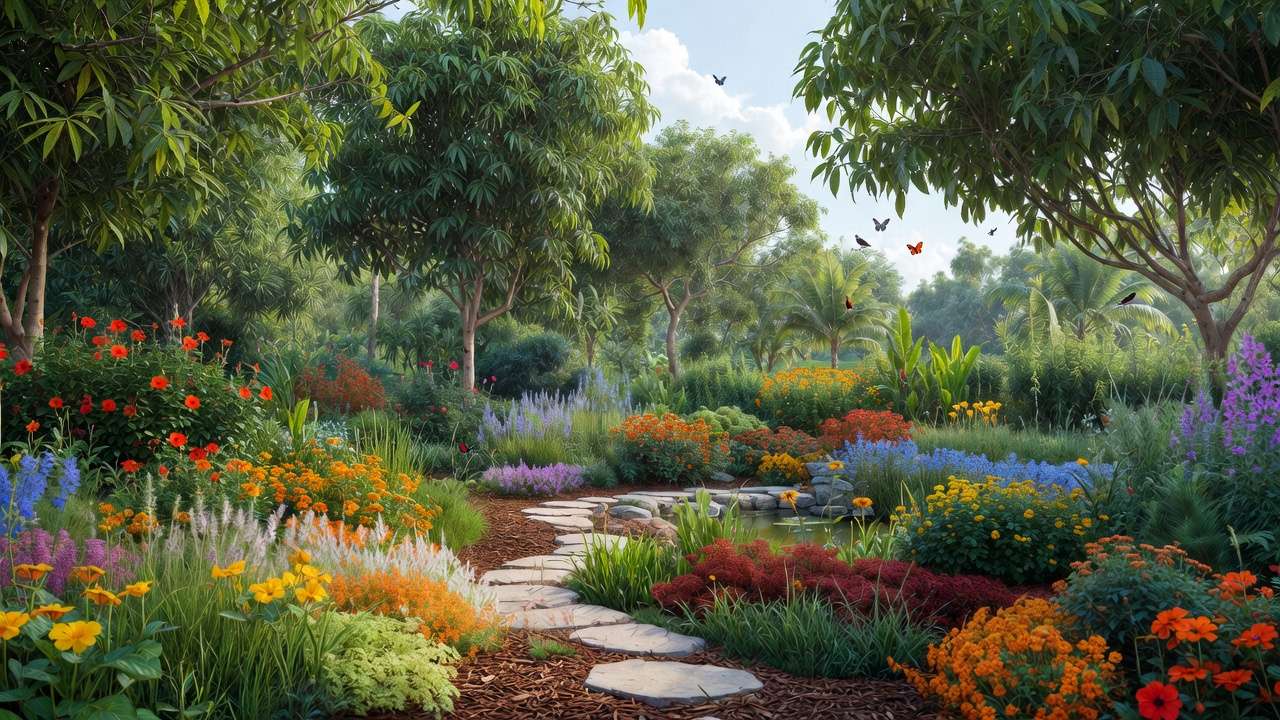
By going native, your garden becomes a wildlife corridor—beautiful, productive, and low-effort. 🦋
Principle 3: Master Water Conservation – Xeriscaping & Smart Techniques 💧
In Bangladesh’s tropical monsoon climate—with heavy rainfall from June to October followed by drier periods—water conservation isn’t just about saving during scarcity; it’s about managing abundance to prevent erosion, flooding, and waste. Eco-friendly design adapts xeriscaping principles (originally for arid zones) to humid tropics by focusing on efficient water use, capture, and soil retention.
Core strategies for Barisal-like conditions:
- Hydrozoning — Group plants by water needs: high-water lovers (e.g., certain vegetables) together, drought-tolerant natives in drier spots.
- Heavy mulching — Apply 3–4 inches of organic mulch (coconut husks, rice straw, or decomposed leaves) around plants and trees to suppress weeds, retain moisture, and enrich soil as it breaks down.
- Smart irrigation — Use drip systems or soaker hoses for targeted watering; during dry spells (post-monsoon), water deeply but infrequently to encourage deep roots.
- Rainwater harvesting — Install simple rooftop gutters leading to barrels or small cisterns. In Phuljhuri’s high-rainfall area, this can capture thousands of liters during monsoon for garden use later.
- Rain gardens & swales — Create shallow depressions planted with water-tolerant natives to capture runoff, recharge groundwater, and prevent soil loss during heavy rains.
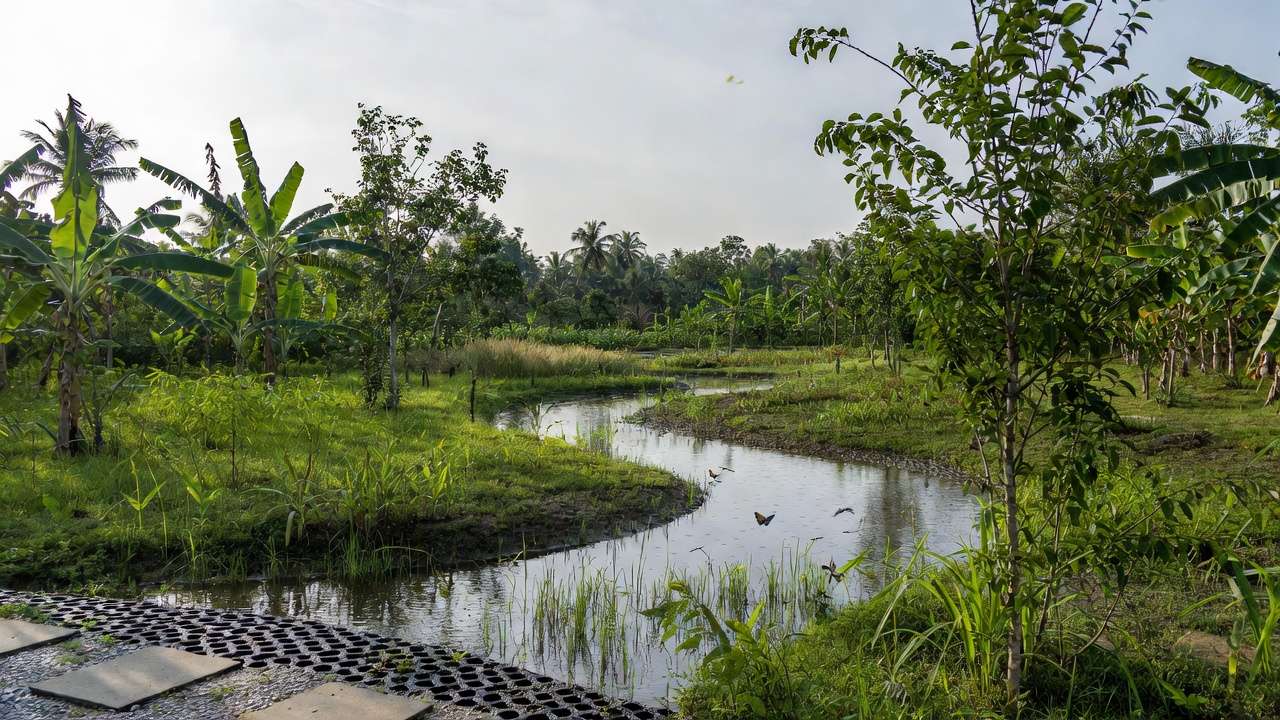
Tree care focus 🌲: Young trees need consistent moisture to establish, but once rooted (1–2 years), many natives like mango or neem thrive with minimal supplemental water. Avoid overwatering established trees—deep, infrequent soaks promote resilience against both floods and dry spells.
Bangladesh-specific adaptations 🌧️: Embrace traditional floating gardens (dhap or baira) in low-lying, flood-prone yards—layer water hyacinth (abundant locally) with bamboo and compost to grow veggies above flood levels. Raised beds or mounds divert excess monsoon water while preserving soil nutrients.
Case study example 📖: A small homestead in southern Barisal replaced thirsty turf with native fruit trees, mulched heavily, and added a rain barrel—cutting irrigation needs by 60–70% while boosting yields of mango and jackfruit.
These techniques turn seasonal challenges into advantages, saving water, money, and effort. 💦
Principle 4: Build Healthy Soil – The Hidden Hero of Sustainable Gardens 🌿🪱
Healthy soil is the foundation—literally—of an eco-friendly landscape. In Barisal’s fertile but often waterlogged delta soils, building living soil prevents compaction, erosion during monsoons, and nutrient leaching.
Key practices:
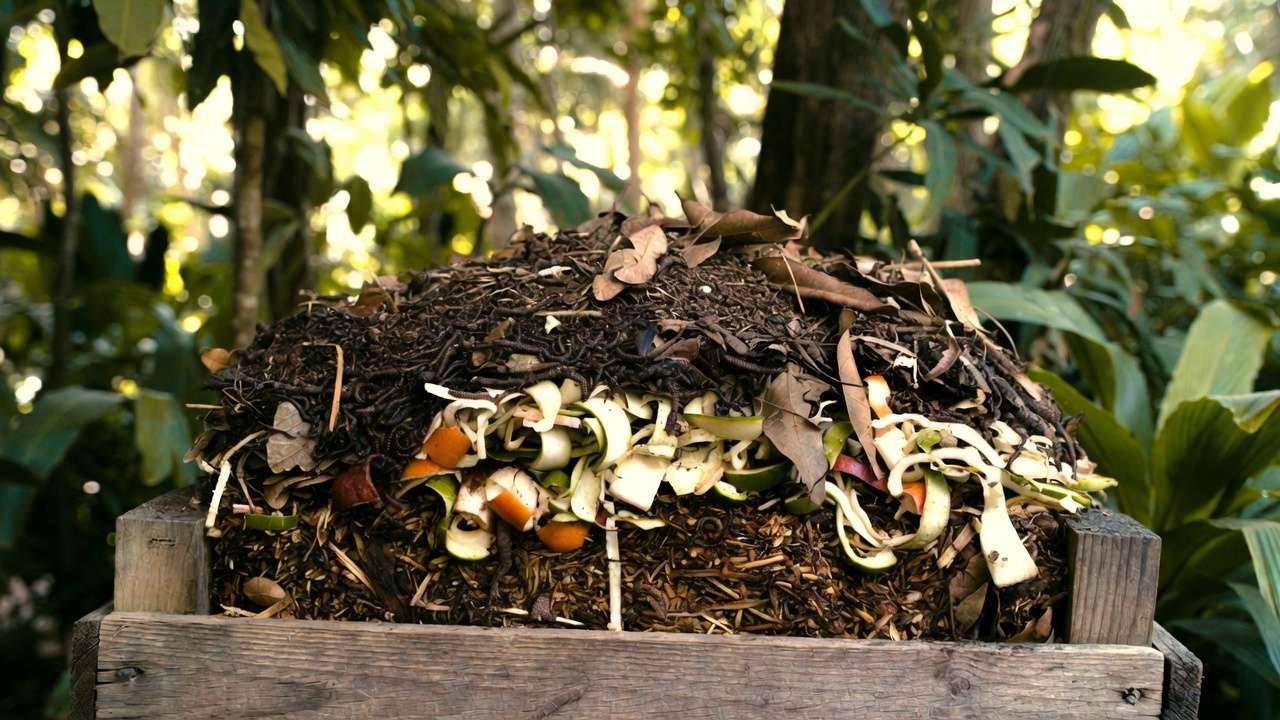
- Composting — Turn kitchen scraps, yard waste, and cow dung into rich humus. Aim for a 3:1 carbon-to-nitrogen ratio (leaves/straw to greens).
- No-till gardening — Avoid digging to preserve soil structure and mycorrhizal fungi networks.
- Organic amendments — Add compost, vermicompost, or green manures (e.g., local legumes) annually.
- Cover crops — Plant quick-growing natives like mung bean or sesbania during off-seasons to prevent bare soil erosion.
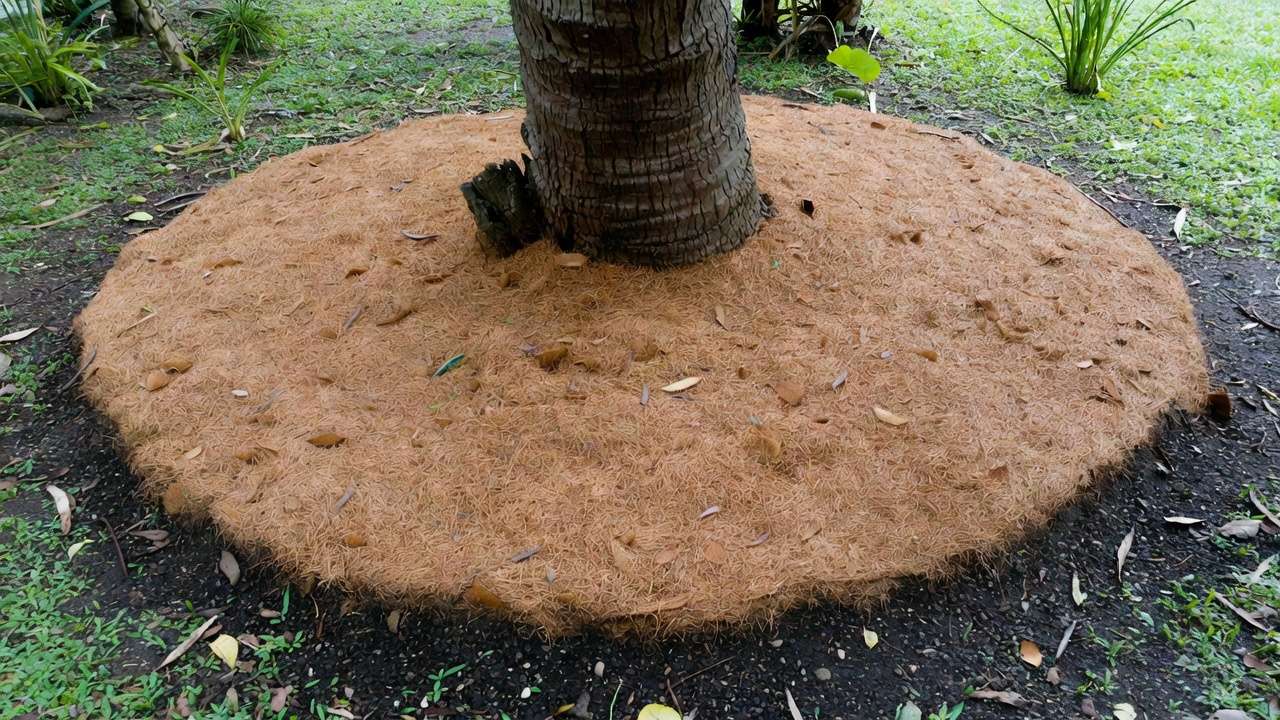
Tree-specific tips 🌳: Create wide mulch rings (extend to drip line, 3–4″ deep, volcano-free!) around tree bases. Incorporate mycorrhizal inoculants when planting to boost root health and drought/flood tolerance. Never pile mulch against trunks—this invites rot.
DIY quick-start compost guide:
- Choose a shaded spot or bin.
- Layer browns (dry leaves) and greens (veggie scraps).
- Turn every 2–4 weeks; ready in 2–6 months.
- Benefits appear fast—improved water retention within one season!
Healthy soil sequesters carbon, supports beneficial microbes, and grows stronger, more pest-resistant plants and trees. 🌍
Principle 5: Reduce Waste & Use Eco-Friendly Materials ♻️
Sustainability means closing loops—minimize inputs and outputs.
Hardscape choices:
- Permeable pavers, gravel paths, or local brick over concrete to allow rainwater infiltration.
- Recycled materials: Bamboo fencing, repurposed wood, or coconut shell mulch.
Maintenance:
- Integrated Pest Management (IPM): Encourage natural predators (ladybugs, birds) first; use neem oil or soap sprays if needed.
- Hand tools or electric over gas-powered to cut emissions.
- Tree pruning: Follow proper techniques (remove dead/crossing branches in dry season) to promote health and produce minimal waste—chip branches for mulch.
Design for less waste — Opt for meadow-style lawns with native grasses/clovers instead of frequent mowing; let leaves decompose naturally.
These choices reduce pollution and landfill contributions while keeping your yard beautiful. ♻️
Principle 6: Support Wildlife & Create Habitat – From Pollinators to Birds 🐦🦋
A thriving garden invites helpers—pollinators for fruit trees, birds for pest control.
Habitat layers:
- Food: Nectar-rich flowers (local hibiscus, marigold), fruit/nut trees (mango, litchi).
- Water: Shallow bird baths or small ponds with rocks for safe access.
- Shelter: Dense shrubs, brush piles, bee hotels from bamboo.
- Nesting: Leave deadwood (if safe) or plant cavity-friendly trees like neem.
Tree integration 🌴: Mature jackfruit or banyan provide nesting sites; flowering natives attract bees essential for pollination.
Success signs: Increased bird songs, butterfly sightings, fewer pest outbreaks.
Your yard becomes a mini nature reserve—rewarding and regenerative! 🐝
Principle 7: Energy Efficiency & Climate Resilience Through Strategic Planting ☀️🌬️
Strategic tree and plant placement does far more than beautify—it actively moderates your home’s microclimate, reduces energy bills, and builds resilience against Bangladesh’s increasingly variable weather (stronger monsoons, hotter dry seasons, occasional cyclones).
Key energy-saving techniques:
- Summer shade — Plant deciduous or semi-deciduous trees (e.g., mango, neem, or kadam) on the west and southwest sides of your house. Afternoon shade can lower indoor temperatures by 3–8 °C, reducing fan or AC use.
- Winter wind protection — Place evergreen or dense-canopy trees (e.g., coconut, mahogany, or jamun) as windbreaks on the north and northwest sides to block chilly winter winds that often come from the north.
- Passive solar design — Keep south-facing areas open for winter sun to warm the house naturally; use vines on pergolas or trellises to provide seasonal shade.
Climate resilience benefits 🌪️:
- Diverse plantings (not monocultures) are more resistant to pests, diseases, and extreme weather.
- Deep-rooted natives stabilize soil during heavy rains and floods common in Barisal Division.
- Trees act as carbon sinks—mature mango or jackfruit trees can sequester 20–50 kg of CO₂ per year each.
Quick placement cheat sheet for Phuljhuri-area homes:
- West/southwest → tall shade trees (mango, jackfruit)
- North/northwest → windbreak evergreens (coconut, neem)
- East → morning sun-loving fruit trees (papaya, guava)
- Around septic/sewer lines → avoid aggressive rooters like banyan
Thoughtful planting turns your landscape into a natural climate-control system—saving money and increasing comfort year-round. 🌞
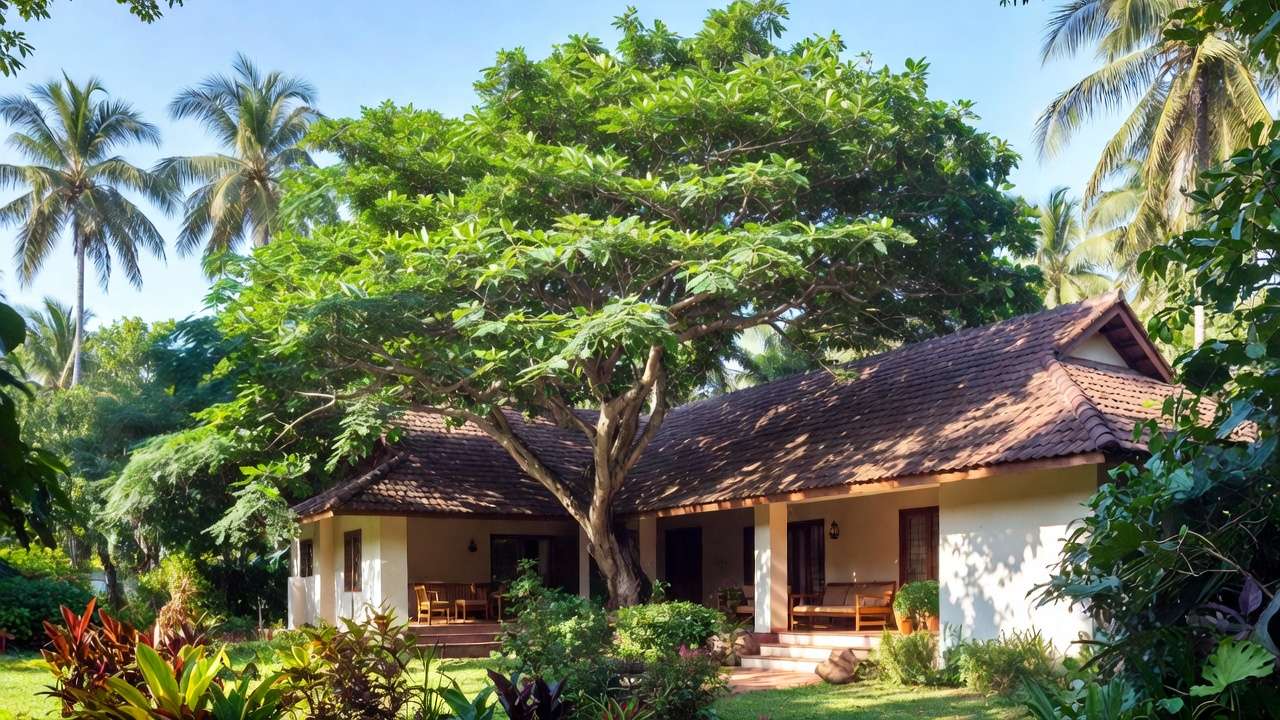
Step-by-Step: How to Implement Eco-Friendly Landscape Design in Your Yard 🛠️
Transforming your space doesn’t require doing everything at once. Follow this realistic, phased approach tailored for Bangladeshi households.
Phase 1: Plan & Observe (1–2 months)
- Walk your yard weekly, note sun/shade, wet/dry zones, existing trees.
- Sketch a simple map (even hand-drawn works).
- Research 10–15 native plants/trees suited to Barisal’s soil and climate (local nurseries or Krishi Khamar apps are excellent resources).
Phase 2: Remove & Prepare (1–3 months)
- Remove invasives and high-maintenance turf gradually.
- Test and amend soil with compost; build raised beds or mounds in flood-prone spots.
- Install mulch and start a compost pile.
Phase 3: Plant Strategically (Monsoon & post-monsoon best)
- Start with 3–5 key trees (shade + fruit).
- Add layered natives: shrubs → perennials → groundcovers.
- Include at least one rain garden or swale.
Phase 4: Maintain & Evolve (ongoing)
- Water deeply but infrequently during establishment.
- Monitor and adjust—add more natives each season.
Budget-friendly starters (under ৳5,000–10,000):
- 2–3 fruit tree saplings
- Bags of compost/cow dung
- Mulch materials (rice straw, coconut husk)
- Seeds of local flowers/legumes
Common challenges & solutions:
- Patience — Natives grow slower at first → reward comes in years 2–5.
- Flooding — Use mounds, permeable paths, water-loving natives.
- Pests — Trust biodiversity; introduce neem spray only when needed.
Most people see noticeable improvements (less watering, more wildlife, healthier trees) within the first full growing season. 🌱
Real-Life Examples & Case Studies 🌟
Example 1: Small urban yard in Barisal city A family replaced 60% lawn with native fruit trees (mango, guava, papaya), mulched heavily, and added a small rain garden. Result: 70% less watering, tripled bird and butterfly visits, and fresh fruit harvest within 3 years.
Example 2: Rural homestead near Phuljhuri A farmer integrated agroforestry: jackfruit and neem as upper canopy, hibiscus and marigold mid-layer, mung bean cover crop. Benefits: Improved soil fertility, natural pest control, extra income from fruit sales, and flood resilience.
Example 3: Flood-prone low-lying plot Raised beds + floating garden elements (bamboo + water hyacinth base) allowed year-round vegetable production despite seasonal inundation—traditional wisdom meeting modern sustainability.
These real transformations show the principles work beautifully in Bangladesh’s unique context. 🌴
Maintenance Tips for Long-Term Success & Tree Care Best Practices ✂️
Seasonal checklist:
- Pre-monsoon (March–May): Prune trees (remove dead/crossing branches), apply compost, plant summer crops.
- Monsoon (June–Oct): Monitor drainage, minimal watering, enjoy growth!
- Post-monsoon/dry (Nov–Feb): Deep water young trees, mulch refresh, plant winter natives.
Organic tree care essentials:
- Prune in dry season only; use clean, sharp tools.
- Never “volcano” mulch—keep it away from trunk.
- Inspect regularly for borers, scale, or fungal issues—early neem oil or soap spray usually suffices.
- Feed soil, not trees directly—compost tea or manure annually.
Monitoring success:
- Soil feels soft and crumbly.
- Plants show vigorous growth with minimal yellowing.
- Wildlife is visibly increasing.
Consistent, gentle care yields compounding rewards—healthier trees, lower effort, greater beauty. 🌳
Frequently Asked Questions (FAQs) ❓
Do native plants look “messy” compared to manicured lawns? Not necessarily! Layered native designs can look intentional and lush—think cottage-garden charm rather than wild chaos. Strategic pruning keeps things tidy.
How much water can I really save? Many households report 50–80% reduction after 1–2 years, especially with mulching, hydrozoning, and rainwater use.
What are the best beginner trees for Barisal? Mango, papaya, guava, neem, and coconut—easy to source, forgiving, and highly productive.
Will eco-friendly yards attract too many insects? Beneficial insects usually outnumber pests. Biodiversity creates natural balance—fewer outbreaks than chemical-dependent lawns.
Can I still grow vegetables and flowers? Absolutely! Many natives and traditional crops (okra, brinjal, marigold, tulsi) fit perfectly into sustainable designs.
How long until I see results? Soil and wildlife improvements in 6–12 months; full beauty and savings in 2–5 years.
Are these principles expensive to start? No—many start with free/cheap local materials (straw mulch, cow dung compost, saplings from neighbors).
Your questions answered—now it’s time to act! 🌟
Conclusion: Start Your Eco-Friendly Journey Today – Small Changes, Big Impact 🌱🚀
You don’t need a huge yard or big budget to make a difference. By embracing eco-friendly landscape design principles—working with your site, prioritizing natives, conserving water, feeding the soil, reducing waste, inviting wildlife, and planting strategically—you create a garden that’s beautiful, productive, low-maintenance, and kind to the planet.
Start small this weekend:
- Walk your yard and note one wet spot and one sunny spot.
- Plant a single native tree or add a thick mulch ring around an existing one.
- Begin a tiny compost pile with kitchen scraps.
These small actions ripple outward—healthier soil, stronger trees, more birds and bees, lower bills, and the deep satisfaction of knowing your yard is part of the solution in a changing climate.
Your garden can be more than decoration—it can be regeneration. You’ve got this. 🌍💚
Thank you for reading! Share your own eco-journey or ask questions in the comments—I’d love to hear how you’re bringing these principles to life in Barisal Division. 🌳✨











