
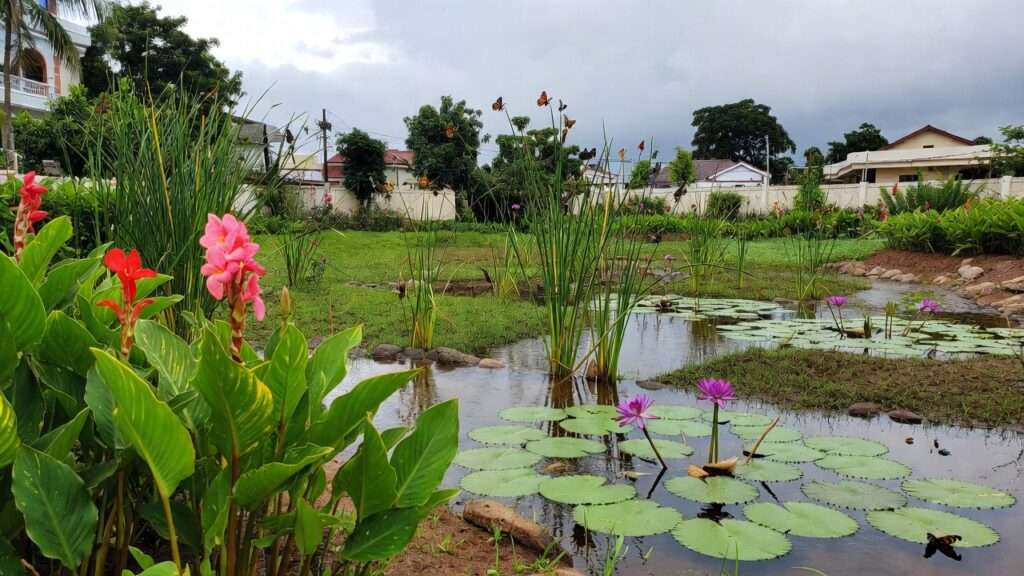
Imagine stepping outside after a heavy monsoon downpour in Khulna, only to find your yard transformed into a series of muddy puddles and rushing streams carrying away precious topsoil. Excess water runoff from roofs, driveways, and compacted lawns not only causes erosion and potential flooding but also washes pollutants into nearby canals and rivers, harming local ecosystems. If this sounds familiar, you’re not alone—many homeowners in Bangladesh’s tropical monsoon climate face the same challenge during the rainy season from June to October. 💦
The good news? A thoughtfully designed rain garden offers an elegant, natural solution. These shallow, planted depressions capture stormwater, allow it to slowly infiltrate the soil, filter out pollutants, and recharge groundwater—all while creating a stunning, low-maintenance landscape feature. As a plant care specialist with years of experience helping homeowners in humid, high-rainfall regions like Khulna Division, I’ve seen rain gardens turn problem areas into vibrant, biodiverse havens that support pollinators, birds, and beneficial insects. 🌸🐦
In this comprehensive guide, we’ll explore rain garden ideas for water runoff tailored to Bangladesh’s heavy monsoon conditions. You’ll discover step-by-step planning, native plant recommendations suited to our warm, humid climate, and 12 inspiring designs featuring local or well-adapted plants. Whether your yard is small, sloped, or shaded, these ideas will help you manage runoff effectively while boosting beauty and ecological value. Let’s turn your stormwater challenge into a thriving garden oasis! ✨
What Is a Rain Garden and Why It Solves Water Runoff Problems 🌱🚰
A rain garden is a strategically placed, vegetated depression that temporarily holds rainwater runoff, allowing it to percolate into the ground within 24-48 hours (preventing standing water and mosquito breeding). Unlike traditional lawns or impervious surfaces, rain gardens mimic natural wetlands, using layered soil, mulch, and deep-rooted plants to absorb and filter water.
In regions like Khulna, where annual rainfall often exceeds 1500-2000 mm (mostly concentrated in the monsoon), unmanaged runoff leads to soil erosion, nutrient loss, and pollution of water bodies. Rain gardens address this by:
- Reducing flooding and erosion around homes
- Filtering up to 90% of sediments, nutrients, and pollutants (per global stormwater management studies adapted to tropical contexts)
- Recharging groundwater in our flood-prone deltaic soils
- Supporting biodiversity with nectar-rich blooms for butterflies, bees, and birds
- Requiring minimal irrigation once established—perfect for our hot, wet-dry cycles
Common myths: Rain gardens aren’t permanent swamps—they dry out quickly between rains. They’re also affordable and DIY-friendly, often costing far less than drainage systems or hardscaping.
Step-by-Step Guide: Planning and Building Your Rain Garden 🛠️📏
Success starts with smart planning. Here’s how to build one tailored to Khulna’s clay-loam soils and intense rains:
- Observe Runoff Patterns — During the next rain, note where water flows from roofs, patios, or streets. Choose a low spot 3-5 meters from your foundation to avoid water damage.
- Site Selection — Full sun to partial shade works best (many tropical plants thrive here). Avoid septic systems, utilities, or steep slopes (>10%). Test soil percolation: Dig a 30 cm hole, fill with water, and time drainage (ideal: 2-5 cm/hour).
- Sizing — Aim for 5-15% of your impervious surface area (e.g., 100 sq m roof → 5-15 sq m garden). In heavy-rain Khulna, lean toward larger sizes for safety.
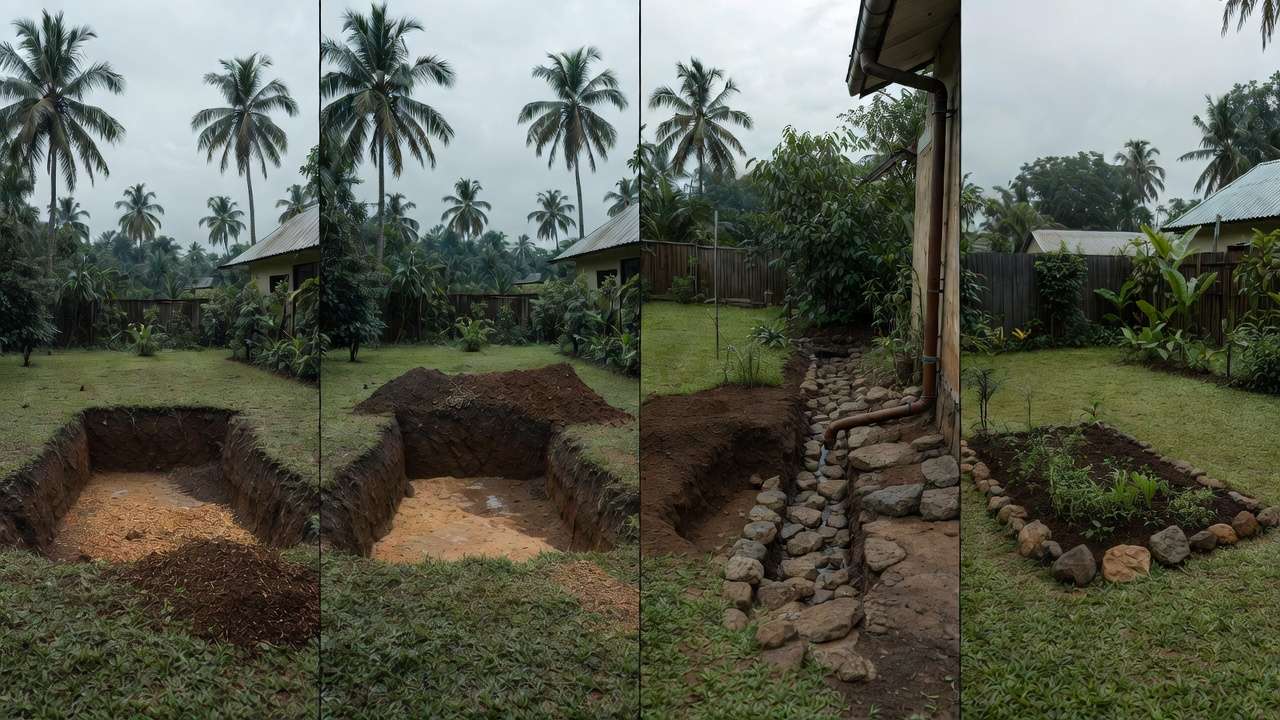
- Digging & Soil Prep — Excavate 20-40 cm deep (deeper in clay soils). Amend with compost, sand, or organic matter for better infiltration. Create a flat basin with a small berm (raised edge) to hold water.
- Inflow & Overflow — Redirect downspouts via rock-lined channels. Add an overflow path (gravel or grass) for extreme rains.
- Mulch & Finish — Apply 5-10 cm organic mulch to retain moisture and suppress weeds.
Pro tip: Start small (2-4 sq m) if you’re new—expand as you see results! 🌟 In monsoon-heavy areas, prioritize quick-draining soil mixes to handle deluges.
Choosing the Best Native Plants for Rain Gardens: Wet-to-Dry Zones Explained 🌸🌾
Native or locally adapted plants are key—they handle our alternating wet-dry cycles, require no fertilizers/pesticides, and boost local wildlife. In Bangladesh’s tropical monsoon climate, focus on species tolerant of periodic flooding yet drought-resistant in the dry season.
Divide your rain garden into zones:
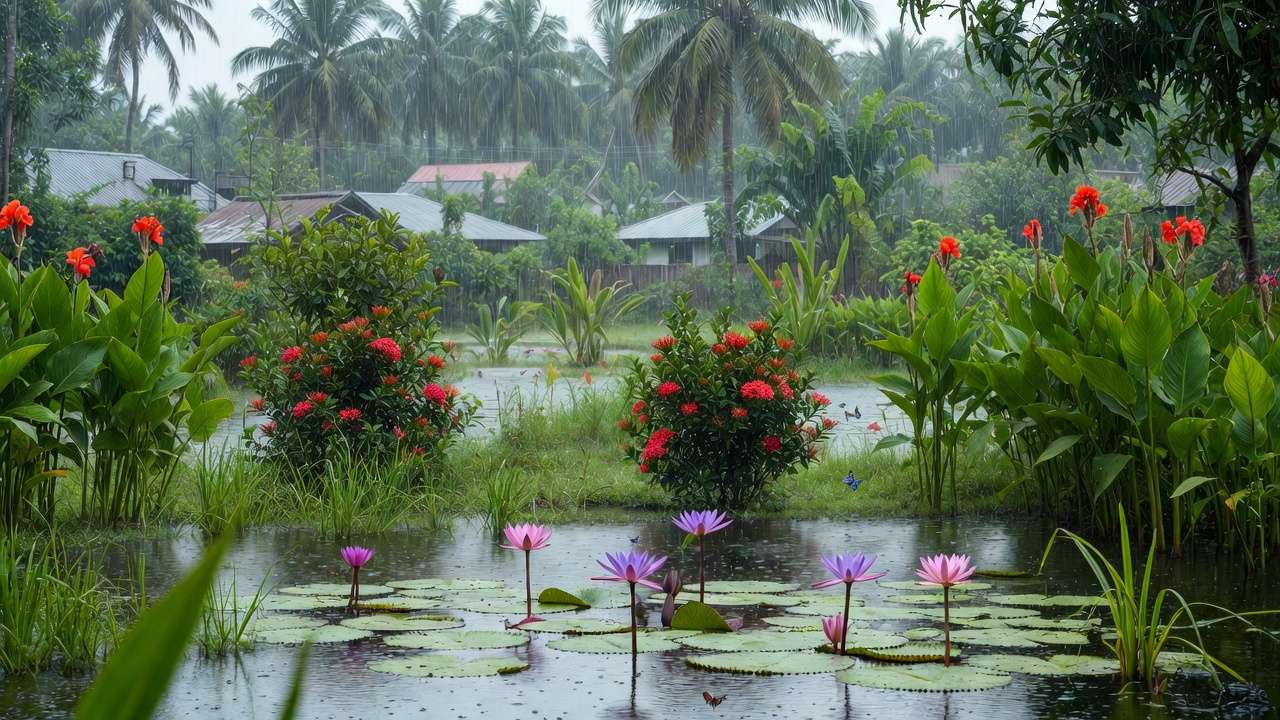
- Center (wettest) — Tolerates brief ponding: Water lilies (local Shapla/Nymphaea spp.), Canna lilies, or marsh plants like Colocasia (green taro).
- Middle (medium moisture) — Hibiscus (China rose/Jaba), Marigold (Genda), or vetiver grass for erosion control.
- Edges/berm (driest) — Drought-tolerant natives like Bermuda grass, holy basil (Tulsi), or flowering shrubs like Ixora and Bougainvillea.
Why locals win: Deep roots improve infiltration, attract pollinators, and resist pests. Plant in spring (post-winter) or early monsoon for best establishment. Mulch heavily, water regularly the first year, then let nature take over.
Regional note for Khulna: Our saline-influenced, fertile delta soils favor moisture-loving tropicals. Source plants from local nurseries or propagate from cuttings for sustainability.
12 Beautiful Rain Garden Design Ideas with Native Plants 🌼🏡
Here are 12 practical, eye-catching designs adapted for Bangladeshi yards—each solves runoff while adding color, texture, and wildlife appeal:
Each design uses deep-rooted plants to maximize water uptake—perfect for our heavy rains.
Each design uses deep-rooted plants to maximize water uptake—perfect for our heavy rains. Let’s explore them in more detail with specific plant suggestions, layout tips, and why they work so well in Khulna’s climate. 🌺
Classic Pollinator Haven 🦋 Full sun, designed to attract butterflies, bees, and hoverflies during the monsoon bloom peak.
-
- Center (wettest): Shapla (Nymphaea pubescens, local water lily) or Canna indica for bold tropical foliage and vibrant flowers.
- Middle: Jaba (Hibiscus rosa-sinensis) and Genda (Tagetes spp.) for continuous color.
- Edges: Tulsi (Ocimum sanctum) and Ixora coccinea for fragrance and structure. This design filters runoff while creating a buzzing pollinator hotspot—ideal for small to medium yards. Pros: High biodiversity boost. Cons: Needs occasional deadheading. Maintenance: Low after establishment.
- Shady Woodland Retreat 🌳 Perfect under existing mango, jackfruit, or coconut trees in partial to full shade.
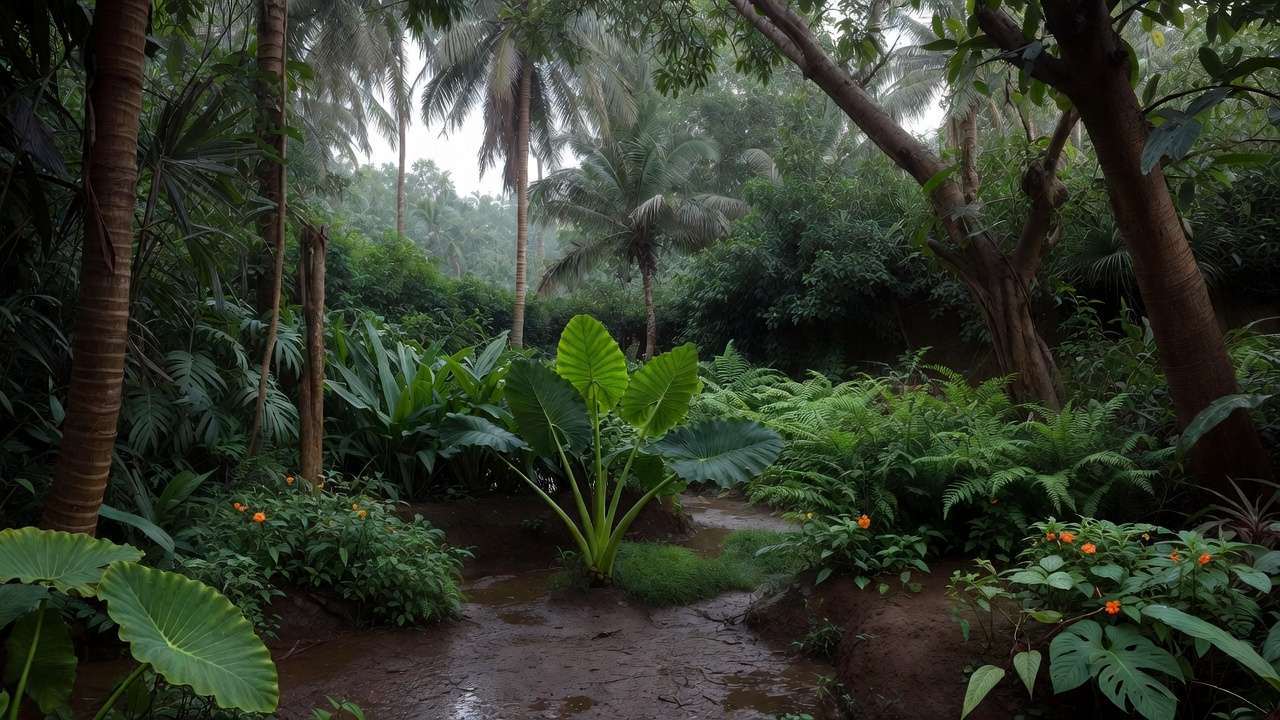
- Center: Colocasia esculenta (local taro/kochur) for lush, large leaves.
- Middle: Local ferns (e.g., Nephrolepis spp.) and wild ginger (Hedychium coronarium if adapted).
- Edges: Orange jasmine (Murraya paniculata) and Tulsi for aromatic borders. Creates a cool, green escape that soaks up shade-loving runoff. Great for urban Khulna backyards.
Compact Front Yard Charmer 🏠 Small-space wonder for city plots.
-
- Center: Clusters of Genda (marigold) for bright pops.
- Middle: Ixora in mixed colors.
- Edges: Bermuda grass (Cynodon dactylon) or low Tulsi border. Enhances curb appeal while diverting driveway/roof runoff. Super low-maintenance!
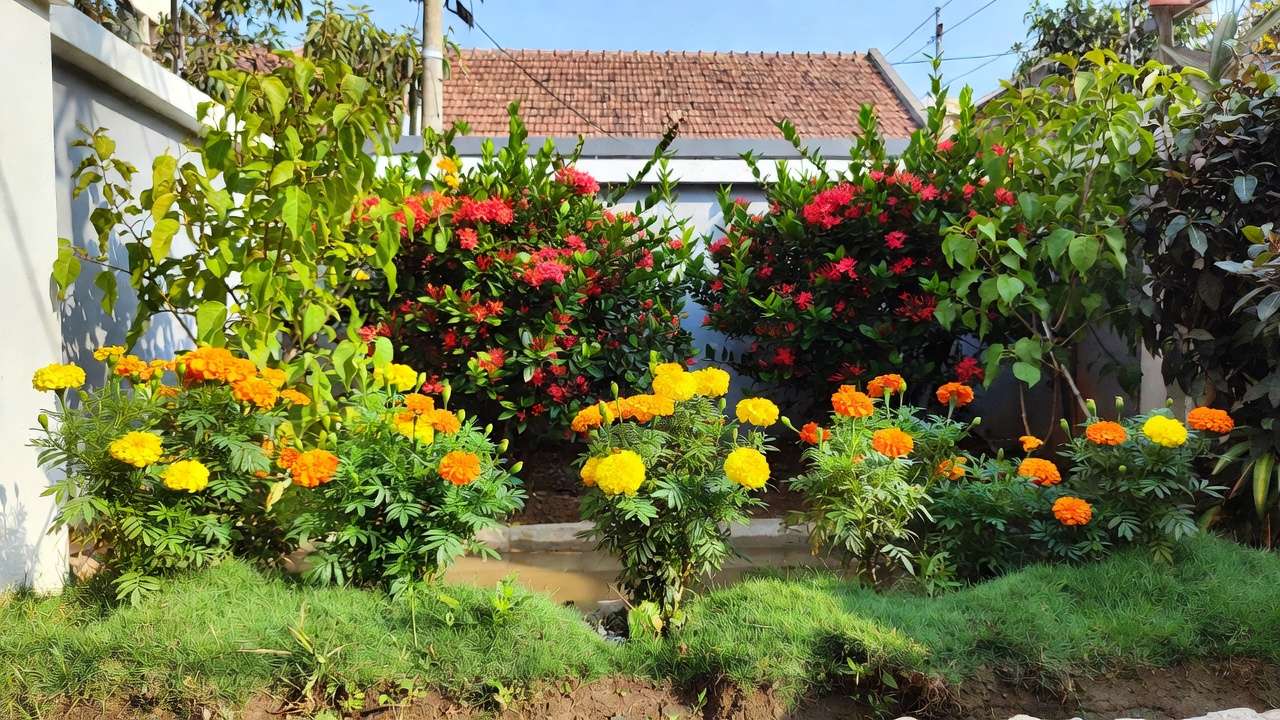
Edible-Infused Rain Garden 🍃 Functional and beautiful—grow herbs alongside ornamentals.
-
- Edges: Tulsi, mint (if contained), or local greens like data shaak.
- Middle/Center: Water-loving taro (Colocasia) for edible corms/leaves. Harvest while filtering water—sustainable for home kitchens.
Tall Grass Prairie Style 🌾 Vertical interest for larger spaces or slopes.
-
- Center/Edges: Vetiver grass (Chrysopogon zizanioides) for superb erosion control and deep roots.
- Middle: Canna and Hibiscus for height and blooms. Excellent for Khulna’s low-lying, flood-prone areas—looks natural and wild.
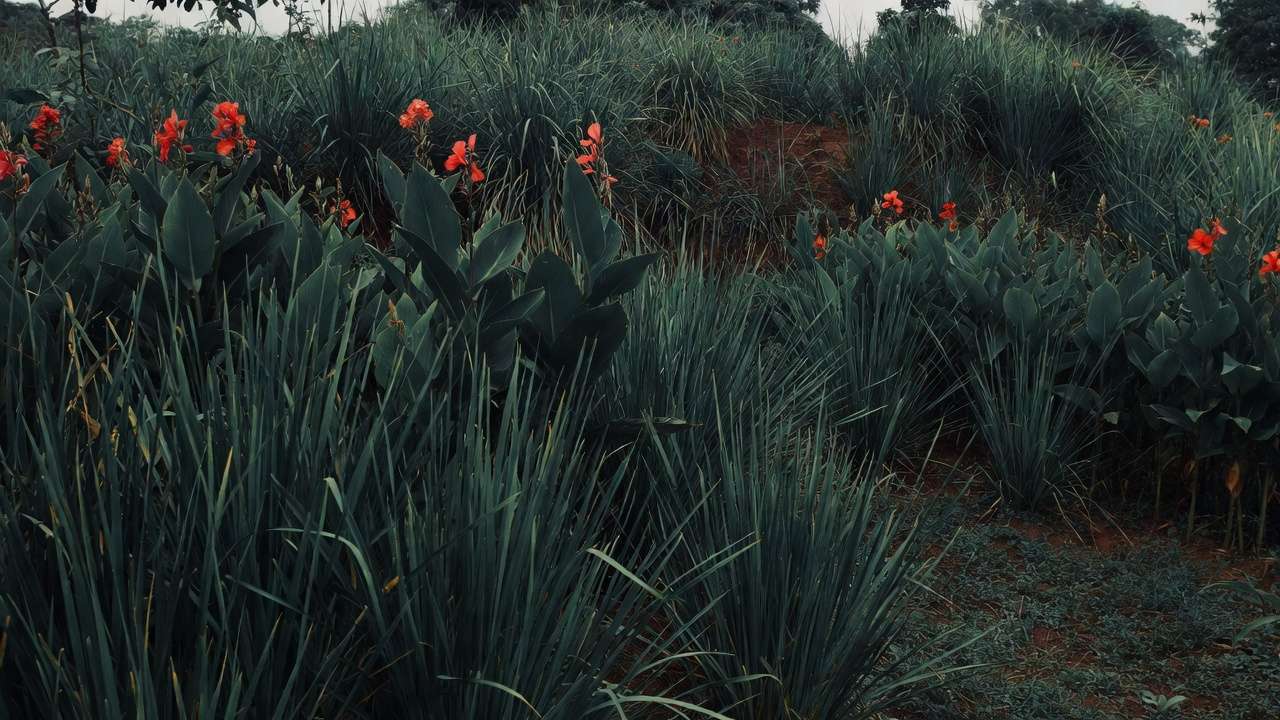
Color-Burst Perennial Border 🎨 Monsoon-long color explosion.
-
- Mix Ixora, Bougainvillea (on drier berms), and marigold for reds, pinks, oranges. Plant in layers for continuous flowering from June onward.
Bird & Wildlife Sanctuary 🐦 Attracts mynahs, kingfishers, and dragonflies.
-
- Berms: Local fig shrubs or berry producers (if adapted natives).
- Center: Nectar-rich Shapla or Canna. Adds ecological value beyond runoff management.
Modern Minimalist Design 🪨 Clean lines with texture.
-
- Vetiver grass clumps + sedges + rock accents. Low-flower, high-impact for contemporary homes.
Sloped Hillside Solution ⛰️ Erosion fighter for uneven terrain.
-
- Vetiver terraces + Hibiscus accents. Stabilizes soil during heavy downpours—vital in delta regions.
Downspout Focal Point 💦 Dramatic roof-water capture.
-
- Center: Shapla or Canna ponding area.
- Surrounds: Vetiver or Iris-like locals for filtration.
Four-Season Interest Garden ❄️ Year-round appeal in our tropical cycle.
-
- Evergreen Tulsi + Ixora; monsoon bloomers like marigold. Structure persists through dry months.
Budget-Friendly Beginner Build 💰 Easy starters.
-
- Marigold, Tulsi, Bermuda grass—inexpensive, propagate easily. Expand naturally over time.
These designs draw from tropical-adapted species that handle our wet-dry swings, emphasizing locally available plants like Shapla, Canna, Ixora, Tulsi, and vetiver for authenticity and ease.
Maintenance Tips for Long-Lasting Rain Gardens 🌿🔧
Rain gardens are low-effort once established, but Khulna’s intense monsoon requires a few tweaks:
- Year 1: Water during dry spells (April-May), weed regularly, mulch refresh after heavy rains.
- Ongoing: Deadhead spent blooms, divide overcrowded perennials every 2-3 years, remove debris post-monsoon.
- Common issues & fixes:
- Slow drainage in clay soils → Add more sand/compost next season.
- Mosquito risk → Ensure 24-48 hour drain time; add fish to any permanent ponding.
- Deer/pests → Tulsi and marigold naturally deter many.
- Tree integration: Plant small natives like jamun (Syzygium cumini) or neem on berms for shade and extra root absorption—great for tree care synergy!
With proper mulching (coconut coir or leaf litter works wonderfully here), your garden will thrive with almost no fertilizer.
Real-Life Success Stories & Expert Insights 📖💡
In my experience working with Khulna homeowners, one client redirected roof runoff into a 10 sq m Shapla-Canna garden—flooding near their patio vanished, and butterflies increased noticeably within one season. Another used vetiver on a slope to stop erosion during cyclones, turning a barren area into a lush screen.
Expert insight: “Layer plant heights and stagger bloom times—early monsoon marigolds, peak Canna/Jaba, late Ixora—for visual interest and maximum water uptake year-round.” Start observing your yard’s patterns this rainy season!
Frequently Asked Questions (FAQs) ❓
How much does a rain garden cost? DIY versions start at 5,000-15,000 BDT (plants, soil amendments, mulch). Larger or professional installs cost more but save on drainage fixes long-term.
Will it attract mosquitoes? No—if designed to drain in 24-48 hours. Avoid permanent standing water.
Can I plant non-natives? Yes, but natives/adapted locals (Shapla, Tulsi, Ixora) perform best, need less care, and support wildlife.
What if my soil is clay-heavy? Amend heavily with compost/sand; use vetiver for natural aeration.
How long until it works? Immediate runoff capture; full filtration and plant establishment in 1-2 monsoons.
Conclusion: Transform Your Yard Today 🌟
A rain garden is more than landscaping—it’s a smart, beautiful way to manage water runoff, prevent flooding, filter pollutants, and create a thriving ecosystem right in your Khulna yard. With native and adapted plants like Shapla, Canna, Ixora, Tulsi, and vetiver, you’ll enjoy vibrant blooms, wildlife visitors, and peace of mind during heavy rains—all with minimal ongoing effort.
Ready to start? Observe your next downpour, sketch a simple plan, visit a local nursery for starters, and watch your yard transform into a sustainable oasis. Your land—and local waterways—will thank you! 💚🌧️











