
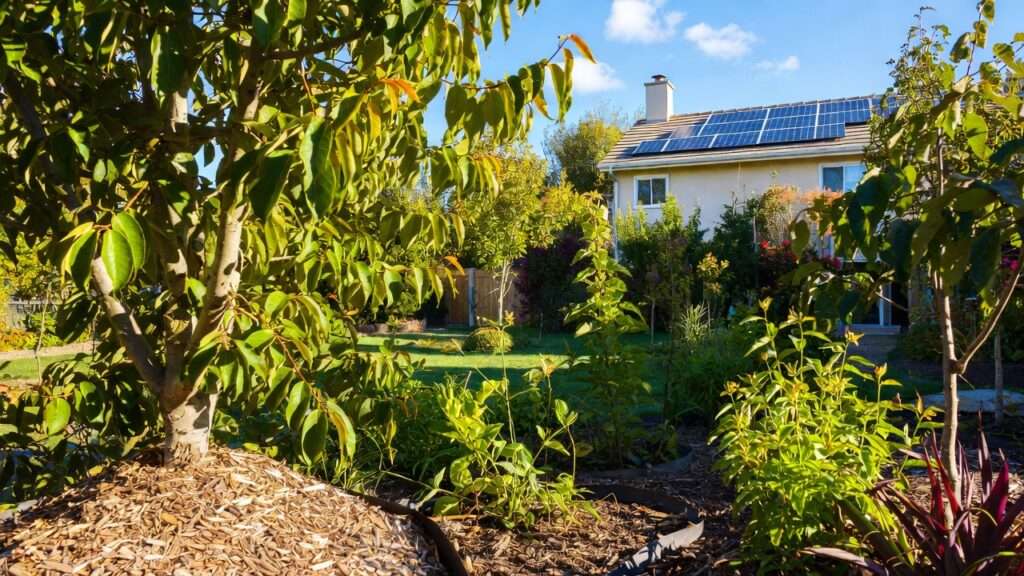
Imagine cutting your outdoor water bill by up to 40%, keeping your garden lush and vibrant even during dry spells, and turning everyday household “waste” into a free, nutrient-packed resource for your plants—all while helping the planet. 🌍 In an era of increasing water scarcity, rising utility costs, and environmental concerns, greywater irrigation in residential landscapes offers a practical, sustainable solution that many homeowners overlook.
Greywater—lightly used water from showers, bathroom sinks, laundry, and sometimes kitchen sinks (excluding toilet waste)—makes up 50-80% of a typical household’s wastewater. Instead of sending it to the sewer or septic system, you can redirect it safely to irrigate trees, shrubs, ornamentals, and other deep-rooted plants in your yard. This not only conserves precious freshwater but also recycles nutrients like phosphorus and nitrogen from soaps and dirt, acting as a mild natural fertilizer to promote healthier growth. 🌱
In regions facing drought, water restrictions, or high irrigation demands (like many tropical or subtropical areas), greywater systems provide resilience. A simple setup can save thousands of gallons annually—often 10,000–40,000 gallons per household—while maintaining beautiful, thriving landscapes. As a plant and tree care expert with years of experience in sustainable gardening, I’ve seen greywater transform ordinary yards into resilient, low-maintenance oases. This in-depth guide draws from proven best practices, real-world case studies, and current guidelines to help you implement greywater irrigation safely and effectively. Whether you’re a beginner or seasoned gardener, you’ll learn how to choose the right system, select compatible plants, maintain soil health, and navigate local rules for long-term success. Let’s dive in and make your landscape more sustainable—one shower at a time! 💦
(Word count so far: ~380)
What Is Greywater and Why Use It for Residential Landscapes? ♻️
Greywater is wastewater generated from domestic activities like bathing, laundry, and handwashing—distinct from “blackwater,” which comes from toilets and contains higher pathogen loads. 🚫 Sources typically include:
- Shower and bath water
- Bathroom sink drainage
- Washing machine effluent
- (Sometimes) kitchen sink, though many experts recommend excluding it due to higher grease and food particles
A typical household of four produces 100–150 liters (about 26–40 gallons) of greywater per person daily, totaling 30–50% of indoor water use. When reused for irrigation, this “waste” becomes a valuable asset.
The case for greywater in residential landscapes is compelling:
- Water conservation — It offsets potable water used for outdoor irrigation, which can account for 30–50% of household consumption in landscaped homes.
- Nutrient recycling — Traces of organic matter and minerals feed soil microbes and plants naturally.
- Reduced environmental impact — Less strain on municipal sewage systems, lower energy for water treatment, and decreased discharge into waterways.
- Drought resilience — In water-restricted areas, greywater provides a reliable, on-site source when municipal supplies are limited.
By integrating greywater irrigation, homeowners achieve greener yards with lower bills and a smaller ecological footprint—perfect for tree and plant enthusiasts committed to sustainable care.
Key Benefits of Greywater Irrigation in Home Landscapes 🌳
Greywater isn’t just about saving water; it’s a holistic boost for your residential landscape:
- Significant water savings — Systems can reuse 30–40% of indoor water, equating to 10,000–40,000 gallons (38,000–150,000 liters) saved yearly for a family home. In drought-prone regions, this translates to maintaining trees and shrubs without tapping restricted supplies.
- Lower utility bills — Reduced freshwater demand for irrigation directly cuts costs, with payback periods as short as 2–6 years for simple setups (depending on local rates and system type).
- Natural fertilization — Greywater delivers mild nutrients (nitrogen, phosphorus) that enhance soil fertility and support vigorous growth in trees, perennials, and ornamentals—often leading to lusher foliage and better root development.
- Septic and municipal relief — Less wastewater volume eases strain on septic tanks or public systems, extending their lifespan.
- Increased property value and beauty — A thriving, drought-resistant landscape adds curb appeal and creates a more enjoyable outdoor space. ✨
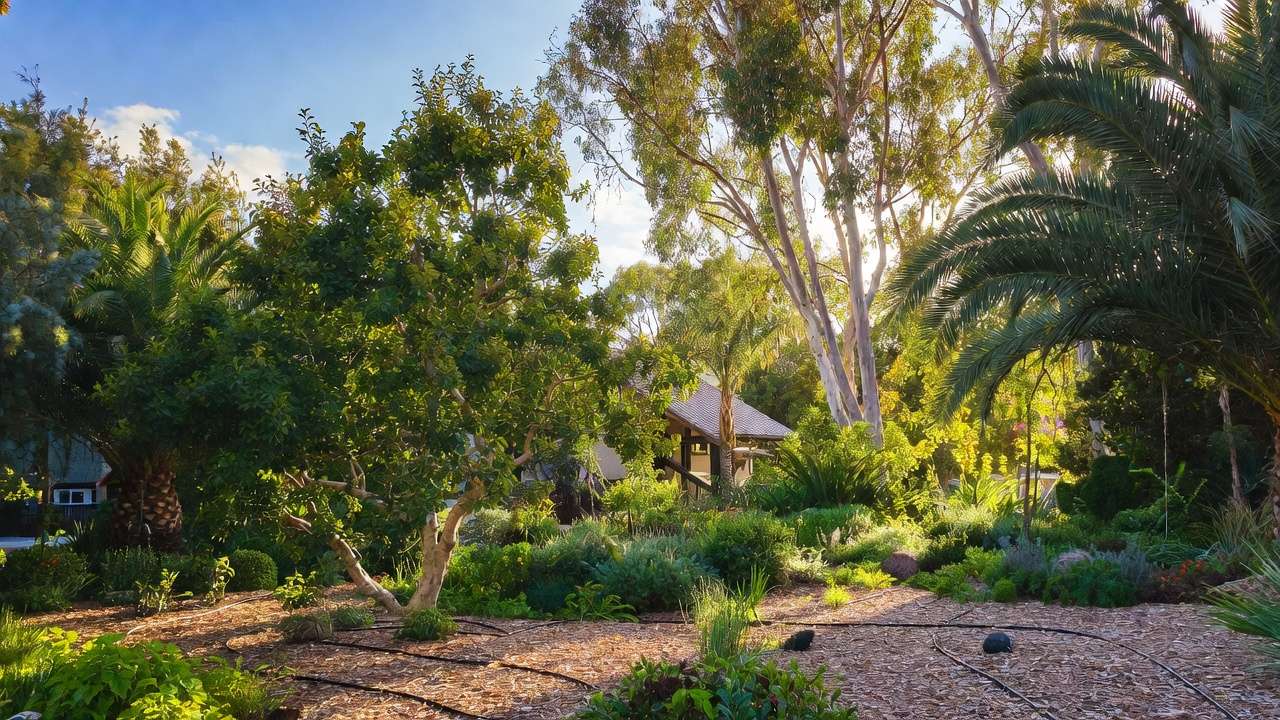
Studies and field reports show no negative impacts on soil or plant health when systems follow best practices—many users report healthier, more resilient gardens.
Potential Drawbacks and How to Mitigate Them ⚠️
While powerful, greywater irrigation requires mindful implementation:
- Soil salinity and sodium buildup — Some detergents contain salts or boron that accumulate over time, potentially harming sensitive plants.
- Mitigation — Switch to low-sodium, biodegradable, plant-friendly products; flush soil periodically with freshwater; monitor soil EC (electrical conductivity).
- Chemical and surfactant concerns — Harsh cleaners or antibacterial agents may affect soil microbes or plants.
- Mitigation — Choose eco-friendly, greywater-compatible soaps (free of boron, chlorine bleach, and high salts).
- Maintenance and clogging — Filters and pipes can clog from lint, hair, or grease.
- Mitigation — Install accessible filters; use mulch basins to distribute flow evenly.
- Pathogen risks — Though low in properly sourced greywater, surface pooling could pose minor health concerns.
- Mitigation — Use subsurface or mulch-covered distribution; avoid edible crops with leaf contact.
- Legal and site limitations — Not all areas allow greywater; unsuitable for steep slopes or poor-draining soils.
- Mitigation — Check local regulations first (more below).
With proper design, these issues are minimal—many systems run trouble-free for years.
Is Greywater Safe for Plants, Soil, and Your Family? 🛡️
Yes—when handled correctly, greywater is safe and often beneficial for residential landscapes.
Plant tolerance — Deep-rooted trees (fruit, shade, natives), shrubs, and perennials thrive best. Avoid direct application to lawns, shallow-rooted annuals, or edibles where water contacts leaves/fruit (e.g., lettuce). Established fruit trees like citrus, figs, avocados, and mulberries handle it well due to deep roots diluting any salts.
Soil health impacts — Nutrients boost microbial activity, but salts require monitoring. Use mulch to filter and buffer; test soil pH and salinity annually.
Health & safety guidelines —
- Subsurface irrigation or mulch basins only—no surface pooling or spray.
- No contact with edible parts.
- Keep systems away from wells, ponds, or play areas (setbacks typically 100+ feet from water sources).
- Family safety: Minimal risk with proper diversion—no ingestion or prolonged skin contact.
Choosing plant-friendly products — Opt for biodegradable, low-phosphate, boron-free detergents (brands like Oasis, Biopac, or Earth-friendly lines). Avoid fabric softeners and bleach. 🧼
Expert consensus from organizations like Greywater Action and EPA-aligned guides confirms: Properly managed greywater supports thriving plants without compromising safety.
Best Plants and Trees for Greywater Irrigation 🌴🍎
Greywater suits drought-tolerant, salt-resilient species:
- Top recommendations —
- Fruit trees: Citrus, figs, guava, mulberry, avocado (apply below canopy/drip line).
- Shade trees: Oaks, maples (once established), native species.
- Shrubs & perennials: Lavender, rosemary, manzanita, hibiscus, ornamental grasses.
- Berries and larger natives for biodiversity.
- Plants to avoid/cautious use — Acid-loving plants (blueberries, azaleas—unless pH-neutral soaps); shallow-rooted veggies; lawns (risk of pathogen exposure).
Match volume to needs: A medium fruit tree might require 8–25 gallons/week (cool to hot climates). Design mulch basins at the drip line for deep, even watering—promoting strong roots and drought resistance. 🌿
Combine with native plants for low-maintenance, eco-friendly yards that flourish year-round.
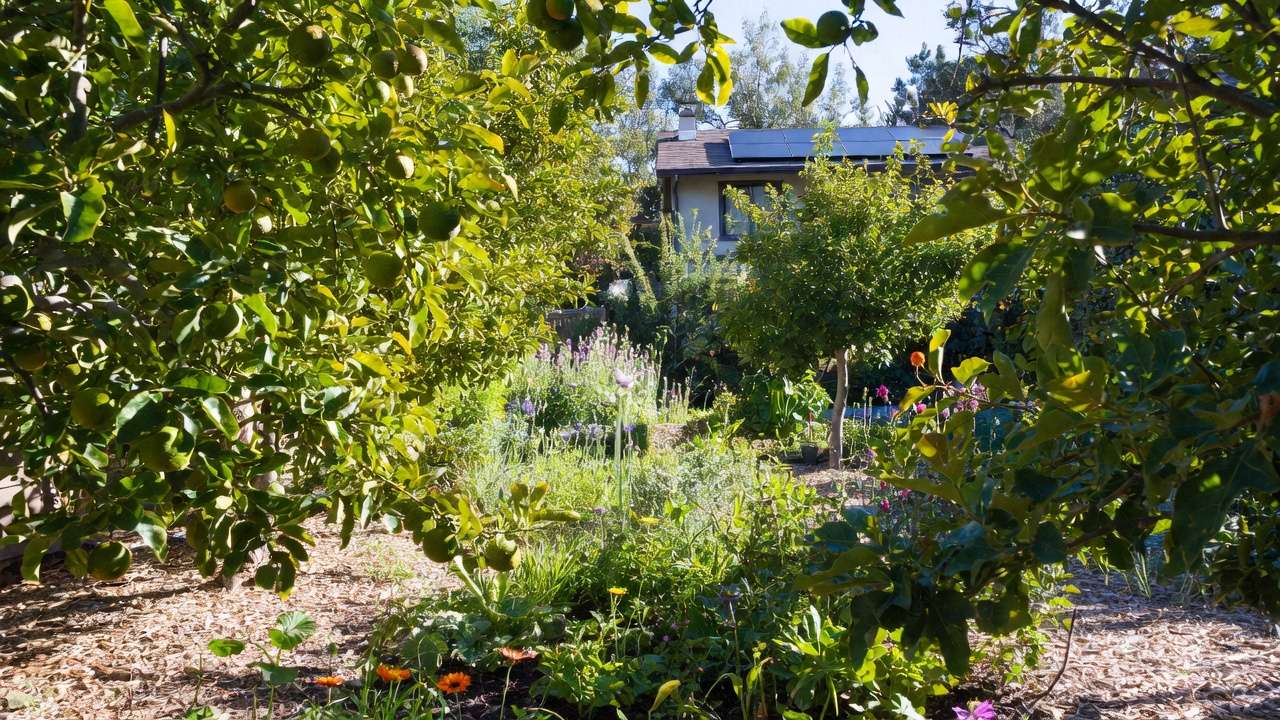
Types of Greywater Systems for Residential Use 🔧
Greywater systems range from ultra-simple DIY setups to more advanced filtered/pumped configurations. The key is matching the system to your home’s layout, water volume, yard slope, and budget—while prioritizing safety and minimal maintenance for long-term plant health.
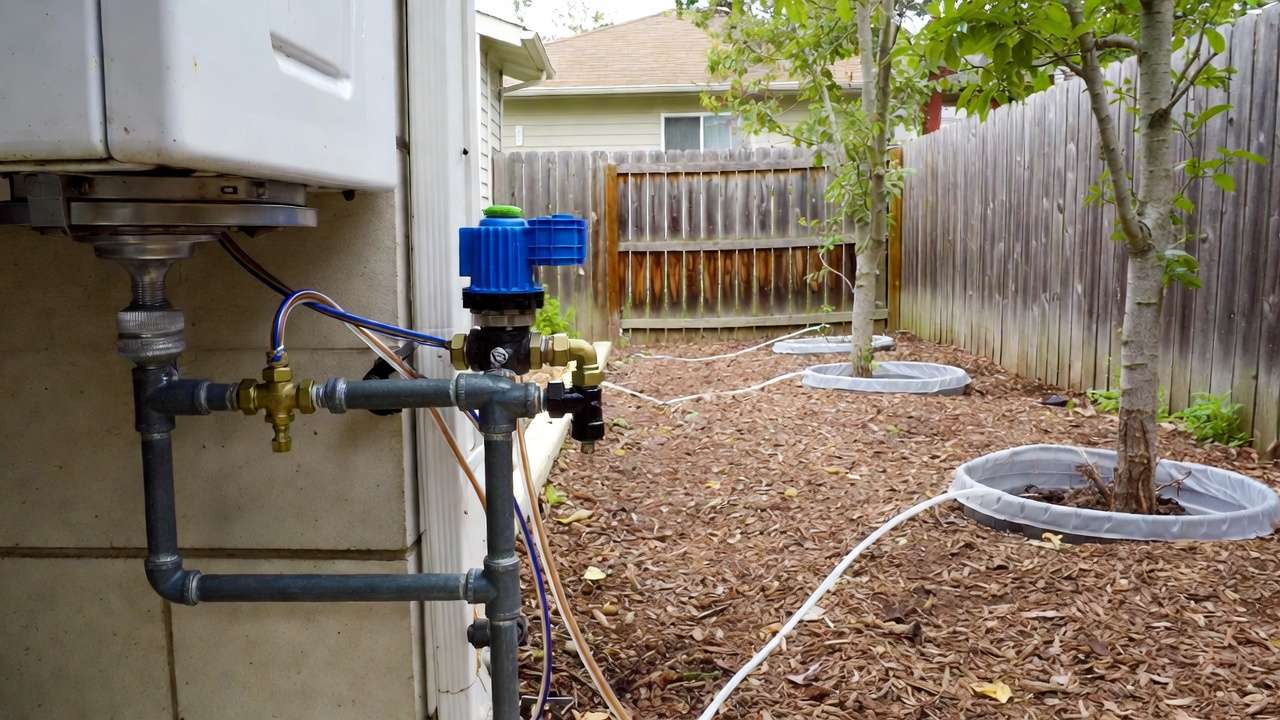
- Laundry-to-Landscape (L2L) – Easiest & Most Popular 🧺 This beginner-friendly system diverts water directly from your washing machine’s drain hose. No major plumbing changes needed—just install a 3-way diverter valve behind the washer to switch between sewer and landscape. The washer’s built-in pump pushes water through 1-inch tubing to mulch basins around trees and shrubs.
- Pros: Low cost ($150–$400), easy DIY install (often no permit required in many areas), irrigates flat yards effectively.
- Best for: Households with frequent laundry; ideal starter for fruit trees and ornamentals.
- Water volume: Handles 20–50 gallons per load, perfect for 4–8 medium trees/shrubs.
- Simple Gravity-Fed Systems (e.g., Branched Drain) Uses gravity to distribute water from showers, sinks, and baths downhill via diverter valves and flow splitters. Water flows into underground or mulch-covered emitters that branch out to multiple mulch basins.
- Pros: Extremely low-tech, durable (decades of use), minimal clogs when filtered properly.
- Best for: Homes with downhill slope; excellent for deep-rooted trees and natives.
- Water volume: Higher capacity (up to 100+ gallons/day from multiple fixtures).
- Complex/Treated Systems Include surge tanks, filters, pumps, and sometimes UV or sand filtration for uphill yards or larger volumes. These often require professional installation and permits.
- Pros: Handles more sources, greater control, safer for varied landscapes.
- Best for: Larger properties or when combining with rainwater harvesting.
Quick Comparison Table 📊
| System Type | Cost Range | Complexity | Typical Water Volume | Best For Trees/Plants | Permit Often Needed? |
|---|---|---|---|---|---|
| Laundry-to-Landscape | $150–$500 | Low (DIY) | 20–50 gal/load | Fruit trees, shrubs | Rarely |
| Branched Drain (Gravity) | $300–$1,000 | Medium | 50–150 gal/day | Deep-rooted natives, trees | Sometimes |
| Pumped/Treated | $1,000–$5,000+ | High | 100+ gal/day | Larger/uphill yards, diverse | Usually |
Choose based on your needs—most homeowners start with L2L for quick wins in tree and plant care.
Step-by-Step Guide to Installing a Greywater System 🔨
Installing a basic system is achievable for handy homeowners, but consult local codes and consider a pro for plumbing if unsure.
- Assess Your Home & Yard
- Identify greywater sources (e.g., washer, shower).
- Map yard layout: slope, soil type (well-draining loam/sand ideal), plant locations, setbacks from wells/structures (typically 5–100 ft depending on rules).
- Test soil percolation and calculate daily greywater volume.
- Choose Your System
- Start simple: L2L for most.
- Gather materials: 3-way diverter valve, 1-inch PVC/HDPE tubing, flow splitters, mulch basins tools, filters (lint trap for laundry).
- Installation Steps (Laundry-to-Landscape Example)
- Mount the 3-way diverter valve behind the washing machine (wall or floor).
- Connect washer drain hose to valve inlet; route one outlet to sewer, the other through a wall hole (drill carefully) to outdoor tubing.
- Run tubing to yard; install vacuum breaker to prevent backflow.
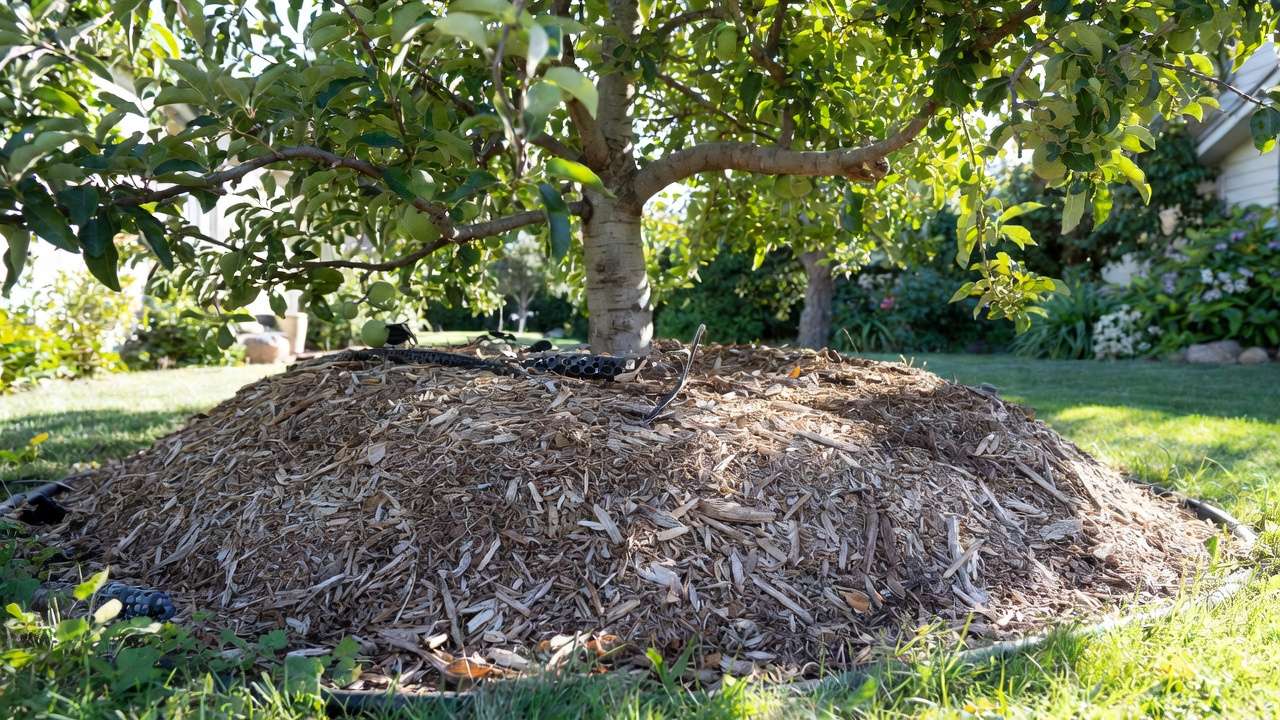
- Create mulch basins (18–24 inches deep, 3–6 ft diameter) around tree drip lines—fill with wood chips.
- Connect tubing ends to emitters or perforated pipe in basins; cover with mulch to prevent pooling/evaporation.
- Test: Run a load, check even distribution and no leaks.
- Professional vs. DIY
- DIY for L2L (saves $500–$1,500).
- Hire plumber/irrigation expert for branched drains or pumped systems—ensures compliance and longevity.
Always include a diverter for bleach loads or maintenance!
Maintenance and Long-Term Management 🛠️
Greywater systems are low-maintenance when designed well, but regular care keeps plants thriving:
- Weekly/Monthly Checks — Inspect filters (clean lint traps), look for clogs, odors, or pooling.
- Seasonal Tasks — Flush with freshwater 1–2 times/year to leach salts; refresh mulch annually.
- Adjustments — Reduce use in rainy seasons; monitor plant health for yellowing (possible salt stress).
- Troubleshooting — Odors? Check for standing water—add aeration or more mulch. Poor flow? Clean tubing/emitters.
With good habits, systems last 10–20+ years, supporting healthy trees and reduced watering needs.
Legal and Regulatory Considerations 📜
Greywater rules vary widely—always verify locally to stay compliant and safe.
- In the US: Many states (e.g., California, Arizona, New Mexico, Oregon) allow simple systems with minimal permits; others (e.g., some require inspections or limit sources). Check state health/environment departments or plumbing codes.
- Internationally: Encouraged in water-scarce areas (Australia, parts of Middle East), often with guidelines similar to US. In Bangladesh/Khulna region, local municipal or environmental rules may apply—consult DPHE or city authorities for on-site reuse.
- Common requirements: Subsurface only, no edible leaf contact, setbacks from water sources, use of approved products.
- Incentives: Some areas offer rebates for water-saving installs.
Start by searching “[your location] greywater regulations” or contacting local health/plumbing departments.
Real-Life Examples and Case Studies 📸
- Moab, Utah Pilot Home — A homeowner installed one of Utah’s first permitted residential greywater systems in 2016 (gravity-based to mulch basins). After 7+ years, it reliably irrigates the landscape, cuts potable use significantly, and proves safe/effective with no soil/plant issues.
- Desert Rain Project (Oregon) — A net-zero home uses treated greywater via constructed wetland for food gardens and ornamentals—thriving native landscaping with zero additional irrigation in dry seasons.
- Perth, Australia Cottage — Small urban lot integrated branched drain system; owners report lush fruit trees and reduced bills without maintenance headaches.
These successes highlight greywater’s reliability for resilient residential landscapes.
Expert Tips and Pro Insights 🌺
- Detergent choices — Stick to liquid, greywater-safe, low-sodium options (e.g., Oasis, Biopac, or eco-brands without boron/bleach).
- Integration — Combine with rainwater harvesting or native plants for ultimate low-maintenance paradise.
- Advanced tweak — Add flow meters to track savings; mulch heavily to retain moisture and filter impurities.
- ROI estimate — For a family of 4, expect $100–$400 annual savings on water bills—payback in 3–7 years.
Frequently Asked Questions (FAQs) ❓
- Can I use greywater on vegetable gardens? Yes for root crops (carrots, potatoes) or fruit trees if subsurface—no direct leaf/fruit contact; avoid leafy greens unless highly treated.
- How much money will I save? Typically $100–$500/year depending on water rates, usage, and system size—plus environmental benefits!
- Is greywater smelly or unsafe? No—proper subsurface delivery prevents odors/pathogens; fresh greywater is low-risk when using safe soaps.
- What if I live in an apartment/condo? Options limited; balcony plants with collected laundry water (manual buckets) or advocate for building-wide systems.
- Best starter system for beginners? Laundry-to-Landscape—simple, affordable, and highly effective for trees/plants.
Conclusion: Take the Next Step Toward a Sustainable Landscape 💚
Greywater irrigation in residential landscapes is a game-changer: it conserves water, nourishes trees and plants naturally, cuts costs, and builds drought resilience—all from water you’re already using. Start small—perhaps with a laundry-to-landscape setup—and watch your yard thrive responsibly.
Check local regulations, choose eco-friendly products, and design with your plants in mind. Your everyday routines can become a greener legacy—one diverted shower or load of laundry at a time. Ready to transform your landscape? 🌳











