
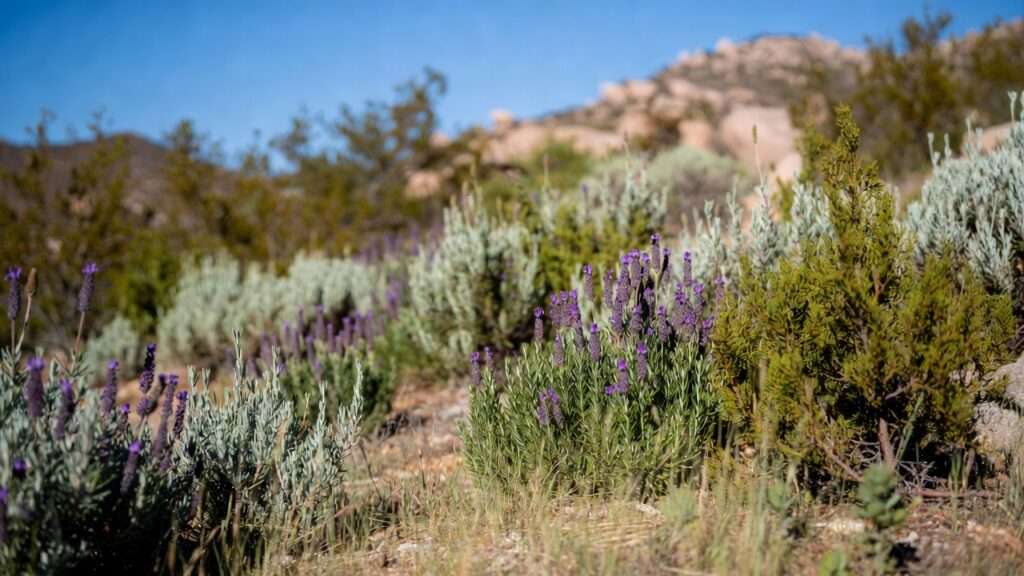
Imagine stepping into your garden during a long dry spell, expecting wilted leaves and bare patches, only to be greeted by vibrant blooms, silvery foliage, and lush evergreen structure that looks effortlessly beautiful. In regions facing water restrictions, erratic rainfall, or simply the desire for sustainable, low-maintenance landscaping, shrubs that survive minimal rainfall are game-changers. These tough, resilient plants thrive with little to no supplemental watering once established, saving you time, money, and precious resources while supporting pollinators and creating year-round interest. 🌿💧
As climates shift and water conservation becomes essential, xeriscaping and drought-tolerant gardening aren’t just trends—they’re smart solutions. Whether you’re in an arid zone, dealing with sandy soils, or just tired of constant hose duty, the right shrubs can transform your outdoor space into a thriving, eco-friendly haven.
In this in-depth guide, we’ll explore the science behind drought tolerance, share an expanded expert-curated list of top performers (more comprehensive than most lists out there), and provide practical advice on selection, planting, care, and design. Backed by horticultural knowledge and real-world performance, these recommendations help solve the common problem of maintaining beauty in low-water conditions. Let’s dive in and discover how to build a stunning, water-wise garden that practically takes care of itself! 🌟
Understanding Drought Tolerance in Shrubs 🌞
Drought tolerance means a plant can endure extended periods of low rainfall—typically less than 15–20 inches annually or prolonged dry seasons—without significant stress or dieback. These shrubs survive minimal rainfall through clever adaptations honed by nature over generations.
Key adaptations include:
- Deep or extensive root systems that tap into moisture far below the surface.
- Small, thick, or waxy leaves that reduce water loss through transpiration.
- Silver-gray or hairy foliage that reflects sunlight and traps humidity.
- CAM photosynthesis (in some succulents) or efficient water-use strategies in others. 🔬
It’s important to distinguish drought-tolerant (they survive dry spells but may look better with occasional water) from drought-resistant (they truly thrive with almost none after establishment). Many of our picks fall into the “thrive” category for low-water gardens.
Factors That Influence Drought Survival
Success depends on more than the plant itself:
- Soil type and drainage — Well-draining sandy or rocky soils prevent root rot; heavy clay needs amendments like grit.
- Sun exposure and microclimates — Full sun maximizes drought hardiness for most; sheltered spots reduce evaporation.
- Establishment period — The first 1–2 years are critical. Deep, infrequent watering builds strong roots—skimping here dooms even the toughest shrubs! 💡
By matching plants to your conditions, you’ll maximize success and minimize effort.
Top 15+ Drought-Tolerant Shrubs: Expert Picks for Low-Water Gardens 🌟
Here’s a curated selection of standout shrubs proven to perform in minimal rainfall. Grouped by standout features for easy browsing, these go beyond basic top-10 lists with detailed insights, zones, and why they excel.
Flowering Powerhouses 💐
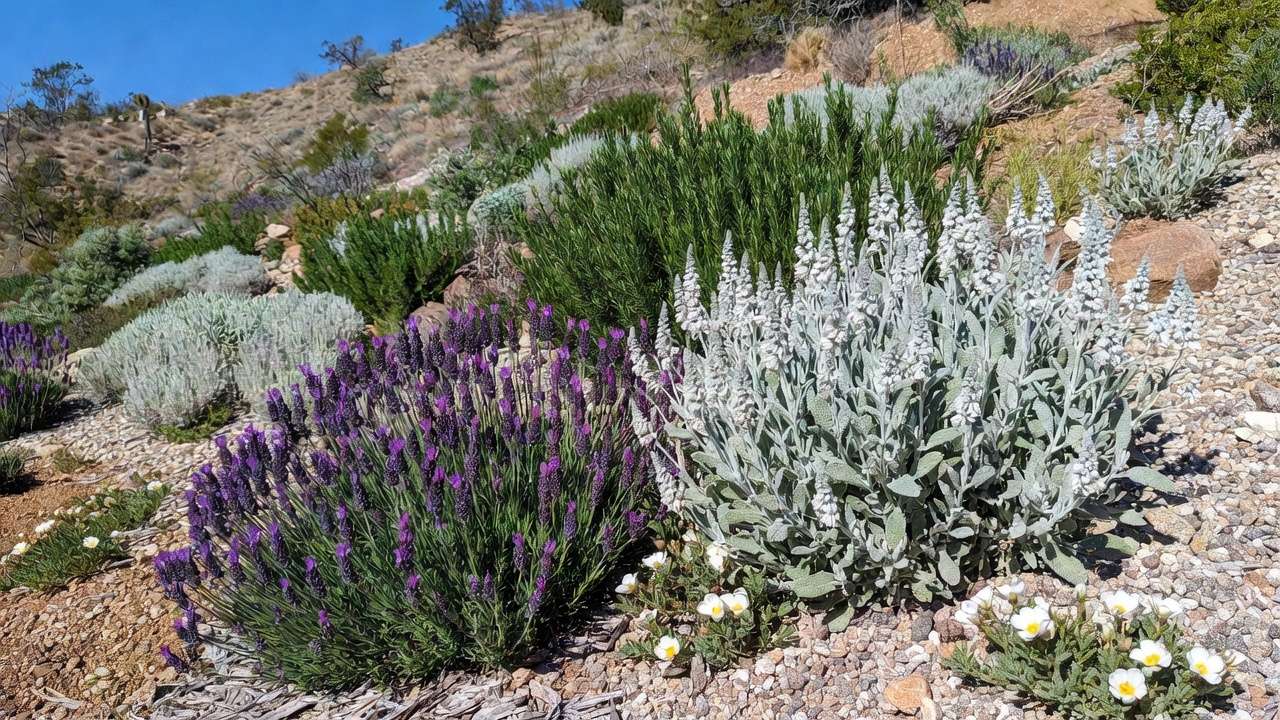
- Lavender (Lavandula angustifolia & hybrids)
- Height/Width: 1–3 ft tall/wide
- Zones: 5–9
- Features: Fragrant purple spikes, silvery foliage, pollinator magnet.
- Why it excels: Mediterranean native built for hot, dry summers; essential oils reduce water loss. Perfect for borders or hedges. 🌸
- Rosemary (Salvia rosmarinus)
- Height/Width: 2–6 ft
- Zones: 7–10
- Features: Edible evergreen, blue flowers, aromatic needles.
- Why it excels: Tough coastal native; handles poor soil and salt spray. Great for culinary gardens! 🍃
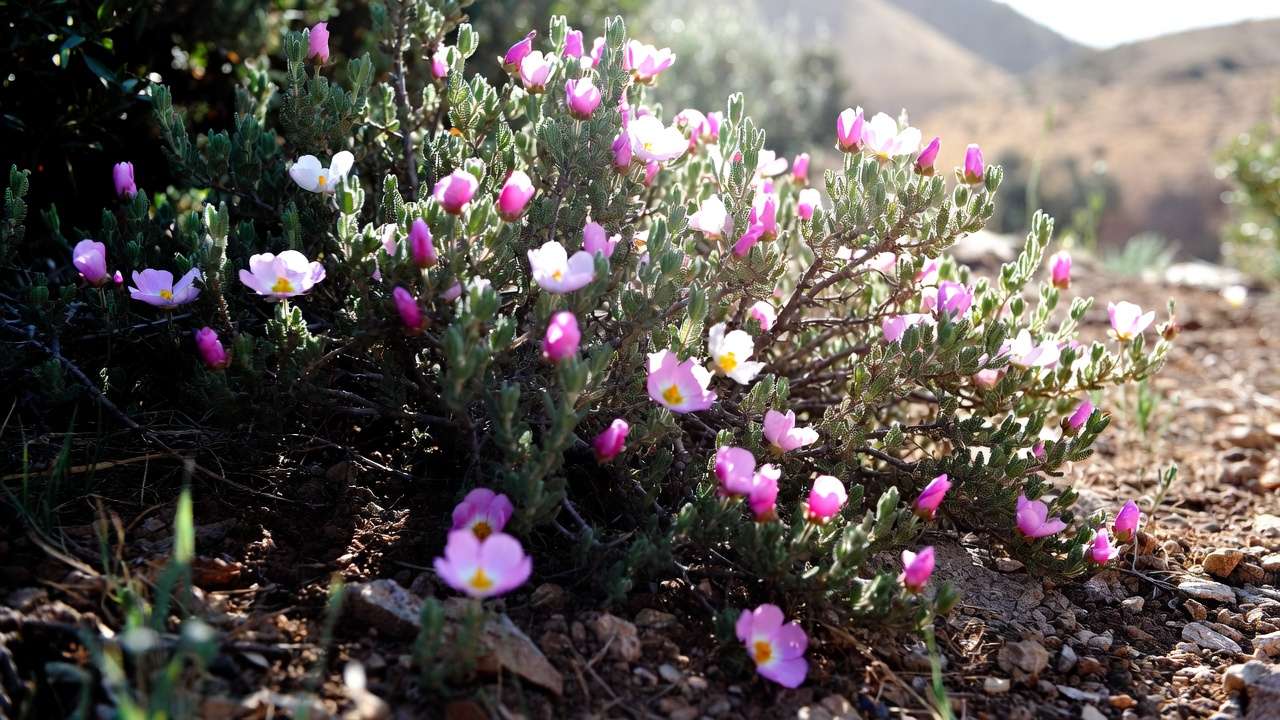
- Rockrose (Cistus spp.)
- Height/Width: 2–5 ft
- Zones: 8–10
- Features: Papery flowers in pink/white, resinous leaves.
- Why it excels: Blooms profusely after rain; fire-resistant and ultra-tough in dry heat. 🔥
- Russian Sage (Perovskia atriplicifolia)
- Height/Width: 3–5 ft
- Zones: 4–9
- Features: Airy lavender-blue spikes, silver stems.
- Why it excels: Long bloom season, airy texture adds movement; thrives in poor, dry soils. 🌀
- Butterfly Bush (Buddleja davidii compact cultivars)
- Height/Width: 3–6 ft
- Zones: 5–9
- Features: Cone-shaped blooms attract butterflies.
- Why it excels: Deep roots; cut back for fresh growth. 🦋
Evergreen & Structural Stars 🌲
- Junipers (Juniperus spp., e.g., shore juniper)
- Height/Width: Varies (low groundcover to upright)
- Zones: 3–9
- Features: Blue-green scales, berries for wildlife.
- Why it excels: Extremely hardy; erosion control on slopes.
- Texas Sage / Texas Ranger (Leucophyllum frutescens)
- Height/Width: 5–8 ft
- Zones: 8–10
- Features: Silvery leaves, purple blooms triggered by humidity.
- Why it excels: “Magic” flowers after rare rain; iconic in arid landscapes. ✨
- Santolina (Lavender Cotton)
- Height/Width: 1–2 ft
- Zones: 6–9
- Features: Yellow buttons, woolly silver foliage.
- Why it excels: Low mound; excellent edging plant.
Native & Pollinator-Friendly Heroes 🐝
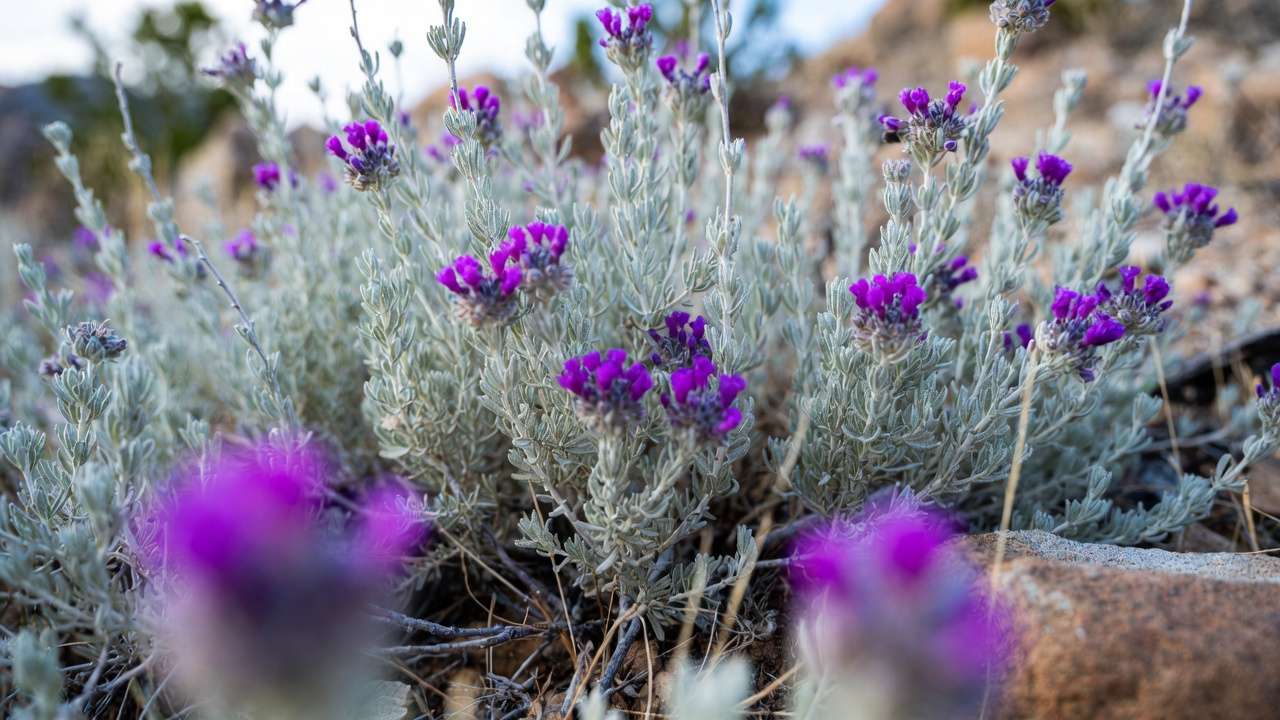
- Ceanothus (Wild Lilac)
- Height/Width: 3–10 ft
- Zones: 7–10
- Features: Foamy blue/white blooms, nitrogen-fixer.
- Why it excels: Supports wildlife; evergreen varieties available.
- Manzanita / Bearberry (Arctostaphylos uva-ursi)
- Height/Width: Ground-hugger to 6 ft
- Zones: 2–9
- Features: Red bark, bell flowers, berries.
- Why it excels: Native toughness; great groundcover.
Unique & Ornamental Standouts ⭐
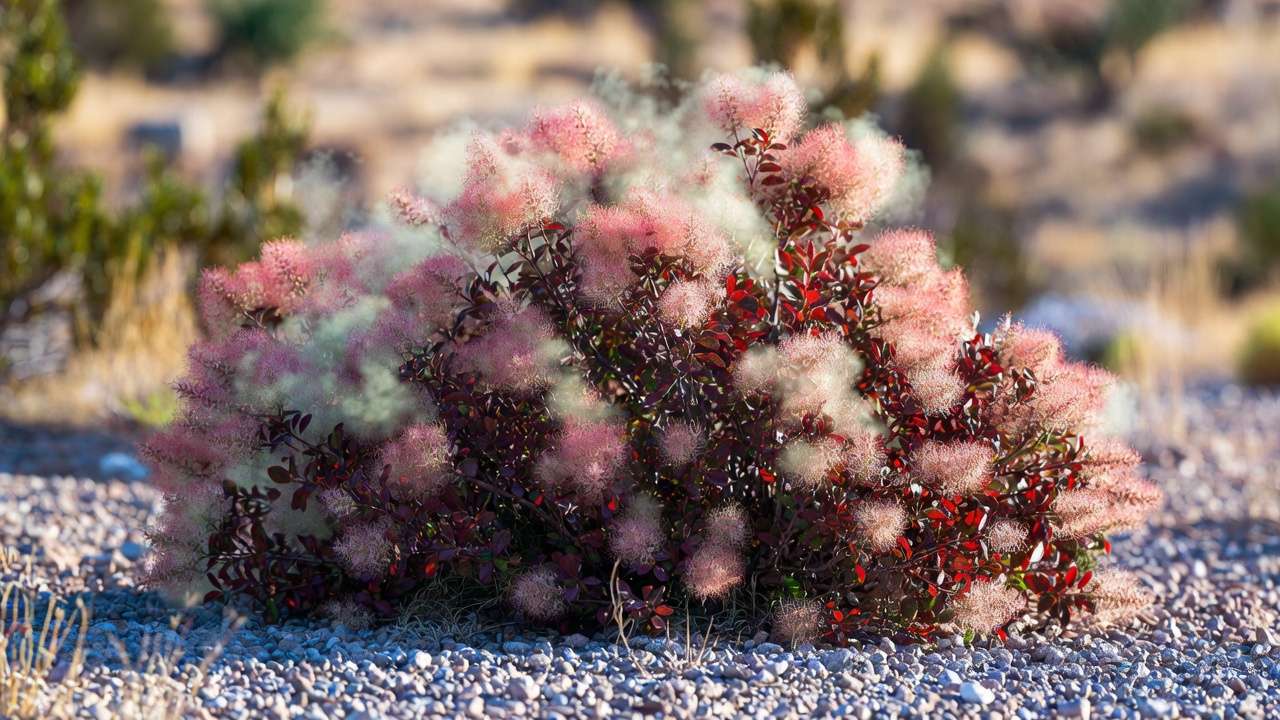
- Smokebush (Cotinus coggygria)
- Height/Width: 8–15 ft
- Zones: 4–8
- Features: Smoky plumes, purple foliage varieties.
- Why it excels: Dramatic fall color; handles neglect.
- Beauty Bush (Kolkwitzia amabilis)
- Height/Width: 6–10 ft
- Zones: 4–8
- Features: Pink spring blooms.
- Why it excels: Reliable old favorite for dry spots.
- Bluebeard (Caryopteris x clandonensis)
- Height/Width: 2–4 ft
- Zones: 5–9
- Features: Late-summer blue flowers.
- Why it excels: Pollinator favorite; compact form.
These 13+ picks (expandable with regional favorites like bottlebrush or Indian hawthorn in warmer zones) offer diversity in color, texture, and function for truly low-water beauty.
How to Choose the Right Shrubs for Your Climate & Garden 🌍
Tailor selections to your USDA zone, annual rainfall, and soil:
- Arid/Southwest (Zones 8–10, <15″ rain): Texas Sage, Rockrose, Lavender.
- Mediterranean climates: Rosemary, Santolina, Ceanothus.
- Temperate dry spells (Zones 5–8): Russian Sage, Junipers, Smokebush.
- Full sun vs. partial shade: Most prefer sun; check specifics.
- Soil tweaks: Add organic matter for nutrients, but prioritize drainage—wet feet kill drought lovers faster than drought!
Consider local natives for best adaptation and wildlife benefits. 🗺️
Planting & Establishment Secrets for Success 🌱
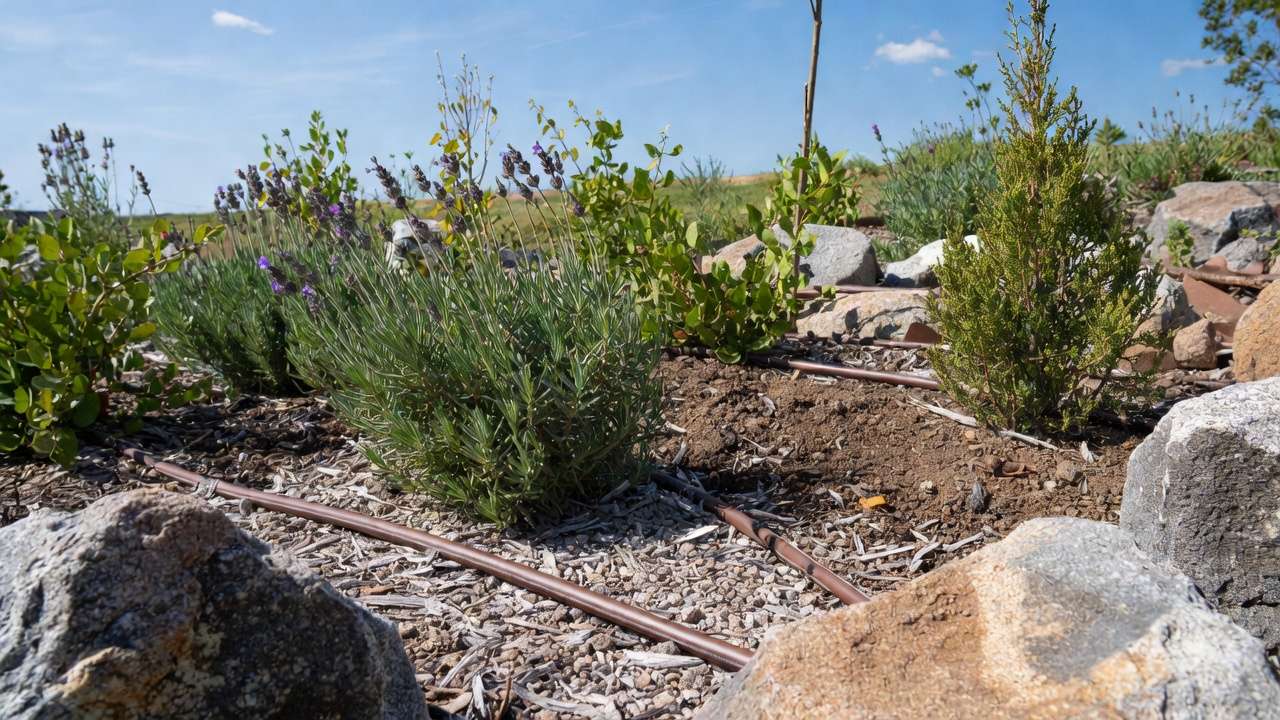
Plant in spring or fall when temperatures are milder. Dig wide holes, amend with compost sparingly, and water deeply (but infrequently) to encourage deep roots. Mulch with gravel or bark to retain moisture and suppress weeds. Space properly for air flow.
Pro tip: Use a soaker hose or drip system for the first season—aim for 1 inch per week initially, tapering off. 🛠️
Ongoing Care: Minimal Effort, Maximum Beauty 🌿
Once established (1–2 years), most need zero supplemental water in normal rainfall areas. Prune lightly after bloom for shape. Skip fertilizer—too much nitrogen weakens drought resistance. These plants are naturally pest-resistant due to tough foliage. 🛡️
Designing a Stunning Low-Water Garden with These Shrubs 🎨
Layer heights: tall backdrops (Smokebush), mid-level (Lavender), ground-huggers (Bearberry). Mix textures—silvery with green, spiky with soft. Add drought-tolerant grasses or succulents for contrast. Create pollinator pockets and color themes (purples and silvers are classic). Year-round interest awaits! 🐦
Common Mistakes to Avoid + Troubleshooting Tips ⚠️
Even the toughest shrubs can struggle if common pitfalls aren’t avoided. Here’s what experienced gardeners and horticulturists see most often—and how to fix or prevent them:
- Overwatering after establishment — The #1 killer! Once roots are deep (usually after 1–2 years), extra water causes rot in drought-adapted plants. Signs include yellowing leaves or mushy stems. Solution: Trust rainfall and only water during extreme droughts.
- Poor drainage leading to root rot — Planting in heavy clay without amendments traps moisture. Many drought-tolerant shrubs hate “wet feet.” Fix: Amend soil with sand/gravel, plant on mounds, or choose raised beds.
- Ignoring the establishment phase — Skipping deep watering in year one dooms plants. They need consistent (but not frequent) moisture to build roots. Tip: Use a moisture meter or finger test—water when top 2–4 inches are dry.
- Planting too close together or in wrong spots — Crowding blocks airflow and causes leggy growth; wrong microclimate (too shady for sun-lovers) leads to weak performance. Always check mature size and sun needs!
- Over-fertilizing — Excess nitrogen pushes soft, thirsty growth. These shrubs evolved in poor soils—stick to light organic top-dressing if needed.
- Not mulching properly — Bare soil loses moisture fast. Use 2–3 inches of gravel or coarse mulch (avoid piling against stems to prevent rot).
Troubleshooting quick fixes: Leggy growth? Prune selectively in late winter. Sparse blooms? Ensure full sun and avoid late-season pruning. Deer issues? Many (like lavender, rosemary) are naturally resistant—plant more of those! 🛡️
FAQs: Your Top Questions Answered ❓
Here are answers to the most common queries from gardeners seeking shrubs that survive minimal rainfall and low-water success:
- Do these shrubs work in clay soil? Yes, with modifications! Improve drainage by adding grit/sand and planting on slight mounds. Junipers, Russian Sage, and Texas Sage handle amended clay well.
- Which ones attract hummingbirds or butterflies? Butterfly Bush (Buddleja), Russian Sage, Ceanothus, and Caryopteris (Bluebeard) are pollinator superstars. Lavender and Rockrose draw bees too! 🦋🐝
- Are any deer-resistant? Strongly aromatic or fuzzy-leaved options like Lavender, Rosemary, Santolina, and Russian Sage are usually ignored by deer.
- Can I grow these in pots for patios? Absolutely—use well-draining containers. Rosemary, Lavender, and Santolina thrive in pots with minimal watering.
- What if my area gets occasional heavy rain? Excellent drainage is key. Most handle wet spells if soil doesn’t stay soggy—avoid low spots.
- How long until they’re truly low-maintenance? Typically 1–2 years with proper establishment watering. After that, many survive on natural rainfall alone.
- Are there cold-hardy options for northern zones? Yes! Russian Sage (to zone 4), Junipers (to zone 3), Smokebush (to zone 4), and certain Lavender varieties handle cold winters well.
- Do they need any winter protection? In marginal zones, mulch roots and avoid wet winter soil. Most are evergreen and tough.
- Can I mix them with succulents or grasses? Perfect combo! Pair with drought-loving grasses (like blue fescue) or succulents for texture and low upkeep.
- Where can I buy these shrubs? Local nurseries, native plant sales, or online specialists focusing on xeriscape plants ensure healthy, regionally adapted stock.
These answers address real pain points and help you succeed right away!
Final Thoughts + Call to Action 🌈
Embracing shrubs that survive minimal rainfall isn’t just about surviving dry times—it’s about creating a resilient, beautiful, and sustainable garden that supports wildlife, cuts water bills, and reduces maintenance stress. With the right picks—like fragrant Lavender, dramatic Smokebush, or pollinator-loving Russian Sage—your landscape can look lush and intentional even when rain is scarce.
Start small: Choose 2–3 shrubs suited to your zone and soil, plant them properly this spring or fall, and watch them thrive. Observe how they perform, and expand from there. Your low-water garden will reward you with color, fragrance, and peace of mind year after year.
Have you tried any of these drought-tolerant beauties? Share your experiences, successes, or questions in the comments below—I’d love to hear how your garden is evolving! For more water-wise inspiration, check out our guides on drought-tolerant trees, xeriscape design basics, and native plant landscaping. Happy gardening! 🌿✨











