
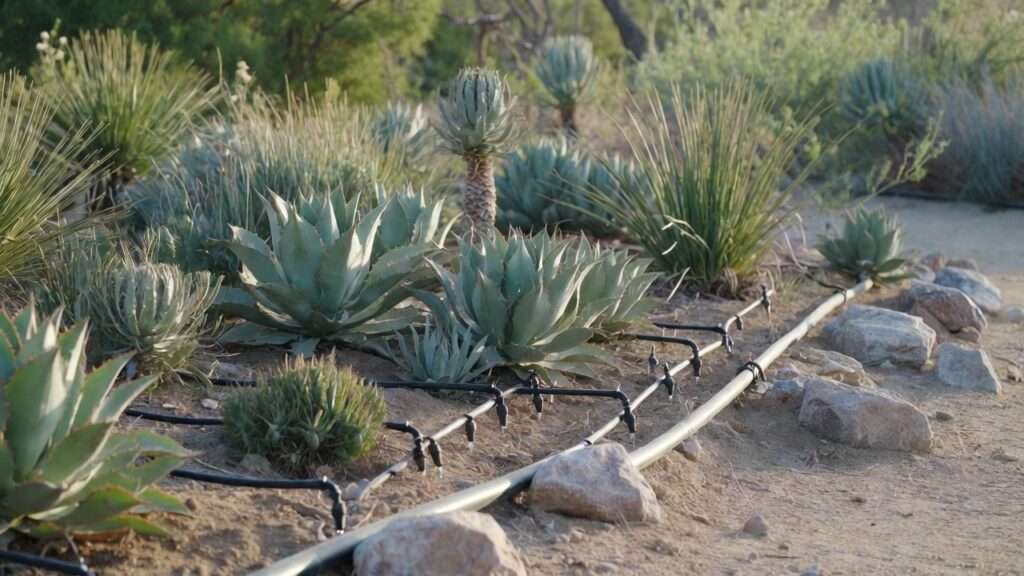
In regions facing frequent droughts or water restrictions, many gardeners struggle with landscapes that either guzzle precious water or look barren and lifeless. Traditional sprinklers waste 30–70% of water through evaporation, runoff, and wind drift, while overwatering stresses drought-tolerant plants and invites weeds or disease. 😩 But there’s a smarter way: drip irrigation for xeric gardens delivers water slowly and directly to the roots, achieving up to 90% efficiency, slashing bills, and letting your low-water landscape flourish with vibrant color and minimal effort. 🌵
As a horticulture expert who’s helped countless gardeners in arid climates transition to sustainable setups, I’ve seen firsthand how drip systems transform xeric (or xeriscape) gardens into thriving, eco-friendly oases. This ultimate guide draws on proven principles from university extensions like Colorado State and New Mexico State, plus real-world best practices updated for 2026. Whether you’re starting fresh or upgrading an existing dry-climate garden, you’ll learn everything needed to save water, promote deep roots, reduce maintenance, and enjoy a beautiful, resilient yard year-round. Ready to make every drop count? Let’s dive in! 🚀
What Is a Xeric Garden? Understanding the Basics Before Irrigation 🌵
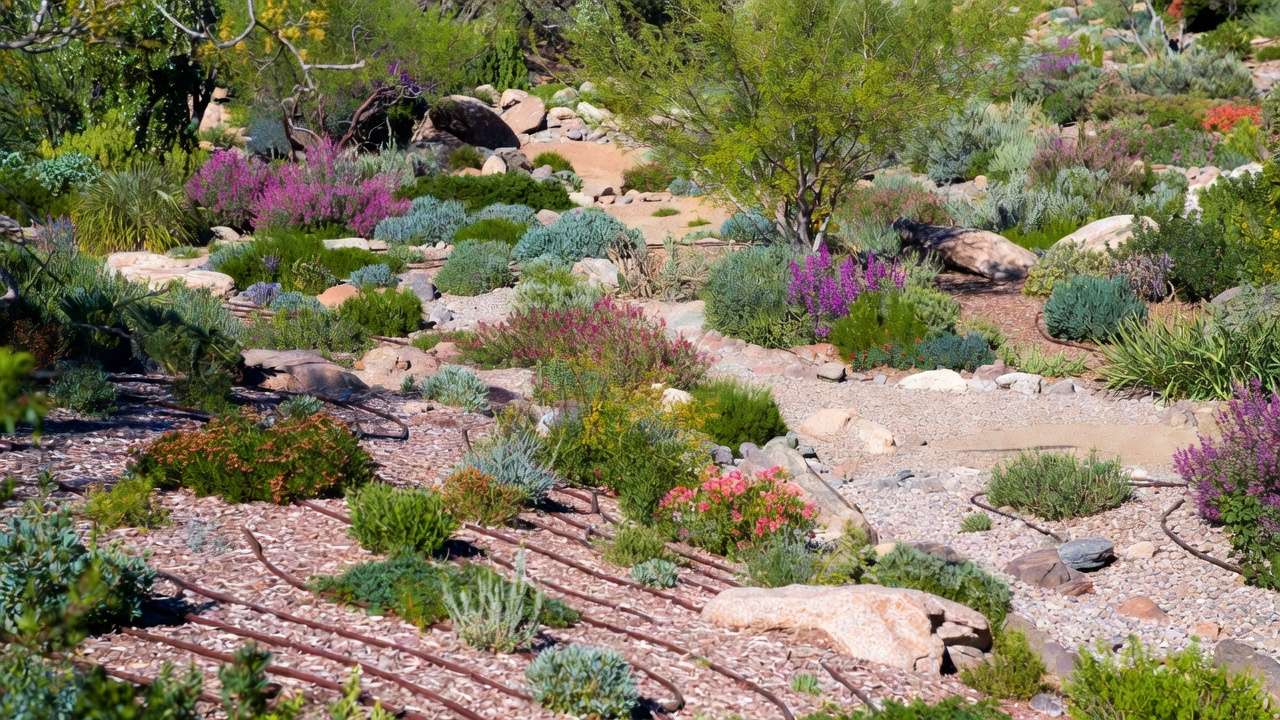
A xeric garden, often called a xeriscape (from the Greek “xeros” meaning dry), is a thoughtfully designed landscape that thrives with little supplemental water. It emphasizes drought-adapted plants, smart water use, and natural beauty without resembling a desert wasteland. ❌
The classic 7 principles of xeriscape (as outlined by Colorado State University Extension and similar sources) include:
- Plan and design thoughtfully for water conservation.
- Improve soil with organic matter for better moisture retention and drainage.
- Irrigate efficiently — this is where drip shines!
- Select drought-tolerant plants suited to your climate and zone.
- Limit turfgrass or replace thirsty lawns with alternatives.
- Use mulch to suppress weeds and hold soil moisture.
- Maintain appropriately with minimal inputs.
Drip irrigation aligns perfectly as the preferred method because it targets roots directly, avoiding wet foliage (which reduces fungal issues) and minimizing evaporation — unlike sprinklers that lose 50–70% efficiency. In xeric setups, drip supports hydrozoning: grouping plants by similar water needs so nothing gets over- or under-watered. 🌱
Why Drip Irrigation Is Perfect for Xeric Gardens: Benefits & Science-Backed Advantages 💚
Drip irrigation isn’t just efficient — it’s transformative for xeric landscapes. Here’s why experts recommend it:
- Massive water savings: Systems achieve 90%+ efficiency, saving 30–90% compared to sprinklers (per Colorado State Extension and UC sources). In xeriscape conversions, combined with plant choices, reductions often hit 50–75%. Your bill drops, and you help conserve local resources! 📉
- Healthier, deeper-rooted plants: Slow, deep watering encourages roots to grow downward, making drought-tolerant species more resilient during dry spells.
- Fewer weeds and diseases: Water stays off paths and foliage, starving weeds and preventing issues like powdery mildew on salvias or penstemons.
- Time and labor savings: Automation means less hand-watering; smart timers handle seasonal changes.
- Eco-friendly perks: Supports pollinators with native xeric plants, reduces runoff pollution, and pairs beautifully with rainwater harvesting.
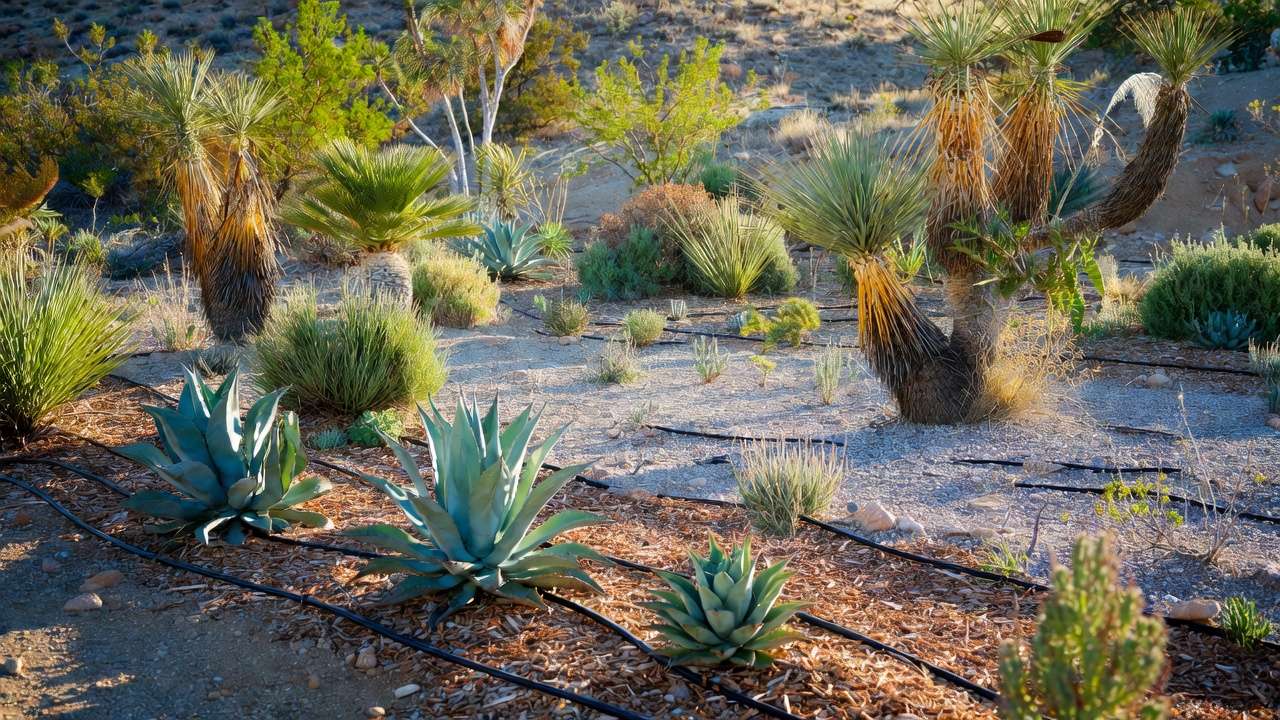
Quick comparison table:
| Feature | Drip Irrigation | Sprinklers | Hand-Watering |
|---|---|---|---|
| Efficiency | 90%+ | 50–70% | Variable |
| Water Savings in Xeric | 30–90% | Minimal | Moderate |
| Weed/Disease Risk | Low | High | Medium |
| Best for Xeric Plants | Excellent (targeted) | Poor (wasted) | Time-intensive |
These benefits make drip the gold standard for sustainable, thriving drought-tolerant gardens. 🌍
Types of Drip Irrigation Systems for Xeric Gardens 🛠️
Choose based on your layout:
- Point-source emitters — Perfect for spaced shrubs, trees, or perennials (e.g., 1–2 per plant, 1–2 GPH). Adjustable or pressure-compensating for slopes.
- Inline emitter tubing — Great for dense groundcovers, rows, or mass plantings; emitters every 6–18 inches.
- Micro-sprays or bubblers — For broader coverage in transitional zones or young plants needing establishment help.
- Soaker hoses — Budget-friendly for borders but less precise.
- Hybrid/smart setups — Combine with Wi-Fi controllers, soil moisture sensors for automation in 2026 tech.
Pressure-compensating emitters ensure even flow on uneven terrain — essential in many xeric yards.
Planning Your Drip System: Step-by-Step Design for Success 📏
- Map your zones: Group plants by water needs (very low: cacti/succulents; low: lavender/yarrow; moderate: some natives). This is hydrozoning!
- Test water source: Measure pressure (aim 20–60 PSI) and flow rate (fill a 5-gallon bucket; time it).
- Calculate emitters: Use guidelines like 1–2 GPH per shrub; 1 emitter per 20 sq ft canopy for trees.
- Sketch layout: Use apps or graph paper; keep mainlines under 200 ft, branches under 200 ft (the “200/200 rule”).
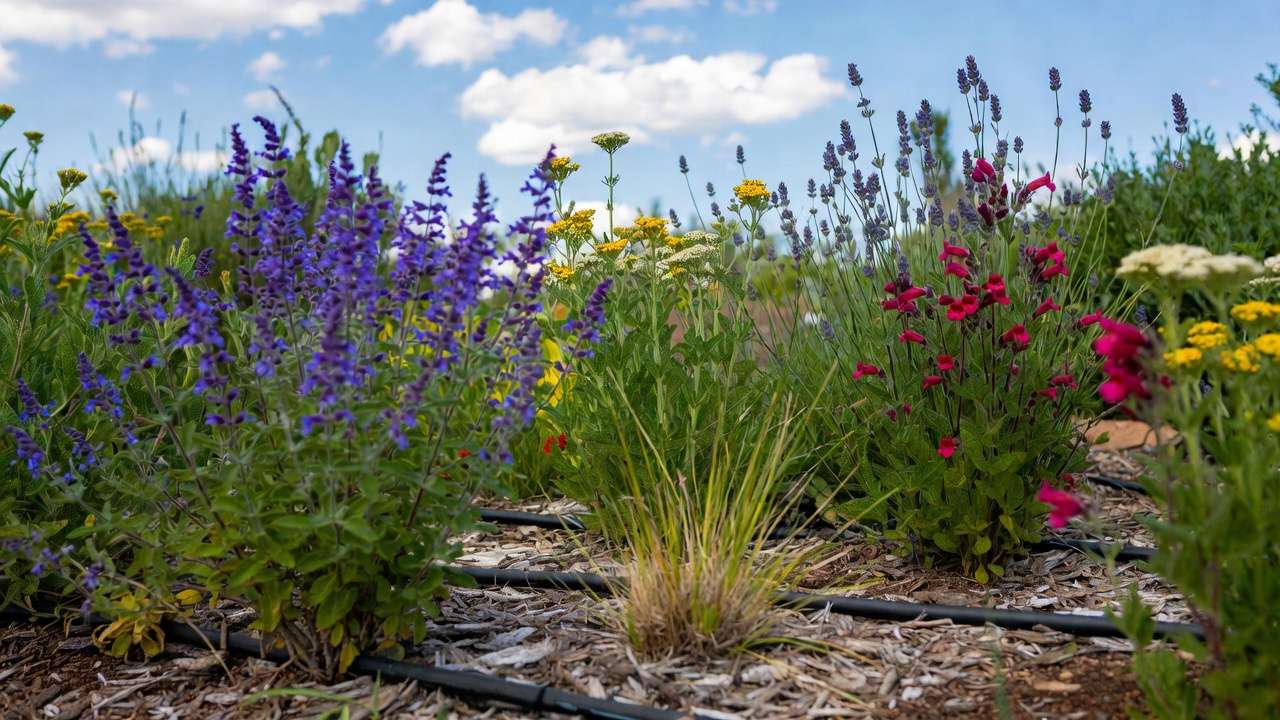
- Incorporate mulch from the start — 2–4″ organic layer hides lines and boosts retention.
Pro tip: Start small if overwhelmed — one bed at a time yields quick wins! ✏️
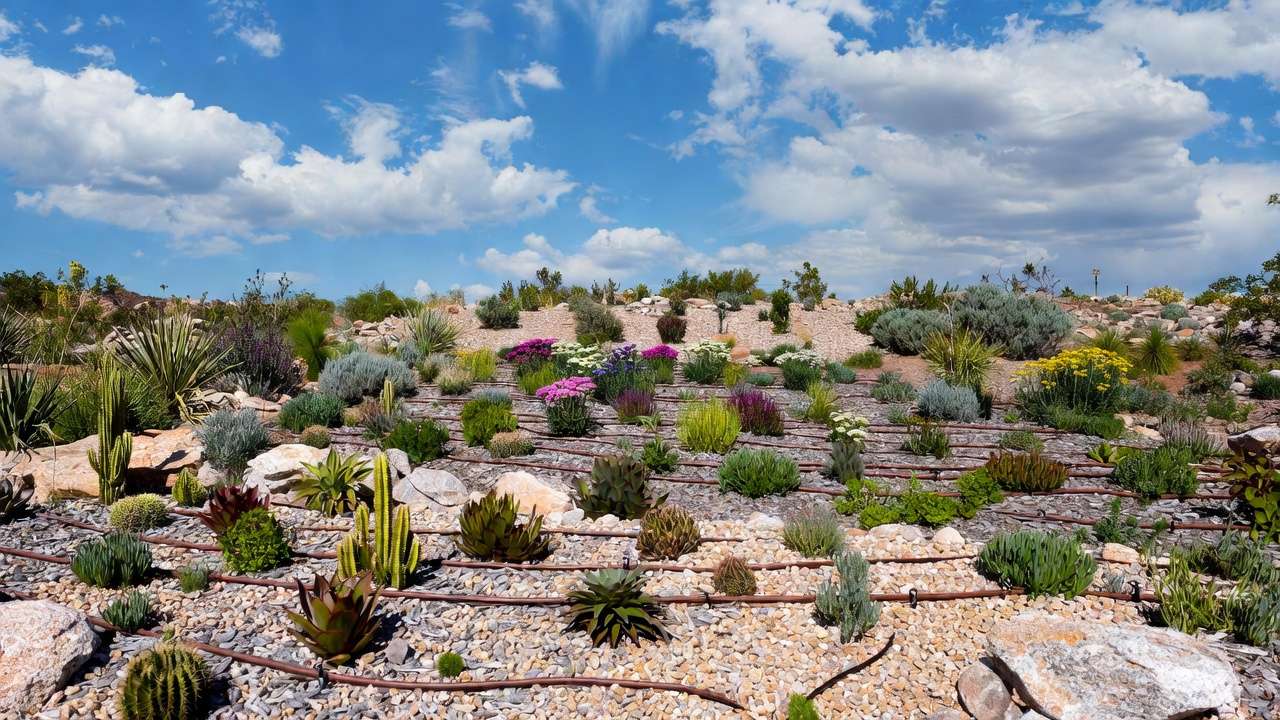
Essential Components & Best Products (2026 Recommendations) 🛒
Must-haves for reliability:
- Backflow preventer + filter + pressure regulator — Prevents clogs and bursts (e.g., 25–30 PSI regulator).
- Tubing: ½” mainline, ¼” distribution lines.
- Emitters: Pressure-compensating (Rain Bird, DIG); flag-style easy to clean.
- Timers: Smart Wi-Fi models (Orbit B-hyve, Rachio) with weather integration.
Top kits: DripWorks Garden System, Rain Bird raised bed kits, Orbit Micro Bubbler — praised in 2025–2026 reviews for durability and ease. Buy quality to avoid frequent repairs. 🛍️
How to Install Drip Irrigation in a Xeric Garden: DIY Step-by-Step Tutorial 🔧
Tools: Tubing cutter, punch tool, stakes, gloves.
- Connect to source (hose bib or spigot) with adapter.
- Lay ½” mainline along edges.
- Punch in ¼” lines and emitters — place 6–12″ from plant base, on opposite sides for even wetting.
- Secure with stakes; cover with mulch.
- Flush lines, test for leaks, adjust flow.
Diagrams show emitter placement: for a shrub, two emitters create a wet zone matching the root ball. Easy weekend project! 🏡
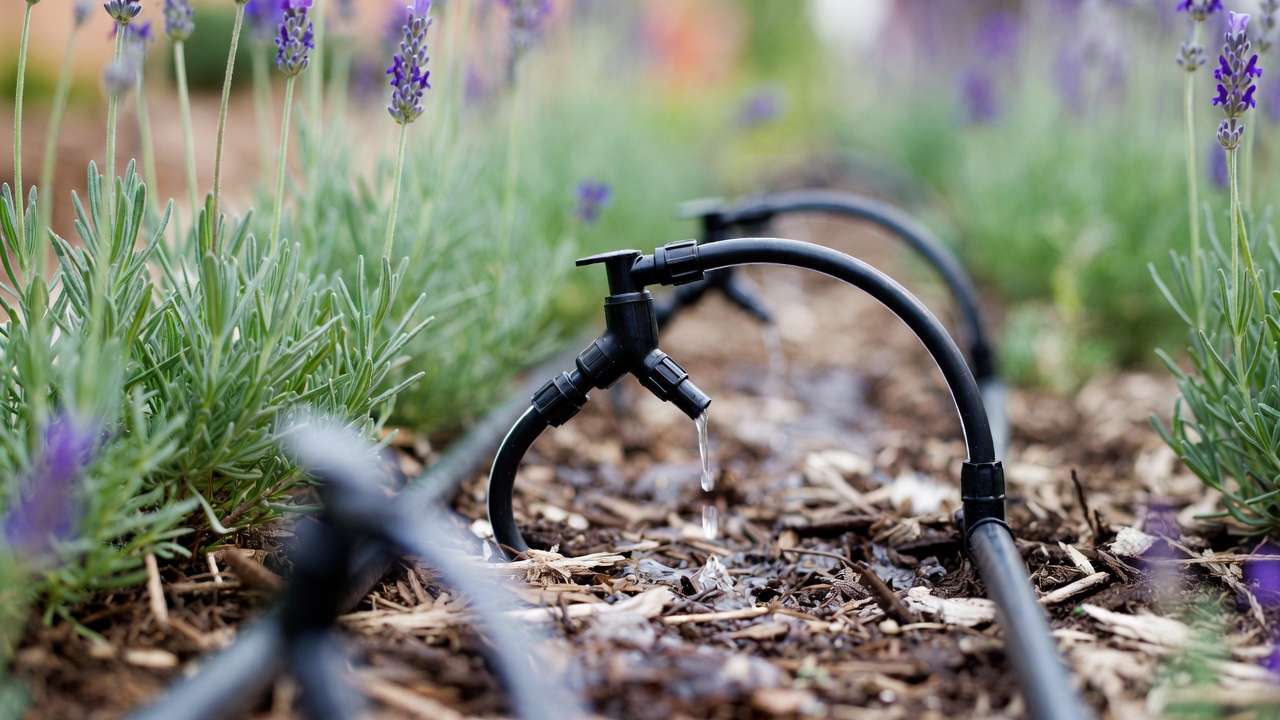
Watering Schedules for Xeric Plants: Deep, Infrequent, & Smart ⏰
Getting the watering schedule right is where most xeric gardeners see the biggest transformation — and the biggest water savings. The golden rule for drip in xeriscape: deep, infrequent watering encourages those resilient, drought-tolerant roots to grow downward, making plants tougher against dry spells. Shallow, frequent watering keeps roots near the surface and increases stress over time. 😌
- Establishment phase (first 1–2 years): New plants need consistent moisture to develop strong roots. Water deeply 2–3 times per week in hot summers (e.g., 20–60 minutes per zone depending on emitter flow and soil), tapering to weekly or bi-weekly as roots establish. For xeric perennials like Penstemon or Salvia, start with about 1 gallon per plant per week via drip, then extend intervals.
- Maintenance phase (established plants): Shift to every 2–4 weeks (or even monthly in cooler seasons). Many true xeric natives (pinyon pine, Apache plume, Artemisia, Nepeta) thrive when allowed to dry out between waterings — this mimics natural arid cycles. In high-desert areas, summer might mean weekly deep soaks (45–90 minutes), dropping to bi-weekly in fall and monthly (or less) in winter.
- Seasonal adjustments: Reduce or pause in rainy periods or cooler months. Use a soil probe (cheap metal rod or screwdriver) — if it slides in easily to 6–12 inches near the root zone, skip watering. In clay soils (common in many dry regions), water penetrates slower, so longer run times but fewer sessions work best. Sandy soils need shorter, more frequent checks.
- Smart tech boost: Pair with soil moisture sensors or weather-based smart controllers (like Rachio or Orbit B-hyve) that skip cycles after rain or during high humidity — they can cut overwatering by 20–50% automatically. 🌧️
Species-specific examples (based on extension guidelines):
- Trees (e.g., oaks, pinyon pine): 10–30 gallons per deep watering every 3–4 weeks once established; place 4–6 emitters around the drip line.
- Perennials (Lavender, Yarrow, Russian Sage): 0.5–2 gallons per plant every 2–3 weeks in peak summer.
- Shrubs (Apache plume, desert sage): Similar to perennials but scale up for larger canopies.
Monitor plant cues: Slightly wilted leaves in the afternoon that perk up overnight usually mean perfect timing. Overly droopy or yellowing? Dial back! This approach not only saves water but builds true drought resilience. 🌵
Common Mistakes & How to Avoid Them (Expert Troubleshooting) ⚠️
Even experienced gardeners slip up — here are the top pitfalls in drip for xeric gardens, drawn from university extensions and real-world feedback:
- Overwatering xeric plants → Leads to root rot, fungal issues, or leggy growth. Xeric species hate constantly moist soil. Fix: Stick to deep/infrequent; use the probe test religiously.
- Skipping filter/pressure regulator → Clogs from sediment or bursts from high pressure (>60 PSI). Always install both! Clean filter monthly during growing season.
- Poor emitter placement → Uneven wetting; one side of the plant thrives, the other suffers. Place 6–12″ from base, opposite sides for balanced roots. Avoid too close to trunk (invites rot).
- Ignoring hydrozoning → Mixing high- and low-water plants on one zone stresses everything. Group by needs from the start.
- Exceeding the “200/200 rule” → Runs >200 ft or >200 GPH total on ½” tubing cause weak flow at ends. Stay within limits or upgrade to larger mainline.
- Not winterizing in cold climates → Frozen lines crack. Drain system, blow out with compressor, or use insulated covers.
Quick troubleshooting checklist:
- No flow? Check filter, pressure, clogs (soak emitters in vinegar/water).
- Uneven? Adjust emitters or add more.
- Leaks? Tighten fittings; replace cracked tubing.
Catch issues early — a quick monthly walk-through saves headaches! 🔍
Maintenance Tips for Long-Lasting Performance 🧹
A well-maintained drip system can last 10–20+ years. Follow this seasonal checklist:
- Spring startup: Flush mainline to clear winter debris; clean/replace filter; test all emitters; adjust for warmer weather.
- Growing season: Inspect monthly for clogs (soak in mild acid solution if hard water buildup); check for leaks/damage from animals or mowing; raise emitters above soil if roots invade.
- Fall prep: Reduce schedule; flush again; prepare for winterizing if freezes occur.
- Ongoing: Upgrade emitters as plants grow; integrate mulch (2–4″ organic like bark) to retain moisture and hide lines.
- Smart upgrades: Add moisture sensors or app-controlled timers for hands-off efficiency.
Pro tip: Keep spare emitters, fittings, and tubing on hand — fixes take minutes! 🛠️
Plant Spotlights: Best Drought-Tolerant Plants That Love Drip Irrigation 🌺
These stars thrive with targeted drip watering — low fuss, high reward:
- Lavender (Lavandula angustifolia) — Fragrant purple spikes; 1–2 emitters, every 2–3 weeks once established.
- Yarrow (Achillea) — Flat-topped blooms attract pollinators; very xeric.
- Russian Sage (Perovskia atriplicifolia) — Airy blue-purple clouds; minimal water after year 1.
- Salvia (many species) — Hummingbird magnets; deep weekly in heat.
- Penstemon — Tubular flowers; let soil dry between.
- Apache Plume (Fallugia paradoxa) — Fluffy seed heads; ultra-tough shrub.
- Agastache (Hyssop) — Spiky blooms; great for bees.
- Sedum/Succulents — Groundcover drama; sparse emitters.
- Ornamental Grasses (e.g., Blue Grama, Muhly) — Movement without thirst.
- Trees (Pinyon Pine, Desert Willow) — Long-term anchors with drip rings.
Bonus: Pair with native pollinator plants for biodiversity. These choices + drip = a vibrant, low-water showpiece! 🐝
Advanced Tips & Pro Upgrades for Maximum Efficiency 🚀
- Smart integration: Soil moisture sensors + weather-based controllers auto-adjust — ideal for variable climates.
- Converting sprinklers: Retrofit kits turn old systems to drip; zone carefully.
- Mulch synergy: Organic mulch + drip = 20–30% extra savings via reduced evaporation.
- Slopes & large properties: Pressure-compensating emitters + zoning prevent runoff.
- Rainwater harvesting tie-in: Collect roof runoff to feed the system sustainably.
These tweaks push efficiency to 90%+ while keeping your garden stunning. 🌞
Conclusion: Transform Your Landscape into a Thriving, Water-Wise Oasis 🌞
Drip irrigation for xeric gardens isn’t just about saving water — it’s about creating resilient, beautiful landscapes that work with nature, not against it. By planning zones, installing thoughtfully, watering deeply but infrequently, avoiding common pitfalls, and maintaining diligently, you’ll enjoy lower bills, healthier plants, fewer weeds, and more time to relax in your oasis. Start small if needed, observe your plants, and adjust — the rewards grow exponentially. Your xeric garden isn’t just surviving… it’s thriving sustainably. Ready to get started? Grab your tubing and make every drop count! 💚
FAQ Section (Schema-Ready) ❓
How much water does drip save in xeric gardens? Typically 30–90% compared to sprinklers, with many seeing 50–75% reductions when combined with proper plant selection and scheduling.
Can I use drip on clay soil? Yes! Use longer run times and fewer sessions; clay retains moisture well, so deep watering prevents runoff.
What’s the best emitter rate for perennials? 0.5–2 GPH per plant; adjust based on size and climate — start low and monitor.
How often to water established xeric plants? Every 2–4 weeks in summer (or less), monthly in cooler seasons; let soil dry between to build resilience.
Do I need a filter and pressure regulator? Absolutely — they prevent clogs and damage; essential for longevity.
Can drip work for trees in xeric setups? Yes — use multiple emitters in a ring around the drip line for even coverage.
How do I winterize drip in cold areas? Drain lines, blow out with air compressor, or insulate; prevents cracking.
Is smart tech worth it for xeric gardens? Highly — weather-based controllers and sensors optimize schedules, saving more water automatically.











