
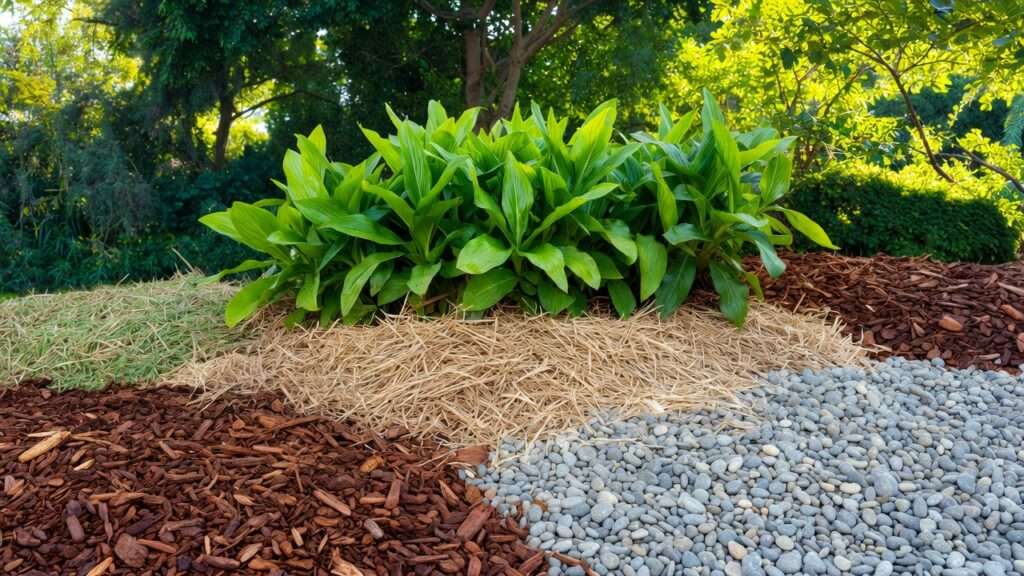
Imagine this: It’s the peak of a scorching summer in your garden — temperatures soaring, your watering can feeling heavier by the day, and your plants looking a little wilted despite your best efforts. Now picture slashing your watering time (and bill!) in half while your trees, veggies, and flowers stay lush, vibrant, and resilient. The secret? The right mulch types for water retention can make that dream a reality. 🌞
Mulch acts like a protective blanket over your soil, dramatically reducing evaporation — studies from university extensions (like Utah State and University of Nebraska-Lincoln) show it can cut evaporative water loss by up to 70-80% or more in some cases. In drought-prone or hot-humid areas like parts of Bangladesh (where heavy rains alternate with dry spells), choosing the best mulch isn’t just nice — it’s essential for conserving precious water, suppressing weeds, moderating soil temperature, and feeding your soil over time.
Whether you’re tending a small backyard plot, a vegetable garden, fruit trees, or ornamental landscapes, this comprehensive guide draws from horticultural research, extension services (Penn State, UF/IFAS, OSU, and more), and real-world tests to help you pick the winner for your needs. We’ll compare top performers, share application tips, and avoid common pitfalls — so you can build a water-wise, healthier garden that thrives with less effort. Let’s dive in! 🌱
Why Mulch Is Essential for Water Retention 💦
At its core, mulch works by creating a barrier that blocks direct sun and wind from hitting bare soil. This slashes surface evaporation — the main way water disappears from gardens. University studies consistently show mulched soil stays significantly moister longer than bare ground.
Beyond moisture savings:
- Temperature moderation — Keeps roots cooler in summer (reducing stress) and warmer in cooler seasons.
- Weed suppression — Blocks light, starving weed seeds.
- Soil health boost — Organic types break down into humus, improving structure, increasing water-holding capacity (up to 20% more in amended soils), and feeding beneficial microbes.
- Erosion & compaction prevention — Raindrops don’t hammer soil directly, preserving tilth.
In hot, dry, or variable climates, mulch can reduce irrigation needs by 50% or more. For tree care, it protects roots from extremes; in plant beds, it promotes deeper rooting. The result? Healthier plants, lower water bills, and more time enjoying your garden instead of babysitting it. 😊
Organic vs. Inorganic Mulch: Which Wins for Water Retention? ⚖️
The big divide: Organic mulches (plant-based, decompose) vs. inorganic (rock, rubber, fabric — don’t break down).
Here’s a quick comparison table based on extension research and comparative studies:
| Aspect | Organic Mulch | Inorganic Mulch | Winner for Water Retention? |
|---|---|---|---|
| Moisture Retention | Excellent — absorbs & slowly releases water like a sponge | Good barrier but often less absorbent; rocks can allow faster evaporation | Organic 🌿 |
| Soil Improvement | Adds nutrients, organic matter, improves long-term water-holding capacity | Minimal — no nutrient addition | Organic |
| Longevity | 6 months–3 years (needs replenishing) | 5–20+ years | Inorganic |
| Weed Suppression | Very good | Excellent (especially fabric/rock) | Tie |
| Cost | Often free/low (leaves, clippings) | Higher upfront | Organic |
| Best For | Veggies, trees, perennials, soil building | Xeriscaping, succulents, low-maintenance paths | Depends on goal |
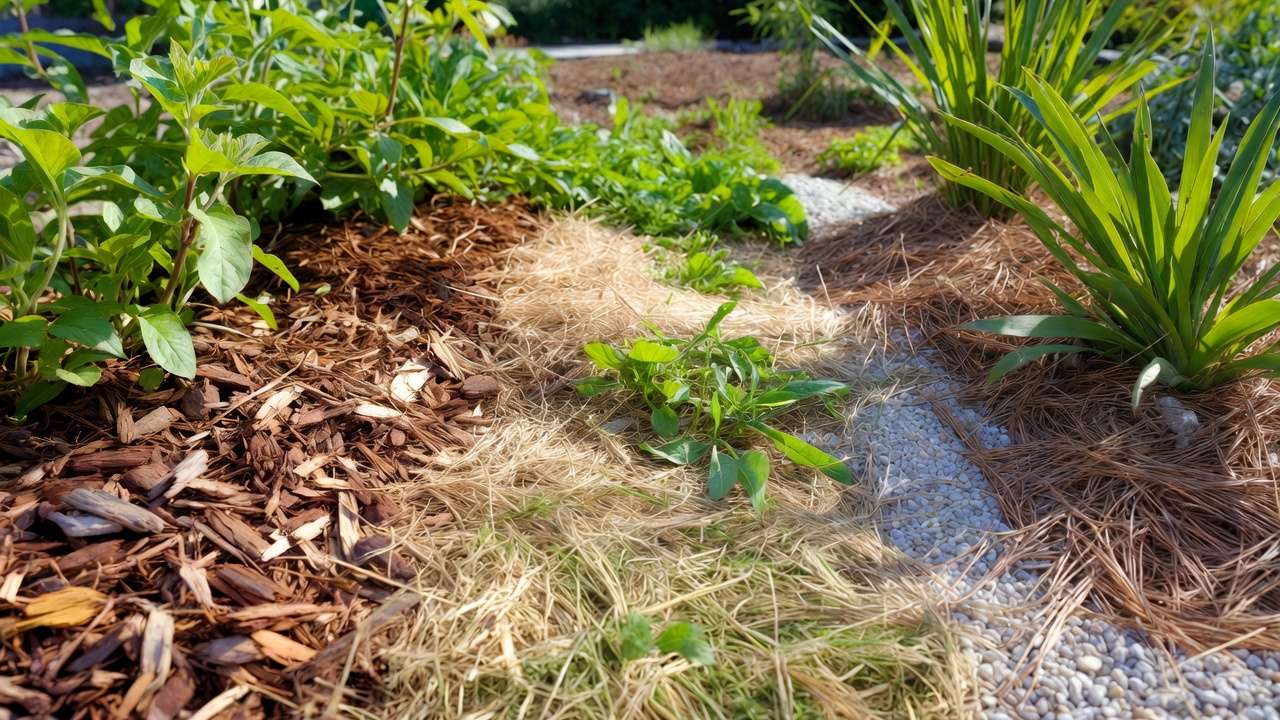
Verdict: Organic mulches generally outperform for true water retention — they hold moisture directly and build soil’s sponge-like quality over time (per UCANR, Penn State, and UNL Water studies). Inorganic shines in permanent, no-decomposition setups but often lags in absorption and can heat up soil more. For most home gardens focused on saving water and boosting plant health, start with organic. 🏆
Top 8 Best Mulch Types for Superior Water Retention 🏆
Based on university extension recommendations, real-world tests (like evaporation trials over hot days), and performance data, here’s the ranked list. Rankings prioritize short- and long-term moisture conservation, plus practical benefits for plants/trees.
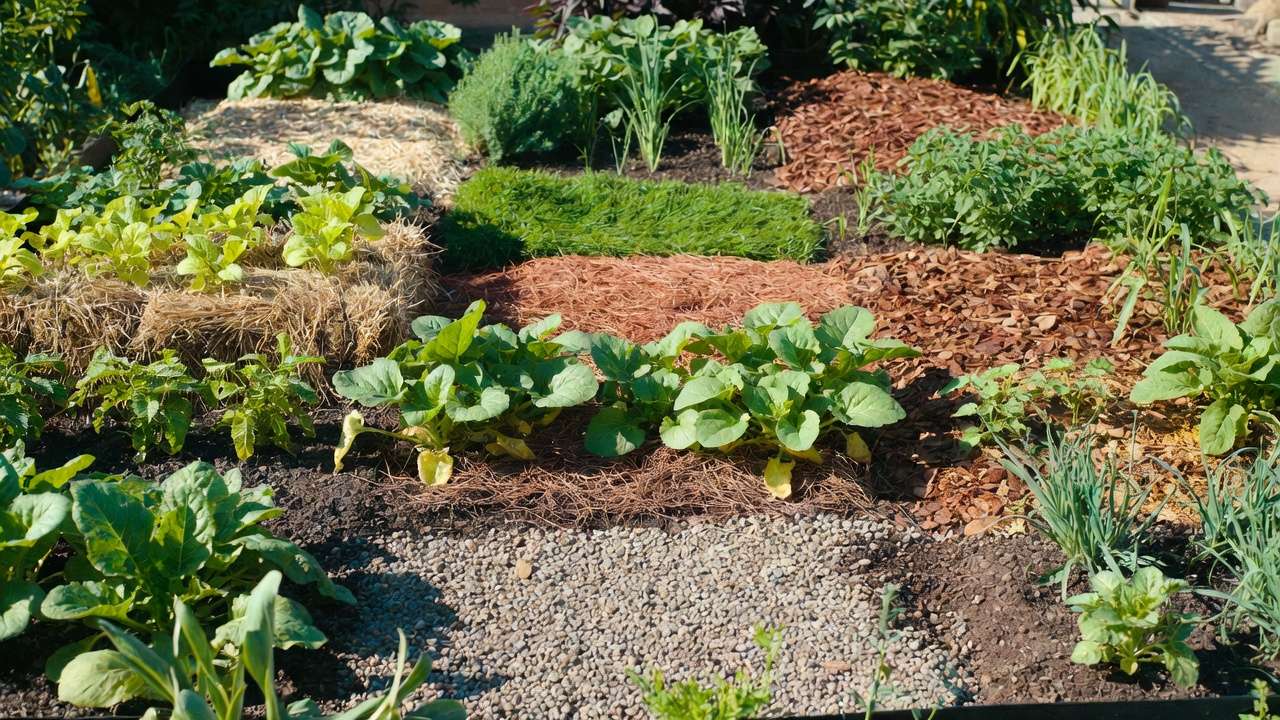
1. Hemp Mulch / Animal Bedding (Top Performer in Tests) 🌾
In head-to-head experiments (e.g., 3-day hot/windy tests shared by gardeners and referenced in landscaping resources), hemp bedding retained ~80% of added water — often outperforming everything else. It acts like a super-absorbent sponge, holding moisture while allowing air flow.
- Pros: Exceptional retention, biodegradable, low weed risk, adds minor nutrients as it breaks down.
- Cons: Can be pricier or harder to source (check farm supply stores or online).
- Best uses: Veggie gardens, raised beds, drought-stressed plants. Apply 3–4 inches.
- Real example: In trials, soil under hemp stayed saturated longer than under bark or straw.
2. Grass Clippings (Free & Highly Effective) 🌿
Fresh (untreated) clippings retain ~73% moisture in similar tests — and they’re basically free from your lawn!
- Pros: High nitrogen boost (slow-release fertilizer), excellent short-term retention, suppresses weeds well when layered thinly.
- Cons: Can mat if too thick/wet; avoid herbicide-treated grass.
- Best uses: Around veggies, annuals, or new plantings. Spread 1–2 inches initially, build up gradually.
- Tip: Let clippings dry slightly first to prevent clumping/mold.
3. Shredded Hardwood Bark or Wood Chips (All-Around Favorite) 🪵
Coarse wood chips top many university lists (UNL Water, Utah State) for consistent moisture conservation in landscapes.
- Pros: Long-lasting (2–4 years), great insulation, widely available (often free from arborists), improves soil over time.
- Cons: May tie up nitrogen temporarily (less issue if aged); avoid fresh walnut (toxic to some plants).
- Best uses: Trees, shrubs, perennials. Cedar varieties add natural pest resistance.
4. Compost or Leaf Mold (Nutrient Powerhouse) 🍂
Fully decomposed compost/leaf mold excels at building soil’s long-term water-holding capacity.
- Pros: Enriches soil dramatically, superb retention as humus forms, free if DIY.
- Cons: Breaks down faster (reapply yearly), can attract pests if not mature.
- Best uses: Mixed into beds or as top-dressing for veggies/flowers.
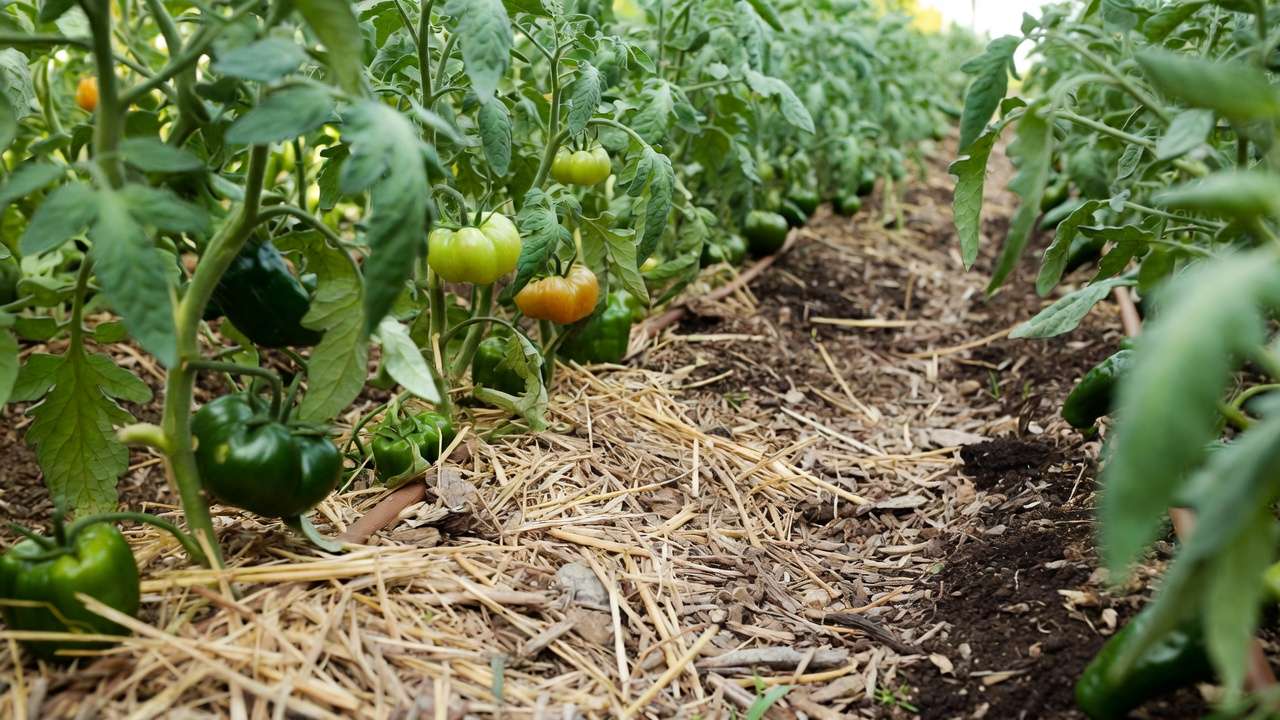
5. Straw or Salt Hay (Classic Veggie Garden Choice) 🚜
Lightweight, reflective, and slow to decompose — great for even coverage.
- Pros: Excellent weed block, good retention, seed-free options available.
- Cons: Can blow away in wind; ensure no weed seeds.
- Best uses: Paths between rows, around tomatoes/peppers.
6. Pine Needles / Pine Straw (Acidic Lovers’ Pick) 🌲
Interlocks naturally, especially on slopes.
- Pros: Good retention, adds acidity (ideal for blueberries/azaleas), long-lasting.
- Cons: Not for alkaline-loving plants.
- Best uses: Woodland gardens, acid-lovers.
7. Shredded Leaves (Budget-Friendly Fall Harvest) 🍁
Free seasonal bounty when shredded.
- Pros: Improves soil structure, decent retention.
- Cons: Mats if whole — shred first!
- Best uses: General beds, fall prep.
8. Inorganic Options (Gravel/Rock for Specific Needs) 🪨
Rocks/gravel for xeriscaping.
- Pros: Permanent, low maintenance.
- Cons: Lower retention than organics (can heat up); poor for most edible gardens.
- Best uses: Succulents, desert-style landscapes.
How to Apply Mulch for Maximum Water Retention 🛠️
Getting the application right is just as important as choosing the mulch type — improper mulching can reduce benefits or even harm plants. Follow these expert-recommended steps (drawn from university extensions like Penn State, Utah State, UNL Water, and OSU) to maximize moisture conservation.
- Prepare the Area First
- Clear weeds, grass, or debris from the soil surface.
- Water the soil deeply if it’s dry — mulch works best over moist (not soggy) ground.
- For trees/shrubs: Gently loosen compacted soil around the root zone (but avoid damaging roots).
- Choose the Ideal Depth
- Aim for 2–4 inches (5–10 cm) for most organic mulches.
- 2–3 inches is perfect for fine-textured mulches (grass clippings, shredded leaves).
- 3–4 inches for coarser ones (wood chips, bark, straw) — studies show this depth reduces evaporation significantly without blocking water/air.
- Thinner layers (<2 inches) lose effectiveness quickly; thicker (>4–6 inches) can cause poor oxygen flow, rot, or hydrophobic buildup.
- Aim for 2–4 inches (5–10 cm) for most organic mulches.
- Placement & Spacing — Avoid Volcano Mulch! ⚠️
- Keep mulch 2–4 inches away from tree trunks, plant stems, or veggie bases — this prevents rot, fungal issues, and rodent hiding spots.
- Create a “donut” or bowl shape: thicker at the edges, tapering to bare soil near the trunk/stem.
- Extend the mulch ring wide — ideally to the drip line (outer edge of branches) for trees/shrubs. For beds, cover the entire planting area. Wider coverage = better moisture savings and root protection.
- Best Time to Apply
- Spring (after soil warms) or early summer — locks in moisture before heat hits.
- Fall — protects roots over winter and retains spring moisture.
- In humid/tropical areas like Bangladesh (with monsoon rains followed by dry periods), apply post-rainy season to prevent rot while conserving dry-season water.
- Pro Application Tips
- Layer over cardboard/newspaper (weed barrier) for extra suppression and slower breakdown.
- Water lightly after mulching to settle it and activate moisture-holding.
- Tools needed: Rake, gloves, wheelbarrow — simple and low-cost!
Common mistakes to avoid:
- Piling against trunks (“volcano mulching”) → leads to bark decay and girdling roots.
- Applying on dry, crusted soil → poor infiltration.
- Using too fine mulch too thick → mats and blocks water.
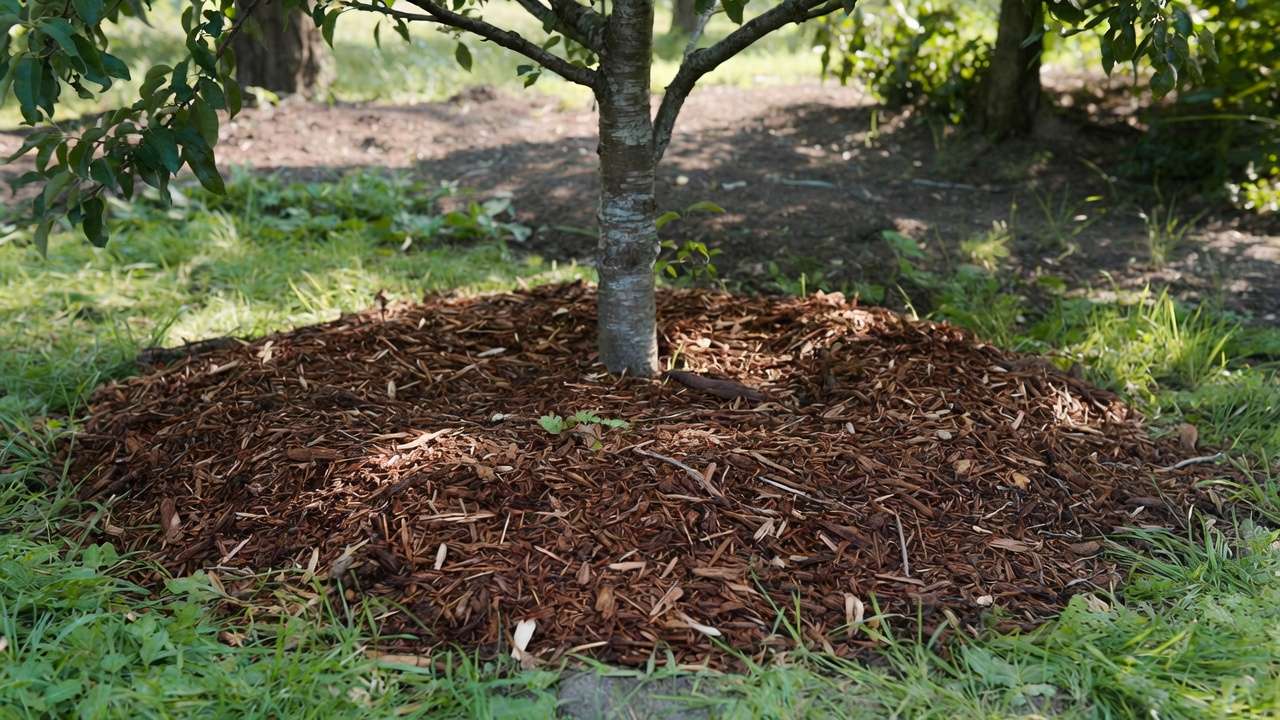
Done right, proper application can cut irrigation needs by 50% or more while promoting deeper, healthier roots. 🌱
Mulch Maintenance & Troubleshooting Tips 🔧
Mulch isn’t “set it and forget it” — smart maintenance keeps it performing at peak for water retention.
- Replenish Schedule
- Grass clippings/compost: Every 6–12 months (breaks down fast).
- Wood chips/bark: Every 1–3 years.
- Straw/pine needles: Every 1–2 years.
- Check depth annually in spring — top up to maintain 2–4 inches.
- Troubleshooting Common Issues
- Mold/fungus: Usually harmless (natural decomposition) — improve airflow by fluffing or reducing thickness.
- Nitrogen tie-up (yellowing plants): Common with fresh wood chips — add a light nitrogen fertilizer or use aged material.
- Pests (slugs, rodents): Keep mulch away from trunks; use coarser types or diatomaceous earth barriers.
- Hydrophobic (water-repelling) layer: Rake/fluff old mulch before adding new to break crust.
- Weeds popping through: Pull early; thicker initial layer + cardboard base helps prevent.
Regular checks (once a season) ensure your mulch continues saving water and boosting soil health long-term. 😊
Expert Insights & Real-World Case Studies 📊
University extensions and field studies provide solid evidence:
- UNL Water & Utah State University: Coarse organic mulches (wood chips, shredded bark) consistently outperform fine or inorganic for moisture conservation — reducing evaporative loss dramatically on bare soil.
- OSU Extension: Arborist wood chips excel at weed control + water savings with fewer drawbacks.
- Real experiments (e.g., gardener-led tests over hot/windy days): Hemp bedding retained ~80% of added water, grass clippings ~73%, while bark/wood chips held strong but lower in short-term evaporation trials. Long-term, wood chips build superior soil structure.
- PMC study on organic mulches: Bran-like materials (similar to hemp) showed top retention; newspaper/grass followed closely.
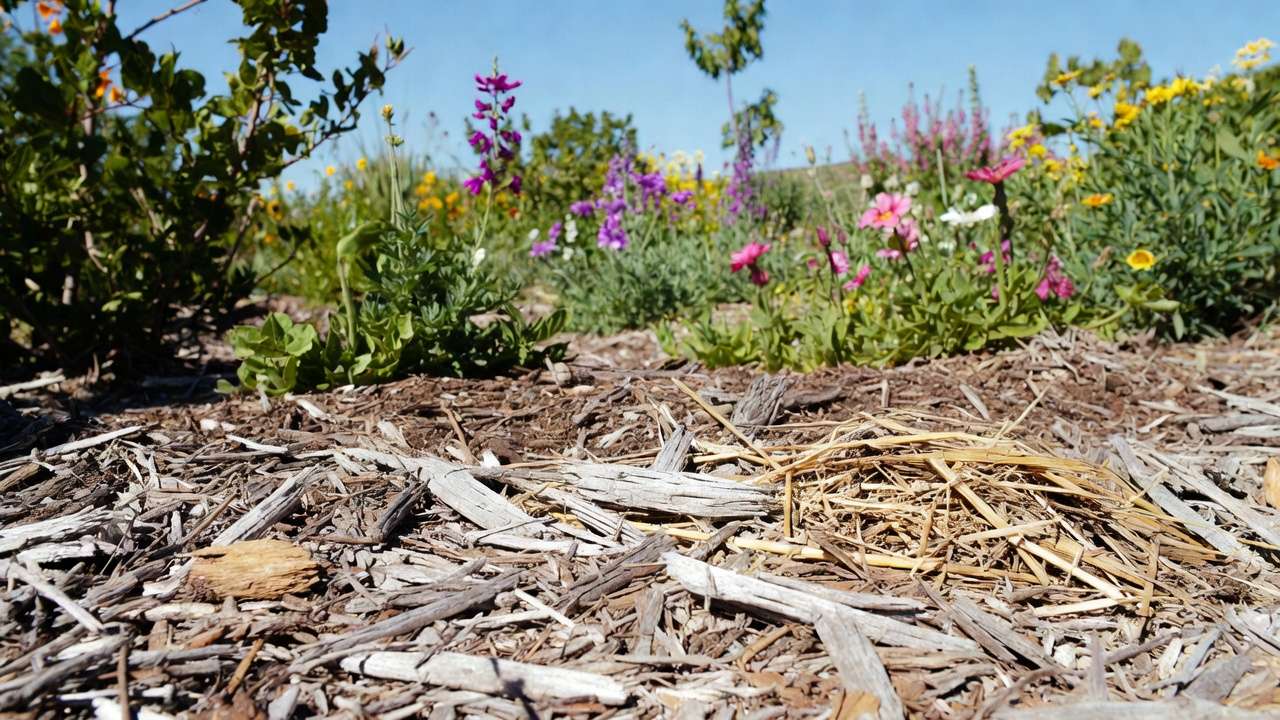
For regions like Barisal Division (humid, rainy then dry): Favor breathable organics (straw, wood chips) to avoid rot during monsoons while conserving dry-season moisture. Combine with drip irrigation under mulch for even better efficiency.
These insights come from peer-reviewed extensions and replicated tests — reliable sources for trustworthy gardening decisions.
FAQs: Common Questions About Mulch Types for Water Retention ❓
Which mulch retains the most water? Hemp bedding often tops short-term tests (~80% retention), followed closely by grass clippings. For long-term garden use, coarse wood chips excel due to soil-building benefits.
Is rubber mulch good for water retention? No — it repels water more than organics and can heat up soil. Stick to natural types for moisture savings.
Can mulch help during vacations or drought? Absolutely! A 3–4 inch layer of wood chips or straw can keep soil moist for weeks longer, reducing stress on plants.
Best mulch for trees vs. vegetable gardens? Trees/shrubs: Long-lasting wood chips/bark (2–4 inches, away from trunk). Veggies: Grass clippings, straw, or compost (replenish yearly for nutrients).
Does colored mulch affect retention? Dyed mulches perform similarly to natural but may fade or leach chemicals — opt for undyed for plant safety and eco-friendliness.
How much mulch do I need? For a 10×10 ft bed at 3 inches deep: ~1 cubic yard. Use online calculators for precision.
Is inorganic mulch ever better? For xeriscaping/succulents — rocks provide permanence and heat moderation, but organics win for true absorption in most gardens.
Conclusion: Transform Your Garden with the Right Mulch Today 🌟
Choosing the best mulch types for water retention — whether hemp for quick wins, free grass clippings for budget heroes, or reliable wood chips for long-haul tree care — can dramatically cut watering needs, ease drought stress, and nurture healthier plants and soil. The science is clear: A proper 2–4 inch layer of organic mulch reduces evaporation significantly, moderates temperatures, suppresses weeds, and builds resilient gardens.
Start small: Pick one bed or tree, apply correctly (no volcano piles!), and observe the difference — fewer wilting leaves, lower water bills, more time to enjoy your green space. Your plants will thank you, and your garden will thrive with less effort.











