
In many parts of Bangladesh, including areas like Gaurnadi in Barisal Division, water scarcity hits hard during the dry season. Your daily shower, laundry rinse, or bath could be wasting hundreds of liters of perfectly usable water — but imagine redirecting that “greywater” straight to your home garden or fruit trees instead! 🌱 This simple switch not only slashes your freshwater use (often by 30-50% in households) but also delivers free, nutrient-rich irrigation that makes plants greener, stronger, and more drought-resistant.
Greywater reuse in home gardens is a practical, eco-friendly solution gaining traction worldwide, especially in tropical climates facing similar challenges to ours. It involves safely diverting lightly used household wastewater (from showers, baths, and laundry — minus kitchen or toilet sources) to irrigate ornamental plants, shrubs, and fruit trees. The mild nutrients like nitrogen, phosphorus, and potassium act as natural fertilizers, promoting lush growth while conserving precious freshwater resources.
In this in-depth guide, we’ll explore the real benefits, potential risks (and how to avoid them), the best plants that thrive on greywater, step-by-step setup for simple DIY systems, best practices for safe long-term use, and troubleshooting tips. Whether you’re a beginner gardener in a water-stressed area or an experienced tree carer looking to go more sustainable, this comprehensive resource will help you turn household “waste” into garden abundance — saving money on water bills, boosting plant health, and contributing to a greener planet. 💚 Let’s dive in!
What Is Greywater and Why Reuse It in Home Gardens? 🤔
Understanding Greywater vs. Blackwater
Greywater refers to gently used domestic wastewater from non-toilet sources: showers, bathtubs, bathroom sinks, and washing machine rinse cycles. It’s called “grey” because it may look slightly cloudy from soaps or body oils, but it’s far cleaner than blackwater (toilet wastewater containing fecal matter and pathogens). 🚿
In home gardens, focus on “light” greywater — primarily from showers, baths, and laundry. Avoid kitchen sink water if possible, as it often contains food particles, grease, and higher organic loads that can attract pests or clog systems. In tropical regions like Bangladesh, where high humidity and rainfall alternate with dry spells, greywater provides a reliable, on-demand irrigation source without relying solely on municipal supplies or tube wells.

Key Benefits of Greywater Reuse in Home Gardens
Reusing greywater isn’t just trendy — it’s a smart, proven strategy for sustainable gardening:
- Massive water savings and lower bills 💰: An average household produces 200–400 liters of greywater daily. Redirecting even half can cut outdoor water use dramatically, crucial in water-scarce Barisal or Dhaka areas where freshwater costs and availability fluctuate.
- Natural nutrient boost 🌿: Greywater contains low levels of nitrogen, phosphorus, potassium, and trace elements — acting like a mild, slow-release fertilizer. Studies show faster growth, lusher foliage, and improved drought tolerance in irrigated plants.
- Environmental wins ♻️: It reduces strain on municipal wastewater systems, prevents nutrient pollution in rivers/canals, recharges soil moisture, and supports local biodiversity. In Bangladesh’s context, where urban greywater often ends up untreated in drains or waterbodies, home reuse promotes cleaner ecosystems.
- Perfect for fruit trees and ornamentals 🍊: Deep-rooted trees and hardy shrubs handle the nutrients well, leading to healthier yields and vibrant landscapes.
- Real impact: Households can save up to 40,000 liters annually, turning waste into abundance while easing pressure on groundwater.
Potential Risks and How to Avoid Them ⚠️
Greywater isn’t risk-free, but smart practices minimize issues:
- Soil salinity and sodium buildup: Soaps and detergents can introduce salts, raising soil pH and harming sensitive plants over time.
- Low pathogen risk: Properly sourced greywater has minimal health risks for non-edible plants, but avoid direct contact with fruits/veggies.
- Plant sensitivity: Acid-loving plants may struggle; some show leaf yellowing from boron or surfactants.
- Local regulations: In Bangladesh, no strict national standards exist for household greywater reuse in gardens (unlike treated wastewater guidelines), but always check local municipal rules or avoid public health concerns.
Mitigation tips: Switch to biodegradable, low-sodium products; rotate with freshwater periodically; mulch heavily; monitor soil pH/salinity annually. With these steps, risks stay low while benefits soar!
Best Plants for Greywater Irrigation 🌳🥑
Top Plant Categories That Thrive on Greywater
Many plants love the extra nutrients and frequent gentle watering greywater provides, especially in tropical/subtropical setups:
- Fruit trees 🍊: Citrus (lemons, mandarins, oranges), figs, pomegranates, avocados (in well-drained spots), bananas, guavas, loquats, and passion fruit excel. Their deep roots tolerate salts and absorb nutrients efficiently.
- Shrubs and ornamentals 🌺: Hibiscus, bird of paradise, gardenia, lavender, rosemary, sage, yucca, salvias, and ferns (for shadier, acid-tolerant areas).
- Tough perennials and natives 🌿: Berries (blackberries, raspberries), grapes, elderberry, rhubarb, and hardy vines like kiwi or hops.
- Edible options with care 🫐: Focus on above-ground fruits; avoid root crops or low-growing edibles that contact soil/water directly.
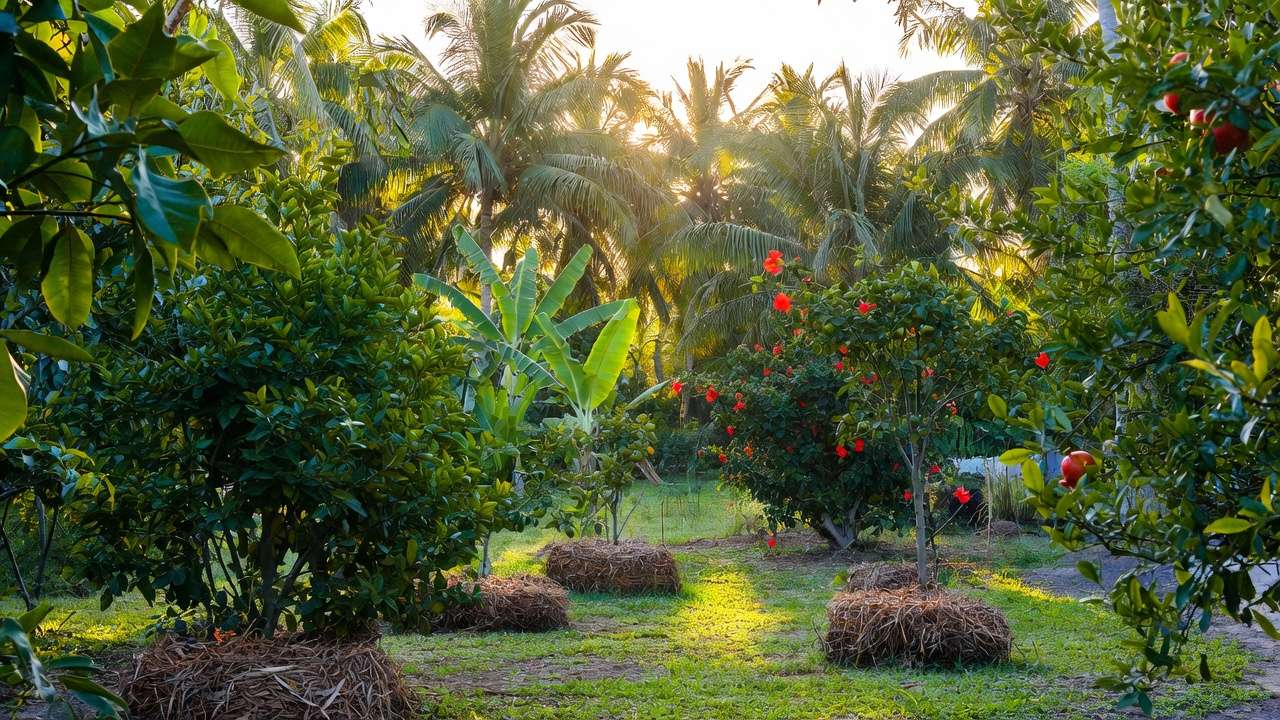
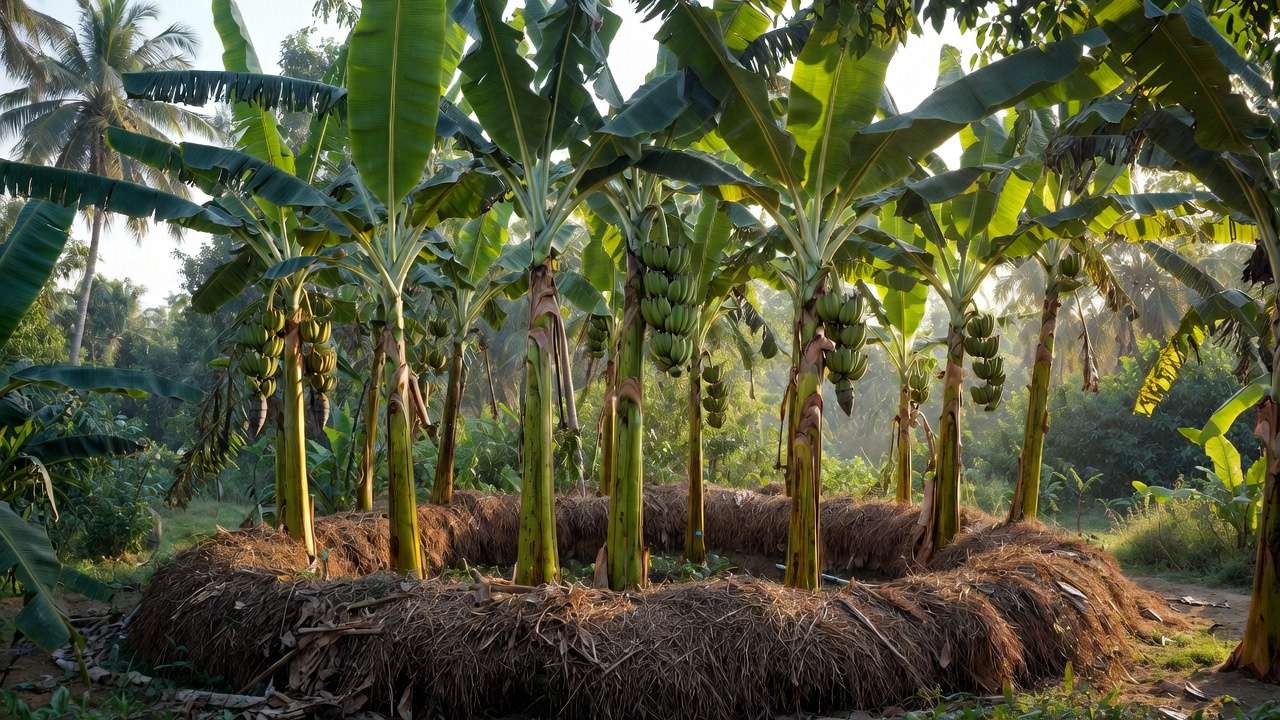
In Bangladesh-like climates, banana circles or fruit tree guilds fed by greywater often show explosive growth!
Plants to Avoid or Use Cautiously
- Leafy greens (lettuce, spinach), root veggies (carrots, potatoes) — high risk of contamination or pathogen uptake.
- Young seedlings or acid-sensitive species — they may show stress early.
- Salt-intolerant plants like some azaleas or blueberries — opt for freshwater rotation.
Pro Tip Table: Greywater-Friendly Plants
Here’s a quick reference:
| Plant | Tolerance Level | Why It Works | Example Use in Tropical Gardens |
|---|---|---|---|
| Citrus (Lemon, Mandarin) | High | Deep roots, loves nutrients | Backyard orchards 🍋 |
| Banana | High | Thrives on frequent water + potassium | Banana circles 🌴 |
| Hibiscus | High | Hardy, blooms profusely | Ornamental hedges 🌺 |
| Fig/Pomegranate | High | Drought-tolerant once established | Fruit + shade trees |
| Rosemary/Lavender | Medium-High | Handles salts well | Herb borders 🌿 |
| Avocado | Medium | Good drainage needed | Nutrient boost for fruiting |
How to Set Up Greywater Systems for Your Home Garden 🛠️
Simple DIY Systems for Beginners (Low-Cost Options)
Start small — no fancy plumbing required!
- Bucket diversion method: Easiest! Collect shower or laundry water in buckets and pour directly into mulch basins around trees. Zero cost, instant results. 🪣
- Laundry-to-landscape branched drain: Divert washing machine hose to 1-inch pipes splitting to multiple garden spots. Uses washer’s pump — great for flat yards.
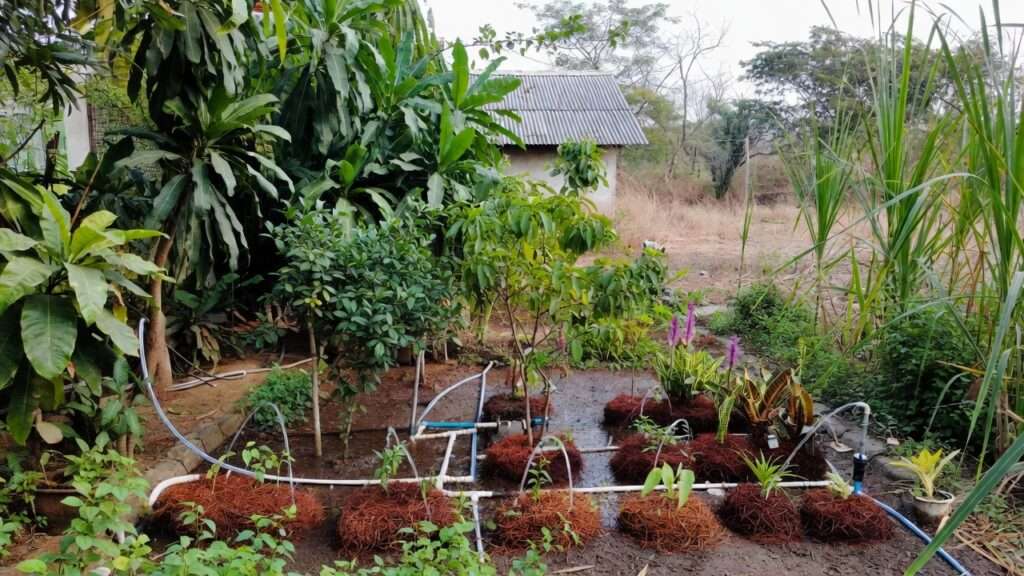
- Basic mulch basin setup: Dig shallow basins (mulch-filled) under trees; pipe greywater subsurface to avoid odors/evaporation.

Step-by-Step Installation Guides
- Laundry-to-Landscape:
- Install a 3-way valve on washer drain hose (divert to sewer or garden).
- Run 1-inch PVC pipe outside, branch with flow splitters to ½-inch tubing.
- End in mulch basins (18–24 inches wide, 6–12 inches deep) around plant drip lines.
- Add filters/screens to catch lint.
- Shower/Bath Diversion:
- Add a diverter valve under sink/shower drain.
- Pipe to outdoor branched drains or reed bed mini-filter.
- Ensure 2% slope for gravity flow.
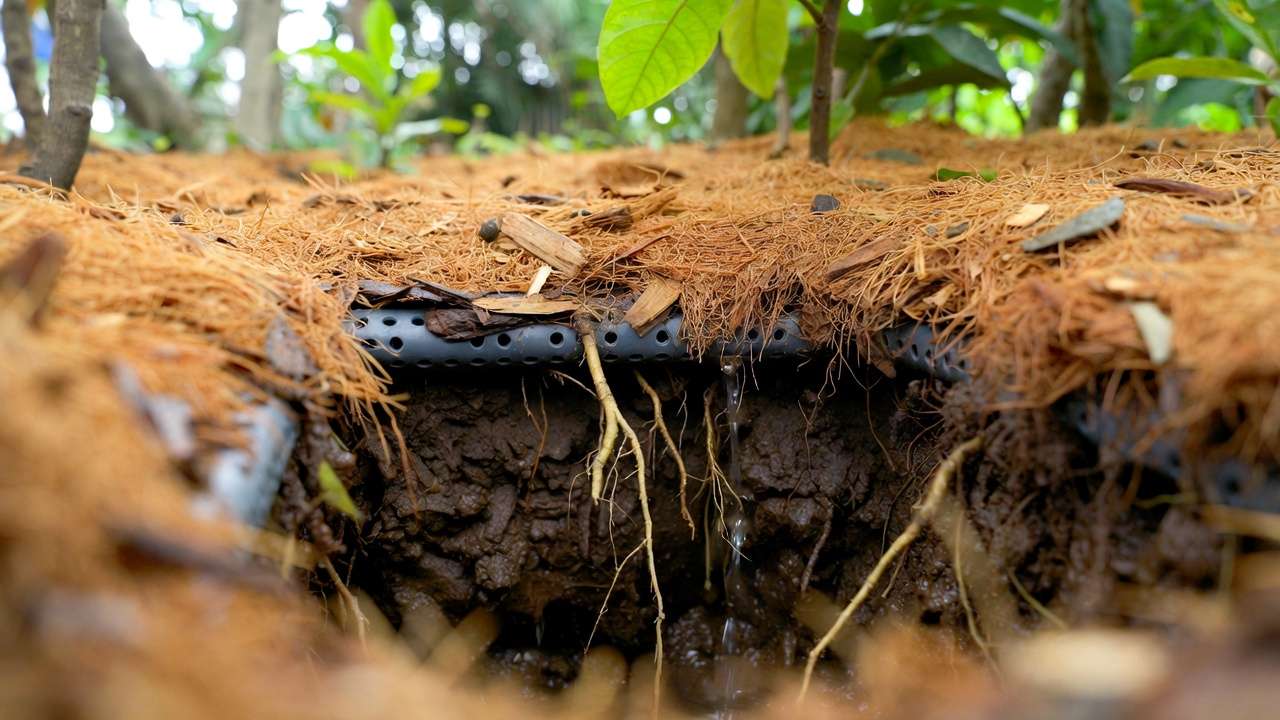
- Subsurface irrigation (safest): Bury perforated pipes under mulch to deliver water directly to roots, minimizing surface contact.
Advanced Systems Worth Considering
- Branched drain networks for multiple fixtures.
- Mini constructed wetlands (reed beds) for natural filtration.
- Maintenance: Clean filters monthly, flush lines seasonally to prevent clogs.
Calculating Greywater Volume and Garden Needs
Estimate: Average family produces 300–500 L/day greywater. A mature fruit tree needs 100–200 L/week in dry season. Match output to garden size — over-irrigation causes runoff; under causes stress. Use simple formulas: Weekly need = Plant canopy area × 25–50 mm depth.
Best Practices for Safe and Effective Use 📋
To make greywater reuse truly sustainable and plant-friendly, follow these expert-recommended practices. These habits have been refined over years of permaculture projects, homeowner trials, and observations in water-stressed tropical regions.
Choosing Plant-Friendly Products
The biggest variable affecting long-term success is what goes down the drain:
- Switch to biodegradable, low-sodium, phosphate-free detergents and soaps. Look for labels that say “greywater-safe,” “plant-friendly,” or “biodegradable in 28 days.”
- Avoid: Borax, sodium-based softeners, bleach, anti-bacterial agents, fabric softeners, and high-surfactant products. These can accumulate salts or harm soil microbes.
- Recommended options (widely available in Bangladesh markets): Ecover, Seventh Generation, local biodegradable laundry bars, or simple castile soap-based products.
- Pro tip: Use liquid soaps over powders — they dissolve better and leave fewer residues.
Application Techniques
How you deliver greywater matters just as much as the source.
- Subsurface delivery is safest → Bury perforated ½-inch or 1-inch drip lines 10–20 cm deep under thick mulch. Water reaches roots directly, minimizing evaporation, odors, and surface pathogen risk.
- Mulch is non-negotiable 🌱: Apply 8–15 cm of organic mulch (rice straw, dried leaves, coconut coir, wood chips) over delivery points. Mulch filters particles, hosts beneficial microbes, suppresses weeds, and prevents salt crusting.
- Rotate with freshwater → Use greywater 3–4 days per week and plain rainwater/tube-well water the rest. This prevents sodium buildup and lets soil biology recover.
- Avoid foliar contact → Never spray greywater on leaves or edible parts. Gravity-fed or subsurface methods work best.
Monitoring and Troubleshooting
Stay proactive — small issues are easy to fix early.
- Signs of trouble:
- Yellowing leaf tips or edges → Possible salt stress → Increase freshwater rotation and flush soil.
- White crust on soil surface → Sodium accumulation → Scrape off crust, add gypsum (if available), mulch thicker.
- Slow growth or wilting despite water → Over-irrigation or poor drainage → Reduce volume, improve soil aeration.
- Odors → Anaerobic conditions → Ensure good flow, avoid pooling, add more mulch.
- Simple monitoring tools:
- Soil pH test strips (aim for 6.0–7.5 for most fruit trees).
- Electrical conductivity (EC) meter or basic salinity test kit (keep below 1.5–2 dS/m for sensitive plants).
- Visual plant health check every 2–3 weeks.
- Seasonal adjustments:
- Dry season (Nov–Apr in Barisal): Maximize greywater use.
- Monsoon (May–Oct): Reduce or pause to prevent waterlogging.
Real-Life Examples and Case Studies 🌍
In Gaurnadi and similar rural-urban fringe areas of Barisal, many households already practice informal greywater reuse — often just buckets from laundry poured around banana plants or mango trees. Those who systematize it see dramatic results.
- Case 1: Banana circle success — A local farmer diverted laundry and shower water into a 2-meter-wide mulched basin planted with 8 banana suckers. Within one dry season, plants grew taller, leaves greener, and bunches larger than neighbors using only tube-well water. The potassium in greywater matched banana’s high demand perfectly.
- Case 2: Citrus grove transformation — A household with 12 lemon and mandarin trees installed a simple branched drain from two bathrooms. After 18 months, fruit size increased ~20–30%, leaf drop decreased, and water bills dropped noticeably during summer.
- Case 3: Ornamental hedge revival — Hibiscus and gardenia hedges that previously struggled in sandy soil bloomed continuously after greywater mulch-basin feeding, thanks to the mild nitrogen-phosphorus boost.
These examples show that even low-tech systems deliver outsized benefits when matched to the right plants and managed thoughtfully.
FAQs: Greywater Reuse in Home Gardens ❓
Is greywater safe for fruit trees? Yes — especially deep-rooted trees like citrus, banana, fig, pomegranate, guava, and mango. Keep water subsurface and avoid direct fruit contact. Many tropical orchards worldwide use greywater successfully.
Can I use kitchen greywater? Best to avoid it. Grease, food scraps, and higher pathogen loads increase clogging and pest risks. Stick to shower, bath, and laundry rinse water.
How much can I save on water bills? Depends on household size and garden area, but 30–60% reduction in outdoor water use is common. In Barisal’s dry months, that can mean saving hundreds of taka monthly for average families.
What if I have a septic tank system? Greywater diversion reduces load on the septic tank (good for longevity), but never send it back into the septic after garden use. Keep it separate.
Is greywater reuse legal in Bangladesh? There are no national prohibitions for small-scale, non-potable household garden use. However, follow basic hygiene principles and avoid public nuisance (odors, pooling). Municipal bylaws in some urban areas may vary — check locally if unsure.
Will greywater damage my soil long-term? Not if you use plant-friendly products, rotate with freshwater, mulch heavily, and monitor salinity/pH. Thousands of households in arid and semi-arid regions have used greywater for decades without degradation.
Conclusion: Start Your Sustainable Garden Today! 🚀
Greywater reuse in home gardens is one of the most practical, affordable ways to save water, nourish your plants naturally, and live more sustainably — especially in water-challenged regions like Barisal Division. You don’t need expensive equipment or expert skills to begin. Start small: try the bucket method with your next laundry load around a favorite fruit tree or hibiscus bush. Watch how the plants respond, tweak your setup, and scale up as you gain confidence.
Every liter you redirect is a step toward healthier soil, lusher greenery, lower bills, and a lighter footprint on our shared water resources. Turn what was once waste into abundance — one gentle pour at a time. 💚











