
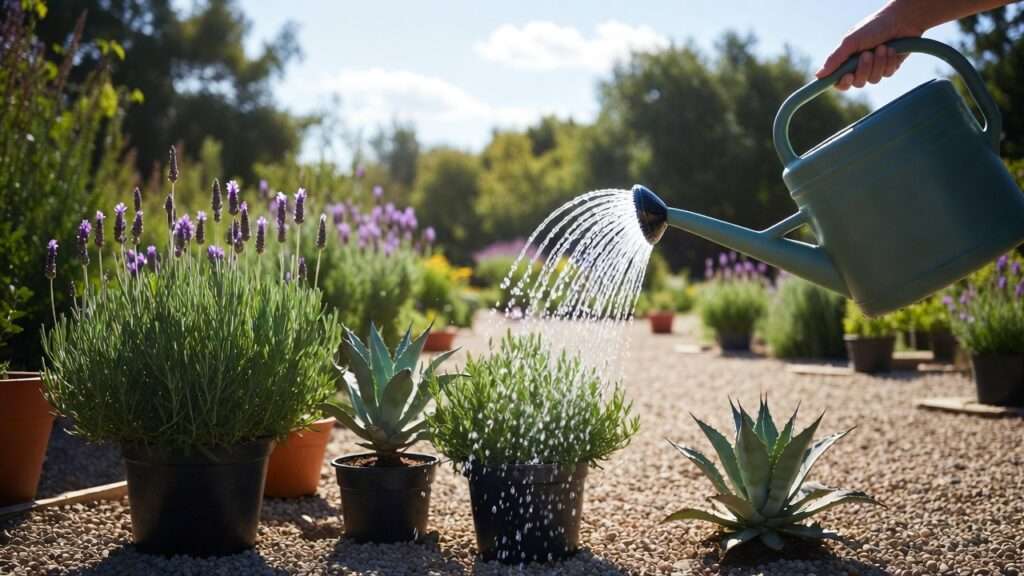
Imagine this: You’ve carefully selected stunning drought-tolerant beauties like lavender, agave, salvia, and yarrow to transform your garden into a low-maintenance, water-wise oasis. They’re supposed to thrive with minimal care, right? Yet weeks (or months) later, some look wilted, yellowed, or downright unhappy. 😩 The culprit? Almost always improper watering frequency for drought-tolerant plants.
The biggest myth in xeriscaping and sustainable gardening is that these resilient plants need little to no water from day one. In reality, even the toughest drought-tolerant species require thoughtful, phased watering to establish strong, deep root systems. Get it wrong — especially by overwatering — and you risk root rot, weak growth, or plant loss. Get it right, and you’ll enjoy healthier plants, massive water savings (often 50–70% less once established), fewer diseases, and a truly resilient landscape that laughs at dry spells. 🌵
In this comprehensive guide, we’ll break down exactly how often to water drought-tolerant plants at every stage, why “less is more” builds superior resilience, seasonal adjustments, foolproof techniques, common pitfalls, and real-world examples. Whether you’re in a hot arid zone, temperate region with dry summers, or managing occasional dry spells, these expert-backed strategies will help your garden thrive sustainably.
Why Drought-Tolerant Plants Need a Special Watering Approach 🤔
Drought-tolerant (or xerophytic) plants have evolved clever survival tricks: thick, waxy leaves to reduce evaporation, silvery or hairy foliage that reflects sunlight, deep taproots, or succulent tissues that store water (think agave or sedum). Many use CAM photosynthesis, opening stomata at night to minimize water loss.
Unlike thirsty annuals or lawns that crave frequent shallow moisture, these plants suffer when treated the same way. Frequent light watering keeps roots near the surface — making them vulnerable during heat waves or droughts. Shallow roots = weak plants that demand more intervention long-term.
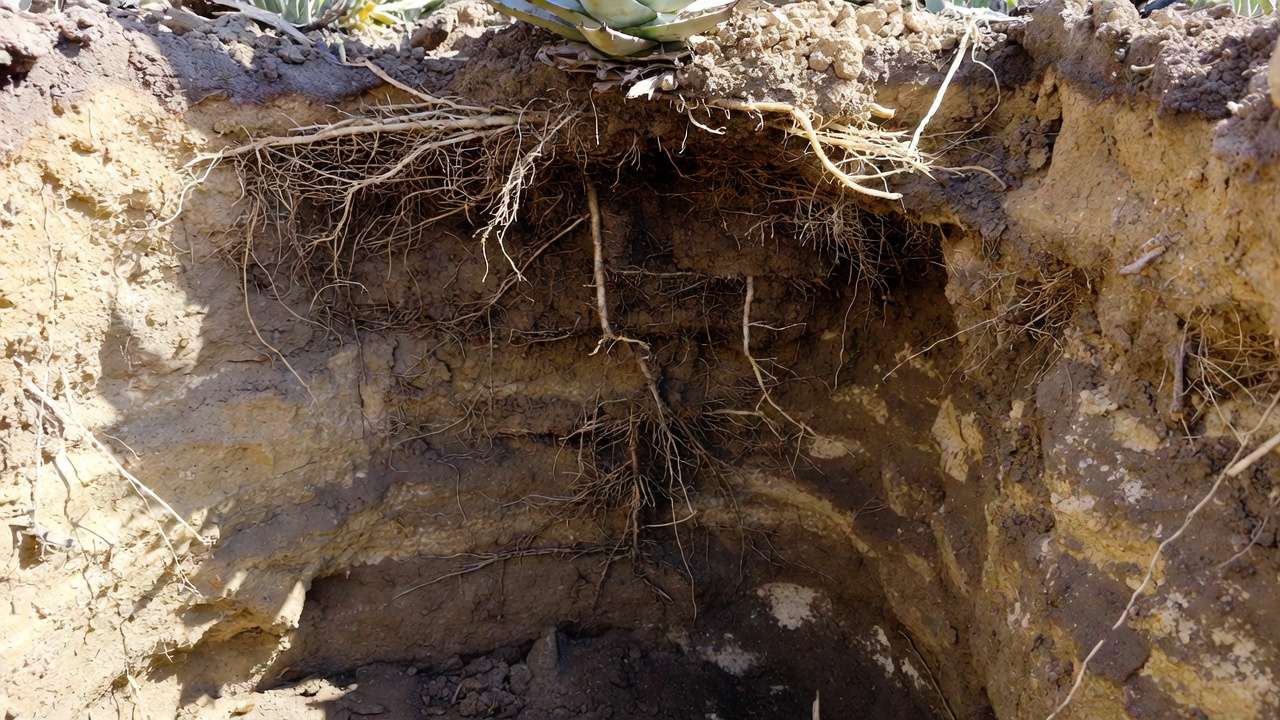
The golden rule? Deep, infrequent watering trains roots to grow downward (often 10–24 inches or more), accessing stored soil moisture and nutrients even when the top layer dries out. This builds true drought resilience, prevents fungal issues like root rot, conserves water, and lowers maintenance. Once established, many need supplemental water only during extreme dry periods. 💪
Bonus perks: Healthier plants resist pests better, support pollinators longer, and align perfectly with eco-friendly gardening goals like xeriscaping or native landscaping.
Understanding the Establishment Phases: The Key to Success 📅
The single most important factor in success with drought-tolerant plants is respecting the establishment period — typically 1–2 years (longer for trees/shrubs). During this time, even ultra-tough species behave like “thirsty” plants while developing roots.
Phase 1: First 4–8 Weeks After Planting (The Critical Establishment Period) 🌱
New transplants focus energy on rooting out from the nursery pot into native soil. Keep the root ball consistently moist (but never soggy) to prevent shock.
- Frequency: Daily or every other day, especially in warm, windy, or sunny conditions.
- Amount: Light to moderate soak — enough to moisten 6–12 inches deep around the root zone.
- Tip: Check soil daily with your finger; water if the top 1–2 inches feel dry. In cool/rainy weather, stretch to every 2–3 days. 🌧️
Goal: Encourage rapid root exploration without drowning the plant.
Phase 2: Months 2–6 (Building Resilience) 🛠️
Roots start spreading. Gradually reduce frequency to encourage deeper growth.
- Frequency: 1–2 times per week (adjust for heat/wind).
- Amount: Deep soak delivering ~1 inch of water (roughly 5–10 gallons per shrub, more for trees) to penetrate 12–18 inches.
- Key: Let the top 2–4 inches dry out between sessions — this “stress” signals roots to grow down.
Pro insight: Use a soil probe or trowel post-watering to confirm depth. If water only wets the surface, extend soak time.
Phase 3: Year 1–2 (Transition to Low-Water Mode) 🌵
Plants are gaining independence. Mimic natural rainfall patterns.
- Frequency: Every 10–21 days in dry seasons (longer if rains occur).
- Amount: Continue deep soaks (1–2 inches equivalent).
- Monitor: Watch for mild stress signs (slight leaf droop in morning heat) as cues to water.
Many perennials and small shrubs reach good establishment here.
Phase 4: Fully Established (Year 2+) 🎉
True drought tolerance kicks in! Most need minimal or zero supplemental water except in prolonged droughts.
- Frequency: Once per month or less; skip entirely during rainy seasons.
- Amount: Deep but rare — focus on re-wetting the deeper root zone.
- Reality check: In very arid climates, occasional deep soaks (every 4–6 weeks in peak summer) keep them looking lush without compromising hardiness.
Pat yourself on the back — you’ve trained a resilient, low-water superstar! 🌟
Seasonal Watering Adjustments by Climate Zone 🌤️
Tailor your schedule to local conditions for best results:
- Hot/arid regions (e.g., desert Southwest or dry Bangladesh seasons): Summer deep soaks every 2–4 weeks; reduce or skip in cooler/monsoon periods.
- Mediterranean/temperate climates: Heavy establishment watering in first summer; taper sharply in fall/winter rains.
- Humid areas with dry spells: Align with natural dry periods — supplement only when rainfall dips below 1 inch for 3+ weeks.
- General rule: Increase frequency/amount during heat, wind, or low humidity; decrease in cool, cloudy, or rainy weather.
Always prioritize soil moisture over the calendar!
How to Know When (and How Much) to Water: Practical Tests & Tools 🔍
Don’t guess — test!
- Finger/soil probe test — Insert finger or stick 2–4 inches; water if dry.
- Moisture meter — Affordable tool for precise root-zone readings.
- Visual cues:
- OK: Slight morning wilt that recovers by evening.
- Time to water: Persistent droop, curling leaves, or crispy edges.
- Dig test — After watering, dig nearby to verify 10–18 inch penetration.
- Best time: Early morning to cut evaporation and fungal risk ⏰
Best Watering Techniques for Maximum Efficiency 💦
- Drip irrigation or soaker hoses — Slow, deep delivery right to roots.
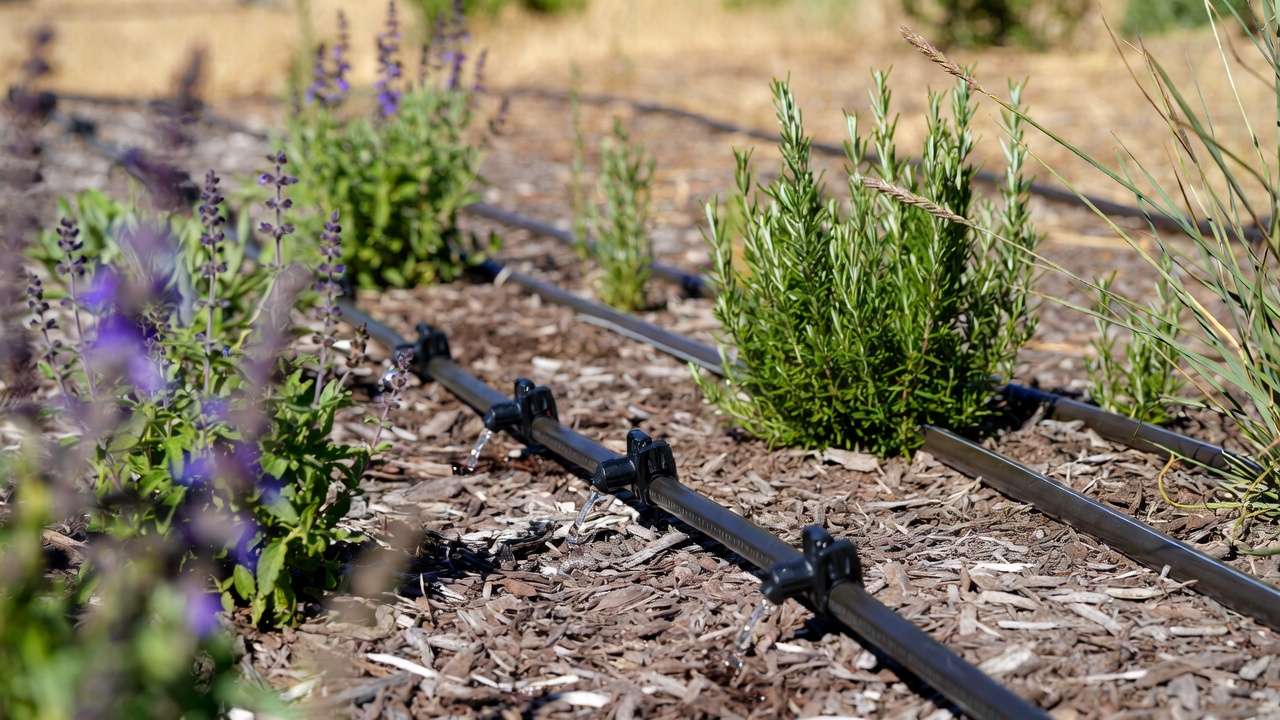
- Avoid sprinklers — Wastes water via evaporation; wets foliage (disease risk).
- Mulch magic — Apply 2–4 inches organic mulch (bark, straw) to retain moisture, suppress weeds, and moderate soil temperature 🌡️
- Basin method for trees/shrubs: Build a doughnut-shaped berm to pool water.
- Rain barrels — Eco-friendly source for supplemental soaks.
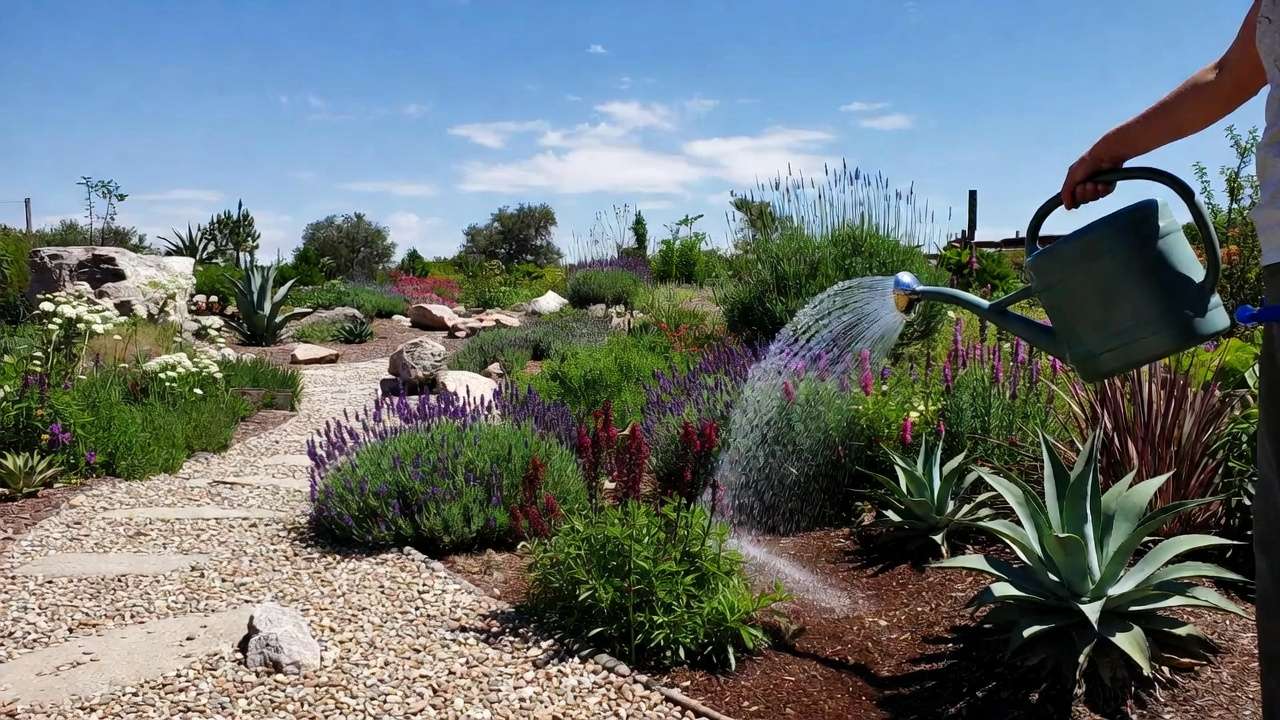
Common Mistakes That Kill Drought-Tolerant Plants (And How to Fix Them) ❌
- Overwatering — #1 killer! Leads to root rot, yellow leaves, mushy stems. Fix: Let soil dry; improve drainage.
- Shallow/frequent watering — Creates weak surface roots. Fix: Switch to deep/infrequent.
- Skipping establishment phase — Plants fail in year 1. Fix: Follow phased schedule religiously.
- Midday watering — High evaporation loss. Fix: Morning only.
- Poor soil/drainage — Water pools → rot. Fix: Amend with grit if needed; plant in raised beds.
- Sudden cutbacks — Shocks plants. Fix: Gradual taper.
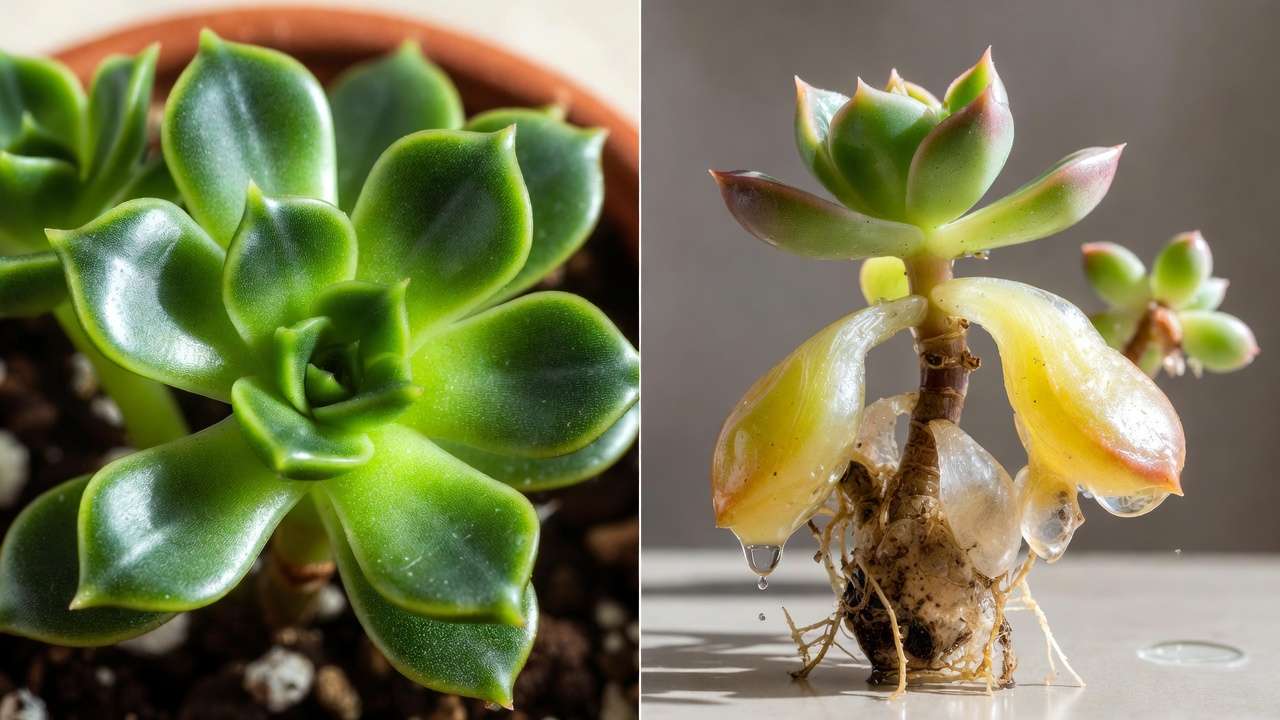
Signs of overwatering vs. underwatering:
- Over: Yellow/soft leaves, wilting despite wet soil, fungus gnats.
- Under: Crispy/dry leaves, severe droop, stunted growth.
Plant-Specific Watering Examples: Popular Drought-Tolerant Stars ⭐
Here’s a quick-reference guide (adjust for your climate/soil):
- Agave & cacti — Very infrequent; establishment: weekly deep; mature: every 4–8 weeks or less.
- Lavender — Establishment: 1–2x/week; mature: every 2–4 weeks in summer.
- Rosemary & salvia — Similar to lavender; thrives on neglect once rooted.
- Yarrow — Establishment: weekly; mature: monthly deep soaks.
- Ornamental grasses (e.g., blue fescue) — Establishment: 1–2x/week; mature: occasional.
- Sedum/succulents — Minimal; avoid wet winters.
| Plant | Establishment (Year 1) | Mature Frequency | Notes |
|---|---|---|---|
| Lavender | 1–2x/week deep | Every 2–4 weeks | Hates wet feet! |
| Agave | Weekly deep | Every 4–8 weeks+ | Extremely drought-hardy |
| Salvia | 1–2x/week | Monthly | Pollinator favorite |
| Yarrow | Weekly | Monthly | Tough & colorful |
Water-Saving Bonus Tips & Xeriscape Integration ♻️
- Hydrozoning: Group similar water-need plants.
- Compost lightly at planting for better retention (no heavy fertilizers).
- Mulch everywhere!
- Smart timers for drip systems.
- Choose natives suited to your region for easiest success.
FAQs: Quick Answers to Common Reader Questions ❓
- Can I overwater drought-tolerant plants? Yes — root rot is common. Let soil dry between deep waterings.
- Pots vs. ground? Containers dry faster; water more often even when mature.
- What if it rains? Skip supplemental; light rain doesn’t penetrate deeply.
- Under vs. overwatering signs? Over: yellow/mushy; Under: crispy/droopy.
- Best time of day? Early morning.
- Zero water ever? Many established natives can go months without — but monitor extremes.
Final Thoughts + Call to Action 🌟
Mastering watering frequency for drought-tolerant plants comes down to one powerful idea: less frequent, deeper watering creates stronger, more self-sufficient plants. Start slow during establishment, taper thoughtfully, and watch your garden become a beautiful, sustainable haven that saves water and time.
Ready to put this into practice? Track your soil moisture this week and adjust accordingly. Share your drought-tolerant successes (or questions!) in the comments below — I’d love to hear how your lavender or agave is doing! 💬











