
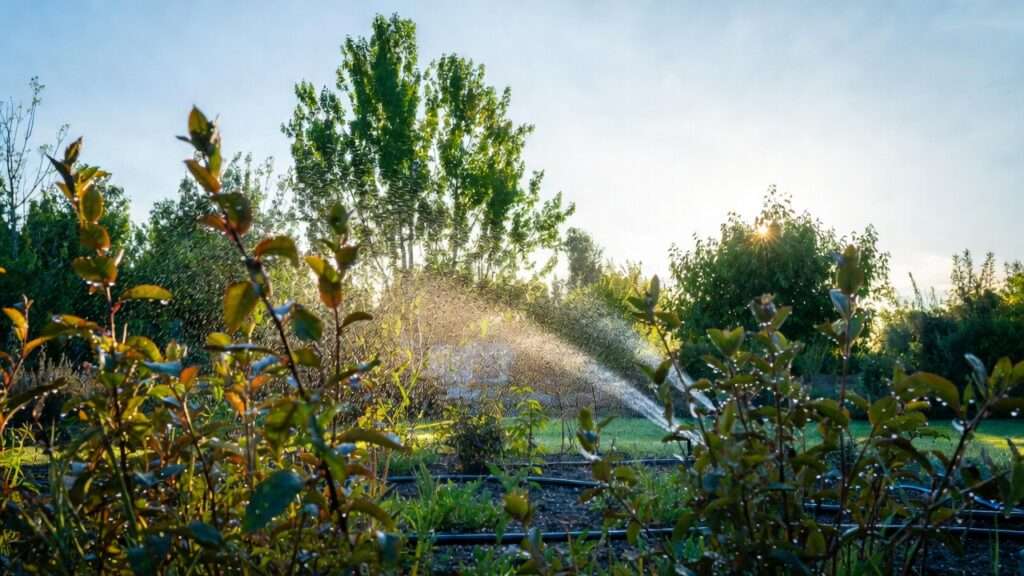
Have you ever poured precious time and water into your landscape—only to see your plants looking wilted, your lawn patchy, or your trees stressed despite all the effort? 😩 You’re not alone. The silent thief here is often poor timing when watering. In fact, watering at the wrong time of day can waste up to 50% of your water through evaporation, leave foliage damp overnight inviting fungal diseases, or fail to deliver moisture deep enough for strong root absorption.
Timing landscape watering for best absorption is one of the simplest yet most powerful ways to boost plant health, conserve water, and save money on your bills. Whether you have a lush lawn, vibrant flower beds, fruit trees, or ornamental shrubs, getting the timing right means more water reaches the roots where it counts—leading to deeper, healthier root systems and thriving greenery even during hot spells.
In this ultimate guide, we’ll dive deep into the science of water uptake, compare morning vs. evening watering head-to-head (with expert-backed pros and cons), explore factors like your soil type, climate, and plant needs, and share step-by-step plans to create a personalized schedule. By the end, you’ll have the tools to transform inefficient watering into a game-changer for your landscape. Let’s get your plants drinking smarter! 🌱✨
Why Timing Matters: The Science of Water Absorption in Landscapes 🌡️🔬
Water doesn’t just sit on the soil surface—it’s a dynamic process involving evaporation, transpiration, and root uptake. Understanding these helps explain why timing is everything.
Understanding Evaporation, Transpiration, and Root Uptake 🌱
Plants lose water through transpiration (water vapor escaping from leaves) and the soil loses it via evaporation—together called evapotranspiration (ET). On hot, windy days, ET rates spike, especially midday when temperatures peak and sun is strongest. Studies from university extensions show evaporation can claim 30–50% of applied water during peak heat hours, leaving far less for roots to absorb.
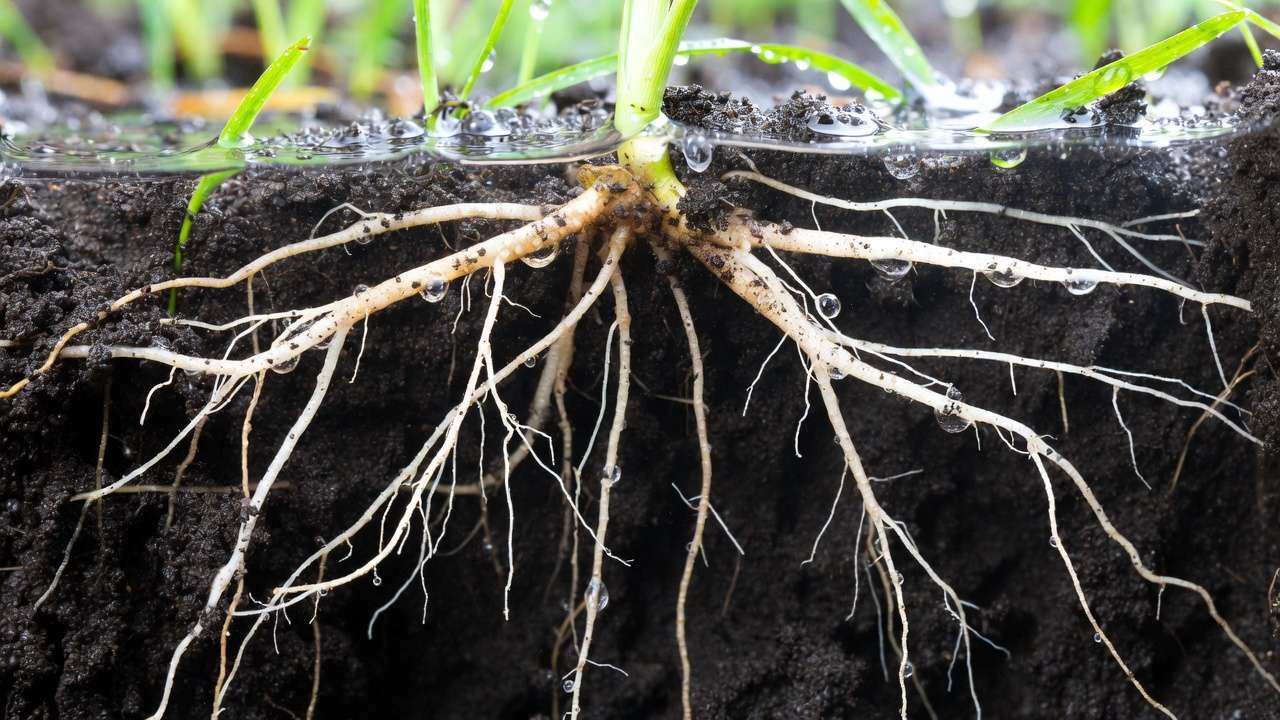
Roots absorb water best when soil temperatures are moderate and moisture lingers longer without rapid loss. Cooler morning hours slow evaporation dramatically, allowing water to percolate deeper into the root zone (often 6–18 inches for trees and shrubs). Plants then use this stored moisture efficiently throughout the day, staying hydrated and resilient against heat stress.
Evening watering minimizes daytime evaporation but keeps soil and foliage wet longer—sometimes overnight—creating ideal conditions for pathogens. Morning watering, by contrast, lets foliage dry quickly in sunlight and breeze, slashing fungal risks while maximizing absorption.
(Suggested visual: Infographic showing ET rates by time of day—highest at midday, lowest pre-dawn to early morning. Dewy morning leaves vs. wet nighttime foliage.)
Morning vs Evening Watering: Head-to-Head Comparison ⚖️
Experts from Iowa State University Extension, University of Minnesota, and others consistently rank early morning as the top choice for most landscapes—especially when using methods that wet foliage.
Pros & Cons of Early Morning Watering (The #1 Expert Recommendation) ☀️
Pros:
- Lowest evaporation loss — Cooler temps (5–9 AM ideal) mean more water soaks in rather than vaporizing.
- Foliage dries fast — Sun and wind dry leaves quickly, reducing fungal diseases like powdery mildew, leaf spot, or blight by up to 60% compared to evening.
- Plants prepped for the day — Roots absorb deeply before heat ramps up, providing hydration reserve for peak transpiration hours.
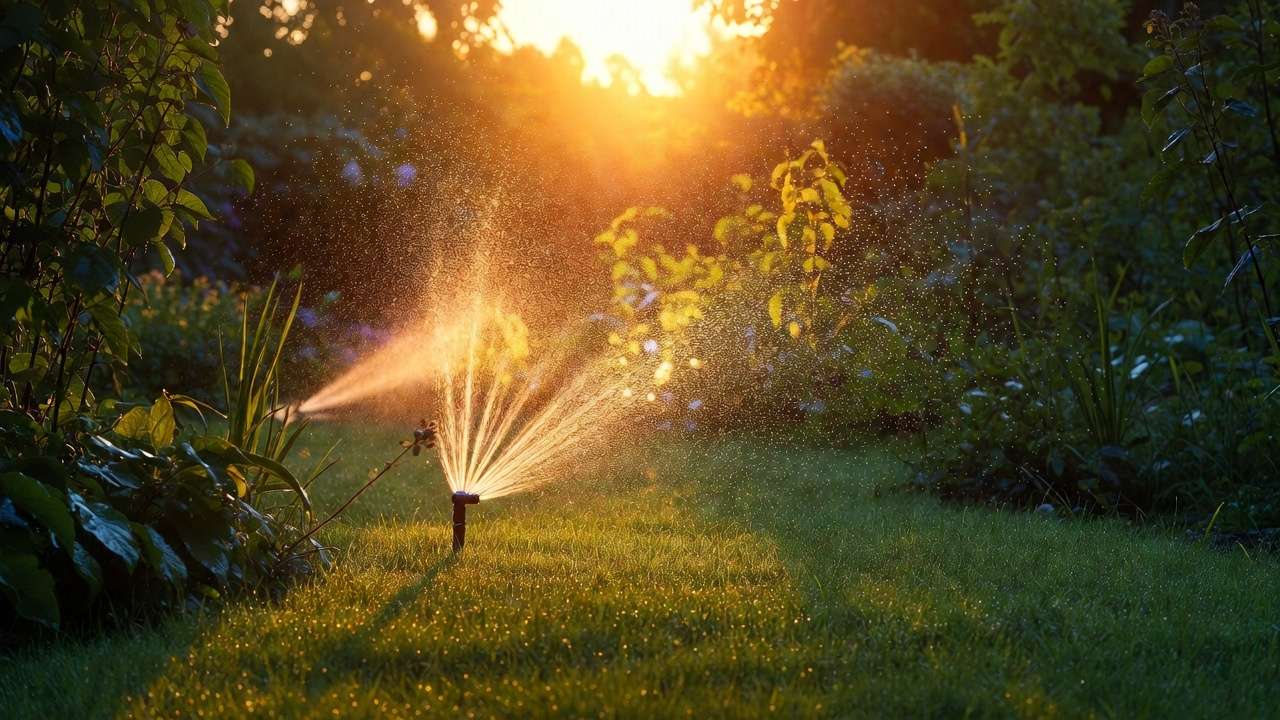
- Best for overhead methods — Sprinklers, hoses, or impact systems shine here without midday waste.
Cons:
- May require waking early or automated timers.
- In very humid climates, drying can take slightly longer—but still beats evening.
Ideal window: 5–9 AM (or before 10 AM). Backed by Iowa State, Mississippi State, and Oregon State extensions.
Pros & Cons of Evening / Night Watering 🌜
Pros:
- Minimal daytime evaporation — Cooler nights let water penetrate deeper with less immediate loss—great in arid regions.
- Convenient for some — Automated drip systems can run overnight without supervision.
Cons:
- Prolonged leaf wetness — Foliage stays damp 8–12+ hours (with dew adding more), creating perfect fungal incubation (e.g., powdery mildew thrives).
- Higher disease risk — Common in humid or temperate zones; extensions warn against it for overhead watering.
- Slug/snail attraction — Wet nights encourage pests.
When it works best: Soil-level methods like drip irrigation or soaker hoses (no foliage wetting). Finish before sunrise if possible. Experts like Clemson and some arid-zone advisors allow it with caveats.
When Midday Watering Is a Big No-No (And Rare Exceptions) 🚫
Midday (10 AM–4 PM) is worst: Highest ET rates waste water, droplets on leaves act like tiny magnifying glasses causing burn, and shallow absorption stresses plants.
Rare exception: Emergency cooling for severely heat-stressed plants (target soil only, not leaves). Otherwise—avoid!
Factors That Influence the Best Watering Time for Your Landscape 🌍🧱
No one-size-fits-all—adapt based on these key variables.
Soil Type and Absorption Rates
- Sandy soils — Drain fast; water more frequently but still time for low evaporation.
- Clay soils — Hold water longer but absorb slowly; use cycle-and-soak to prevent runoff.
- Loam — Ideal balance; most forgiving.
Quick test: Dig a hole, pour water in, time how long it takes to drain 1 inch—guides frequency and method.
Climate, Season, and Regional Differences
In humid areas (like parts of Bangladesh or tropical zones), morning wins to avoid fungal buildup. Arid/hot climates? Evening drip can excel for deep soaking.
Seasonal tweaks: Increase in dry summers, reduce in monsoons. Check local ET rates via weather apps or extension services.
Plant Types: Lawns, Gardens, Trees, and Shrubs
- Lawns/grass — Morning priority; prevents burn and disease.
- Trees/shrubs — Deep, infrequent (12–18 inches); focus drip at base.
- Flowers/veggies — Morning for disease prevention; consistent moisture key.
Watering Methods and Their Impact on Timing 💦
Overhead Sprinklers vs. Drip Irrigation vs. Soaker Hoses
- Sprinklers — Morning only to dry foliage.
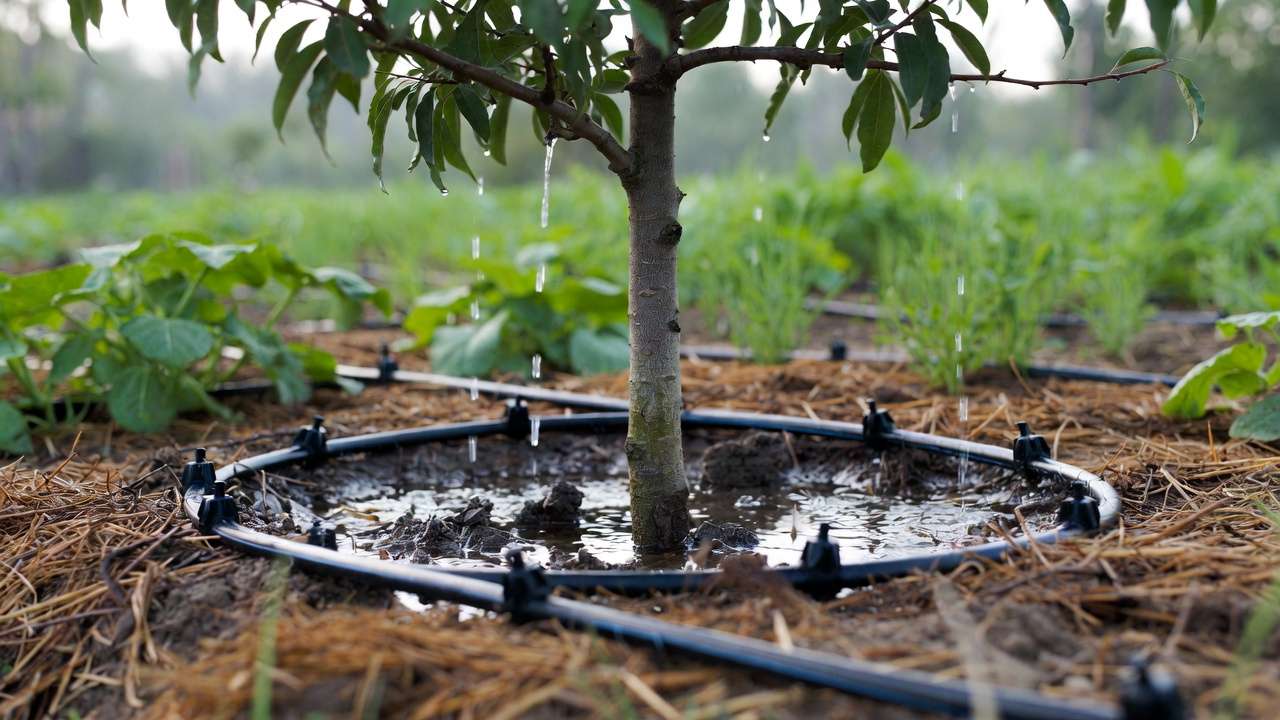
- Drip/soaker — Flexible (morning preferred, evening ok if no leaves wet).
- Efficiency table (suggested):
| Method | Best Time | Evaporation Loss | Disease Risk | Best For |
|---|---|---|---|---|
| Sprinklers | Early morning | Medium-High | High if evening | Lawns, large areas |
| Drip | Anytime (morning ideal) | Low | Low | Trees, beds |
| Soaker hoses | Morning/Evening | Low | Low | Gardens, shrubs |
Smart Tools & Automation for Perfect Timing
Use timers, smart controllers (weather-based), or soil moisture sensors. Cycle-and-soak prevents runoff on slopes/clay.
Step-by-Step: How to Time Your Watering for Maximum Absorption 🗓️🔍
Now that we’ve covered the science, comparisons, and influencing factors, let’s put it all into action with a practical, step-by-step process. This is where most gardeners see the biggest improvements—moving from guesswork to precision.
Assessing When Your Landscape Actually Needs Water
Forget rigid “water every Tuesday” schedules—overwatering is just as harmful as underwatering, leading to shallow roots, rot, or nutrient leaching. Instead, let your plants and soil tell you when it’s time.
- The finger test — Stick your finger (or a wooden dowel) 4–6 inches into the soil near the root zone. If it feels dry or barely moist, water. If cool and damp, wait.
- Screwdriver probe — Push a long screwdriver into the soil. Easy penetration = moist; hard resistance = dry.
- Visual cues — Wilting leaves (especially in morning), footstep footprints lingering on grass, or bluish-gray tint in lawns signal thirst.
- Pro tip — Check early morning before the sun heats things up. Test multiple spots—under canopy for trees, between plants for beds.
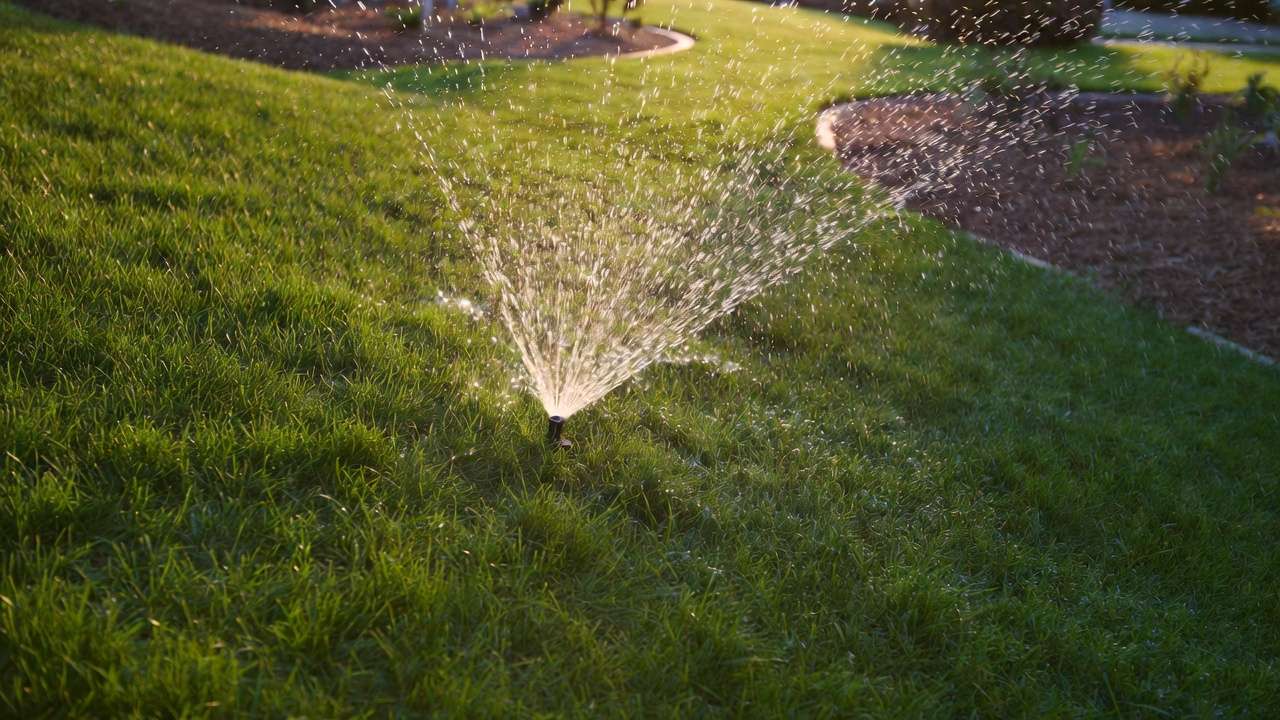
Avoid calendar watering; soil moisture sensors (inexpensive models available online) or local ET data from weather apps give even better accuracy. In Barisal Division’s humid subtropical climate with hot summers and monsoon rains, you might water deeply 1–2 times weekly in dry spells but skip entirely during rainy periods. 🌧️
Creating Your Personalized Watering Schedule
Tailor this to your setup—here are sample schedules based on expert recommendations from extensions like UMN, Iowa State, and others.
- Newly planted trees/shrubs (first 1–2 years): Water deeply 2–3 times/week (10–20 gallons per inch trunk diameter, spread over root zone). Early morning via drip/soaker. Gradually reduce as roots establish.
- Established lawns: 1 inch/week total (split into 2–3 sessions if needed). Early morning sprinklers, cycle-and-soak on clay soils.
- Flower/veggie beds: 1–1.5 inches/week, morning preferred. Drip ideal.
- Mature trees: Deep soak (12–18 inches) every 7–14 days in dry weather. Use soaker hose around drip line.
Sample Weekly Schedule (Hot Dry Season – e.g., March–May in Bangladesh-like climates):
- Monday/Thursday: Lawns – 30–45 min cycle-and-soak early morning.
- Tuesday/Saturday: Trees/shrubs – 2–4 hours slow drip at base, pre-dawn or morning.
- Adjust down during monsoon (June–October): Monitor soil, water only if dry spell lasts 7+ days.
Always water deeply and infrequently—this encourages roots to grow downward for drought resistance. 💪
Bonus Expert Tips to Boost Absorption & Save Water 🌟
Here are pro-level strategies to supercharge your efforts.
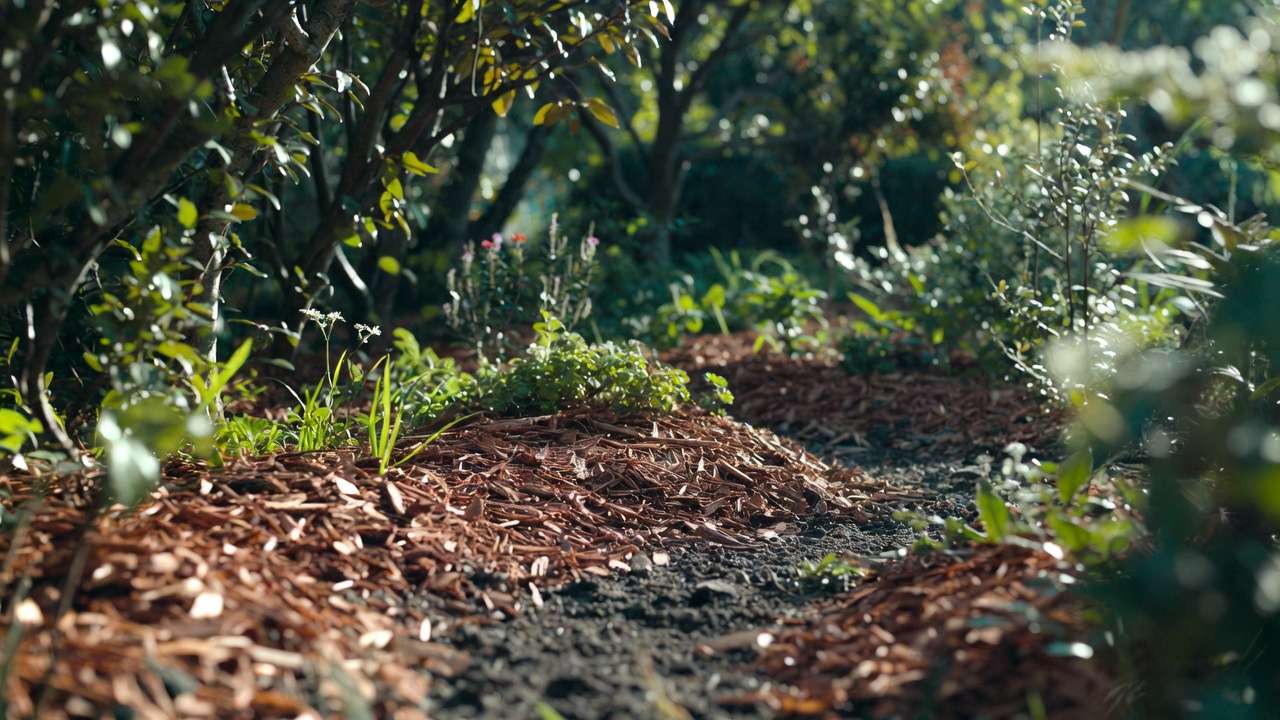
- Mulching magic — Apply 2–4 inches of organic mulch (wood chips, straw, or compost) around plants, keeping it 2–3 inches from trunks/stems. Mulch reduces evaporation by 28–58% (per studies from UF and others), moderates soil temperature, suppresses weeds, and improves water infiltration. Refresh annually—your soil will thank you! 🌳
- Improve soil structure — Add organic matter (compost, aged manure) to clay or sandy soils. Better structure means faster absorption and less runoff.
- Hydrozoning — Group plants by water needs: high-water veggies together, drought-tolerant natives elsewhere. Saves water and reduces stress.
- Cycle-and-soak method — For clay or sloped areas: Run sprinklers 10–15 min, pause 45–60 min for absorption, repeat 2–3 cycles. Prevents runoff, promotes deeper soaking—EPA and Denver Water experts swear by it for healthier roots and less waste.
- Rainwater harvesting — Collect roof runoff in barrels for chemical-free, soft water—perfect for acid-loving plants.
- Common mistakes to avoid — Don’t water shallow daily (creates weak roots), ignore mulch volcanoes around trees (traps moisture against bark → rot), or wet foliage at night.
Real-Life Examples & Case Studies 🌍
- Example 1: Reviving a stressed mango tree — A homeowner in a similar humid region noticed yellowing leaves despite daily sprinkles. Switched to morning deep drip (20 gallons twice weekly) + thick mulch. Within months, new growth appeared, leaves greened up—roots finally reached deeper moisture!
- Example 2: Cutting water bill 30% — Family with patchy lawn in hot climate moved from midday sprinklers to cycle-and-soak early morning + soil sensor. Reduced usage from 3x/week to 2x, bill dropped noticeably, grass thickened beautifully.
Frequently Asked Questions (FAQs) ❓
Is evening watering ever better than morning? Yes—for soil-level drip/soaker in arid zones or when morning isn’t possible. But for overhead methods, morning wins to avoid fungal issues (Iowa State, UMN extensions agree).
What if I can only water at night? Use drip/soaker hoses only (no foliage wetting), finish by pre-dawn if automated. Monitor for diseases and consider switching methods.
How much water for trees vs. lawns? Lawns: ~1 inch/week. Trees: 10–30 gallons per session (depending on size), deep to 12–18 inches, every 7–14 days. Shrubs: 5–15 gallons.
Does cloudy weather change the best time? Cloudy days reduce evaporation, so timing is more flexible—but morning still preferred for drying foliage and plant prep.
Can I water during rain? No need—always check soil first. Overwatering in wet seasons causes root rot.
What’s the best mulch for water retention? Organic types like wood chips or bark last longest and improve soil as they break down.
How do I know if I’m overwatering? Yellow lower leaves, mushy roots, fungal growth, or standing water = too much. Let top 4–6 inches dry between sessions.
Do smart controllers help with timing? Absolutely—weather-based ones adjust automatically for rain/heat, optimizing for best absorption.
Conclusion: Master Your Timing, Grow a Thriving Landscape 🌳✨
You’ve now got the full picture: Timing landscape watering for best absorption boils down to early morning as the gold standard for most situations—minimizing evaporation, slashing disease risk, and delivering deep hydration where roots thrive. Evening works with caveats (drip only), midday is almost always wasteful, and personalization via soil type, climate, plant needs, and smart methods makes all the difference.
Start small: Test your soil moisture today, adjust one zone to morning, add mulch, and observe. Within weeks, you’ll see healthier plants, stronger roots, lower bills, and a more resilient landscape—even through Barisal’s humid heat or dry spells.
Your garden is counting on you—water smarter, not harder! Share your before-and-after results or questions in the comments below. Happy gardening! 😊🌱











