
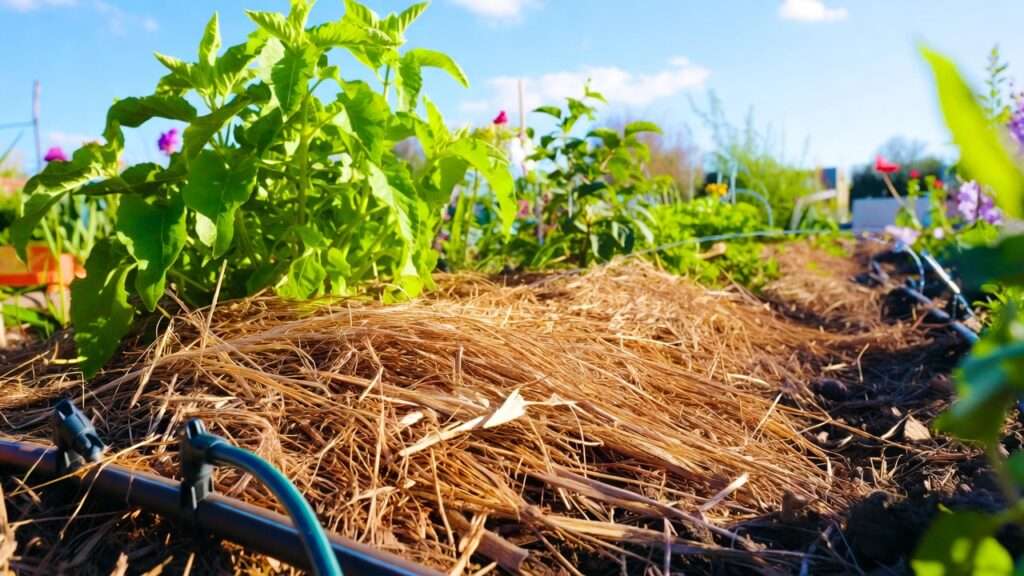
Imagine stepping out to your garden beds on a scorching afternoon, only to find the soil surface cracked and powdery-dry — even though you watered just yesterday. 😩 You’re not alone. In hot, dry, or windy conditions, evaporation from garden beds can steal 30–70% of the water you apply before your plants ever get a chance to drink it. This silent thief leads to stressed plants, wilting leaves, lower yields (especially in veggies and fruiting trees), higher water bills, and more time spent hauling hoses.
The good news? You can dramatically cut that loss — often by 50% or more — with simple, proven strategies rooted in horticultural science. University extension studies and field research show that thick organic mulching alone can reduce soil evaporation by 33–70%, while combining it with smart watering and soil improvements creates a water-wise powerhouse. In this in-depth guide, we’ll walk you through layered, expert-backed methods to slash evaporation, retain moisture longer, build resilient soil, and help your plants thrive with less effort and water. Whether you’re battling summer heat in a tropical or subtropical climate, conserving during dry spells, or just aiming for sustainable gardening, these techniques deliver real results. Let’s turn your garden beds into moisture-holding havens! 🌿✨
Why Evaporation Hurts Your Garden Beds More Than You Think (Understanding the Science) 🔬
Evaporation is part of evapotranspiration (ET) — the combined loss of water from soil surfaces (evaporation) and through plant leaves (transpiration). In garden beds, bare soil can lose a significant portion of applied water directly to the air, especially under direct sun, wind, high temperatures, or low humidity.
Key accelerators of evaporation include:
- Intense sunlight heating the soil surface ☀️
- Wind sweeping away moist air 🌬️
- Bare, compacted, or crusted soil allowing rapid vapor escape
- High daytime temperatures and low relative humidity
Signs your beds suffer excessive evaporation: cracked soil tops, shallow root systems, frequent wilting despite watering, reduced fruit/flower production, and increased pest/disease pressure from stressed plants.
The payoff of reducing it? Deeper, stronger roots that access subsoil moisture, better drought tolerance, up to 50% less frequent watering, healthier microbial life in the soil, and bigger, more productive plants. Studies from sources like University of Florida and Nebraska Extension confirm mulched beds stay noticeably moister and cooler (8–13°F lower soil temps in summer), giving plants a huge edge. 💚
1. The #1 Most Effective Method: Apply a Thick Layer of Mulch 🌿✨
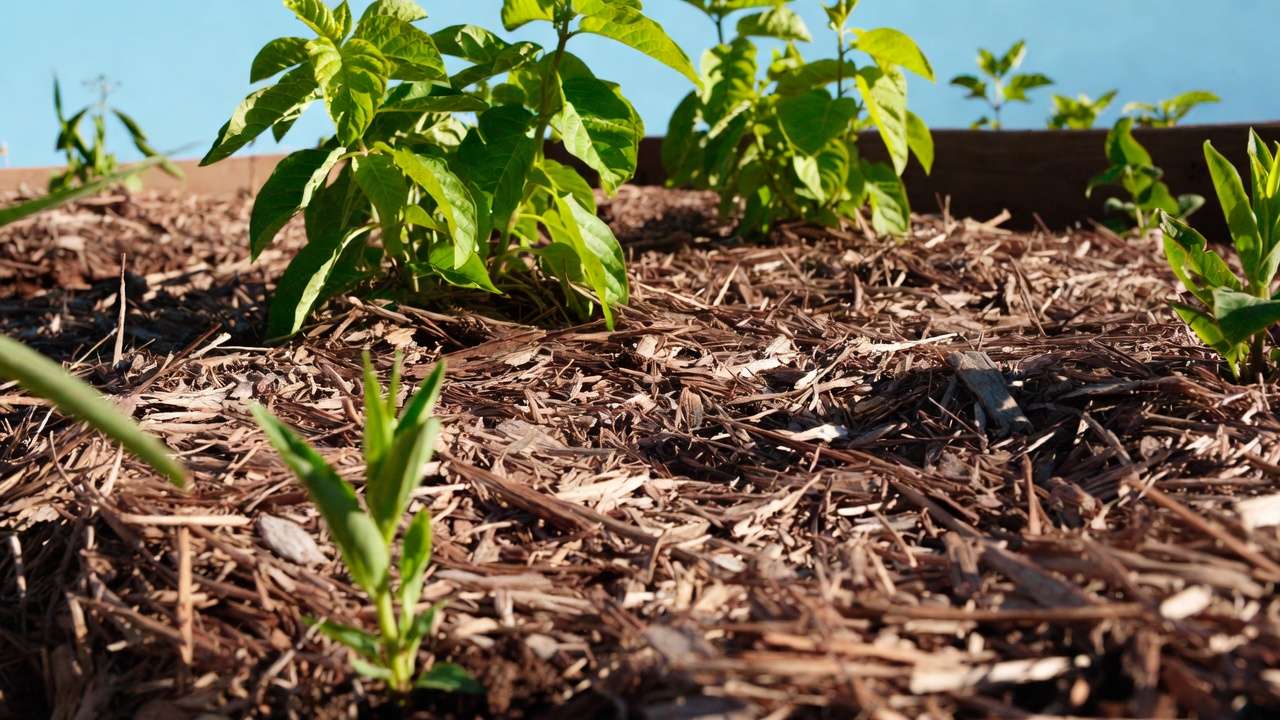
If you do only one thing to reduce evaporation in garden beds, make it this: mulch heavily. A 3–5 inch layer acts as a barrier that shades soil, blocks wind, traps humidity near the surface, and dramatically slows vapor loss.
Research backs it strongly:
- University of Florida trials showed mulch cut soil evaporation by about 33% overall (up to more in soil vs. potting mix scenarios).
- Other studies (e.g., Iowa State, various extension services) report 40–70% reductions in moisture loss compared to bare soil.
- Many gardeners see watering needs drop by half or more after mulching properly.
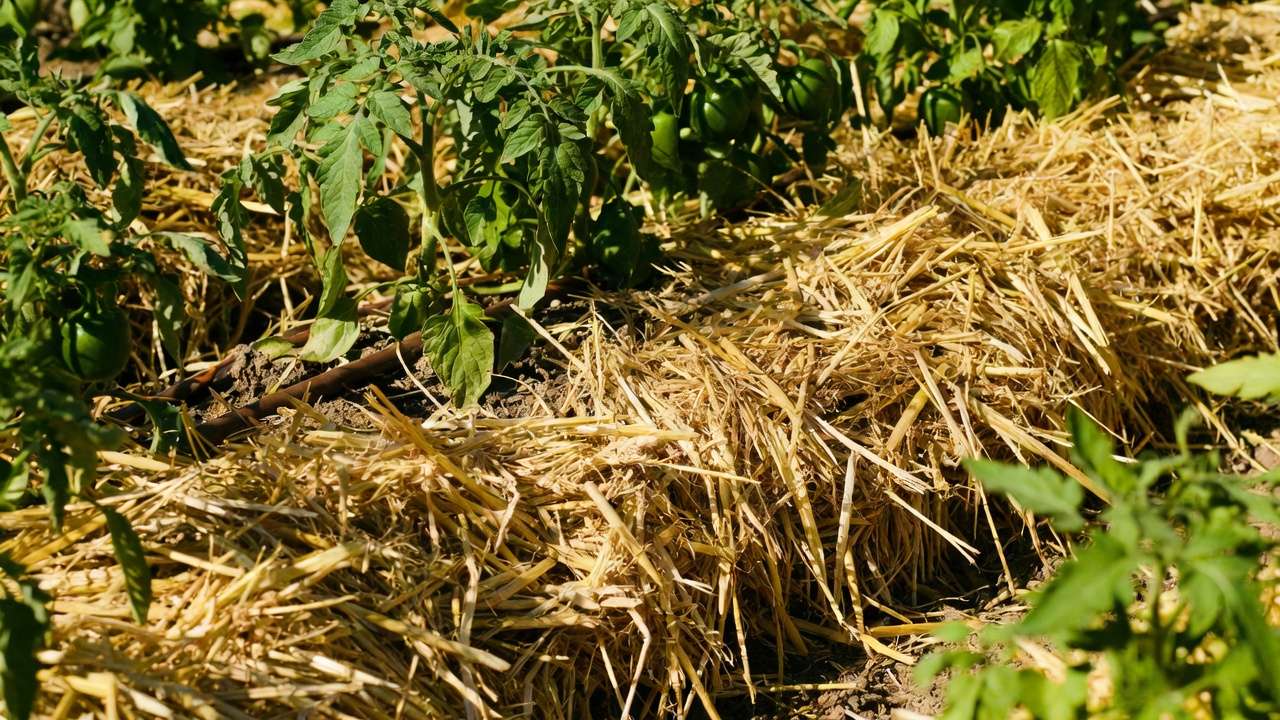
Best Mulch Types for Evaporation Control (with comparison):
- Straw (wheat, rice, or pine straw): Top choice for vegetable beds — lightweight, excellent moisture retention, suppresses weeds well, decomposes slowly without tying up much nitrogen. Reduces evaporation significantly while keeping soil cool. 🌾
- Shredded bark or wood chips: Great for perennial beds or around trees; long-lasting (2–5 years), cools soil effectively. Avoid fresh chips near veggies to prevent temporary nitrogen drawdown.
- Shredded leaves or leaf mold: Free/cheap in fall, superb water-holding once broken down, improves soil structure over time. Ideal for mixed beds. 🍂
- Compost or aged manure: Nutrient-rich, boosts soil biology while retaining water. Use as a top-dressing or mixed layer.
- Pine needles: Acid-loving plants love them; good airflow prevents matting, excellent for moisture lock-in.
- Inorganic options (gravel, rocks, or landscape fabric under mulch): Best for low-water xeriscape beds or succulents; rocks reflect heat but can warm soil — pair with organics for balance.
How to Apply for Maximum Impact:
- Weed thoroughly first.
- Water soil deeply.
- Spread 3–5 inches (never less than 2–3 for real evaporation control).
- Keep mulch 1–2 inches away from plant stems/trunks to prevent rot.
- Reapply annually as it breaks down.
Real-world example: In vegetable trials, straw-mulched tomato beds needed watering every 5–7 days vs. every 2–3 for bare soil, with higher yields and less blossom-end rot. Start with one bed — the difference is eye-opening! 🥕
2. Build Soil That Holds Water Like a Sponge (Amend & Improve Structure) 🪴💧
Mulch is the frontline defense, but the real long-game hero is boosting your soil’s water-holding capacity through organic matter. Healthy soil acts like a sponge — the more organic content, the more moisture it retains for plants instead of letting it evaporate or run off.
Science snapshot: Every 1% increase in soil organic matter can help soil hold roughly 20,000 gallons more plant-available water per acre (USDA-NRCS estimates). A classic 1994 study by Hudson found silt loam with 4% organic matter held more than twice the available water compared to 1% organic matter. In practical terms, building from low to moderate organic levels (e.g., 2–5%) often means 30–50% better moisture retention, reducing how often you need to water.
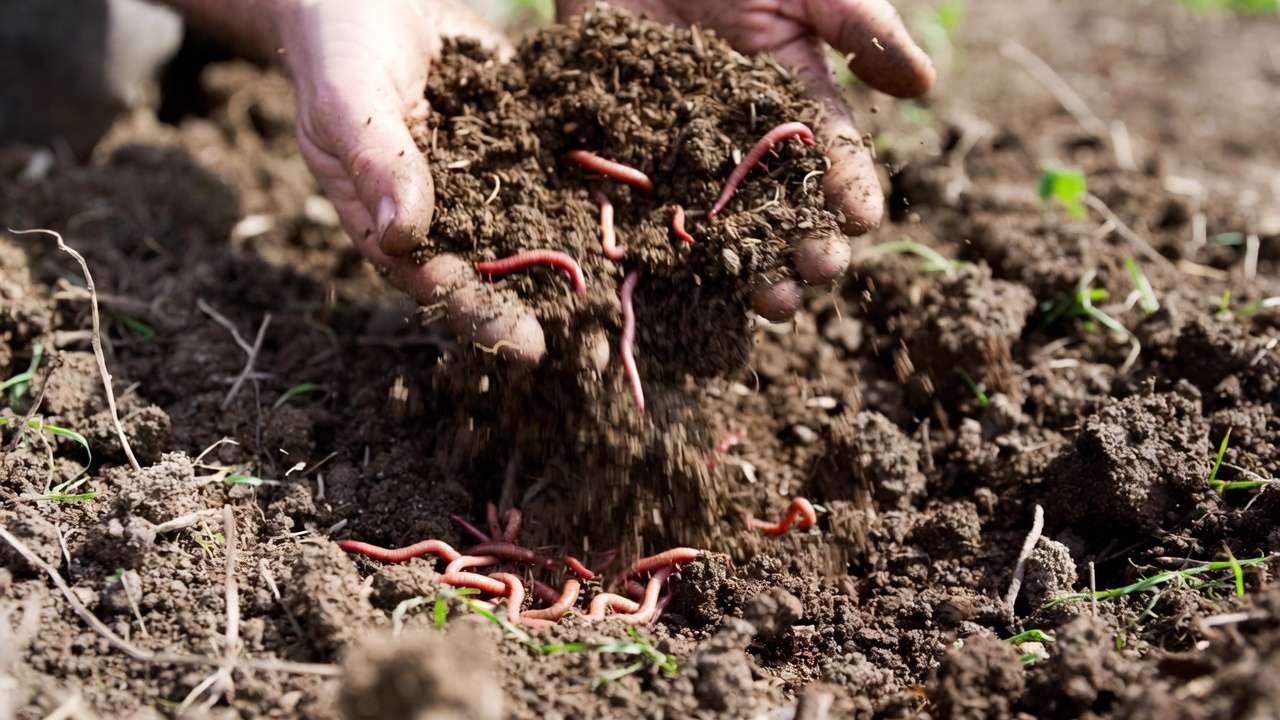
Key Ways to Increase Organic Matter & Water-Holding Power:
- Add generous compost: Well-rotted compost or aged manure boosts humus, improves soil structure (creating aggregates that trap water), and feeds beneficial microbes. Aim to incorporate 2–4 inches into the top 6–8 inches of soil annually — or top-dress under mulch.
- Use worm castings or vermicompost: These are super-concentrated — just a handful per plant dramatically improves moisture retention and nutrient availability.
- Incorporate cover crops or green manures: Legumes like mung bean or cowpea (common in Bangladesh) fix nitrogen while adding biomass when chopped and dropped. No-dig gardeners let residues break down naturally.
- Avoid common pitfalls: Over-tilling destroys soil structure and speeds organic matter loss. Switch to minimal tillage or no-dig methods. Poor drainage? Raised beds or adding coarse compost helps without compacting.
Long-term payoff: After 2–3 seasons of consistent organic additions, many gardeners notice soil stays moist 5–10 days longer between waterings, roots grow deeper, and plants handle heat stress far better. In clay-heavy or sandy soils common in many areas, this transforms beds from thirsty to resilient! 🌿
3. Water Smarter, Not Harder: Timing, Techniques & Tools ⏰🚿
Even with perfect mulch and soil, inefficient watering wastes effort. The goal: Get water deep to roots while minimizing surface evaporation.
Best Practices Backed by Research:
- Time it right: Water early morning (ideally before 9 AM) or late evening — evaporation losses drop by up to 30% compared to midday watering (extension services like CSU and OSU confirm this). Avoid windy afternoons!
- Go deep, infrequent: Aim for 1 inch of water per week (about 0.6 gallons per square foot), delivered slowly to penetrate 6–12 inches deep. This trains roots downward for drought resistance. Shallow daily sprinkles = high evaporation + weak roots.
- Top low-evaporation delivery methods:
- Drip irrigation or soaker hoses: Placed under mulch, these deliver water directly to root zones with minimal surface exposure — often saving 50–70% water vs. overhead. Highly recommended for beds!
- Ollas (unglazed clay pots buried): Traditional low-tech genius — fill once, they slowly seep moisture as soil dries. Great for individual plants or small beds.
- Hand-watering with wand/nozzle: Target base of plants; avoid wetting leaves unnecessarily.
- Avoid high-evaporation methods: Overhead sprinklers lose 20–50% to wind/evaporation; use only if no better option.
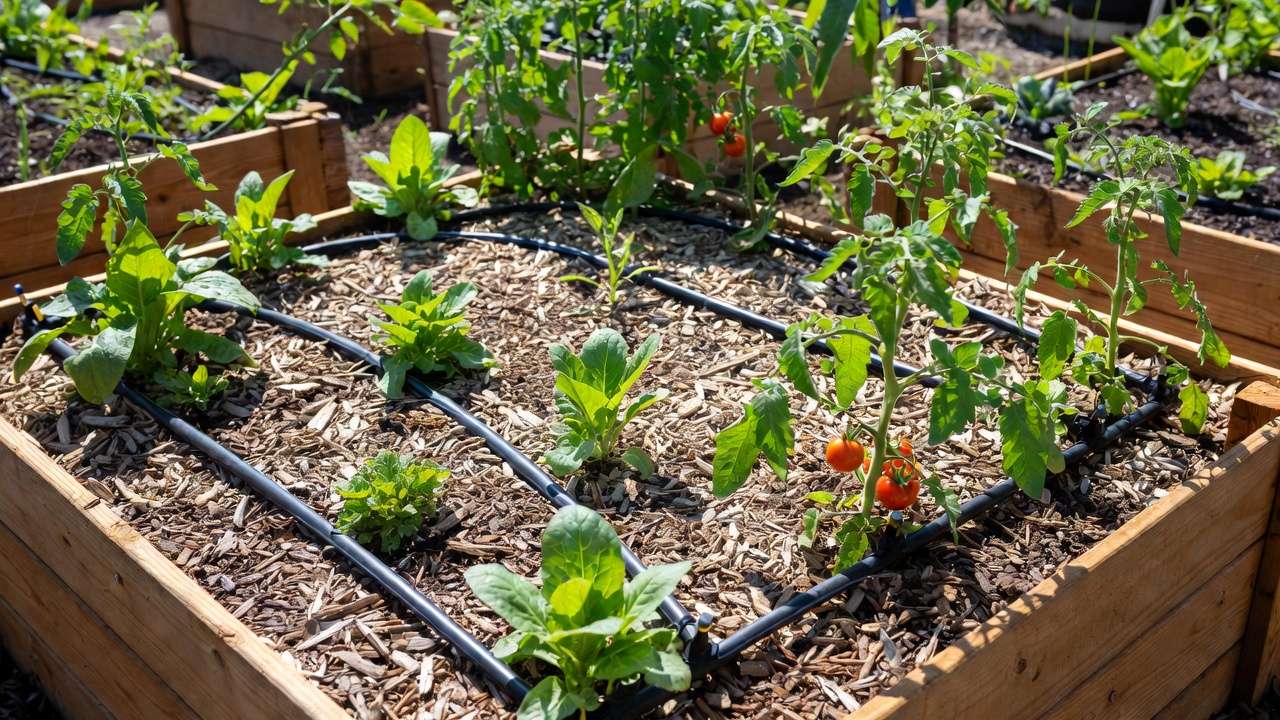
Quick comparison table (evaporation loss estimates from various extension studies):
| Method | Approx. Evaporation Loss | Water Efficiency | Best For |
|---|---|---|---|
| Drip/Soaker under mulch | 5–15% | Highest | All garden beds |
| Ollas | <10% | Very high | Targeted plants |
| Hand-water base | 10–25% | High | Small gardens |
| Overhead sprinkler | 30–50% | Low | Large lawns only |
Pair these with mulch, and you’ll see watering frequency drop significantly — often from daily to every 4–7 days. 💦
4. Strategic Planting & Design Hacks to Shade Soil & Trap Moisture 🌳🛡️
Layer in living shade to further block sun and wind:
- Dense planting or block planting: Instead of wide rows, plant in clusters or beds — tall plants (sunflowers, corn, okra) shade shorter ones (lettuce, basil). This canopy reduces soil exposure by 30–50%.
- Companion planting examples: Tomatoes with basil or marigolds; beans climbing corn for shade — classic Three Sisters method traps humidity.
- Living mulches/ground covers: Low-growers like clover, sweet potato vines, or strawberries cover soil permanently in perennial beds.
- Temporary shade solutions: In extreme heat (common in Barisal summers), use 30–50% shade cloth over young transplants or heat-sensitive crops for 2–4 weeks.
- Bed design tweaks: Deeper raised beds (12–18 inches) hold more moisture; slightly sunken beds in very dry areas capture rainwater better.
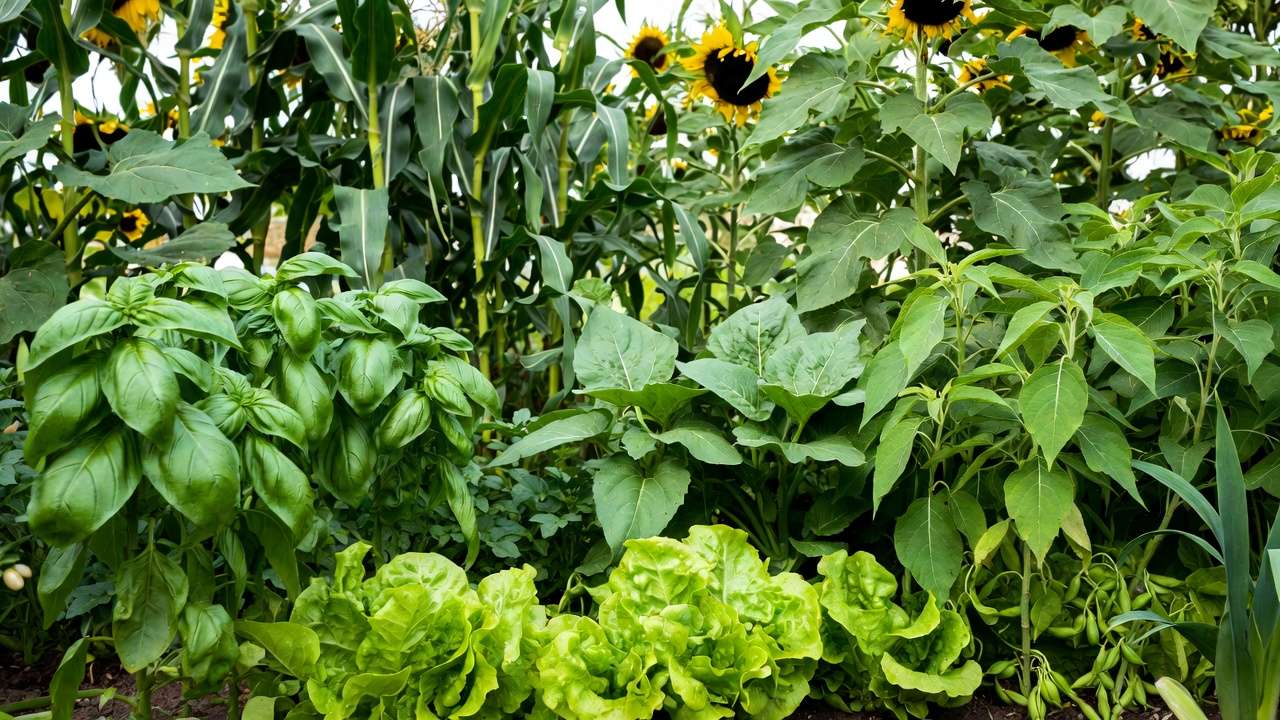
These create a microclimate that lowers soil temps and evaporation while boosting biodiversity. 🌼
5. Eliminate Hidden Thieves: Weed Control & Wind Barriers 🌾🚫
Weeds compete fiercely for water — one large weed can transpire gallons daily! Mulch suppresses most, but hand-pull or hoe early. For wind-prone spots, add low fences, bamboo screens, or hedge rows (e.g., moringa or vetiver) to cut wind speed and evaporation by 20–40%.
Bonus Advanced Tips & Seasonal Adjustments 📅🔧
Once you’ve layered mulch, improved soil, watered smartly, and added living shade, these next-level tweaks can push your evaporation reduction even further — especially useful in variable climates like Barisal Division, where you get intense monsoon humidity followed by dry, hot stretches.
- Seasonal mulch adjustments Summer (March–June): Go heavier — 4–6 inches of straw or wood chips to combat peak heat and evaporation. Monsoon (July–October): Slightly thinner layer (3–4 inches) to allow good airflow and prevent fungal buildup from constant rain. Winter (November–February): Add an extra inch of coarse mulch to insulate roots against cooler nights and occasional dry spells.
- Monitor soil moisture like a pro Use the simple finger test: Push your finger 2–4 inches into soil — if it’s dry at that depth, water deeply. For precision, invest in a basic soil moisture probe (₹300–800 online) — aim to keep the root zone consistently moist but not soggy.
- Rainwater harvesting synergy Direct roof runoff or barrel-collected rainwater straight to beds via drip lines or ollas. This soft, chlorine-free water is perfect for plants and reduces reliance on municipal/tubewell supply during dry months.
- Heatwave emergency kit In extreme heat (>38°C), add temporary shade cloth (30–50% shade rating) over vulnerable beds for 1–2 weeks. Mist soil surface lightly in the very early morning if wilting appears — but only as a last resort.
These small seasonal shifts can make the difference between stressed plants and thriving, productive beds year-round. 🌞🌧️
Common Mistakes to Avoid When Reducing Evaporation ❌
Even experienced gardeners slip up sometimes. Here are the pitfalls that undo your hard work:
- Applying mulch too thin (less than 2–3 inches) → barely reduces evaporation; aim for 3–5+ inches.
- Piling mulch against stems or trunks (“mulch volcanoes”) → invites rot, pests, and fungal diseases. Keep a 1–2 inch clear ring.
- Using fresh grass clippings without drying first → can mat down, heat up, and smell; let them dry 1–2 days or mix with dry materials.
- Overwatering right after mulching → soil stays too wet near surface → root rot risk. Let the top inch dry slightly between deep waterings.
- Ignoring soil preparation → mulch on poor, compacted soil = limited benefit. Always amend with organics first.
- Using dyed or treated wood mulch near edibles → potential chemical leaching; stick to natural, untreated sources.
Avoid these, and your efforts multiply in effectiveness. 🚫
Frequently Asked Questions (FAQs) ❓
How thick should mulch be to really reduce evaporation effectively? 3–5 inches is the sweet spot for most garden beds. Less than 2 inches offers minimal protection; over 6 inches can sometimes restrict air exchange in very wet seasons.
Does mulch attract pests or cause fungal problems? Usually the opposite — good mulch suppresses many pests by creating habitat barriers. Slugs/snails can hide under thick layers in very wet conditions — combat with beer traps or diatomaceous earth. Fungal issues are rare unless mulch is piled against stems or soil stays constantly soggy.
What’s the best mulch for vegetable garden beds in hot, humid areas? Straw (wheat/rice), pine straw, or dried sugarcane leaves — lightweight, excellent airflow, decomposes slowly, doesn’t mat easily, and widely available locally. Avoid fresh grass clippings alone.
How much water can I actually save with these methods? Realistic range: 40–70% reduction in watering frequency/volume once mulch + soil amendments + smart watering are combined. Many gardeners go from watering every 1–2 days to every 5–10 days in summer.
Can I use black plastic mulch instead of organic? It blocks evaporation very well and warms soil (good for early-season crops), but it doesn’t improve soil structure, can overheat roots in extreme heat, prevents rainwater infiltration, and creates long-term waste. Organic mulches are far better for long-term soil health and sustainability.
Is it worth mulching if I have clay soil that already holds water? Yes! Clay soils crack when dry → rapid evaporation through fissures. Mulch prevents cracking, keeps surface cooler, and improves structure over time.
Conclusion: Transform Your Garden Beds into Water-Wise Havens 🌟
Reducing evaporation in garden beds isn’t just about saving water — it’s about giving your plants the steady, deep moisture they crave to grow strong roots, resist pests and diseases, and produce abundantly. Start with the powerhouse trio: thick organic mulch, richer soil full of compost and organic matter, and deep, infrequent watering delivered at the right time of day. Add strategic shade, weed control, and wind protection, and you’ve built a resilient, low-maintenance system that works with nature instead of fighting it.
Pick one bed this weekend — apply 4 inches of straw or leaf mulch after a good watering and some compost — and watch the difference. Within a week or two, the soil will stay noticeably moister, plants will look perkier, and you’ll spend less time watering and more time enjoying your thriving garden.











