
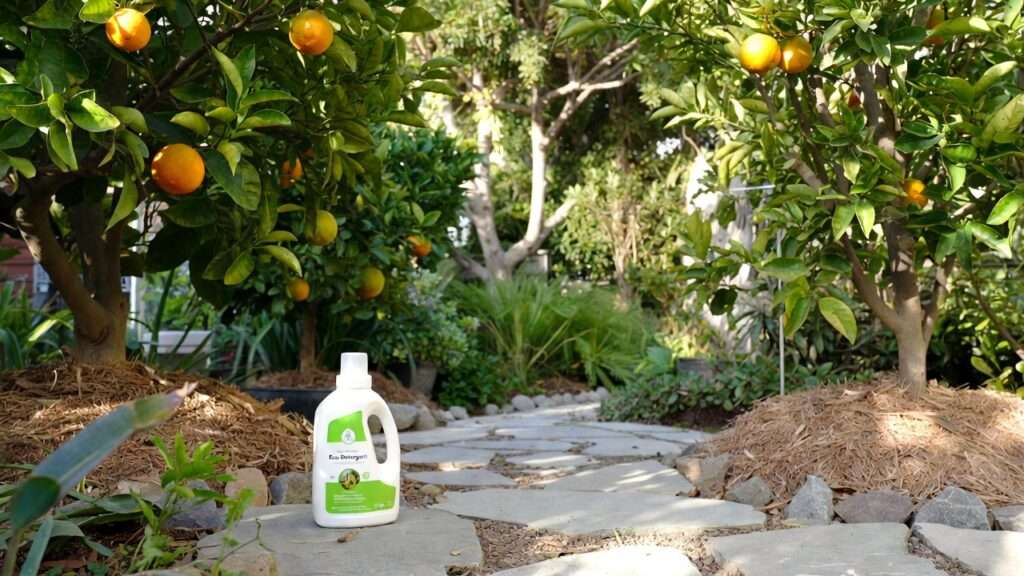
Imagine cutting your household water use dramatically while watching your fruit trees, ornamentals, and garden beds flourish year-round—even during dry spells. For many gardeners in water-conscious regions, greywater-safe detergents for gardens make this dream a practical reality. By diverting laundry water (greywater) to irrigate landscapes instead of sending it down the drain, you conserve precious freshwater, recycle nutrients, and build drought-resilient gardens. But here’s the catch: most conventional laundry detergents contain ingredients like high sodium, boron, or synthetic chemicals that accumulate in soil, disrupt beneficial microbes, alter pH, and can eventually harm or kill plants 😔.
As a long-time advocate for sustainable plant and tree care, I’ve helped countless home gardeners and permaculture enthusiasts implement greywater systems successfully. The key? Choosing truly greywater-safe detergents that biodegrade into plant-useful nutrients rather than toxins. In this in-depth guide, we’ll explore exactly what makes a detergent safe for greywater irrigation, share the most reliable top picks for 2026 (updated with the latest reviews and availability), provide practical selection tips, best-use practices, and real-world insights to help you start reusing laundry water confidently—without risking your beloved plants or trees 🌳.
Whether you’re new to greywater or optimizing an existing setup, this article delivers more comprehensive, actionable advice than typical blog posts, drawing from greywater pioneers like Art Ludwig, expert recommendations, and hands-on experience in diverse climates.
What Is Greywater and Why Use It in Your Garden? 🚿🌳
Greywater is gently used household water from sources like laundry, showers, and bathroom sinks (not including toilet or kitchen sink water, which is “blackwater”). Laundry greywater is especially popular for irrigation because it’s produced regularly and in decent volumes—often 20-50 gallons per load depending on your machine.
Key benefits of greywater reuse in gardens ♻️:
- Water conservation: Reusing laundry water can reduce outdoor irrigation needs by 30-50% in many households, vital in drought-prone areas.
- Nutrient recycling: Small amounts of nitrogen and phosphorus in greywater act as mild fertilizers for plants.
- Drought resilience: Consistent greywater supply helps trees and perennials survive dry periods when municipal water is limited.
- Cost savings: Lower water bills and reduced need for synthetic fertilizers over time.
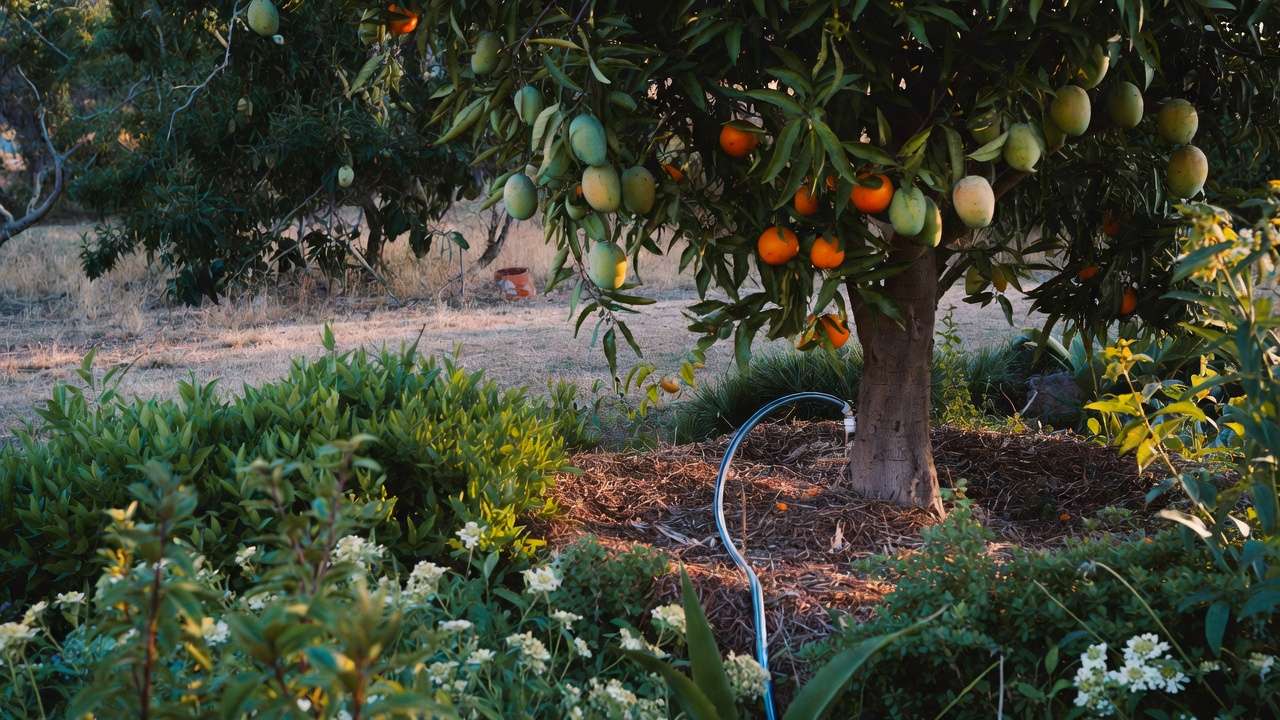
However, without the right detergent, greywater can cause problems:
- Soil salinization from sodium buildup, leading to poor soil structure and reduced water infiltration.
- Boron toxicity, which damages leaves, stunts growth, and can kill sensitive plants even in tiny amounts.
- Microbe disruption from harsh surfactants, chlorine, or petroleum-based ingredients.
- pH shifts that stress acid-loving plants like blueberries or azaleas.
This guide focuses on laundry greywater, as it’s the most common source for detergent concerns, and targets gardeners who want to irrigate fruit trees, ornamentals, and non-edible crops safely.
What Makes a Detergent Truly Greywater-Safe? 🔍🧼
Not all “eco-friendly” or “biodegradable” detergents are suitable for greywater systems. “Biodegradable” simply means the product breaks down over time—often into harmless compounds—but it doesn’t guarantee plant safety. Biocompatible detergents go further: they break down into nutrients plants can use, with minimal or no harmful residues.
Essential criteria for greywater-safe detergents ✅:
- Low or zero sodium/salt content — Sodium accumulates in soil, disperses clay particles, and reduces permeability. Avoid ingredients like sodium laureth sulfate, sodium carbonate, or anything with “sodium” high on the list.
- No boron, borax, or sodium perborate — Boron is a micronutrient plants need in trace amounts, but laundry levels are toxic and cause leaf tip burn or death.
- No chlorine bleach — Use hydrogen peroxide-based alternatives if needed for whitening.
- Avoid synthetic fragrances, dyes, petroleum distillates, alkylbenzene, and optical brighteners — These persist in soil and harm microbes.
- Liquid preferred over powder — Powders often contain higher salts and fillers.
- Potassium-based or plant-derived surfactants — These are gentler and less likely to build up.
Quick label-reading checklist:
- Short ingredient list (fewer = better).
- No “sodium” or “boron” words.
- Look for “biocompatible,” “greywater-safe,” or “plant-friendly” claims.
- pH-neutral or close to neutral.
Many “green” brands fail here—always verify current formulas, as they change!
Top Greywater-Safe Detergents for Gardens in 2026 (Updated Recommendations) 🏆🧺
Based on expert sources like Greywater Action, Oasis Design, permaculture communities, and recent 2025-2026 reviews, here are the most trusted options:
- Oasis Biocompatible Laundry Detergent 🌟 The gold standard since the 1990s. Sodium-free, specifically formulated for greywater systems, super-concentrated (1 oz per load in HE machines), and biodegrades fully into plant nutrients. Developed by greywater pioneer Art Ludwig (now under Bio-Pac). Users report thriving fruit trees and no soil issues after years of use.
- ECOS Liquid Laundry Detergent (Free & Clear or Hypoallergenic) Widely available, low-sodium, plant-based, and trusted in greywater setups. Minimal ingredients, no boron or chlorine. Great for sensitive skin too.
- Earth Breeze Laundry Sheets ♻️ Emerging favorite: ultra-low salts, plastic-free packaging, hypoallergenic, and vegan. Easy to store/ship, and many greywater users praise them for minimal residue.
- Bio-Pac Ultra Liquid Laundry Detergent Sister product to Oasis—similar biocompatible formula, concentrated, and excellent for long-term greywater use.
- Trader Joe’s Liquid Laundry Detergent (Free & Clear) Affordable supermarket option with low salts and no major red flags—popular budget pick.
- Vaska or Puretergent Solid performers with clean profiles and greywater compatibility.
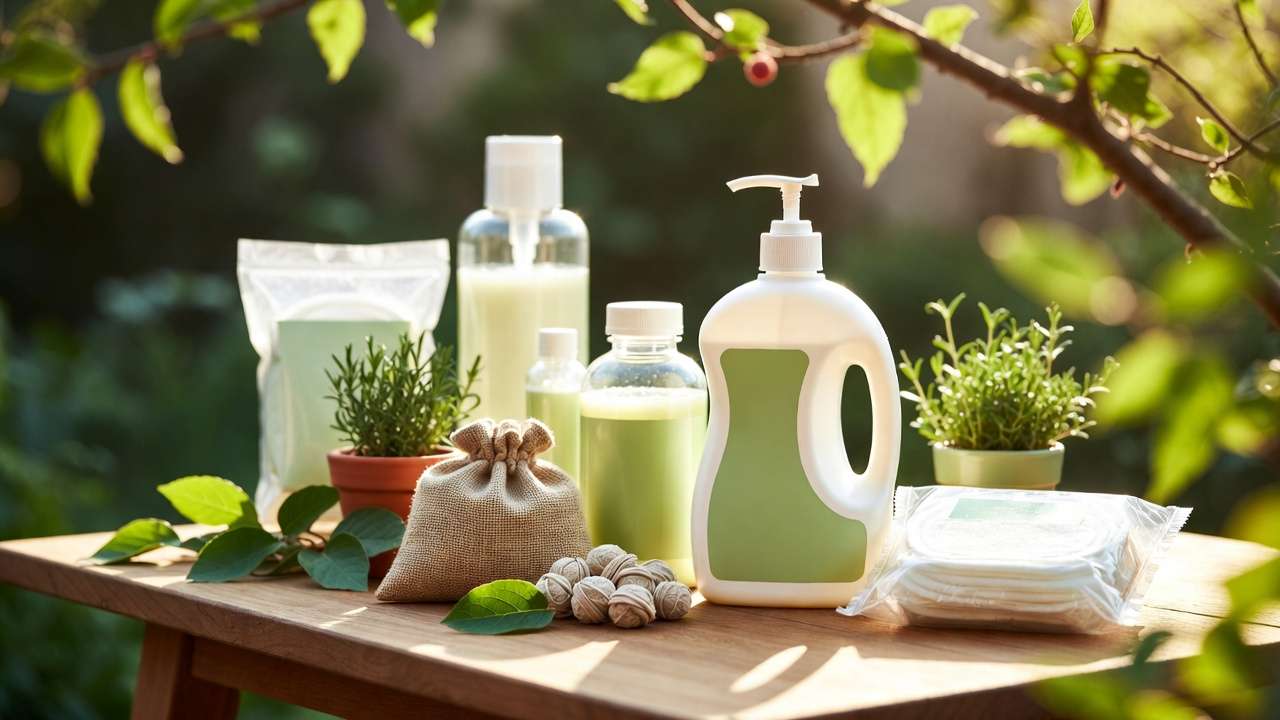
Bonus natural alternatives:
- Dr. Bronner’s Castile Soap (potassium-based, dilute for light loads).
- Soap nuts — Zero-residue, natural saponins from berries.
Comparison table (imagine this in the full article):
| Detergent | Sodium Level | Boron-Free | Concentration | Cost per Load | Plant-Friendliness | Availability |
|---|---|---|---|---|---|---|
| Oasis Biocompatible | Zero | Yes | Very high | Low | 10/10 | Online |
| ECOS Liquid | Low | Yes | Medium | Medium | 9/10 | Stores/Online |
| Earth Breeze Sheets | Very low | Yes | High | Medium | 9/10 | Online |
| Bio-Pac | Zero | Yes | Very high | Low | 9.5/10 | Online |
Always test small-scale first!
How to Choose and Test Greywater-Safe Detergents for Your Specific Garden 🌱🔬
Selecting the right detergent goes beyond reading labels—match it to your greywater setup, soil type, plants, and local climate. In regions like Rajshahi Division (with hot, dry seasons and variable rainfall), soil salinity buildup is a real risk, so prioritize zero-sodium options.
Step-by-step selection guide:
- Assess your greywater system — For simple laundry-to-landscape (L2L) systems with mulch basins or branched drains, biocompatible liquids like Oasis excel because they feed soil biology. For drip-irrigated setups, low-residue sheets (e.g., Earth Breeze) reduce clog risks.
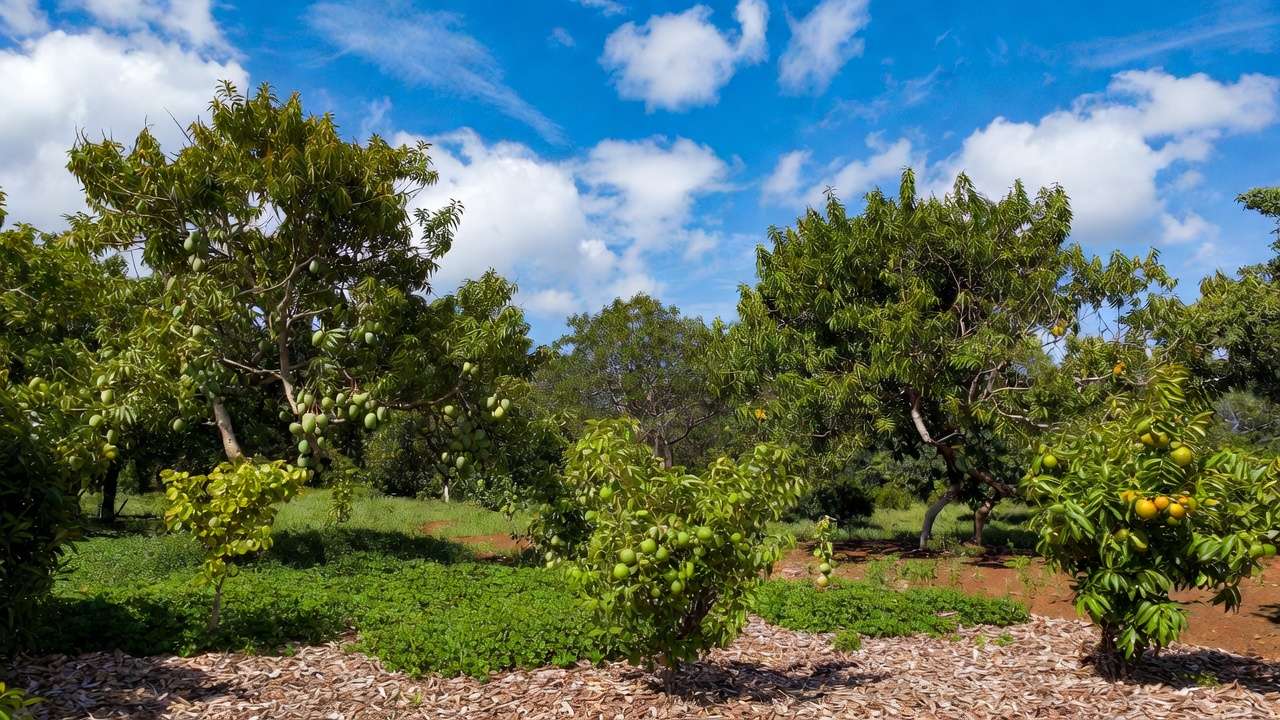
- Consider plant sensitivity — Fruit trees (mango, jackfruit, guava common in Bangladesh) and ornamentals tolerate greywater well if salts stay low. Avoid direct application to leafy edibles or acid-lovers (e.g., citrus if soil is already alkaline). Use subsurface mulch basins for best results.
- Match to water hardness — In hard-water areas, low-phosphate, low-sodium formulas prevent scaling in pipes and soil crusting.
Practical testing methods (start small!):
- Switch to a candidate detergent for 4–6 loads.
- Apply greywater to a test zone (e.g., one fruit tree or shrub row).
- Monitor weekly: Look for vigorous growth, no yellowing, no leaf-tip burn (classic boron/salt sign), healthy soil smell (earthy, not sour).
- Check soil pH every 2–3 months with a cheap probe—aim for 6.0–7.5.
- Observe earthworms and microbial activity—thriving means success 🌍.
If issues arise, flush with rainwater or municipal water seasonally to leach salts. Many gardeners in dry climates report no problems after 5+ years with Oasis or ECOS.
Best Practices for Using Greywater Safely and Effectively in Gardens 💡🌿
Greywater shines when applied thoughtfully—here’s how to maximize benefits while minimizing risks:
- System setup essentials — Install a 3-way diverter valve on your washing machine drain for easy switching to sewer (use when washing diapers, oily rags, or using non-safe detergent). Add a lint filter to prevent clogs.
- Application rules — Direct greywater subsurface via mulch basins around trees/shrubs (never pool on surface). Prefer fruit trees, roses, bamboo, or deep-rooted perennials over root crops/leafy greens. Rotate with fresh water every few weeks to prevent buildup.
- Quantity and frequency — Limit to 20–40 gallons per load max per zone. In hot Rajshahi summers, supplement with rainwater harvesting during monsoons for balance.
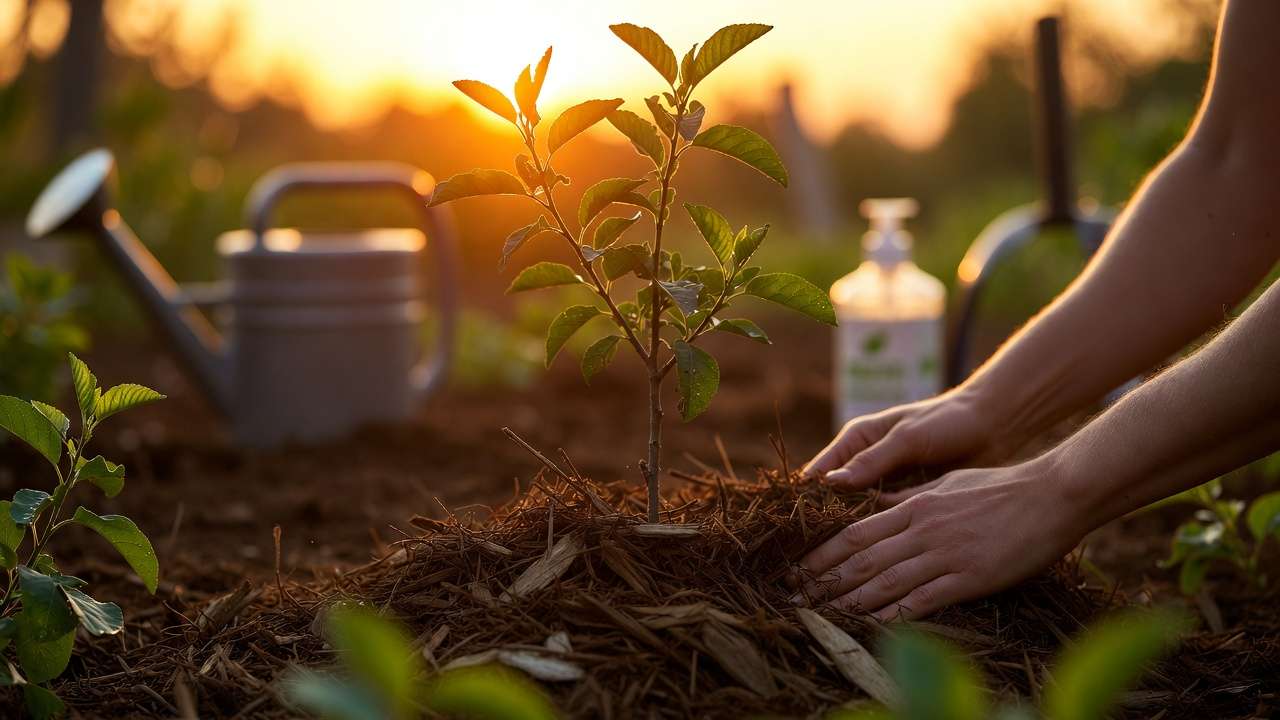
- Maintenance tips — Clean filters monthly. Mulch heavily (straw, wood chips) to retain moisture and feed microbes. Test soil salinity annually if possible.
- Seasonal adjustments — During dry season (Nov–Apr), use greywater more; in wet season, divert excess to prevent waterlogging.
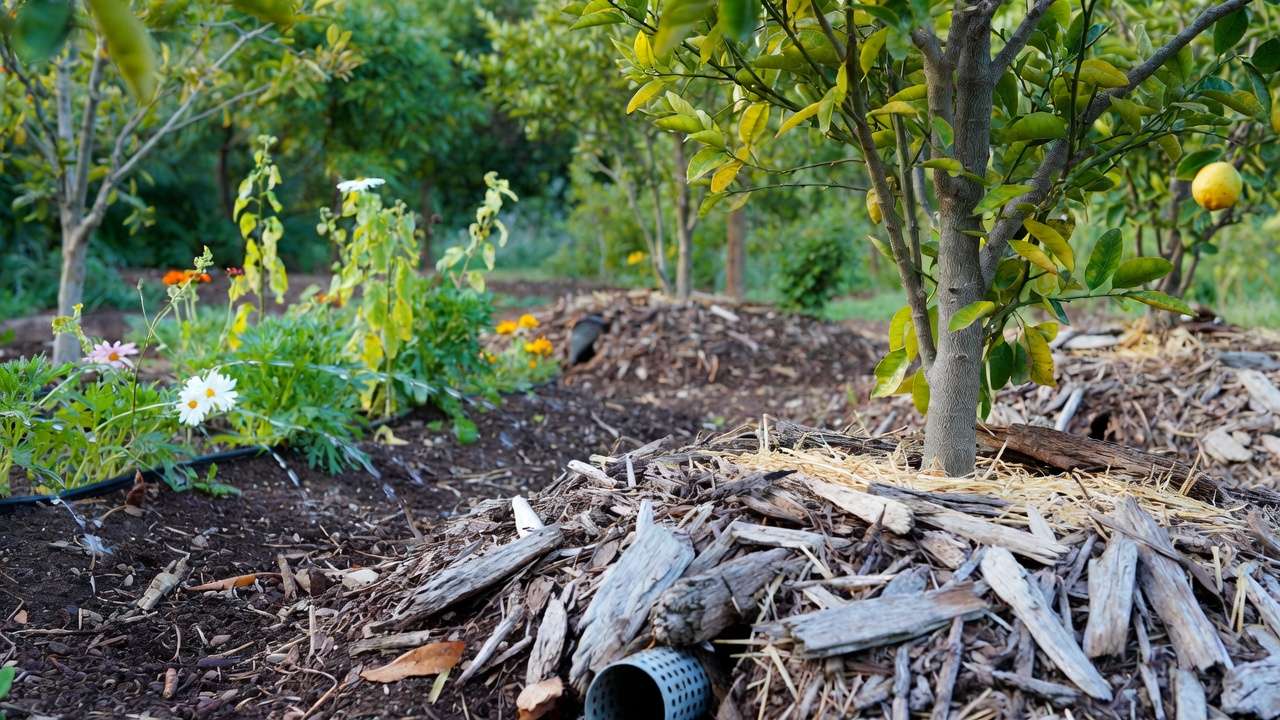
Follow these, and greywater becomes a nutrient gift rather than a stressor ♻️.
Common Mistakes to Avoid When Using Greywater for Irrigation ❌🚫
Even experienced gardeners slip up—avoid these pitfalls:
- Using regular powdered detergents or pods (high salts/fillers).
- Adding fabric softeners, chlorine bleach, or borax-based boosters.
- Over-relying on greywater without occasional fresh-water flushing.
- Irrigating sensitive plants (e.g., direct to vegetables) or in heavy clay without mulch.
- Ignoring formula changes—many brands reformulate; re-check labels yearly.
- Forgetting diverter valve—accidental bad load can damage plants quickly.
Spot these early, and your garden stays happy!
Expert Insights and Real-World Success Stories 📖👩🌾
Greywater pioneer Art Ludwig (Oasis Design founder) emphasizes: “The goal is biocompatible—not just biodegradable—so greywater nourishes rather than harms.” His Oasis formula, sodium-free and plant-nutrient focused since the 1990s, remains the benchmark.
Permaculture practitioners worldwide report thriving systems:
- In arid California orchards, Oasis users see healthier fruit trees and increased worm populations after years.
- Australian and Southwest U.S. gardeners praise ECOS for availability and low-residue performance in drip systems.
- In water-scarce regions like parts of South Asia, low-salt liquids help mango and citrus groves stay productive during dry spells.
One common thread: Start conservative, observe closely, and adjust. Healthy soil biology (fungi, bacteria, worms) is your best indicator of success 🌱.
Frequently Asked Questions (FAQs) ❓
Is ECOS as good as Oasis for greywater? ECOS is excellent (low sodium, widely available), but Oasis edges it as truly zero-sodium and biocompatible—ideal for long-term use.
Can I use greywater on vegetables or fruit trees? Yes for fruit trees (subsurface to fruiting parts). Avoid direct on leafy/root veggies; wash produce thoroughly.
What if I accidentally use a bad detergent? Divert immediately, flush soil with fresh water 2–3 times, monitor plants. Most recover if caught early.
Are laundry sheets better than liquids for greywater? Earth Breeze sheets are great (very low salts, no plastic jugs), but liquids like Oasis dissolve more predictably in systems.
How do I know if my current detergent is safe? Scan ingredients: No sodium/boron words high up, no chlorine/fragrances. Short list = better. Test on one plant first.
Alternatives if I can’t find these brands? Try Dr. Bronner’s Castile (diluted, potassium-based) or plain soap nuts for light loads. Check local eco-stores for similar biocompatible options.
Conclusion: Start Your Greywater Journey Today! 🌍💚
Reusing laundry greywater with the right greywater-safe detergents for gardens transforms waste into a resource—saving water, feeding plants naturally, and building resilience in challenging climates. Start by checking your current detergent against our criteria, then try a top pick like Oasis or ECOS. Monitor your trees and garden for a few months—you’ll likely see greener leaves, stronger growth, and lower bills.
Small, informed choices like this create thriving, sustainable home landscapes that benefit you, your plants, and the planet. Ready to give it a go? Your garden (and future water supply) will thank you 🌳✨











