
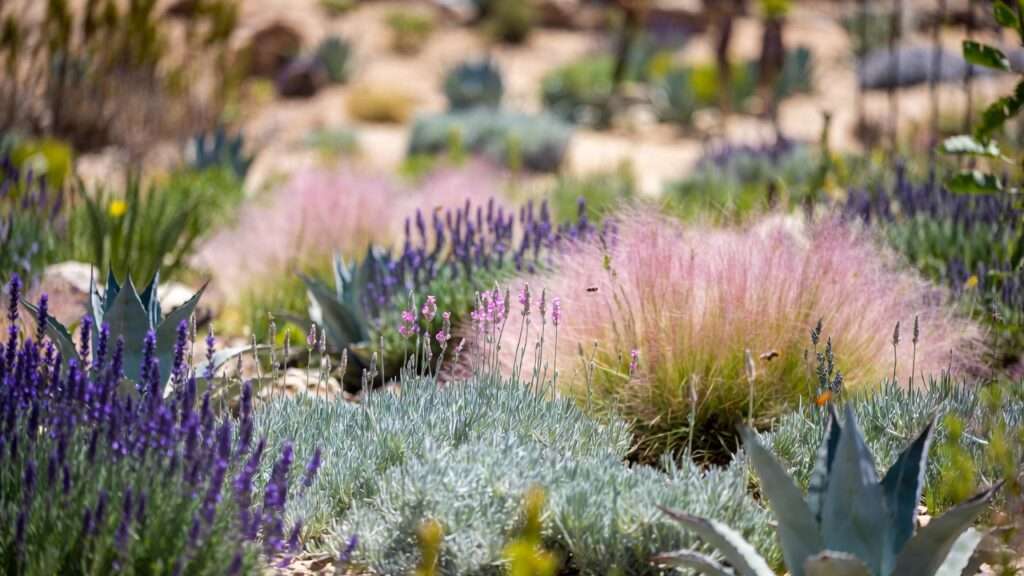
Picture this: It’s the peak of summer, temperatures are soaring past 100°F (38°C), your hose is gathering dust, and yet your garden bursts with vibrant colors, buzzing pollinators, and lush textures. No more wilted lawns, sky-high water bills, or weekend watering marathons. 🌵 This dream becomes reality with the best low-water plants for hot climates—drought-tolerant beauties that not only survive extreme heat but actually thrive in it.
As a plant care expert with years of experience helping gardeners in arid and subtropical regions create resilient landscapes, I’ve seen firsthand how switching to xeriscaping principles and selecting the right heat-loving, low-water plants transforms frustrating yards into stunning, sustainable oases. These picks reduce water use by up to 50-70% once established (based on university extension studies), support local wildlife, and require minimal fuss. Whether you’re battling drought restrictions, conserving resources, or simply tired of high-maintenance gardening, this comprehensive guide delivers the ultimate list, expert secrets, and design inspiration to solve your hot-climate challenges. Let’s dive in! 🔥
Why Choose Low-Water Plants for Hot Climates?
In today’s changing climate, hot and dry summers are becoming the norm in many regions (USDA zones 8–11 and beyond). Traditional thirsty lawns and annuals struggle, leading to brown patches, wasted water, and constant upkeep. Drought-tolerant plants flip the script.
These resilient species have evolved clever adaptations: deep taproots to reach groundwater, waxy or fuzzy leaves to reduce evaporation, and sometimes even CAM photosynthesis (like many succulents) that opens stomata at night to minimize water loss. Benefits include:
- Massive water savings and lower utility bills 💰
- Less time spent watering and weeding ⏰
- Increased biodiversity—many attract butterflies, bees, and hummingbirds 🦋
- Better resilience to pests, diseases, and poor soil
- Enhanced curb appeal and potential property value boost through smart xeriscaping
This guide is tailored for gardeners facing scorching heat, whether in the Southwest deserts, humid Southeast summers, or Mediterranean-like zones. Ready to build a garden that laughs at 100°F+ days? Let’s explore the science first.
Understanding Drought-Tolerant Plants in Extreme Heat
Not all “low-water” plants handle intense heat equally. Drought tolerance means surviving with little supplemental water, while heat tolerance ensures they don’t scorch or bolt in blazing sun. The best performers combine both.
Key adaptations:
- Deep or extensive roots for accessing deep moisture
- Small, thick, silvery, or hairy leaves to reflect sun and trap humidity
- Reduced leaf surface or succulence to store water
For success in hot climates: Prioritize excellent drainage (soggy roots kill drought-lovers faster than dry spells), full sun (6+ hours), and an establishment period of deep, infrequent watering for the first 1–2 years. Myth busted: “Drought-tolerant” doesn’t mean zero water forever—most need occasional deep soaks during extreme droughts, especially in containers.
Regional notes: In arid Southwest (low humidity), go heavy on natives and succulents. In hotter, humid Southeast, choose mildew-resistant varieties like certain salvias. Always check your USDA zone!
Top 15+ Best Low-Water Plants for Hot Climates
Here’s the heart of the guide: my curated top picks, grouped for easy planning. These go beyond basic lists with detailed insights, why they excel, and pro tips from real-world testing. All thrive in full sun, poor-to-average soil, and zones 8–11+ unless noted. 📸 (Imagine stunning photos here of each in bloom!)
Sun-Loving Perennials That Bloom All Season 🌸
These deliver nonstop color with almost zero coddling.
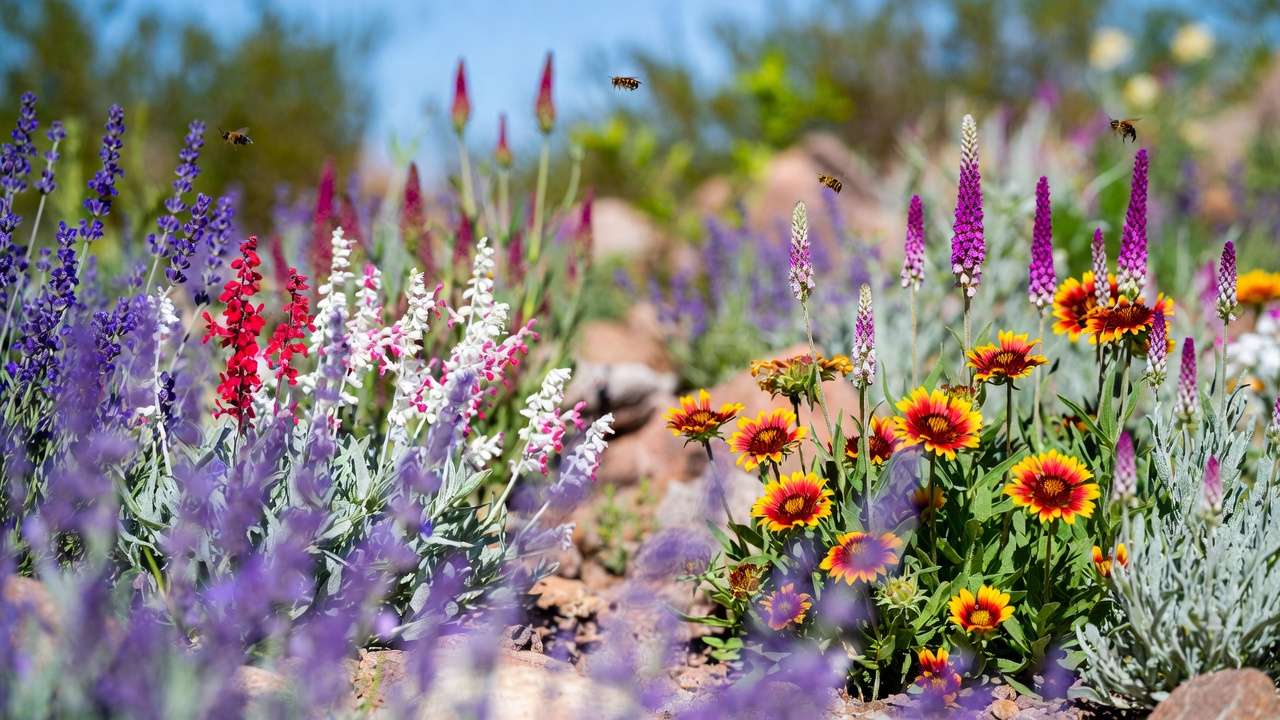
- Lavender (Lavandula angustifolia or hybrids like ‘Phenomenal’) — Fragrant purple spikes, silver foliage. Zones 5–9 (heat-proof varieties for hotter areas). Pollinator superstar, deer-resistant, aromatic essential oil bonus. Pro tip: Shear after bloom for bushier growth and repeat flowering.
- Salvia (e.g., Salvia greggii ‘Hot Lips’, Salvia leucantha) — Hummingbird magnets with tubular red/white or purple blooms from spring to frost. Extremely heat/drought tough. Cut back in late winter for fuller plants.
- Gaillardia (Blanket Flower) — Daisy-like red/yellow blooms all summer. Native vibes, self-seeds gently. Super low-maintenance—deadhead for more flowers.
- Echinacea (Coneflower) — Pink/purple daisy centers loved by bees. Medicinal roots bonus. Choose ‘Magnus’ or drought-hardy cultivars.
- Agastache (Hummingbird Mint/Anise Hyssop) — Licorice-scented spikes in blues/pinks. Blooms forever, repels deer. Heat lover supreme.
Tough Shrubs & Sub-Shrubs for Structure & Color 🪴
Add backbone and year-round interest.
- Lantana — Multicolor flower clusters, butterfly haven. Spreads as groundcover or mounded shrub. Prune for shape.
- Russian Sage (Perovskia atriplicifolia) — Airy lavender-blue clouds on silvery stems. Deer-proof, airy texture. Cut back hard in spring.
- Rock Rose (Cistus spp.) — Crinkly pink/white flowers, evergreen Mediterranean charm. Loves poor, rocky soil.
- Texas Sage (Leucophyllum frutescens) — Silver leaves, purple blooms triggered by humidity/rain. Iconic in hot, dry areas.
Succulents & Architectural Stars for Drama 🌵
Bold focal points with zero fuss.
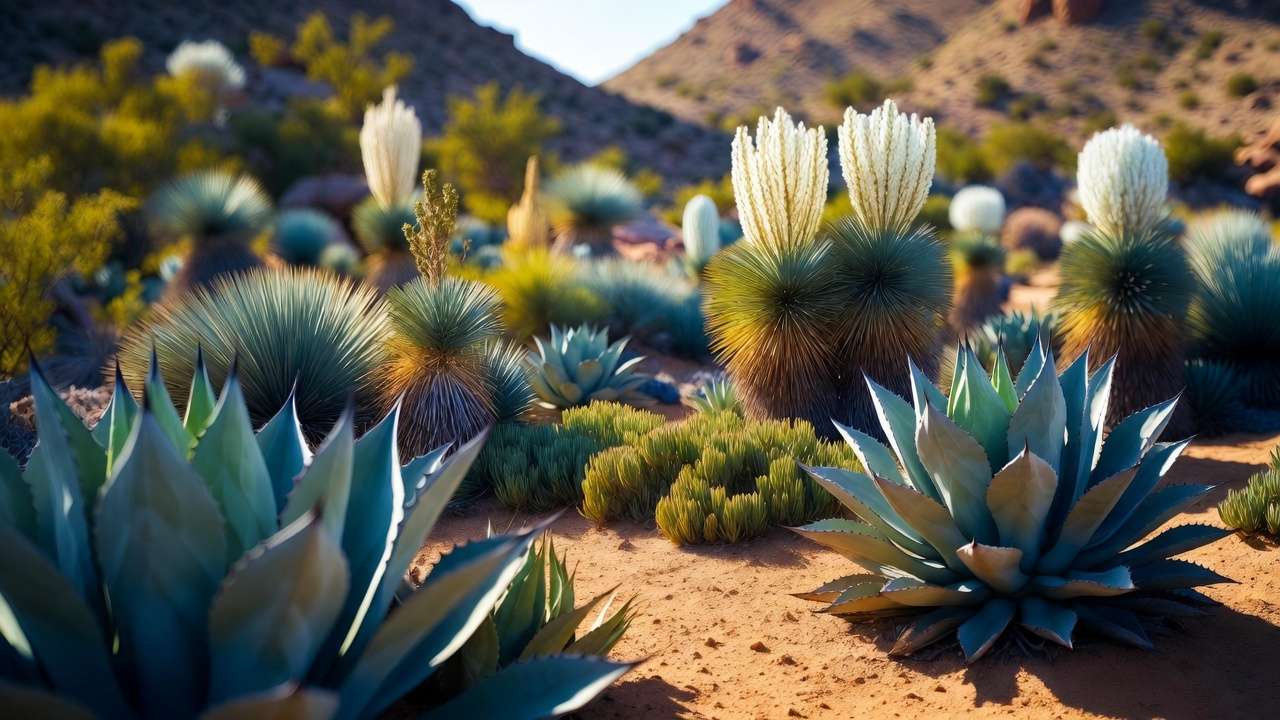
- Agave (e.g., Agave parryi, ‘Blue Glow’) — Striking rosettes in blues/greens. Slow-growing, dramatic. Protect from overwatering.
- Yucca (e.g., Yucca filamentosa ‘Color Guard’, Yucca rostrata) — Sword-like leaves, tall white bloom spikes. Adds vertical interest.
- Sedum/Stonecrop (tall varieties like ‘Autumn Joy’) — Fleshy leaves, pink fall blooms. Groundcover types spread beautifully.
Grasses & Groundcovers for Low-Maintenance Coverage 🌾
Texture without thirst.
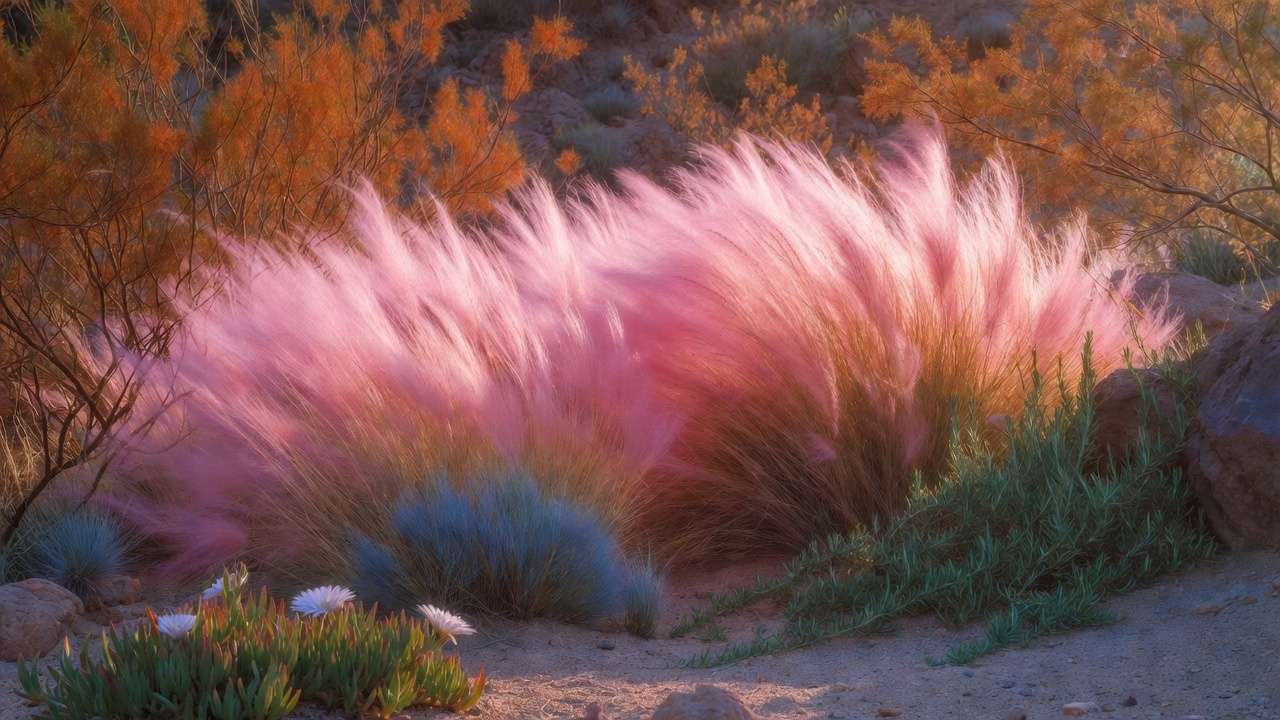
- Muhly Grass (Pink Muhly) — Ethereal pink plumes in fall. Soft, wispy look.
- Blue Fescue — Tufted blue mounds for edging.
- Creeping Rosemary or Ice Plant (Delosperma) — Trailing, flowering groundcovers.
Bonus: Trees & Vines for Bigger Spaces 🌳
- Desert Willow (Chilopsis linearis) — Trumpet blooms, willow-like leaves. Small tree perfection.
- Bougainvillea — Explosive bract color on vines/walls. Heat worshipper.
How to Choose & Compare the Best Options for Your Garden With so many fantastic drought-tolerant plants, how do you pick the right ones? Start by assessing your specific conditions: full sun exposure, soil type (sandy/loamy preferred), space available, and priorities like color, height, or wildlife attraction.
Here’s a quick comparison table to help you decide (visualize this as an easy-reference chart in the final article!):
| Plant | Height/Spread | Bloom Color & Time | Pollinators Attracted | Maintenance Level | Special Feature |
|---|---|---|---|---|---|
| Lavender | 1–3 ft | Purple / Summer | Bees, butterflies | Low | Fragrant, deer-resistant |
| Salvia greggii | 2–4 ft | Red/white/purple / Spring–Fall | Hummingbirds, bees | Very low | Nonstop blooms |
| Gaillardia | 1–2 ft | Red/yellow / Summer–Fall | Bees, butterflies | Very low | Self-seeding, native appeal |
| Agave parryi | 1–2 ft rosette | Rare tall spike | Bats (night) | Extremely low | Architectural drama, evergreen |
| Pink Muhly Grass | 2–4 ft | Pink plumes / Fall | Birds (seed) | Low | Ethereal movement in wind |
| Lantana | 1–4 ft | Multicolor / Summer–Fall | Butterflies | Low | Spreading groundcover option |
| Russian Sage | 3–5 ft | Lavender-blue / Summer–Fall | Bees | Low | Airy texture, silver foliage |
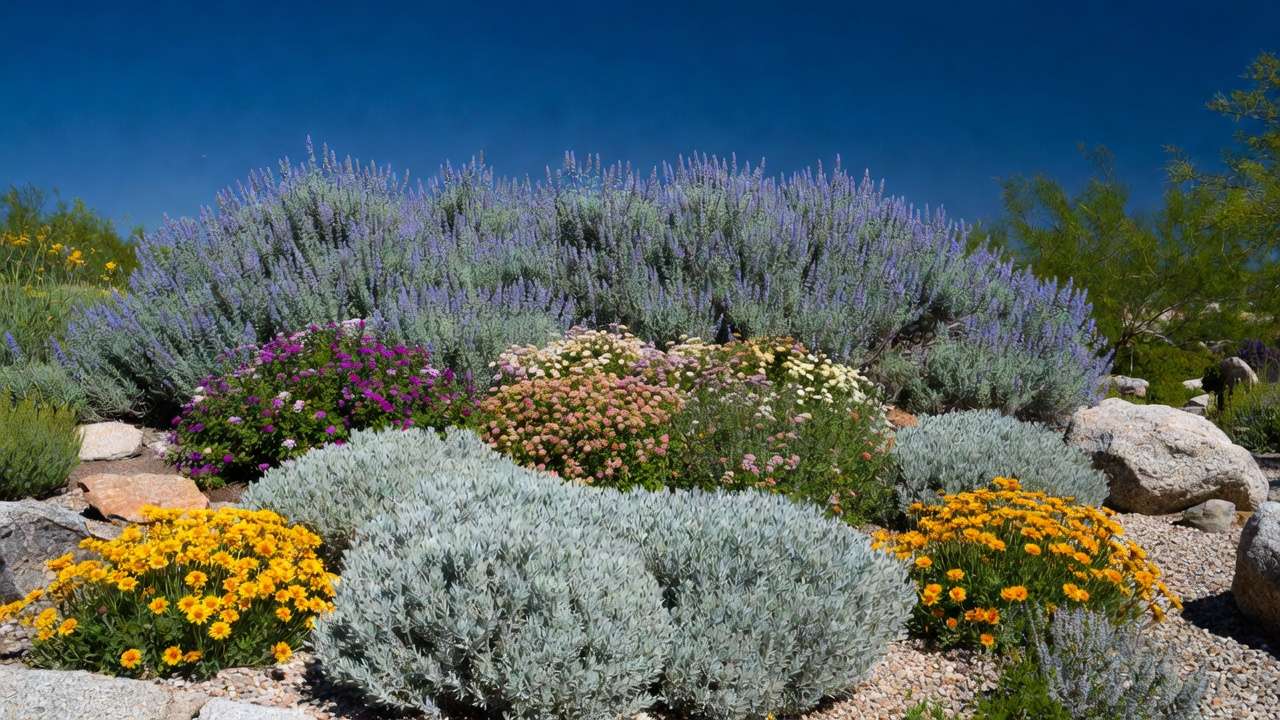
Pro tip: Mix heights, textures, and bloom times for year-round interest—e.g., pair bold agave with airy muhly grass and colorful salvia. 🌈
:max_bytes(150000):strip_icc()/drought-tolerant-plants-curb-appeal-2000-c1d1f7b52f2847d5ae2e5f774da4343d.jpg)
These xeriscape examples show how mixing perennials, grasses, and succulents creates lush, vibrant gardens even in hot, dry conditions! 💚
Planting & Care Guide: Secrets to Long-Term Success
Success with low-water plants hinges on smart establishment—get this right, and they’ll need almost no care later.
- Best planting time: Early spring or fall in hot climates (avoid peak summer heat to reduce transplant shock).
- Soil prep: Ensure excellent drainage—add grit, sand, or perlite if soil is heavy clay. Avoid rich compost; these plants prefer lean, rocky conditions. Test pH (most like neutral to slightly alkaline).
- Watering wisely: Water deeply (to 12–18 inches) but infrequently during the first 1–2 seasons. Once established (usually 12–24 months), many survive on rainfall alone in zones 9+. Use a soaker hose or drip irrigation for efficiency.
- Mulching magic: Apply 2–3 inches of inorganic mulch (gravel, decomposed granite) or organic (bark in cooler spots). Mulch conserves moisture, suppresses weeds, and moderates soil temperature. Avoid piling against stems to prevent rot.
- Pruning & fertilizing: Minimal! Prune perennials after bloom for shape; cut back shrubs in late winter. Skip fertilizer—too much nitrogen causes leggy growth and fewer flowers.
- Pest/disease resistance: These tough plants rarely have issues. Watch for occasional aphids on new growth (blast with water) or root rot from overwatering.
Expert insight: In extreme heat waves, provide temporary shade cloth for new plants, but remove once rooted. Patience pays off—these plants get stronger and more beautiful over time! 🔥
Designing a Stunning Low-Water Garden in Scorching Heat
Xeriscaping isn’t about barren rocks—it’s lush, intentional design. Key principles:
- Group plants by water needs (hydrozoning).
- Incorporate hardscaping: Paths, boulders, gravel beds for contrast.
- Layer for depth: Tall grasses/backdrop, mid-height shrubs, low perennials/groundcovers.
Color schemes:
- Cool & calming: Silvery Russian sage + purple lavender + blue agave.
- Hot & vibrant: Red/yellow gaillardia + multicolored lantana + pink muhly grass plumes.
Layout ideas:
- Front yard curb appeal: Symmetrical agave focal points flanked by salvia and grasses.
- Backyard oasis: Bougainvillea on a trellis, desert willow as shade tree, groundcover sedum.
- Patio containers: Mix yucca, lavender, and trailing ice plant for portable drama.
Bonus: These plants create pollinator habitats—your yard becomes a mini sanctuary for bees, butterflies, and hummingbirds. 🦋
:max_bytes(150000):strip_icc()/bee-and-lavender-675307650-bd7b30a30ee74fb4a146bbe61b7cee29.jpg)
Breathtaking close-ups: Lavender buzzing with bees, dramatic blue agave rosettes, and dreamy pink muhly grass in fall light! 🌸
Common Mistakes to Avoid + Troubleshooting
- Overwatering new plants: Leads to rot—stick to deep, infrequent schedule.
- Poor drainage: Amend soil or plant in raised beds/mounds.
- Ignoring microclimates: Hot reflected walls can scorch—choose tougher varieties.
- Too much fertilizer: Causes weak, floppy growth.
- Solutions for issues: Leggy plants? More sun + prune. Few blooms? Ensure mature establishment + avoid shade. Winter damage in zone 8? Mulch roots heavily.
Frequently Asked Questions (FAQ)
What is the most drought-tolerant plant for extreme heat? Agave and yucca species top the list—they store water in leaves and have massive root systems.
Do these plants need any water at all once established? In most hot, dry climates, rainfall suffices; supplement during prolonged droughts (every 4–6 weeks deep soak).
Are they pet-safe / kid-friendly? Most are (lavender, salvia, gaillardia), but agave/yucca have sharp tips—place thoughtfully.
Best picks for containers in hot patios? Lavender, sedum, agave, and lantana thrive in pots with great drainage.
How to attract butterflies/hummingbirds with low-water plants? Plant salvia, lantana, agastache, and gaillardia—they’re nectar powerhouses!
Conclusion + Call to Action
Transforming your hot-climate garden doesn’t require endless watering or sacrifice beauty. These best low-water plants for hot climates deliver color, texture, fragrance, and wildlife support with minimal effort. Start small—pick 3–5 favorites, plant properly, and watch your yard become a resilient, gorgeous haven that thrives in scorching heat. 🌞
Which of these drought-tolerant picks excites you most? Lavender for fragrance, agave for drama, or pink muhly grass for that magical fall show? Drop a comment below—I’d love to hear your plans and help refine your garden vision! 💚🌵











