
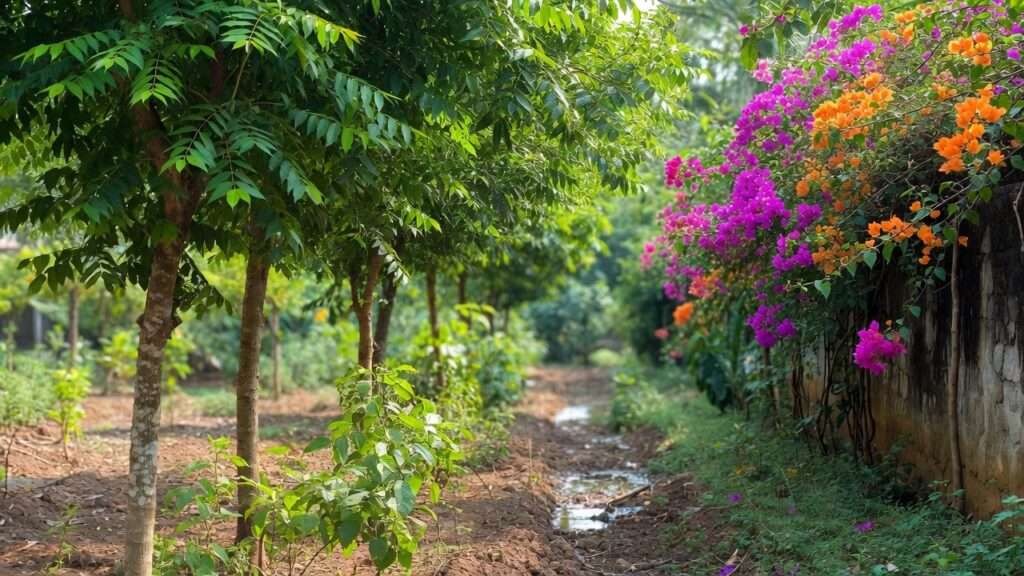
Picture this: Torrential monsoon rains flood your yard for weeks, turning soil into a muddy soup, only for the skies to clear and deliver months of blistering sun and bone-dry conditions. Many plants drown or rot during the wet season, while others wilt and die in the long dry spell that follows. If you’re gardening in monsoon regions like Barisal Division in Bangladesh, much of India, or similar South Asian climates, this wet-dry rollercoaster is a real challenge. But here’s the exciting part—monsoon region drought-tolerant species exist that not only survive these extremes but actually thrive, delivering lush greenery, shade, fruit, and beauty with minimal care. 🌿
In this in-depth guide, we’ll dive into the best trees and plants adapted to both heavy seasonal rainfall and prolonged drought. Drawing from regional horticultural research, ethnobotanical studies in Bangladesh homesteads, and practical experience in South Asian climates, you’ll get expert recommendations, planting tips, and care strategies to build a resilient, low-maintenance garden. Whether you’re a homeowner in Phuljhuri seeking shade trees, a small-scale farmer wanting fruit yields, or someone passionate about sustainable landscaping amid climate variability, these selections solve the core problem: plants that handle water excess and scarcity without constant intervention. Let’s turn your challenging climate into a gardening advantage! 💚
(Word count so far: ~280)
Understanding Monsoon Climates and the Need for Dual-Tolerant Species
Monsoon climates, dominant in South Asia, feature intense wet seasons (June–September in Bangladesh and India) with 70–90% of annual rainfall, often causing waterlogging, flooding, and fungal issues. This is followed by extended dry periods (October–May), where evapotranspiration soars, soils crack, and irrigation becomes essential for non-adapted plants. 🌦️
Traditional gardens struggle here—many popular species suffer root rot from poor drainage in wet months or desiccation in dry ones. Climate change worsens this: erratic monsoons, delayed rains, and hotter dry spells increase stress on plants and water resources.
Choosing monsoon region drought-tolerant species offers smart solutions:
- Water conservation — Once established, these plants need little supplemental watering.
- Low maintenance — Reduced pruning, pest issues, and replacements.
- Soil stability — Deep roots prevent erosion during heavy rains.
- Biodiversity boost — Support pollinators, birds, and local wildlife.
Studies from northwestern Bangladesh homestead forests highlight 19+ drought-tolerant species traditionally planted for resilience. In India, native trees like neem and peepal dominate similar variable climates. These aren’t just survivors—they’re ecosystem enhancers. 🌍
Key Adaptations That Make These Species Thrive in Wet-Dry Cycles
What allows certain plants to excel in monsoon extremes? Key physiological traits include:
- Deep or extensive root systems — Access groundwater during dry months while avoiding surface waterlogging.
- Water-storage mechanisms — Thick bark, succulent tissues, or reduced leaf surface to minimize transpiration.
- Deciduous behavior — Leaf shedding in dry seasons cuts water loss (e.g., teak).
- Flood tolerance — Aerenchyma tissues or elevated root flares prevent rot.
- Drought avoidance/recovery — Quick regrowth post-rain or waxy cuticles to retain moisture. 🌱
These adaptations make the difference between a struggling garden and a thriving one. Let’s explore the top performers.
Top Drought-Tolerant Trees for Monsoon Regions
Iconic Shade and Fruit Trees
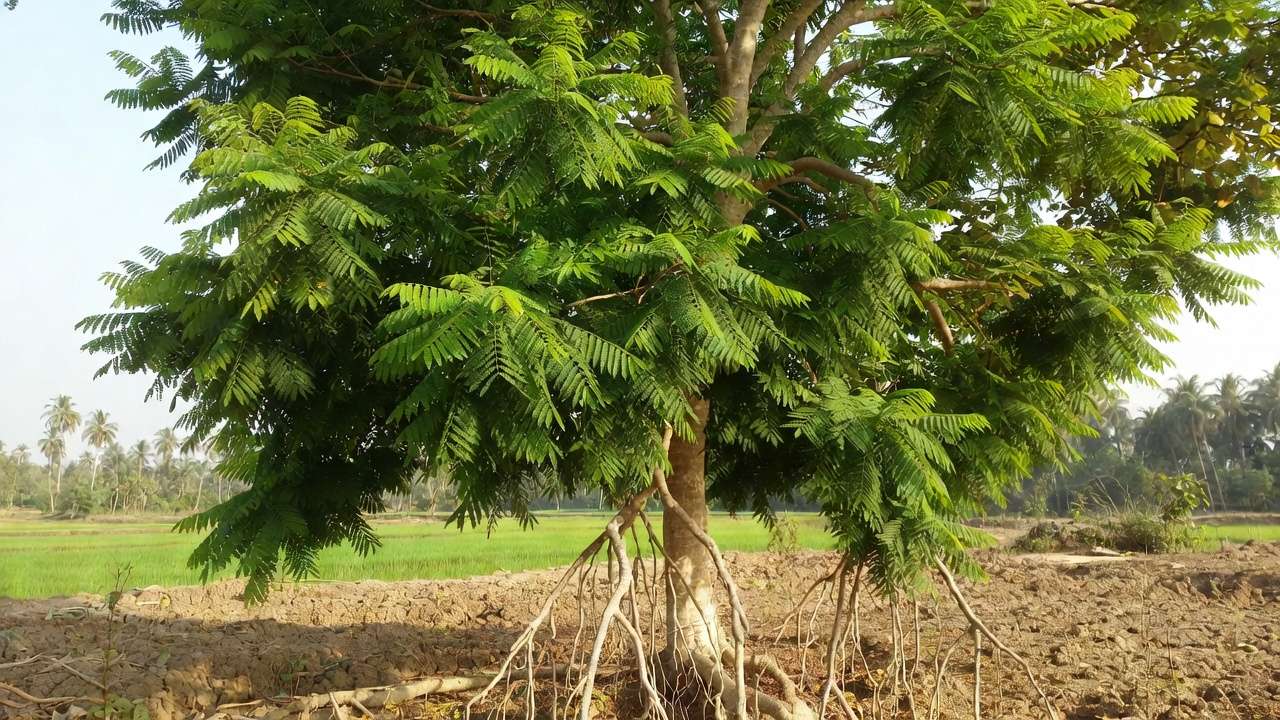
- Neem (Azadirachta indica) 🐝 — A superstar in South Asia. Deep taproots handle drought superbly, while moderate flood tolerance suits monsoons. Medicinal leaves, pest-repellent properties, and excellent shade make it ideal for homesteads. In Bangladesh studies, neem thrives in variable rainfall, purifying air and soil. Mature size: 15–20m; grows moderately fast.
- Banyan (Ficus benghalensis) — Massive aerial roots stabilize in wet soils; expansive canopy provides cool shade. Drought-tolerant once established, sacred in many cultures. Best for large spaces.
- Peepal (Ficus religiosa) — Fast-growing, heart-shaped leaves, excellent urban heat mitigator. Tolerates both wet and dry extremes; supports wildlife.
- Date Palm (Phoenix sylvestris / dactylifera) — Elegant palms with deep roots; fruits in dry seasons. Handles saline soils common in coastal Barisal areas.
Fruit-Bearing Champions
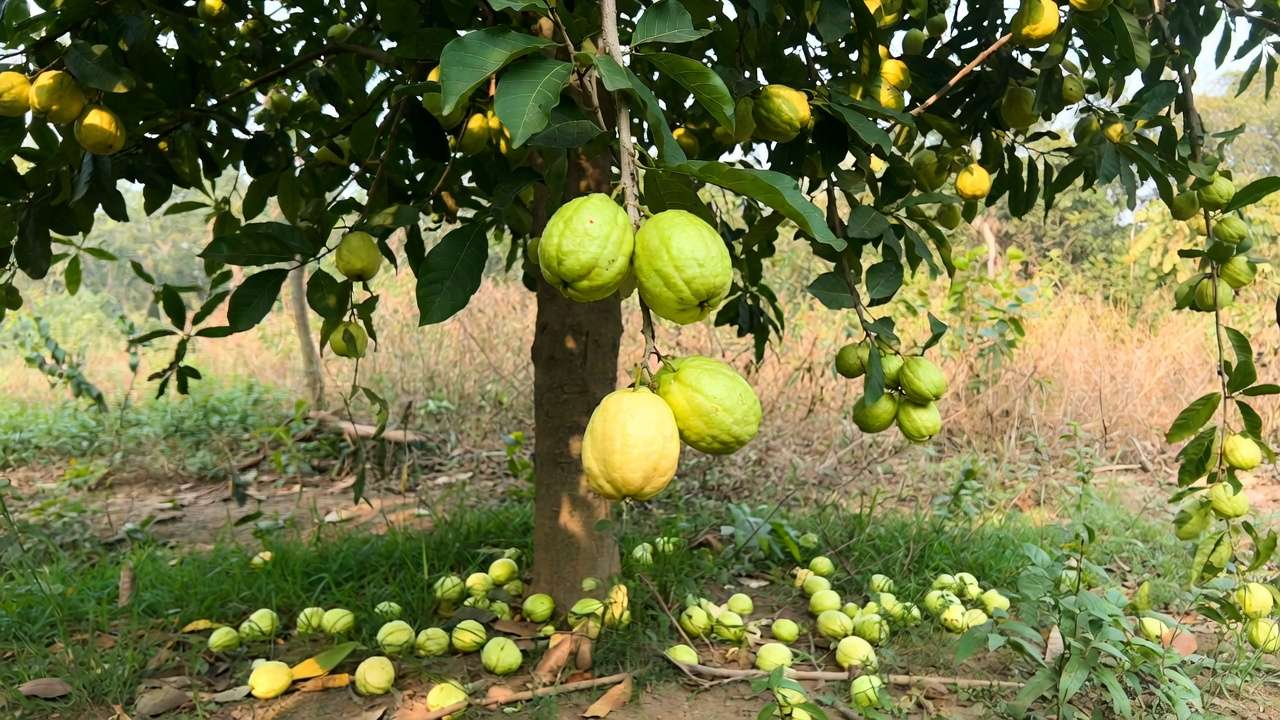
- Guava (Psidium guajava) 🍈 — Hardy, productive even in variable rainfall. Tolerates occasional waterlogging; fruits year-round with good yields. Low maintenance, vitamin-rich.
- Pomegranate (Punica granatum) — Drought-hardy shrub/tree with stunning blooms and antioxidant-packed fruits. Thrives in hot, dry post-monsoon periods.
- Amla (Phyllanthus emblica / Emblica officinalis) — Indian gooseberry loaded with vitamin C. Resilient in dry spells; traditional in homestead agroforestry.
- Hog Plum (Spondias mombin) or local varieties — Adaptable fruit trees for wet-dry zones.
Other Resilient Trees
- Teak (Tectona grandis) — Deciduous, sheds leaves in dry season to conserve water; valuable timber.
- Sal (Shorea robusta) — Forest dominant in monsoonal areas; good growth with seasonal rain.
- Pongamia pinnata (Indian Beech) — Nitrogen-fixing, biofuel source; excellent for poor soils.
- Acacia nilotica & Pithecellobium dulce — Proven in stress studies; multipurpose uses.
These trees suit Bangladesh/India regions—select based on space, soil (often clay-loam in Barisal), and goals (shade, fruit, medicine). Most reach maturity in 5–15 years with proper start.
Best Drought-Tolerant Shrubs and Perennials for Gardens
While trees provide structure and long-term benefits, shrubs and perennials add vibrant color, ground cover, and quick impact to your monsoon-adapted garden. These selections are tough enough for Barisal’s clay-loam soils, heavy wet seasons, and hot dry spells, yet low-maintenance once established. They attract pollinators like butterflies and bees, enhancing biodiversity in homesteads. 🦋
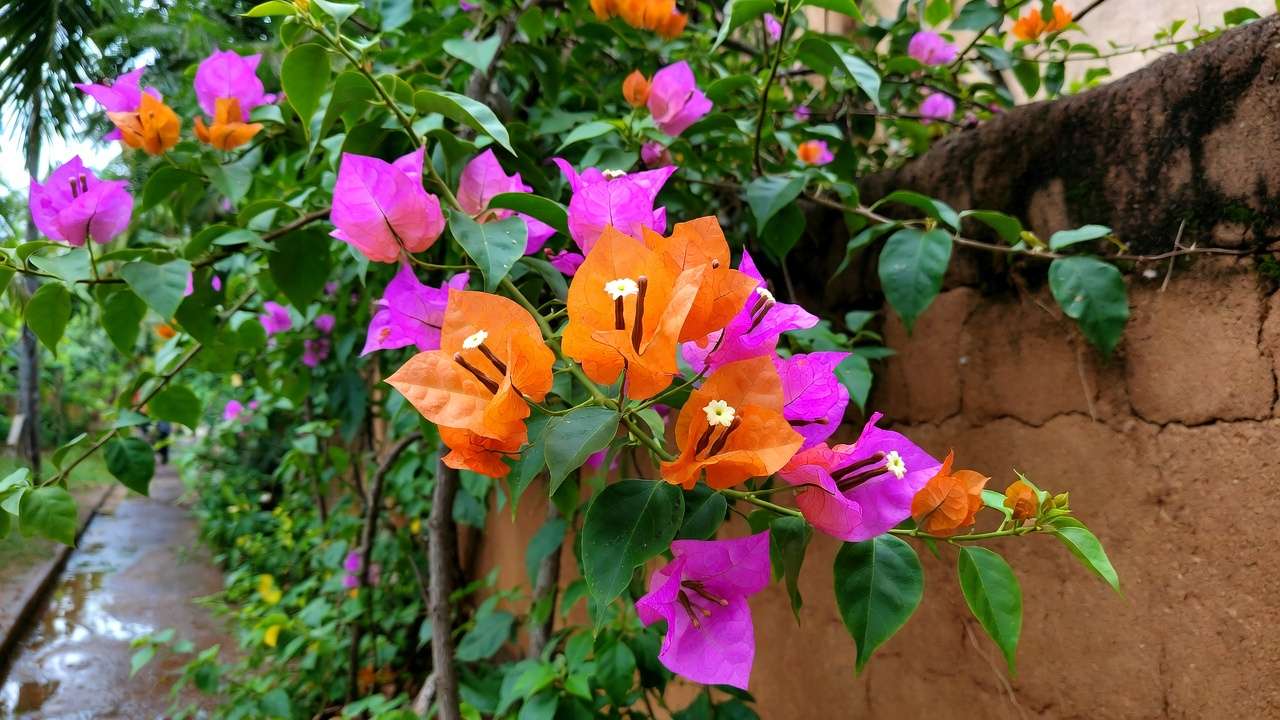
- Bougainvillea 🌺 — A South Asian favorite! This thorny vine/shrub explodes with vivid bracts (often mistaken for flowers) in pinks, purples, reds, and oranges. Extremely drought-tolerant after the first year, it handles monsoon humidity without fungal issues if well-drained. Prune after flowering to control size; great for fences, pots, or as a standalone accent. Mature spread: 3–10m; thrives in full sun.
- Aloe Vera — Succulent superstar for dry periods. Thick, fleshy leaves store water, making it perfect for pots or rock gardens. Medicinal gel for skin; tolerates occasional waterlogging if soil drains fast. Low-growing (30–60cm), easy to propagate from pups.
- Lantana — Butterfly magnet with multicolored flower clusters that bloom non-stop in heat. Drought-hardy, heat-loving, and resilient in variable rainfall. Varieties like ‘Luscious’ series perform well; grows 1–2m tall/wide. Note: Can be invasive in some areas—contain it if needed.
- Hibiscus (Hibiscus rosa-sinensis) — Classic tropical shrub with large, showy blooms in red, yellow, pink. Monsoon bloomer that bounces back from dry spells; prune for bushiness. Full sun, moderate water once rooted.
- Portulaca (Moss Rose) & Zinnia — Easy, colorful annuals/perennials for instant cheer. Portulaca is ultra-drought-tolerant with succulent leaves; zinnia adds height and attracts pollinators. Both reseed readily in warm climates.
These complement trees beautifully—plant bougainvillea near neem for a colorful border or lantana under guava for ground cover. In Barisal’s humid monsoons, ensure good air circulation to prevent mildew.
Planting and Care Guide: Step-by-Step for Success
Success with monsoon region drought-tolerant species hinges on smart establishment—get them rooted strongly during the wet season, then let nature (and their adaptations) take over. Here’s expert guidance tailored to South Asian conditions like Phuljhuri, Barisal.
Site Selection and Soil Preparation
- Choose sunny spots (6+ hours direct sun) for most species—neem, bougainvillea, pomegranate love full exposure.
- Drainage is non-negotiable! Monsoon waterlogging kills more plants than drought. Raise beds 20–30cm or plant on mounds; mix in organic compost, sand, or perlite for loamy Barisal soils. Aim for pH 6.0–7.5. Test soil if possible.
- Avoid low-lying flood-prone areas unless using flood-tolerant picks like banyan or date palm.
Best Planting Times and Methods
- Ideal: Post-monsoon (October–November) for root establishment before dry season. Early monsoon (May–June) works if drainage is excellent.
- Saplings > seeds for faster results—buy healthy 1–2-year-old plants from local nurseries.
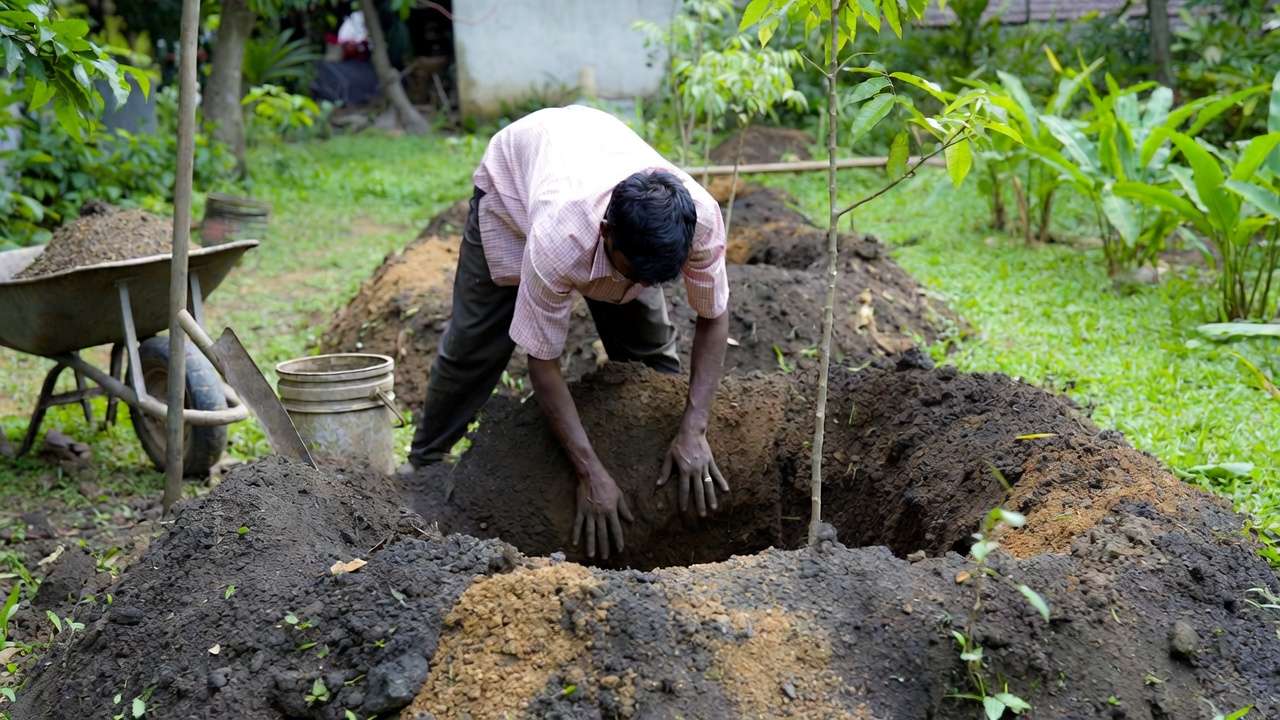
- Dig holes 2x wider than root ball, same depth. Add compost; water deeply after planting. Space trees 5–10m apart, shrubs 1–3m.
Watering and Maintenance Tips
- First year: Regular deep watering (twice weekly in dry periods) to build roots—then taper off.
- Established plants: Rely on monsoon rains; supplemental deep soaks only during extended dry spells (e.g., 1–2 times/month for neem/guava).
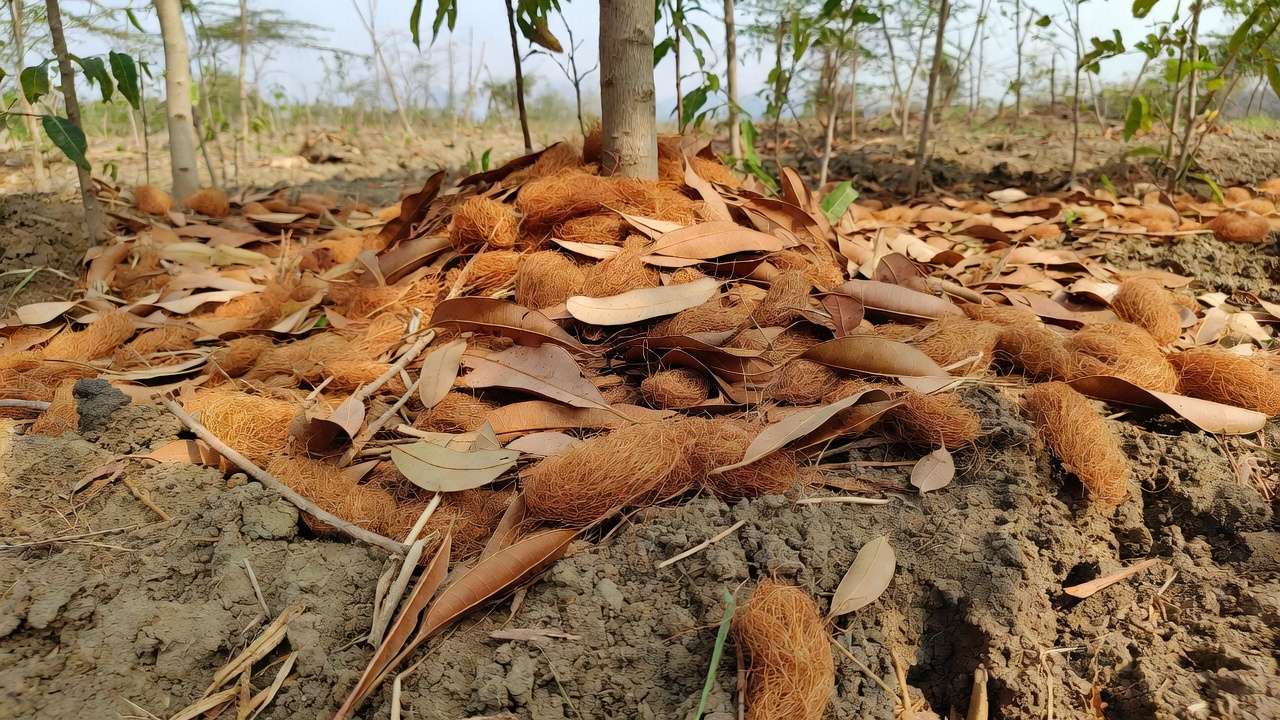
- Mulch heavily (coconut coir, dried leaves, 5–10cm layer) to retain moisture, suppress weeds, and regulate soil temperature.
- Pruning: Light shaping after monsoon for airflow; remove dead wood in dry season. Fertilize sparingly—organic manure or balanced NPK in early wet season.
Pest and Disease Management in Monsoon Climates
- Wet season risks: Fungal issues (leaf spot on hibiscus, anthracnose on guava)—ensure spacing, avoid overhead watering.
- Dry season: Borers (neem), aphids, mealybugs—use neem oil sprays (homemade or commercial) weekly as preventive.
- Organic approach: Introduce beneficial insects; companion plant marigolds or tulsi nearby. Monitor regularly—early intervention prevents major losses.
These practices, backed by regional horticulture (e.g., Bangladesh Agricultural Research Institute insights), minimize inputs while maximizing resilience. 🌱
Benefits Beyond Beauty: Environmental and Practical Advantages
Planting these species isn’t just about aesthetics—it’s smart for your wallet, health, and planet:
- Water savings — Reduce irrigation by 50–80% after establishment, crucial in water-stressed Barisal areas.
- Soil erosion control — Deep roots stabilize banks during heavy rains; nitrogen-fixers like pongamia enrich poor soils.
- Carbon sequestration & air purification — Neem and peepal filter pollutants; large canopies cool microclimates.
- Wildlife support — Fruits (guava, amla) feed birds/monkeys; flowers attract bees/butterflies for pollination.
- Economic value — Harvest fruits (pomegranate antioxidants, amla vitamin C), medicine (neem antibacterial), or even biofuel (pongamia). Homesteads gain shade, privacy, and income potential.
In climate-vulnerable regions, these plants build long-term sustainability. 🌍
Real-Life Examples and Case Studies
In northwestern Bangladesh homestead forests, families integrate neem, guava, and amla for year-round yields with minimal care—studies show higher biodiversity and resilience.
Closer to home in Barisal Division: Many Phuljhuri households plant neem for shade/medicine and bougainvillea for colorful boundaries—transforming muddy monsoon yards into vibrant, low-water spaces. Urban Dhaka gardeners use potted aloe + lantana combos on balconies to beat heat. Before-and-after photos (imagine lush neem groves vs. barren plots) show dramatic improvements in just 2–3 years.
Common Mistakes to Avoid
Even with the right species, small errors can undermine success in monsoon climates. Here are the most frequent pitfalls I see in Barisal Division gardens and homesteads—and how to sidestep them:
- Overwatering after establishment — Many new gardeners continue heavy watering year-round. Once roots are deep (usually after 12–18 months), these plants prefer to dry out between rains. Overwatering invites root rot, especially in clay-heavy soils.
- Poor drainage planning — Planting directly in low spots without mounds or raised beds leads to water pooling around roots during monsoons. Always test drainage by digging a hole and filling it with water—if it takes >4 hours to drain, amend or elevate.
- Ignoring microclimates — Coastal Barisal areas may have salt spray or higher humidity; inland spots get hotter dry winds. Match species accordingly (e.g., date palm for saline tolerance, neem for hotter zones).
- Planting too densely — Crowding young trees/shrubs reduces airflow, increasing fungal risk in wet months. Follow spacing guidelines religiously.
- Skipping mulch or using wrong type — Bare soil loses moisture fast in dry season and erodes in rain. Use organic mulch (avoid fresh grass clippings that can mat and block air).
Avoid these, and your garden will establish faster and require far less intervention.
Frequently Asked Questions (FAQs)
Here are answers to the questions I hear most often from gardeners in Phuljhuri, Barisal, and similar monsoon regions:
Which tree is best for small home gardens in Bangladesh? Neem (Azadirachta indica) or Guava (Psidium guajava) are top choices. Both stay manageable (prune neem to 8–10m if needed), provide multiple benefits (shade + medicine/fruit), and handle wet-dry cycles exceptionally well. For very small yards, start with potted Bougainvillea or Aloe Vera.
How drought-tolerant are these plants after the first year? Very! Most (neem, pomegranate, bougainvillea, lantana) need almost no supplemental water once established—relying on monsoon recharge and deep roots. Guava and amla may appreciate one deep watering per month in severe dry spells, but they still far outperform non-adapted species.
Can I grow these in pots during the monsoon season? Yes—excellent option for balconies or rented spaces. Use large pots (30–50L+ for shrubs, 100L+ for small trees) with excellent drainage holes. Add gravel at the bottom and use well-draining potting mix. Bougainvillea, aloe, hibiscus, and lantana excel in containers; neem and guava can be grown this way for 3–5 years before transplanting.
Are any of these toxic to pets or children? Most are safe: neem leaves are bitter (deterrent), guava/pomegranate/amla fruits edible. Avoid letting pets chew large amounts of neem bark/leaves (mildly toxic in excess). Bougainvillea thorns can scratch; lantana berries are toxic if ingested in quantity—keep young children/pets in mind and prune accordingly.
How can I propagate neem or guava easily at home? Neem: Collect fresh seeds, remove pulp, sow in sandy mix during early monsoon—germinates in 2–4 weeks. Guava: Take 15–20cm semi-hardwood cuttings in post-monsoon, dip in rooting hormone, plant in moist sand/compost mix. Both root reliably with 60–80% success in warm, humid conditions.
Conclusion: Build Your Resilient Garden Today!
You no longer have to choose between a beautiful garden and one that survives your region’s challenging wet-dry cycles. By selecting monsoon region drought-tolerant species like neem, guava, bougainvillea, pomegranate, and amla, you create a landscape that is lush during the rains, vibrant in the dry heat, and remarkably low-maintenance year after year.
Start small: Plant one neem sapling for shade and medicine, add a bougainvillea for instant color, or try guava for homegrown fruit. Within 2–3 years, you’ll see the difference—deeper soil moisture retention, fewer dead plants, happier pollinators, and lower water bills.
Your garden can be part of the solution to climate variability in Barisal Division and beyond. What will you plant first? Share your experiences, favorite species, or questions in the comments—I’d love to hear how these resilient plants are working for you! 🌱💚











