
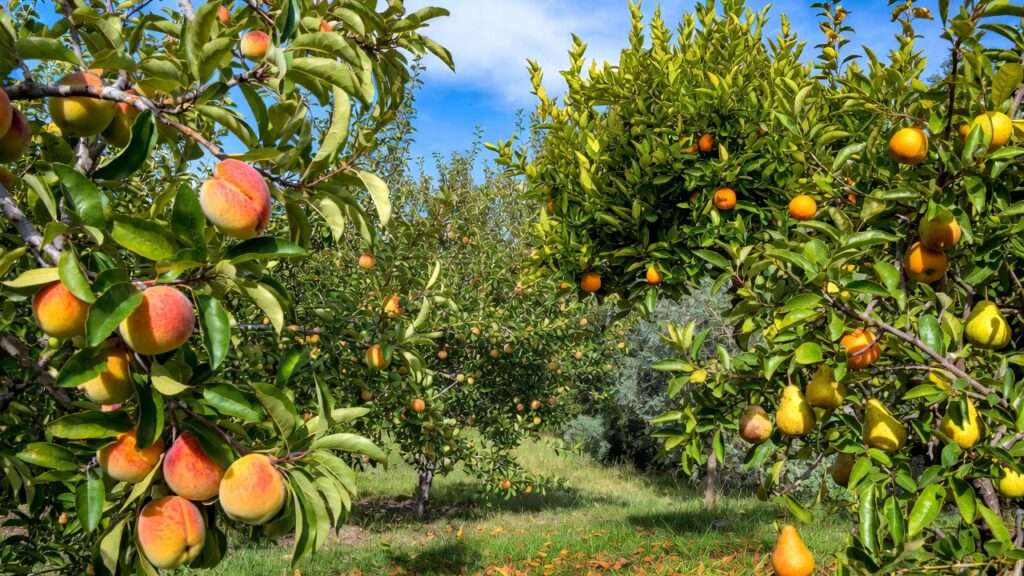
Have you ever excitedly planted a beautiful fruit tree in your backyard, only to watch it struggle through winter, fail to bloom properly, or produce zero fruit the next season? 😔 You’re not alone—thousands of home gardeners face this heartbreak every year, often because they chose varieties mismatched to their local climate.
The key to a thriving home orchard lies in zone-specific fruit tree recommendations. By matching trees to your USDA Plant Hardiness Zone (updated in 2023), you dramatically increase your chances of success. These zones are based on average annual extreme minimum winter temperatures, helping predict which perennials—like fruit trees—will survive your winters. But hardiness is just the start: factors like chill hours (the cumulative cold needed for proper dormancy and fruiting), heat tolerance, soil, and microclimates play huge roles too.
In this comprehensive guide, we’ll walk you through everything you need to pick winning fruit trees for your exact zone. Whether you’re in chilly Zone 4 battling -30°F winters or sunny Zone 9 with mild chills, you’ll find expert-backed varieties, practical tips, and real-world insights to build a bountiful backyard harvest. Let’s turn your dream orchard into reality! 🌟
Understanding USDA Hardiness Zones & Why They Matter 🗺️❄️
The USDA Plant Hardiness Zone Map, refreshed in 2023 by the USDA Agricultural Research Service and PRISM Climate Group, divides the U.S. into zones based on 30-year average minimum winter temperatures (1991–2020 data). Zones range from 1 (coldest) to 13 (tropical), with most fruit-growing areas falling in Zones 3–11.
Each zone represents a 10°F range—for example:
- Zone 5: -20°F to -10°F
- Zone 8: 10°F to 20°F
Many areas shifted warmer in the 2023 update due to climate trends, so double-check your zone even if you’ve gardened there for years!
Hardiness tells you about winter survival, but chill hours are the secret sauce for fruit production. Chill hours count time between 32°F and 45°F during dormancy—most temperate fruits need them to break bud uniformly and set fruit. Too few chills = spotty blooming or no crop; too many can delay or prevent fruiting in some low-chill varieties.
Other must-knows:
- Microclimates — South-facing slopes or urban heat islands can push effective zones 1–2 warmer.
- Heat & humidity — Southern zones face fungal diseases; northern ones deal with short seasons.
- Soil & drainage — Fruit trees hate wet feet—aim for pH 6.0–7.0 and excellent drainage.
Ignoring these leads to common failures like peaches refusing to fruit in high-chill northern spots or apples freezing in marginal cold zones. Let’s fix that! 🍏
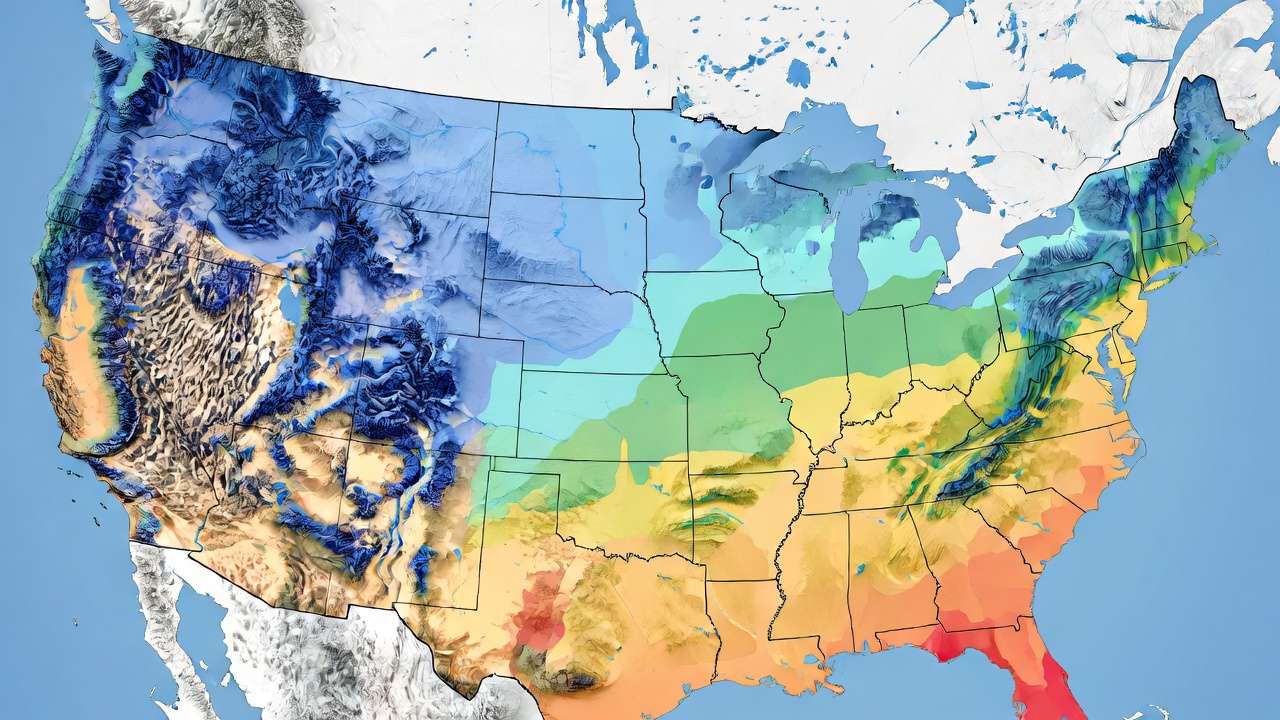
How to Find Your Exact Hardiness Zone & Chill Hours 🔍
- Visit the official USDA site: planthardiness.ars.usda.gov — enter your zip code for your precise zone (includes half-zones like 6a/6b).
- For chill hours: Use tools like the Midwestern Regional Climate Center’s Vegetation Impact Program map (mrcc.purdue.edu/VIP) or local extension services. Apps and weather stations track accumulation too.
- Contact your county cooperative extension—they offer free, hyper-local advice.
Quick reference table:
| Zone | Avg Min Temp (°F) | Example Regions | Typical Chill Hours | Fruit Tree Outlook |
|---|---|---|---|---|
| 3–4 | -40 to -20 | Northern MN, ND, ME | 1,200+ | Super hardy only |
| 5–6 | -20 to 0 | Midwest, Northeast | 800–1,200 | Classic temperate |
| 7–8 | 0 to 20 | Mid-Atlantic, PNW | 400–1,000 | Versatile choices |
| 9–10 | 20 to 40 | South, CA, FL | 100–600 | Low-chill stars |
| 11+ | Above 40 | S. FL, HI | <100 | Tropical focus |
Pro tip: Print your zone map and note your estimated chill hours—it’s your planting bible! 📍
Top Fruit Tree Categories & General Zone Suitability Overview 🍑🍐
Here’s a handy chart of major fruits and their sweet-spot zones (based on extension service data and nursery performance):
| Fruit | Typical Zones | Chill Hours Needed | Key Notes |
|---|---|---|---|
| Apple | 3–9 | 400–1,000+ | Most adaptable; disease-resistant picks best |
| Pear | 4–9 | 400–900 | Fire blight common in humid areas |
| Peach | 5–9 | 300–1,000 | Frost-sensitive blooms; low-chill for South |
| Plum | 4–9 | 400–900 | European (high chill) vs. Japanese (flexible) |
| Cherry | 4–8 | 600–1,000+ | Tart easier than sweet in cold zones |
| Fig | 7–10 | 100–300 | Very adaptable; dieback in cold but regrows |
| Citrus | 8b–11 | <100 | Protect from freezes; Meyer lemon hardiest |
Adaptable superstars: Figs (wide tolerance), hardy apples like Honeycrisp (cold), low-chill Anna apple (warm). 🌟
Zones 3–4: Super Cold-Hardy Heroes ❄️🔥
Northern gardeners, rejoice—these zones demand extreme survivors!
Top picks:
- Apples 🍏: Honeycrisp (crisp, stores well), Haralson (tart, great for pies), Goodland (reliable in cold).
- Pears: Ure (small, sweet), Golden Spice (hardy, flavorful).
- Plums: Toka (hybrid, juicy), Pipestone (large fruit).
- Cherries: Evans (sour, compact), Meteor (tart, productive).
Tips: Use windbreaks, heavy mulch roots, choose dwarf rootstocks for easier care. Expect smaller yields but delicious, hardy fruit! ❄️
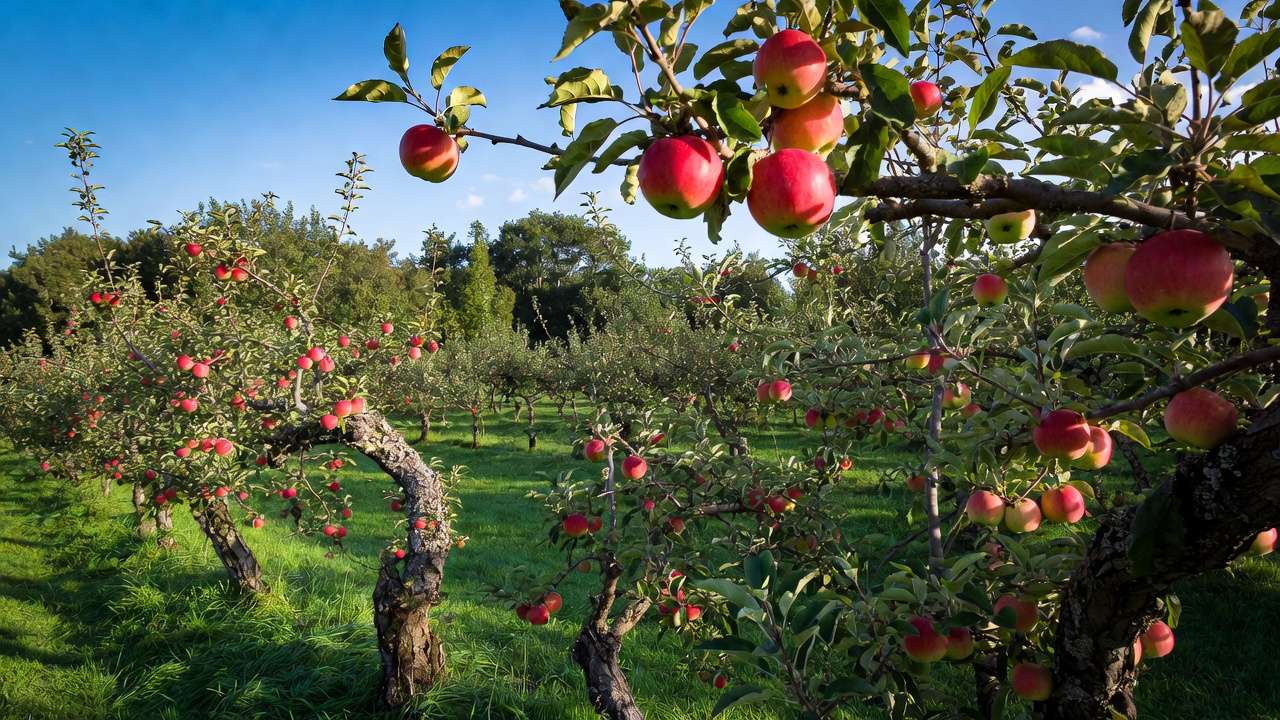
Zones 5–6: Classic Temperate Winners 🌸
Balanced cold + decent seasons = orchard heaven.
Top recommendations:
- Apples: Liberty (disease-resistant, juicy), Enterprise (scab-free, long storage).
- Peaches: Reliance (cold-hardy blooms), Contender (freestone, flavorful).
- Pears: Bartlett (classic), Moonglow (fire blight resistant).
- Cherries: Montmorency (tart pie cherry, self-fertile).
- Bonus: Apricots like Moorpark or Harcot in sheltered spots.
Expert note: Prioritize disease resistance—fire blight and apple scab thrive here. Prune annually for airflow! 🍐
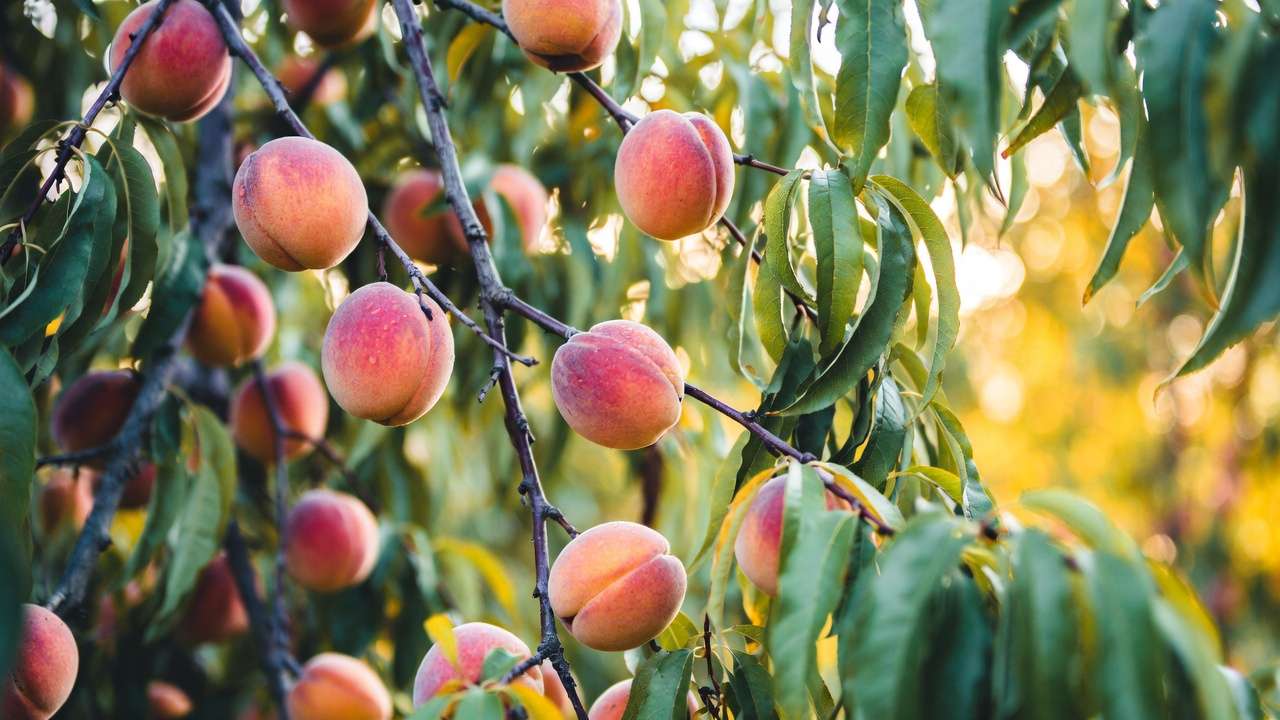
Zones 7–8: Versatile Mid-Range Champions 🌞🍑
These zones offer the perfect balance: enough winter chill for most classic fruits, warm summers for ripening, and longer growing seasons. However, humidity in the East can bring fungal issues like fire blight and peach leaf curl, while the West Coast enjoys drier conditions.
Top recommendations (backed by university extension services like NC State, Oregon State, and recent nursery trends):
- Peaches 🍑: Redhaven (early, freestone, reliable), Elberta (classic large fruit), Contender (cold-hardy blooms, good flavor). These need 750–900 chill hours—perfect match here.
- Plums 🍑: Santa Rosa (Japanese, self-fertile, juicy), Methley (low-chill adaptable, early ripening).
- Apples 🍏: Gala (sweet, crisp), Fuji (stores well, sweet-tart).
- Figs 🌿: Brown Turkey (productive, hardy), Celeste (sweet, small fruit—excellent for humid areas).
- Pears 🍐: Kieffer (fire blight resistant, canning favorite), Orient (disease-tolerant, large fruit).
- Bonus: Asian pears like Shinseiki (crisp, apple-like texture) thrive with good drainage.
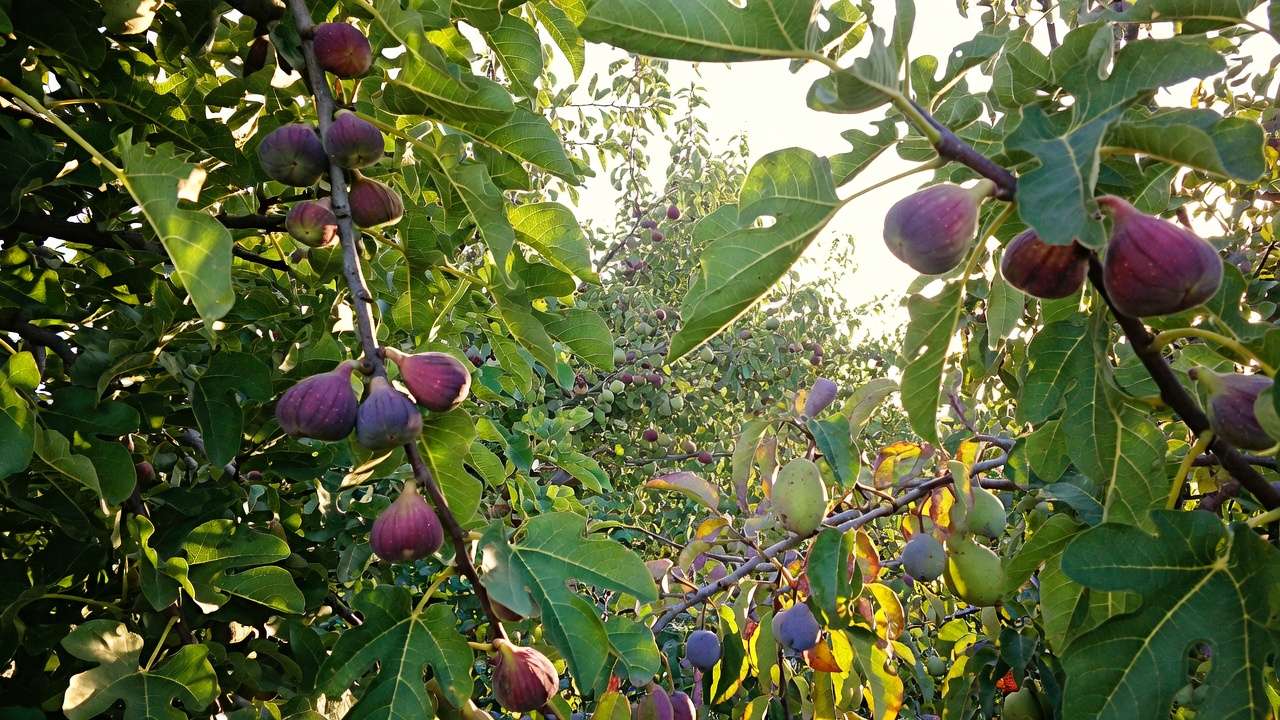
Expert insight: Fire blight management is crucial—choose resistant varieties, prune in dry weather, and avoid high-nitrogen fertilizers that promote tender growth. Plant on well-drained slopes to avoid frost pockets. With proper care, expect heavy crops starting year 3–5! 🌸
Zones 9–10: Low-Chill & Subtropical Stars 🏖️🍊
Warm winters mean low chill hours (often 100–600), so forget high-chill classics like standard peaches or apples. Focus on specially bred low-chill varieties, citrus, and heat-loving fruits.
Top picks:
- Citrus 🍋: Meyer Lemon (cold-hardy to 20°F, sweet-tart), Satsuma Mandarin (seedless, easy peel, very cold-tolerant for citrus), Valencia Orange (juicy, great for juice).
- Low-chill Apples 🍏: Anna (crisp, sweet, 200–300 chill), Dorsett Golden (similar to Golden Delicious, productive in mild winters).
- Plums 🍑: Methley (very low chill, self-fertile), Santa Rosa (adaptable).
- Figs 🌿: Brown Turkey, Celeste, and LSU Purple (heat/humidity tolerant).
- Persimmons 🍅: Fuyu (non-astringent, crisp when firm—eat like an apple).
- Bonus: Pomegranates (Wonderful variety), and in protected spots, try avocados or loquats.
Pro tip: In Zone 10 (e.g., southern Florida), add true subtropicals like mango or banana if frost-free. Protect young trees from rare freezes with covers. These zones reward heat-tolerant, low-maintenance trees—figs and citrus often fruit in year 2! 🍊
Zone 11 & Tropical Edges 🌴🥭
Mostly southern Florida, Hawaii, and extreme south Texas—minimal chill (<100 hours), hot and humid year-round.
Focus: Tropical fruits
- Mango (Tommy Atkins, Kent—popular, productive)
- Papaya (fast-growing, continuous fruit)
- Banana (dwarf Cavendish for small spaces)
- True citrus like Key Lime or Calamondin
- Avocado (Hass, cold-sensitive but thrives here)
These need protection from any cool snaps but deliver abundant, exotic harvests. 🌺
Chill Hours Deep Dive: The Secret to Reliable Fruiting ⏰
Chill hours accumulate when temperatures stay between 32°F–45°F (some models use 45°F max). Most temperate fruits require specific amounts to break dormancy evenly—too few, and you get delayed, erratic, or no blooming.
Regional averages (from MRCC VIP maps, AgroClimate tools, and extension data):
- Northern states (Zones 3–5): 1,000–2,000+ hours
- Midwest/Mid-Atlantic (Zones 6–7): 800–1,200
- Southeast/Southwest (Zones 8–9): 300–800
- Deep South/California coast (Zones 9–10): 100–500
Popular varieties table by chill needs:
| Chill Range | Apples | Peaches | Pears | Others |
|---|---|---|---|---|
| <300 | Anna, Dorsett Golden | Flordaprince, TropicSnow | Flordahome | Figs, Citrus |
| 300–600 | Gala, Fuji (some) | Redhaven, O’Henry | Bartlett | Methley Plum |
| 600–900 | Honeycrisp, Liberty | Contender, Elberta | Moonglow, Kieffer | Montmorency Cherry |
| 900+ | Haralson, Enterprise | Reliance (marginal) | Ure | Tart Cherries |
Use local tools: AgroClimate for Southeast, MRCC national map for precise tracking. Monitor your own yard—apps and weather stations help predict accumulation. This prevents the classic “beautiful tree, zero fruit” disappointment! 📊
Beyond Zones: Essential Factors for Success 🌱
Zones and chill are foundational, but these seal the deal:
- Soil prep — Loamy, well-drained, pH 6.0–7.0. Amend clay with compost; test every 2–3 years.
- Sunlight — Minimum 6–8 full hours daily; more for peaches/citrus.
- Pollination — Many need cross-pollinators (e.g., apples often require two varieties). Self-fertile stars: Figs, most peaches (Redhaven), Meyer lemon.
- Rootstocks — Dwarf (8–12 ft) for patios, semi-dwarf (12–18 ft) for yards—control size and speed fruiting.
- Disease/pest resistance — Prioritize scab/fire blight-resistant apples (Liberty, Enterprise), bacterial spot-resistant peaches.
Common Mistakes When Choosing Zone-Specific Fruit Trees (And How to Avoid Them) 🚫
- Trendy variety obsession — Skipping zone/chill match for Instagram-famous types. Solution: Always verify USDA zone + chill first.
- Ignoring microclimates — Planting in frost pockets or windy spots. Solution: Observe cold air flow; use south-facing walls for warmth.
- Pollination oversight — Solo trees of needing partners. Solution: Check labels; plant compatible varieties 50–100 ft apart.
- Poor site prep — Wet soil or wrong pH. Solution: Test soil, raise beds if needed.
Avoid these, and your success rate skyrockets! 😊
Planting, Care & Maintenance Tips for Long-Term Success 🛠️
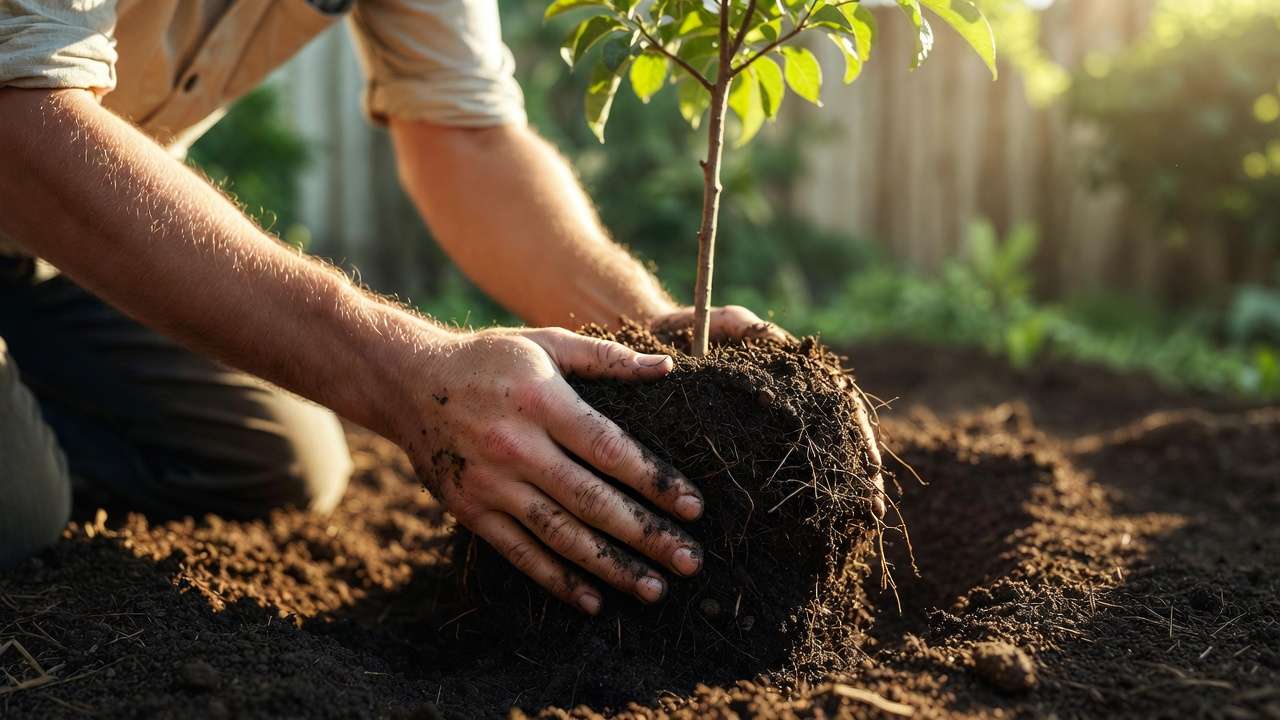
- Best planting time — Dormant season (late fall–early spring) by zone; avoid summer heat.
- Watering — Deep, infrequent (1–2 inches/week first year); mulch to retain moisture.
- Fertilizing — Balanced slow-release in spring; avoid excess nitrogen post-bloom.
- Pruning — Open-center for peaches/plums, central leader for apples/pears—prune late winter.
- Pest/disease — Organic options: Neem oil, beneficial insects, copper sprays for fungal issues.
- Year 1–3 expectations — Focus on root growth; light fruit year 3+, full production 5–7 years.
Reader Success Stories & Expert Insights 🌟
“In Zone 7b, switching to fire blight-resistant Kieffer pears saved my orchard—now we harvest buckets yearly!” — Extension-trained gardener.
“Zone 9a low-chill Anna apples changed everything—no more empty trees!” — Southern homeowner.
Experts from NC State and Oregon Extension emphasize: Start small (2–3 trees), choose disease-resistant, and observe your site for 1–2 seasons before big plantings.
Frequently Asked Questions (FAQ) ❓
Can I grow peaches in Zone 5? Yes—with hardy varieties like Reliance (800+ chill, survives -25°F). Protect blooms from late frosts.
What’s the easiest fruit tree for beginners? Figs (Brown Turkey)—forgiving, self-fertile, wide zone range, minimal pests.
Do I need two apple trees for pollination? Most yes—plant compatible varieties blooming same time. Some like Golden Delicious are partially self-fertile.
How do I protect citrus in Zone 8? Use frost cloth, plant near south wall, or grow in pots to move indoors during freezes.
Best low-maintenance fruit tree? Figs or persimmons—tough, productive, few issues.
Why no fruit on my tree? Common culprits: Insufficient chill, poor pollination, over-fertilizing, or young age. Diagnose with local extension.
Conclusion & Next Steps 🎉
Mastering zone-specific fruit tree recommendations means matching your USDA hardiness zone, chill hours, and site conditions to proven varieties. This prevents failures and unlocks juicy, homegrown harvests for years.
Your backyard orchard awaits—start by finding your exact zone today at planthardiness.ars.usda.gov! Comment below: What’s your zone, and which fruit tree are you excited to try? Subscribe for more expert plant care guides, seasonal tips, and updates. Happy planting—may your trees thrive and your baskets overflow! 🍒🌳











