
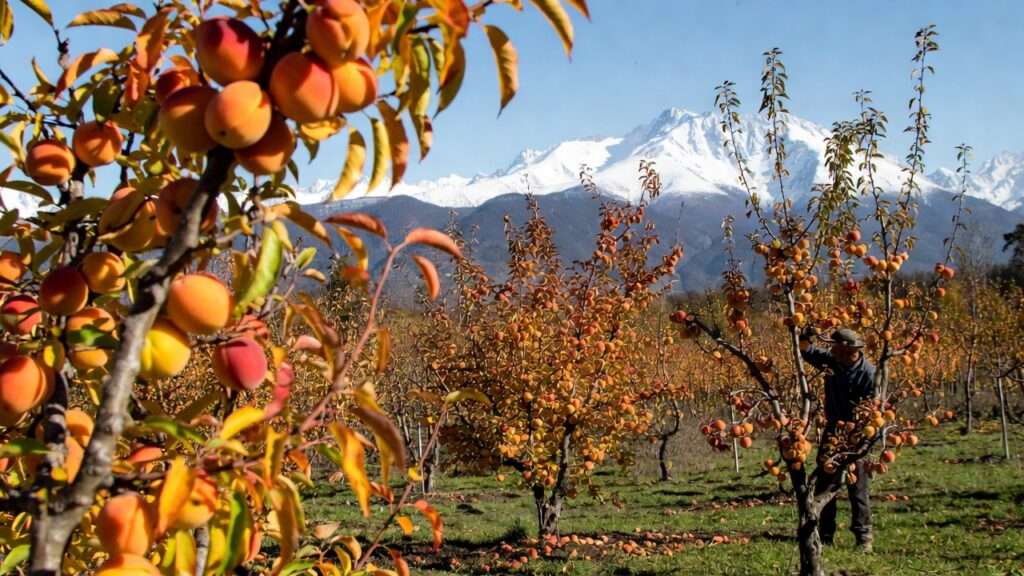
Imagine stepping into your backyard in early August and picking warm, juicy apricots or peaches straight from the tree — even when winter temperatures plummet to -30°F (-34°C) and spring frosts linger into May! 🍑🌸 For gardeners in USDA Zones 4–6 (and sometimes colder pockets of Zone 3), cold-hardy apricot and peach trees turn what seems like an impossible dream into a rewarding reality.
Many northern growers assume stone fruits like apricots and peaches are strictly for warmer southern climates. Brutal winters kill buds, late spring frosts wipe out blossoms, and fluctuating thaw-freeze cycles damage wood. Yet, thanks to dedicated breeding programs from the University of Minnesota, Agriculture Canada, and other institutions, reliable varieties now exist that survive harsh conditions while delivering delicious fruit. This in-depth guide, backed by university extension research, breeder data, and real-world northern grower experiences, shows you exactly how to succeed with cold-hardy apricot and peach trees in challenging northern climates. We’ll cover the top varieties, smart site selection, expert care strategies, and troubleshooting tips to help you harvest homegrown stone fruits year after year. Let’s make your northern orchard thrive! 🍑❄️
Why Growing Stone Fruits in Cold Climates Is Challenging (And How to Overcome It) ⚠️
Stone fruits (Prunus species) face unique hurdles in northern regions:
- Winter hardiness vs. flower bud sensitivity ❄️: Tree wood may survive -30°F, but fruit buds often die at -15°F to -20°F. Mid-winter thaw-freeze cycles are especially deadly, causing buds to lose dormancy and then freeze.
- Late spring frosts 🌡️: Apricots and peaches bloom early (often before apples), so a freeze after warm spells kills flowers. This is the #1 reason for crop failure in Zones 4–5.
- USDA zones reality check 🌍: True Zone 4 success requires varieties rated to at least -30°F wood hardiness, plus late-blooming traits. Microclimates (south-facing slopes, heat-retaining walls) can add 1–2 effective zones of protection.
- Common myths debunked: “Peaches can’t grow north of Zone 6” — false with varieties like Reliance! “Apricots always fail in cold areas” — not with Westcot or Har-series selections.
Overcoming these starts with choosing proven varieties, planting strategically, and using protective techniques — the focus of this guide.
Top Cold-Hardy Apricot Varieties for Northern Growers 🌸
Apricots demand excellent drainage and late bloom to dodge frosts. Here are the standouts for Zones 4–5:
Best Zone 4–5 Apricot Recommendations
- Westcot — Often called the #1 choice for extreme cold; bred in Manitoba, survives -40°F+ wood hardiness. Reliable crops in Zone 4; medium-large golden fruit with sweet-tangy flavor. Great for canning and fresh eating. Pollinators: Scout, Moongold, Sungold. ❄️
- Scout — Another Manitoba classic; very good hardiness, early August harvest. Excellent for preserves and drying; needs a pollinator like Westcot or Harcot.
- Harcot, Harglow, Harlayne, Harogem (HAR series) — Canadian-bred for late bloom (escapes many frosts); Zones 4–7 viability in good sites. Sweet, juicy freestone fruit; disease-resistant. Harcot is especially flavorful for fresh use. ✨
- Moongold & Sungold (University of Minnesota) — Proven northern performers; pair them for cross-pollination. Moongold: medium sweet fruit, late July. Sungold: yellow with red blush, mild flavor. Both hardy to Zone 4.
- Goldcot — Vigorous, cold-hardy classic; good yields in northern Michigan/Wisconsin trials.
- Others to try: Brookcot, Debbie’s Gold, Hardy Iowa, Precious, Manchurian types (ultra-hardy but smaller fruit).
Key Traits Comparison Table 📊
(Example traits based on extension data — actual performance varies by site)
| Variety | Hardiness Zone | Bloom Time | Harvest | Fruit Size/Flavor | Pollination | Notes |
|---|---|---|---|---|---|---|
| Westcot | 3–4 | Early–Mid | Early Aug | Medium-large, sweet-tangy | Needs pollinator | Top extreme cold pick ❄️ |
| Scout | 4 | Mid | Early Aug | Medium, good for preserves | Scout, Westcot | Reliable survivor |
| Harcot | 4–7 | Late | Mid–Late July | Sweet, juicy freestone | Self-fertile better | Late bloom = frost escape 🌸 |
| Moongold | 4 | Mid–Late | Late July | Medium, sweet | Sungold | UMN classic |
| Sungold | 4 | Mid–Late | Late July | Small-medium, mild | Moongold | Red-blushed beauty |
These varieties prioritize bud hardiness and delayed flowering for northern success.
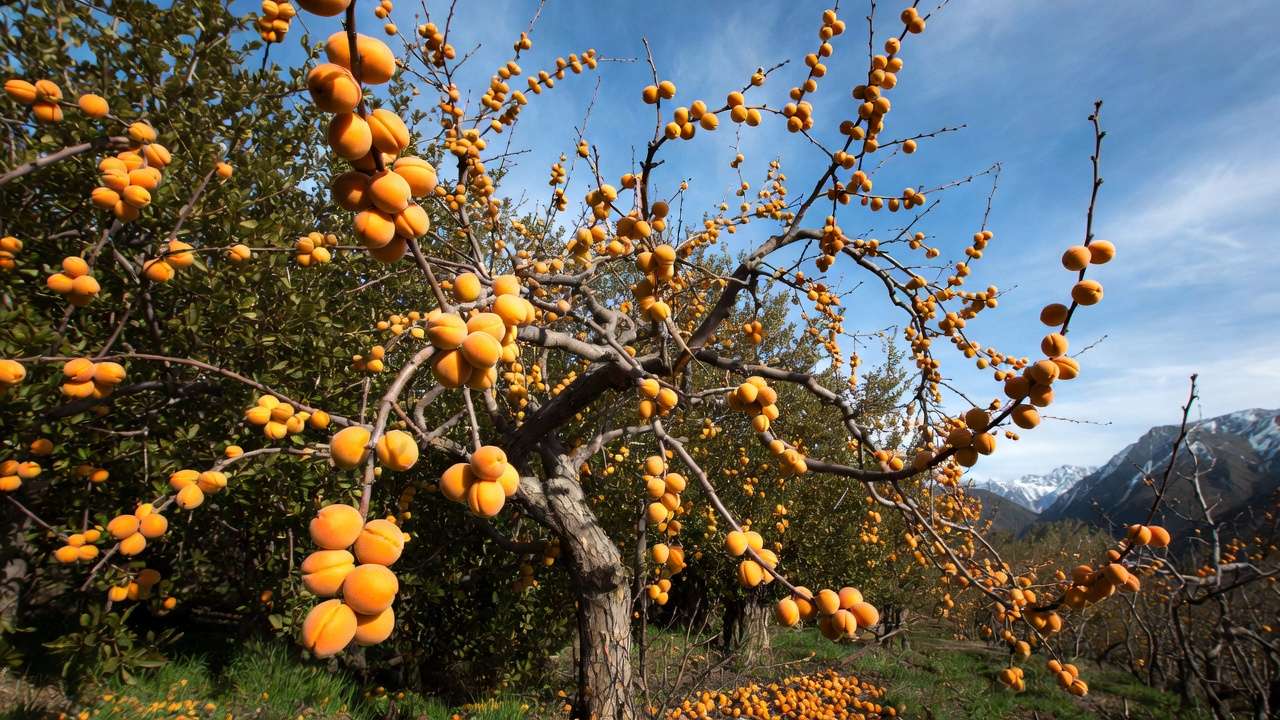
(Image: A mature Westcot apricot tree loaded with golden fruit in a northern garden setting)
Top Cold-Hardy Peach Varieties That Thrive in the North 🍑
Peaches are trickier than apricots due to even earlier bloom, but these standouts deliver in cold zones:
Reliable Zone 4–5 Peach Picks
- Reliance — The gold standard for cold hardiness; bred to survive -25°F flower buds. Dependable crops in Zone 4; medium-large freestone fruit with sweet, juicy yellow flesh. Often the first choice for northern beginners. ❄️
- Contender — Better flavor than Reliance; large, firm, sweet peaches with red blush. Late-blooming for frost escape; excellent in Zone 4–5 with protection. High yields and disease resistance.
- Madison — Strong late-frost resistance; sweet yellow freestone fruit. Reliable in harsh winters.
- Intrepid — Firm texture perfect for fresh eating, canning, or pies; late bloom helps.
- Others worth trying: Veteran (early, hardy), Frost, Blushingstar (white flesh), Siberian C strains (ultra-tough).
Peach vs. Apricot Hardiness Quick Comparison
Peaches generally need more site protection but reward with larger, juicier fruit. Reliance edges out most apricots for sheer reliability in Zone 4 extremes.
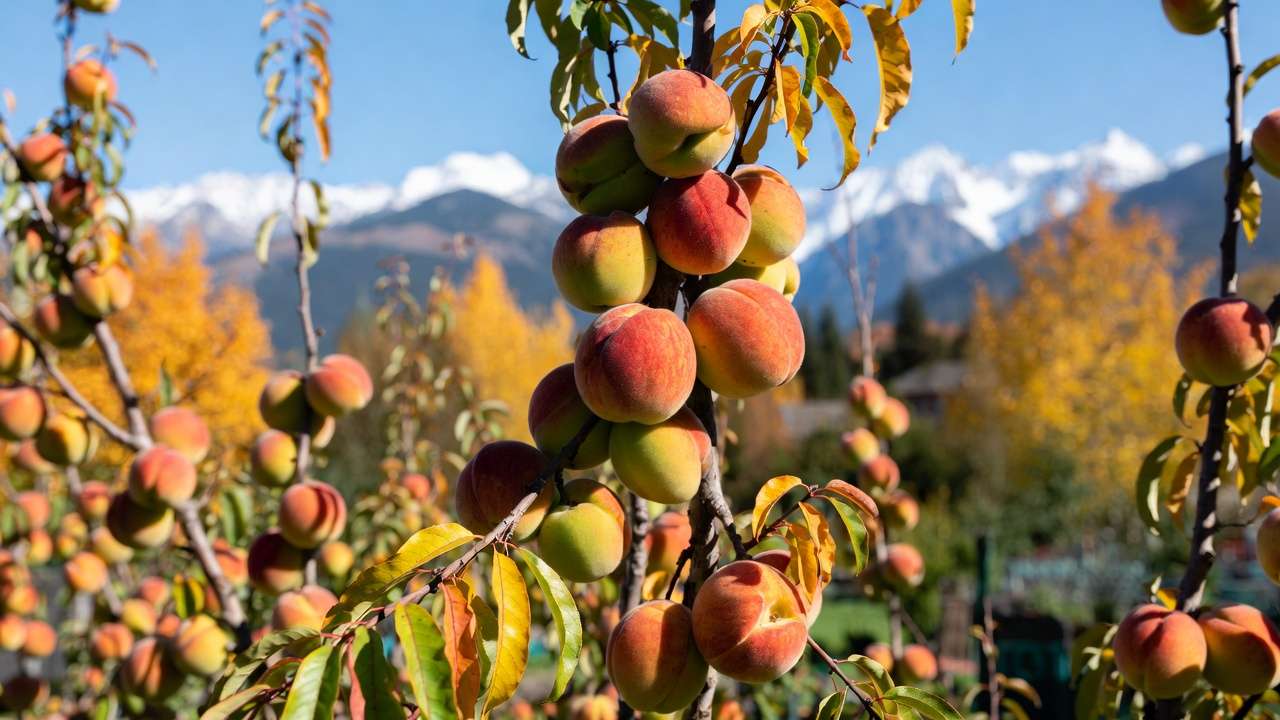
(Image: Ripe Reliance peaches hanging on a branch, showing their classic red-blushed golden skin in a cold-climate orchard)
Site Selection and Planting Secrets for Success in Cold Climates 🏡
Success starts before planting:
- Perfect microclimate 🌞: South- or southwest-facing slopes for warmth and air drainage (cold air sinks away). Use buildings, fences, or evergreen windbreaks as heat sinks.
- Soil requirements: Well-drained sandy loam, pH 6.5–7.5. Test drainage — no standing water! Amend heavy clay with compost/sand.
- Planting step-by-step: Early spring after frost danger; dig wide hole, plant at same depth as nursery, water deeply. Use Lovell rootstock for peaches (good drainage/cold tolerance).
- Spacing and pollination 🐝: 15–20 ft apart; most apricots need cross-pollinators (plant pairs); many peaches are self-fertile.
Essential Care Tips for Cold-Hardy Apricot and Peach Trees 🌿
Once your trees are planted, consistent, thoughtful care is what turns survival into abundant harvests. Northern stone fruits reward proactive gardeners who focus on building strong structure, maintaining health, and protecting against the elements. Here’s the expert-level routine backed by University of Minnesota Extension, Penn State Extension, and northern grower reports. 🍑
Pruning for Health and Productivity ✂️
Pruning is non-negotiable for peaches and apricots — they bear fruit primarily on one-year-old wood, so annual cuts encourage vigorous new growth while keeping the canopy open for air circulation and light penetration (reducing disease).
- Open-center (vase) shape for peaches — Ideal for maximum sun exposure and frost air drainage. At planting, select 3–4 strong scaffold branches spaced evenly around the trunk, 18–24 inches from the ground. Remove the central leader. Each year in late winter (February–March, after extreme cold passes but before buds swell), prune to:
- Thin out crowded branches
- Remove water sprouts (vigorous upright shoots)
- Cut back laterals to 12–18 inches to promote fruiting spurs
- Aim for 10–18 inches of new growth annually
- Modified central leader for apricots — Slightly taller shape suits their more upright habit. Keep a central trunk with 3–5 main scaffolds. Prune similarly in late winter, focusing on opening the center and removing crossing/diseased wood.
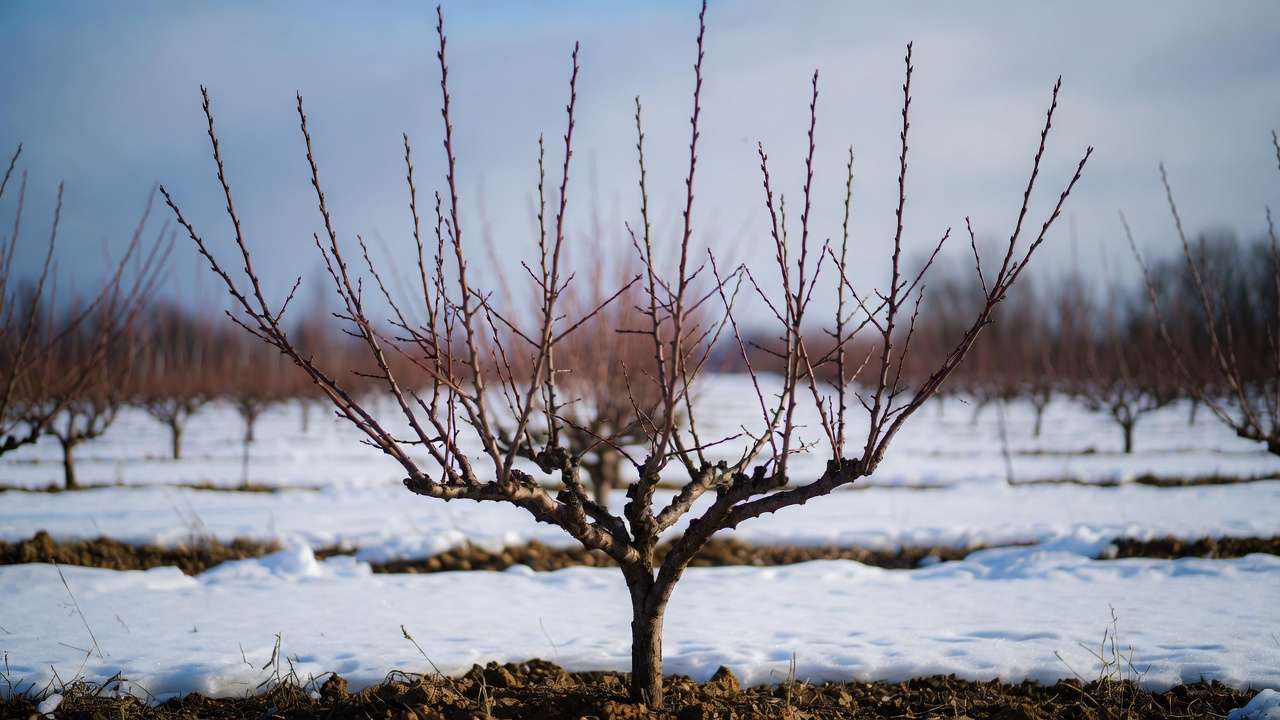
Pro tip: Always use sharp, clean tools to avoid spreading disease. Never prune in fall — it stimulates tender growth vulnerable to winter kill. Northern growers often remove 40–50% of last year’s growth on peaches for best fruit size and quality. 🪵
Watering, Fertilizing, and Mulching 💦
- Watering — Deep and infrequent is key. Young trees need 1–2 inches per week during establishment (first 2–3 years); mature trees thrive on about 30 inches total over the growing season. Water deeply (18–24 inches) every 7–14 days in dry spells, especially June–August. Avoid overhead watering to prevent fungal issues. Drip irrigation or soaker hoses work best in northern clay soils.
- Fertilizing — Test soil first (aim pH 6.5–7.5). Avoid heavy nitrogen late in the season — it promotes soft growth that freezes easily.
- Year 1: Minimal — focus on root establishment.
- Years 2+: Apply balanced 10-10-10 or compost in early spring (before bloom) around the drip line (not against trunk). About ½–1 lb actual nitrogen per tree annually for mature ones.
- Organic option: Well-rotted manure or compost in fall for slow-release nutrients.
- Mulching — Apply 3–4 inches of organic mulch (wood chips, straw) in a 3–4 ft ring around the base (keep 4–6 inches from trunk to prevent rot). Mulch conserves moisture, suppresses weeds, moderates soil temperature, and protects roots from winter heaving. Refresh annually. ❄️
Winter Protection Strategies ❄️
Northern winters demand extra TLC:
- Trunk protection — Wrap young trunks with tree guards or hardware cloth to prevent sunscald (southwest bark cracking from winter sun/thaw cycles) and rodent damage.
- Anti-desiccant sprays — Apply in late fall to reduce winter drying on buds/wood.
- Snow fencing or burlap — Shield from drying winds in exposed sites.
- Delay bloom tricks — Use white reflective mulches or temporary shade cloth in early spring to slow warming and push bloom later, escaping late frosts. Some growers spray trees with water during frost events for ice protection (sprinkler irrigation method).
These steps can save 20–50% more buds in marginal years!
Pest and Disease Management in Northern Conditions 🛡️
Cold climates reduce some southern pressures (e.g., less peach borers), but others persist:
- Brown rot — Fungal disease thrives in wet springs; prevent with good air flow, sanitation (remove mummies), and organic copper sprays at pink bud stage.
- Bacterial canker — Common killer; prune during dry weather, avoid wounds in fall, plant resistant varieties.
- Peach leaf curl — Spray dormant oil + lime sulfur in late winter.
- Insects — Aphids, plum curculio — monitor and use neem or insecticidal soap; beneficial insects help in balanced orchards.
Choose resistant varieties (e.g., Har-series apricots, Reliance peaches) and practice IPM for minimal intervention. Northern dryness often means fewer fungicide sprays than warmer zones.
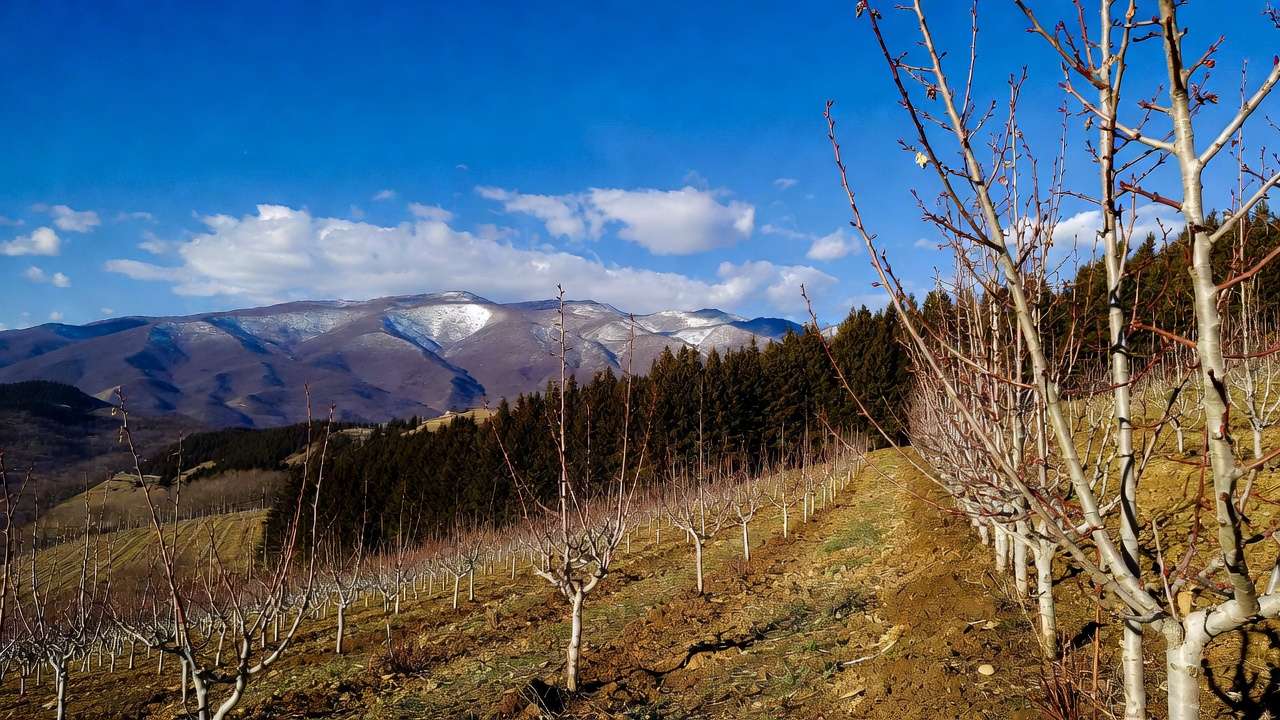
(Image: Close-up of properly pruned open-center peach tree in late winter, showing strong scaffold branches and open canopy for northern air drainage)
Harvesting, Storing, and Enjoying Your Northern Stone Fruits 🍑🥭
Patience pays off — expect first light crops in 2–4 years, full production by 5–7 years. Northern yields are realistic: 1–3 bushels per mature tree.
- Ripening indicators — Pick when fruit softens slightly, background color changes (green to golden), and it separates easily with a gentle twist. Peaches develop full red blush; apricots turn deep orange.
- Best picking times — Morning for firmness; handle gently to avoid bruising.
- Storing — Eat fresh within days or preserve:
- Canning: Classic peach halves or apricot jam
- Freezing: Slice and pack in syrup
- Drying: Sun-dry or dehydrator for chewy snacks
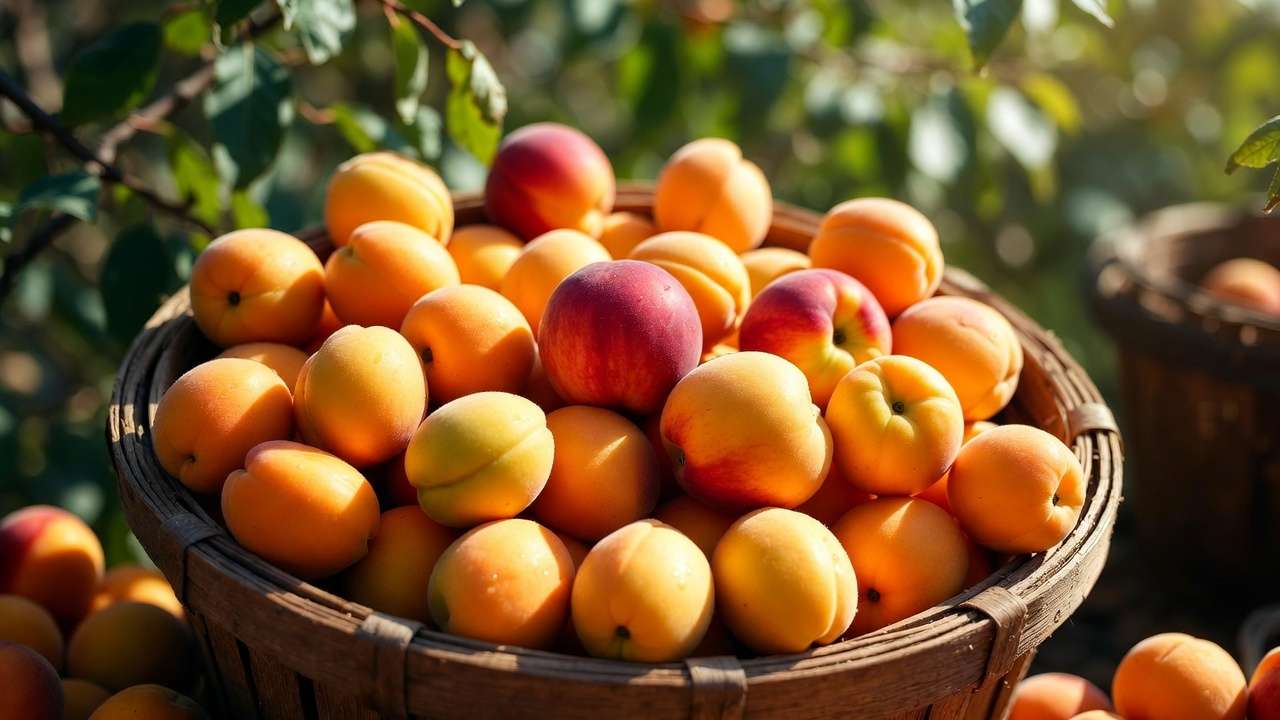
Try northern favorites: Reliance peach cobbler or Westcot apricot chutney — the flavor from homegrown beats store-bought every time! 🍯
Expert Insights and Real Grower Success Stories 📖
University extensions (UMN, PSU, NDSU) emphasize site + variety + protection as the trifecta. Breeders note ongoing work for even hardier types (e.g., improved Har-series descendants).
Real stories: Minnesota growers report bumper Reliance crops after -25°F winters with good microclimates. Canadian prairie farmers praise Westcot for surviving -40°F and still fruiting reliably. One Wisconsin grower shared: “After losing standard peaches three years running, switching to Contender + frost-delay mulches gave me my first 50+ lbs harvest!” These prove northern stone fruit success is achievable with the right approach.
Frequently Asked Questions (FAQs) ❓
- Can I really grow peaches in Zone 4? Yes — Reliance, Contender, and Intrepid routinely produce in Zone 4 with protection. Expect variable crops due to frost, but many get reliable fruit.
- How do I protect blossoms from late frosts? Plant on slopes, use windbreaks, delay bloom with reflective mulches, or use overhead sprinklers during freezes (ice insulates buds).
- Are these trees self-pollinating? Most peaches (Reliance, Contender) are self-fertile. Apricots like Westcot and Scout need cross-pollinators (plant pairs 50–100 ft apart).
- What’s the difference between freestone and clingstone? Freestone pits separate easily (great for fresh eating); clingstone sticks (better for canning). Many hardy northern types are freestone.
- How long until first fruit? 2–3 years for light crop on 1–2 year nursery stock; full production 5–7 years.
Final Thoughts: Start Your Cold-Hardy Orchard Today! 🚀
With proven cold-hardy apricot and peach trees like Westcot, Reliance, Harcot, and Contender — plus strategic planting, pruning, and winter care — northern gardeners can defy the odds and enjoy fresh, juicy homegrown stone fruits. Start small (even one or two trees in a sunny microclimate), observe your site each season, and adjust. Your yard can become a northern fruit oasis! Share your progress or questions in the comments — fellow cold-climate growers love swapping tips. Happy planting! 🍑🌳❄️











