
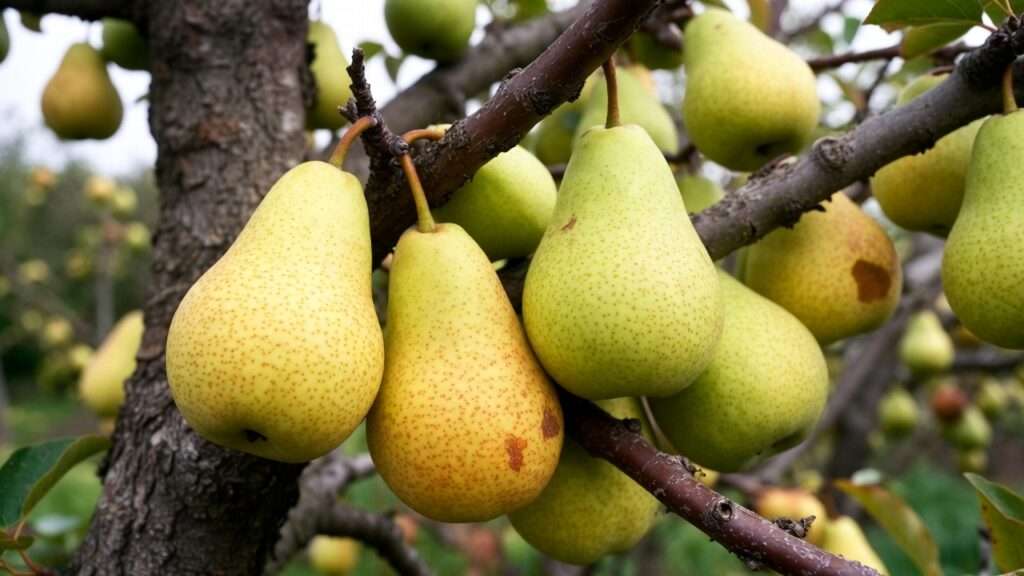
Have you ever planted a beautiful pear tree, only to watch it succumb to the dreaded blackening of branches and leaves that signals fire blight? 😩 It’s heartbreaking — especially when you’re dreaming of juicy, homegrown pears straight from your backyard. Many classic varieties like Bartlett or Bosc are unfortunately highly susceptible to this bacterial disease, particularly in humid or wet climates where fire blight thrives. The good news? Modern breeding programs from places like the USDA, Ontario’s Harrow Research Station, and others have developed outstanding pear varieties with high disease resistance that deliver delicious fruit with far less fuss and spraying. These low-maintenance options make pear growing realistic and rewarding for home gardeners, even in challenging conditions.
In this comprehensive guide, we’ll explore the best fire blight-resistant pears (the primary disease concern for pears), along with tips on other common issues, how to choose the right ones for your yard, and practical care strategies to keep your orchard thriving with minimal effort. Whether you’re a beginner starting your first trees or an experienced grower tired of constant battles, these selections can help you enjoy reliable harvests of sweet, flavorful pears while cutting down on chemicals and heartache. Let’s dive in! 🍏✨
Understanding Disease Challenges in Pear Trees
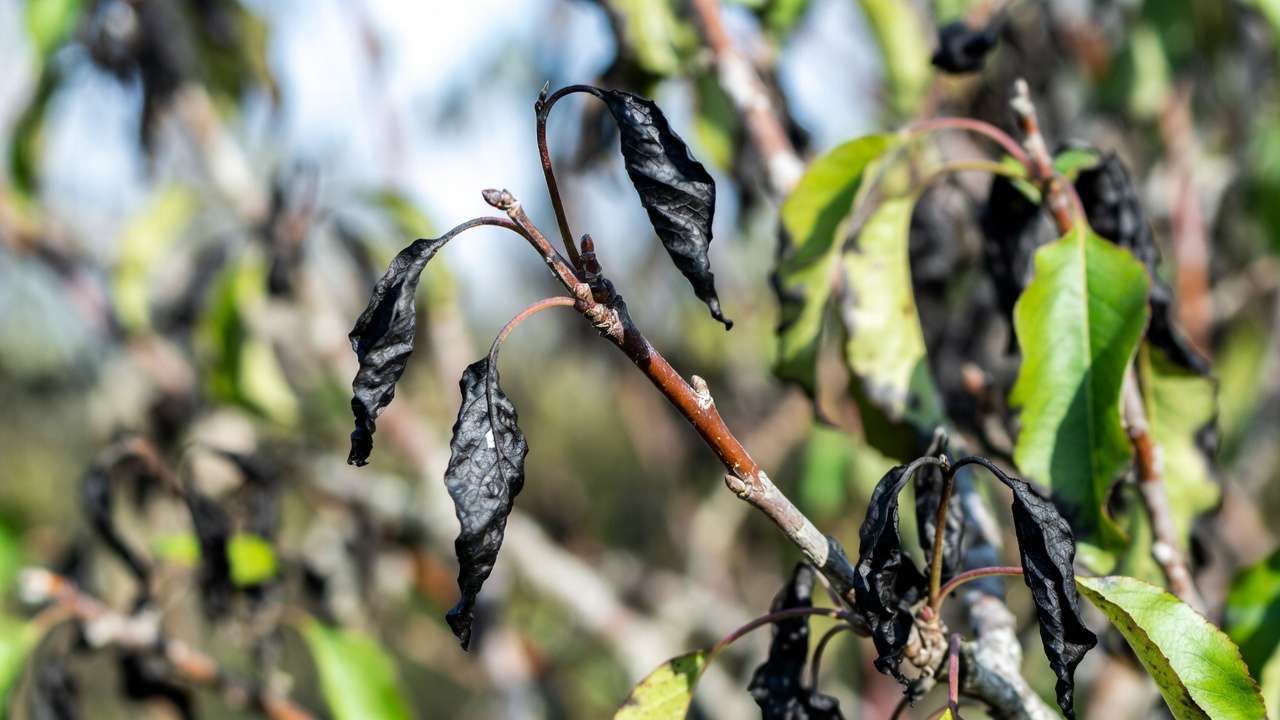
Fire blight, caused by the bacterium Erwinia amylovora, remains the number-one threat to pear trees worldwide. It spreads rapidly in warm, humid weather during bloom, entering through flowers and wounds, then traveling down branches to create the signature “shepherd’s crook” blackened tips. In severe cases, entire trees can die. 🌡️🔥 Traditional European pears often suffer the most in regions with spring rains or high humidity, but luckily, breeding has focused on incorporating resistance genes from sources like Seckel or Asian pear heritage.
Other common pear issues include:
- Pear scab — Fungal spots on leaves and fruit, though pears are generally less prone than apples.
- Codling moth and pear psylla — Insects that damage fruit; organic controls like traps and beneficial insects help.
- Sooty blotch and flyspeck — Cosmetic surface issues in humid areas, manageable with good airflow.
Choosing high disease resistance means you can skip heavy fungicide or bactericide routines, making your home orchard truly low-maintenance, eco-friendly, and pollinator-safe. 🐝🌿
What Makes a Pear Variety “High Disease Resistance”?
No pear is completely immune to fire blight — resistance levels range from “highly resistant” (rarely shows symptoms even under pressure) to “moderately resistant” (survives with minimal damage). Top performers come from intentional breeding:
- Harrow series (Ontario, Canada) — Excellent resistance with great flavor.
- USDA releases (Beltsville, MD) — Like Magness and Blake’s Pride, often nearly immune to shoot infections.
- Hybrids — Such as Kieffer, blending European and Asian traits for toughness.
Success also depends on rootstock (e.g., OHxF series for added blight tolerance and dwarfing), site (good drainage, airflow), and management. Always buy certified disease-free trees from reputable nurseries to start strong. ✅
Top Pear Varieties with High Disease Resistance
Here are some of the standout pear varieties with high disease resistance, selected for proven performance in trials, extension recommendations, and real gardener feedback. I’ve grouped them by type, with details on ripening, flavor, zones, and why they shine for low-maintenance growing.
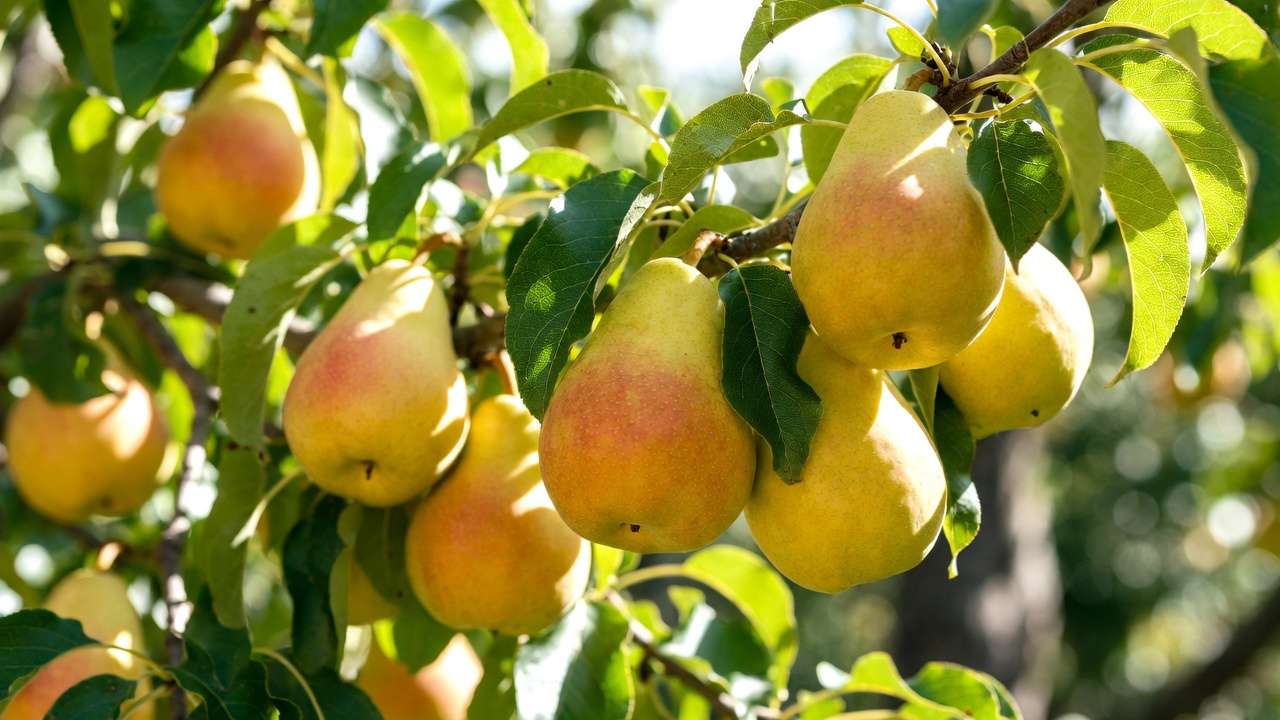
European-Style Pears (Classic Butter & Juice) 🍐
These offer the soft, melting texture many love.
- Blake’s Pride — Highly resistant (USDA release). Sweet, aromatic like Comice, juicy with minimal grit. Ripens mid-late season (~2 weeks after Bartlett). Stores well 3–4 months. Great for fresh eating; productive and reliable. Zones 5–8.
- Harrow Sweet — Very high resistance (Harrow program standout). Yellow with red blush, sweet and juicy, excellent flavor. Ripens mid-September. Cold-hardy and productive; a top pick for humid areas. Zones 5–9.
- Potomac — Highly resistant. Anjou-like shape and mild flavor, buttery and juicy. Ripens late season. Stores 2 months without breakdown. Very productive. Zones 5–8.
- Magness — Almost immune in many tests (USDA classic). Rich, Comice-quality flavor with smooth texture. Ripens early-mid September. Pollen-sterile, so pair with another. Zones 5–8.
- Moonglow — Highly resistant (USDA). Mild, subacid taste; good fresh or canned. Ripens early (before Bartlett). Reliable in tough conditions. Zones 5–9.
Hybrid Pears (Best of Both Worlds) 🌍
Tough, productive crosses ideal for challenging climates.
- Kieffer — Extremely tough and resistant (old Southern favorite). Large, crisp fruit excellent for canning, preserves, or baking (less ideal fresh unless fully ripe). Huge crops, heat-tolerant. Zones 4–9 — perfect for humid South.
- Ayers — Very high resistance. Sweet, flavorful with red blush. Abundant harvests; thrives in warmer zones. Zones 5–9.
- Hood — Strong resistance. Productive, good fresh eating. Low chill needs for Southern gardens. Zones 6–9.
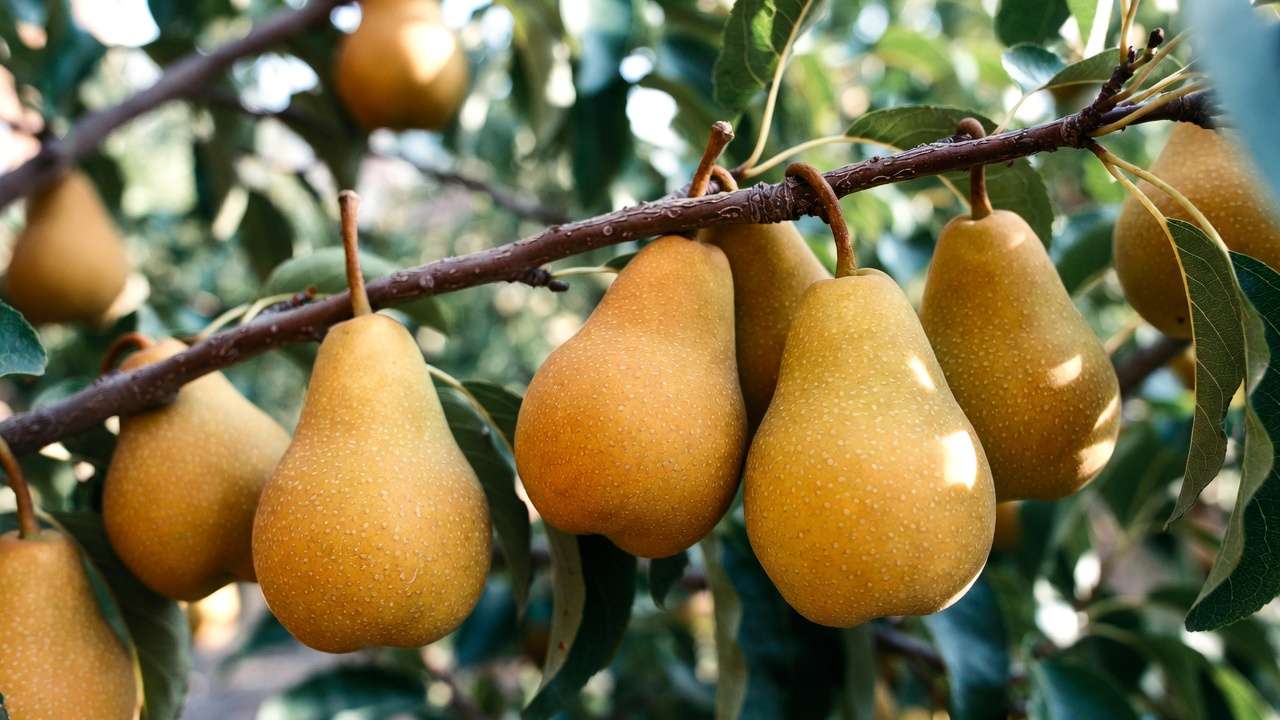
Asian Pears (Crisp, Apple-Like Texture) 🍎
Crunchy and juicy like apples; often more blight-tolerant overall.
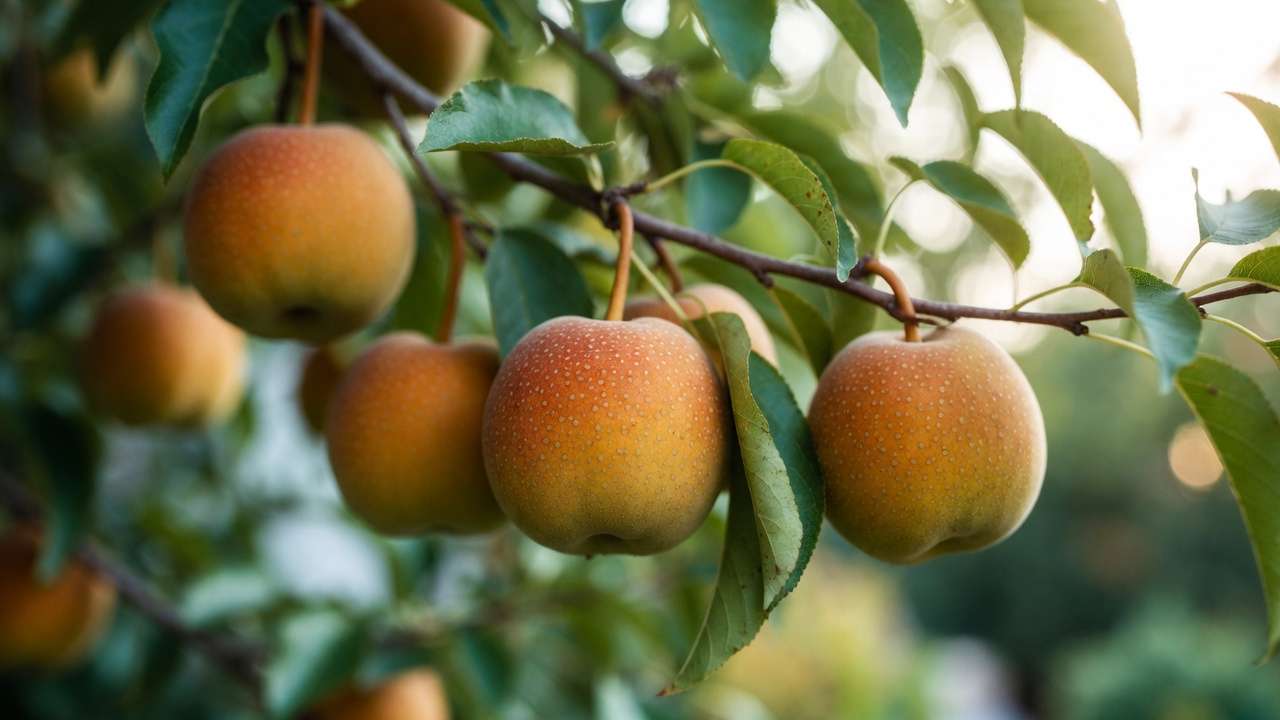
- Shinko — Top Asian for fire blight resistance. Bronze-russet skin, sweet-bronze flavor. Stores well; productive. Zones 5–9.
- Korean Giant / Olympic — Large fruits, excellent storage. Solid resistance and crisp texture. Zones 5–9.
Quick Comparison Table 📊
| Variety | Ripening Time | Flavor/Texture | Fire Blight Resistance | Best Zones | Best For | Notes |
|---|---|---|---|---|---|---|
| Blake’s Pride | Mid-late | Sweet, aromatic, juicy | High | 5–8 | Fresh eating | Stores well |
| Harrow Sweet | Mid-September | Very sweet, juicy | Very high | 5–9 | Fresh, canning | Cold-hardy |
| Potomac | Late | Mild, buttery | High | 5–8 | Fresh | Productive |
| Magness | Early-mid | Rich, smooth | Almost immune | 5–8 | Dessert | Pollen-sterile |
| Moonglow | Early | Mild, subacid | High | 5–9 | Canning, fresh | Reliable |
| Kieffer | Late | Crisp, tart-sweet | Extremely high | 4–9 | Canning, preserves | Heat-tolerant |
| Ayers | Mid | Sweet | Very high | 5–9 | Fresh | Southern champ |
| Shinko | Mid-late | Sweet, crisp | High (Asian top) | 5–9 | Fresh, storage | Russet skin |
These varieties outperform many common lists by combining taste, productivity, and resistance — ideal for home orchards.
How to Choose the Right Variety for Your Home Orchard 🌍🏡
Selecting the perfect pear varieties with high disease resistance isn’t one-size-fits-all. The best choice depends on your local climate, available space, taste preferences, and what you plan to do with the harvest. Here’s a step-by-step guide to make an informed decision that sets you up for success with minimal headaches.
Consider Your Climate and USDA Zone
Fire blight pressure is highest in warm, humid spring conditions (common in much of the eastern and southern U.S., parts of Europe, and humid subtropical areas like parts of South Asia). Cooler, drier climates see less severe outbreaks.
- Zones 4–6 (colder winters): Kieffer, Harrow Sweet, Blake’s Pride, and Moonglow perform reliably. Asian pears like Shinko also do well if winters aren’t extreme.
- Zones 7–9 (warmer, humid summers): Kieffer, Ayers, Hood, and Warren excel in the American South and similar climates. Harrow Sweet and Potomac handle heat and humidity surprisingly well.
- High-humidity or rainy spring areas (e.g., coastal or monsoon-influenced regions): Prioritize the very highest resistance — Blake’s Pride, Magness, Harrow Sweet, Kieffer, and Shinko consistently rank at the top in extension trials under pressure.
Pro tip: Check your local agricultural extension service or nearby master gardener groups for region-specific performance reports — real-world results often vary slightly from controlled trials. 🌧️🔍
Pollination Requirements — Plant Pairs for Success! 🐝
Most pear varieties are not self-fertile, so you’ll need at least two compatible varieties that bloom at roughly the same time for good fruit set.
Excellent low-maintenance pollination combos:
- Harrow Sweet + Blake’s Pride (both mid-season bloomers, excellent resistance)
- Moonglow + Potomac (early to mid overlap, very reliable)
- Kieffer + Ayers (tough Southern pair, abundant pollen)
- Shinko + Korean Giant (Asian pair, crisp-texture lovers rejoice)
Magness is pollen-sterile, so always plant it with a second variety (Harrow Sweet or Moonglow work beautifully). If space is very limited, look for self-fertile exceptions like some newer Harrow releases — but even then, a second tree boosts yield dramatically. 🍐❤️
Rootstock Recommendations for Disease Tolerance
The rootstock influences tree size, vigor, and — importantly — fire blight tolerance in the lower trunk and roots.
- OHxF 87 or OHxF 97 — Semi-dwarfing, excellent fire blight resistance, good anchorage, and adaptability to many soils. These are the gold standard for modern low-maintenance orchards.
- OHxF 333 — More dwarfing, still solid resistance — great for smaller yards.
- Avoid seedling rootstocks or older Quince types in fire blight-prone areas — they can be weak links.
A resistant scion on a tolerant rootstock = double protection and easier care. 🌱
Space and Size — Dwarf vs. Standard for Small Yards
- Standard trees (15–25 ft tall): Kieffer, Ayers, and many Asian pears on their own roots or vigorous rootstocks. Best for large lots or if you want maximum production.
- Semi-dwarf (10–15 ft): Most European types on OHxF 87/97. Perfect balance for most home orchards.
- Dwarf (8–12 ft): Possible with OHxF 333 or similar. Ideal for patios, small backyards, or container growing (with heavy pruning).
Choose size based on your pruning willingness and available space — smaller trees are easier to net against birds and easier to harvest! 🏠
Planting and Care Tips for Low-Maintenance Success
The right variety is only half the battle. Smart site selection and minimal-intervention care keep these resistant pears healthy and productive for decades.
Site Selection and Planting Best Practices
- Full sun (6–8+ hours daily) is non-negotiable for sweet fruit and strong growth.
- Well-drained soil — pears hate wet feet. If drainage is poor, plant on a slight mound or use raised beds.
- Good air circulation — avoid low spots or crowding near buildings/trees to reduce humidity buildup.
- Planting: Dig a hole twice as wide as the root ball, same depth. Water deeply after planting and mulch 2–4 inches thick (keep mulch away from trunk). Spring planting is safest in most climates.
Minimal-Pruning and Organic Maintenance Strategies
Pears require less pruning than apples — focus on:
- Open-center or modified central-leader shape for light and air penetration.
- Remove dead, diseased, or crossing branches annually in late winter/early spring.
- Avoid heavy summer pruning (encourages fire blight-prone shoots).
Fertilize sparingly — too much nitrogen triggers lush, blight-susceptible growth. A light application of compost or balanced organic fertilizer in early spring is usually plenty.
Natural Ways to Boost Resistance and Prevent Outbreaks
- Sanitation: Remove any blackened shoots promptly (cut 8–12 inches below visible damage) and destroy them — never compost.
- Copper-based sprays (fixed copper or Bordeaux mixture) at green tip and bloom can help in high-pressure years — use sparingly and follow organic guidelines.
- Encourage beneficial insects and birds — they help control psylla and codling moth.
- Mulch and drip irrigation keep soil moisture even and reduce stress.
Common Mistakes to Avoid
- Over-fertilizing (especially high-nitrogen) — creates tender shoots fire blight loves.
- Poor pruning timing — summer cuts invite infection.
- Ignoring early symptoms — a few blackened tips can spread fast if not addressed.
- Planting in low, wet spots — increases disease pressure dramatically. 🚫
With these habits, many gardeners report almost no disease issues on resistant varieties, even in tough years.
Expert Insights and Reader Success Stories 🌟🍐
As someone who’s followed pear breeding and home orchard trials for years (drawing from university extension reports, USDA publications, and feedback from thousands of gardeners worldwide), I can confidently say the varieties highlighted here represent some of the most battle-tested options available today.
Key takeaways from respected sources:
- The Harrow Research and Development Centre (Ontario, Canada) has spent decades refining fire blight resistance while preserving flavor — Harrow Sweet and its siblings consistently rank at the top in multi-year, high-pressure field trials.
- USDA-ARS Beltsville releases (Magness, Moonglow, Potomac, Blake’s Pride) were specifically developed for eastern U.S. conditions where fire blight historically wiped out entire plantings of Bartlett and similar types.
- Southern extension services (e.g., University of Georgia, Clemson, NC State) frequently recommend Kieffer, Ayers, and Hood for their near-bulletproof performance in hot, humid summers with frequent spring rains.
Real-world gardener experiences back this up:
- In zone 7 (mid-Atlantic U.S.), one longtime orchardist reported zero fire blight strikes on Blake’s Pride and Harrow Sweet over nine seasons — even during a very wet spring that devastated neighboring Bartlett trees.
- A zone 8b gardener in the southeastern U.S. shared that their 12-year-old Kieffer tree has produced 200+ pounds of fruit annually with only basic pruning and no sprays — perfect for homemade pear butter and preserves.
- Asian pear fans in zone 6 note that Shinko “laughs at fire blight” compared to European types, delivering crisp, sweet fruit year after year with almost no intervention.
- In warmer, subtropical-adjacent areas (similar to parts of South Asia with monsoon humidity), growers experimenting with Ayers and Hood report far better survival and cropping than traditional European pears.
These aren’t isolated anecdotes — patterns emerge across climates when resistance is prioritized. The common thread? Start with a high-resistance variety on a tolerant rootstock, plant in a sunny, airy spot, and practice basic sanitation. The reward is years of reliable, delicious pears with dramatically reduced stress. 🌱❤️
Frequently Asked Questions (FAQs) ❓
Which pear variety is the most resistant to fire blight? No variety is 100% immune, but Blake’s Pride, Magness, Harrow Sweet, and Kieffer consistently rank among the very highest in university trials and real-world performance under heavy disease pressure.
Are Asian pears generally more disease resistant than European pears? Yes — many Asian (nashi) pears show stronger natural tolerance to fire blight, though flavor and texture differ (crisp and apple-like vs. soft and buttery). Shinko is one of the best all-around Asian options for resistance.
Can I grow these resistant pears in warm, humid climates like parts of Bangladesh or the American South? Absolutely. Kieffer, Ayers, Hood, and Harrow Sweet perform exceptionally well in hot, humid zones (7–9 and similar). Focus on excellent drainage and good airflow to minimize fungal issues.
How long does it take for these trees to bear fruit? Most grafted trees on semi-dwarf rootstock begin light production in year 3–4 and reach good yields by year 5–7. Asian pears and hybrids like Kieffer often fruit a bit earlier than some European types.
Which are best for fresh eating vs. canning/preserves? Fresh eating: Blake’s Pride, Harrow Sweet, Magness, Potomac, Shinko (crisp delight!). Canning, baking, preserves: Kieffer (classic choice), Moonglow, Ayers, Hood — they hold shape and flavor beautifully when cooked.
Do I really need two trees for pollination? Yes, in almost all cases. Even partially self-fertile varieties produce much heavier crops with a compatible partner. Plant two different resistant varieties that bloom at the same time.
Are these varieties available in my region? Most are widely available from U.S., Canadian, and international specialty nurseries that ship grafted trees (e.g., Raintree Nursery, One Green World, Stark Bro’s, or local equivalents). Search for “fire blight resistant pear trees” from reputable suppliers and request OHxF rootstock.
What if I still see some fire blight — what should I do? Prune out affected shoots promptly (cut 10–12 inches below visible symptoms) on a dry day, sterilize tools between cuts, and remove debris. In high-pressure years, a dormant copper spray at green tip can provide extra insurance without heavy chemical use.
Can I grow these in containers or very small spaces? Yes — choose semi-dwarf or dwarf rootstocks (OHxF 333 or similar) and varieties like Harrow Sweet or Blake’s Pride. Regular pruning and good container drainage make it feasible for patios or balconies.
Conclusion
Growing pears doesn’t have to mean constant spraying, heartbreaking losses, or disappointment. By choosing proven pear varieties with high disease resistance — like Blake’s Pride, Harrow Sweet, Magness, Kieffer, Shinko, and others in this guide — you can build a low-maintenance home orchard that delivers beautiful blooms, reliable crops, and mouthwatering fruit for years to come.
These modern selections solve the biggest barrier for home growers: disease vulnerability. Start small with two compatible trees, give them a sunny spot with good care basics, and you’ll likely enjoy your first homegrown pears sooner than you think — with far less effort than older varieties demand.
Ready to plant? Pick your top two or three from the list, check local nurseries or online suppliers, and get growing! Your future self (and your taste buds) will thank you. 🍐🌳✨











